
Mesoamerican Architectural Achievements: Comparing the Maya and Aztecs

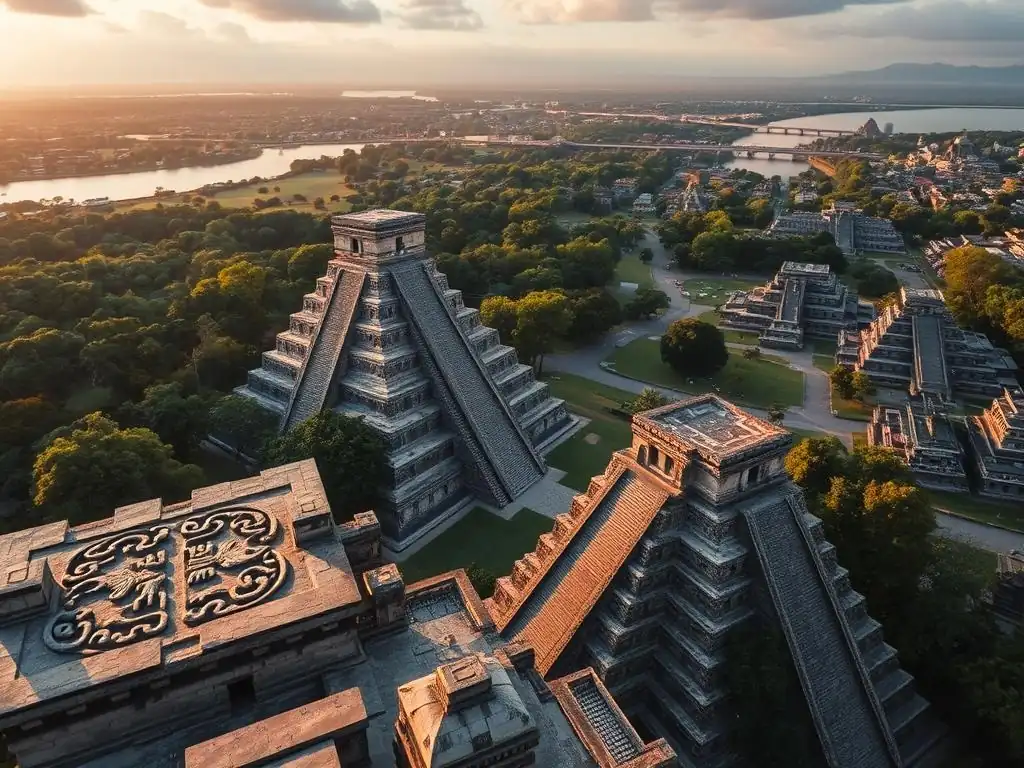
Welcome to Indigenous Civilizations of the Americas, where we invite you to embark on a fascinating journey through the rich tapestry of pre-colonial cultures. Here, you'll uncover the remarkable Mesoamerican architectural achievements comparison that highlights the innovative designs and monumental structures of the Maya and Aztecs. What drove these civilizations to create such awe-inspiring architecture? Join us as we delve into their incredible societies, revealing the profound impact they have left on history. Prepare to be inspired and enlightened as you explore their legacies!
- Introduction to Mesoamerican Architectural Achievements Comparison
- Historical Context of Mesoamerican Civilizations
- Key Features of Maya Architectural Achievements
- Key Features of Aztec Architectural Achievements
- Comparative Analysis of Maya and Aztec Architectural Techniques
- Mesoamerican Architectural Achievements: Similarities and Differences
- The Lasting Impact of Mesoamerican Architecture
- Conclusion: The Significance of Mesoamerican Architectural Achievements Comparison
-
Frequently Asked Questions
- What are the main architectural achievements of the Maya?
- How do the Maya and Aztec architectural styles differ?
- What was the significance of religion in Mesoamerican architecture?
- How did geography influence Mesoamerican architecture?
- What lasting impact did Mesoamerican architecture have on modern societies?
- Final Reflection: Celebrating the Legacy of Mesoamerican Architectural Achievements
- Unveil the Wonders of Mesoamerican Architecture!
Introduction to Mesoamerican Architectural Achievements Comparison
Mesoamerican architectural achievements stand as a testament to the ingenuity and creativity of ancient civilizations, particularly the Maya and Aztecs. These two cultures, which flourished in what is now Mexico and Central America, created remarkable structures that not only served practical purposes but also held deep cultural and spiritual significance.
This article delves into the rich tapestry of Mesoamerican architecture, comparing the distinct styles, techniques, and innovations of the Maya and Aztec civilizations. By understanding their architectural legacies, we can appreciate the profound impact these societies had on the region's history and culture, as well as their enduring influences that resonate today.
Overview of Mesoamerican Architecture
Mesoamerican architecture is characterized by its grand scale, intricate designs, and the use of local materials. The architectural styles of the Maya and Aztecs, while sharing common elements, also display unique features that reflect their respective cultural values and environmental adaptations.
- Maya Architecture:
- Materials Used: Predominantly limestone, which was abundant in the region.
- Common Structures:
- Pyramids (e.g., El Castillo at Chichen Itza)
- Palaces (e.g., the Palace of the Governor in Uxmal)
- Temples (e.g., Temple I at Tikal)
- Design Characteristics:
- Highly decorated facades with stucco reliefs and carvings.
- Use of corbel arch techniques.
- Aztec Architecture:
- Materials Used: Primarily stone and adobe.
- Common Structures:
- The Great Pyramid of Tenochtitlan (Templo Mayor)
- Residential complexes and marketplaces (e.g., Tlatelolco)
- Design Characteristics:
- Massive stone structures with intricate carvings.
- Emphasis on symmetry and geometric patterns.
This overview illustrates how both civilizations adapted their architectural practices to their environments and cultural needs, resulting in structures that were not only functional but also symbolic of their identity.
Importance of Comparing Maya and Aztec Structures
The comparison of Maya and Aztec architectural achievements is crucial for several reasons:
-
Cultural Reflection:
Each civilization's architecture reflects its values, beliefs, and social structures. For instance, the Maya placed a strong emphasis on astronomy and cosmology, which influenced their temple alignments and construction methods. In contrast, the Aztecs showcased their militaristic and religious priorities through their monumental structures.
-
Technological Innovations:
Both cultures made significant advancements in construction techniques. By examining these innovations, we can gain insights into the engineering prowess and resource management strategies employed by the Maya and Aztecs, which were often adapted to their unique geographic settings.
-
Architectural Legacy:
The architectural elements of both civilizations continue to influence modern architecture in the region. Understanding their achievements helps us recognize the historical continuum and the cultural significance of these structures as part of the broader narrative of human civilization.
-
Preservation and Education:
As we study and compare these architectural wonders, we also highlight the need for preservation efforts. Many Mesoamerican sites face threats from environmental factors and urban development, making it imperative to advocate for their protection and educate future generations about their historical importance.
The rich architectural heritage of the Maya and Aztecs not only shaped the landscapes of Mesoamerica but also laid the groundwork for understanding the complexities and achievements of these remarkable civilizations.
Historical Context of Mesoamerican Civilizations
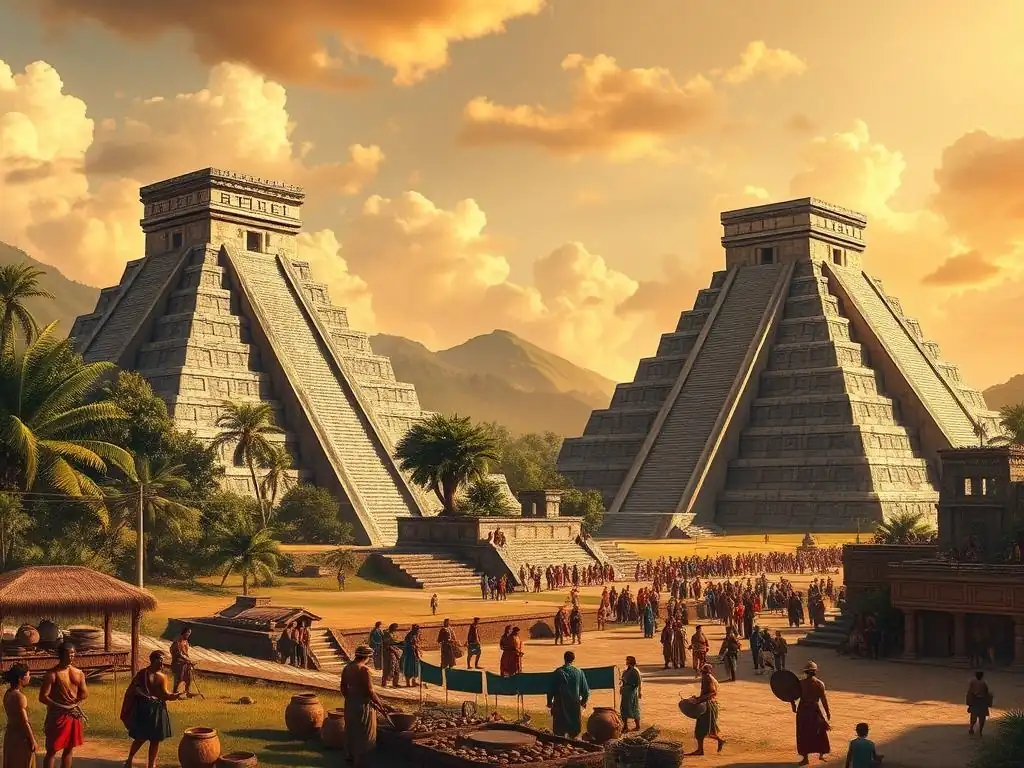
Mesoamerican civilizations, particularly the Maya and the Aztecs, represent some of the most sophisticated societies that flourished in the Americas prior to European contact. These cultures were characterized by their complex social structures, rich spiritual beliefs, and remarkable achievements in various fields, including architecture. Understanding the historical context of these civilizations is crucial for appreciating their architectural innovations.
Both the Maya and Aztec civilizations emerged in a region that encompassed present-day Mexico and parts of Central America. The Maya civilization reached its peak during the Classic period (250–900 CE), while the Aztec Empire rose to prominence in the 14th century and lasted until the Spanish conquest in the early 16th century. The architectural styles of these two civilizations reflect their unique cultural values, environmental adaptations, and technological capabilities.
Development of Maya Architecture
Maya architecture is renowned for its monumental structures, which include temples, palaces, and observatories, often built using limestone and adorned with intricate carvings.
- Key Features:
- Step Pyramids: The Maya are famous for their stepped pyramids, such as those found in Tikal and Chichen Itza. These structures served both religious and ceremonial purposes.
- Corbelled Arches: Unlike the true arch used in later Roman architecture, Maya builders employed corbel arches, which allowed for the creation of spacious interiors without the need for extensive supporting structures.
- Hieroglyphic Inscriptions: Many structures included inscriptions that documented historical events and royal lineages, showcasing the Maya's advanced understanding of writing and record-keeping.
- Regional Variations:
- Northern Maya Lowlands: Characterized by large urban centers with extensive plazas and ball courts, such as Tikal and Calakmul.
- Southern Maya Highlands: Notable for their citadel-like cities, with elaborate terraces and agricultural systems adapted to the mountainous terrain.
The architectural achievements of the Maya were not only functional but also symbolic, reflecting their cosmological beliefs and social hierarchy.
Evolution of Aztec Architectural Styles
Aztec architecture, often considered the culmination of Mesoamerican architectural traditions, is characterized by its grand scale and intricate design.
- Key Features:
- Temples and Pyramids: The Aztecs built massive temples, such as the Templo Mayor in Tenochtitlan, which was dedicated to their gods Huitzilopochtli and Tlaloc. These structures often featured dual temples at the summit, signifying the duality of their religious beliefs.
- Use of Talud-tablero: This architectural style involved a sloped base (talud) topped by a vertical panel (tablero), creating a distinctive layered appearance.
- Urban Planning: The Aztecs developed sophisticated urban layouts, with designated spaces for temples, markets, and residential areas, showcasing their organizational skills and complex societal structures.
- Cultural Significance:
- Symbolism of Power: The scale and grandeur of Aztec architecture served to reinforce the power of the state and the divine right of the rulers. Temples were often located at the heart of the city, symbolizing the connection between the divine and the earthly realm.
- Integration with Nature: Aztec architecture frequently incorporated natural elements, such as water and gardens, into their designs, reflecting a deep reverence for the natural world.
The evolution of Aztec architectural styles illustrates the society's adaptability and innovation, building upon the foundations laid by earlier Mesoamerican cultures while establishing their unique identity.
The architectural achievements of the Maya and Aztecs not only highlight their engineering prowess but also provide insight into their cultural values and societal structures. Through a comparative analysis of their architectural styles, one can appreciate the rich tapestry of Mesoamerican civilization and its enduring legacy.
Key Features of Maya Architectural Achievements
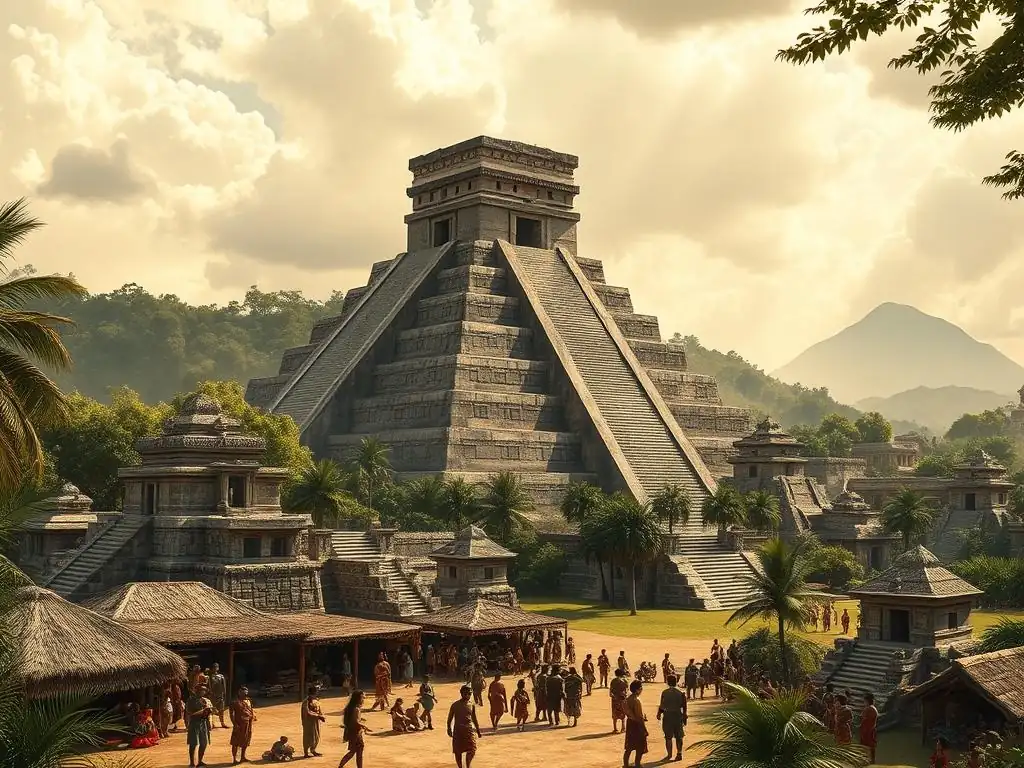
Maya architectural achievements are characterized by their innovative use of design, materials, and construction techniques, which reflect their complex social structures, religious beliefs, and environmental adaptations. The Maya civilization, which flourished in present-day Mexico, Guatemala, Belize, Honduras, and El Salvador, developed a unique architectural style that incorporated both functional and ceremonial elements.
One of the key features of Maya architecture is the integration of their structures with the natural landscape. The Maya often built their cities in harmony with the surrounding environment, utilizing local resources and adapting to the topography. This resulted in the construction of impressive pyramids, temples, and palaces that not only served as functional spaces but also as symbols of power and spirituality.
Use of Materials in Maya Construction
The Maya utilized a variety of materials in their architectural endeavors, which played a significant role in the durability and aesthetics of their structures.
- Limestone: The most commonly used material, limestone was abundant in the region and was often quarried to create the massive blocks used in buildings. The Maya expertly carved limestone to create intricate designs and reliefs that adorned their structures.
- Stucco: A mixture of lime, sand, and water, stucco was used extensively to finish walls, create decorative facades, and cover the surfaces of buildings. The application of stucco allowed for bright colors and detailed artwork, creating visually striking structures.
- Wood: Timber was used in the construction of roofs and other structural elements. Although wood is less durable than stone, its use was vital for creating expansive spaces and supporting roofs.
- Ceramics: While primarily associated with pottery, ceramics were also used decoratively in architecture, often embedded in walls or used in religious iconography.
Notable Maya Structures and Their Functions
Maya architecture includes a variety of structures that served different purposes, from religious ceremonies to administrative functions. Below are two of the most significant Maya sites that exemplify their architectural achievements.
Tikal: A City of Grandeur
Tikal, one of the largest archaeological sites of the Maya civilization, showcases the grandeur of Maya architecture. Located in the rainforests of Guatemala, Tikal is renowned for its towering pyramids, expansive plazas, and intricate stelae.
- Temple I (Temple of the Great Jaguar): This iconic structure stands over 47 meters tall and served as a funerary temple for the ruler Jasaw Chan K'awil I. Its steep steps and impressive height symbolize the connection between the earthly realm and the heavens.
- Temple II (Temple of the Masks): This temple, located adjacent to Temple I, features elaborate masks and carvings that depict deities and ancestors, highlighting the religious significance of the structure.
Tikal also includes large ceremonial plazas that served as gathering places for religious and political events, demonstrating the city's role as a major cultural and political center.
Palenque: A Testament to Maya Engineering
Palenque, a smaller but equally significant site, is famed for its exquisite architecture and intricate carvings. Nestled in the Chiapas region of Mexico, Palenque showcases the engineering prowess of the Maya in both its construction and urban planning.
- Pakal's Palace: This complex features numerous rooms, terraces, and a remarkable corbel-arched roof, demonstrating advanced engineering techniques. The palace's layout reflects the social hierarchy of the Maya, with spaces designated for rulers and their families.
- Temple of the Inscriptions: This temple is notable for its elaborate hieroglyphic inscriptions and serves as the tomb of the ruler Pakal. The temple's design includes a central staircase leading to a burial chamber, showcasing the Maya's understanding of both architecture and funerary practices.
Palenque's architectural innovations, including the use of corbel arches and decorative motifs, underscore the complexity of Maya society and their architectural legacy.
The architectural achievements of the Maya not only reflect their technological advancements but also their rich cultural heritage, influencing contemporary understanding of pre-Columbian civilizations. The comparison of these achievements with those of other Mesoamerican cultures, such as the Aztecs, illuminates the diverse expressions of human creativity and adaptation.
Innovations in Maya Urban Planning
The Maya civilization is renowned for its sophisticated urban planning that reflects a deep understanding of their environment, social organization, and architectural innovation. The layout of Maya cities was meticulously designed, taking into account both functionality and spirituality. Here are some key innovations that highlight their advanced approach to urban planning:
- City Layout and Organization: Maya cities were often organized around central plazas, which served as the heart of the community. These plazas were surrounded by important civic and religious structures, including temples and government buildings. The cities were typically laid out in a grid-like pattern, allowing for efficient movement and organization.
- Integration with Nature: The Maya skillfully integrated their urban areas with the surrounding landscape. They often built cities near rivers or lakes, providing easy access to water sources. Additionally, they utilized natural features such as hills and valleys to enhance their architectural designs, creating a harmonious relationship between built environments and nature.
- Transportation and Accessibility: Maya urban planning included a network of causeways, known as sacbeob, which connected different parts of the city and facilitated trade and movement. These elevated roads were often built using limestone and provided a stable surface for transportation, improving accessibility between urban centers and rural areas.
- Sustainability Practices: The Maya developed innovative agricultural techniques, such as terracing and slash-and-burn agriculture, which allowed them to sustain large populations. Urban planning often included agricultural zones within or near the city, ensuring that residents had access to food and reducing the need for long-distance travel for resources.
- Ceremonial and Ritual Significance: The layout of Maya cities was also deeply influenced by their cosmology and beliefs. Many urban centers were designed with specific orientations and alignments to celestial bodies, reflecting the importance of astronomy in their culture. Temples and pyramids were strategically positioned to serve as focal points for religious ceremonies, reinforcing the connection between urban life and spiritual practices.
- Social Stratification: Urban planning in Maya cities reflected social hierarchies. Elite classes often resided in larger, more elaborate structures located within the city center, while commoners lived in simpler homes on the periphery. This spatial organization not only delineated social classes but also reinforced the power dynamics within Maya society.
The innovations in Maya urban planning showcase their advanced understanding of architecture, environmental management, and social organization. These elements combined to create vibrant urban centers that played a crucial role in the cultural and political life of the Maya civilization, leaving a lasting legacy that continues to be studied and admired today.
Key Features of Aztec Architectural Achievements
Use of Materials in Aztec Construction
The Aztecs exhibited remarkable ingenuity in their architectural endeavors, largely influenced by their environment and the materials available to them. They primarily utilized local resources such as stone, adobe, and wood.
- Stone: The Aztecs favored volcanic rock, particularly tezontle and basalt, due to their durability and abundance in the region. This choice enabled the construction of long-lasting structures capable of withstanding the test of time.
- Adobe: Made from sun-dried mud bricks, adobe was instrumental in creating walls and residential buildings. Its insulating properties provided comfort in the varying climate conditions of central Mexico.
- Wood: While less utilized in monumental architecture, wood played a role in residential architecture and ceremonial structures, often serving as beams and supports.
These materials not only contributed to the aesthetic appeal of Aztec architecture but also showcased their adaptability to the local environment, reflecting a deep understanding of the surrounding landscape.
Notable Aztec Structures and Their Functions
Aztec architecture is characterized by a variety of structures that served different functions, from religious ceremonies to administrative purposes. Here are some of the most notable examples:
Tenochtitlan: The Urban Marvel
Tenochtitlan, the capital of the Aztec Empire, was an engineering feat built on an island in Lake Texcoco.
- Layout and Design: The city was meticulously planned, featuring a grid layout with canals serving as roads. This design facilitated transportation and trade, reinforcing Tenochtitlan's status as a thriving metropolis.
- Chinampas: The Aztecs ingeniously created floating gardens, known as chinampas, which maximized agricultural output. This method of farming allowed for year-round cultivation and supported the large population of the city.
- Civic and Ceremonial Centers: The city boasted grand plazas, temples, and palaces, reflecting both civic pride and religious devotion. The Templo Mayor, a central religious structure, served as a focal point for worship and ceremonies.
Tenochtitlan stands as a testament to the Aztecs' advanced urban planning and architectural prowess, influencing future generations and cultures.
The Great Pyramid of Tenochtitlan: Symbol of Power
The Great Pyramid, or Templo Mayor, served not only as a religious temple but also as a symbol of the Aztec Empire's power and cosmology.
- Structure and Design: The pyramid was built in stages, with each successive layer representing an expansion of the Aztec empire. Its massive size and intricate carvings showcased the Aztecs' architectural skills and their dedication to their gods.
- Religious Significance: The Templo Mayor was dedicated to two primary deities: Huitzilopochtli, the god of war, and Tlaloc, the rain god. This dual dedication illustrated the Aztec belief in the balance of warfare and nature.
- Cultural Legacy: The pyramid's grandeur impacted later Mesoamerican cultures, emphasizing the importance of monumental architecture in expressing power and religious devotion.
The Great Pyramid of Tenochtitlan is a crucial element in understanding the Mesoamerican architectural achievements comparison between the Aztecs and other civilizations, particularly the Maya, highlighting the unique features and cultural significance of Aztec construction.
Innovations in Aztec Urban Planning
The Aztec civilization, known for its grand cities and intricate urban designs, showcased remarkable innovations in urban planning that were instrumental in supporting their complex society. One of the most notable examples of Aztec urban planning can be seen in the capital city of Tenochtitlan, which was constructed on an island in the midst of Lake Texcoco. This unique location posed challenges that the Aztecs adeptly overcame through innovative engineering techniques.
Water Management Systems
To manage the abundant water from the lake, the Aztecs developed sophisticated systems of canals and causeways. These canals not only provided essential transportation routes but also served as a means of irrigation, allowing for agricultural productivity in the surrounding areas. They created a series of dikes and sluice gates to control water levels, preventing flooding during the rainy season and ensuring a steady supply of fresh water for drinking and farming.
Grid Layout and Zoning
The urban design of Tenochtitlan was characterized by a grid layout that facilitated efficient movement and organization of space. The city was divided into several zones, each serving distinct functions such as residential, religious, and commercial areas. This zoning enabled a well-structured environment where citizens could easily access resources, markets, and temples. The central ceremonial district, known as the Templo Mayor, was strategically located to emphasize its importance in Aztec religious life.
Public Spaces and Infrastructure
The Aztecs placed a strong emphasis on public spaces, incorporating plazas and marketplaces that served as social and economic hubs. The main plaza of Tenochtitlan was a large open area where community gatherings, trade, and religious ceremonies took place. The presence of well-constructed temples, palaces, and homes with intricate designs reflected the civilization's architectural prowess and their commitment to creating spaces that fostered community engagement.
Use of Materials and Techniques
Aztec architects utilized locally available materials such as adobe, stone, and wood to construct their buildings. They employed advanced techniques, including the use of arches and vaults, which allowed for larger and more durable structures. The innovative use of these materials and techniques contributed to the longevity of many Aztec buildings, some of which still stand today as a testament to their architectural ingenuity.
The innovations in Aztec urban planning were pivotal in shaping the complex societal structure of their civilization. Through advanced water management systems, strategic urban layouts, and the incorporation of public spaces, the Aztecs created a thriving urban environment that supported their cultural, economic, and religious practices. Their achievements in urban planning stand as a lasting legacy, influencing future generations in the region.
Comparative Analysis of Maya and Aztec Architectural Techniques
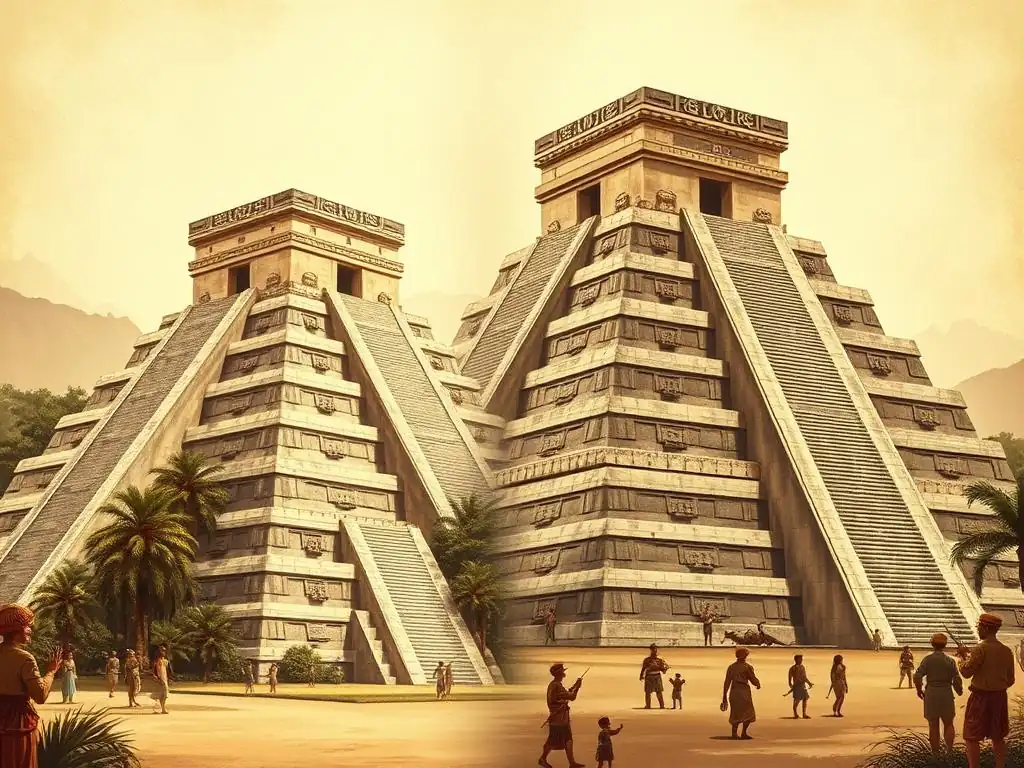
Structural Techniques and Engineering Mastery
The architectural achievements of the Maya and Aztecs reflect their unique engineering capabilities and the demands of their respective environments. Both civilizations employed advanced structural techniques that not only showcased their artistic flair but also demonstrated their understanding of materials and landscape.
Maya Engineering Techniques
Maya architecture is renowned for its intricate stonework and the use of locally sourced limestone. The Maya developed techniques such as corbel arches, which allowed them to create spacious interiors without the need for sophisticated arch technology. This method involved stacking stones in a step-like pattern, gradually moving inward until they met at the top. The structural integrity provided by corbel arches enabled the construction of impressive buildings such as the towering pyramids of Tikal and Palenque.
- Material Usage: Maya builders often used a blend of limestone and plaster, allowing for both strength and aesthetic finishes.
- Stability: Their knowledge of the region's seismic activity influenced their designs, leading to the use of wider bases and lower profiles for stability.
Aztec Engineering Techniques
In contrast, the Aztecs displayed an extensive use of volcanic stone, particularly tezontle, which was both abundant and durable. Their architectural feats included the construction of the Templo Mayor in Tenochtitlan, characterized by its dual temples dedicated to the gods Tlaloc and Huitzilopochtli. The Aztecs utilized a more straightforward approach to arches and vaults, often relying on massive stone blocks to create formidable structures.
- Innovative Urban Planning: The Aztecs implemented a grid system in Tenochtitlan, showcasing their advanced urban planning skills while accommodating for the lake-based environment.
- Aqueducts and Causeways: Their engineering prowess also extended to the construction of aqueducts and causeways, which facilitated trade and transportation across their capital.
| Feature | Maya Techniques | Aztec Techniques |
|---|---|---|
| Primary Materials | Limestone | Volcanic stone (tezontle) |
| Arch Construction | Corbel arches | Massive stone blocks |
| Urban Planning | Hierarchical layout | Grid system in Tenochtitlan |
| Notable Structures | Pyramids of Tikal, Palenque | Templo Mayor, Tenochtitlan |
Aesthetic Differences in Architecture
While both the Maya and Aztecs shared certain architectural elements, their aesthetic expressions differed significantly, reflecting their cultural values and artistic priorities.
Maya Aesthetic Elements
Maya architecture is marked by its elaborate carvings and stucco facades, often depicting intricate scenes from mythology and daily life. The use of vibrant colors, especially in murals, added to the visual richness of their public and ceremonial buildings. The Maya placed a strong emphasis on symmetry and harmony in their designs, which can be seen in their pyramid complexes and palaces.
- Symbolism: The orientation and layout of structures often held astronomical significance, aligning with celestial events.
- Integration with Nature: Maya architects frequently incorporated natural features into their designs, such as the integration of stone formations in temple layouts.
Aztec Aesthetic Elements
In contrast, Aztec architecture exhibited a more monumental and imposing character. The Aztecs preferred bold geometric designs and massive scale, which conveyed power and authority. Their structures often featured intricate stone carvings, but these were typically more focused on ritualistic and militaristic themes, reflecting the society's values.
- Use of Color: While the Aztecs also decorated their buildings, they employed a more restrained color palette, focusing on the starkness of stone.
- Ceremonial Importance: The emphasis on large plazas and the scale of temples served to enhance the ceremonial experience, often showcasing grand public displays.
Religious and Cultural Influences on Design
The architectural styles of the Maya and Aztecs were deeply influenced by their respective religious beliefs and cultural practices, shaping the purpose and design of their structures.
Maya Religious Influence
Mayan architecture was predominantly influenced by their polytheistic beliefs and a strong connection to the cosmos. Temples and pyramids were often constructed as places of worship, dedicated to their gods. The placement of these structures was meticulously planned in relation to astronomical events, demonstrating the Maya's sophisticated understanding of celestial cycles.
- Ritual Significance: Structures often served as sites for rituals and ceremonies, with altars commonly found atop pyramids.
- Mythological Representations: Iconography in Maya architecture frequently depicted gods and mythological events, reinforcing their spiritual beliefs.
Aztec Religious Influence
Aztec architecture was similarly influenced by their religious practices, which emphasized the importance of sacrifice and the worship of numerous deities. The Templo Mayor, as the central religious structure, stood as a testament to their devotion, symbolizing the duality of life and death. The grandeur of Aztec architecture reflected their militaristic culture and the significance of warfare in their religious practices.
- Sacrificial Sites: Many structures included sacrificial altars and platforms, emphasizing the role of human sacrifice in their rituals.
- Cultural Symbolism: The design of temples often mirrored the Aztec cosmology, with layers representing different realms of existence.
The architectural achievements of the Maya and Aztecs not only reveal their engineering mastery but also reflect their distinct cultural identities. While there are similarities in their use of monumental structures, the differences in aesthetic expression, materials, and religious influences illustrate the rich tapestry of Mesoamerican civilization. Understanding these complexities provides a deeper appreciation of the Mesoamerican architectural achievements comparison.
Mesoamerican Architectural Achievements: Similarities and Differences
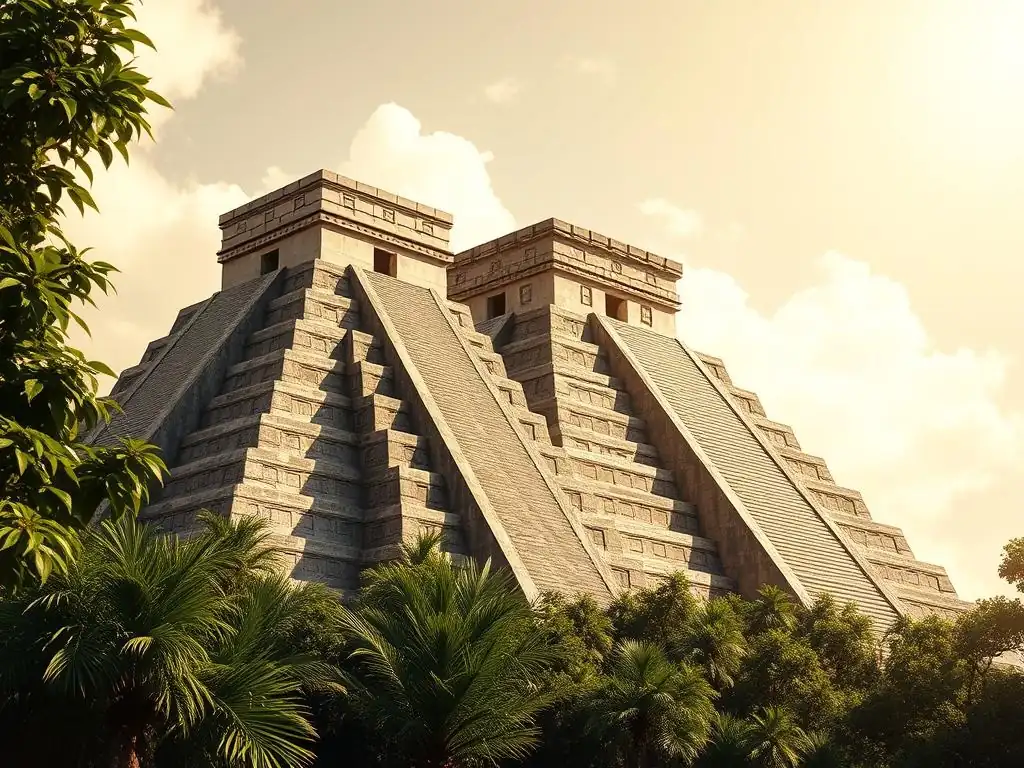
Common Architectural Themes in Maya and Aztec Cultures
Mesoamerican architectural achievements reflect a profound understanding of urban planning, religious significance, and astronomical alignment. Both the Maya and Aztec civilizations shared common themes in their architectural practices, which are evident in several aspects:
- Pyramidal Structures: Both cultures built monumental pyramids that served as temples and platforms for religious ceremonies. For instance, the Temple of the Inscriptions in Palenque (Maya) and the Great Pyramid of Tenochtitlan (Aztec) highlight the significance of pyramidal shapes in their religious life.
- Central Plazas: Central plazas were a critical component of both Maya and Aztec cities, serving as focal points for social, political, and religious activities. The Plaza of the Great Pyramid in Tenochtitlan was a bustling hub similar to the Great Plaza of Copán, where public gatherings and ceremonies took place.
- Carved Stone Reliefs: Both civilizations utilized intricate stone carvings to depict religious iconography, historical events, and celestial observations. The Maya are known for their elaborate stelae and altars, while the Aztecs created detailed carvings on their temples, such as those found at the Templo Mayor.
- Astrological Alignments: Architecture in both cultures often reflected astronomical observations. Structures were oriented towards celestial bodies and events, with the El Caracol at Chichén Itzá exemplifying the Maya’s advanced knowledge of astronomy, while the Aztecs aligned their temples with the movements of the sun and stars.
These common themes not only illustrate their shared cultural heritage but also highlight the innovative ways each civilization adapted these elements to fit their unique environments and societal needs.
Distinctive Features That Set Them Apart
Despite these similarities, the Maya and Aztec architectural styles also exhibit distinctive features that underscore their individual cultural identities. Here are some notable differences:
- Construction Materials: The Maya primarily used limestone, which was abundant in the Yucatán Peninsula, allowing for intricate carvings and durable structures. In contrast, the Aztecs utilized a combination of volcanic rock and adobe, which suited the geography of central Mexico. This difference in materials influenced the texture and appearance of their architectural designs.
- Architectural Style: The Maya architecture is characterized by its elaborate and ornate detailing, evident in their temples and palaces adorned with stucco, carvings, and colorful murals. The Aztecs, while also skilled in decoration, focused more on monumental forms and grand scale, as seen in the massive Templo Mayor, which was less intricate but more imposing than typical Maya structures.
- Urban Planning: Maya cities were often designed with a more decentralized layout, with various ceremonial centers spread across the landscape, such as Tikal and Palenque. In contrast, the Aztec capital of Tenochtitlan showcased a highly organized and centralized urban design, with a grid-like system of streets and canals that facilitated trade and transportation.
- Symbolism and Iconography: The iconography found in Maya architecture often revolves around mythology and royal lineage, featuring gods and ancestral figures prominently. On the other hand, Aztec architecture emphasized themes of conquest and power, often depicting warriors and symbols that reflected their dominance over neighboring tribes, as seen in the murals of the Templo Mayor.
While the Maya and Aztecs shared foundational architectural themes, their distinct methods and cultural influences led to unique expressions of their architectural achievements. This comparison not only highlights their individual identities but also showcases the rich tapestry of Mesoamerican civilization as a whole.
The Lasting Impact of Mesoamerican Architecture
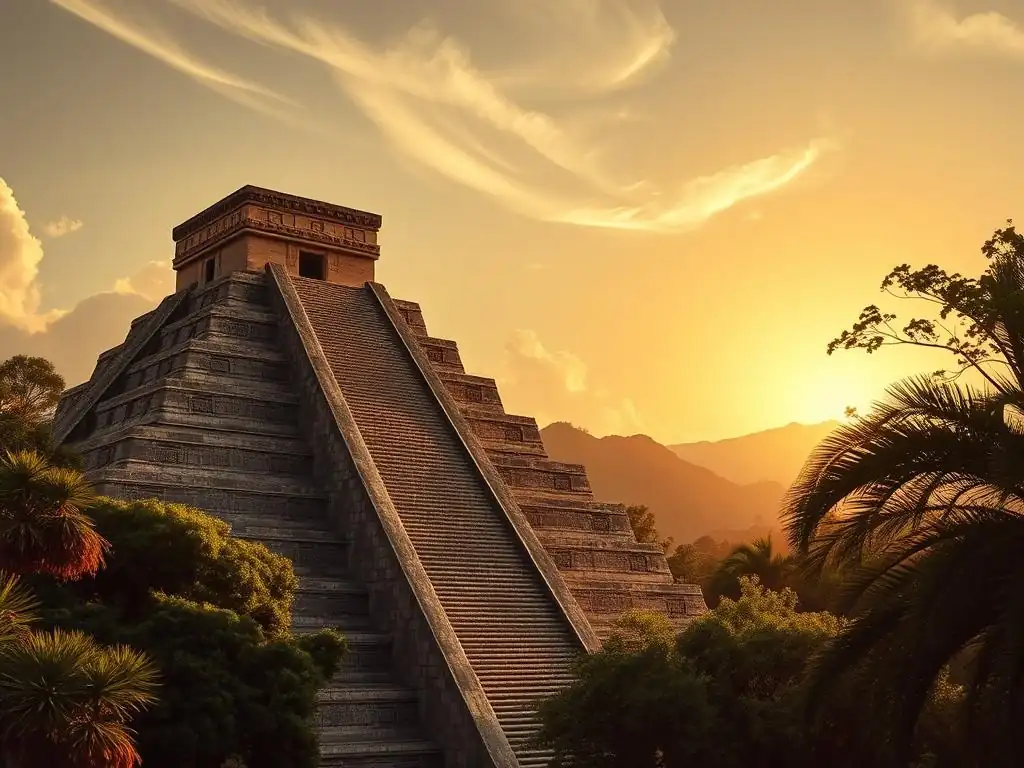
Influence on Later Indigenous Cultures
The architectural innovations of the Maya and Aztecs have left an enduring legacy that influenced subsequent indigenous cultures throughout the Americas. These civilizations pioneered complex urban planning, monumental structures, and ceremonial architecture that set a standard for future societies.
- Urban Planning: Mesoamerican cities often featured a central plaza surrounded by significant structures such as temples, ball courts, and palaces, a layout that would be emulated by later cultures such as the Tlaxcaltecs and Mixtecs.
- Construction Techniques: The use of corbel arches and sophisticated stone masonry techniques developed by the Maya were adopted by later indigenous groups, allowing for the construction of larger, more durable buildings.
- Religious Influence: The architectural designs, particularly the pyramids and temples, served as focal points for religious practices and rituals. This emphasis on ceremonial architecture can be seen in cultures like the Tarascans, who maintained similar structures in their cities.
These elements contributed to a shared cultural narrative that transcended individual civilizations, showcasing a common understanding of cosmic order, community, and spirituality, which continued to evolve in various forms across Mesoamerica.
Modern Recognition of Mesoamerican Architectural Achievements
In contemporary times, Mesoamerican architectural achievements have gained considerable recognition, both academically and in popular culture. Scholars and architects study these ancient structures to understand the engineering and artistic capabilities of the Maya and Aztecs, leading to a resurgence of interest in their contributions to architecture.
- UNESCO World Heritage Sites: Numerous Mesoamerican sites, such as Chichen Itza and Teotihuacan, have been designated as UNESCO World Heritage Sites, highlighting their global significance. These recognitions not only promote tourism but also foster appreciation for indigenous cultures and their historical contexts.
- Architectural Influence: Modern architects often draw inspiration from Mesoamerican designs, incorporating elements such as stepped pyramids and terraced landscapes into contemporary buildings. This fusion of ancient and modern design reflects a growing acknowledgment of the importance of indigenous architectural heritage.
- Cultural Preservation: Initiatives aimed at preserving and restoring Mesoamerican sites have emerged, driven by both local communities and international organizations. These efforts ensure that the architectural marvels of the Maya and Aztecs continue to educate future generations about their ingenuity and lasting impact.
The enduring legacy of Mesoamerican architecture not only highlights the achievements of these ancient civilizations but also emphasizes their relevance in today's world, as both a source of inspiration and a vital part of cultural identity.
Conclusion: The Significance of Mesoamerican Architectural Achievements Comparison
Summary of Key Findings
The comparison of Mesoamerican architectural achievements between the Maya and Aztecs reveals significant insights into the cultural and technological advancements of these civilizations. Both societies displayed unique styles and engineering marvels that reflected their values, beliefs, and environmental adaptations.
- Maya Architecture: Renowned for its intricate ceremonial centers, the Maya utilized corbel arches and sophisticated stone masonry to construct temples such as the Temple of the Inscriptions in Palenque. The use of stucco and vibrant murals further illustrated their artistic prowess.
- Aztec Architecture: In contrast, the Aztecs excelled in urban planning, exemplified by the grand city of Tenochtitlan, featuring massive temples like the Templo Mayor. Their architecture often included extensive use of platforms and causeways, integrating their structures with the surrounding lake environment.
Both cultures employed advanced astronomical alignments in their structures, underscoring the significance of celestial observations in their societies. The architectural achievements of the Maya and Aztecs not only serve as a testament to their engineering skills but also reflect their complex social hierarchies and religious practices.
The Relevance of Understanding Mesoamerican Architecture Today
Understanding Mesoamerican architectural achievements is crucial in appreciating the cultural heritage and historical significance of these civilizations. Today, the remnants of Maya and Aztec architecture continue to influence modern design and urban planning in the region. Key points of relevance include:
- Cultural Identity: For many contemporary indigenous communities, these architectural legacies are a source of pride and identity, reinforcing a connection to their ancestral heritage.
- Tourism and Education: Sites like Chichen Itza and the ruins of Tenochtitlan attract millions of tourists each year, fostering a deeper understanding of Mesoamerican history and culture. These sites serve as educational platforms, emphasizing the need for preservation and respect for indigenous heritage.
- Sustainable Practices: The sustainable building techniques and environmental adaptations demonstrated by these civilizations can inspire modern architectural practices, particularly in the context of climate change and resource management.
The comparison of Mesoamerican architectural achievements not only enriches our knowledge of the Maya and Aztecs but also highlights the enduring impact of their innovations on present-day society. Understanding these achievements fosters a greater appreciation for the complexities of indigenous cultures and their contributions to human civilization.
Frequently Asked Questions
What are the main architectural achievements of the Maya?
The Maya are renowned for their pyramids, temples, and palaces, which showcase their advanced understanding of astronomy and urban planning. Notable sites include Tikal and Palenque.
How do the Maya and Aztec architectural styles differ?
While both cultures built impressive structures, the Maya emphasized ornate stone carvings and hieroglyphics, whereas the Aztecs focused on larger-scale constructions like the Templo Mayor in Tenochtitlan, reflecting their militaristic culture.
What was the significance of religion in Mesoamerican architecture?
Both the Maya and Aztecs designed their structures to honor deities and facilitate ceremonial practices. Temples served as vital centers for rituals and community gatherings.
How did geography influence Mesoamerican architecture?
The Maya often built in jungle environments, incorporating natural materials, while the Aztecs, who thrived in a lake region, constructed floating gardens and raised platforms to adapt to their surroundings.
What lasting impact did Mesoamerican architecture have on modern societies?
The architectural innovations of the Maya and Aztecs laid the groundwork for contemporary urban design and cultural identity, influencing both indigenous communities and modern architectural practices in the Americas.
Final Reflection: Celebrating the Legacy of Mesoamerican Architectural Achievements
Mesoamerican architectural achievements stand as a testament to the ingenuity and creativity of ancient civilizations, particularly the Maya and Aztecs. In an age where modern architecture often overshadows historical accomplishments, it is crucial to recognize the profound impact these structures have on our understanding of cultural identity and technological advancement. The intricate designs and monumental scale of these civilizations' architecture not only reflect their societal values but also serve as a reminder of the rich history that continues to shape contemporary perspectives on architecture and urban planning.
The architectural feats of the Maya and Aztecs have left an indelible mark on the cultural landscape of Mesoamerica, influencing generations and inspiring awe in those who study them. As we explore their achievements, we uncover layers of meaning that resonate with our own experiences and aspirations. The words of architect Louis Kahn echo this sentiment: A great building must begin with the unmeasurable, must go through measurable means when it is being designed and in the end must be unmeasurable.
This encapsulates the spirit of Mesoamerican architecture, where the unmeasurable essence of culture and identity is woven into the fabric of their monumental structures.
As we reflect on the architectural legacies of the Maya and Aztecs, I invite you to consider how these achievements can inspire your own journey. Take a moment to appreciate the beauty of human creativity and the stories embedded within the structures that surround us. Whether you are an architect, a historian, or simply a curious observer, let the lessons of these ancient civilizations guide you in your pursuit of innovation and cultural appreciation. Embrace the challenge of building not just with materials, but with the spirit of your heritage and the dreams of future generations.
Unveil the Wonders of Mesoamerican Architecture!
Thank you for exploring the incredible architectural achievements of the Maya and Aztecs! Your interest in these rich histories not only deepens your understanding but also celebrates the ingenuity of Indigenous civilizations. Now, let’s take the next step and immerse ourselves even further into this fascinating world.
- Dive deeper: Explore local museums or online exhibitions that feature Mesoamerican artifacts and architecture.
- Join a community: Connect with fellow enthusiasts through online forums or social media groups that focus on Indigenous cultures and history.
- Share your knowledge: Discuss your insights by sharing this article with friends or writing a post about your favorite architectural features.
What aspects of Mesoamerican architecture intrigue you the most, and how do you see their influence reflected in today’s world?