
Mesoamerican Architecture: Bridging the Past and Future Through Preservation

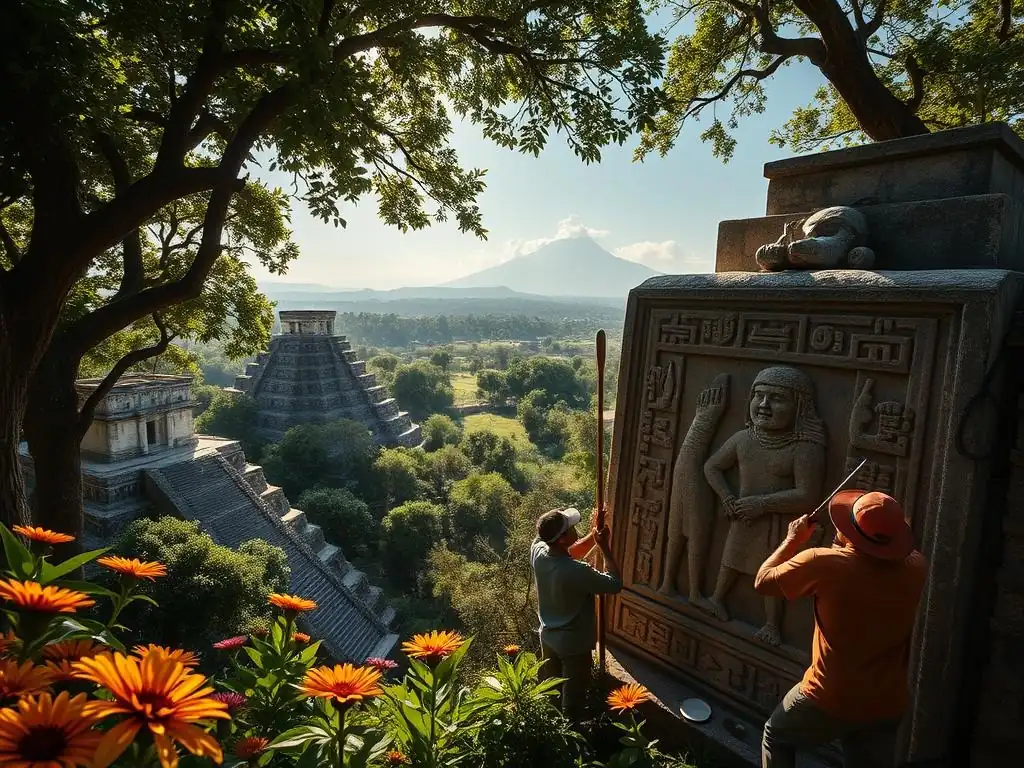
Welcome to "Indigenous Civilizations of the Americas," where we invite you to embark on a captivating journey through the rich tapestry of indigenous cultures that flourished long before European contact. Delve into the fascinating world of Mesoamerican architecture preservation techniques, a testament to the ingenuity and resilience of these societies. Discover how ancient structures not only tell the story of their time but also hold the key to bridging our understanding of the past with the innovations of the future. Join us as we explore the advancements and achievements that continue to inspire and inform our world today!
- Introduction to Mesoamerican Architecture Preservation Techniques
- Historical Context of Mesoamerican Architecture
- Current Challenges in Mesoamerican Architecture Preservation
- Mesoamerican Architecture Preservation Techniques
- The Role of Education and Awareness in Preservation
- Future Directions for Mesoamerican Architecture Preservation
- Conclusion: The Legacy of Mesoamerican Architecture and Its Preservation
- Frequently Asked Questions
- Final Reflection: Preserving the Legacy of Mesoamerican Architecture for Future Generations
- Unveil the Future of Mesoamerican Heritage!
Introduction to Mesoamerican Architecture Preservation Techniques
Mesoamerican architecture stands as a testament to the ingenuity and artistry of the indigenous cultures that flourished in this vibrant region of the Americas. From the grandeur of the pyramids at Teotihuacan to the intricate stonework of Mayan cities like Tikal and Palenque, these architectural marvels not only reflect the aesthetic values of their creators but also their sophisticated understanding of engineering, astronomy, and urban planning.
As we delve into the topic of Mesoamerican architecture preservation techniques, we uncover the critical measures that are being implemented to safeguard these cultural treasures for future generations. This article will explore the rich history of Mesoamerican architecture, the significance of its preservation, and the innovative techniques being employed to ensure that these monumental legacies endure.
Overview of Mesoamerican Architecture
Mesoamerican architecture encompasses a wide range of styles and structures developed by various civilizations, including the Olmecs, Maya, and Aztecs. Characterized by their monumental stone constructions, ceremonial centers, and urban layouts, these structures often served religious, political, and social purposes. Key features of Mesoamerican architecture include:
- Step Pyramids: Structures like the Pyramid of the Sun in Teotihuacan and the Temple of Kukulcan at Chichen Itza exemplify the iconic stepped design that dominates the skyline.
- Ball Courts: Integral to the cultural practices of many Mesoamerican societies, these courts were sites for ritual games that held significant social and political importance.
- Intricate Carvings and Murals: The use of decorative elements in temples and public buildings not only served aesthetic purposes but also conveyed important cultural narratives and religious beliefs.
The architectural achievements of these civilizations demonstrate an advanced understanding of materials, spatial organization, and environmental adaptation, which continue to inspire contemporary architects and scholars.
Importance of Preservation in Mesoamerican Cultures
The preservation of Mesoamerican architecture is of paramount importance for several reasons:
- Cultural Heritage: These structures are physical embodiments of the history, traditions, and beliefs of indigenous peoples. Preserving them allows current and future generations to connect with their cultural roots.
- Educational Value: Mesoamerican architecture serves as a rich source of historical knowledge, offering insights into the social, political, and religious dynamics of ancient civilizations. Preservation efforts ensure that this knowledge remains accessible for educational purposes.
- Tourism and Economic Impact: Well-preserved sites attract tourists from around the world, contributing to local economies and fostering respect for indigenous cultures.
- Scientific Research: Ongoing preservation projects facilitate archaeological research, enabling scholars to further investigate Mesoamerican societies and their achievements.
The preservation of Mesoamerican architecture is not merely an act of maintaining physical structures; it is a vital endeavor that honors the legacy of indigenous civilizations and promotes a deeper understanding of their contributions to human history. As we explore various preservation techniques, we will highlight the innovative approaches being adopted to protect these invaluable cultural assets.
Historical Context of Mesoamerican Architecture
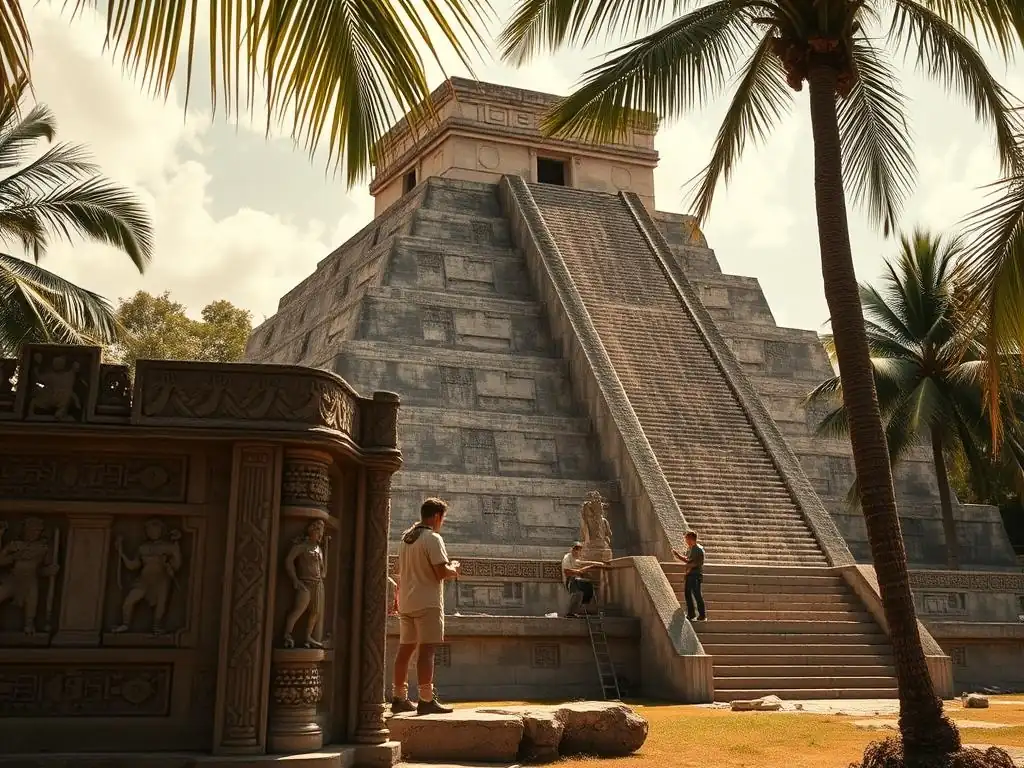
Major Civilizations and Their Architectural Styles
Mesoamerican architecture is a rich tapestry woven from the contributions of several advanced civilizations, each leaving an indelible mark on the region's built environment. The architectural styles of these civilizations reflect their cultural values, technological innovations, and environmental adaptations. Understanding these styles is crucial for effective Mesoamerican architecture preservation techniques, ensuring that the unique characteristics of each civilization are honored and maintained.
The Maya: Innovations and Structures
The Maya civilization, known for its vast city-states, developed a sophisticated architectural style characterized by intricate stonework and astronomical alignments. Notable structures include:
- Pyramids: The Maya built stepped pyramids, such as El Castillo in Chichen Itza, which served both religious and astronomical purposes.
- Palaces: Structures like the Palace of the Governor in Uxmal showcased elaborate facades and were often the residence of elite families.
- Observatories: Buildings like the Caracol in Chichen Itza were designed to observe celestial events, reflecting the Maya's advanced understanding of astronomy.
Maya architecture also emphasized the use of local materials, such as limestone, which was extensively quarried. Preservation techniques often involve stabilizing these materials to prevent decay while maintaining the original aesthetic.
The Aztec: Urban Planning and Monumental Architecture
The Aztec civilization is renowned for its impressive urban planning and monumental structures, particularly in their capital, Tenochtitlan. Key elements include:
- Temples: The Templo Mayor was a dual temple dedicated to the gods Tlaloc and Huitzilopochtli, showcasing the Aztecs’ religious devotion and architectural prowess.
- Causeways and Canals: The city was ingeniously designed with causeways that connected the island city to the mainland, facilitating trade and transportation.
- Public Spaces: The Zocalo, a large public square, served as the heart of the city, illustrating the importance of community in Aztec society.
Preservation efforts for Aztec architecture focus on archaeological methods to uncover and stabilize these structures, ensuring that the urban layout and monumental designs are not lost to time.
The Olmec: The Foundations of Mesoamerican Architecture
As one of the earliest Mesoamerican civilizations, the Olmec laid the groundwork for subsequent cultures through their architectural innovations. Significant contributions include:
- Colossal Heads: Carved from basalt, these monumental sculptures symbolize Olmec authority and artistic achievement, highlighting their sculptural techniques.
- Ceremonial Centers: Sites like La Venta featured complex layouts with platforms and plazas, indicating organized urban planning and ritual significance.
- Earthen Mounds: The construction of large earthen mounds for ceremonial and political purposes marked an important architectural development in the region.
Preservation techniques for Olmec structures often involve careful excavation and analysis to prevent damage during restoration, recognizing the cultural significance of these foundational works.
By understanding the historical context and architectural styles of these major civilizations, we can better appreciate the importance of Mesoamerican architecture preservation techniques. Each civilization's unique contributions to architecture not only reflect their societal values but also serve as a testament to the ingenuity of indigenous peoples in the Americas.
Current Challenges in Mesoamerican Architecture Preservation
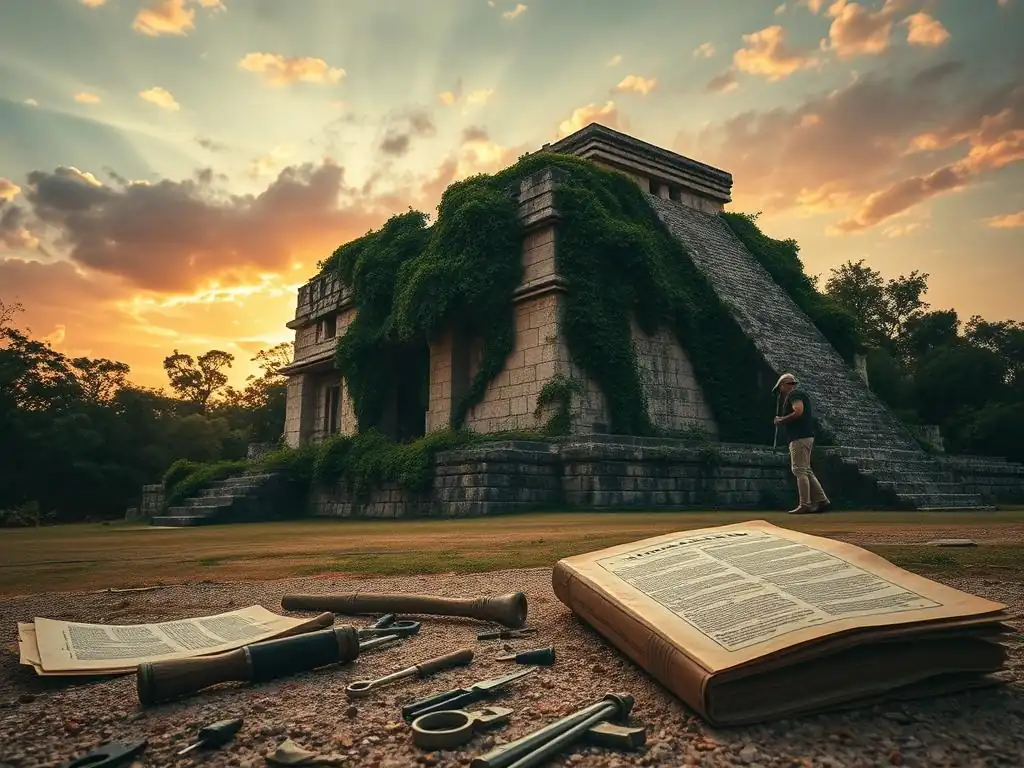
Environmental Factors Affecting Preservation
Mesoamerican architecture, characterized by its intricate designs and monumental structures, faces significant threats from environmental factors. These challenges primarily include:
- Climate Change: Rising temperatures and increased rainfall patterns can accelerate the deterioration of ancient structures. For example, humidity can lead to mold growth, while extreme weather events can cause physical damage.
- Natural Disasters: Earthquakes and hurricanes pose direct threats to the stability of historic sites. The 1985 Mexico City earthquake severely damaged many ancient monuments, highlighting the vulnerability of these structures.
- Vegetation Overgrowth: In many regions, unchecked plant growth can cause structural damage by penetrating cracks in stone and destabilizing walls. Regular maintenance is essential to mitigate this risk.
To combat these environmental challenges, preservation techniques such as bio-ecological restoration are being implemented. This involves using native plant species that do not harm the structures while supporting the local ecosystem.
The Impact of Urbanization on Historical Sites
Urbanization has drastically reshaped the landscape of Mesoamerica, often at the expense of historical sites. The expansion of cities leads to:
- Encroachment on Archaeological Sites: As urban areas grow, they often encroach upon ancient sites, leading to potential destruction. For instance, the rapid expansion of Mexico City has threatened the Templo Mayor, an iconic Aztec ruin.
- Pollution: Increased pollution from urban areas can accelerate the decay of stone and other materials used in ancient architecture. Acid rain, a byproduct of urban pollution, can erode stone surfaces and inscriptions.
- Neglect and Underfunding: As cities prioritize new developments, funding and resources for the preservation of historical sites may dwindle, resulting in neglect. This can lead to irreversible damage over time.
Efforts such as integrated urban planning that respects and incorporates archaeological findings into modern development are crucial. By promoting awareness and education about the importance of these sites, urban planners can help ensure that preservation is a priority.
Cultural Erosion and Its Effects on Architectural Heritage
Cultural erosion poses a significant threat to the preservation of Mesoamerican architecture, as it affects both the physical structures and the knowledge associated with them. Key aspects include:
- Loss of Traditional Knowledge: As younger generations move to urban areas, traditional building techniques and materials are at risk of being forgotten. This loss hampers restoration efforts, as authentic techniques may no longer be practiced.
- Globalization: The influence of global culture can lead to a devaluation of indigenous heritage. The prioritization of modern construction methods over traditional practices can diminish the integrity of architectural preservation.
- Social Displacement: Displacement of indigenous communities often results in a disconnect from their historical sites. When communities are removed from their cultural contexts, the significance of architectural heritage may be lost.
Preservation efforts must include community engagement and education to combat cultural erosion. By fostering pride in indigenous heritage and involving local populations in preservation initiatives, the connection between culture and architecture can be strengthened, ensuring that these monumental legacies endure for future generations.
Mesoamerican Architecture Preservation Techniques
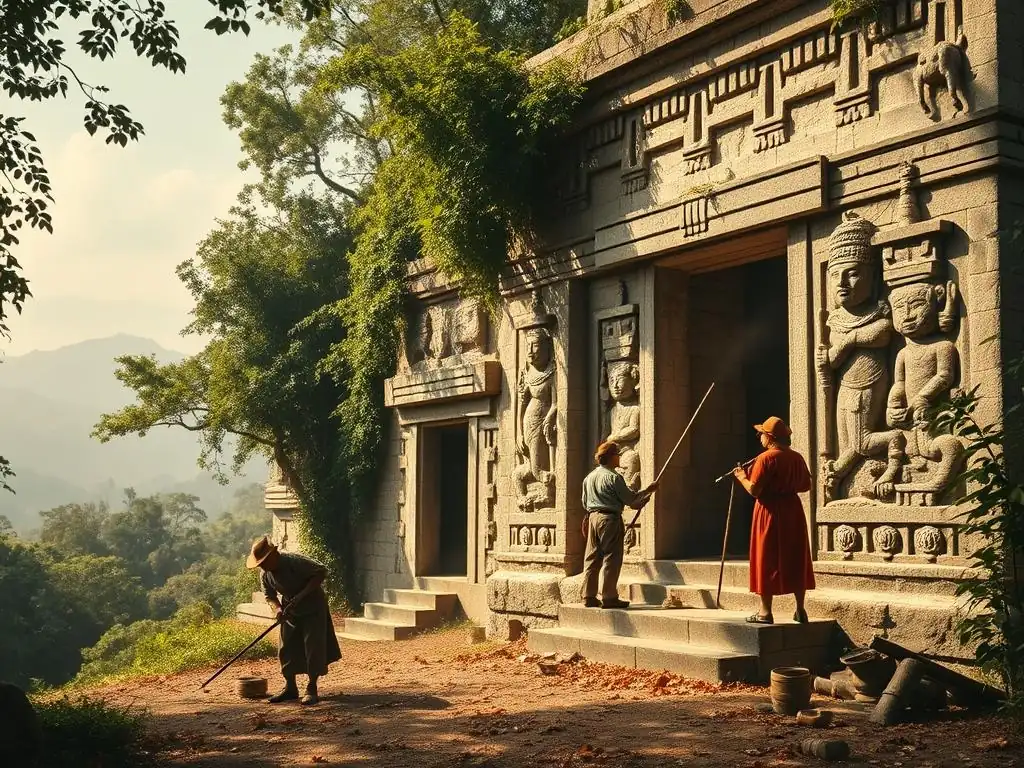
The preservation of Mesoamerican architecture is a vital endeavor that seeks to maintain and protect the rich cultural heritage of ancient civilizations such as the Maya, Aztec, and Olmec. These preservation techniques span traditional methods rooted in indigenous practices to modern innovations that utilize cutting-edge technology. Understanding these methods is crucial for safeguarding these monumental structures for future generations.
Traditional Preservation Methods
Traditional preservation methods reflect the deep knowledge and cultural practices of indigenous communities. These techniques not only honor the historical significance of the structures but also foster a sense of identity and continuity within the community.
Use of Indigenous Materials and Techniques
One of the fundamental aspects of traditional preservation is the use of indigenous materials that are locally sourced and historically relevant. For instance, ancient Mesoamerican cultures employed materials such as:
- Limestone: Used extensively in construction due to its abundance and durability.
- Adobe: A mixture of clay, water, and straw, which was used for walls and structures, offering excellent insulation.
- Wood: Often sourced from local forests, wood was used for roofing and structural support.
These materials not only provide authenticity but also ensure that any restoration work harmonizes with the original construction techniques. Traditional craftsmanship, including methods such as dry-stacking stones and using lime plaster, remains pivotal in restoration projects. By using these indigenous methods, preservationists can maintain the integrity and authenticity of Mesoamerican architecture.
Community Involvement in Preservation Efforts
Engaging local communities in preservation efforts is essential for sustainability and cultural relevance. Indigenous communities often possess valuable knowledge about their historical sites, which can be leveraged in preservation initiatives.
Key aspects include:
- Education and Training: Workshops and programs that teach traditional building techniques to younger generations help keep cultural practices alive.
- Collaborative Projects: Partnerships between archaeologists, local artisans, and indigenous groups ensure that preservation efforts respect cultural significance.
- Cultural Events: Hosting events that celebrate Mesoamerican heritage can raise awareness and foster a sense of pride in local history, encouraging community involvement.
These community-driven efforts are crucial for ensuring that preservation is not only a technical process but also a cultural one.
Modern Preservation Techniques
As technology progresses, modern preservation techniques have emerged, providing new tools and methodologies to enhance the preservation of Mesoamerican architecture. These techniques often complement traditional methods, creating a comprehensive approach to conservation.
Archaeological Innovations
Innovations in archaeology have revolutionized how we understand and preserve Mesoamerican sites. Advanced archaeological methods include:
- Ground Penetrating Radar (GPR): This non-invasive technique allows researchers to detect subsurface features without disturbing the ground, revealing hidden structures and burial sites.
- 3D Scanning and Modeling: Creating detailed digital models of structures helps in planning and executing restoration work while preserving a virtual record of the site.
- Dendrochronology: This scientific method of dating wood helps in understanding the timeline of construction and use of structures, guiding preservation strategies.
These innovations not only enhance our understanding of Mesoamerican architecture but also improve the accuracy and effectiveness of preservation efforts.
Technological Advancements in Restoration
Recent technological advancements have also played a pivotal role in Mesoamerican architecture preservation. Notable techniques include:
- Laser Cleaning: This method involves using lasers to remove dirt and grime from stone surfaces without damaging the underlying material, significantly prolonging the life of structures.
- Bio-conservation: Employing living organisms, such as specific bacteria and fungi, to restore and stabilize deteriorating materials is an innovative approach that reflects ecological awareness.
- Virtual Reality (VR) and Augmented Reality (AR): These technologies are being used to create immersive experiences that allow visitors to engage with Mesoamerican architecture in a way that highlights its historical context and significance.
By integrating modern technology with traditional practices, preservationists can create a holistic framework that respects the past while actively engaging with the future.
Case Studies of Successful Preservation Projects
Mesoamerican architecture is a testament to the ingenuity and cultural richness of ancient civilizations. Effective preservation techniques not only protect these historical sites but also enhance our understanding of their significance. Here, we explore notable case studies of successful preservation projects that highlight the best practices in the field.
Restoration of the Temple of Inscriptions at Palenque
The Temple of Inscriptions, located in the ancient city of Palenque in modern-day Chiapas, Mexico, is one of the most significant examples of Mesoamerican architecture. This site is renowned for its elaborate inscriptions and the tomb of the Maya ruler Pakal the Great. The restoration project undertaken in the late 20th century aimed to address both structural integrity and preservation of the inscriptions.
Key aspects of the restoration included:
- Structural Reinforcement: Engineers employed modern materials to stabilize the temple, ensuring it could withstand environmental factors such as earthquakes and heavy rainfall.
- Inscriptions Preservation: Specialized techniques were utilized to protect the intricate carvings from erosion and weathering. This involved the application of protective coatings that allowed for moisture control without compromising the original stone.
- Archaeological Research: Ongoing archaeological studies during the restoration provided valuable insights into the site's historical context, informing the preservation approach.
The successful restoration of the Temple of Inscriptions has made it possible for visitors to appreciate the artistry and significance of Maya culture, while also serving as a model for similar projects throughout Mesoamerica.
Preservation of Templo Mayor in Mexico City
Templo Mayor, the main temple of the Aztec capital Tenochtitlan, is a site of immense cultural and historical importance. Its preservation has been a complex endeavor, particularly due to the urban development pressures in modern Mexico City. The preservation strategies implemented here serve as a remarkable example of integrating conservation with urban planning.
Key preservation techniques employed included:
- Excavation and Documentation: Systematic excavations have been carried out to uncover the temple’s various phases of construction. Each layer has been meticulously documented, providing a comprehensive understanding of its evolution over time.
- Public Engagement: The project has included the development of an on-site museum that educates the public about the history and significance of Templo Mayor. This engagement fosters a deeper appreciation for Mesoamerican heritage.
- Sustainable Practices: Preservation efforts have incorporated sustainable practices, such as using local materials and minimizing the environmental impact of construction activities. This approach not only aids in the preservation of the site but also respects the surrounding urban ecosystem.
The ongoing preservation of Templo Mayor exemplifies how urban archaeology can successfully coexist with modern development, ensuring that the rich history of the Aztec civilization remains accessible to future generations.
The Role of Education and Awareness in Preservation
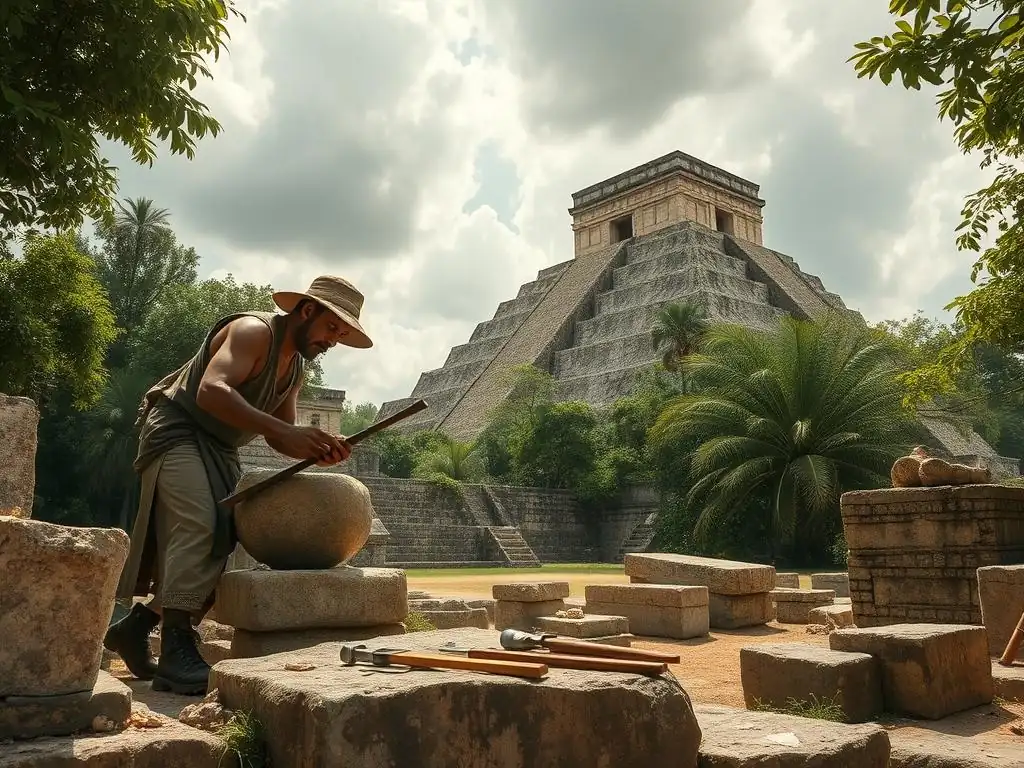
Mesoamerican architecture embodies a rich tapestry of cultural heritage, reflecting the complexities and achievements of civilizations like the Maya and Aztecs. Preserving these architectural wonders is not solely the responsibility of historians and preservationists; it requires a concerted effort to educate and engage the public. Education and awareness play a pivotal role in fostering appreciation and understanding of Mesoamerican architecture, which in turn enhances preservation efforts.
By instilling a sense of pride and ownership within communities, education can mobilize collective action towards the preservation of these invaluable sites. This section explores the importance of public engagement, the role of educational programs, and the collaborations between indigenous communities and preservationists, highlighting how these elements interconnect to ensure the longevity of Mesoamerican architectural heritage.
Importance of Public Engagement with Mesoamerican Architecture
Public engagement is essential for the successful preservation of Mesoamerican architecture. When communities are actively involved in preservation efforts, they develop a deeper understanding and appreciation of their cultural heritage. Here are several key benefits of public engagement:
- Awareness and Understanding: Engaging the public helps disseminate knowledge about the historical significance and architectural features of Mesoamerican sites. This awareness fosters respect and admiration for these structures.
- Community Pride: When local populations are involved in preservation activities, they often feel a stronger connection to their heritage. This pride can lead to proactive measures to protect these sites from neglect or damage.
- Volunteering: Public involvement often translates into volunteer efforts for restoration, maintenance, and promotion of Mesoamerican architecture. This grassroots support can significantly enhance preservation initiatives.
- Tourism and Economic Benefits: Engaged communities can leverage their cultural heritage for sustainable tourism, which can provide economic benefits that further fund preservation activities.
Educational Programs and Workshops on Preservation Techniques
Educational programs and workshops are vital in equipping individuals with the knowledge and skills necessary for the effective preservation of Mesoamerican architecture. Such initiatives can take various forms, including:
- University Courses: Academic institutions often offer specialized courses in archaeology, architecture, and preservation techniques that focus on Mesoamerican structures. These courses can foster a new generation of preservationists.
- Community Workshops: Local organizations can host workshops that teach traditional building techniques, restoration methods, and conservation strategies. These hands-on experiences empower community members to engage directly with preservation.
- Online Resources and Webinars: In the digital age, online platforms can provide accessible resources, including webinars and virtual tours, to educate a broader audience about Mesoamerican architecture and preservation techniques.
- Field Schools: Through hands-on learning opportunities, field schools allow participants to work on actual preservation projects, gaining practical experience while contributing to the maintenance of historical sites.
Collaborations Between Indigenous Communities and Preservationists
The collaboration between indigenous communities and preservationists is essential for the authentic preservation of Mesoamerican architecture. These partnerships can lead to more effective and culturally sensitive preservation strategies. Key aspects of these collaborations include:
- Cultural Knowledge: Indigenous communities possess invaluable traditional knowledge regarding the materials and techniques used in their architecture. Preservationists can benefit greatly from this expertise to ensure that restoration efforts are both authentic and respectful.
- Shared Goals: When indigenous communities and preservationists work together, they can align their goals to create preservation strategies that honor cultural heritage while addressing contemporary challenges.
- Policy Advocacy: Collaborative efforts can also lead to stronger advocacy for policies that protect Mesoamerican sites, ensuring that they are recognized and preserved for future generations.
- Funding Opportunities: Joint initiatives can enhance access to funding from various sources, including government grants, non-profit organizations, and private donors interested in supporting cultural heritage preservation.
The preservation of Mesoamerican architecture is not just about maintaining structures; it involves a holistic approach that incorporates education, public engagement, and collaborative efforts. By focusing on these areas, we can ensure that the achievements of ancient civilizations continue to inspire and inform future generations.
Future Directions for Mesoamerican Architecture Preservation
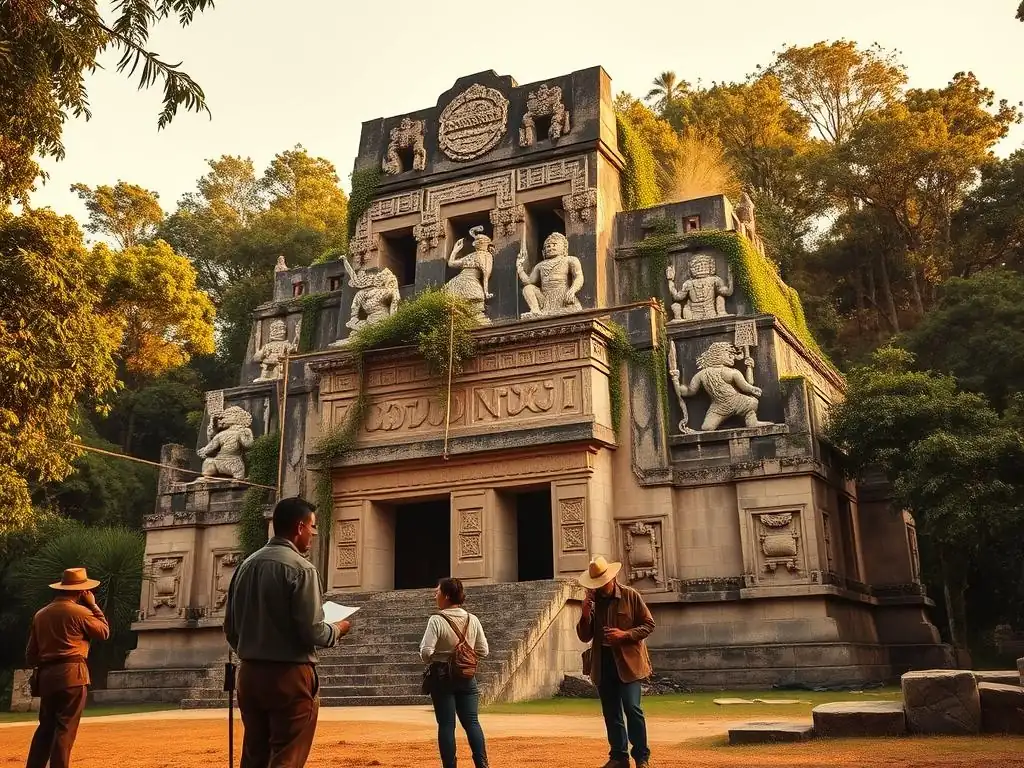
As the appreciation for Mesoamerican architecture continues to grow, the focus on preservation techniques becomes increasingly critical. The future of preserving these ancient structures hinges on the successful integration of modern methodologies with traditional practices, ensuring that the essence of Mesoamerican civilizations is maintained for generations to come.
Integrating Modern Techniques with Traditional Knowledge
Mesoamerican architecture preservation can greatly benefit from the synergy between contemporary technology and the wisdom of traditional practices.
- Digital Documentation: Utilizing 3D scanning and photogrammetry allows for accurate digital records of existing structures. This technology captures intricate details that may be lost over time, providing a valuable resource for both preservationists and researchers.
- Materials Science: Advances in materials science enable the development of sustainable materials that mimic traditional building substances. For example, the use of bio-based materials can reduce environmental impact while maintaining structural integrity.
- Community Involvement: Engaging local communities in the preservation process fosters a sense of ownership and respect for cultural heritage. Workshops that teach traditional construction techniques not only empower locals but also ensure the transmission of knowledge across generations.
- Cultural Sensitivity: Any modern preservation technique must respect the cultural significance of the structures. This involves collaborating with indigenous knowledge holders to understand the spiritual and historical contexts of the architecture.
The combination of these approaches can yield innovative preservation strategies that honor the past while adapting to modern needs.
Policy Recommendations for Sustainable Preservation Practices
Effective preservation of Mesoamerican architecture requires robust policy frameworks that reflect the complexities of cultural heritage. Here are several policy recommendations:
- Establishing Legal Protections: Governments should enact laws that protect Mesoamerican sites from urban development and environmental degradation. This could include designating heritage zones that limit construction and promote conservation efforts.
- Funding and Resources: Allocating funds specifically for preservation initiatives is essential. This could take the form of grants for research projects or financial support for local preservation groups.
- Education and Training: Incorporating preservation techniques into educational curricula will build a knowledgeable workforce. Training programs should focus on both traditional methods and modern technologies to create a well-rounded approach.
- Partnerships with NGOs: Collaborating with non-governmental organizations can amplify preservation efforts. NGOs often have access to resources, expertise, and international networks that can assist in local preservation initiatives.
- Monitoring and Assessment: Regular monitoring of Mesoamerican sites is vital to assess the impacts of climate change, tourism, and other factors. Developing instruments for evaluation can help prioritize preservation efforts effectively.
By implementing these policies, stakeholders can foster a sustainable environment for the preservation of Mesoamerican architecture.
The Impact of Global Awareness on Local Preservation Efforts
The rise of global awareness regarding cultural heritage has significant implications for local preservation efforts.
- Tourism as a Tool: Increased interest in Mesoamerican culture has led to a rise in cultural tourism. While this can bring economic benefits, it also poses risks to the integrity of the sites. Developing sustainable tourism practices is essential to mitigate damage while promoting awareness.
- Global Networks: The formation of international networks among preservationists enables the sharing of best practices and resources. These collaborations can result in joint projects that enhance the visibility and importance of Mesoamerican architecture.
- Advocacy and Activism: Global movements advocating for cultural preservation can influence local policies and priorities. Local communities can harness this momentum to advocate for the protection of their architectural heritage.
- Educational Outreach: As global awareness grows, so does the opportunity for educational outreach. Programs that emphasize the significance of Mesoamerican architecture can cultivate respect and appreciation among both locals and tourists.
The future of Mesoamerican architecture preservation rests on a multifaceted approach that integrates modern techniques with traditional knowledge, supports sustainable policies, and leverages global awareness. By embracing these strategies, we can ensure that the architectural legacies of Mesoamerican civilizations endure and thrive in the contemporary world.
Conclusion: The Legacy of Mesoamerican Architecture and Its Preservation
Mesoamerican architecture stands as a testament to the ingenuity and creativity of indigenous civilizations, showcasing sophisticated designs that harmoniously integrated with their environment. The preservation of these architectural wonders is crucial not only for historical understanding but also for cultural continuity and identity. By employing various preservation techniques, we can ensure that these structures endure for future generations, allowing us to appreciate their significance and the stories they tell.
Summary of Key Preservation Techniques
The preservation of Mesoamerican architecture involves a range of techniques tailored to address the unique challenges posed by climate, material degradation, and human impact. Here are some essential preservation techniques:
- Structural Stabilization:
- Utilizing modern engineering methods to reinforce ancient structures without compromising their authenticity. This may involve the use of support systems that are minimally invasive and reversible.
- Material Conservation:
- Implementing methods to protect original materials, such as lime plaster or volcanic stone, from erosion and environmental damage. This may include applying protective coatings or using compatible materials for repairs.
- Site Management:
- Establishing guidelines for visitor access to prevent wear and tear on the structures. This includes creating designated pathways and viewing platforms to minimize direct contact with fragile areas.
- Documentation and Research:
- Conducting thorough archaeological and architectural surveys to create detailed records of the structures. This documentation aids in understanding construction techniques and architectural styles, which is essential for informed preservation efforts.
- Community Engagement:
- Involving local communities in preservation efforts fosters a sense of ownership and responsibility toward their cultural heritage. Educational programs can raise awareness about the importance of preserving these historical sites.
- Sustainable Practices:
- Integrating environmentally sustainable practices in preservation efforts, such as using renewable resources and promoting eco-friendly tourism, can help protect the sites while benefiting local economies.
The Importance of Bridging the Past and Future Through Preservation
Bridging the past and future through the preservation of Mesoamerican architecture is vital for several reasons:
- Cultural Identity:
- Preserving these structures allows contemporary indigenous communities to maintain their cultural identity and heritage. The architecture serves as a physical manifestation of their history and traditions.
- Educational Value:
- These sites provide invaluable insights into the social, political, and technological advancements of ancient civilizations. Preservation ensures that future generations have access to these lessons, fostering a deeper understanding of human history.
- Tourism and Economic Development:
- Well-preserved sites can attract tourism, which in turn supports local economies. By promoting responsible tourism that respects and honors the cultural significance of these sites, communities can thrive economically while preserving their heritage.
- Global Heritage:
- Mesoamerican architecture is part of a broader narrative of human achievement. Preserving these structures contributes to global heritage and promotes respect for diverse cultures, enriching the collective understanding of human civilization.
The preservation of Mesoamerican architecture is not merely about maintaining physical structures; it is about honoring the legacy of indigenous peoples and ensuring that their stories, achievements, and contributions to human history continue to resonate with future generations. Through a combination of innovative preservation techniques and a commitment to cultural education, we can bridge the past and future, safeguarding these architectural treasures for years to come.
Frequently Asked Questions
What are Mesoamerican architecture preservation techniques?
Mesoamerican architecture preservation techniques involve methods and practices used to protect and restore ancient structures, ensuring they remain intact for future generations.
Why is preserving Mesoamerican architecture important?
Preserving Mesoamerican architecture is crucial because it helps to maintain the cultural heritage and historical significance of indigenous civilizations, providing insight into their social structures and achievements.
What types of structures are included in Mesoamerican architecture?
Mesoamerican architecture includes pyramids, temples, and palaces built by indigenous cultures such as the Maya and Aztecs, showcasing their innovative engineering and artistic expression.
How do modern techniques aid in preservation?
Modern techniques, such as digital documentation and environmental monitoring, enhance the ability to track changes and effectively manage the preservation of ancient structures against natural deterioration.
What role do local communities play in preservation efforts?
Local communities are vital in preservation efforts, as their knowledge and cultural ties to the land help ensure that preservation initiatives are both respectful and effective in maintaining their heritage.
Final Reflection: Preserving the Legacy of Mesoamerican Architecture for Future Generations
In an era where rapid urbanization and modernization threaten our historical treasures, the significance of Mesoamerican architecture preservation techniques cannot be overstated. These ancient structures are not merely remnants of the past; they are vital links to our cultural heritage and identity. As we navigate the complexities of contemporary society, it becomes increasingly clear that safeguarding these architectural marvels is essential for understanding our roots and shaping our future.
The influence of Mesoamerican architecture extends far beyond its physical presence; it resonates deeply within our cultural and social landscapes. The techniques used to preserve these structures not only maintain their integrity but also foster a sense of community and continuity. As we engage with these sites, we are reminded of the wisdom and ingenuity of our ancestors. Preservation is not just about saving the past; it’s about ensuring a vibrant future.
This ongoing dialogue between the past and present enriches our lives and inspires us to honor the legacy we inherit.
As we reflect on the importance of Mesoamerican architecture preservation, I invite you to consider your role in this endeavor. How can you contribute to the preservation of cultural heritage in your own community? Whether through advocacy, education, or simply raising awareness, every action counts. Let us embrace the lessons of the past and commit ourselves to preserving these architectural wonders, ensuring that they continue to inspire future generations. Together, we can bridge the past and the future, creating a world where history and innovation coexist harmoniously.
Unveil the Future of Mesoamerican Heritage!
Thank you for immersing yourself in the fascinating world of Mesoamerican architecture! You've discovered the vital role this heritage plays in shaping our past and future. Now, let's transform your interest into impactful actions that preserve this incredible legacy.
Take these steps to make a difference:
- Join a local preservation group dedicated to Mesoamerican culture. Contribute your time and energy to sustain these historical treasures.
- Share your newfound knowledge on social media or with friends— inspire others to appreciate and protect our shared heritage!
- Visit an archaeological site or a museum exhibit related to Mesoamerican architecture and experience history firsthand.
What action will you take today to ensure the beauty of Mesoamerican architecture thrives for generations to come?