
Preserving Heritage: Contemporary Efforts to Maintain Indigenous Architectural Traditions

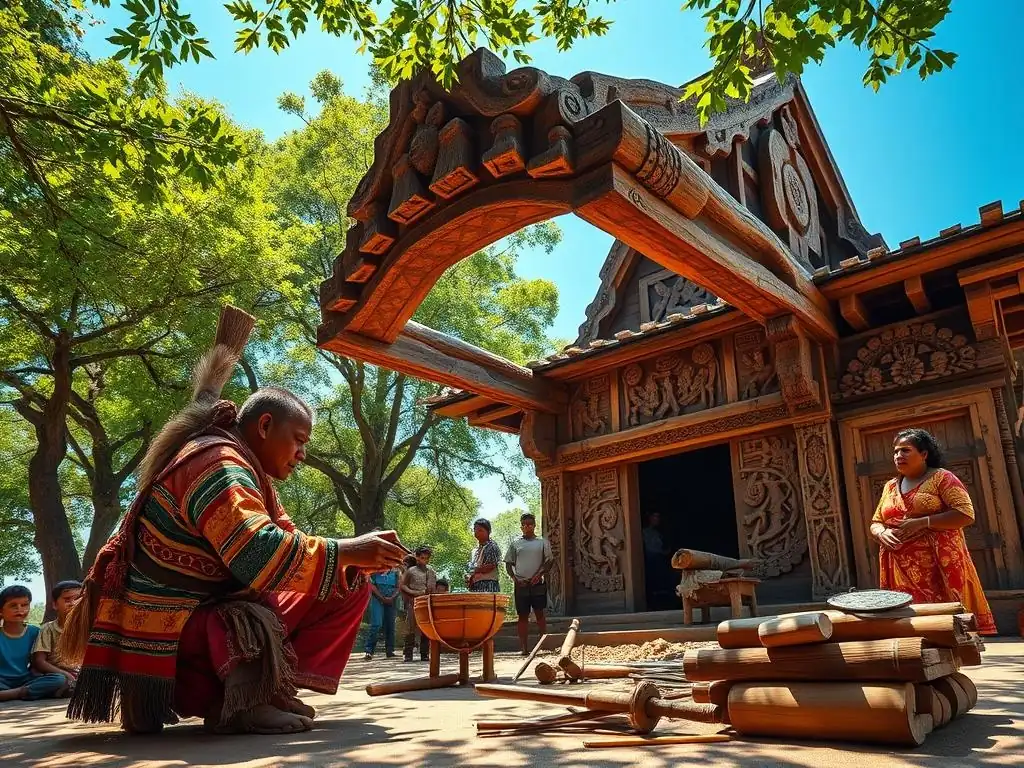
Welcome to Indigenous Civilizations of the Americas, where we invite you to embark on a journey through the rich tapestry of indigenous cultures that flourished long before European contact. Here, you will uncover the remarkable achievements and vibrant societies that shaped the continent's history. Our featured article, "Preserving Heritage: Contemporary Efforts to Maintain Indigenous Architectural Traditions," delves into the critical indigenous architectural preservation efforts that honor and sustain these timeless legacies.
Prepare to be inspired by the resilience and creativity of indigenous peoples as we explore their enduring impact on the landscape of the Americas. Join us in discovering the stories that deserve to be told!
- Introduction to Indigenous Architectural Preservation Efforts
- Historical Context of Indigenous Architectural Practices
- Current Indigenous Architectural Preservation Efforts
- Challenges Facing Indigenous Architectural Preservation
- Innovations in Indigenous Architectural Preservation
- The Role of Indigenous Knowledge in Architectural Preservation
- Future Directions for Indigenous Architectural Preservation
- Conclusion: The Ongoing Journey of Indigenous Architectural Preservation
-
Frequently Asked Questions
- What is the focus of the article "Preserving Heritage: Contemporary Efforts to Maintain Indigenous Architectural Traditions"?
- Why is Indigenous architectural preservation important?
- What are some methods used in Indigenous architectural preservation?
- How do Indigenous architectural preservation efforts impact local communities?
- Are there any organizations dedicated to Indigenous architectural preservation?
- Final Reflection: Honoring the Past, Shaping the Future
- Join the Movement to Preserve Indigenous Architecture!
Introduction to Indigenous Architectural Preservation Efforts
The rich tapestry of Indigenous cultures across the Americas is woven with diverse architectural traditions that reflect their unique histories, values, and environments. Before European colonization, Indigenous peoples developed remarkable structures that served not only as homes but also as ceremonial spaces, communal centers, and symbols of their spiritual beliefs. As we delve into the topic of Indigenous architectural preservation efforts, it is crucial to understand the importance of safeguarding these legacies for future generations.
Contemporary initiatives aimed at preserving these architectural traditions are not merely about maintaining physical structures; they encompass a broader commitment to honoring the identity, heritage, and knowledge systems of Indigenous communities. This article will explore the significance of these preservation efforts and provide an overview of the innovative approaches being utilized today.
Importance of Preserving Indigenous Architecture
Preserving Indigenous architecture is vital for several reasons:
- Cultural Identity: Architectural forms are a direct reflection of the cultural identity of Indigenous peoples. They embody traditional knowledge, practices, and beliefs, serving as a living testament to their history and resilience.
- Educational Value: These structures offer insights into sustainable building practices, environmental stewardship, and social organization, which can inform contemporary architecture and urban planning.
- Community Empowerment: Engaging Indigenous communities in preservation efforts fosters a sense of ownership and pride, empowering them to reclaim their narrative and heritage.
- Biodiversity and Ecology: Many Indigenous architectural practices are closely linked to the surrounding environment, providing essential lessons in sustainability and harmony with nature.
In recognizing these factors, it becomes evident that Indigenous architectural preservation is not just about maintaining physical spaces; it is an essential component of cultural revitalization.
Overview of Contemporary Approaches
Contemporary efforts to preserve Indigenous architecture incorporate a variety of innovative strategies, including:
- Community-Driven Initiatives: Many projects prioritize the involvement of Indigenous peoples, ensuring that preservation efforts align with their values and aspirations.
- Use of Traditional Materials: There is a resurgence in the use of traditional building materials and techniques, helping to maintain the authenticity of the structures while promoting sustainable practices.
- Documentation and Research: Archiving and documenting Indigenous architectural styles and techniques is crucial for education and advocacy. This includes both academic research and community-led documentation efforts.
- Integration of Technology: Modern technologies like 3D modeling and virtual reality are being employed to create digital reconstructions of endangered sites, making them accessible for education and preservation.
These approaches highlight the dynamic interplay between tradition and innovation, showcasing how contemporary Indigenous architectural preservation efforts can honor the past while shaping a sustainable future.
Historical Context of Indigenous Architectural Practices
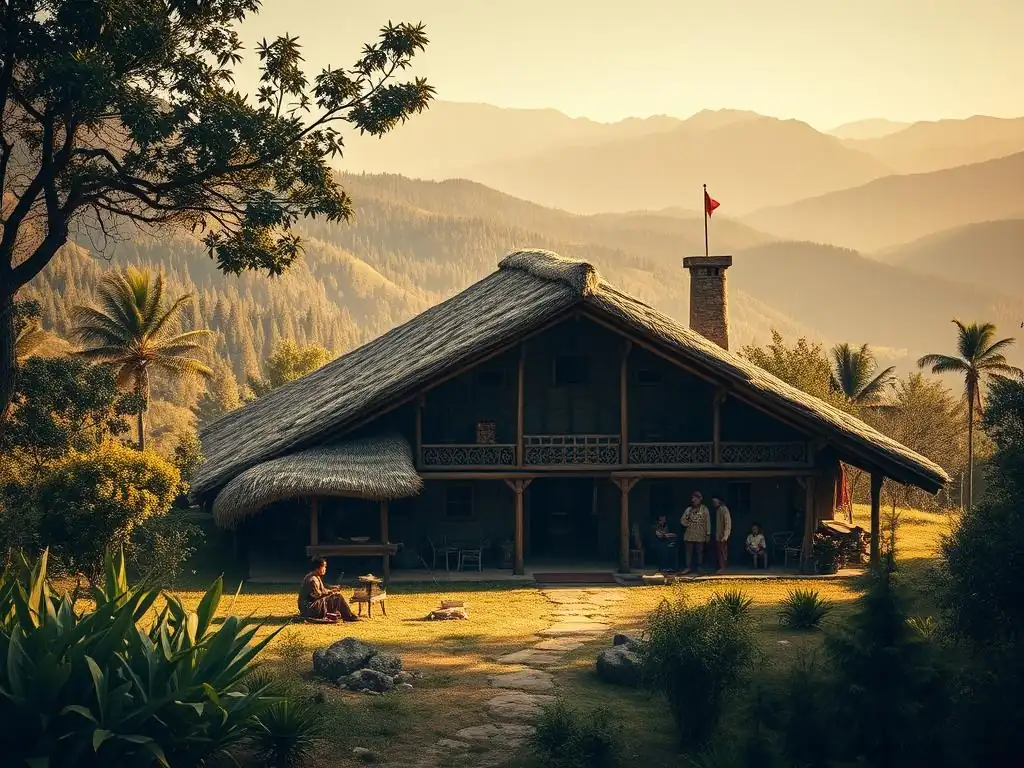
Indigenous architectural practices in North America are deeply rooted in the region's diverse environmental and cultural contexts. These practices evolved over thousands of years, influenced by the materials available, climate conditions, and the social structures of various tribes. Before European colonization, Indigenous peoples developed unique building techniques that reflected their relationship with the land and their spiritual beliefs.
Architectural forms varied significantly across different regions. For instance, the plains tribes often constructed tipis, which were portable structures made of animal hides and wooden poles, allowing them to adapt to the nomadic lifestyle of hunting and gathering. In contrast, the Southwest tribes, such as the Puebloans, built elaborate multi-story adobe dwellings that utilized the natural clay and earth available in their arid environment. These structures not only provided shelter but also served as communal spaces, reflecting the social and spiritual lives of the communities.
As Indigenous peoples faced European colonization, many of these architectural traditions were threatened. Forced relocations, cultural assimilation policies, and the introduction of foreign building methods disrupted the transmission of traditional knowledge. However, the resilience of Indigenous communities has led to a resurgence in interest in preserving and revitalizing these architectural practices.
Traditional Indigenous Building Techniques
Traditional Indigenous building techniques are characterized by their use of local materials, sustainability, and harmonious integration with the environment. Here are some notable techniques:
- Adobe Construction: Used primarily by Southwestern tribes, this technique involves mixing clay, sand, and water to create sun-dried bricks. Adobe structures are excellent for insulation, keeping homes cool in summer and warm in winter.
- Wattle and Daub: This ancient technique involves weaving branches or reeds (wattle) and then covering them with a mixture of clay, mud, or dung (daub). It was commonly used by tribes in the Eastern Woodlands, creating durable and well-insulated homes.
- Log Cabin Construction: Many Northern tribes used logs from the abundant forests to create sturdy cabins. This method provided excellent protection against harsh winters and utilized readily available resources.
- Thatching: In coastal regions, some Indigenous groups employed thatching, using grasses or reeds to create roofs that were both weather-resistant and aesthetically pleasing.
These techniques not only highlight the practical aspects of Indigenous architecture but also reflect the cultural values of sustainability and respect for nature.
Cultural Significance of Indigenous Structures
Indigenous structures are more than just physical spaces; they embody the cultural identity, spirituality, and historical narratives of Indigenous peoples. Each architectural style carries significant meaning, often linked to cosmology, traditions, and communal life.
- Ceremonial Spaces: Structures such as sweat lodges, longhouses, and kivas serve as vital sites for spiritual practices and community gatherings. These spaces are designed not only for functionality but also to foster a sense of belonging and cultural continuity.
- Symbolism in Design: Many Indigenous buildings incorporate symbols and designs that represent ancestral stories, clan affiliations, or natural elements. For example, the Navajo Hogan is a representation of the Earth and the universe, with its structure symbolizing harmony and balance.
- Community and Identity: Indigenous architecture often fosters community engagement and collaboration. The construction and maintenance of communal structures are collective efforts that reinforce social bonds and cultural pride.
- Resistance and Resilience: In contemporary times, the preservation and revitalization of Indigenous architectural traditions have become acts of cultural resistance. Communities are reclaiming their heritage by restoring traditional practices and educating younger generations about their significance.
Indigenous architectural preservation efforts are crucial for maintaining cultural heritage and identity. By understanding the historical context and cultural significance of these structures, we can appreciate their role in the ongoing narrative of Indigenous resilience and innovation.
Current Indigenous Architectural Preservation Efforts
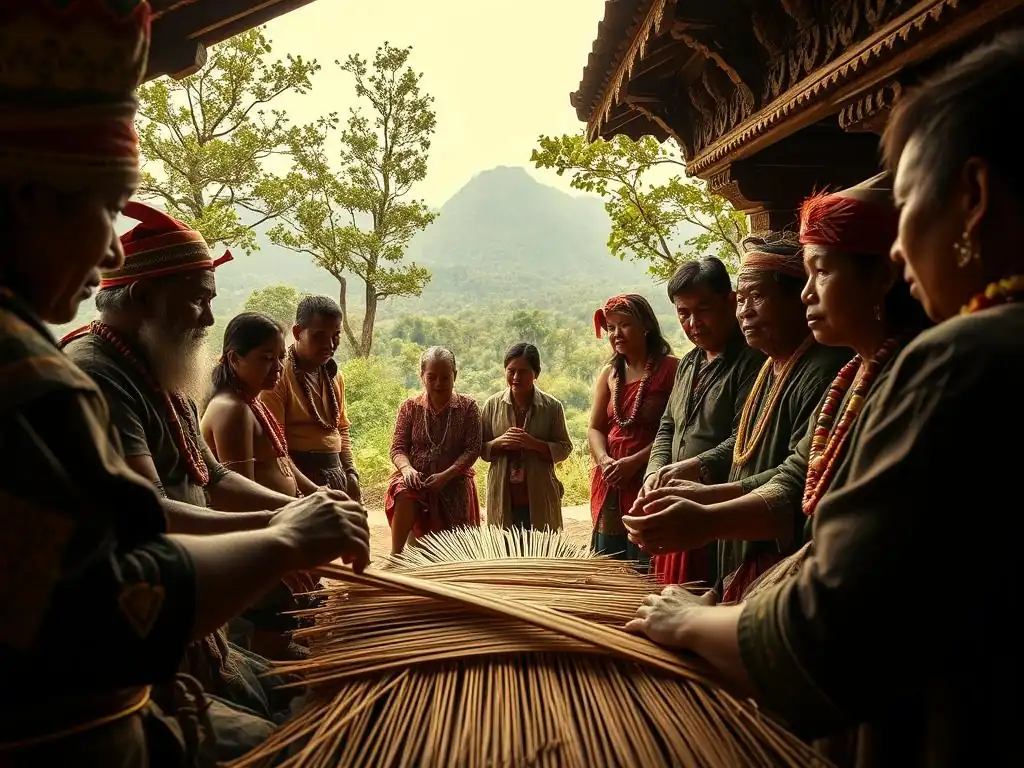
Indigenous architectural preservation efforts are critical in safeguarding the unique cultural heritage and historical legacies of Native American communities. These initiatives encompass a wide range of activities aimed at restoring, maintaining, and promoting traditional architectural practices and structures. As the world shifts toward greater recognition of indigenous rights, the significance of these preservation efforts has gained increasing attention.
The current landscape of indigenous architectural preservation is characterized by a blend of community-led initiatives, government support, and collaborative projects involving non-profit organizations. Each of these components plays a vital role in ensuring that indigenous architecture—an essential aspect of cultural identity—remains vibrant and accessible for future generations.
Community-Led Initiatives in Preservation
Community-led initiatives form the backbone of many indigenous architectural preservation efforts. These grassroots movements prioritize the voices and needs of indigenous people, ensuring that preservation activities are culturally relevant and aligned with traditional practices. Some key aspects of these initiatives include:
- Cultural Revitalization Programs: Many indigenous communities have established cultural revitalization programs focused on educating younger generations about traditional building techniques and the significance of architectural forms. Workshops and hands-on training sessions are often organized, allowing participants to learn from elders and skilled artisans.
- Traditional Ecological Knowledge (TEK): Indigenous communities utilize their TEK to guide preservation efforts, incorporating sustainable practices and materials that respect the environment. This knowledge often informs the construction and restoration of buildings, ensuring that they are in harmony with the natural landscape.
- Community Gatherings and Events: Celebrations and gatherings centered around traditional architecture help foster community ties and raise awareness about preservation. For example, powwows and cultural festivals frequently showcase traditional structures and provide opportunities for storytelling, emphasizing the importance of architectural heritage.
By championing these community-led initiatives, indigenous peoples are not only preserving their architectural heritage but also reinforcing their cultural identity and resilience in the face of modernization.
Government and Non-Profit Organizations Supporting Preservation
Government entities and non-profit organizations also play a significant role in supporting indigenous architectural preservation efforts. Their involvement often includes funding, resources, and technical assistance to help communities maintain and restore their traditional structures. Key contributions include:
- Grant Programs: Various governmental agencies, such as the National Park Service in the United States, offer grants specifically aimed at preserving indigenous architecture. These grants can fund restoration projects, educational programs, and the documentation of traditional building techniques.
- Collaborative Partnerships: Non-profit organizations often partner with indigenous communities to develop preservation strategies that reflect local needs. For instance, organizations like the Native American Rights Fund (NARF) advocate for legal protections for indigenous sites and structures, ensuring that they are recognized and respected by governmental bodies.
- Advocacy and Awareness Campaigns: Many non-profits engage in advocacy efforts to raise awareness about the importance of indigenous architectural preservation. By highlighting success stories and promoting the cultural significance of traditional structures, these organizations help garner public support and encourage policy changes.
The collaboration between indigenous communities, government agencies, and non-profit organizations is essential for creating a sustainable framework for architectural preservation that honors indigenous heritage.
Case Studies of Successful Preservation Projects
Several notable case studies illustrate the effectiveness of indigenous architectural preservation efforts. These projects demonstrate the power of collaboration and community engagement in maintaining traditional knowledge and structures. Some key examples include:
- The Pueblo of Acoma Sky City: This historic site, known for its unique adobe structures, has been the subject of preservation initiatives aimed at restoring and maintaining its architecture. The Acoma community actively engages in educational programs that teach younger generations about the significance of their traditional buildings, ensuring that this architectural heritage is passed down.
- The Cherokee Nation's Historic Preservation Office: This office has successfully undertaken numerous projects to restore and preserve traditional Cherokee structures. Through community involvement and collaboration with experts, the office has revitalized important sites, including the Cherokee National Supreme Court building, which serves as a symbol of cultural pride and resilience.
- The Mi’kmaq Heritage Centre: Located in Nova Scotia, this center focuses on the preservation of Mi’kmaq culture and architecture. Through workshops and community initiatives, the center promotes traditional building techniques, such as bark canoes and wigwams, while also educating visitors about the importance of these structures in Mi’kmaq culture.
These case studies highlight the diverse approaches to indigenous architectural preservation and underscore the need for continued support and recognition of these efforts. By learning from these successes, other communities can develop their own preservation initiatives, contributing to the broader movement of safeguarding indigenous architectural heritage.
Challenges Facing Indigenous Architectural Preservation
Urbanization and Its Impact on Indigenous Structures
Urbanization poses a significant threat to Indigenous architectural preservation efforts. As cities expand and populations grow, many Indigenous structures—often situated in areas of historical significance—are at risk of being demolished or altered to make way for new development. This phenomenon not only erases physical landmarks but also disrupts the cultural narratives tied to these sites.
The encroachment of urban landscapes on Indigenous territories can lead to:
- Displacement of Communities: Indigenous peoples often find themselves pushed out of their traditional lands, leading to a loss of cultural identity and connection to heritage sites.
- Neglect of Historical Sites: Many Indigenous structures are left unmaintained as urban development prioritizes modern architecture, resulting in deterioration and eventual loss.
- Cultural Misrepresentation: The rapid changes in urban environments can lead to the commodification of Indigenous cultures, where traditional architecture is misrepresented or commercialized without proper context or respect for its significance.
For example, the historic structures of the Pueblo peoples in the Southwestern United States face challenges from urban sprawl, which threatens both the physical integrity of these buildings and the cultural practices associated with them.
Funding and Resource Limitations for Preservation Efforts
One of the most pressing issues in Indigenous architectural preservation is the lack of funding and resources. Many Indigenous communities operate with limited budgets, making it difficult to undertake necessary preservation projects. This financial strain can lead to:
- Inadequate Restoration: Without sufficient funds, restoration efforts may be superficial or entirely absent, allowing degradation to continue.
- Loss of Skilled Labor: Preservation requires specialized knowledge and skills, but many Indigenous communities struggle to attract or retain artisans and craftspeople trained in traditional methods.
- Dependence on External Funding: Many preservation initiatives rely on grants from governmental or non-governmental organizations, which can be unpredictable and often fail to meet the community's specific needs.
The National Park Service's Tribal Historic Preservation Program offers some support, but the overall funding landscape remains fragmented and often insufficient. As a result, many projects that could revitalize Indigenous architectural traditions remain stalled or unrealized.
Balancing Modern Development with Heritage Conservation
Finding a harmonious balance between modern development and the conservation of Indigenous heritage is a complex challenge. As cities strive to grow and evolve, there is a pressing need to integrate Indigenous architectural preservation into urban planning. This can be approached through:
- Collaborative Urban Planning: Engaging Indigenous communities in the planning process ensures that their voices are heard and their needs are prioritized. Successful models exist where planners and Indigenous leaders work together to create spaces that honor both heritage and contemporary needs.
- Adaptive Reuse of Existing Structures: Rather than demolishing Indigenous buildings, developers can explore adaptive reuse, which allows these structures to serve new purposes while retaining their historical significance.
- Education and Awareness: Raising awareness about the importance of Indigenous architectural traditions can foster community support for preservation efforts. Educational programs in schools and public forums can highlight the value of these structures, encouraging local populations to advocate for their protection.
By prioritizing these strategies, communities can work toward a future where modern development does not come at the cost of Indigenous architectural heritage, allowing for a rich tapestry of history and innovation to coexist.
Innovations in Indigenous Architectural Preservation
Use of Technology in Documenting Indigenous Architecture
In recent years, technological advancements have revolutionized the way Indigenous architectural preservation efforts are approached. These innovations not only aid in the documentation of existing structures but also play a crucial role in the education and engagement of both Indigenous communities and the wider public. Some notable technologies include:
- 3D Scanning and Modeling: This technique allows for precise digital representations of buildings and sites. By capturing the intricate details of structures, 3D models can be preserved indefinitely, providing valuable resources for both current and future generations. For instance, the use of LiDAR (Light Detection and Ranging) technology can create detailed topographical maps that showcase the spatial relationships of architectural sites.
- Virtual Reality (VR) and Augmented Reality (AR): These immersive technologies enable users to experience Indigenous architecture in a virtual environment. By recreating historical sites and structures, VR and AR can foster a deeper understanding of the cultural significance and architectural nuances of Indigenous buildings. This is especially important for educational initiatives aimed at schools and museums.
- Digital Archives: The establishment of online platforms for the documentation and sharing of Indigenous architectural heritage has become increasingly prevalent. Institutions such as the National Park Service and various tribal organizations are creating digital archives that aggregate photographs, blueprints, and oral histories related to significant architectural sites. This not only preserves the knowledge but also makes it accessible to a global audience.
Revitalization of Traditional Techniques in Modern Contexts
The revitalization of traditional architectural techniques is a fundamental aspect of Indigenous architectural preservation efforts. By integrating age-old methods with contemporary practices, Indigenous communities are not only preserving their heritage but also ensuring that it remains relevant in today’s world. Key aspects of this revitalization include:
- Workshops and Training Programs: Many Indigenous communities are organizing workshops that teach traditional building techniques to younger generations. These programs often involve hands-on training in materials sourcing, construction methods, and cultural storytelling associated with architecture. For example, the use of adobe in the Southwest U.S. is being revived through community-led initiatives that emphasize its historical importance and environmental sustainability.
- Collaboration with Architects and Designers: Modern Indigenous architects are increasingly collaborating with traditional craftspeople to create structures that honor cultural heritage while meeting contemporary needs. This collaborative approach not only respects traditional methods but also incorporates modern materials and design principles, resulting in innovative architectural solutions. Notable projects include community centers and housing that reflect Indigenous aesthetics while being functional and sustainable.
- Policy Advocacy: Indigenous groups are actively advocating for policies that support the preservation of their architectural heritage. This includes seeking recognition for traditional knowledge systems and securing funding for preservation projects. By engaging with governmental and non-governmental organizations, these groups are ensuring that Indigenous architectural practices receive the support they deserve.
The fusion of technology and traditional methods in Indigenous architectural preservation efforts is not only a means of safeguarding the past but also a way to empower communities and educate future generations. Through these innovative approaches, Indigenous architecture continues to thrive, reflecting the resilience and adaptability of these cultures in a modern context.
The Role of Indigenous Knowledge in Architectural Preservation
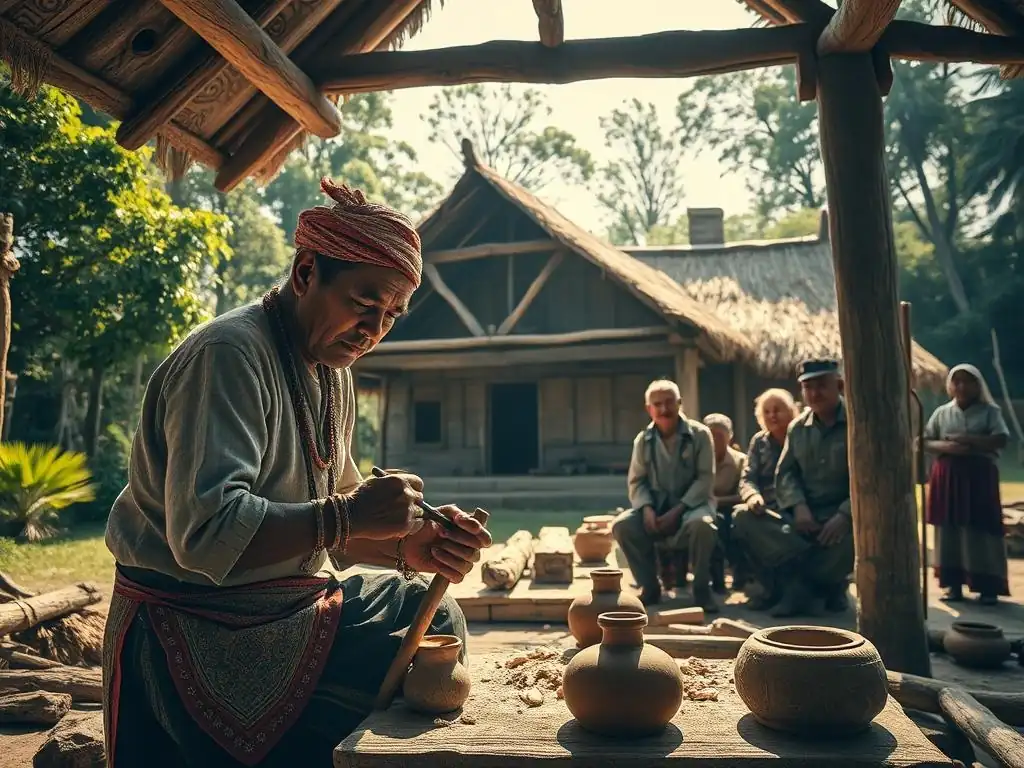
Indigenous architectural preservation efforts are deeply intertwined with the knowledge systems and cultural practices of Indigenous communities. Understanding the significance of traditional knowledge in the context of architecture is crucial for effective preservation. This knowledge encompasses not only construction techniques but also the spiritual and cultural values associated with the built environment.
Traditional Indigenous architecture is often reflective of the relationship between the people and their environment. Structures are designed with respect to local materials, climatic conditions, and cultural narratives. Therefore, incorporating Indigenous perspectives into preservation efforts ensures that the cultural heritage is not merely maintained but revitalized, fostering a sense of identity and belonging among contemporary Indigenous populations.
Incorporating Indigenous Perspectives in Conservation Practices
Incorporating Indigenous perspectives into conservation practices is essential for preserving the authenticity of architectural traditions. This approach often involves:
- Community Involvement: Engaging Indigenous communities in the decision-making processes related to preservation. This fosters a sense of ownership and respect for cultural heritage.
- Utilization of Traditional Techniques: Employing traditional building methods and materials that have been passed down through generations. For instance, using adobe or rammed earth techniques in the construction of homes in the Southwest United States reflects the cultural significance of these methods.
- Cultural Narratives: Recognizing and integrating the stories, histories, and values embedded in Indigenous architecture. This might involve documenting oral histories that accompany specific structures or sites.
By valuing Indigenous knowledge, preservation efforts can transcend mere restoration; they can become a means of cultural expression and resilience for Indigenous communities.
Education and Community Engagement in Preservation Efforts
Education plays a pivotal role in Indigenous architectural preservation efforts. By fostering awareness and understanding of Indigenous architectural traditions among broader audiences, the significance of these practices can be appreciated and respected.
Key Components of Educational Initiatives:
- Workshops and Training Programs: Organizing hands-on workshops that teach traditional building techniques to both Indigenous youth and interested non-Indigenous participants. This ensures the transfer of knowledge and skills necessary for maintaining architectural traditions.
- Community Exhibitions: Hosting exhibitions that showcase Indigenous architecture and its cultural relevance. These exhibitions can serve as platforms for storytelling and sharing experiences related to architectural traditions.
- Partnerships with Educational Institutions: Collaborating with universities and colleges to develop curricula that focus on Indigenous architectural practices. This initiative can promote research that respects and highlights Indigenous knowledge systems.
Engagement Strategies:
- Local Involvement: Encouraging local community members to participate in preservation projects. This approach not only helps in maintaining the structures but also strengthens community ties and identity.
- Cultural Exchanges: Facilitating exchanges between Indigenous and non-Indigenous builders, architects, and scholars to share knowledge and techniques. Such interactions can lead to innovative preservation strategies that honor both traditional and contemporary practices.
Through education and community engagement, Indigenous architectural preservation efforts can thrive, ensuring that the rich heritage of Indigenous cultures is recognized, respected, and sustained for future generations.
Future Directions for Indigenous Architectural Preservation
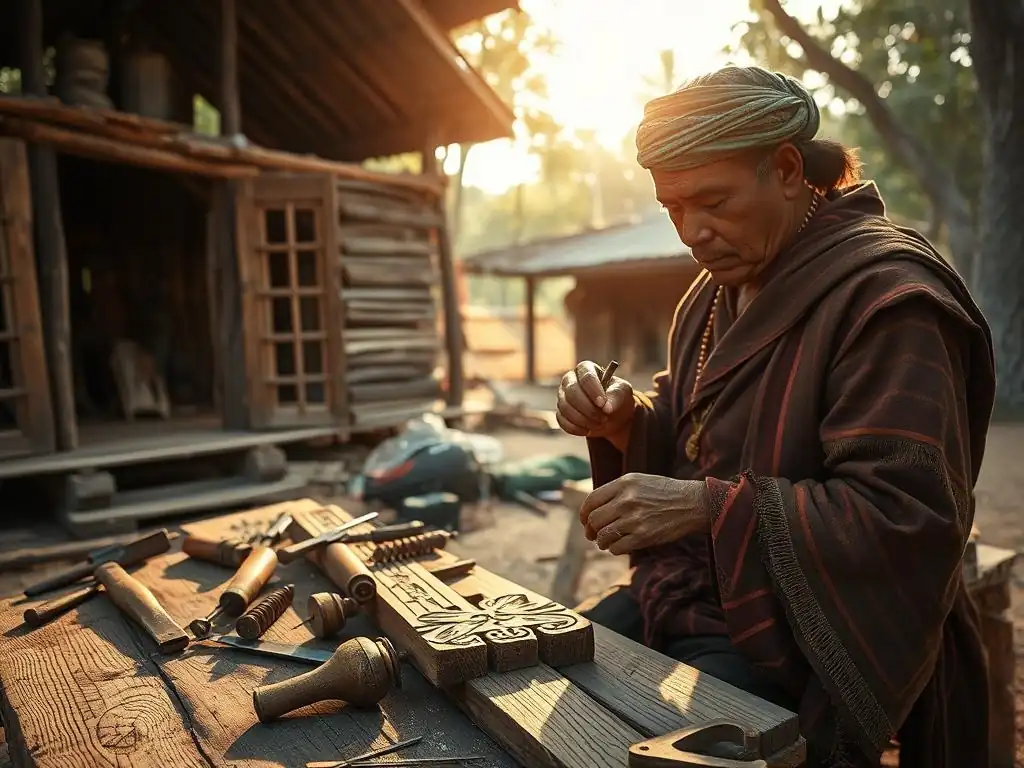
As Indigenous communities continue to navigate the complexities of modernity while striving to preserve their architectural heritage, future directions for Indigenous architectural preservation are becoming increasingly relevant. The focus is shifting towards integrating traditional knowledge with contemporary practices, ensuring that architectural traditions are not only preserved but also revitalized and adapted for future generations.
Emerging Trends in Preservation Practices
One of the most notable trends in Indigenous architectural preservation is the use of community-driven initiatives. Indigenous groups are increasingly taking the lead in preserving their architectural heritage through grassroots efforts. This approach emphasizes the importance of local knowledge and cultural identity, allowing communities to reclaim their narratives and cultural expressions.
Innovative Approaches
- Adaptive Reuse: Many Indigenous communities are repurposing existing structures to serve modern needs while maintaining their historical significance. For example, old community centers may be transformed into cultural hubs that host traditional ceremonies and educational workshops.
- Sustainable Materials: The revival of traditional building materials, such as adobe, clay, and wood, is gaining traction. These materials not only reflect Indigenous architectural styles but also promote sustainability and environmental stewardship.
- Digital Preservation: Advances in technology are enabling communities to digitally document and archive their architectural heritage. This includes 3D modeling, virtual reality tours, and interactive platforms that allow for broader access to Indigenous architectural knowledge.
Collaborative Efforts
Collaboration between Indigenous communities, architects, and preservationists is essential for successful preservation efforts. By fostering partnerships, these groups can share resources, knowledge, and expertise, leading to more effective preservation strategies. Examples include:
- Workshops and Training Programs: These initiatives aim to equip community members with the skills needed to repair and maintain their architectural heritage, ensuring that traditional techniques are passed down through generations.
- Cultural Exchange Programs: Programs that promote cultural exchange between Indigenous communities and other cultural groups can foster mutual respect and understanding, leading to collaborative preservation efforts.
The Importance of Policy Advocacy and Support
Policy advocacy plays a critical role in the preservation of Indigenous architectural traditions. Effective policies can provide the necessary support and funding for preservation initiatives, enabling communities to safeguard their heritage in the face of modern challenges.
Key Areas of Advocacy
- Legal Recognition: Advocating for legal frameworks that recognize the rights of Indigenous communities to their architectural heritage is vital. This includes protecting sacred sites and traditional landscapes from encroachment and development.
- Funding and Grants: Increased funding opportunities through government and private grants can significantly bolster preservation efforts. Advocates can work to create programs specifically aimed at supporting Indigenous architectural projects.
- Educational Programs: Promoting educational initiatives that focus on Indigenous architecture within academic institutions can help raise awareness and appreciation for these traditions. This can involve integrating Indigenous perspectives into architectural curricula and encouraging the study of traditional building techniques.
Community Engagement
Engaging communities in policy advocacy is crucial for ensuring that their voices are heard. This can be achieved through:
- Public Awareness Campaigns: These campaigns can highlight the significance of Indigenous architectural traditions and the need for their preservation, rallying public support and fostering a sense of shared responsibility.
- Community Forums: Hosting forums that allow community members to discuss their concerns and aspirations regarding architectural heritage can empower them to advocate for their needs.
The future of Indigenous architectural preservation relies on a multifaceted approach that includes emerging trends in preservation practices and robust policy advocacy. By embracing innovative strategies and fostering community engagement, Indigenous architectural traditions can not only survive but thrive in contemporary society.
Conclusion: The Ongoing Journey of Indigenous Architectural Preservation
The journey of preserving Indigenous architectural traditions is both vital and complex. As we navigate the modern world, the importance of these efforts becomes increasingly clear. Indigenous architectural preservation efforts are not merely about maintaining structures; they embody the values, histories, and identities of Indigenous peoples across North America. The architectural forms, materials, and techniques used by these cultures are deeply intertwined with their ways of life, spiritual beliefs, and environmental practices.
In recent years, there has been a growing recognition of the need to document and preserve these architectural styles. Initiatives led by Indigenous communities are pivotal, as they prioritize the voices and experiences of those who have historically been marginalized. These efforts often emphasize sustainable practices that align closely with traditional ecological knowledge, ensuring that preservation is not just a nod to the past but a foundation for a sustainable future.
Call to Action for Supporting Preservation Efforts
To strengthen Indigenous architectural preservation efforts, it is crucial for individuals and organizations to take action. Here are some ways to contribute:
- Engage with Indigenous Communities: Building relationships with Indigenous groups can lead to mutual understanding and support. Attend community events and learn about their architectural traditions.
- Advocate for Funding: Support policies and initiatives that provide funding for preservation projects. This can include grants for restoring historical sites or educational programs that teach traditional building methods.
- Promote Awareness: Share knowledge about Indigenous architecture through social media, blogs, or community discussions. Increasing public awareness can foster respect and appreciation for these cultural heritages.
- Support Indigenous Artists and Craftsmen: Purchasing art or collaborating with Indigenous builders can directly contribute to the continuation of traditional practices.
By taking these steps, we can collectively work towards honoring and preserving the rich architectural heritage of Indigenous cultures.
Reflection on the Importance of Heritage in Identity and Culture
Heritage plays a crucial role in shaping identity and culture, particularly for Indigenous groups. Architectural forms are not just structures; they serve as physical manifestations of cultural narratives, social organization, and spiritual beliefs. Understanding the significance of these architectural traditions is essential for recognizing the broader context of Indigenous identity.
Many Indigenous communities view their heritage as a living entity, one that evolves while still honoring its roots. For instance, traditional structures like the Navajo hogan or the Iroquois longhouse are not merely historical artifacts; they represent ongoing relationships with the land and the community.
Moreover, Indigenous architectural preservation efforts contribute to cultural resilience. By maintaining these traditions, communities can foster a sense of pride and continuity among younger generations. This connection to the past empowers Indigenous peoples to navigate modern challenges while staying grounded in their cultural identities.
The preservation of Indigenous architecture is a testament to the enduring strength of these cultures. It is a continuous journey that requires the support and engagement of all who recognize the importance of heritage in shaping identity and culture.
Frequently Asked Questions
What is the focus of the article "Preserving Heritage: Contemporary Efforts to Maintain Indigenous Architectural Traditions"?
The article explores contemporary efforts aimed at preserving Indigenous architectural traditions and highlights the cultural significance of these structures in maintaining Indigenous identity.
Why is Indigenous architectural preservation important?
Preserving Indigenous architecture is crucial for safeguarding cultural heritage, promoting community identity, and ensuring that future generations can connect with their historical roots.
What are some methods used in Indigenous architectural preservation?
Methods include community engagement, the use of traditional building materials, and incorporating modern techniques that respect and reflect Indigenous cultures, ensuring these structures remain relevant.
How do Indigenous architectural preservation efforts impact local communities?
These efforts can lead to strengthened community bonds, increased cultural pride, and potential economic benefits through heritage tourism, fostering a deeper appreciation of Indigenous histories.
Are there any organizations dedicated to Indigenous architectural preservation?
Yes, several organizations focus on this area, promoting awareness, providing resources, and supporting local initiatives to preserve Indigenous architectural heritage and traditions.
Final Reflection: Honoring the Past, Shaping the Future
In an era where globalization often threatens the unique identities of cultures, the importance of Indigenous architectural preservation efforts cannot be overstated. These efforts not only safeguard the physical structures that embody the history and traditions of Indigenous peoples but also serve as a powerful reminder of the resilience and ingenuity of these communities. As we navigate a rapidly changing world, the lessons learned from these preservation initiatives resonate more than ever, urging us to recognize and celebrate the diverse narratives that shape our shared human experience.
The impact of preserving Indigenous architectural traditions extends far beyond mere aesthetics; it influences the cultural and social landscape in profound ways. By fostering a deeper understanding of Indigenous histories and practices, we cultivate a sense of respect and appreciation for the rich tapestry of human expression. This ongoing dialogue is crucial in combating cultural erasure and promoting inclusivity. As the renowned architect David Adjaye once said, Architecture is a way of thinking about the world, and it can be a powerful tool for social change.
This sentiment underscores the transformative potential of Indigenous architectural preservation efforts, which can inspire future generations to engage with their heritage meaningfully.
As we reflect on the significance of these preservation efforts, I invite you to consider how you can contribute to the safeguarding of cultural legacies in your own community. Whether through supporting local Indigenous initiatives, advocating for policies that protect heritage sites, or simply educating yourself and others about the importance of these traditions, every action counts. Let us embrace the call to honor the past while actively shaping a future that celebrates diversity and fosters understanding. Together, we can ensure that the stories and wisdom of Indigenous peoples continue to thrive for generations to come.
Join the Movement to Preserve Indigenous Architecture!
Thank you for taking the time to explore the rich tapestry of Indigenous architectural traditions. Your interest in preserving these cultural treasures is crucial for future generations. Now that you've gained insight into the contemporary efforts aimed at protecting these invaluable heritages, it's time to take action!
Here are a few steps you can take to make a meaningful difference:
- Engage with Local Indigenous Communities: Attend workshops or events that celebrate Indigenous architecture and culture in your area.
- Support Indigenous Architects: Share their work on social media or consider collaborating with them on your next project.
- Advocate for Heritage Preservation: Write to your local government to request support for initiatives that protect and promote Indigenous architecture.
What unique architectural aspects of Indigenous heritage resonate most with you? How can you share their significance within your community?