
Analyzing Moche Sculpture: Artifacts That Tell Stories of Power and Religion

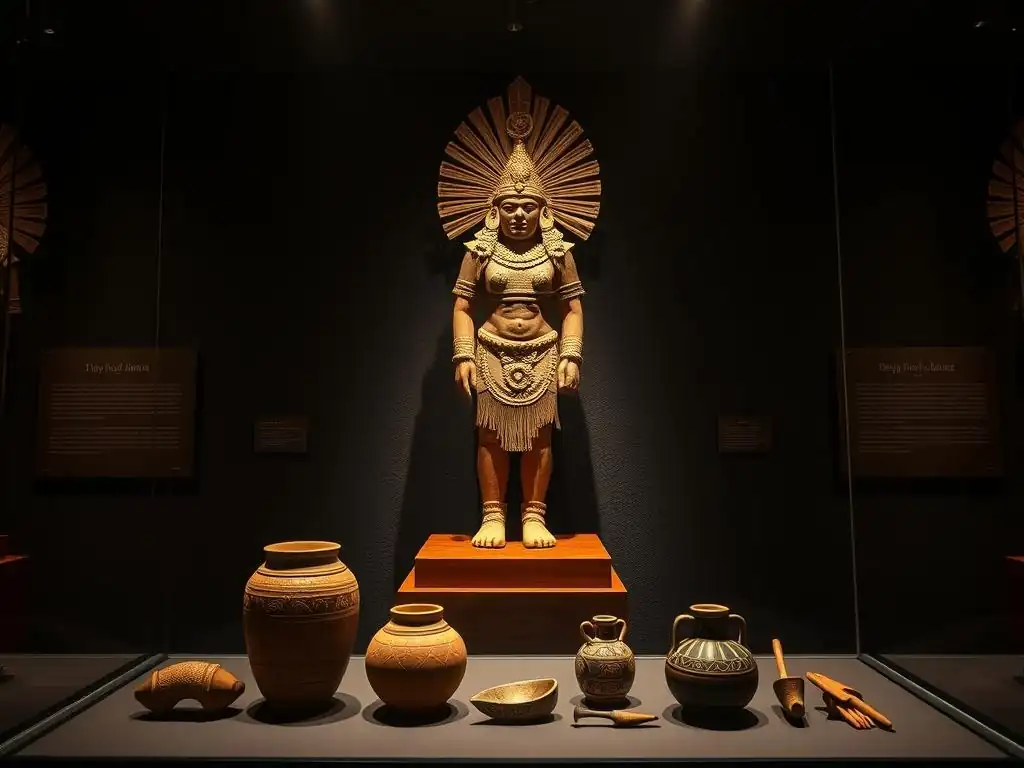
Welcome to Indigenous Civilizations of the Americas, where we invite you to embark on a journey through the rich tapestry of cultures that flourished long before European contact. Discover the cultural significance of Moche sculpture—artworks that not only showcase extraordinary craftsmanship but also unveil the intricate stories of power and religion within the Moche society.
As you delve into our featured article, "Analyzing Moche Sculpture: Artifacts That Tell Stories of Power and Religion," prepare to uncover the profound connections between art and identity in one of the Americas' most fascinating civilizations. Join us in exploring these mesmerizing narratives that continue to resonate through time!
The Moche civilization, which flourished along the northern coast of Peru from approximately 100 to 800 AD, is renowned for its intricate and expressive sculpture that serves as a window into their complex society. Moche sculpture is not just an artistic expression; it encapsulates the cultural significance of this ancient civilization, reflecting their religious beliefs, social hierarchy, and political power. Through a detailed analysis of these artifacts, we can gain insight into the values and practices that defined the Moche people, as well as their innovations in artistry and craftsmanship.
In this article, we will explore the multi-faceted dimensions of Moche sculpture, examining how these artifacts tell stories of power and religion. From ceremonial figures to ritualistic vessels, each piece of Moche art carries with it a narrative that reveals the intricacies of their worldview. Furthermore, we will discuss the impact of these sculptures on our understanding of indigenous cultures in the Americas and their lasting legacy in contemporary society. Join us as we delve into the vibrant world of Moche sculpture and uncover the cultural significance hidden within these remarkable artifacts.
- Introduction to Moche Sculpture Cultural Significance
- Historical Context of Moche Sculpture
- Characteristics of Moche Sculpture
- Moche Sculpture and Its Role in Society
- Notable Moche Sculptures and Their Stories
- The Influence of Moche Sculpture on Later Cultures
- Modern Perspectives on Moche Sculpture
- Conclusion: The Lasting Impact of Moche Sculpture Cultural Significance
- References
-
Frequently Asked Questions
- What is the cultural significance of Moche sculpture?
- How did Moche sculpture contribute to our knowledge of their society?
- What materials were commonly used in Moche sculptures?
- How do Moche sculptures illustrate their religious beliefs?
- What lasting impact have Moche sculptures had on contemporary art?
- Final Reflection: The Enduring Legacy of Moche Sculpture
- Unleash Your Curiosity About Moche Sculpture!
Introduction to Moche Sculpture Cultural Significance
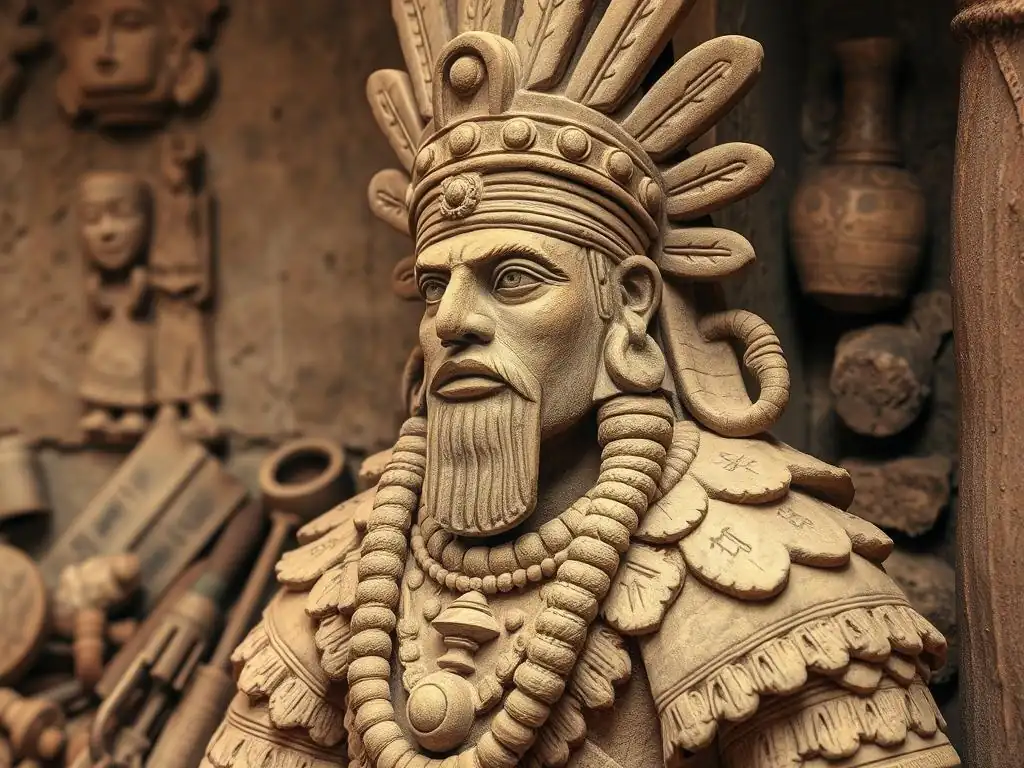
Moche sculpture stands as a profound testament to the cultural significance of the Moche civilization, which flourished along the northern coast of Peru from approximately 100 to 800 CE. These sculptures, crafted with intricate detail and vibrant symbolism, offer insights into the religious beliefs, social structures, and political dynamics of the Moche people. Through the examination of their artistry, we can glean valuable information about their worldview and the roles that power and spirituality played in their society.
Overview of Moche Civilization
The Moche civilization is recognized for its advanced techniques in metallurgy, agriculture, and architecture, alongside its rich artistic traditions. Centered in the Moche Valley, the civilization developed a complex society characterized by hierarchical structures, including powerful elite classes and skilled laborers. The Moche people constructed monumental structures, such as the Huacas del Sol y de la Luna, which served both as religious centers and as statements of socio-political power.
Moche sculpture is often categorized into three distinct styles: portrait heads, narrative scenes, and anthropomorphic vessels. Each of these styles plays a critical role in communicating the Moche’s cultural narratives:
- Portrait Heads: These sculptures often depict the ruling elite, conveying their status and authority. They reveal notable details such as facial features, hairstyles, and adornments that were significant in Moche society.
- Narrative Scenes: These artworks illustrate mythological and everyday life themes, providing a window into the Moche's beliefs, rituals, and social practices.
- Anthropomorphic Vessels: These functional sculptures serve as both art and utility, often used in ceremonies. They depict deities or ancestral figures, emphasizing the importance of spirituality in Moche culture.
Importance of Artifacts in Understanding Culture
Artifacts, such as Moche sculptures, serve as vital keys to unlocking the past. They not only showcase artistic prowess but also function as historical documents that record the values, beliefs, and social structures of the Moche civilization. By analyzing these artifacts, scholars can reconstruct historical narratives and understand the dynamics of power and religion within Moche society.
Some critical aspects of artifacts in cultural understanding include:
- Cultural Context: Artifacts provide insight into the social customs, political structures, and religious beliefs of a civilization. For the Moche, their sculptures reflect a society deeply intertwined with ritualistic practices and hierarchical power dynamics.
- Symbolism and Iconography: The imagery found in Moche sculptures often carries symbolic meanings that reveal the civilization's worldview. Understanding these symbols is essential for interpreting the broader cultural significance of the artifacts.
- Technological Advancements: The techniques employed in creating Moche sculptures highlight the civilization's technological achievements, including advancements in pottery, metallurgy, and sculpture.
Purpose of the Article
This article aims to delve into the cultural significance of Moche sculpture by exploring its artistic techniques, symbolic meanings, and the broader implications for understanding Moche society. Through a detailed analysis of key artifacts, we will uncover how these sculptures not only reflect the artistic talents of the Moche people but also serve as vital expressions of their beliefs in power and religion.
By examining the intricate details and contexts of Moche sculptures, we hope to provide readers with a comprehensive understanding of their role in the rich tapestry of indigenous cultures in the Americas. Ultimately, this exploration will illustrate how Moche sculpture continues to influence contemporary interpretations of ancient civilizations and their legacies.
Historical Context of Moche Sculpture
The historical context of Moche sculpture is essential for understanding its cultural significance. The Moche civilization, flourishing along the northern coast of present-day Peru from approximately 100 to 800 AD, is renowned for its sophisticated artistic expressions. Moche sculpture serves as a window into the lives, beliefs, and societal structures of its people, reflecting a rich tapestry of cultural practices and values.
Timeline of Moche Civilization
The Moche civilization developed through several distinct phases, each contributing to its artistic legacy. Below is a simplified timeline highlighting key periods and achievements:
| Year (AD) | Event/Development | Significance |
|---|---|---|
| 100 | Formation of Moche culture | Establishment of a complex society and agricultural practices. |
| 200 | Development of adobe temples and ceremonial centers | Architectural advancements and religious significance. |
| 300-400 | Peak of Moche artistic production | Flourishing of sculpture, pottery, and metallurgy. |
| 500-600 | Expansion of political influence | Increased trade and cultural exchange with neighboring cultures. |
| 700 | Decline of Moche civilization | Environmental changes and internal strife leading to societal shifts. |
This timeline illustrates the evolution of the Moche civilization and the progressive sophistication of Moche sculpture during its peak.
Major Historical Events Influencing Moche Art
Several historical events significantly influenced Moche art, particularly their sculpture. These events are characterized by social, political, and environmental factors that shaped their artistic expressions:
-
Agricultural Advancements
The Moche civilization thrived in a region with challenging environmental conditions. Innovations in irrigation and agriculture played a vital role in their societal development. The ability to cultivate crops like maize and beans not only supported a growing population but also allowed for the establishment of a class of artisans who specialized in creating intricate sculptures.
-
Religious Practices
Religion was central to Moche life, often depicted through their sculptures. Major religious ceremonies, including those honoring deities like Ai Apaec, influenced the themes and styles of Moche artworks. Sculptures often featured elaborate representations of gods, mythological beings, and ceremonial practices, showcasing the importance of spirituality in Moche culture.
-
Political Structure
The Moche were organized into a series of powerful chiefdoms, each with its own political and economic systems. This hierarchical structure influenced the production of art, as rulers commissioned large-scale works to demonstrate power and legitimacy. Sculptures often served propagandistic purposes, aimed at reinforcing the authority of the elite.
-
Trade Networks
The Moche civilization engaged in extensive trade with neighboring cultures, which introduced new materials and artistic techniques. The exchange of ideas and resources enriched Moche sculpture, leading to the incorporation of elements from other cultures, such as textiles and metallurgy.
-
Environmental Factors
The Moche civilization faced environmental challenges, including droughts and floods. Such conditions not only impacted their agricultural practices but also influenced the themes depicted in their art. Sculptures often reflected the relationship between humans and nature, illustrating the Moche's understanding of their environment and its deities.
These historical events collectively shaped the artistic landscape of Moche sculpture, enriching its cultural significance and providing insight into the civilization's beliefs, practices, and societal organization.
Characteristics of Moche Sculpture
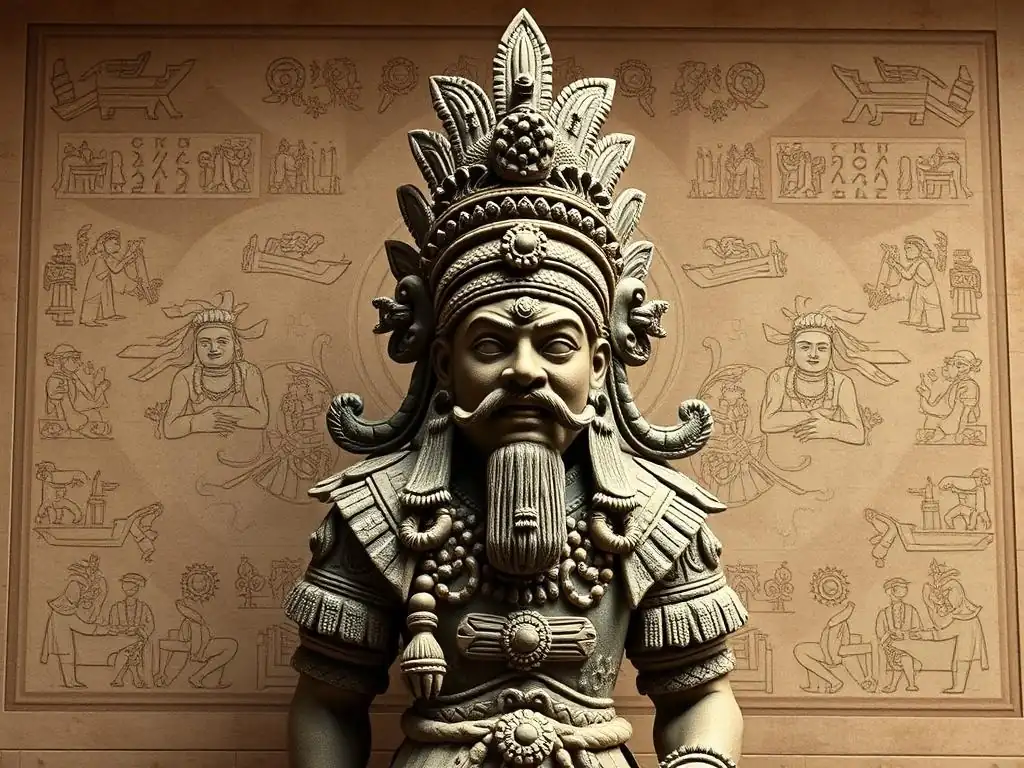
Moche sculpture is renowned for its intricate designs and rich narrative depth, serving as a vital link to understanding the Moche civilization’s cultural significance. These artifacts not only showcase artistic prowess but also reveal insights into the society’s beliefs, social structures, and everyday life.
The Moche civilization, which thrived from approximately 100 to 800 CE in what is now northern Peru, produced a variety of sculptures that varied in size, style, and purpose. The sculptures were often created for religious, political, and social contexts, reflecting the civilization's complex worldview. They range from monumental architectural sculptures to smaller, portable items, each crafted with a keen eye for detail and an understanding of form.
Materials and Techniques Used in Moche Sculpture
Moche artisans primarily utilized clay and metal to create their sculptures, with clay being the most abundant material. The following points highlight the materials and techniques that characterize Moche sculpture:
- Clay: Moche sculptors preferred clay, particularly because it was readily available in their environment. They employed coiling and molding techniques to create forms that ranged from realistic human figures to fantastical creatures.
- Burnishing: After shaping the clay, the artisans would often burnish the surface to give it a smooth finish, which also enhanced the vibrancy of the paint and glazes applied later.
- Paints and Glazes: Moche sculptures were often decorated with mineral-based paints. The use of natural pigments allowed for a wide range of colors, from earthy browns to vibrant reds and yellows.
- Metals: Gold and silver were also utilized in Moche art, particularly for decorative elements in larger pieces or ceremonial objects. The metallurgy skills of Moche artisans were advanced, allowing them to create intricate designs that signified wealth and power.
- Realism and Detail: One of the hallmarks of Moche sculpture is its remarkable realism. Figures often displayed intricate details, including facial expressions, hairstyles, and clothing, reflecting the artisans' understanding of human anatomy and social status.
Common Themes in Moche Art
Moche sculpture embodies several recurring themes that provide insights into the civilization’s social and religious structures. The following themes are prevalent in Moche art:
- Religion and the Supernatural: Many sculptures depict deities, rituals, and mythological creatures. This indicates the significance of religion in Moche society, where gods were believed to influence daily life and agricultural productivity.
- Power and Authority: Moche rulers are frequently represented in art, often shown in ceremonial regalia. These representations served to reinforce the social hierarchy and the divine right of kings, illustrating the connection between leadership and religious authority.
- Daily Life and Activities: Artistic depictions of agricultural practices, warfare, and communal activities highlight the importance of these aspects in Moche culture. Such themes provide a window into the daily existence and social interactions of the Moche people.
- Mortuary Practices: Funerary art, including tomb sculptures and pottery, emphasizes the Moche's beliefs in the afterlife. Elaborate burial practices and grave goods found alongside these sculptures suggest a profound respect for the dead and the significance of ancestry.
Iconography and Symbolism in Moche Sculpture
The iconography and symbolism in Moche sculpture are rich and varied, serving as a visual language that communicates cultural values and beliefs. Some notable aspects include:
- Iconic Figures: Many sculptures feature unique figures, such as the "Decapitator" deity, which symbolizes themes of sacrifice and renewal. These figures often represent dualities, such as life and death, or fertility and drought.
- Animal Representation: Animals frequently appear in Moche art, often symbolizing power, fertility, or particular aspects of the natural world. For instance, the depiction of felines may signify strength and ferocity, while birds can symbolize the connection between the earth and the heavens.
- Geometric Patterns: The use of geometric designs in Moche sculpture often conveys a connection to the cosmos and the cyclical nature of life. These patterns can symbolize agricultural fertility, seasonal changes, and the interconnectedness of all living things.
- Ritual Objects: Many sculptures served as ritual objects, believed to carry spiritual significance. Their designs often reflect the purpose they served, whether in ceremonies or as offerings to deities.
Moche sculpture is a profound expression of the cultural significance that the Moche civilization held in the Americas. Through their materials, themes, and iconography, these artifacts continue to tell stories of power, belief, and the intricate tapestry of Moche society.
Moche Sculpture and Its Role in Society
Moche sculpture is a remarkable testament to the complexity and sophistication of Moche society, which flourished on the northern coast of Peru from approximately 100 to 800 CE. The intricately crafted sculptures serve not only as artistic expressions but also as profound indicators of the cultural, political, and religious dynamics of the time. This section delves into the cultural significance of Moche sculpture, highlighting its role in representing power and its deep ties to religious beliefs.
Representation of Power through Sculpture
Moche sculptures are emblematic of the ruling elite's power and authority, often depicting figures that symbolize societal hierarchy and governance. The sculptures are characterized by their realistic features, intricate details, and vibrant colors, which communicate messages about status and control.
Political Structures Reflected in Art
The Moche civilization had a complex political structure that was visually articulated through its artistic endeavors. The elite class utilized sculpture as a means to establish and reinforce their authority. For instance, large-scale sculptures of rulers or warriors were prominent in ceremonial centers, serving as a demonstration of power to both the local populace and visiting dignitaries.
- Elite Depictions: Moche sculptures frequently represent elite individuals in elaborate costumes, adorned with jewelry, which signifies their high social status.
- Ceremonial Context: Many sculptures were placed in burials, suggesting that they served not only as markers of power during life but also as protective figures in the afterlife.
- Iconography of Dominance: The use of iconography, such as the depiction of weapons or symbols of conquest, further underscores the Moche's militaristic and hierarchical society.
These artistic representations were critical in perpetuating the social order, as they visually reinforced the roles and expectations of the ruling class within Moche culture.
Religious Significance of Moche Sculptures
Beyond their political implications, Moche sculptures also played a vital role in the religious landscape of their society. They were integral to rituals and ceremonies, acting as conduits between the earthly realm and the spiritual world.
Deities and Spiritual Beliefs in Moche Art
Moche art is rich with depictions of deities and spiritual beings, showcasing the civilization's intricate beliefs and practices. These sculptures often reveal the Moche's deep reverence for their gods and their understanding of the natural world.
- Gods of Agriculture and Fertility: Sculptures frequently illustrate deities associated with agriculture, such as the "Staff God," who was believed to control growth and fertility. This reflects the Moche's dependence on agriculture for survival and prosperity.
- Ceremonial Vessels: Many sculptural artifacts include ceremonial vessels that depict ritualistic practices, emphasizing the connection between art and religious ceremonies. These vessels often feature detailed reliefs that narrate mythological tales or significant events.
- Mortuary Practices: The presence of sculptures in burial contexts indicates the belief in an afterlife where these figures could assist the deceased. This spiritual significance further illustrates the Moche's intricate relationship with death and the afterlife.
Moche sculptures, therefore, are not merely decorative objects; they are essential artifacts that provide insight into the spiritual beliefs and practices of a civilization deeply connected to its environment and the cosmos.
Through these explorations of power and religion, we gain a nuanced understanding of the cultural significance of Moche sculpture, revealing how these artifacts tell stories of a society that was both sophisticated and deeply intertwined with its beliefs and governance.
Notable Moche Sculptures and Their Stories
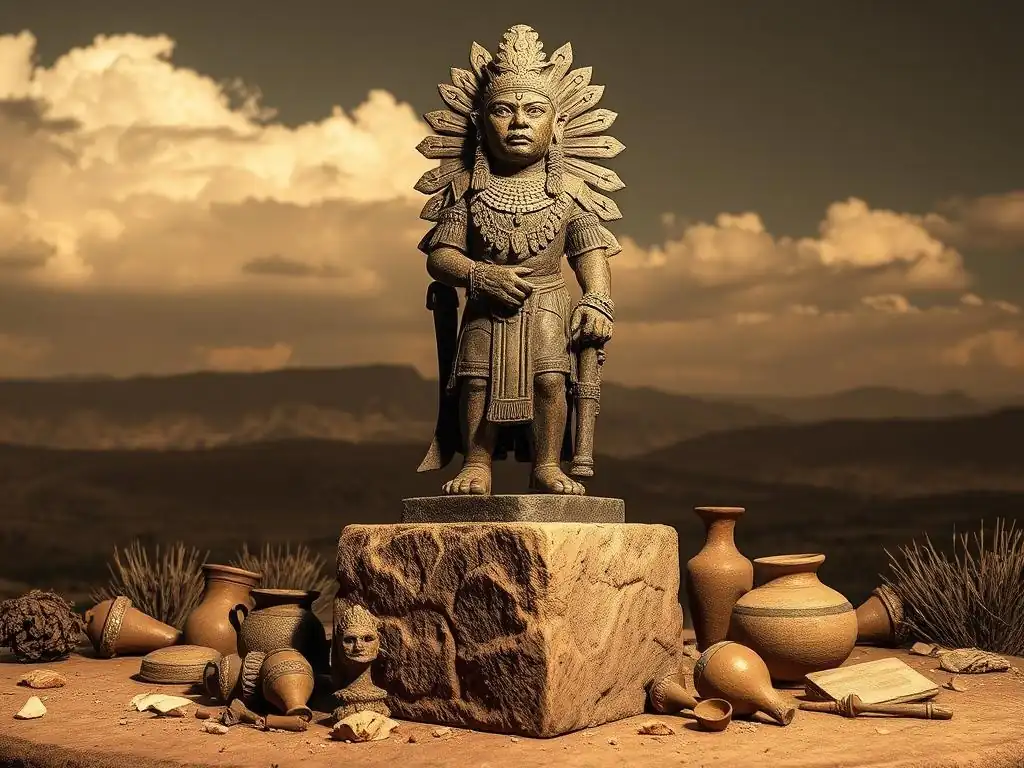
The Moche civilization, flourishing in northern Peru from approximately 100 to 800 CE, is renowned for its intricate and expressive sculptures that reflect the sociopolitical and religious complexities of its society. Through various mediums, particularly ceramics and stone, Moche artists created works that not only served aesthetic purposes but also conveyed deeper narratives about power, ritual, and identity. This section explores some of the most significant Moche sculptures, shedding light on their cultural importance.
The Portrait Vessels: A Window into Moche Society
Portrait vessels are among the most iconic artifacts of Moche art. These ceramics, often depicting highly detailed and realistic facial features, are believed to represent individuals, possibly elite members of Moche society. The craftsmanship involved in creating these vessels showcases the advanced skills of Moche artisans.
- Artistic Techniques: The Moche used a technique known as slip painting, which allowed for the application of fine details and vibrant colors. This method enhanced the lifelike qualities of the portraits, making them not just utilitarian objects but powerful statements of identity.
- Cultural Significance: Each portrait vessel is thought to reflect the status, personality, and possibly the achievements of the individuals depicted. For instance, some vessels show signs of elaborate headdresses or intricate jewelry, indicating high social status.
- Ritual Context: Evidence suggests that these vessels were used in ceremonial contexts, possibly as offerings to deities or during funerary rites. This further emphasizes their role in the cultural and spiritual life of the Moche.
The portrait vessels serve as a significant reminder of the complex social hierarchies and individual identities within Moche society.
The Huaca de la Luna: An Artistic and Religious Hub
The Huaca de la Luna, or the Temple of the Moon, is one of the most important Moche archaeological sites, showcasing monumental sculptures that played a pivotal role in both religious practices and artistic expression.
- Architectural Features: This site is characterized by its large adobe structures adorned with relief sculptures that narrate Moche myths and religious beliefs. The intricate designs include depictions of deities, warriors, and animals, all intricately linked to Moche cosmology.
- Religious Significance: The Huaca de la Luna was a central place for rituals, including human sacrifices, which were believed to appease the gods and ensure agricultural fertility. The sculptures found here are thought to represent divine entities that were vital to Moche spirituality.
- Artistic Legacy: The artistic style observed in the Huaca de la Luna has had a lasting impact on subsequent cultures in the region. The blending of function and artistry in these sculptures reflects the Moche's deep understanding of the relationship between art, power, and religion.
The Role of Sculpture in Funerary Practices
Sculpture played a crucial role in Moche funerary practices, with various artifacts designed to accompany the dead in their journey to the afterlife.
- Funerary Figurines: The Moche created a variety of sculptural figures, often depicting scenes from daily life, warfare, or mythological narratives. These figures served as companions for the deceased, believed to provide assistance in the afterlife.
- Ceremonial Context: Many funerary sculptures were placed in tombs alongside the dead, signifying the importance of the individual in life. The intricacies of these sculptures often mirrored the social status of the interred, highlighting the Moche belief in the continuity of power and prestige beyond death.
- Cultural Reflections: The themes and styles of Moche funerary sculptures offer insights into their worldview, emphasizing the interplay between life, death, and the spiritual realm. The cultural significance of these artifacts extends beyond their physical form, encapsulating the Moche’s complex relationship with mortality and the afterlife.
Moche sculpture cultural significance is deeply interwoven with the civilization's social structure, religious practices, and artistic innovation. Each artifact tells a story, revealing the values and beliefs of a society that thrived long before European contact. Through the study of these remarkable sculptures, we gain invaluable insights into the rich tapestry of Moche life and their enduring legacy.
The Influence of Moche Sculpture on Later Cultures
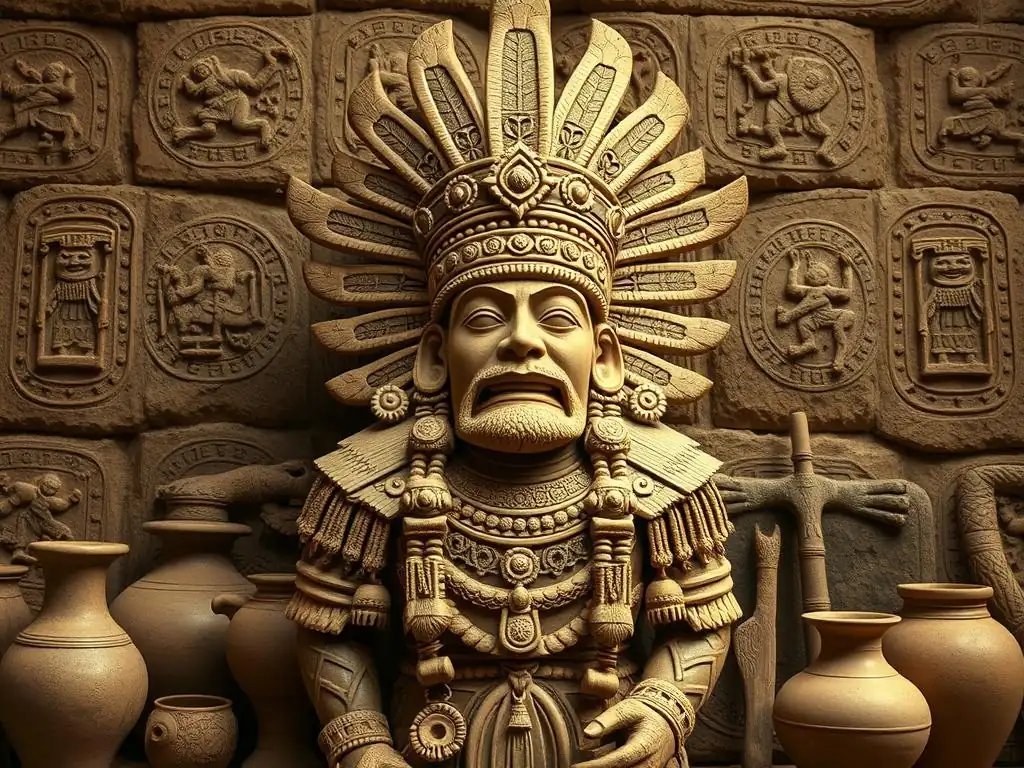
Legacy of Moche Art in Subsequent Andean Civilizations
The Moche civilization, which flourished along the northern coast of Peru from approximately 100 to 800 CE, is renowned for its intricate and expressive sculptures, which serve as a testament to their sophisticated artistic techniques and cultural values. The legacy of Moche sculpture can be observed in various subsequent Andean civilizations, particularly in the way they utilized similar themes, methods, and symbolic content in their artistic expressions.
One of the most significant aspects of Moche sculpture's legacy is the continuity of iconographic themes. The Moche artists frequently depicted deities, mythological creatures, and ritualistic scenes, which later influenced the artistic vocabularies of the Tiwanaku and Inca civilizations. For instance, the representation of the Moche god Ai Apaec, often portrayed with elaborate headdresses and facial features, can be seen echoed in the religious iconography of later cultures, adapting to local contexts while retaining a connection to their Moche predecessors.
| Aspect | Moche Civilization | Tiwanaku Civilization | Inca Civilization |
|---|---|---|---|
| Time Period | 100-800 CE | 300-1000 CE | 1438-1533 CE |
| Artistic Techniques | Polychrome pottery, metalwork, sculptural relief | Stone masonry, large sculptures | Textiles, ceramics, metallurgy |
| Iconography | Deities, mythological creatures | Andean cosmology, fertility symbols | Sun god, ancestor worship |
| Cultural Influence | Religious practices, social structure | Religious and agricultural practices | Governance, religion, and trade |
The Moche's advanced techniques in ceramics and metallurgy also laid the groundwork for the technological advancements seen in later Andean cultures. The use of mold-made ceramics, which allowed for the mass production of intricate designs, became a hallmark of Tiwanaku pottery. This innovation not only demonstrates the technical influence of Moche artisans but also highlights the importance of shared cultural practices in the region.
Moreover, the Moche's emphasis on the relationship between art and ritual has had a lasting impact on Andean cultures. The sculptural forms created by Moche artisans were often linked to ceremonial practices, and this connection persisted in subsequent civilizations. For example, the Inca adopted similar practices, integrating artistic representations into their religious rituals and governance, which reinforced their authority through visual culture.
Comparisons with Other Indigenous Cultures' Artistic Expressions
When analyzing Moche sculpture's cultural significance, it is essential to compare it with the artistic expressions of other Indigenous cultures across the Americas. Each civilization developed distinct styles, techniques, and themes that reflected their unique environments and worldviews.
North American Indigenous Art
In contrast to the Moche, many North American Indigenous cultures, such as the Pueblo peoples, utilized different materials and styles in their artistic practices. For instance, Pueblo pottery is characterized by its functional forms and intricate geometric designs, often rooted in their agricultural practices and spiritual beliefs. The emphasis on community and the natural world in Pueblo art contrasts with the Moche's focus on elite power and religious iconography.
Mesoamerican Cultures
Another notable comparison can be drawn with Mesoamerican cultures, such as the Maya and Aztec civilizations. Moche sculpture shares similarities with Maya art, particularly in the depiction of gods and elite figures. However, Maya art often involved more elaborate narrative scenes and hieroglyphic inscriptions, reflecting their complex social hierarchies and extensive writing systems. The use of the human form in both cultures serves to convey important cultural narratives, yet the context and execution differ significantly.
| Cultural Comparison | Moche Civilization | Pueblo Cultures | Maya Civilization |
|---|---|---|---|
| Material | Clay, metals | Clay, natural pigments | Stone, clay, jade |
| Themes | Power, religion | Nature, community | Mythology, history |
| Style | Realistic, detailed | Abstract, functional | Elaborate, narrative |
By examining these cultural expressions, we can appreciate the diversity and complexity of Indigenous artistic traditions across the Americas. Moche sculpture, with its intricate detailing and connection to power and religion, stands as a significant artifact that not only reflects the values of its own civilization but also influences and resonates with the artistic practices of cultures both contemporaneous and subsequent to the Moche era.
Modern Perspectives on Moche Sculpture
The examination of Moche sculpture cultural significance has evolved substantially, particularly as contemporary scholars and Indigenous communities reassess the artistic traditions that emerged from the Moche civilization, which flourished on the northern coast of Peru from approximately 100 to 800 CE. These perspectives illuminate not only the historical context of the sculptures but also their relevance in modern discussions about identity, representation, and cultural heritage.
Archaeological Discoveries and Their Impact
The 20th century saw a surge in archaeological discoveries related to Moche culture, particularly with significant excavations at sites like Sipán and Huaca de la Luna. These finds have provided invaluable insights into the social structures, religious practices, and artistic expressions of the Moche people.
- Significant Sites and Finds:
- Sipán: The tomb of the Lord of Sipán, discovered in 1987, unveiled a wealth of Moche artifacts, including intricate gold and silver jewelry, pottery, and sculptures that depicted deities and ritualistic scenes. These artifacts have been pivotal in understanding the role of elite status and power dynamics within Moche society.
- Huaca de la Luna: This ceremonial complex revealed mural paintings and sculptures that illustrate rituals and ceremonies, providing a tangible connection to the Moche worldview. The depictions often showcase themes of fertility, warfare, and sacrifice, illuminating the intertwining of power and religion in Moche society.
- Interpretations of Moche Sculpture:
- Moche sculptures are often characterized by their realism and attention to detail, particularly in the portrayal of human figures and animals. The use of naturalistic forms reflects the Moche’s deep connection to their environment, depicting both the beauty and ferocity of the natural world.
- Artistic motifs in Moche sculpture also serve as a narrative tool, conveying complex stories about mythology, power, and social roles. For example, the portrayal of anthropomorphic figures—often with exaggerated features—represents divine beings, emphasizing the Moche's religious beliefs and the significance of ritual in their culture.
- Impact on Modern Archaeology:
- The discoveries have prompted a re-evaluation of previous understandings of Moche culture, emphasizing a more nuanced view that considers the diversity and richness of their artistic expressions. This has led to a broader recognition of the cultural significance of Moche sculpture in academic discourse and public exhibitions.
The Role of Moche Sculpture in Contemporary Indigenous Identity
As discussions surrounding Indigenous identities gain prominence, Moche sculpture has emerged as a critical symbol for contemporary Indigenous peoples in Peru. The revival and reinterpretation of Moche art have fostered a renewed sense of cultural pride and identity among descendants of the Moche civilization.
- Cultural Heritage and Reclamation:
- Many Indigenous artists today draw inspiration from Moche motifs and techniques, blending traditional elements with contemporary practices. This integration helps to preserve Moche heritage while simultaneously allowing for personal expression and modern relevance.
- Community initiatives aimed at educating younger generations about Moche history and craftsmanship emphasize the significance of these artifacts as a means of cultural continuity. Workshops and exhibitions often showcase traditional methods of sculpture-making, instilling a sense of pride in Indigenous artistry.
- Political and Social Advocacy:
- Moche sculpture also plays a role in contemporary political movements advocating for Indigenous rights and recognition. By highlighting their ancestral heritage, Indigenous groups use Moche art as a platform to assert their identity and demand visibility within the broader societal context.
- The representation of Moche themes in modern art serves as a medium for storytelling, allowing contemporary artists to address current social issues while honoring their ancestral legacy.
- Tourism and Global Awareness:
- The interest in Moche culture has also led to increased tourism in Peru, where visitors seek to understand the historical and cultural significance of Moche artifacts. This tourism can help generate revenue for local communities and promote the importance of preserving Indigenous heritage.
- Global exhibitions featuring Moche sculptures provide an opportunity for international audiences to engage with and appreciate the complexity of Indigenous cultures in the Americas, fostering greater awareness and respect for their contributions to world history.
The modern perspectives on Moche sculpture reveal its profound cultural significance, both as a historical artifact and a contemporary symbol of Indigenous identity. As archaeological discoveries continue to unfold and resonate within Indigenous communities, the stories told by Moche sculptures remain vital in shaping the narrative of power, religion, and identity in the Americas.
Conclusion: The Lasting Impact of Moche Sculpture Cultural Significance
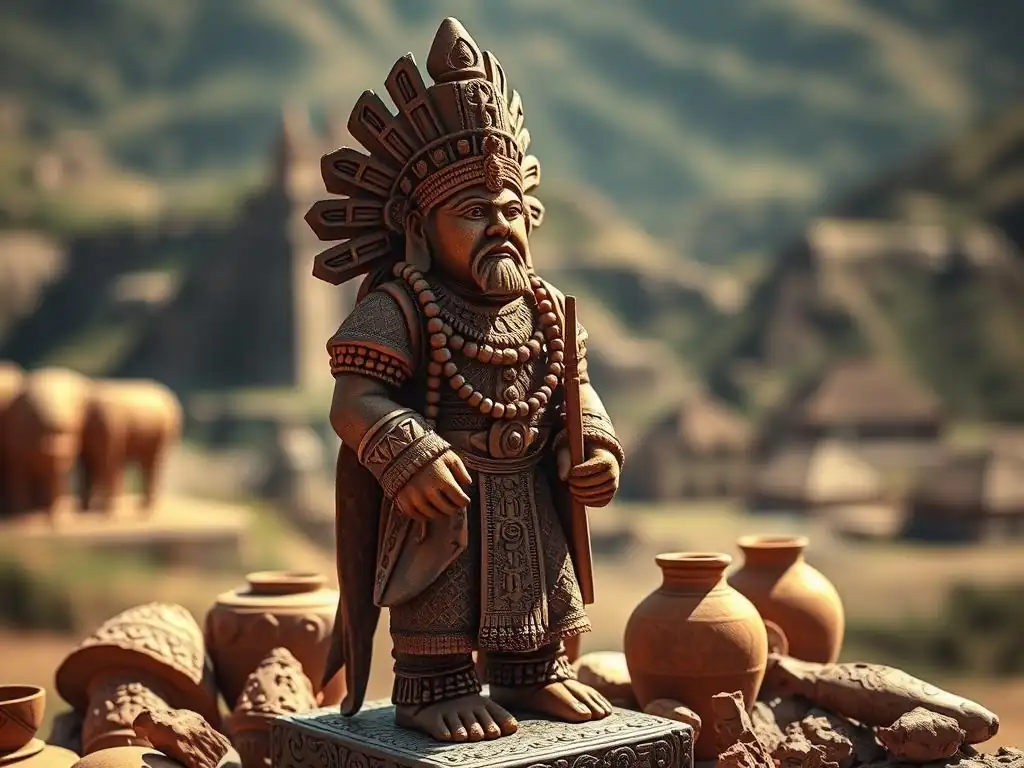
The cultural significance of Moche sculpture extends far beyond mere aesthetics; these artifacts are crucial in understanding the complex socio-political and religious landscapes of the Moche civilization. By analyzing the intricate designs, materials, and contexts in which these sculptures were created, we gain insight into the values, beliefs, and societal structures that defined the Moche people.
Moche sculptures served not only as decorative objects but also as instruments of power and communication. They often depicted deities, warriors, and important rituals, reflecting the civilization's religious practices and hierarchical organization. Furthermore, the existence of these artifacts in burial sites and ceremonial spaces underscores their role in both the material and spiritual life of the Moche society.
Summary of Key Insights
- Cultural Representation: Moche sculptures are vital in portraying the Moche worldview, showcasing their deities and mythological narratives. The elaborate iconography present in these works provides a visual language that conveys the beliefs and values of the Moche people.
- Socio-Political Structure: The grandeur of Moche artworks suggests a well-established hierarchy and the existence of powerful elite groups. The scale and complexity of the sculptures often correlate with the status of the individuals they depict, indicating their roles within the society.
- Religious Significance: Many Moche sculptures were created for spiritual purposes, often related to rituals and offerings. The craftsmanship and symbolism embedded in these artifacts highlight the deep connection between art and religion in Moche culture.
- Technological Innovation: The techniques and materials used in Moche sculpture production demonstrate a high level of artistic and technological sophistication. This innovation reflects the civilization's advanced understanding of their environment and resources.
Future Research Directions in Moche Studies
As we continue to explore the cultural significance of Moche sculpture, several future research directions could enhance our understanding of this remarkable civilization:
- Interdisciplinary Approaches: Collaborating with experts in anthropology, art history, and archaeology can provide a more holistic view of Moche sculpture and its place within broader cultural narratives.
- Technological Analysis: Employing modern technologies, such as 3D scanning and analysis, may reveal new insights into the techniques used in Moche sculpture creation, including the tools and materials involved.
- Contextual Studies: Further excavation and analysis of Moche sites, particularly burial and ceremonial sites, could yield additional artifacts that enrich our understanding of the cultural significance of sculpture in Moche life.
- Comparative Studies: Investigating the similarities and differences between Moche sculpture and that of other contemporary civilizations can provide context for the unique aspects of Moche artistry and belief systems.
Moche sculpture cultural significance is a multifaceted topic that offers a window into the rich tapestry of Moche life, encompassing aspects of power, religion, and artistry. Continued research in this area is essential to deepen our appreciation of the Moche civilization and its enduring legacy.
References
The study of Moche sculpture reveals much about the intricate social structure, religious beliefs, and cultural significance of the Moche civilization. As we delve into this fascinating topic, it’s essential to engage with a range of resources that provide deeper insights and contextual understanding.
Suggested Reading on Moche Civilization and Art
- "The Moche of Ancient Peru: Media and Messages"
- This book offers a comprehensive look at the media used by the Moche, emphasizing how their artistic expressions conveyed powerful messages concerning their society and religion.
- "Moche Art and Archaeology in Ancient Peru"
- A detailed exploration of the archaeological findings related to Moche art, this resource emphasizes the significance of sculptures in understanding Moche society.
- "The Power of the Moche: Symbolism in Art"
- This title discusses the symbolic elements found in Moche sculptures and how these relate to their concepts of power and divinity.
- "Moche Sculpture: The Social Context of Artistic Production"
- An insightful examination of the societal structures that influenced Moche artistic production, shedding light on the cultural significance of their sculptures.
- "Moche Culture: A Brief Overview"
- This introductory book provides a concise summary of Moche civilization, including their art, society, and the broader implications of their cultural practices.
Academic Sources for Further Exploration
- "The Moche: Recent Research and Future Directions": - This journal article compiles recent findings from various archaeological studies, presenting a clear view of the progress in understanding Moche sculpture and its cultural impact.
- "Iconography in Moche Art" - A scholarly essay that delves into the iconographic elements within Moche sculptures, providing a detailed analysis of how these artworks reflect Moche beliefs and societal norms.
- "Moche Sculpture and Its Role in Ritual" - This research paper discusses the ritualistic aspects of Moche sculpture, emphasizing its importance in religious practices and community identity.
- "Cultural Significance of Moche Artifacts: A Historical Perspective": - An academic exploration of how Moche artifacts, particularly sculptures, have been interpreted through various historical lenses, revealing their ongoing cultural significance.
These resources provide a well-rounded foundation for those interested in understanding the cultural significance of Moche sculpture and the broader implications of their artistic heritage.
Frequently Asked Questions
What is the cultural significance of Moche sculpture?
Moche sculpture plays a crucial role in understanding ancient Moche society, reflecting their religious beliefs, social hierarchy, and everyday life through intricate artistic expression.
How did Moche sculpture contribute to our knowledge of their society?
The detailed representations in Moche sculpture provide insights into their ritual practices, social structure, and political organization, revealing how art was intertwined with power dynamics.
What materials were commonly used in Moche sculptures?
Moche artisans primarily used clay, but they also worked with metal and stone, showcasing their advanced techniques and creativity in crafting intricate and durable artworks.
How do Moche sculptures illustrate their religious beliefs?
Many Moche sculptures depict deities, mythical creatures, and ceremonial scenes, highlighting the spiritual significance of art in their culture and the role of religion in daily life.
What lasting impact have Moche sculptures had on contemporary art?
Moche sculptures continue to influence modern artists and scholars, inspiring an appreciation for indigenous artistry and the importance of preserving and understanding cultural heritage.
Final Reflection: The Enduring Legacy of Moche Sculpture
The cultural significance of Moche sculpture resonates profoundly in today's world, reminding us of the intricate relationship between art, power, and religion. These artifacts are not merely remnants of a bygone civilization; they are vibrant narratives that continue to shape our understanding of ancient societies and their values. As we navigate a modern landscape often overshadowed by fleeting trends, the enduring messages embedded in Moche sculptures compel us to reflect on the deeper meanings of art and its role in society.
The influence of Moche sculpture extends beyond the confines of museums and archaeological sites; it permeates contemporary discussions about identity, heritage, and the human experience. The intricate designs and symbolic representations found in these artifacts challenge us to consider how art can serve as a bridge between past and present, connecting us to our shared humanity. As the renowned art historian John Onians once said, "> Art is a universal language that transcends time and space." This perspective invites us to appreciate the ongoing dialogue between ancient and modern cultures, enriching our understanding of who we are today.
As you reflect on the themes explored in this article, I encourage you to consider how the stories told through Moche sculpture can inspire your own journey. What narratives do you wish to convey through your actions and choices? Embrace the lessons of power and spirituality that these artifacts impart, and let them guide you in creating a meaningful legacy of your own. In a world that often seems disconnected, let us strive to honor the past while forging a future that celebrates the profound connections we share through art and culture.
Unleash Your Curiosity About Moche Sculpture!
Thank you for diving into the fascinating world of Moche sculpture! By exploring these stunning artifacts, you've uncovered stories that reflect power, religion, and the rich cultural heritage of the Moche civilization. Now, it's time to take what you've learned and put it into action!
- Visit a museum or online exhibit showcasing Moche artifacts to see these incredible sculptures up close.
- Join a local or online discussion group focused on ancient civilizations to share insights and connect with fellow enthusiasts.
- Create your own artwork inspired by the unique styles of Moche sculpture; let your creativity unfold while paying homage to this extraordinary culture.
What aspect of Moche culture inspires you the most, and how will you contribute to its legacy?