
Celebrating Diversity: A Journey Through the Unique Art Forms of Indigenous Cultures in the Americas

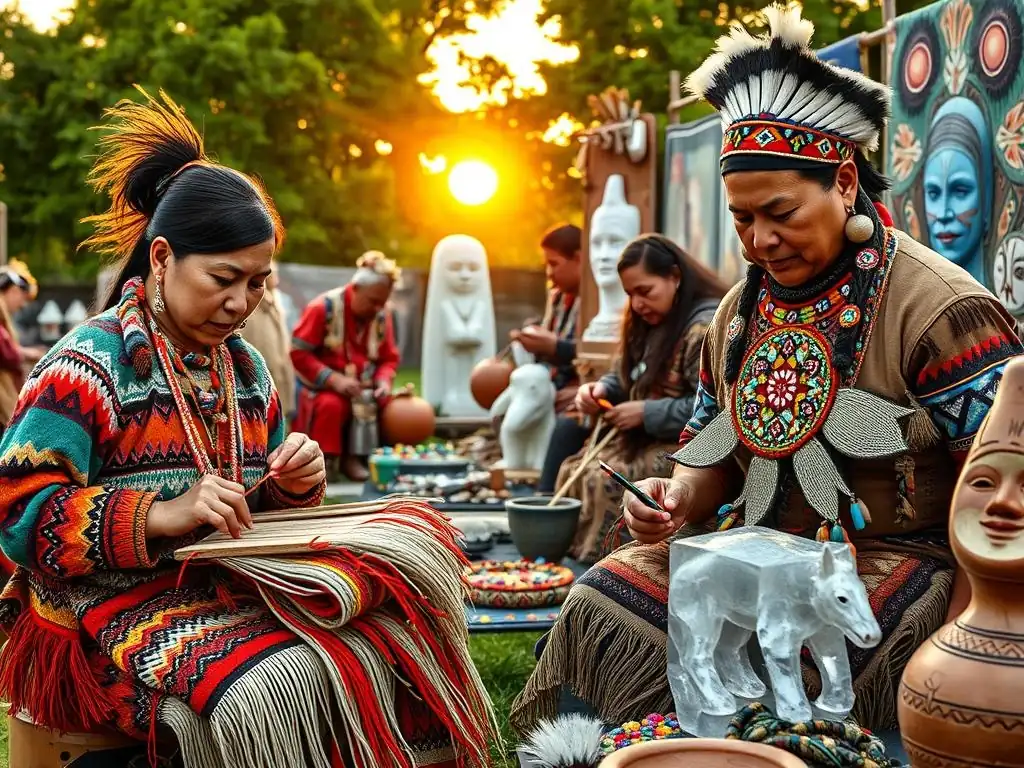
Welcome to Indigenous Civilizations of the Americas! Here, we invite you to embark on a captivating journey through the vibrant tapestry of indigenous cultures that flourished long before European colonization. Our spotlight today shines on the intricate and diverse art forms in the Americas, where creativity and cultural expression converge. Discover how these remarkable societies crafted unique artistic legacies that not only reflect their rich histories but also continue to inspire and resonate today. Dive deeper into this celebration of diversity, and uncover the stories behind the art that shaped a continent!
Introduction to Indigenous Art Forms in the Americas
The Americas are home to a rich tapestry of indigenous cultures, each contributing uniquely to the continent's artistic heritage. Before European colonization, these communities developed a vast array of art forms that not only reflect their creativity but also embody their spiritual beliefs, social structures, and connection to the land. From the intricate textiles of the Andes to the vibrant pottery of the Southwest, indigenous art forms in the Americas showcase the diversity and ingenuity of these cultures.
Art in indigenous societies serves as a vital means of expression and communication, often intertwined with traditional practices and community rituals. The significance of these art forms goes beyond mere aesthetics; they are essential to preserving cultural identity, storytelling, and the transmission of knowledge across generations. By celebrating the diversity of these artistic expressions, we can gain insight into the values, histories, and experiences of indigenous peoples throughout the Americas.
The Role of Art in Indigenous Communities
Art plays a multifaceted role in indigenous communities, serving not only as a means of aesthetic expression but also as a vital component of social cohesion and cultural continuity. Here are some key aspects of the role of art in these communities:
- Cultural Identity:
- Indigenous art forms often reflect the unique cultural identities of various communities. Through symbols, themes, and techniques, artists convey their heritage and maintain a connection to their ancestors.
- Storytelling and Oral Traditions:
- Many art forms, such as storytelling through visual arts or dance, serve as vehicles for transmitting oral histories. These narratives encapsulate the values, beliefs, and experiences of the community, ensuring that they are preserved for future generations.
- Spiritual Significance:
- In many indigenous cultures, art is deeply intertwined with spirituality. Artistic expressions often embody sacred meanings, rituals, or ceremonies, reinforcing the community’s connection to the spiritual world.
- Social Cohesion and Community Building:
- Collaborative art-making processes foster a sense of unity and belonging among community members. Workshops, festivals, and exhibitions provide opportunities for individuals to come together, share skills, and celebrate their artistic heritage.
- Economic Empowerment:
- Supporting indigenous artisan communities through the promotion of their art forms contributes to economic stability. By creating platforms for artisans to showcase and sell their work, we can help sustain their livelihoods and encourage the continuation of traditional practices.
In exploring the unique art forms of indigenous cultures in the Americas, we recognize the profound impact they have on cultural identity and community resilience. By honoring these diverse expressions, we not only celebrate the richness of indigenous artistry but also contribute to the preservation of their invaluable cultural heritage.
Traditional Indigenous Art Forms Across the Americas
Indigenous art forms in the Americas showcase a rich tapestry of cultural expression, deeply rooted in the traditions, beliefs, and histories of various indigenous communities. These art forms are not merely aesthetic; they serve as vital components of cultural identity and storytelling, reflecting the values and worldviews of the societies that create them.
Traditional art can be categorized into various mediums, including pottery, weaving, carving, painting, and beadwork, each with its unique techniques, materials, and symbolism. As these art forms have evolved over time, they continue to honor ancestral practices while adapting to contemporary influences, ensuring their relevance and sustainability in today’s society.
North American Indigenous Art Forms
North American indigenous art forms are diverse, reflecting the vast array of cultures across the continent. Notable examples include:
- Totem Poles: Created by Indigenous peoples of the Pacific Northwest, totem poles are monumental sculptures carved from cedar wood. They serve as storytelling devices, representing clan lineage, legends, and significant historical events.
- Pottery: Tribes such as the Pueblo peoples of the Southwest are renowned for their intricate pottery, often adorned with geometric designs and natural motifs. These pieces are not only functional but also hold ceremonial significance.
- Beadwork: Native American beadwork, particularly among the Great Plains tribes, utilizes vibrant colors and intricate patterns to create clothing, accessories, and ceremonial items. This art form often incorporates glass beads, which became available through trade.
- Quillwork: An ancient technique used primarily by tribes in the Northeast, quillwork involves the use of porcupine quills to decorate clothing and accessories, demonstrating both artistry and resourcefulness.
These art forms not only reflect the skills and creativity of North American Indigenous artists but also convey deep cultural narratives and histories that are integral to their communities.
Central American Indigenous Art Forms
Central American indigenous art forms are characterized by their vibrant colors and intricate designs, often reflecting a blend of pre-Columbian and contemporary influences. Key examples include:
- Maya Textiles: The Maya civilization is famous for its woven textiles, which feature elaborate patterns and bright colors. These textiles are often used in traditional clothing and ceremonies, embodying cultural pride and identity.
- Ceramics: Indigenous groups such as the Nahua and Mixtec are known for their ceramic work, which often includes painted motifs that tell stories of mythology and daily life. These ceramics are both functional and ceremonial.
- Sculpture: The ancient Olmec and Maya civilizations produced remarkable stone sculptures, including colossal heads and intricate relief carvings. These works served religious and political purposes, illustrating the importance of art in societal structure.
- Goldsmithing: The indigenous cultures of Central America, particularly the Muisca and the Quimbaya, were skilled in goldsmithing, creating exquisite jewelry and ceremonial masks that showcased their craftsmanship and spiritual beliefs.
These art forms reflect the rich cultural heritage of Central American indigenous peoples and their enduring connection to their ancestral roots.
South American Indigenous Art Forms
South American indigenous art forms are as diverse as the continent itself, with each region boasting unique traditions and techniques. Some notable examples include:
- Andean Textiles: The Quechua and Aymara peoples are renowned for their intricate weaving techniques, producing colorful textiles that often incorporate complex patterns and symbols related to nature and spirituality.
- Pottery and Ceramics: The Nazca and Moche cultures created distinctive pottery, often decorated with imagery that reflects their mythology and daily life. These ceramics are valued both for their artistry and their historical significance.
- Body Art: Various indigenous groups, including the Amazonian tribes, practice body painting and tattooing as forms of cultural expression, often using natural dyes and motifs that convey personal and communal stories.
- Wood Carvings: Indigenous artisans from the Amazon rainforest create detailed wood carvings that depict animals, spirits, and daily life, showcasing their deep connection to the environment and the importance of storytelling.
These art forms illustrate the ingenuity and creativity of South American indigenous cultures, celebrating their unique identities and histories.
The Evolution of Indigenous Art Forms in Contemporary Society
The evolution of indigenous art forms in contemporary society represents a dynamic interplay between tradition and modernity. While many indigenous artisans continue to practice traditional techniques and styles, they are also incorporating contemporary themes and materials, allowing their work to resonate with broader audiences. This evolution can be seen in various ways:
- Cultural Preservation: Contemporary indigenous artists often use their art as a means of cultural preservation, infusing traditional designs with contemporary concepts to educate others about their heritage and challenge stereotypes.
- Global Influence: The rise of social media and online platforms has allowed indigenous artists to showcase their work globally, fostering an appreciation for their art forms and enabling them to reach a wider audience.
- Collaborative Projects: Many contemporary indigenous artists engage in collaborative projects that bridge cultural divides, working alongside non-indigenous artists to create innovative pieces that highlight shared stories and experiences.
- Economic Empowerment: The contemporary art market has opened new avenues for indigenous artisans, allowing them to sell their work directly to consumers. This economic empowerment helps sustain their communities and promotes the continuation of their artistic traditions.
Through these developments, indigenous art forms in the Americas continue to thrive, reflecting the resilience and creativity of indigenous cultures while adapting to the changing world.
Supporting Indigenous Artisan Communities
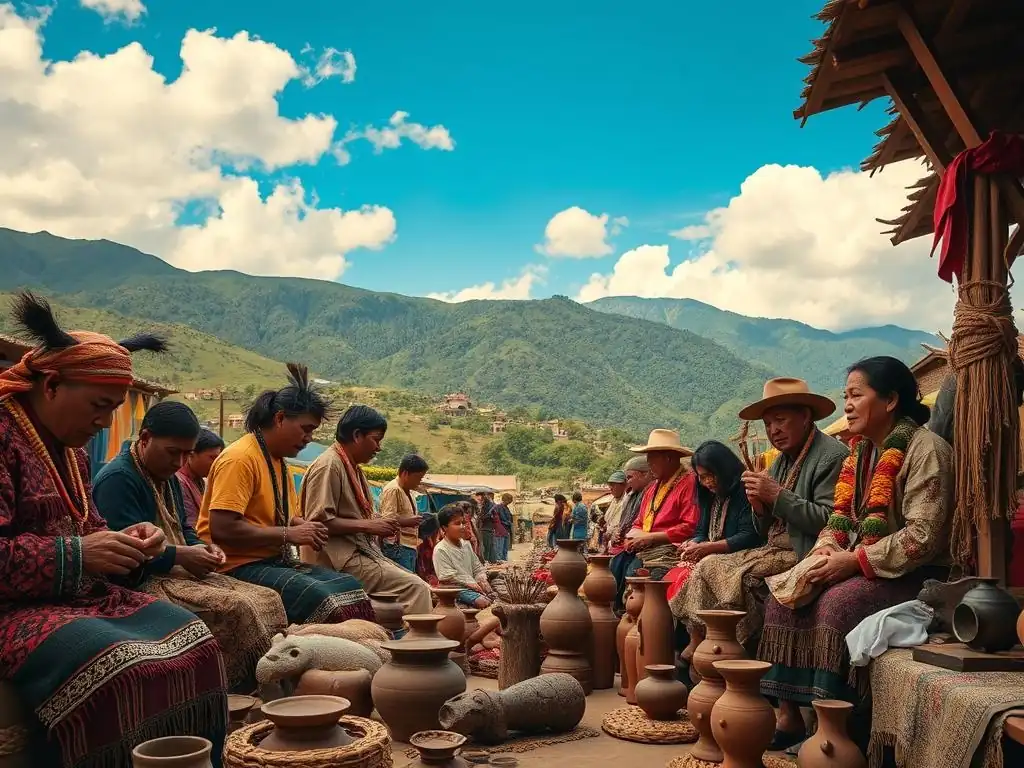
Supporting Indigenous artisan communities is crucial for the preservation and promotion of their unique cultural heritage. These communities have a rich history of craftsmanship that reflects their traditions, beliefs, and relationship with the natural world. By purchasing and promoting Indigenous art forms in the Americas, we not only provide economic support to these artisans but also help to sustain their cultural practices and skills that have been passed down through generations. Engaging with Indigenous artists and their communities fosters respect, understanding, and appreciation for their contributions to the cultural mosaic of the Americas.
Furthermore, the support of Indigenous artisans encourages the continuation of traditional art forms, which are often under threat from globalization and modern consumerism. Through various initiatives, both local and international, the voices of Indigenous artists can be amplified, ensuring that their narratives and artistic expressions are recognized and valued.
The Importance of Ethical Purchasing
Ethical purchasing is an essential aspect of supporting Indigenous artisans. It involves buying directly from the artists or through fair trade organizations that prioritize the welfare of the artisans and their communities. Ethical purchasing ensures that artisans receive a fair price for their work, allowing them to sustain their livelihoods and invest in their communities.
When consumers choose to purchase Indigenous art forms in the Americas ethically, they help combat the exploitation often seen in the art market. This practice not only benefits the artists financially but also promotes transparency and accountability in the art world. By supporting ethically sourced art, consumers contribute to the preservation of traditional crafts and encourage the passing on of skills to future generations.
Additionally, ethical purchasing respects the cultural significance of the art. Many Indigenous artworks are imbued with spiritual and cultural meanings, and purchasing such items ethically acknowledges and honors these deeper connections. Consumers can enhance their understanding of the art by learning about the stories and traditions behind each piece, fostering a greater appreciation for the cultural heritage of Indigenous communities.
Promoting Indigenous Art Through Online Marketplaces
The rise of online marketplaces has provided Indigenous artisans with new platforms to showcase and sell their work globally. These digital spaces allow artists to reach a wider audience, breaking down geographical barriers and enabling direct engagement with consumers. Online marketplaces specifically dedicated to Indigenous art forms in the Americas focus on promoting authentic craftsmanship while fostering connections between artists and buyers.
By utilizing online platforms, Indigenous artisans can tell their stories and share their cultural heritage. This not only elevates their visibility but also educates consumers about the significance of the art they are purchasing. Promoting Indigenous art through these marketplaces encourages consumers to support the artists directly, ensuring that a greater percentage of sales goes back to the communities.
Moreover, these platforms often emphasize ethical practices, providing consumers with assurance that their purchases are contributing positively to Indigenous communities. As consumers become more aware of the impact of their buying choices, the demand for authentic Indigenous art continues to grow, providing artisans with the necessary support to thrive.
Conclusion: Celebrating and Preserving Indigenous Art Forms
The celebration and preservation of Indigenous art forms in the Americas are vital for maintaining the diverse cultural heritage of these communities. By supporting Indigenous artisan communities through ethical purchasing and leveraging online marketplaces, we can contribute to the sustainability of their artistic traditions.
Recognizing the importance of these art forms not only enriches our understanding of Indigenous cultures but also fosters a sense of responsibility towards preserving their legacies. As we celebrate the unique artistic expressions of Indigenous peoples, we honor their histories, stories, and contributions to the broader tapestry of human creativity. Embracing and uplifting Indigenous art forms is not just an act of appreciation; it is a commitment to ensuring that these vibrant cultures continue to flourish for generations to come.
Resources for Further Exploration
To deepen your understanding of the unique art forms of indigenous cultures in the Americas, there are numerous resources available that provide insights, historical context, and contemporary perspectives. Below is a curated list of books, documentaries, websites, and organizations dedicated to indigenous art.
Books
-
"The Art of American Indian Dance" by George A. G. R. W. B. H.
This book explores the intricate relationship between American Indian dance and visual art forms, highlighting various tribal traditions and their artistic expressions.
-
"Native American Art in the Twentieth Century" by W. Jackson Rushing III
This comprehensive text presents a detailed examination of the evolution of Native American art through the 20th century, showcasing both traditional and contemporary works.
-
"Indigenous Peoples' Art: The History of Native American Art" by James C. Young
This book provides an overview of the history and significance of indigenous art, featuring stories from various tribes and their art-making practices.
Documentaries
-
"In the Footsteps of the Ancestors"
A documentary that follows indigenous artists as they connect with their cultural heritage through traditional art forms, shedding light on the importance of preserving these practices.
-
"The Art of Being Native"
This film showcases contemporary Native American artists, allowing viewers to explore how they incorporate traditional techniques into modern art.
Websites
-
The National Museum of the American Indian
Their website offers a wealth of information about indigenous art, including virtual exhibitions and educational resources that celebrate the diversity of Native American cultures.
-
Indigenous Art Network
This platform connects indigenous artists with collectors and enthusiasts, providing a space for showcasing art, sharing stories, and promoting cultural preservation.
Organizations
-
First Peoples Fund
This nonprofit organization supports indigenous artists and cultural bearers, providing grants, resources, and initiatives that empower communities through art.
-
American Indian Art Institute
Focused on promoting Native American art and artists, this institute offers educational programs, workshops, and exhibitions that highlight the diverse art forms across indigenous cultures.
By exploring these resources, you can gain a deeper appreciation for the rich tapestry of indigenous art forms in the Americas. Each resource contributes to understanding the cultural significance and artistic excellence of these diverse communities, ensuring that their stories and traditions continue to inspire future generations.
- Introduction to Indigenous Art Forms in the Americas
- The Role of Art in Indigenous Communities
- Traditional Indigenous Art Forms Across the Americas
- The Evolution of Indigenous Art Forms in Contemporary Society
- Supporting Indigenous Artisan Communities
- Conclusion: Celebrating and Preserving Indigenous Art Forms
- Resources for Further Exploration
Frequently Asked Questions
What are some examples of indigenous art forms in the Americas?
Indigenous art forms include pottery, weaving, carving, and painting, each reflecting the unique cultural heritage and traditions of different tribes and regions across the Americas.
How did indigenous cultures influence modern art?
Indigenous cultures have profoundly influenced modern art by introducing unique styles, techniques, and themes that celebrate nature, spirituality, and community, which are still evident in contemporary works.
Why is it important to preserve indigenous art forms?
Preserving indigenous art forms is crucial for maintaining cultural identity, heritage, and history, allowing future generations to connect with their roots and understand their ancestors' contributions.
What role did art play in indigenous societies?
In indigenous societies, art served numerous functions, including storytelling, spiritual expression, and the reinforcement of social values, acting as a vital means of communication and cultural transmission.
How can one learn more about indigenous cultures and their art?
To learn more about indigenous cultures and their art, consider visiting museums, reading books on the subject, or exploring online resources that focus on the achievements and contributions of these diverse communities.
Final Reflection: Embracing the Richness of Indigenous Art Forms
The celebration of Indigenous art forms in the Americas is not just an appreciation of aesthetics; it is a vital recognition of cultural heritage and identity. In a world increasingly defined by globalization, understanding and valuing the unique expressions of Indigenous cultures is more relevant than ever. These art forms serve as a bridge connecting past and present, reminding us of the profound narratives and traditions that shape our collective human experience. By honoring these artistic expressions, we foster a deeper respect for the diverse cultures that enrich our world.
Celebrating Indigenous art forms is a powerful act of acknowledgment and respect for the stories they tell and the communities they represent. As we explore these unique artistic expressions, we recognize their ongoing influence on contemporary culture and social movements. The vibrant colors, intricate designs, and profound symbolism found in Indigenous art not only captivate our senses but also challenge us to reflect on our own identities and values. Art is the most beautiful of all lies.
This quote resonates deeply as we consider how Indigenous art forms encapsulate truths about resilience, spirituality, and connection to the land, urging us to engage with these narratives in meaningful ways.
As we conclude this journey through the unique art forms of Indigenous cultures in the Americas, I invite you to reflect on how these artistic expressions can inspire your own life. Consider how you can incorporate the lessons of diversity, resilience, and respect into your daily interactions and choices.
By actively seeking to understand and celebrate the richness of Indigenous art, you contribute to a broader movement of appreciation and advocacy for cultural diversity. Let us carry forward the spirit of this celebration, ensuring that the voices and stories of Indigenous peoples continue to resonate and thrive in our shared future.
Embrace and Celebrate Indigenous Diversity Today!
Thank you for taking the time to explore the vibrant world of Indigenous art forms in the Americas. You've uncovered the beauty and depth of these diverse cultures, and now it's time to take that appreciation a step further. Let's put our knowledge into action and make a real impact!
- Join a local Indigenous community event or exhibition to experience these art forms firsthand and support talented Indigenous artists.
- Share your favorite Indigenous art piece on social media, using the hashtag #CelebrateIndigenousArt to inspire others and encourage engagement with these magnificent cultures.
- Discover more by reading books or watching documentaries about Indigenous art; invite friends or family to join you in discussions and deepen your collective understanding.
What unique art form have you encountered that resonated with you the most, and how will you share that story with others?