
The Clash of Cultures: Cahokia's Response to European Encounters

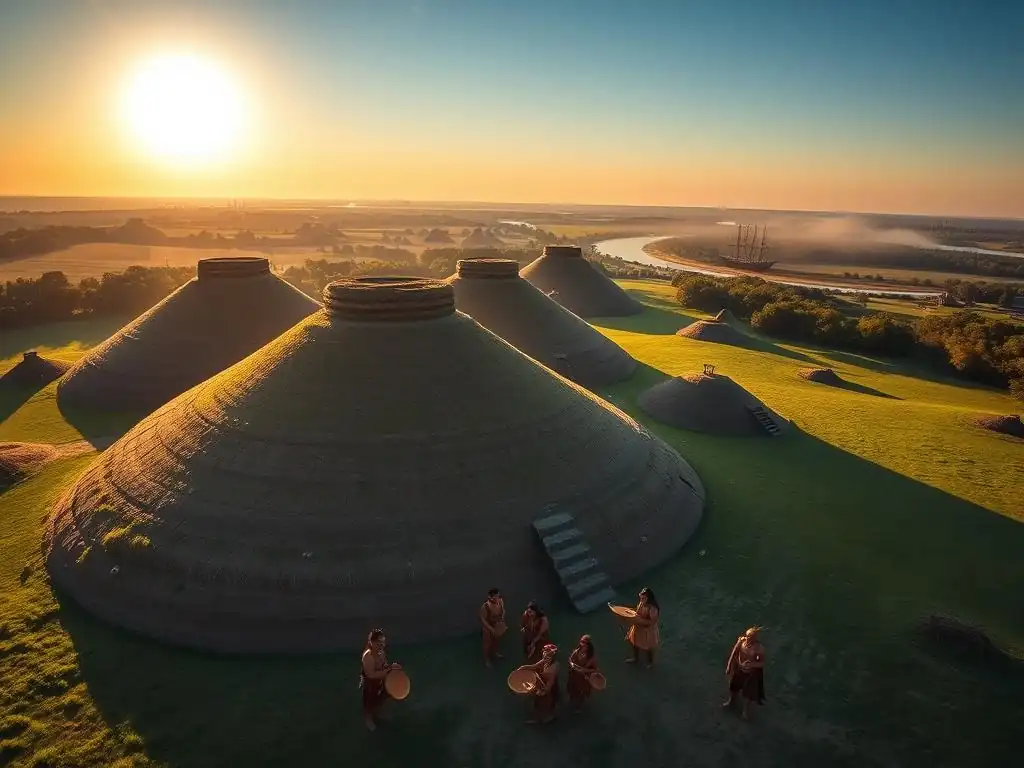
Welcome to Indigenous Civilizations of the Americas, where we invite you to embark on a fascinating journey through the rich tapestry of pre-colonial cultures that flourished across this vast continent. In our featured article, "The Clash of Cultures: Cahokia's Response to European Encounters," we delve deep into the remarkable Cahokia indigenous culture history, uncovering the complexities of their society and the profound impacts of their interactions with European settlers. Prepare to expand your understanding of these vibrant civilizations and discover the legacies that continue to resonate today.
Are you ready to unlock the secrets of Cahokia? Dive in and explore!
Introduction to Cahokia Indigenous Culture History
The Cahokia indigenous culture represents one of the most sophisticated and influential civilizations that thrived in the Americas long before European colonization. Nestled near present-day St. Louis, Missouri, Cahokia was a vibrant urban center that emerged around 600 CE and reached its peak between 1050 and 1200 CE. At its height, this sprawling metropolis was home to tens of thousands of inhabitants, showcasing remarkable achievements in architecture, agriculture, and social organization.
Understanding the history of Cahokia is crucial, as it not only highlights the complexity of indigenous societies but also sets the stage for examining the profound impacts of European contact. As we delve into the intricacies of Cahokia's response to European encounters, it becomes evident that these interactions significantly influenced the trajectory of indigenous cultures across the continent.
Overview of Cahokia Civilization
Cahokia is often recognized for its impressive earthen mounds, the largest of which is known as Monks Mound, standing at over 100 feet tall. This monumental structure served as a political and ceremonial center, highlighting the civilization's advanced engineering and urban planning. The city was characterized by:
- Complex Social Hierarchies: Cahokia had a stratified society with rulers, priests, and commoners, indicating a well-organized political system.
- Agricultural Innovation: The Cahokians practiced intensive agriculture, particularly the cultivation of maize, which allowed them to support a large population.
- Trade Networks: Extensive trade routes connected Cahokia to distant regions, facilitating the exchange of goods, ideas, and cultures.
Despite its eventual decline around 1300 CE, the legacy of Cahokia continues to resonate, influencing subsequent indigenous cultures and their interactions with European colonizers.
Importance of Indigenous Cultures in the Americas
The indigenous cultures of the Americas, including Cahokia, played a fundamental role in shaping the continent's history. They established complex societies with rich traditions, belief systems, and innovations. The significance of these cultures includes:
- Cultural Diversity: The Americas were home to thousands of distinct tribes and civilizations, each with unique languages, customs, and social structures.
- Environmental Adaptation: Indigenous peoples demonstrated remarkable adaptability to diverse ecosystems, from the deserts of the Southwest to the forests of the Northeast.
- Historical Contributions: Many advancements in agriculture, governance, and art can be traced back to these civilizations, reflecting their enduring influence on contemporary society.
Understanding the richness of indigenous cultures lays the groundwork for appreciating the complexities of their encounters with European explorers and settlers.
European Contact: The Arrival of Europeans
The arrival of Europeans in the Americas marked a significant turning point in history, leading to profound changes for indigenous cultures. This section explores the context of European exploration and the initial encounters that set the stage for a clash of cultures.
Historical Context of European Exploration
The late 15th and early 16th centuries were characterized by an age of exploration driven by European powers seeking new trade routes, resources, and territories. Key factors included:
- Economic Motivations: The pursuit of wealth, particularly in valuable commodities like gold and spices, spurred exploration.
- Technological Advancements: Innovations in navigation and shipbuilding allowed explorers to venture into uncharted waters.
- Religious Zeal: The spread of Christianity was a significant motivator, with many explorers seeking to convert indigenous peoples.
These factors converged to create an environment ripe for contact between European explorers and the indigenous cultures of the Americas.
Initial Encounters with Indigenous Peoples
The initial encounters between Europeans and indigenous peoples were complex and varied, characterized by both curiosity and conflict. Some notable aspects include:
- Cultural Exchange: Early interactions often involved exchanges of goods, knowledge, and traditions, fostering a brief period of mutual interest.
- Misunderstandings and Conflicts: Differences in language, customs, and worldviews frequently led to misunderstandings, resulting in tensions and, at times, violent confrontations.
- Impact on Indigenous Societies: The arrival of Europeans introduced new diseases, technologies, and ideologies that profoundly affected the demographics and cultures of indigenous communities.
As we examine these initial encounters, it becomes clear that the reactions of Cahokia and other indigenous cultures to European presence were pivotal in shaping their histories and futures.
The Impact of European Encounters on Cahokia
The arrival of Europeans in the Americas marked a significant turning point in the history of Cahokia, an indigenous culture that had thrived in the Mississippi River Valley for centuries. The interactions between Cahokians and European explorers and settlers led to profound changes in various aspects of life in Cahokia, from social structures to economic practices and cultural expressions. This period was characterized by both disruption and resilience as the Cahokia community navigated the complexities of these encounters.
Changes in Social Structure and Governance
European encounters challenged the existing social hierarchy and governance systems of Cahokia. Traditionally, Cahokia operated under a complex chiefdom system, where power was centralized in elite leaders. However, as European traders and settlers introduced new political dynamics and power structures, the influence of these foreign entities began to reshape local governance. Conflicts over land, resources, and trade routes often led to internal strife, undermining the traditional authority of Cahokian leaders.
Moreover, the introduction of European goods and ideas altered social stratification. Access to European trade items created new wealth disparities within the community, prompting shifts in social alliances and rivalries. As a result, the once-stable social fabric of Cahokia began to fray, leading to new forms of governance that were more adaptive to the changing circumstances.
Economic Shifts and Trade Dynamics
The European presence in the region significantly transformed the economic landscape of Cahokia. Initially, Cahokia engaged in extensive trade networks that spanned the continent, exchanging goods such as pottery, tools, and agricultural products. However, the introduction of European goods, including metal tools and firearms, disrupted these traditional trade dynamics.
Cahokians began to incorporate these new materials into their daily lives, which altered their production methods and economic practices. While this shift provided certain advantages, such as increased efficiency in farming and hunting, it also made Cahokia increasingly dependent on European trade. Furthermore, as European colonization progressed, competition for resources led to shifts in trade relationships, sometimes resulting in conflicts with neighboring tribes and settlements.
Cultural Exchanges and Influences
Cultural exchanges between Cahokia and European settlers were profound and multifaceted. Cahokians were exposed to new religious beliefs, technologies, and artistic expressions as a result of these encounters. The introduction of Christianity, for example, prompted some individuals within the Cahokia community to adopt new spiritual practices, while others resisted these changes, leading to a blend of indigenous and European traditions.
Artistic influences also emerged during this period, with European motifs woven into traditional Cahokian art and craftsmanship. This kind of cultural hybridization reflects the dynamic nature of Cahokia's indigenous culture history, showcasing a community that was both resilient and innovative in the face of external pressures. Despite the challenges posed by European contact, Cahokians found ways to integrate and adapt new elements while retaining core aspects of their identity.
Cahokia's Response to European Colonization
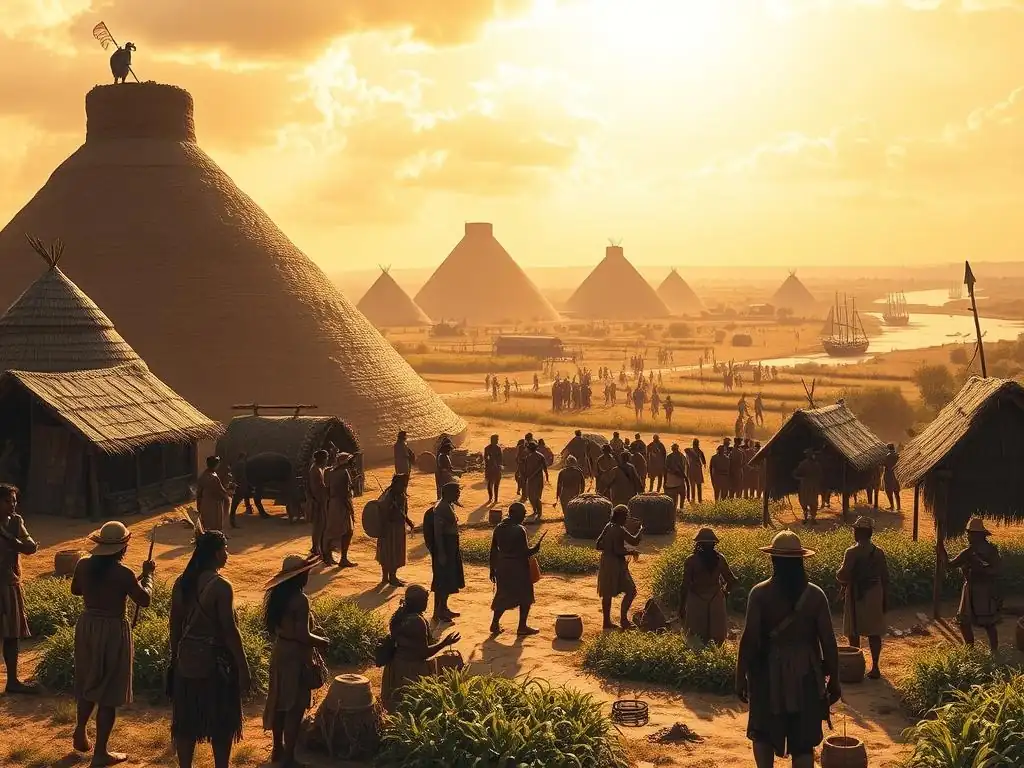
In response to the significant changes brought about by European colonization, Cahokia exhibited a range of strategies aimed at preserving their culture and autonomy. These responses included active resistance, strategic alliances, and a commitment to maintaining cultural identity in the face of external challenges.
Resistance and Adaptation Strategies
Cahokians engaged in various forms of resistance against European encroachment. This resistance manifested through both direct confrontations and subtler forms of adaptation. Armed conflict occasionally erupted as Cahokians sought to defend their lands from settlers and traders who encroached upon their territory. However, not all responses were combative; many Cahokians adapted their ways of life, integrating European technologies and practices while striving to maintain their cultural integrity.
Additionally, the Cahokia community developed strategies to negotiate with European powers, seeking to establish treaties and agreements that would protect their interests. This pragmatic approach allowed them to navigate the complexities of colonization while attempting to preserve their autonomy and way of life.
Alliances with Other Indigenous Groups
Recognizing the need for solidarity in the face of European expansion, Cahokians often formed alliances with neighboring indigenous groups. These alliances were crucial in pooling resources, sharing intelligence about European movements, and coordinating resistance efforts. By collaborating with other tribes, Cahokia aimed to create a united front against colonization, which was essential for their survival.
Such alliances also facilitated cultural exchange and mutual support among indigenous peoples, reinforcing their shared heritage and collective identity. The formation of these networks emphasized the importance of intertribal relationships in navigating the challenges posed by European colonization.
Preservation of Cultural Identity
Despite the significant pressures from European contact, the Cahokia community demonstrated remarkable resilience in preserving their cultural identity. Efforts to maintain traditional practices, languages, and ceremonies were paramount in reinforcing their sense of belonging and continuity. Elders played a crucial role in passing down knowledge and cultural heritage to younger generations, ensuring that their history and traditions were not lost.
The community's commitment to their cultural identity was evident in their continued engagement with traditional agriculture, art, and spiritual practices, which remained integral to their way of life. By fostering a strong sense of identity and belonging, Cahokians were able to withstand the transformative impacts of European colonization and adapt while staying true to their roots.
Lessons from Cahokia's Response to European Encounters
Cahokia, one of the most significant indigenous urban centers in pre-Columbian America, provides valuable insights into the resilience and adaptability of indigenous cultures in the face of European encounters. The response of Cahokia to these interactions illustrates the complex dynamics of cultural exchange, resistance, and adaptation.
The strategies employed by the Cahokians highlight their ability to navigate the challenges posed by European colonization. They engaged in diplomacy and trade, leveraging their established networks to maintain autonomy and influence amidst the changing political landscape. This demonstrates the importance of flexibility in cultural identity and the capacity for communities to negotiate their place within a broader context of colonial expansion.
Cahokia's experience serves as a powerful reminder of the importance of understanding historical contexts when analyzing the interactions between indigenous peoples and European settlers. By studying these lessons, contemporary societies can learn how to foster mutual respect and understanding in today's globalized world.
The Resilience of Indigenous Cultures
The resilience of indigenous cultures, as evidenced by Cahokia, is a testament to their enduring strength and adaptability. Despite facing significant pressures from European colonization, the Cahokians managed to retain many aspects of their cultural identity, including religious practices, social structures, and agricultural traditions.
Cahokia's ability to adapt to changing circumstances is reflected in its innovative agricultural techniques, which allowed for sustainable food production even in the face of environmental challenges. This resilience extended beyond agriculture, as the Cahokians maintained their social hierarchies and political structures, demonstrating a commitment to their cultural heritage.
Moreover, the legacy of Cahokia's resilience is observed in the contemporary movements among indigenous groups to reclaim and revitalize their cultural practices. This ongoing resistance underscores the importance of cultural continuity and the role of indigenous knowledge systems in shaping community identity.
Implications for Future Interactions
The lessons learned from Cahokia's response to European encounters carry significant implications for future interactions between indigenous peoples and external societies. Understanding the historical context of these interactions can inform current policies and practices, promoting more equitable and respectful relationships.
One critical implication is the importance of recognizing and valuing indigenous sovereignty. Future interactions should prioritize the voices and perspectives of indigenous communities, ensuring they have a say in decisions that affect their rights and resources. This approach fosters collaboration rather than imposition, allowing for mutually beneficial outcomes.
Additionally, the insights gained from Cahokia's history emphasize the need for cultural sensitivity and awareness in contemporary engagements. By respecting and preserving indigenous cultures, societies can work towards healing historical wounds and building a foundation for sustainable coexistence.
Understanding the Importance of Cultural Preservation
Cultural preservation emerges as a vital theme in the context of Cahokia's response to European encounters. The efforts to maintain and revitalize indigenous cultures in the face of external pressures highlight the significance of safeguarding cultural heritage for future generations.
Cahokia's rich traditions, including its art, language, and religious practices, are essential components of its identity. Preserving these elements not only honors the past but also strengthens community bonds and fosters resilience against cultural erasure.
Moreover, cultural preservation plays a crucial role in addressing the ongoing impacts of colonization. It empowers indigenous communities to reclaim their narratives, ensuring that their histories and contributions are recognized and respected. By promoting cultural preservation, societies can cultivate a deeper understanding of the complexities of indigenous identities and their enduring legacies.
Conclusion: The Legacy of Cahokia Indigenous Culture
Cahokia's legacy as a vibrant center of indigenous culture continues to resonate today, offering insights into the past and guiding future interactions. The experiences of Cahokians during European encounters underscore the importance of resilience, adaptability, and cultural preservation in the face of profound change.
Reflection on the Impact of European Colonization
Reflecting on the impact of European colonization reveals a multifaceted narrative that encompasses both loss and resilience. While the arrival of Europeans brought significant challenges to Cahokia and other indigenous communities, it also prompted remarkable adaptations and cultural syntheses. The interplay of these forces has shaped the trajectory of indigenous cultures, highlighting their strength in navigating adversity.
The historical implications of colonization extend beyond the immediate effects, influencing contemporary understandings of identity, land rights, and cultural heritage. Recognizing these impacts is crucial in fostering dialogue and reconciliation between indigenous and non-indigenous communities.
Continued Relevance of Cahokia's History in Modern Times
The history of Cahokia remains relevant in modern times as it serves as a lens through which to examine ongoing issues facing indigenous peoples. From land disputes to cultural revitalization efforts, the lessons learned from Cahokia's response to European encounters inform present-day movements advocating for indigenous rights and sovereignty.
Furthermore, Cahokia's rich cultural heritage continues to inspire artists, scholars, and activists, emphasizing the importance of indigenous perspectives in contemporary narratives. By honoring and learning from the legacy of Cahokia, society can work towards a more inclusive and equitable future that respects the diversity of indigenous cultures across the Americas.
- Introduction to Cahokia Indigenous Culture History
- European Contact: The Arrival of Europeans
- The Impact of European Encounters on Cahokia
- Cahokia's Response to European Colonization
- Lessons from Cahokia's Response to European Encounters
- Conclusion: The Legacy of Cahokia Indigenous Culture
Frequently Asked Questions
What was the Cahokia indigenous culture known for?
The Cahokia indigenous culture was renowned for its advanced urban planning, extensive trade networks, and massive earthen mounds, which served as religious and political centers.
How did Cahokia's response to European encounters shape its history?
Cahokia's response involved a combination of adaptation and resistance, leading to significant changes in their social structures and interactions with European settlers.
What were the key achievements of the Cahokia civilization?
The Cahokia civilization achieved remarkable feats in agriculture, architecture, and social organization, including the construction of the largest pre-Columbian city north of Mexico.
How did the Cahokia culture influence other indigenous groups?
The Cahokia culture had a lasting impact on neighboring tribes through trade relationships, cultural exchanges, and the spread of agricultural practices.
What can we learn from the history of Cahokia?
The history of Cahokia offers valuable insights into the complex societies that existed in the Americas, emphasizing the importance of cultural resilience in the face of change.
Final Reflection: Embracing the Legacy of Cahokia's Indigenous Culture
Cahokia's indigenous culture history is not merely a relic of the past; it serves as a powerful reminder of resilience and adaptation in the face of external challenges. As we navigate a world increasingly defined by cultural exchanges and conflicts, understanding how Cahokia responded to European encounters can illuminate our own responses to diversity and change today. The lessons learned from Cahokia's rich history resonate deeply, urging us to appreciate the complexities of cultural interactions and the importance of preserving our heritage.
Cahokia's legacy continues to shape our cultural and social landscape, reminding us of the intricate tapestry of human experience. The encounters between Cahokia and European settlers were not just moments of conflict; they were opportunities for dialogue, adaptation, and transformation. As we reflect on this history, we recognize that the stories of indigenous cultures are woven into the fabric of our collective identity. The past is never dead. It's not even past.
– William Faulkner. This quote encapsulates the enduring impact of Cahokia's history, urging us to acknowledge and honor the voices that have shaped our present.
As we close this exploration of Cahokia's indigenous culture history, I invite you to reflect on your own relationship with cultural heritage. Consider how the lessons of resilience and adaptation can inspire you in your daily life. Engage with the diverse cultures around you, seek understanding, and foster connections that celebrate our shared humanity. By doing so, we not only honor the legacy of Cahokia but also contribute to a future where cultural richness thrives in harmony.
Unveil the Legacy: Take Action on Cahokia's Story!
Thank you for exploring the captivating history of Cahokia and its cultural responses to European encounters. Your interest not only enhances your understanding of Indigenous civilizations but also underscores the resilience and adaptability that characterize their legacy. Now, let’s take meaningful steps to connect further with this vibrant history.
- Explore local Native American history: Visit a nearby museum or cultural center to learn more about Indigenous peoples and their rich histories.
- Engage with communities: Participate in local events or workshops that celebrate Indigenous culture and storytelling to deepen your knowledge and appreciation.
- Share your insights: Discuss the article with friends or on social media to spark conversations about Indigenous histories and their significance in today's world.
What aspect of Cahokia’s response to European encounters resonates most with you, and how might it shape your perspective on contemporary cultural interactions?