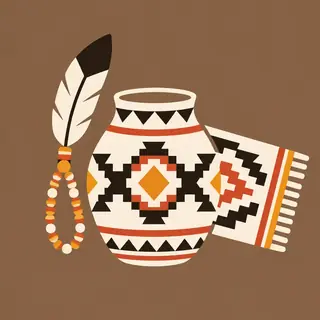
The Story Behind Indigenous Jewelry Designs
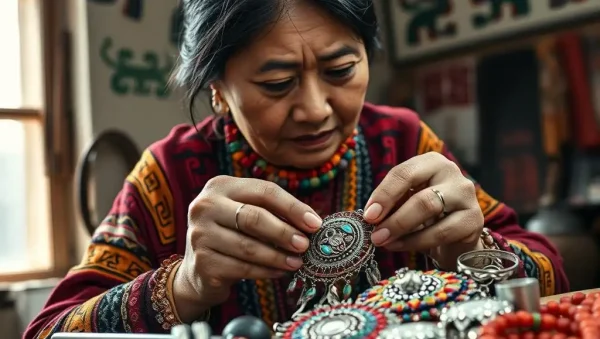
Indigenous jewelry from the Americas is far more than ornament—it is a living language of identity, spirituality, and ancestral memory. Each pendant, bead, and metalwork piece carries stories of creation, trade routes, and resistance. This subcategory uncovers the deep cultural narratives woven into turquoise, silver, shell, and bone, revealing how these designs connect modern Indigenous communities to their pre-Columbian roots. Explore the symbolism, techniques, and regional variations that make this artistry a cornerstone of American heritage.
🌿 Symbolism and Sacred Meanings in Indigenous Adornment
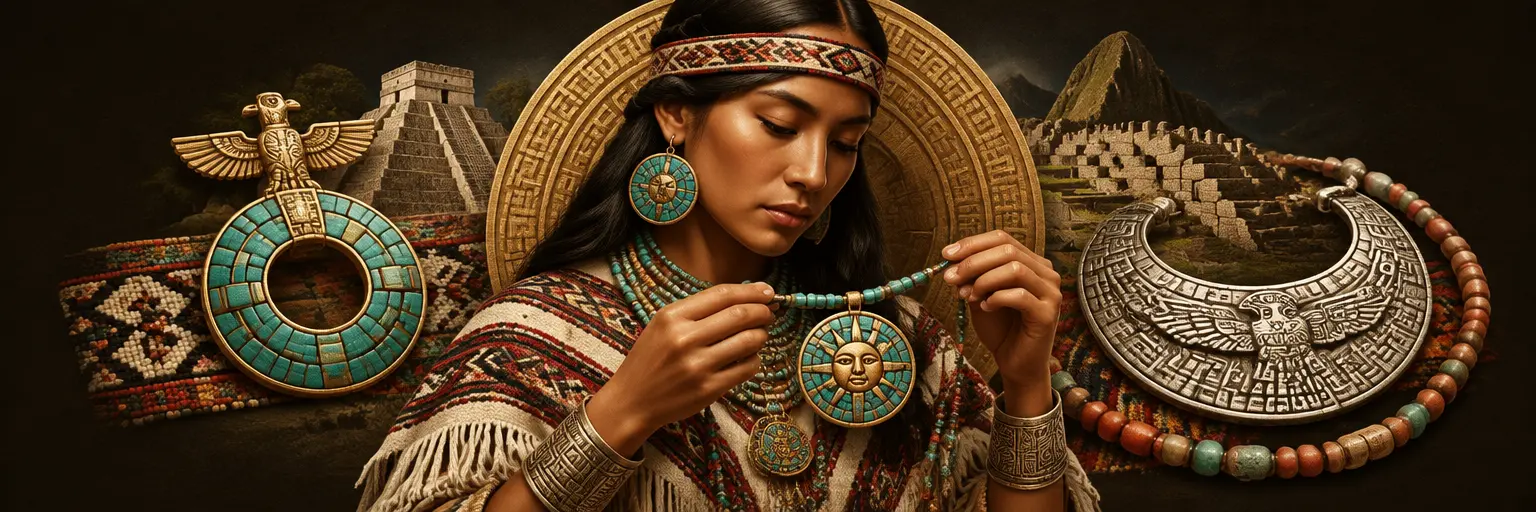
Every geometric pattern or animal motif in Indigenous jewelry holds deliberate spiritual weight. For the Aztec, jadeite represented life and water, while the Inca used gold to embody the sun’s divine essence. The Hopi and Zuni often carved birds, clouds, and rain symbols to invoke agricultural blessings. These designs were not random; they were coded messages for fertility, protection, and cosmic balance, worn during ceremonies and passed down as heirlooms.
Understanding this symbolism transforms a simple bracelet into a narrative of survival. For example, the thunderbird in many Plains tribes signifies power and renewal, while the serpent in Mesoamerican pieces links to Quetzalcoatl, the feathered deity. Modern artisans still use these motifs, but they now also incorporate contemporary themes like environmental stewardship. By learning these meanings, you gain a richer appreciation of how Indigenous peoples view their relationship with the natural and supernatural worlds.
🛠️ Traditional Techniques: From Weaving to Lost-Wax Casting
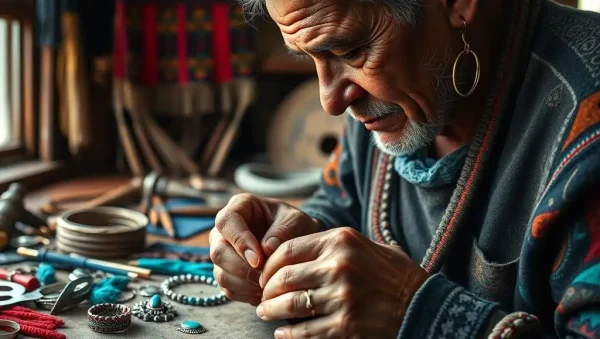
Indigenous jewelers perfected methods long before European contact, using materials sourced from their ecosystems. Andean cultures mastered lost-wax casting to create intricate gold and silver figurines, a technique that required extraordinary precision and fire control. Meanwhile, the Navajo and Pueblo peoples developed overlay silverwork and stone inlay after Spanish colonization introduced metalwork, blending Old World tools with Indigenous aesthetics.
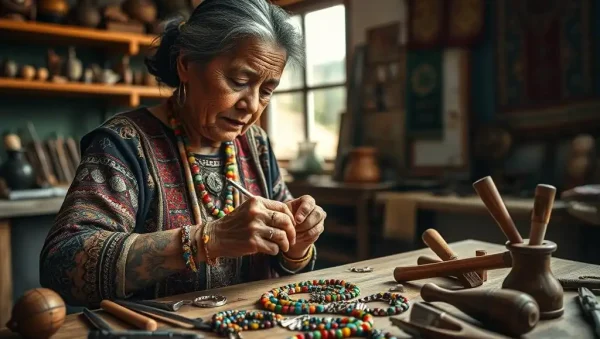
Wampum belts from the Iroquois used drilled shell beads woven into patterns, serving both as currency and treaty records. In the Arctic, Inuit artisans carved ivory and bone with sharp stone tools, depicting hunting scenes and animal spirits. These techniques were often gendered and passed through specific clans, preserving technical knowledge as a form of cultural memory. Today, many workshops revive these ancient methods, ensuring that the tactile connection to ancestral hands remains unbroken.
🐚 Regional Materials and Trade Networks
The raw materials themselves tell stories of long-distance exchange. Turquoise from the Southwest traveled to Mesoamerica, while spondylus shell from the Pacific coast reached the Andes for use in royal ornaments. For the Maya, carved jade from the Motagua Valley was more valuable than gold, and it was often buried with rulers to ensure safe passage to the afterlife. These trade routes were not just economic—they facilitated the spread of artistic styles and religious ideas.
Obsidian, used for mirrors and ritual blades, was mined in Central Mexico and traded as far as the Mississippi Valley. The Cherokee and Creek used freshwater pearls, while the Tlingit adorned themselves with copper shields from the Great Lakes. Each material carried geographic and social prestige, often reserved for nobility or shamans. By examining these origins, collectors and enthusiasts can trace ancient cartographies of power, revealing how jewelry connected distant civilizations across mountains, deserts, and oceans.
🌎 Regional Styles: A Comparative Journey
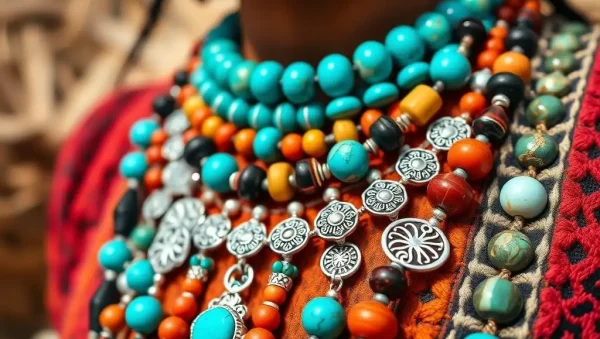
From the Arctic to the Andes, Indigenous jewelry varies wildly in form and function. The Inuit created minimalist, utilitarian pieces from bone and antler, often carved with spirit faces for hunting charms. In contrast, the Mixtec of Oaxaca produced dazzling gold pectorals with intricate filigree, depicting deities and genealogies. The Pueblo peoples favored silver and turquoise, creating bold squash blossom necklaces and concha belts that became iconic in the American Southwest.
The Mapuche of southern Chile wore silver trarilonko headbands and chest disks, symbols of female power and resistance against colonial rule. Meanwhile, the Cuna of Panama used gold nose rings and ear rods, which European chroniclers mistakenly called “golden men.” Each regional style reflects local resources, social hierarchies, and interaction with neighboring groups. Comparing these styles reveals a mosaic of innovation—where one culture’s trade item became another’s sacred relic.
🔄 The Revival and Modern Evolution of Indigenous Jewelry
After centuries of colonial suppression, Indigenous jewelry design has undergone a powerful renaissance. Since the 1960s, native artists have reclaimed their aesthetic languages, fusing traditional motifs with contemporary metals, gemstones, and recycled materials. The Santa Fe Indian Market and Heard Museum Guild Indian Fair now showcase groundbreaking works that challenge stereotypes while honoring ancestral techniques. This revival is not nostalgia; it is political and economic empowerment.
Modern makers like Charles Loloma (Hopi) revolutionized inlay with unexpected color combinations, while Gail Bird (Santo Domingo) and Yazzie Johnson (Navajo) use gold and steel to explore new narratives. Many artisans also integrate issues like water rights and land protection into their designs, turning jewelry into activism. For buyers, purchasing these pieces supports Indigenous sovereignty and cultural continuity. As a result, wearing or collecting such jewelry is a statement of respect for living cultures, not just a fashion choice.
Frequently Asked Questions
What is the oldest known Indigenous jewelry in the Americas?
The oldest dated pieces include Paleoindian bone and shell beads from around 12,000 years ago, found in sites like Oregon’s Paisley Caves. By 5000 BCE, copper ornaments appeared in the Great Lakes, while the earliest turquoise jewelry dates to around 300 BCE in the Southwest. These artifacts prove that jewelry-making predates agriculture in many regions.
How can I tell if an Indigenous jewelry piece is authentic?
Look for a hallmark stamp from the artist’s tribe or a certificate of authenticity, especially from recognized guilds like the Indian Arts and Crafts Association. Ask about provenance, materials, and technique. Genuine pieces often have slight irregularities from handwork, while mass-produced fakes are flawless. Always purchase from reputable galleries, museums, or directly from native artists.
Why is turquoise so significant in Native American jewelry?
Turquoise represents the sky and water in many Southwestern cultures, symbolizing protection, healing, and spiritual connection. It was traded far beyond its mining sites, and its color changes with wear, reflecting the owner’s life energy. For the Navajo and Zuni, turquoise is also a gift from the gods, worn to ensure rain and fertility.
What does the squash blossom necklace symbolize?
Despite its name, the squash blossom necklace likely blends Navajo adaptations of Spanish Moorish designs with naja crescent pendants that predate colonization. The petals represent blooming life, while the central naja is a protective charm against evil. It became a symbol of wealth and identity in the late 19th century, often worn during ceremonies.
Can non-Indigenous people wear or collect Indigenous jewelry respectfully?
Yes, if you buy from Indigenous artists or authorized cooperatives, not imitations. Show respect by learning the cultural meanings and wearing pieces in appropriate contexts—avoid ceremonial items unless given permission. Support fair trade and artist education. By valuing authenticity, you help preserve traditions and combat cultural appropriation.