Supporting Indigenous Artisan Communities: Preserving Heritage Through Craft
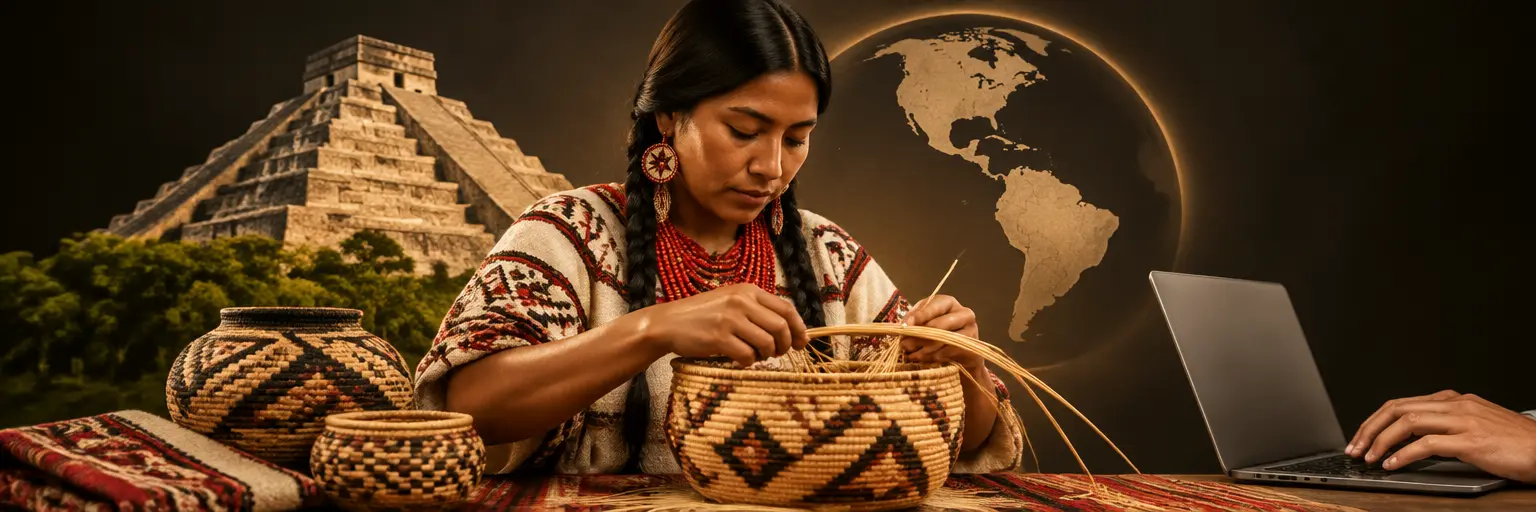
Within the vast tapestry of Indigenous Civilizations of the Americas, the living legacy of artisan communities stands as a vibrant thread connecting past and present. This subcategory explores how modern efforts support traditional makers—from Andean weavers to Pueblo potters—ensuring that ancestral techniques, natural materials, and cultural narratives continue to thrive. Here, you’ll discover actionable ways to engage ethically, learn about the economic and spiritual significance of handmade goods, and understand how your choices can directly empower Indigenous families and future generations.
🌿 The Cultural & Economic Vitality of Indigenous Artisans
Indigenous artisan communities are not merely producers of beautiful objects; they are custodians of knowledge systems that predate colonization. Each textile, ceramic, or carved piece embeds geometric patterns, cosmological stories, and seasonal cycles. Economically, artisan work often provides the primary income for remote villages, yet many face market access barriers and unfair trade practices. By supporting these communities, you help sustain intergenerational knowledge transfer—where elders teach youth not just skills, but the sacred meanings woven into every fiber and stroke.
Moreover, economic stability from fair trade enables communities to fund education, healthcare, and land rights advocacy. When you purchase a handwoven rug from a Zapotec weaver or a silver necklace from a Mapuche silversmith, you are investing in infrastructure that resists cultural erasure. This section highlights how ethical consumerism transforms craft from a souvenir into a lifeline, bridging the gap between ancient traditions and contemporary global markets.
🧵 Ethical Sourcing & Fair Trade Practices Explained
Navigating the artisan market requires discernment. Fair trade certifications, such as those from the World Fair Trade Organization, ensure that artisans receive a living wage, work in safe conditions, and retain creative control. However, not all authentic Indigenous crafts carry certifications; many are sold through cooperatives or directly at community fairs. This subcategory teaches you how to identify genuine pieces by asking about materials, techniques, and the artisan’s community—a hallmark of ethical engagement.
You’ll also learn the red flags of cultural appropriation, such as mass-produced “tribal” prints that mimic sacred designs without permission or compensation. Instead, we spotlight platforms that prioritize transparency, like Indigenous-owned marketplaces and museum-backed shops. By choosing ethical sourcing, you help dismantle exploitative supply chains and ensure that profits flow back to the community, not just to middlemen. This knowledge empowers you to become a conscious patron who respects intellectual property and cultural protocols.
🪶 Notable Artisan Traditions Across the Americas
From the highlands of Guatemala, where backstrap loom weaving produces vibrant huipiles, to the Amazon basin, where Yanomami craft feather headdresses for ceremonial use, artisan traditions are as diverse as the landscape. This section profiles iconic practices: the black pottery of Oaxaca, the quechquemitl embroidery of Nahua women, the intricate beadwork of the Plains tribes, and the molas of the Guna people of Panama. Each tradition carries unique environmental adaptations—using cochineal insects for red dye in Mexico or whale baleen for basketry in the Arctic.
Understanding these regional specialties helps you appreciate the profound connection between land and craft. For instance, the Mapuche’s silverwork derives from ancestral mining rights, while Andean alpaca weavers rely on sustainable high-altitude pastoralism. By learning the stories behind each artifact, you enrich your own cultural literacy and can better advocate for preservation initiatives. This knowledge also guides your purchasing decisions, allowing you to seek out specific communities whose crafts align with your values and aesthetic.
🤝 How to Support: Direct Aid, Cooperatives, and Nonprofits
Your support can take many forms beyond buying finished goods. Donating to nonprofit organizations like Cultural Survival or the Andean Textile Arts Council funds training programs, digital marketing workshops, and emergency relief for artisans affected by climate change or economic crises. Volunteering your skills—whether in web design, photography, or translation—can help cooperatives expand their reach without financial burden. Additionally, advocating for policy changes that protect Indigenous intellectual property rights at national and international levels is a powerful, often-overlooked form of support.
For those who prefer hands-on involvement, many communities offer immersive cultural exchanges where you can learn traditional techniques directly from master artisans, with fees directly benefiting the host family. These experiences foster mutual respect and provide artisans with a stable income stream. Through this subcategory, you’ll discover a curated list of vetted nonprofit partners and cooperative networks, ensuring your contributions are effective and transparent. Every action, no matter how small, reinforces the message that Indigenous craftsmanship is invaluable and irreplaceable.
📈 The Future of Indigenous Artistry: Innovation & Resilience
Contemporary Indigenous artisans are not static; they are innovators who blend ancestral methods with modern aesthetics and sustainable practices. Many use natural dyes derived from native plants, employ solar-powered looms, or create digital archives documenting endangered patterns. This forward-thinking approach challenges the myth that tradition is frozen in time. For example, young Mayan weavers now incorporate recycled threads into traditional brocade designs, while Inuit carvers experiment with soapstone mixed with recycled metal. This subcategory highlights such pioneers who are redefining what it means to be an Indigenous artisan in the 21st century.
Resilience is also rooted in collective action. Artisan cooperatives are increasingly forming regional alliances to negotiate better market prices and combat climate impacts on raw materials. By supporting these networks, you help secure a future where Indigenous communities can adapt without losing their cultural core. We also discuss emerging opportunities in e-commerce and social media, where artisans directly connect with global audiences, bypassing traditional gatekeepers. This section leaves you inspired that the future of Indigenous artistry is not only about preservation but also about vibrant, self-determined growth.
Frequently Asked Questions
What is the best way to verify that an Indigenous artisan product is authentic?
Ask for provenance: who made it, where, and with what materials. Genuine artisans often sign their work or belong to cooperatives listed online. Look for natural imperfections and handmade variations, and request photos of the crafting process. When in doubt, purchase from reputable platforms like Indigenous-owned shops or museums that verify authenticity through community partnerships.
How can I ensure my purchase fairly compensates the artisan?
Choose sellers that display transparent pricing, fair trade certifications, or direct artist profiles. Compare price to the labor hours involved—a handwoven rug may take weeks. Avoid ultra-cheap items that indicate sweatshop or mass production. Supporting cooperatives where artisans own shares ensures profits are reinvested into their community.
Are there specific Indigenous artisan traditions that are endangered?
Yes, several are at risk, including Maya backstrap weaving in Guatemala, Mapuche silverwork in Chile, and basket weaving among California tribes. Climate change impacts natural dyes, while younger generations may migrate for work. Prioritizing purchases from these communities directly helps fund apprenticeships and preserve dying skills.
Can I learn Indigenous artisan techniques without cultural appropriation?
Absolutely—by taking courses led by Indigenous instructors, either in-person or online, and with explicit permission to learn. Treat the knowledge as a gift, not a commodity. Always credit the originating community if you create inspired work, and never sell designs that belong to sacred or clan-specific traditions.
What are the most effective non-purchase ways to support Indigenous artisans?
Volunteer your professional skills, such as marketing or grant writing, for artisan cooperatives. Advocate for stronger intellectual property laws and support Indigenous land rights, which protect raw material sources. Share their stories on social media with proper attribution, and request that cultural institutions display and purchase their work. Policy change and visibility are just as crucial as sales.