The Weaving Legacy: How Indigenous Textiles Reflect Cultural Identity
🌍 Indigenous textiles serve as a vibrant tapestry of cultural identity, embodying the rich traditions, stories, and values of pre-colonial societies. This…
Read article
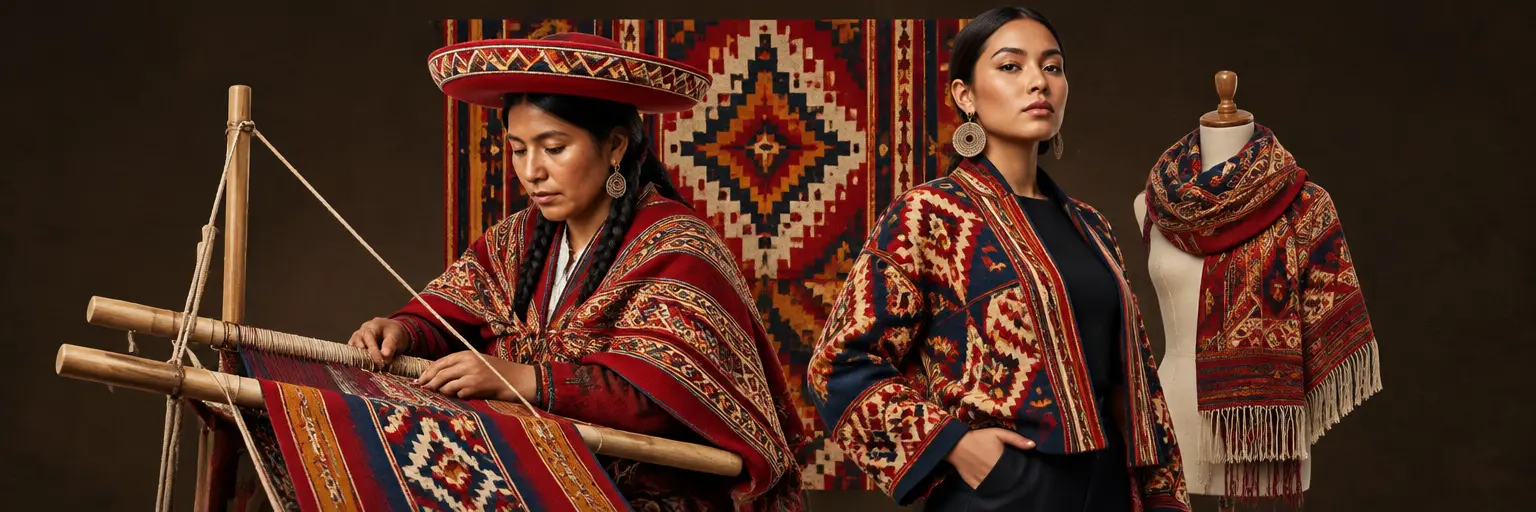
Traditional textiles woven by Indigenous civilizations of the Americas are far more than historical artifacts—they are living expressions of identity, cosmology, and resilience. From the intricate Andean backstrap looms to the geometric Navajo rugs and the featherwork of Aztec and Maya artisans, these fabrics encoded stories, social status, and spiritual beliefs. Today, their modern uses bridge past and present: contemporary designers repurpose ancestral patterns in fashion, interior decor, and sustainable crafts, while Indigenous weavers revive ancient techniques to preserve heritage and empower communities. Discover how these vibrant textiles—once traded across vast networks—now influence global runways, eco-friendly textiles, and cultural tourism, proving that age-old craftsmanship remains a dynamic force in modern artistry and economic resilience. Explore the threads that connect sacred traditions to innovative, forward-thinking applications.
🌍 Indigenous textiles serve as a vibrant tapestry of cultural identity, embodying the rich traditions, stories, and values of pre-colonial societies. This…
Read article
🌍 Indigenous textile traditions in the Americas showcase the rich cultural heritage of diverse groups, reflecting their histories, values, and artistry. By…
Read article
Discover the rich tapestry of indigenous textile design symbolism, where each pattern and color tells a profound story. This exploration reveals how…
Read article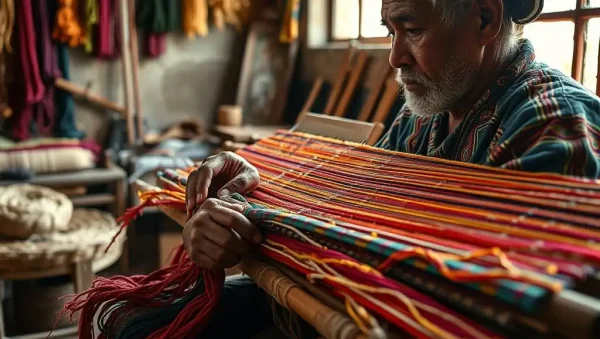
🌍 Preserving Indigenous Textile Traditions is crucial for maintaining the vibrant heritage of Indigenous cultures. This article delves into the efforts aimed…
Read articleFrom the high Andes to the deserts of the Southwest, Indigenous American textiles are living masterpieces woven with centuries of knowledge, spirituality, and resilience. This subcategory explores how ancient looms, natural dyes, and symbolic patterns have transcended time, influencing contemporary fashion, interior design, and cultural identity. Discover the vibrant threads that connect pre-Columbian artistry with today's global market, and learn how these crafts sustain communities, preserve endangered languages, and offer sustainable alternatives to fast fashion. Whether you are a designer, historian, or enthusiast, this guide bridges the gap between ancestral heritage and modern living.
Andean textiles, particularly those from Peru and Bolivia, are celebrated for their intricate geometric patterns and exceptional alpaca, llama, and vicuña fibers. The Inca Empire elevated weaving to a state art, with cumbi cloth reserved for royalty. Today, these techniques survive in communities like Chinchero, where backstrap looms produce textiles sold globally. Modern designers now incorporate these patterns into haute couture, while fair-trade cooperatives empower female weavers. Expect to learn how ancient dyes from cochineal insects and indigo plants are being revived, offering toxic-free alternatives for eco-conscious brands. This section illuminates the economic and cultural revival that turns every woven piece into a wearable story of resistance and pride.
For the modern consumer, Andean textiles are not just souvenirs but investments in cultural preservation. High-end labels like Stella McCartney have partnered with Peruvian artisans, proving that traditional craftsmanship can command premium prices. Additionally, the rise of virtual marketplaces connects weavers directly to global buyers, ensuring fair compensation. As climate change threatens alpaca habitats, sustainable grazing practices are being integrated into weaving cooperatives. This double focus on heritage and innovation makes Andean textiles a blueprint for ethical fashion, blending ancient wisdom with 21st-century supply chains. Explore how each motif—from the chakana (Andean cross) to puma claws—carries cosmological meaning, turning every garment into a protective talisman.
The Diné (Navajo) people transformed weaving from a practical craft into a profound artistic expression, especially after the introduction of sheep by Spanish colonists. Classic Chief's blankets and later Ganado rugs are prized for their bold stripes and diamond patterns. In modern contexts, these textiles have moved from trading post floors to museum walls and minimalist living rooms. Contemporary Diné weavers like Nizhoni Begay use natural dyes from rabbitbrush and sage, while experimenting with abstract designs that reflect current social issues. This section explains how heirloom-quality rugs are valued as investment pieces, with some selling for thousands of dollars. You'll also discover how Navajo weaving principles influence modern interior design, from neutral-toned area rugs to statement wall hangings that add warmth and authenticity to urban spaces.
Beyond aesthetics, the Navajo textile industry supports a robust regenerative economy, where sheep herding, hand-spinning, and weaving are passed down through matrilineal lines. Modern uses include bespoke upholstery for luxury homes, car interiors, and even high-tech fibers blended with wool for durability. Environmental activists champion these textiles as biodegradable alternatives to synthetic rugs, reducing landfill waste. Furthermore, cultural protocols require weavers to leave a "spirit line" or intentional flaw, symbolizing humility—a concept now embraced by mindfulness advocates. As Native-owned galleries and online stores grow, buyers can verify authenticity through certifications, ensuring their purchase honors Diné law and creativity. This section bridges functional art with social justice, showing that every rug tells a story of land, family, and survival.
The Maya peoples of Guatemala and southern Mexico produce huipiles, handwoven blouses that are among the most complex textiles in the world, often requiring months to complete. Each village has distinct motifs, colors, and weaving techniques that encode the wearer's community, marital status, and even religious beliefs. During the 20th-century civil war, wearing traditional dress became an act of political defiance. Today, huipiles have infiltrated global street style, seen on runways in Mexico City and New York, often paired with denim or minimalist trousers. Modern designers collaborate with Maya cooperatives to create limited-edition pieces, while indigenous women use social media to sell directly, bypassing middlemen. This section covers how ancient backstrap loom techniques are being adapted for lightweight, breathable summer wear, and how embroidery patterns now incorporate political slogans or female empowerment icons.
In the modern home, huipiles are repurposed as pillow covers, table runners, and framed art, adding vibrant, handmade texture to any room. The global fashion industry's interest has sparked a revival of natural dyeing using indigo, cochineal, and annatto, which are safer for artisans and the environment. However, cultural appropriation remains a concern; ethical brands now provide transparent supply chains and profit-sharing. Educational workshops in Antigua and Chiapas teach tourists the intricate symbolism behind each weave, fostering respect over commodification. As Maya youth migrate to cities, wearing huipiles becomes a nostalgic reclamation of roots, blending with sneakers and streetwear. This segment empowers you to appreciate huipiles as living documents—threads woven with resilience, identity, and an unyielding spirit that adapts without losing its soul.
While not woven fabric in the conventional sense, Indigenous basketry and porcupine quillwork share the same conceptual DNA as textiles, using plant fibers, bark, and animal materials. The Tlingit and Haida peoples of the Pacific Northwest create spectacular spruce root baskets and cedar bark weavings, often adorned with puffin beaks and abalone shell. In the Plains, quillwork adorned clothing before beadwork, using dyed porcupine quills to create geometric patterns. Modern uses include high-end jewelry, handbags, and wall art, with contemporary artists like Teri Greeves (Kiowa) pushing boundaries. This section explains how these "textile-adjacent" crafts influence modern upholstery and decorative arts, offering textured, durable, and natural alternatives to synthetic materials. Expect insights into sustainable harvesting practices, seasonal gathering calendars, and the role of these crafts in healing intergenerational trauma through cultural reconnection.
Interior designers increasingly seek these pieces for their biophilic design, adding organic texture that connects urban dwellers to nature. Some artisans now weave recycled plastic or copper wire with traditional twining techniques, creating sculptural pieces for galleries. Key to this revival is the transfer of knowledge through apprenticeship programs, often funded by tribal colleges. Modern consumers can commission custom baskets for weddings or corporate gifts, knowing each piece carries a unique story and a carbon footprint close to zero. This integration of ancestral craft into contemporary life challenges the false binary between "art" and "utility," showing that functional objects can be profound cultural carriers. Dive into how quillwork is used in modern regalia for powwows, blending timeless aesthetics with active expressions of sovereignty.
One of the most impactful modern uses of traditional textiles is the revival of natural dyeing techniques. Indigenous communities cultivated cochineal (crimson), indigo (blue), and ochres (yellow-brown) long before synthetic dyes. Today, fast fashion’s toxic legacy has accelerated interest in these ancient pigments. Brands like Eileen Fisher and Patagonia are testing natural dyes derived from Mexican insects and Andean plants, reducing water pollution and allergic reactions. This section explores how these dyes are being standardized for industrial scale, from pH control to mordant alternatives like aluminum or tannins. Furthermore, Indigenous-led labs in Oaxaca and Peru are mapping dye plants, creating a living library of color that also supports agroforestry and pollinator habitats.
For makers and consumers, natural dyes offer a deeper connection to seasonality and place. A handwoven scarf dyed with marigold not only smells earthy but carries a subtle, impermanent beauty that synthetic cannot replicate—it ages gracefully, fading into new tones. This shift also benefits health: many traditional dye plants have antimicrobial properties, making them ideal for medical textiles or baby clothing. However, challenges remain: colorfastness, scalability, and cost. This segment also highlights innovative storage methods using salt and vinegar, plus community cooperatives that pool resources for expensive dye vats. By choosing naturally dyed textiles, you support biodiversity and Indigenous intellectual property, as many dye recipes are patented by tribes. Embrace a future where your wardrobe breaks down safely and nourishes the soil, proving that ancient wisdom holds the key to a circular economy.
Look for irregularities in weaving, natural fiber texture, and hand-tied fringes. Authentic pieces often include a "spirit line" or slight flaw. Buy from Indigenous-owned cooperatives or certified sources, and ask for provenance or photos of the weaver. Beware of machine-made imitations with perfect symmetry and synthetic dyes, which are often cheaper but lack cultural value.
Yes, many are durable for daily use, especially wool rugs and cotton huipiles. However, natural dyes fade in direct sunlight and require gentle washing with pH-neutral soap. For high-use items, choose tightly woven pieces. Many artisans now reinforce modern garments for frequent wear, blending tradition with practicality.
Purchase directly from community stores, attend Indigenous art markets, or use platforms like the Native Arts Portal. Ensure the brand provides transparent pricing and profit-sharing. Avoid products that misappropriate motifs without consent. You can also donate to weaving schools or sponsor a weaver’s training, preserving skills for future generations.
Generally no, as machine agitation can break fibers and fade natural dyes. Hand wash in cold water with mild soap, then lay flat to dry. For rugs, shake or vacuum gently. For huipiles, spot clean stains immediately. For precious heirlooms, consult a textile conservator for professional cleaning.
Not inherently, but context matters. When Indigenous peoples lead the adaptation, it empowers cultural reclamation and economic stability. Problems arise when outsiders commercialize sacred symbols without permission. Support brands that collaborate with communities, acknowledge origins, and donate to cultural preservation. The key is respect, reciprocity, and honoring the weaver’s voice.