Discovering Genuine Indigenous Art in the Digital Marketplace
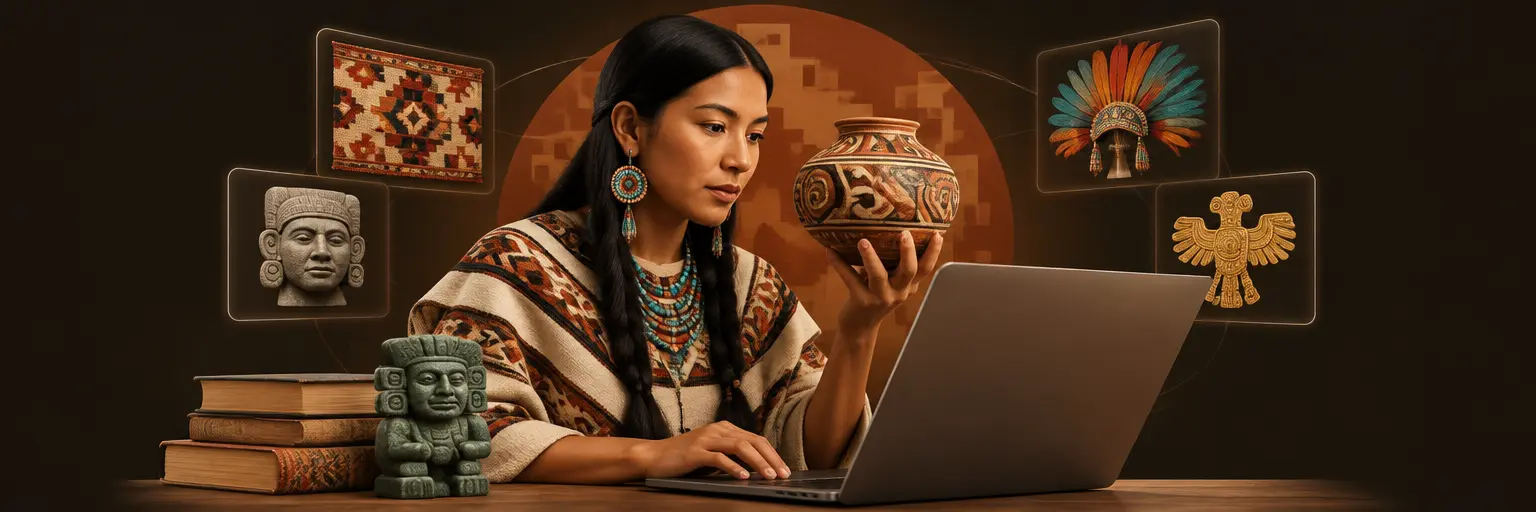
Navigating the online world to find authentic Indigenous art from the Americas requires more than a casual search—it demands cultural awareness, ethical sourcing knowledge, and an understanding of provenance. This subcategory within Art and Craftsmanship guides collectors, enthusiasts, and decorators toward reputable platforms, Indigenous-owned cooperatives, and verified marketplaces that celebrate ancestral techniques. Whether you seek Navajo weavings, Huichol beadwork, or Maya jade carvings, our focus ensures your purchase supports living communities and preserves intangible heritage. Expect practical tips, critical red flags, and vetted resources that transform online browsing into meaningful cultural exchange.
🛡️ Recognizing Certification and Provenance Badges
Authentic Indigenous art often carries official certifications like the Indian Arts and Crafts Act label (USA) or the Authentic Indigenous Arts mark from Canadian councils. Before purchasing, always verify that the seller displays a clear artist biography, community affiliation, and a certificate of authenticity with tribal or band council endorsement. Look for batch numbers, photo documentation of creation, and direct links to the artist’s profile—these are non-negotiable for genuine pieces. Avoid generic descriptions that lack specific nation names or material origin stories.
Provenance extends beyond paperwork; ask for video footage or live virtual studio tours. Reputable platforms like Native Northwest or Arctic Rose integrate verification systems directly into their checkout process. Learning to decode these badges protects you from mass-produced imitations while ensuring your investment bolsters indigenous economies. Remember, a real certificate will always name the specific nation or pueblo, never just “Native American style.”
🌐 Top Vetted Marketplaces and Cooperative Websites
Start your search on Indigenous-owned cooperatives such as Beyond Buckskin, 8th Generation, or the Heard Museum Shop, which curate works directly from enrolled artists. For a broader reach, use platforms like Etsy with strict filters for “Indigenous-owned” and “handmade,” but cross-reference each seller’s social media for live craft demonstrations. The Southwest Association for Indian Arts (SWAIA) hosts an online directory of Santa Fe Market winners, offering verified high-end pieces from Hopi, Zuni, and Diné artists.
Each marketplace adopts different vetting protocols—some require tribal enrollment proof, while others rely on peer-reviewed portfolios. Read the “About the Artist” sections carefully; authentic sites list the specific language group and reservation or village. Avoid generic “Native-inspired” boutiques that omit legal disclaimers. By focusing on cooperatives, you benefit from collective bargaining, fair wages, and transparent profit-sharing structures that mass retailers cannot replicate.
🔍 Red Flags: Spotting Mass-Produced Imitations
The most common counterfeit signals include “Made in China” tags, uniform machine stitching, plastic beadwork, and synthetic turquoise. Authentic Indigenous art rarely uses identical repeating patterns—each piece shows subtle irregularities from handwork. Be wary of pricing that is suspiciously low for silver, coral, or hand-carved stone; genuine materials cost more. Also, check for chemical smells (varnish or acrylic) versus natural wood or hide scents, and examine the underside for maker’s marks or carved signatures.
Another major red flag is the absence of cultural context. If a listing cannot explain the symbolic meaning of a motif (like the Diné rainbow guardian or the Maya jaguar deity), treat it as a commercial souvenir. Legitimate sellers are proud to share stories, taboos, or ceremonial uses—even if simplified for outsiders. Finally, request return policies that allow third-party authentication; reputable artists welcome independent appraisal by tribal museums or academic ethnographers.
🎨 Supporting Living Artists and Community Funds
Purchasing directly from living artists ensures your money circulates within indigenous economies. Look for platforms that highlight emerging artisans under 35, as they often innovate with contemporary materials while honoring ancestral forms. Many sites offer commission-based workshops or subscribe memberships that fund communal tools, kilns, or weaving looms. For example, the Chichicastenango Weavers Collective in Guatemala uses online sales to finance local schools, while Alaska Native Medical Center’s Art Bank reinvests profits into health programs.
Beyond individual purchases, consider funding via crowdfunding campaigns like on iFundWomen or United States Artists, which list Indigenous projects with verifiable project leads. Some cooperatives offer “art shares” where you pre-purchase a future piece, providing upfront capital for materials. Always check that the organization publishes annual impact reports—transparency is key. By prioritizing these channels, you become a cultural steward, not just a consumer.
📦 Shipping, Customs, and Ethical Packaging Insights
Authentic Indigenous art often includes natural materials like feathers, bones, or plant fibers that may trigger CITES (Convention on International Trade in Endangered Species) regulations. Reputable sellers will prepare proper export permits, including a Certificate of Authenticity recognized by customs. Always request that packaging avoids plastic bubble wrap; many artists use traditional cloth or recycled paper to maintain spiritual integrity. Expect longer delivery times for remote communities—some Canadian Arctic artists ship twice monthly via air cargo.
Be prepared to pay customs duties that may equal 10-20% of value. Ask the seller to mark items as “handicrafts” rather than “merchandise” to align with UNESCO cultural goods exemptions. Insure high-value pieces against loss, and request GPS tracking with signature confirmation. Finally, if your order arrives damaged, document it with photos immediately—most cooperatives offer replacement parts (like new turquoise stones) rather than full refunds, preserving the original craftsmanship.
Frequently Asked Questions
How can I verify an artist’s tribal enrollment online?
Ask for the artist’s enrollment number or a link to their tribal registry. Legitimate sellers will provide a scanned ID with redacted personal details. You can then contact the tribe’s heritage office directly via email or phone to confirm—most nations have public directories. Avoid sellers who cite “family oral history” without documentation.
Is it ethical to buy antique Indigenous art at auction?
Yes, if the auction house follows the NAGPRA guidelines (for US items) and provides clear provenance from pre-1970 collections. However, you should verify that the piece was not stolen from a grave or ceremonial site. Contemporary purchases are safer, as they directly support living communities. For antiques, consult a tribal repatriation officer for guidance.
What is the typical price range for a genuine Navajo weaving?
Handspun wool wall hangings start around $300 for small (18×24 inches), while larger pictorial weavings (4×6 feet) range $3,000–$10,000. Prices depend on fiber quality, dye vegetable vs. aniline, density of warp threads, and artist reputation. Avoid anything under $150 for “Navajo style”—those are imported replicas.
Can I request custom artwork from a remote community?
Many artisans accept commissions via cooperatives, but expect a 6-12 month wait. You must provide a detailed brief on size, colors, and motifs, yet avoid demanding exact replicas—artists interpret culturally. Expect to pay 50% deposit upfront, with the balance upon completion. Work with established co-ops that handle international logistics.
How do I distinguish Huichol beadwork from fake versions?
Authentic Huichol uses tiny glass beads (seed beads) pressed into a beeswax and pine resin mixture over a wooden or gourd base. Counterfeits use plastic beads glued with epoxy. Look for irregular surface texture and see if the design includes sacred peyote symbols or deer motifs—real artists sign the back with a hot needle inscription.