Resources for Educators: Bringing Indigenous Civilizations of the Americas to Your Classroom
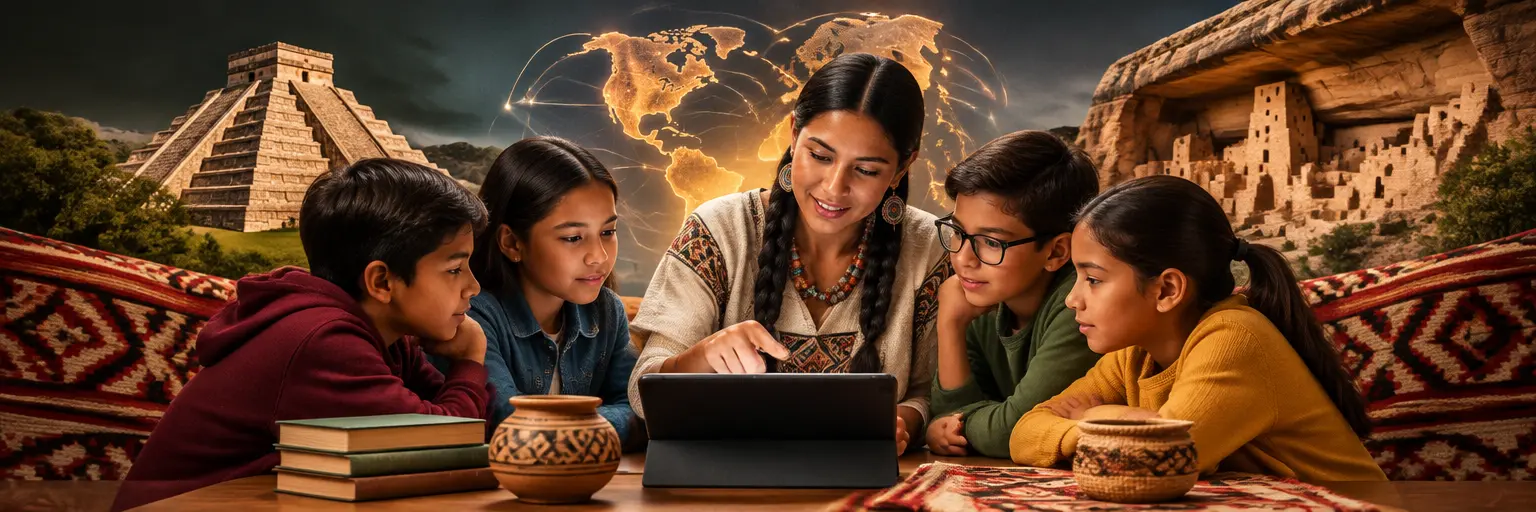
Welcome to our dedicated hub for Resources for Educators within the Educational Impact category. Here, you’ll find curated teaching materials, lesson plans, and multimedia tools designed to help you explore the rich history of Indigenous civilizations—from the Aztec and Maya to the Inca and Norte Chico—with depth, accuracy, and cultural sensitivity. Our goal is to empower you with ready-to-use content that aligns with curricula while fostering critical thinking and respect for Indigenous knowledge systems.
📚 Ready-to-Use Lesson Plans & Activity Sheets
This section provides downloadable, standards-aligned lesson plans that break complex topics—such as the Maya calendar, Inca road systems, or Aztec agriculture—into digestible, engaging activities. Each plan includes clear objectives, step-by-step instructions, and printable worksheets, saving you valuable preparation time. Expect differentiated options for grades 6-12, with modifications for diverse learners.
Beyond basic content, these resources emphasize inquiry-based learning, encouraging students to analyze primary sources, compare civilizations, and discuss the legacy of these societies. You’ll also find project-based assessments like "Design a Sustainable City inspired by Tenochtitlan" that integrate STEM and social studies, making history tangible and relevant.
🗺️ Interactive Maps & Virtual Field Trips
Explore our collection of interactive GIS maps that visualize trade routes, urban planning, and territorial expansions of pre-Columbian empires. These tools allow students to zoom into regions like Mesoamerica or the Andes, toggle layers for climate and resources, and observe how geography shaped cultural development. Virtual field trips—through 360-degree imagery of sites like Chichen Itza or Machu Picchu—offer immersive experiences without leaving the classroom.
Each map and tour is accompanied by guiding questions and teacher notes, helping you facilitate discussions on environmental adaptation and resilience. We’ve also included downloadable narration scripts so students can create their own documentaries, fostering digital literacy and presentation skills.
🎥 Multimedia Libraries: Videos, Podcasts & Primary Sources
Our multimedia library aggregates curated documentaries, short animated explainers, and audio podcasts featuring Indigenous scholars and archaeologists. These resources bring authentic voices to your lessons, covering topics like the Popol Vuh, quipu recording systems, or the monumental architecture of Teotihuacan. Each video is paired with a viewing guide that includes comprehension checks and discussion prompts.
Primary source documents—including codices excerpts, colonial chronicles, and modern Indigenous perspectives—are transcribed and annotated for classroom use. This collection strengthens historical thinking skills as students learn to evaluate bias, context, and multiple narratives, aligning with Common Core and C3 Framework standards.
🧑🏫 Professional Development & Community Forums
For educators seeking to deepen their own knowledge, we offer a growing series of webinars and self-paced modules on topics like decolonizing history curricula and integrating Indigenous sciences. These sessions are led by experienced educators and content experts, providing practical strategies for addressing sensitive topics and correcting misconceptions. You’ll also receive certificates of completion for continuing education credits.
Our community forum connects you with fellow teachers worldwide to share lesson ideas, ask questions, and exchange feedback. Monthly “Teachers’ Circle” calls and a resource-sharing database ensure you’re never alone in your teaching journey. Join to access exclusive bonus materials, such as printable posters and classroom décor featuring Indigenous art motifs (used respectfully and with permission).
📝 Assessment Tools & Rubrics for Indigenous History
Assess student understanding with our customizable rubrics designed for essays, presentations, and creative projects. These tools emphasize evidence-based reasoning, cultural accuracy, and ethical use of information—key skills for respectful scholarship. You’ll find sample quizzes with answer keys, exit tickets, and portfolio checklists that align with our lesson plans.
We also provide self-assessment checklists for students to reflect on their own biases and learning growth, fostering a metacognitive approach. For differentiated assessment, we include options for visual, oral, and kinesthetic demonstrations of knowledge, ensuring all learners can showcase their understanding of these dynamic civilizations.
Frequently Asked Questions
Are these resources aligned to specific educational standards?
Yes, our lesson plans and activities are aligned with the National Council for the Social Studies (NCSS) C3 Framework and Common Core ELA/Literacy standards for grades 6-12. Each resource page lists the specific standards addressed, making it easy to integrate into your curriculum.
Do I need special software to use the interactive maps and virtual tours?
No, all our interactive tools run directly in web browsers (Chrome, Firefox, Safari) without downloads. Virtual tours are built with HTML5 and work on both desktops and tablets. For best experience, ensure a stable internet connection and use the latest browser version.
Can I modify the materials to fit my students' grade level?
Absolutely. All lesson plans and worksheets are provided as editable Word/Google Docs. You can adjust reading levels, add or remove activities, and modify assessments to suit your students’ needs. We encourage differentiation and provide tips within each plan.
Are Indigenous scholars involved in creating these resources?
Yes, we collaborate with Indigenous educators and historians from various nations across the Americas to review content. Their insights ensure cultural accuracy, respect for traditions, and the inclusion of contemporary Indigenous perspectives, avoiding stereotypes and colonial biases.
Is there a cost to access the professional development webinars?
All webinars are currently free for registered educators. Live sessions are recorded and available in our archive. However, some advanced certification courses may require a nominal fee, which supports ongoing content creation and honorariums for Indigenous contributors.