Educators as Allies: Supporting Indigenous Perspectives in the Classroom
🌍 Educators play a crucial role in integrating indigenous perspectives in education, fostering understanding and respect for the rich cultures that flourished…
Read article
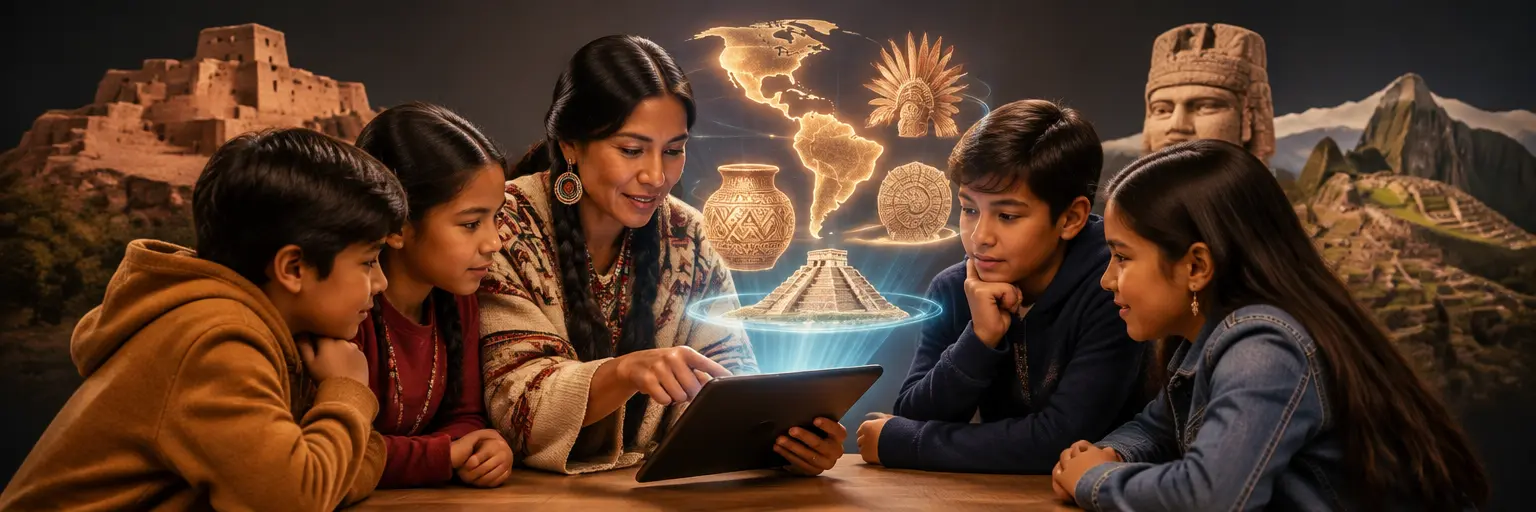
Discover how indigenous knowledge systems continue to shape modern learning through our dedicated educational initiatives. Our programs bridge ancient wisdom and contemporary scholarship, offering immersive workshops, interactive curricula, and community-driven outreach that highlight the agricultural, astronomical, and architectural innovations of Native American civilizations. From teacher training resources to student mentorship opportunities, we empower educators and learners of all ages to engage with authentic historical narratives. Join us in preserving cultural heritage while fostering critical thinking and cross-cultural understanding—because every lesson from the past builds a more inclusive future. Explore our hands-on activities, virtual lectures, and collaborative projects designed to make indigenous history accessible, relevant, and inspiring for classrooms, museums, and lifelong learners alike.
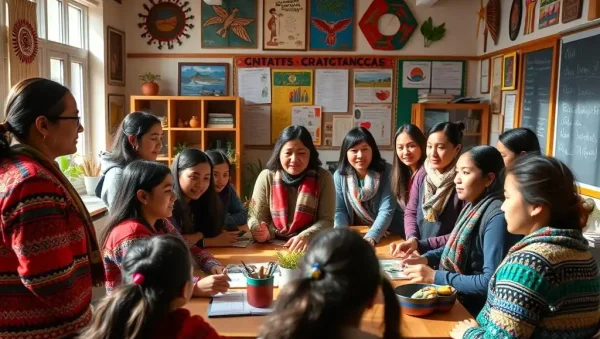
🌍 Educators play a crucial role in integrating indigenous perspectives in education, fostering understanding and respect for the rich cultures that flourished…
Read article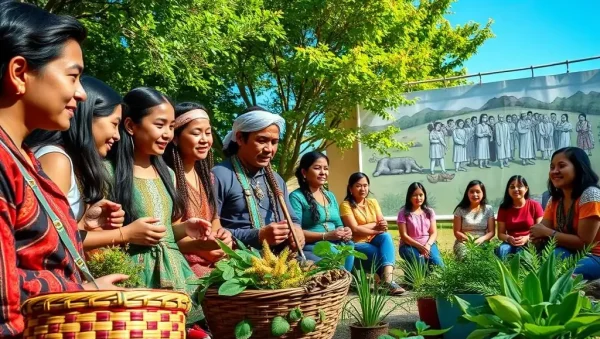
🌟 Outreach initiatives play a crucial role in revitalizing Indigenous knowledge education, bridging traditional wisdom with modern curricula. By integrating these rich…
Read article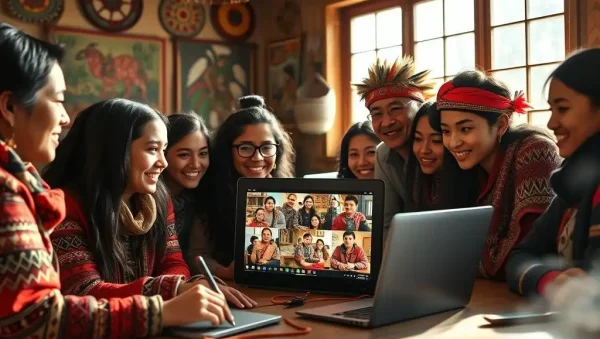
🌍 Online platforms for indigenous education are transforming how we engage with and understand the rich cultures of the Americas, fostering greater…
Read article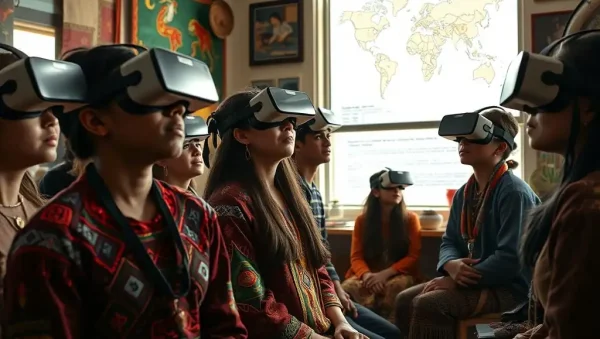
🌍 Virtual reality is revolutionizing education about indigenous cultures, providing immersive experiences that bring to life the achievements and societies of pre-colonial…
Read articleExplore how the legacies of Indigenous civilizations across the Americas are preserved and shared through dynamic educational initiatives. This subcategory delves into hands-on workshops, digital resources, museum partnerships, and community-led programs designed for learners of all ages. Whether you are an educator, student, or lifelong learner, discover how these outreach efforts make ancient wisdom accessible, engaging, and relevant today.
Dive into ready-to-use lesson plans, primary source documents, and multimedia kits that bring Aztec, Maya, Inca, and other civilizations into your classroom. These resources are crafted to align with historical accuracy while fostering critical thinking about indigenous perspectives and contributions.
Expect grade-specific modules that cover everything from agricultural innovations like chinampas to mathematical systems such as the Maya calendar. Each resource includes teacher guides, assessment tools, and suggested activities that promote cross-cultural understanding. By integrating indigenous voices and modern scholarship, these materials help students move beyond stereotypes and appreciate the complexity of pre-Columbian societies.
Learn about partnerships between academic institutions, museums, and indigenous communities that create immersive exhibitions and reenactment days. These collaborations offer rare chances to see reconstructed dwellings, handle replica artifacts, and interact with interpreters trained in traditional crafts and languages.
Participants can attend seasonal festivals featuring traditional cooking, weaving, and ceremonial practices, all explained through culturally sensitive narratives. Virtual tours and traveling exhibit kits extend reach to rural and under-resourced schools, ensuring that geographic or economic barriers do not limit access. The emphasis is on experiential learning that respects cultural protocols and supports indigenous-led curation.
For remote learners, this subcategory highlights structured online courses, self-paced modules, and live webinar series covering topics from Olmec art to Andean cosmology. Expert speakers include archaeologists, linguists, and indigenous elders who offer unique insights into worldview and historical interpretation.
Each course includes video lectures, reading lists, discussion forums, and quizzes that reinforce learning. Certificates of completion are available, making these ideal for professional development or college preparation. Webinars often feature Q&A sessions where participants can ask questions directly, fostering a sense of community and deeper engagement. Recorded sessions are archived, providing a growing library of accessible knowledge.
Discover how local chapters and tribal partners run after-school clubs, summer camps, and family workshops focused on traditional skills like pottery, basketry, and storytelling. These programs prioritize intergenerational learning, where elders pass down knowledge in a hands-on, culturally appropriate manner.
Youth participants build confidence and cultural identity while developing practical skills and environmental stewardship. Many programs include service-learning components, such as native plant restoration or archaeological site cleanups, that connect heritage to contemporary conservation. For schools without local programs, outreach kits and virtual mentorships bring these experiences directly to classrooms, emphasizing resilience and innovation.
Structured workshops and certification tracks equip educators with the depth of knowledge needed to teach Indigenous civilizations accurately. Sessions cover recent archaeological findings, decolonial teaching methods, and strategies for handling sensitive topics like conquest and disease.
Participants leave with curated resource kits, access to exclusive databases, and a network of peer educators. Follow-up coaching sessions ensure that new techniques are effectively implemented. Whether you are a new teacher or a veteran, these programs help you create inclusive, evidence-based lessons that honor indigenous contributions to world history and contemporary society.
They are designed for a broad audience including K-12 educators, university students, homeschool families, and lifelong learners. Programs are flexible, with options for beginner to advanced levels, and many are adaptable for special education or English language learners.
Many digital resources like lesson plans and webinar recordings are free. In-depth courses, certification tracks, and field trips may have a fee, but scholarships and group discounts are often available. Check each program’s page for specific pricing and financial aid.
All content is co-developed with indigenous scholars, elders, and community representatives. Standards follow established protocols for using traditional knowledge, and they actively avoid stereotypes or misrepresentations. Feedback from community partners is incorporated into every revision.
Yes, many outreach coordinators offer in-person visits, traveling kits, or virtual sessions. You can request a custom workshop tailored to your group’s age, size, and learning goals. Lead time varies, so inquire at least four weeks in advance.
All materials are vetted by a board of academic historians and archaeologists specialising in pre-Columbian cultures. Each resource cites primary sources and peer-reviewed studies, and we update content as new research emerges. Transparency is key – you can find citations in every guide.