Public Awareness Initiatives: Illuminating Indigenous Heritage
Public awareness initiatives within the "Educational Impact" category serve as vital bridges between ancient knowledge and modern audiences. These programs aim to correct historical narratives, celebrate indigenous resilience, and foster genuine understanding of the Americas’ original civilizations. By engaging communities through exhibitions, digital storytelling, and collaborative projects, these initiatives transform passive curiosity into active appreciation. Below, we explore the most impactful facets of these efforts—each designed to deepen your connection with indigenous legacies.
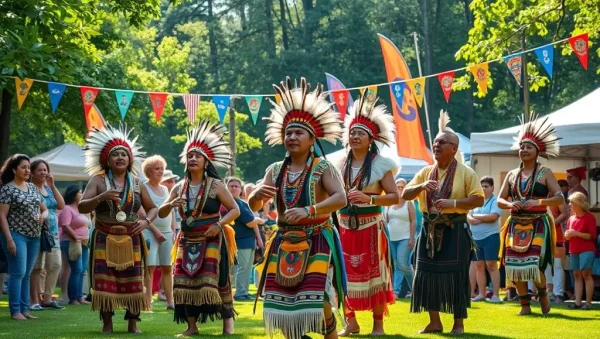
🌍 Community-Led Cultural Festivals & Living History Events
These festivals are immersive experiences where indigenous traditions are not just displayed but lived. Visitors can participate in traditional crafts, taste ancestral foods, and witness ceremonial dances performed by direct descendants of these civilizations. Unlike static museum exhibits, these events prioritize oral transmission—knowledge passed directly from elders to attendees, creating an authentic, intergenerational dialogue. You’ll leave with a sensory memory of the Americas that no textbook can replicate.
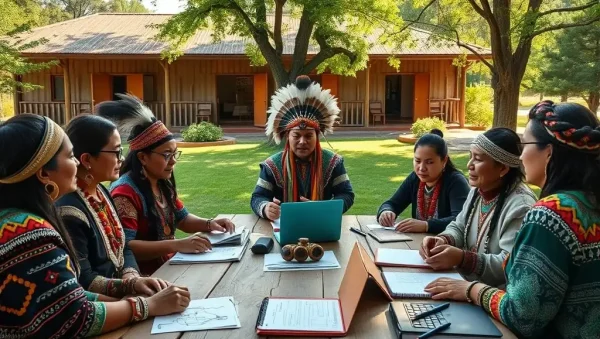
Expect interactive workshops on weaving, pottery, and agricultural techniques, as well as storytelling circles that delve into creation myths and historical resilience. Many festivals also include panel discussions with tribal leaders, offering contemporary perspectives on land stewardship and sovereignty. For educators, these events provide ready-made curricular connections, making them ideal for school field trips. By attending, you directly support indigenous economies and cultural continuity, ensuring these traditions thrive beyond the event itself.
📚 Digital Storytelling & Virtual Museum Collections
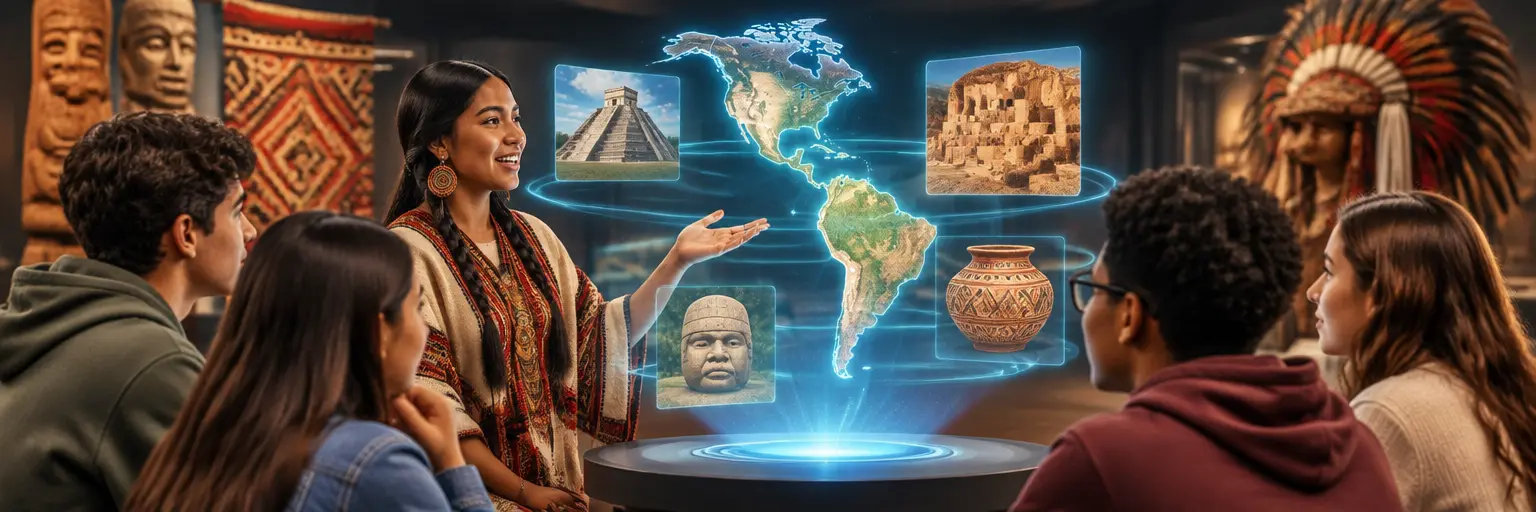
In an era of global connectivity, digital platforms have become powerful vehicles for public awareness. Virtual tours of archaeological sites, 3D reconstructions of pre-Columbian cities, and interactive timelines allow users to explore the Americas’ indigenous history from anywhere. These resources are meticulously curated with input from descendant communities, ensuring accuracy and cultural sensitivity. You can now walk through Tenochtitlan’s markets or study Maya glyphs without leaving your home, democratizing access to knowledge.
Beyond passive viewing, these platforms often feature user-contributed oral histories and archival photographs, creating a living repository of memory. Many sites offer downloadable lesson plans, making them invaluable for homeschoolers and lifelong learners. The emphasis on multimedia—video interviews, narrated maps, and gamified quizzes—caters to diverse learning styles. For researchers, these collections provide citation-ready primary sources, bridging academic scholarship with public engagement.
🏫 School Partnership Programs & Curriculum Integration
These initiatives work directly with K-12 institutions to embed indigenous history into standard curricula, moving beyond the simplistic “first Thanksgiving” narrative. Professional development workshops equip teachers with accurate, engaging materials, while classroom resources include illustrated books, replica artifacts, and guided inquiry projects. The goal is not merely to add facts but to shift perspectives—encouraging students to view American history through multiple lenses, including those of the conquered and colonized.
Students can participate in virtual exchanges with indigenous youth, ask questions of historians, and even co-create public murals commemorating local tribal heritage. These programs often incorporate state learning standards, making adoption seamless for schools. Parents will find that children return home with critical thinking skills and empathy, questioning stereotypes they encounter in media. By supporting such partnerships, you help nurture a generation that values cultural pluralism and historical justice.
🌿 Environmental Stewardship & Land Acknowledgment Campaigns
Public awareness extends beyond history into contemporary ecology, highlighting how indigenous land management practices—such as controlled burns and polyculture farming—offer solutions to modern climate crises. Campaigns often combine digital maps showing pre-colonial ecosystems with calls to action for land repatriation and conservation easements. Visitors to related websites can learn about the “Land Back” movement and how supporting tribal co-management of national parks benefits biodiversity.
These initiatives also popularize land acknowledgment statements, guiding organizations to publicly recognize the original stewards of their territories. You’ll find practical templates, videos explaining the significance, and directories of indigenous-led environmental NGOs. The educational angle emphasizes that sustainability is not a new concept but a continuance of ancestral wisdom. Engaging with these resources empowers you to advocate for policies that respect both human rights and ecological balance.
🖼️ Collaborative Art Exhibitions & Public Mural Projects
Art serves as an accessible entry point for complex historical dialogue. These exhibitions partner indigenous artists with mainstream galleries, showcasing contemporary works that reference ancestral techniques—from quillwork and beadwork to monumental stone carving. Curated panels explain the symbolism behind motifs, while AR (augmented reality) features let you see how a piece would have appeared in its original context. The result is a fusion of ancient aesthetics and modern commentary on identity and resistance.
Public mural projects take this a step further by placing art directly in cityscapes, transforming blank walls into educational landmarks. Community painting days invite passersby to contribute, fostering a sense of shared authorship. Each mural includes a QR code linking to a web page with the historical narrative and tribal credits. For urban dwellers, these initiatives turn daily commutes into opportunities for reflection, making indigenous visibility a permanent part of the public realm.
Frequently Asked Questions
How can I find public awareness initiatives near me?
Start by visiting tribal nation websites and local museums with indigenous collections. Many organizations list events on platforms like Eventbrite or Native American Rights Fund’s calendar. Also check university outreach programs and follow social media hashtags like #NativeHeritage or #LandBack. Virtual options abound, so geographic proximity is rarely a barrier.
Do these initiatives require payment or registration?
Community festivals and public murals are typically free, though donations are welcomed. Virtual museum collections and digital storytelling are usually free to access, while specialized workshops or extended curricula may have modest fees. Always check the event page for registration links, as some virtual panels cap attendance.
How accurate is the historical information presented?
Reputable initiatives collaborate directly with tribal historians, archaeologists, and cultural committees to ensure accuracy. They openly cite sources and acknowledge interpretative uncertainties. Be cautious of programs that present a single narrative or lack descendant involvement. When in doubt, look for endorsements from recognized indigenous scholarly organizations.
Can children participate in these programs?
Absolutely. Many festivals have dedicated children’s zones with hands-on activities, and school partnership programs are designed for youth. Digital platforms often feature kid-friendly guides and interactive games. However, some ceremonial events may be restricted for cultural reasons—respect those boundaries by checking age advisories.
How can I support these initiatives if I cannot attend?
Donate directly to tribal-run organizations, share their content on social media, and advocate for land acknowledgment in your workplace or school. Purchasing art from indigenous creators and booking tours with indigenous guides also provides financial support. Most importantly, educate yourself and others by reading books and listening to native-led podcasts.