Teaching Indigenous History: A Pathway to Understanding America’s True Past
Teaching Indigenous history is far more than a timeline of pre-colonial events—it is a vital, transformative lens for understanding the Americas’ cultural, ecological, and political foundations. Within the Educational Impact category, this subcategory equips educators, students, and lifelong learners with accurate, respectful, and engaging methods to convey the achievements, resilience, and ongoing presence of Indigenous peoples. By integrating primary sources, oral traditions, and contemporary scholarship, you can move beyond stereotypes and foster critical thinking about how history is written, whose voices are centered, and how the past shapes modern Indigenous sovereignty and identity.
📚 Decolonizing the Curriculum: Frameworks and Best Practices
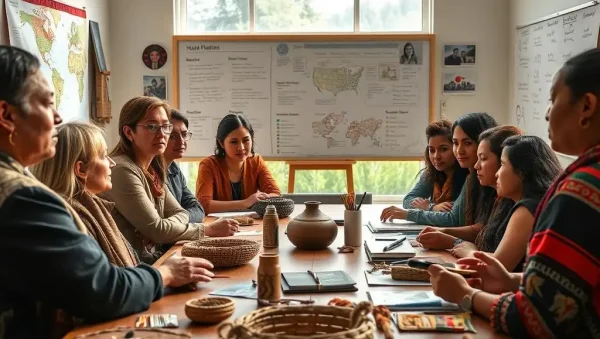
Decolonizing your approach means questioning whose narratives dominate textbooks and replacing them with Indigenous-centered perspectives. Expect practical guidance on selecting inclusive resources, avoiding harmful tropes (like the “vanishing Indian” myth), and embedding tribal-specific histories rather than a one-size-fits-all overview. You’ll learn how to partner with local Indigenous communities to co-create lesson plans that honor oral traditions and treaty rights.
Key strategies include using contemporary Indigenous authors, analyzing maps from Native perspectives, and teaching about the Doctrine of Discovery as a historical and ongoing legal framework. This section also highlights assessment tools that measure critical consciousness, not just rote memory. By the end, you’ll have a scaffold for building curricula that are historically accurate, culturally responsive, and pedagogically sound for K-12 and higher education settings.
🗺️ Pre-Columbian Achievements: Beyond the “Noble Savage” Narrative
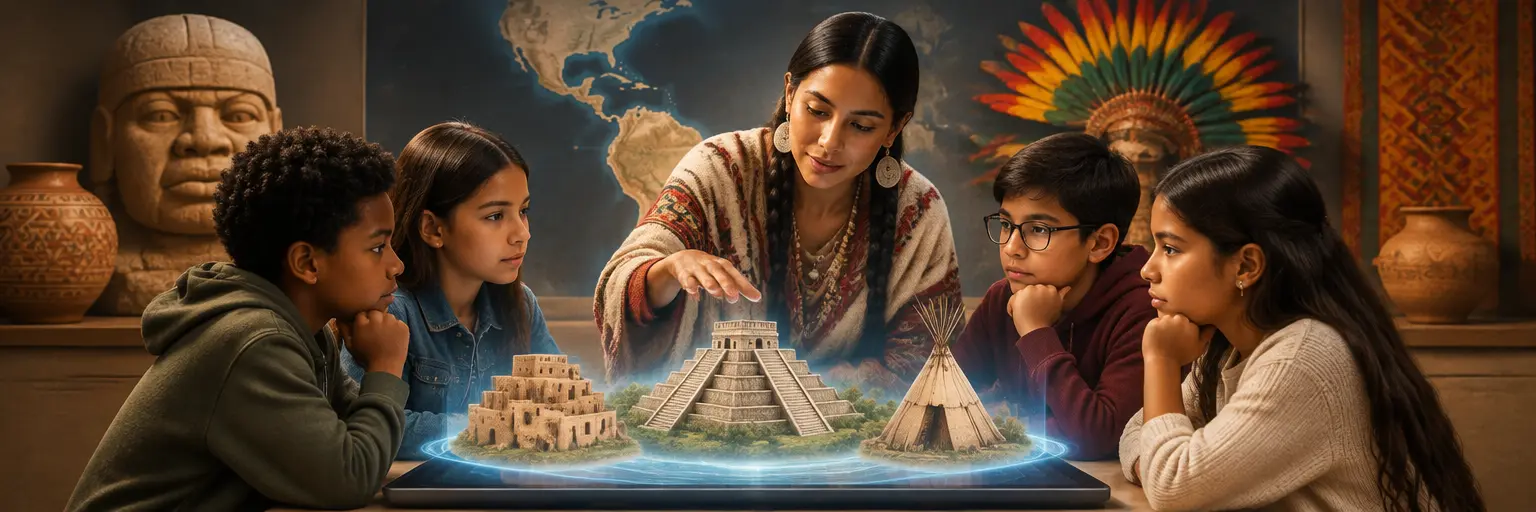
Move past simplistic labels by exploring the engineering, astronomy, agriculture, and governance that rivaled—or surpassed—contemporary European societies. Expect deep dives into the Cahokia Mounds urban planning, Inca road systems, Maya mathematics (including zero), and Amazonian fertile dark earths. These concrete examples prove that Indigenous civilizations were not static or primitive but dynamic and innovative.
Teaching these achievements requires contextualizing them within their own worldviews, not just comparing to Western benchmarks. You’ll find ready-to-use case studies, primary documents (like the Popol Vuh), and interactive mapping tools. This section emphasizes inquiry-based learning where students hypothesize how such technologies functioned and why they disappeared or adapted after 1492. This approach builds respect and curiosity, replacing deficit narratives with evidence of brilliance and sustainability.
🕊️ Treaties, Resilience, and Contemporary Sovereignty
Indigenous history did not end in 1492—it continues through treaties, legal battles, and cultural revival. This facet focuses on teaching the doctrine of tribal sovereignty, the nuanced history of treaties (broken and honored), and modern movements like land back and language revitalization. Expect lesson plans that connect historical events (e.g., the Indian Removal Act, boarding schools) to today’s Supreme Court cases and tribal governance structures.
You’ll discover how to use primary sources such as treaty texts, oral histories from elders, and court decisions, alongside interactive timelines of federal Indian policy. Pedagogically, this section champions project-based learning—for example, having students simulate a tribal council negotiation or analyze a local land acknowledgement. This approach empowers students to see Indigenous peoples as contemporaries with agency, not relics, and fosters allyship and civic engagement.
🎨 Integrating Oral Traditions and Indigenous Pedagogy
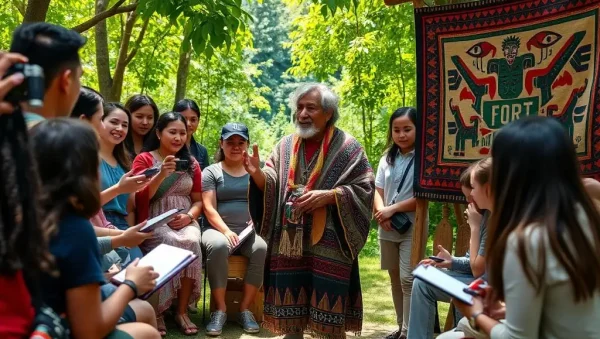
Oral traditions are not mere folklore; they are sophisticated systems of knowledge transfer, containing historical records, environmental stewardship, and ethical frameworks. Here, expect guidance on respectfully incorporating storytelling, winter counts, wampum belts, and place-based learning into classrooms without appropriating sacred elements. You’ll learn protocols for seeking permission, understanding seasonal storytelling rules, and using these traditions to teach science, ethics, and history.
This section also introduces relational pedagogy, which emphasizes learning through relationships with land, ancestors, and community, rather than through individualistic, text-only methods. Practical examples include classroom circles, talking sticks, and collaborative mapping of traditional territories. By weaving these methods into your instruction, you honor Indigenous ways of knowing while meeting state learning standards—making history more vivid, ethical, and memorable for all students.
🌐 Digital Archives and Virtual Resources for Global Classrooms
Technology opens new doors to authentic sources, even for schools far from tribal lands. Expect curated lists of reputable digital archives like the Library of Congress’s Indigenous Law Portal, Native Land Digital for mapping territories, and Mukurtu for culturally respectful content management. You’ll learn how to use virtual museum tours (e.g., the National Museum of the American Indian), 3D scans of artifacts, and digitized manuscripts for primary source analysis.
This facet also covers digital storytelling tools—podcasts, GIS mapping, and interactive timelines—that let students create their own Indigenous-centered narratives. Crucially, you’ll receive guidelines on evaluating online sources for cultural accuracy and avoiding pan-Indianstereotypes. By blending digital literacy with Indigenous studies, you prepare students to navigate and contribute to a world where information about Native peoples is abundant but often distorted—empowering them to become discerning consumers and respectful creators.
Frequently Asked Questions
Why is it important to teach Indigenous history beyond a single month or a single lesson?
Teaching Indigenous history year-round avoids reductionism and portrays Native peoples as dynamic, contemporary communities with ongoing sovereignty and contributions. Limiting it to a month or a lesson reinforces tokenism and erases the continuity of Indigenous presence. A semester-long or integrated approach allows for deep understanding of treaties, governance, and cultural persistence, ensuring students recognize Indigenous history as foundational to American identity, not an exotic add-on.
How can I respectfully include Indigenous voices without overstepping cultural boundaries?
Respect comes from collaboration, not appropriation. Always seek permission from tribal communities or cultural holders before using sacred stories, objects, or practices. Prioritize contemporary Indigenous authors, speakers, and scholars as primary sources. Use resources like the Protocol for Native American Archival Materials and follow local tribal guidelines. Establish ongoing relationships, not one-time consultations, and be transparent about your limitations and intentions to learn.
What are the biggest mistakes teachers make when covering pre-Columbian civilizations?
Common errors include treating all Indigenous cultures as one homogeneous group, focusing only on artifacts rather than people, and presenting European contact as inevitable progress. Another mistake is using outdated terms like “pre-historic” or “primitive.” Avoid romanticizing or demonizing; instead, highlight evidence of sophisticated agriculture, engineering, and governance. Also, steer clear of using only non-Native sources—include Indigenous origin stories and modern scholarship that contextualize achievements within their own worldviews.
How do I handle sensitive topics like colonization and boarding schools with young students?
Use age-appropriate language and focus on resilience rather than victimhood. For elementary students, emphasize cultural strengths and community continuity; for middle and high school, introduce primary documents like boarding school memoirs and treaty texts with careful framing and opportunities for emotional processing. Always provide context on historical trauma, and include counter-narratives of resistance and revival. Encourage open dialogue and be prepared to address difficult emotions with empathy and factual support.
Can I use local Indigenous history if I don’t live near a recognized reservation?
Yes—Indigenous history is everywhere. Start by checking Native Land Digital to identify whose lands you occupy, then research that tribe’s current and historical territory via tribal websites and state archives. Many tribes have digital resources, open museums, or offer virtual presentations. For urban areas, explore migration histories and community organizations. You can also integrate case studies from other regions while always acknowledging your locale’s original stewards, fostering a personal connection to accountability.