
Uncovering the Hidden Gems: LesserKnown Indigenous Destinations to Explore

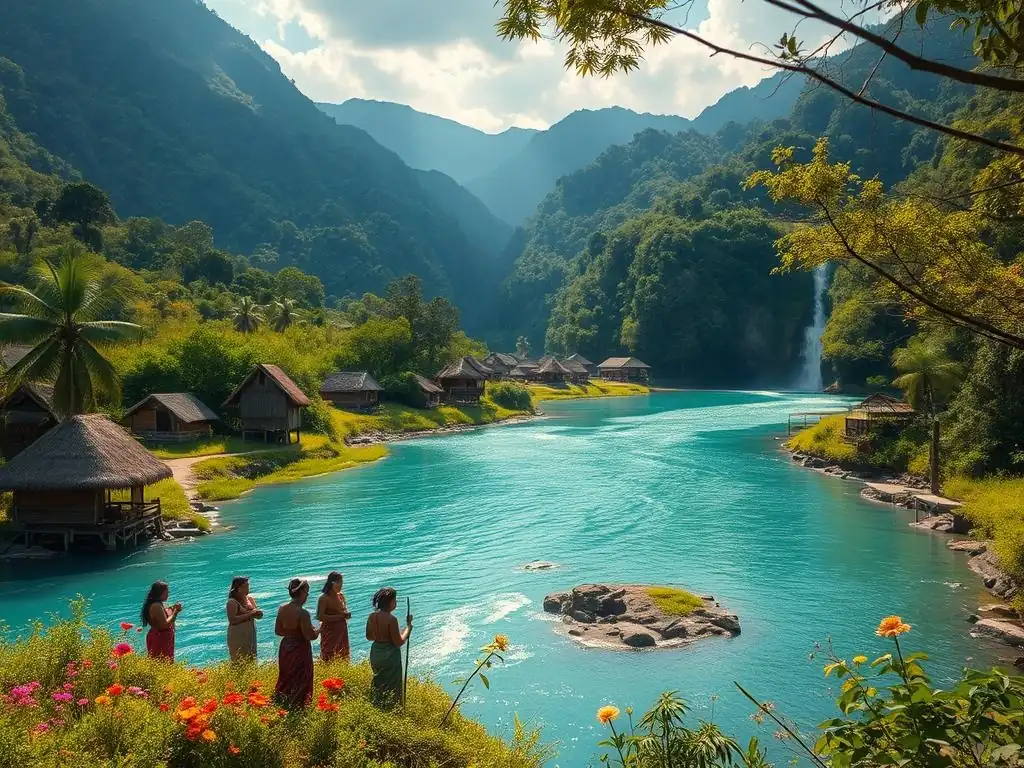
Welcome to Indigenous Civilizations of the Americas, where we invite you to journey through the rich tapestry of the diverse indigenous cultures that flourished long before European contact. In our featured article, "Uncovering the Hidden Gems: Lesser-Known Indigenous Destinations to Explore," we reveal hidden indigenous travel destinations that offer a unique glimpse into the thriving societies and remarkable achievements of these civilizations.
Prepare to be inspired as you discover places steeped in history and culture, where every visit is an opportunity to honor the past and connect with the present. Dive deeper and embark on a cultural journey that promises to enlighten and captivate your spirit of adventure!
Exploring the vast and diverse landscape of indigenous cultures in the Americas offers travelers a unique opportunity to connect with history, traditions, and the enduring legacies of the first peoples of this continent. This article, "Uncovering the Hidden Gems: Lesser-Known Indigenous Destinations to Explore," invites you to venture beyond the well-trodden paths of mainstream tourism and discover hidden indigenous travel destinations that showcase the rich tapestry of indigenous life and culture.
From vibrant communities maintaining ancient traditions to breathtaking natural landscapes steeped in spiritual significance, these lesser-known locales provide profound insights into the indigenous world. This exploration not only honors the history of the Americas' original inhabitants but also promotes sustainable tourism practices that benefit local communities. Join us as we delve into the significance of these hidden gems and how they contribute to a deeper understanding of indigenous civilizations.
Hidden indigenous travel destinations are often overlooked due to their remote locations or lack of mainstream promotion. However, these sites offer invaluable experiences for travelers seeking authenticity and connection. By visiting these destinations, you can:
- Engage with local communities
- Learn about traditional practices
- Contribute to the preservation of indigenous cultures
These journeys not only enrich the traveler's experience but also foster a respect for the resilience and creativity of indigenous peoples.
Exploring the Diversity of Indigenous Destinations
The Americas are home to a myriad of indigenous cultures, each with unique histories, languages, and traditions. When exploring hidden indigenous travel destinations, you can encounter:
- Ancient Ruins and Historical Sites
- Machu Picchu (Peru) - While famous, lesser-known routes offer deeper insights into Inca civilization.
- Chaco Canyon (New Mexico) - A UNESCO World Heritage Site that reveals the complexities of Ancestral Puebloan society.
- Living Cultures
- The Navajo Nation (USA) - Engage with traditional crafts, storytelling, and ceremonies.
- The Quechua Communities (Ecuador) - Experience the vibrant culture through festivals and local markets.
- Natural Wonders with Cultural Significance
- The Sacred Valley (Peru) - A stunning landscape intertwined with Inca history.
- The Great Bear Rainforest (Canada) - Indigenous stewardship of one of the largest temperate rainforests.
By immersing yourself in these diverse environments, you can gain a more nuanced appreciation of the indigenous peoples who have thrived in harmony with their surroundings.
The Rich Heritage of Indigenous Peoples
The heritage of indigenous peoples is a treasure trove of knowledge, art, and spirituality. Each culture has its own stories, languages, and practices that have been passed down through generations. Engaging with these elements allows travelers to:
- Understand the deep-rooted connections between people and place
- Appreciate indigenous art forms, from weaving to pottery
- Participate in traditional rituals that celebrate community and nature
These experiences not only enrich your journey but also contribute to the preservation of these vibrant cultures.
Benefits of Discovering Hidden Indigenous Travel Destinations
Choosing to explore hidden indigenous travel destinations comes with numerous benefits:
- Cultural Insight: Gain firsthand knowledge of indigenous perspectives and values.
- Sustainable Tourism: Support local economies and promote environmental conservation.
- Personal Growth: Challenge your understanding of history and culture, leading to a more profound travel experience.
By venturing off the beaten path, you can uncover the hidden gems that represent the heart and soul of indigenous civilizations—experiences that are not just travel itineraries, but meaningful connections to the past and present.
Exploring lesser-known indigenous travel destinations offers an enriching experience, providing insights into vibrant cultures and traditions that have shaped the Americas. Here are five hidden gems worth visiting:
1. The Sacred Valley of the Incas, Peru
Nestled in the Andes mountains, the Sacred Valley of the Incas is a breathtaking region that holds deep cultural significance for the Quechua people. This valley is peppered with ancient archaeological sites, including the iconic Pisac and Ollantaytambo, which showcase impressive Incan architecture and terraces. Travelers can engage with local communities, participate in traditional weaving workshops, and experience the vibrant markets filled with artisanal crafts. The Sacred Valley also serves as a gateway to Machu Picchu, but its own cultural heritage and stunning landscapes make it a destination in its own right.
2. The Navajo Nation, USA
The Navajo Nation, located in the Four Corners region of the United States, is the largest Native American reservation and offers a profound glimpse into Navajo culture. Visitors can explore stunning natural wonders like Monument Valley and Antelope Canyon, which hold spiritual significance for the Navajo people. Engaging with local artists, attending traditional ceremonies, and learning about the Navajo way of life are essential aspects of a visit. The Nation’s commitment to preserving its history and culture makes it a unique destination for those seeking authentic indigenous experiences.
3. The Shipibo-Conibo Community, Peru
Deep in the Amazon rainforest lies the Shipibo-Conibo community, known for its rich traditions and intricate textile art. The Shipibo people are renowned for their unique worldview, which they express through vibrant patterns and designs in their crafts. Visitors can partake in guided tours that highlight their sustainable practices, medicinal plant knowledge, and vibrant ceremonies. Staying in eco-lodges run by the community allows travelers to immerse themselves in the natural beauty of the rainforest while fostering a respectful relationship with the local culture.
4. The Mapuche Territory, Chile
The Mapuche people are one of the largest indigenous groups in Chile, with a rich history and vibrant culture. Their territory, encompassing both the Andes and coastal regions, offers a plethora of experiences. Visitors can explore traditional Mapuche villages, participate in cultural ceremonies, and learn about their connection to the land through storytelling and music. The stunning landscapes of Patagonia and the Lakes District provide a dramatic backdrop for engaging with Mapuche culture, making it a unique destination for nature and culture enthusiasts alike.
5. The Kichwa Community, Ecuador
The Kichwa community in Ecuador provides a profound experience of indigenous life in the Amazonian region. Here, travelers can explore lush rainforests, learn about sustainable farming practices, and participate in traditional rituals. The Kichwa people are known for their deep knowledge of biodiversity and medicinal plants, making guided tours not only educational but also transformative. Engaging with local families offers an authentic insight into their daily lives, customs, and the significance of their environment.
To ensure an enriching and respectful experience when visiting hidden indigenous destinations, consider the following practical tips:
Travel Considerations for Authentic Indigenous Experiences
- Research: Familiarize yourself with the culture, traditions, and history of the indigenous community you plan to visit. Understanding their customs will enhance your experience and show respect for their way of life.
- Engage Locally: Choose local guides who are part of the community. This not only provides an authentic perspective but also supports the local economy.
- Respect Traditions: Be mindful of cultural practices and sacred sites. Always ask for permission before taking photographs and be open to learning from your hosts.
- Sustainable Practices: Opt for eco-friendly accommodations and minimize your environmental impact. Engage in responsible tourism practices that benefit the communities you visit.
Best Times to Visit Lesser-Known Indigenous Destinations
Timing your visit can significantly enhance your experience. Here are some considerations for the best times to visit:
- Seasonal Festivals: Plan your trip around traditional festivals or ceremonies, which can provide deep insights into the culture and community life. For example, the Inti Raymi festival in the Sacred Valley occurs in June and celebrates the Incan sun god.
- Weather Conditions: Research the climate of your destination. For instance, the dry season (May to September) may be ideal for the Sacred Valley and the Navajo Nation, while the Amazon region is best visited during the drier months of June to September.
- Avoiding Crowds: Consider visiting during the shoulder seasons (spring and fall) when tourist traffic is lower, allowing for a more intimate experience with the local culture.
By planning thoughtfully and respectfully, you can uncover the hidden gems of indigenous travel destinations while making meaningful connections with the cultures and communities you encounter.
How to Choose Responsible Tours for Indigenous Insights
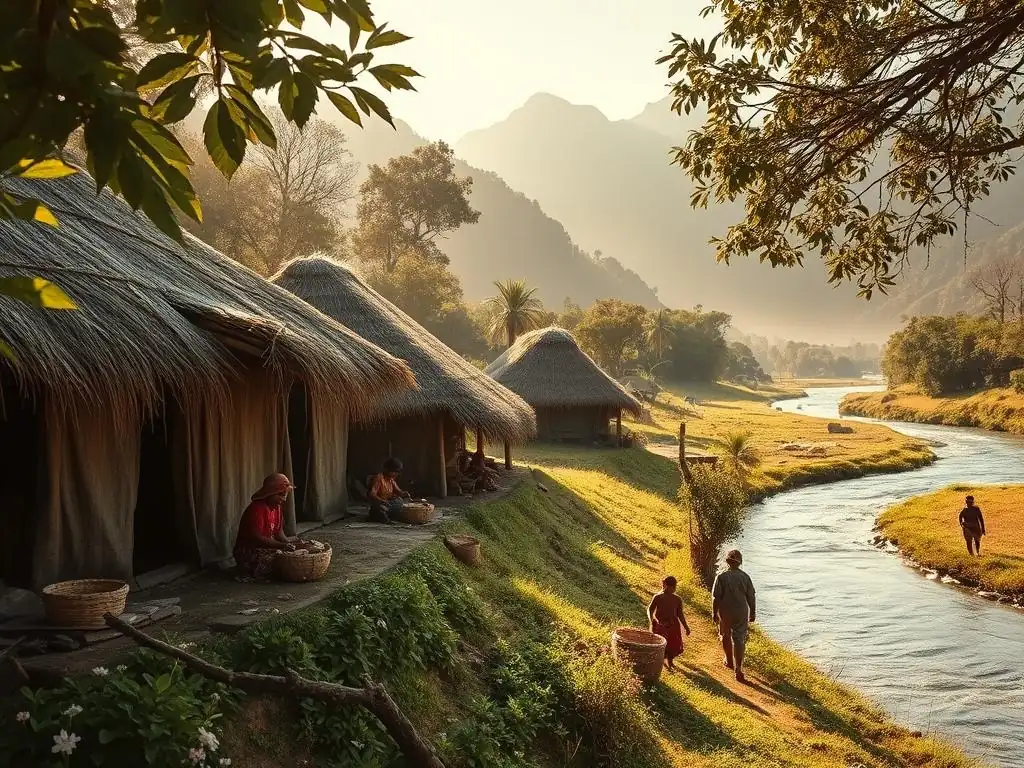
Selecting responsible tours for indigenous insights is key to ensuring that your travel not only enriches your experience but also respects and supports the indigenous communities you engage with. Here are some essential considerations to guide you in making informed choices.
- Research the Tour Operator: Begin by investigating the tour operator’s background. Look for operators who are either owned by indigenous people or have strong partnerships with local communities. This often ensures that the profits benefit the community directly.
- Sustainability Practices: Evaluate the sustainability practices of the tour operators. They should prioritize environmental conservation and cultural preservation. Ask questions about their policies on waste management, animal interaction, and resource usage.
- Community Engagement: Choose tours that actively involve local communities in the planning and execution. This participation can take many forms, including local guides sharing their stories, cultural performances, or workshops that showcase traditional crafts and practices.
- Transparent Pricing: Look for operators who are upfront about their pricing and how funds are allocated. Ethical tours often reinvest a portion of their earnings back into the community, so transparency in financial matters is a good sign of responsibility.
- Cultural Sensitivity: Ensure that the tours prioritize cultural sensitivity and respect. This includes understanding the history and current issues faced by the communities you will visit and promoting respectful interactions between travelers and local residents.
Criteria for Selecting Ethical Travel Operators
When assessing travel operators for indigenous insights, consider the following criteria:
- Local Ownership: Operators that are owned and run by indigenous people or local residents often offer a more authentic experience and ensure that the community benefits from tourism.
- Cultural Education: Seek operators who provide educational components about the culture, traditions, and challenges faced by indigenous peoples, allowing travelers to develop a deeper understanding.
- Community Feedback: Look for operators that incorporate feedback from the indigenous communities they serve. This might be reflected in testimonials or community engagement surveys.
- Accreditations and Certifications: Check if the operator has certifications from recognized ethical tourism organizations, which can indicate a commitment to responsible travel practices.
- Flexibility and Customization: Ethical operators often provide flexibility in their itineraries, allowing for customization based on the interests and needs of the community and travelers alike.
Enhancing Your Experience: What to Pack for Indigenous Travel
Packing wisely can significantly enhance your experience when visiting hidden indigenous travel destinations. Here’s a list of essentials to consider:
- Respectful Clothing: Pack clothing that is appropriate for the cultural context of the communities you are visiting. Modesty may be important in certain cultures.
- Comfortable Footwear: Many indigenous sites involve walking or hiking. Comfortable and sturdy footwear is essential for enjoying the terrain safely.
- Reusable Water Bottle: Staying hydrated is crucial, and using a reusable water bottle reduces plastic waste and demonstrates your commitment to sustainability.
- Travel Journal: Bring a journal to document your experiences, reflections, and insights gained during your travels. This can enhance your connection to the places you visit.
- Gifts for Hosts: Consider bringing small, thoughtful gifts to share with your hosts as a token of appreciation. Items that represent your home culture can be particularly meaningful.
- Camera and Respectful Photography Guidelines: If you plan to take photos, be mindful of the community's rules regarding photography. Always ask for permission before capturing images of people or sacred sites.
Embracing the journey to hidden indigenous travel destinations is not just about exploration; it’s an opportunity for deep cultural exchange and personal growth. By choosing responsible tours and being mindful of your impact, you can forge meaningful connections with the rich heritage and traditions of indigenous communities. This journey not only enriches your perspective but also supports the preservation of these cultures, allowing them to thrive in an ever-changing world. As you embark on these adventures, remember to be respectful, curious, and open-hearted, ensuring a rewarding experience for both you and the communities you visit. 🌍✨
Call to Action
As we conclude our journey through these lesser-known indigenous travel destinations, we invite you to take the next step in your exploration of the rich tapestry of indigenous cultures across the Americas. By choosing to visit these hidden gems, you not only support local communities but also gain invaluable insights into their traditions, histories, and ways of life.
Here’s how you can make a difference:
- Plan Your Visit: Research and select one of these destinations for your next trip. Consider traveling during local festivals or events to experience the culture in its vibrant form.
- Engage with Communities: Reach out to local guides and indigenous organizations that can provide authentic experiences and deeper knowledge of their heritage.
- Support Local Artisans: Purchase handmade crafts and products from local artisans to help sustain their livelihoods and preserve their traditions.
- Share Your Experience: After your travels, share your experiences on social media and travel blogs to raise awareness about these incredible destinations and the cultures behind them.
- Educate Yourself and Others: Continue to learn about indigenous cultures, histories, and current issues. Engage in discussions and advocate for the preservation of these rich heritages.
By embarking on this journey, you contribute to the recognition and appreciation of indigenous cultures, ensuring that their stories and traditions are celebrated and preserved for generations to come. So, pack your bags, open your heart, and set forth on an adventure that promises not just sights but profound connections and understanding. Happy travels! ✈️🌍
- Introduction to Hidden Indigenous Travel Destinations
- Exploring the Diversity of Indigenous Destinations
- Top 5 Hidden Indigenous Travel Destinations in the Americas
- Planning Your Visit: Practical Tips for Hidden Indigenous Destinations
- How to Choose Responsible Tours for Indigenous Insights
- Conclusion: Embrace the Journey to Hidden Indigenous Travel Destinations
- Call to Action
Frequently Asked Questions
Hidden indigenous travel destinations are lesser-known sites that showcase the rich cultures, traditions, and histories of indigenous peoples in the Americas, often away from mainstream tourist paths.
Why should I visit lesser-known indigenous sites?
Visiting lesser-known indigenous sites allows travelers to experience authentic culture, engage with local communities, and appreciate the historical significance and natural beauty of these areas.
How can I find information on these destinations?
You can explore resources like travel blogs, cultural websites, and local tourism boards that focus on indigenous cultures to discover hidden gems and learn about their significance.
Are these destinations safe for travelers?
Many hidden indigenous destinations prioritize visitor safety and cultural preservation. However, it's important to research and respect local customs and guidelines to ensure a safe experience.
What types of activities can I expect at these destinations?
At lesser-known indigenous sites, you can participate in activities such as guided tours, cultural workshops, traditional ceremonies, and nature explorations that offer deeper insights into indigenous ways of life.
In a world increasingly driven by mainstream tourism, the exploration of hidden indigenous travel destinations offers a profound opportunity to connect with cultures that have long been overlooked. As we navigate through a global landscape that often prioritizes the well-trodden paths, it becomes essential to recognize the rich narratives and vibrant traditions that lie within these lesser-known locales. By seeking out these hidden gems, we not only enrich our travel experiences but also honor the stories and histories of indigenous communities that deserve our attention and respect.
Cultural exploration is not merely about visiting new places; it is about understanding and appreciating the diverse tapestry of human experience. The impact of uncovering these hidden destinations extends far beyond the traveler; it fosters a deeper connection to the land and its people, creating a ripple effect of awareness and appreciation. As we engage with indigenous cultures, we are reminded of the words of author and activist Rebecca Solnit: Travel is a form of homecoming.
This sentiment resonates deeply as we recognize that every journey into these hidden realms is not just an escape but a return to a shared human heritage.
As you reflect on your own travel aspirations, I invite you to consider how you can incorporate the lessons learned from this exploration of hidden indigenous travel destinations into your own life. Let your next adventure be a conscious choice to seek out and support these communities, fostering a spirit of respect and curiosity. By doing so, you not only enrich your own experiences but also contribute to the preservation and celebration of indigenous cultures. Together, we can redefine the way we travel—transforming it from mere sightseeing into a meaningful journey of connection and understanding.
Embark on Your Journey to Discover Indigenous Treasures!
Thank you for taking the time to explore our article on lesser-known Indigenous destinations. We hope you gained valuable insights into these unique and culturally rich sites that truly deserve your attention. Now, it’s time to take action and deepen your connection with Indigenous heritage.
Here are some steps you can take to continue your journey:
- Plan your next adventure by selecting one of the featured destinations and researching travel options, local guides, and experiences that genuinely respect the communities.
- Share your insights with friends and family; inspire them to appreciate Indigenous cultures by sharing this article or discussing what you've learned.
- Engage with local Indigenous communities both online and in person. Seek out events or cultural programs in your area that celebrate Indigenous art, storytelling, and traditions.
As you move forward, remember to ask yourself: Which hidden gem will be your next destination, and what stories do you hope to uncover there?