
From Cahokia to Chaco Canyon: The Architectural Marvels of PreColumbian Societies

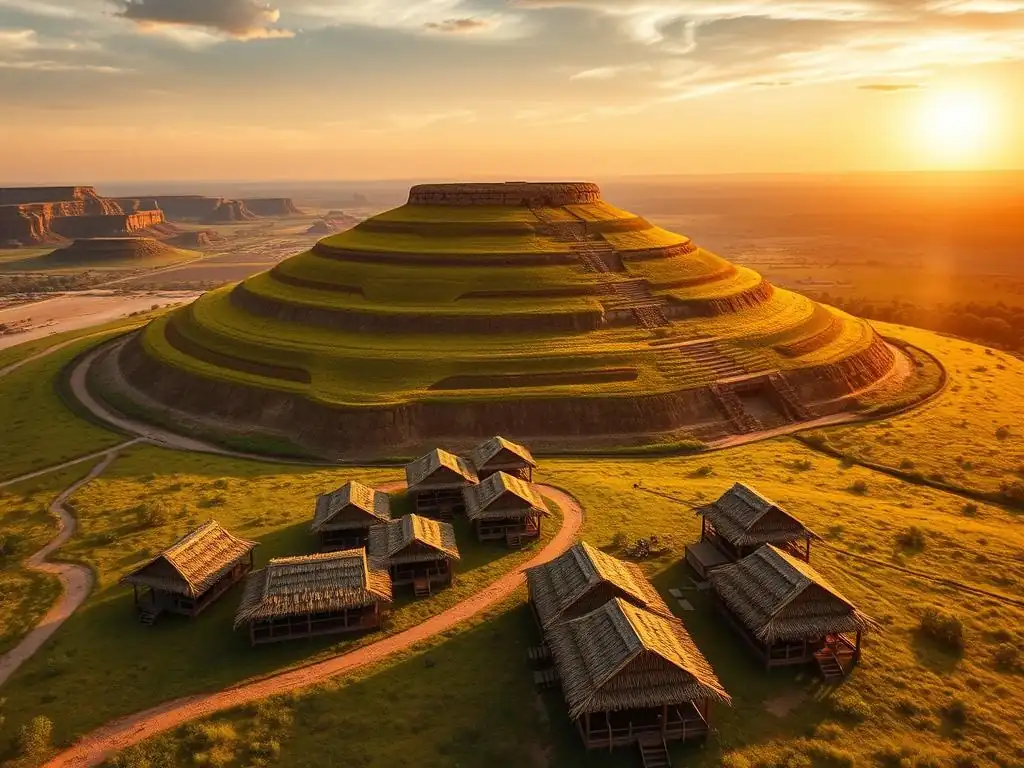
Welcome to Indigenous Civilizations of the Americas, where we embark on a captivating journey through the rich tapestry of cultures that flourished long before European contact. In our featured article, "From Cahokia to Chaco Canyon: The Architectural Marvels of PreColumbian Societies," we delve into the extraordinary feats of engineering and artistry that define these ancient civilizations.
Discover how monumental structures and innovative designs not only served practical purposes but also reflected the profound spiritual and social lives of their creators. Join us as we unveil the stories behind these preColumbian architectural marvels, inviting you to explore the legacies that continue to inspire awe and curiosity today.
- Introduction to PreColumbian Architectural Marvels
- Cahokia: The Largest PreColumbian City North of Mexico
- Chaco Canyon: A Center of Ancestral Puebloan Culture
- Comparative Analysis: Cahokia vs. Chaco Canyon
- The Legacy of PreColumbian Architectural Marvels
- Conclusion: The Enduring Impact of PreColumbian Architecture
- Frequently Asked Questions
- Final Reflection: The Enduring Legacy of PreColumbian Architectural Marvels
- Uncover the Legacy of Pre-Columbian Architecture!
Introduction to PreColumbian Architectural Marvels
The architectural achievements of preColumbian societies in the Americas stand as a testament to the ingenuity and creativity of Indigenous civilizations that flourished long before European colonization. From the towering earthen mounds of Cahokia to the intricate stone structures of Chaco Canyon, these sites reflect not only the aesthetic and structural prowess of their builders but also their complex social, political, and spiritual beliefs.
In this article, we delve into the rich tapestry of preColumbian architectural marvels, exploring how these monumental creations serve as enduring symbols of cultural identity and heritage. By examining these sites, we gain insight into the lives of the Indigenous peoples who constructed them and the lasting impact their civilizations have had on contemporary society.
Overview of Indigenous Civilizations in the Americas
The Americas were home to a multitude of diverse Indigenous cultures, each with its own unique traditions, languages, and architectural styles. Some of the most prominent civilizations include:
- The Mississippian Culture: Known for the construction of large earthen mounds, Cahokia, located near present-day St. Louis, was one of the largest urban centers in preColumbian North America. It featured complex social structures and extensive trade networks.
- The Ancestral Puebloans: Renowned for their cliff dwellings and kivas, the Ancestral Puebloans (formerly known as the Anasazi) built remarkable structures in the arid landscapes of the Southwestern United States, particularly in sites like Chaco Canyon and Mesa Verde.
- The Maya Civilization: Spanning present-day Mexico and Central America, the Maya developed sophisticated city-states characterized by impressive pyramids, palaces, and observatories, exemplifying their advanced understanding of astronomy and mathematics.
- The Aztec Empire: Centered in present-day Mexico City, the Aztecs constructed grand temples and public spaces, with the Templo Mayor standing as a symbol of their architectural and religious aspirations.
These civilizations not only left behind impressive structures but also complex systems of governance, trade, and spirituality that continue to influence Indigenous cultures today.
Importance of Architecture in PreColumbian Societies
Architecture in preColumbian societies served multiple purposes that extended beyond mere shelter or utility. The significance of these structures can be categorized into several key aspects:
- Cultural Identity: Architectural styles often reflected the cultural values and beliefs of a society. For instance, the distinct mound-building practices of the Mississippian culture symbolize their social organization and connection to the earth.
- Religious Practices: Many architectural marvels were constructed as places of worship or ritual. Temples and ceremonial centers, like those found in Tikal or Teotihuacan, were designed to honor deities and facilitate spiritual practices.
- Social Organization: The layout and scale of urban centers provide insight into the societal hierarchies and communal living arrangements. Structures like the Great House in Chaco Canyon indicate a complex social structure that prioritized communal life and governance.
- Technological Innovation: The construction techniques used in these societies demonstrate advanced understanding of engineering and environmental adaptation. For example, the use of adobe in Southwestern architecture showcases ingenuity in utilizing local materials.
The architectural marvels of preColumbian societies not only exemplify artistic and engineering excellence but also serve as vital links to understanding the rich histories and cultures of Indigenous peoples. As we explore these remarkable sites, we uncover the stories and legacies that continue to shape the Americas today.
Cahokia: The Largest PreColumbian City North of Mexico
Historical Context of Cahokia
Cahokia, located near modern-day St. Louis, Missouri, was a thriving urban center from approximately 600 AD to 1400 AD. It is believed that the city was home to tens of thousands of inhabitants at its peak, making it the largest preColumbian city north of Mexico. The rise of Cahokia coincided with the Mississippian culture, which was characterized by complex societies, trade networks, and agricultural innovations.
The city's emergence was marked by the cultivation of maize, which supported a growing population. Cahokia's strategic location along the Mississippi River facilitated trade with neighboring tribes and regions, allowing for the exchange of goods such as pottery, copper, and shells. This interaction not only fostered economic prosperity but also cultural exchange, which enriched the social fabric of the community.
Cahokia's decline began in the late 13th century, attributed to factors such as environmental changes, resource depletion, and social upheaval. Despite its eventual abandonment, Cahokia's influence on subsequent indigenous cultures in the region remained profound, as it set a precedent for urbanization, trade, and cultural development.
Architectural Features of Cahokia
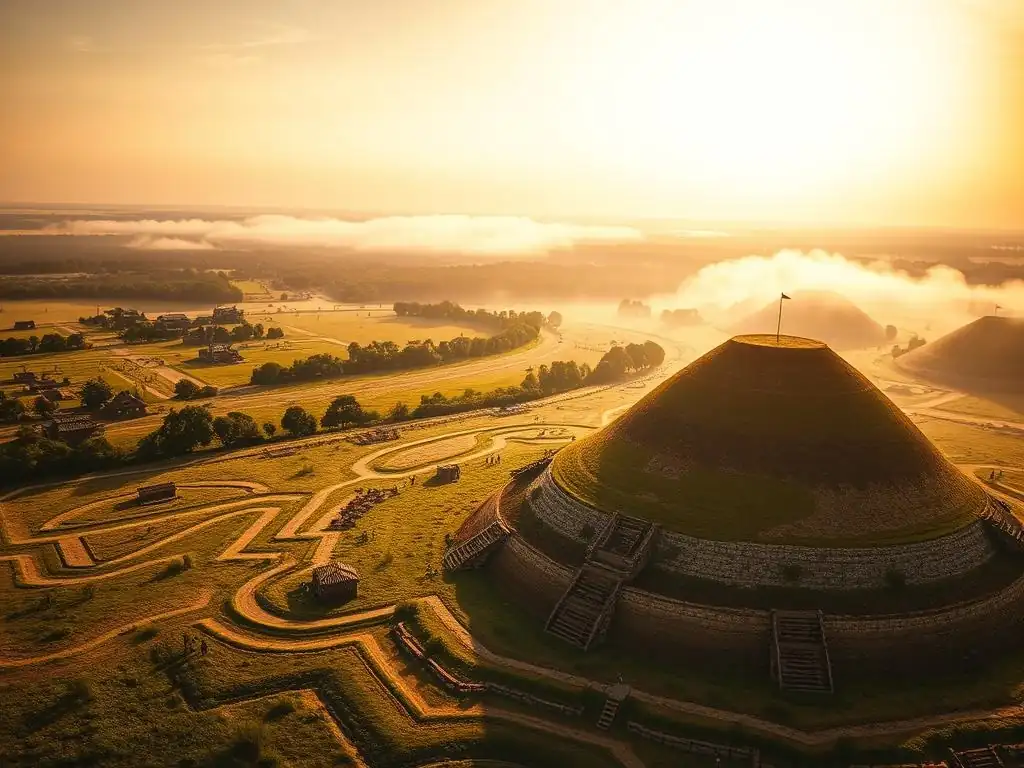
The architectural landscape of Cahokia is a testament to the ingenuity and sophistication of the Mississippian people. The city is renowned for its earthen mounds, extensive plazas, and organized urban layout. These structures served not only as physical landmarks but also as expressions of social hierarchy and communal identity.
The site covers over 6 square miles and consists of approximately 120 mounds, each serving distinct purposes, from ceremonial to residential. The layout demonstrates advanced urban planning, with mounds arranged in relation to the sun and other celestial bodies, indicating a deep understanding of astronomy.
The Monks Mound: A Symbol of Power
At the heart of Cahokia lies the Monks Mound, the largest earthen structure in North America. This monumental mound stands at 100 feet tall and covers over 14 acres, making it a focal point of the city. Its construction involved the labor of thousands of workers, utilizing a methodical approach to layering soil and debris.
The Monks Mound likely served as a platform for elite residences or ceremonial structures, indicating the power and prestige of Cahokia's ruling class. From its summit, the inhabitants could survey the surrounding area, reinforcing their dominance over the landscape and the people. The mound's design reflects not only architectural prowess but also the socio-political dynamics of Cahokia, where leaders used monumental architecture to legitimize their authority.
Complex Urban Planning and its Significance
Cahokia's urban planning reveals a sophisticated understanding of community organization and resource management. The city was divided into distinct districts, each serving specific functions such as residential, political, and ceremonial areas. This intentional layout facilitated social interaction and economic activity, allowing for a vibrant urban life.
Key features of Cahokia's planning included:
- Central Plazas: Large open spaces that served as gathering areas for trade, ceremonies, and community events.
- Residential Areas: Organized neighborhoods that housed the population, reflecting social stratification.
- Trade Routes: Well-established pathways that connected Cahokia to other regions, enhancing its role as a central trading hub.
The significance of Cahokia's urban planning extends beyond its immediate context; it influenced the development of subsequent indigenous societies in the region. The principles of organization and communal living established in Cahokia can be seen in later cultures, illustrating the lasting impact of this preColumbian architectural marvel.
Cultural Impact of Cahokia's Architecture
Cahokia, often regarded as the largest preColumbian city north of Mexico, represents a remarkable achievement in architectural and urban planning. Its vast earthen mounds, expansive plazas, and complex societal structures significantly influenced the cultural landscape of North America. The architectural marvels of Cahokia not only showcase the ingenuity of its builders but also reveal the city’s profound cultural impact on surrounding communities and future generations.
One of the most striking aspects of Cahokia's architecture is the construction of Monks Mound, the largest earthwork in the Americas. Rising to approximately 100 feet in height, this monumental structure served as a central focal point for the city, symbolizing power and religious significance. The sheer scale of Monks Mound and its accompanying structures reflects an advanced understanding of engineering and construction techniques, which would later influence similar mound-building cultures throughout the Midwest.
The layout of Cahokia itself embodies a sophisticated urban design, characterized by a grid pattern that facilitated trade, governance, and social interaction. The city's plazas functioned as communal spaces, fostering cultural exchange and social cohesion among diverse groups. This architectural planning encouraged the development of a complex society, where art, commerce, and spirituality thrived. The impact of Cahokia's urban design can be seen in later indigenous settlements, as these principles of organization and community planning were adopted and adapted by various tribes across the region.
Moreover, the architectural features of Cahokia, such as its extensive woodhenges and ceremonial mounds, held significant spiritual meaning. These structures were often aligned with astronomical phenomena, indicating a deep connection between architecture and cosmology. The rituals and ceremonies conducted at these sites fostered a sense of identity and continuity among the Cahokian people, as well as influencing the spiritual practices of neighboring tribes.
The cultural impact of Cahokia's architecture extends beyond its physical structures. The city served as a hub for trade and interaction, facilitating the exchange of ideas, goods, and technologies among various indigenous groups. This vibrant exchange helped shape the cultural narratives and artistic expressions of the region, leaving a lasting legacy that can still be traced in contemporary Native American cultures.
The architectural marvels of Cahokia not only represent a pinnacle of engineering and artistry but also serve as a powerful testament to the cultural dynamics of preColumbian societies. The city’s influence on urban planning, social organization, and spiritual practices underscores its significance as a cultural epicenter, highlighting the enduring impact of Cahokia’s architecture on the indigenous heritage of the Americas.
Chaco Canyon: A Center of Ancestral Puebloan Culture
Overview of Chaco Canyon's Historical Significance
Chaco Canyon, located in northwestern New Mexico, stands as one of the most significant centers of Ancestral Puebloan culture, thriving from approximately AD 900 to 1150. This UNESCO World Heritage Site is characterized by its monumental architecture and sophisticated society, which left an indelible mark on the cultural landscape of the American Southwest. The canyon served as a regional hub for commerce, politics, and spirituality, influencing surrounding communities through its advanced systems of trade and communication.
The significance of Chaco Canyon extends beyond its physical structures; it represents a complex societal organization where the Ancestral Puebloans developed intricate social hierarchies and ceremonial practices. Archaeological evidence suggests that Chaco was a focal point for rituals and gatherings, drawing people from distant regions, indicating a high degree of social cohesion and cultural exchange among various indigenous groups. The alignment of structures with celestial events also showcases the community's deep understanding of astronomy, further emphasizing its historical importance.
Architectural Innovations in Chaco Canyon
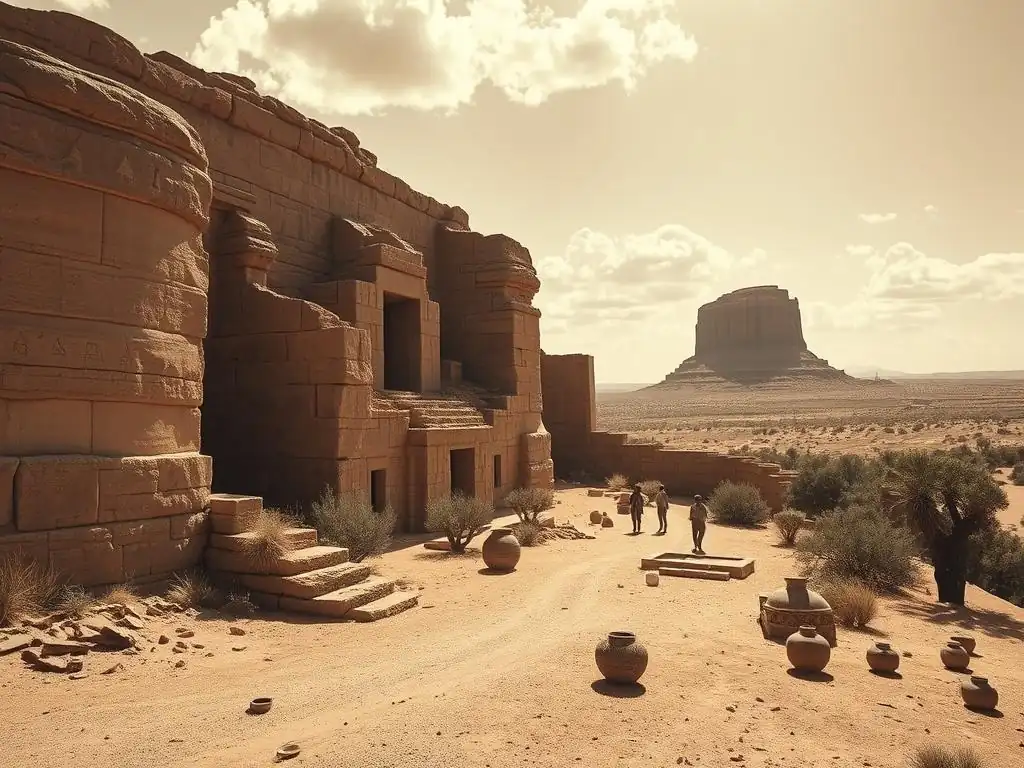
Chaco Canyon is renowned for its impressive architectural achievements, showcasing the ingenuity of the Ancestral Puebloans. The construction techniques employed in the canyon reveal a sophisticated understanding of materials and engineering principles. The use of local sandstone, along with intricate masonry, allowed for the creation of large, multi-storied structures known as Great Houses. These buildings served not only as residences but also as centers for community gatherings and ceremonial activities.
The layout of Chaco Canyon is meticulously planned, with roads connecting various sites, indicating a well-organized societal structure. This extensive road system facilitated trade and communication between Chaco and other communities, extending as far as 60 miles away. The architectural innovations of Chaco Canyon set a precedent for future indigenous structures across the Americas, influencing architectural styles and urban planning.
The Great Houses: Engineering Marvels
The Great Houses of Chaco Canyon are among the most striking examples of preColumbian architectural marvels. These massive stone structures, some reaching five stories high and containing hundreds of rooms, were constructed with remarkable precision. Notable Great Houses include Pueblo Bonito, which covers an area of over 2 acres and features over 600 rooms, and Chetro Ketl, known for its extensive plazas and ceremonial spaces.
The construction of these Great Houses involved advanced engineering techniques, including the use of superb masonry skills and careful planning of structural elements. Walls were built with carefully shaped stones, and the use of wooden beams from distant forests highlights the extensive resource management and trade networks of the Ancestral Puebloans.
The Great Houses not only served practical purposes but also held deep spiritual significance. They were often aligned with celestial phenomena, demonstrating the community's connection to the cosmos. This integration of architecture with astronomy reflects a broader cultural understanding that transcended mere functionality.
Kivas: Spiritual and Social Structures
Kivas are another essential component of Chaco Canyon's architectural landscape, serving as both spiritual and social spaces for the Ancestral Puebloans. These circular, subterranean structures were used for ceremonial purposes, community gatherings, and educational activities. The design of kivas, with their distinct features such as fire pits, ventilation shafts, and benches, reflects a sophisticated understanding of communal needs and environmental considerations.
The spiritual significance of kivas is profound, as they are often associated with religious rituals and the community's cosmological beliefs. The presence of sipapu, a small hole in the floor representing the portal to the spirit world, illustrates the deep symbolism embedded in kiva architecture.
Kivas served as the heart of community life, where social bonds were strengthened, and cultural traditions were passed down through generations. Their architectural form not only highlights the technical prowess of the Ancestral Puebloans but also signifies the importance of shared identity and heritage within these preColumbian societies.
Chaco Canyon stands as a testament to the architectural innovations and cultural significance of the Ancestral Puebloans. Its Great Houses and kivas exemplify the complexity and ingenuity of preColumbian architectural marvels that continue to inspire and educate us about indigenous heritage.
The Role of Chaco Canyon in Trade and Communication
Chaco Canyon, located in northwestern New Mexico, served as a pivotal hub for trade and communication among the Ancestral Puebloan peoples from approximately AD 900 to 1150. Its unique geographical positioning allowed it to thrive as a center of cultural exchange, fostering connections between various communities across the Southwest.
One of the most significant aspects of Chaco Canyon's role in trade was its extensive network of roads that radiated outwards, connecting it to numerous outlying settlements. These roads were meticulously constructed and facilitated the movement of people, goods, and ideas. Archaeological evidence suggests that these routes were not only used for trade but also played a crucial role in the dissemination of cultural practices, religious beliefs, and social interactions among diverse groups.
Goods Traded
Chaco Canyon was known for the exchange of various goods, which included:
- Turquoise: Highly valued for its beauty and rarity, turquoise was often crafted into jewelry and ornaments. The region surrounding Chaco was rich in turquoise resources, making it a significant trading item.
- Pottery: The Chacoans produced distinctive pottery styles that were both functional and artistic. This pottery was traded widely, showcasing intricate designs that reflected the culture and beliefs of the Ancestral Puebloans.
- Textiles: Woven goods, including blankets and clothing made from cotton, were also exchanged. The introduction of cotton cultivation likely boosted trade, as it provided a new material for crafting textiles.
- Foodstuffs: Agricultural products, such as maize, beans, and squash, were not only staples of the Ancestral Puebloan diet but also crucial trade items that facilitated food security across various communities.
Communication Networks
In addition to trade, Chaco Canyon's role as a communication center cannot be overstated. The construction of monumental architecture, such as the Great Houses, served not only as residential and ceremonial spaces but also as venues for gatherings, where people would come together to discuss trade agreements, share news, and strengthen community ties.
The presence of kivas, circular ceremonial rooms, indicates that Chaco Canyon was a place of spiritual significance, where rituals could be performed to solidify alliances and reinforce social cohesion among different tribes. The elaborate petroglyphs and pictographs found throughout the region also suggest that these sites were used to convey stories, mark territorial claims, and communicate important social messages.
Lasting Impact
The influence of Chaco Canyon extended far beyond its immediate vicinity. The trade networks and communication pathways established during its peak left a lasting imprint on the social and economic landscapes of the entire region. Even after the decline of Chaco, the relationships forged and the cultural exchanges initiated during this period continued to shape the interactions of the Ancestral Puebloans and their descendants.
Chaco Canyon was more than just an architectural marvel; it was a vibrant center of trade and communication that played a crucial role in the cultural and economic life of the Ancestral Puebloans. Its legacy continues to be felt today, as it remains a symbol of the ingenuity and resilience of preColumbian societies.
Comparative Analysis: Cahokia vs. Chaco Canyon
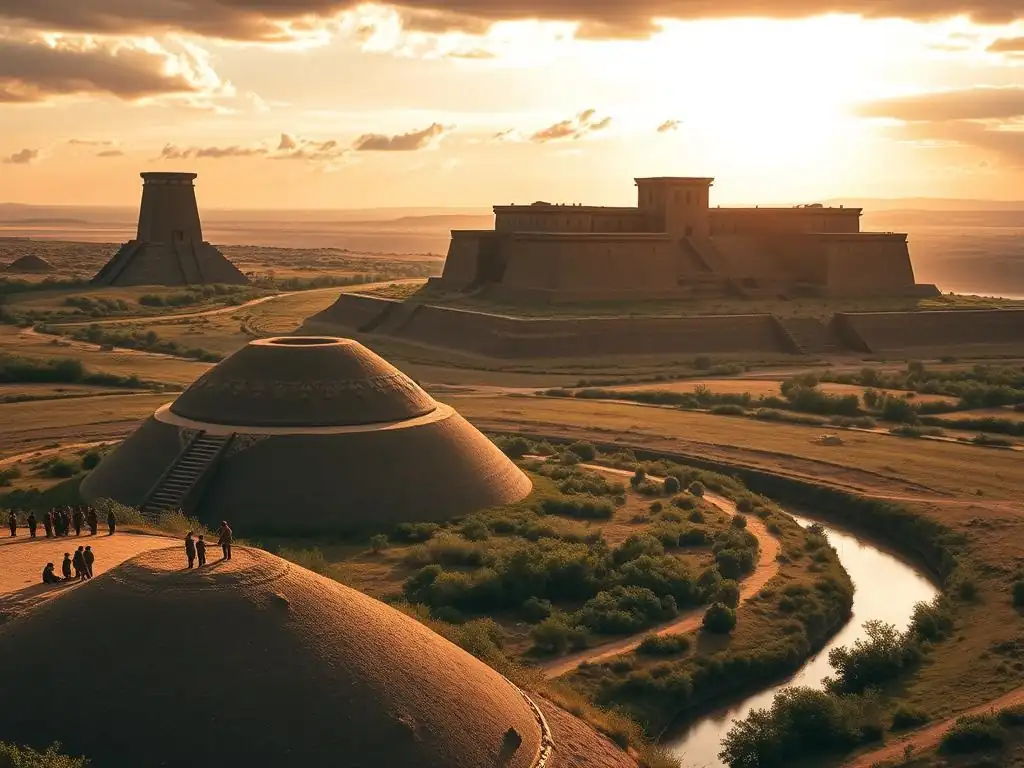
The architectural marvels of preColumbian societies, particularly Cahokia and Chaco Canyon, showcase the ingenuity and cultural depth of indigenous civilizations in the Americas. Both sites represent unique architectural styles, urban planning concepts, and spiritual significance, revealing the diverse expressions of indigenous heritage.
Architectural Styles and Materials Used
Cahokia, located near present-day St. Louis, Missouri, is renowned for its massive earthen mounds, with Monk's Mound being the largest and most prominent. The mounds were built using a combination of clay, dirt, and other natural materials, which were carefully shaped to create platforms for ceremonial purposes and residential areas. The construction techniques involved layering, compacting, and shaping the earth, demonstrating the community's advanced understanding of engineering and labor organization.
In contrast, the architectural style of Chaco Canyon, situated in northwestern New Mexico, is characterized by its stone masonry and intricate pueblo structures. The buildings were constructed using sandstone blocks, which were quarried from nearby cliffs and meticulously shaped. Chacoans employed a technique known as "core and veneer" construction, where a core of smaller stones was covered with larger, flat stones. This method not only provided structural stability but also showcased their artistic skills through detailed masonry.
| Feature | Cahokia | Chaco Canyon |
|---|---|---|
| Primary Material | Earth (clay, dirt) | Sandstone |
| Construction Style | Earthen mounds | Stone masonry |
| Notable Structure | Monk's Mound | Pueblo Bonito |
Urban Planning and Community Organization
Cahokia's urban planning reflects a highly organized society with a grid-like layout of residential areas and ceremonial mounds. The city is believed to have housed up to 20,000 residents at its peak, with a complex system of roads and pathways connecting various districts. This organization facilitated trade, social interaction, and communal activities, indicating a sophisticated understanding of urban design.
In comparison, Chaco Canyon exemplified a different approach to urban organization. The site features a series of large, multi-storied complexes that served as administrative, ceremonial, and residential spaces. The layout of Chaco is oriented towards astronomical events, indicating the significance of celestial observations in their planning. The road systems connecting Chaco to outlying communities further demonstrate the importance of trade and cultural exchange, as goods and ideas flowed between regions.
Cultural and Spiritual Significance of Structures
The structures of Cahokia held profound cultural and spiritual meanings for its inhabitants. The mounds served as sacred spaces for rituals and ceremonies, symbolizing the connection between the earth and the heavens. The largest mound, Monk's Mound, likely functioned as a political and religious center, reinforcing the community's hierarchical structure and spiritual beliefs.
Chaco Canyon, on the other hand, is noted for its astronomical alignments and ceremonial importance. The Great House structures, such as Pueblo Bonito, were not only residential but also served as ceremonial spaces where significant cultural events took place. The alignment of buildings with celestial bodies highlights the Chacoans' deep understanding of astronomy and its integration into their spiritual practices.
Both Cahokia and Chaco Canyon illustrate the rich tapestry of preColumbian architectural marvels, reflecting the unique cultural, spiritual, and social dynamics of their respective societies. Each site, with its distinctive materials and urban planning strategies, contributes to our understanding of indigenous heritage and the lasting impact of these civilizations on the Americas.
The Legacy of PreColumbian Architectural Marvels
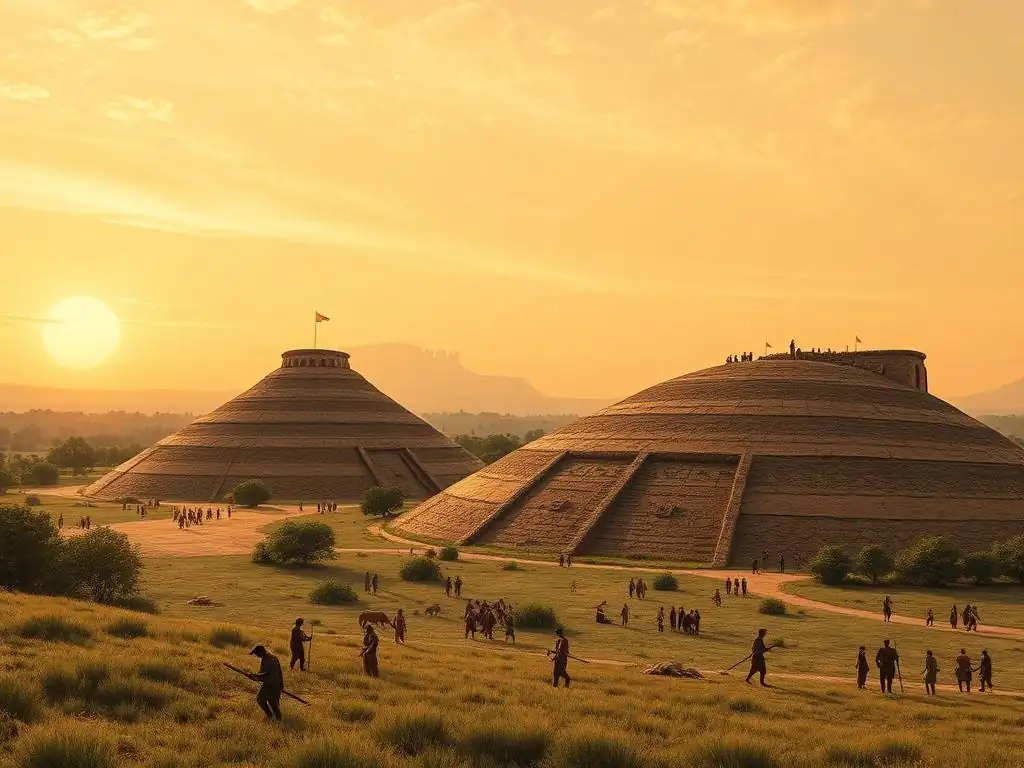
The architectural achievements of preColumbian societies not only reflect their ingenuity and adaptability but also leave a profound legacy that continues to influence contemporary architecture and urban planning. Structures such as the earthen mounds of Cahokia and the intricate stone buildings of Chaco Canyon serve as testaments to the advanced engineering and social organization of these civilizations.
These architectural marvels were designed not just for utility but also for ceremonial purposes, marking significant cultural and religious events. The layout and orientation of these sites often aligned with celestial events, demonstrating a sophisticated understanding of astronomy. These practices underscore a worldview that prioritized harmony with the environment, a principle that modern architects increasingly recognize as essential in sustainable design.
Influence on Modern Architecture and Urban Planning
The principles and designs of preColumbian architectural marvels have found their way into modern urban planning and architecture in several ways:
- Integrated Urban Design:
- The cities of Cahokia and Chaco Canyon were meticulously planned, showcasing a complex understanding of spatial organization. These principles are reflected in modern urban planning practices that emphasize walkability, community spaces, and connectivity.
- Sustainable Practices:
- Indigenous builders utilized local materials and natural resources, creating structures that blended harmoniously with their surroundings. Contemporary architects are inspired by these practices, focusing on sustainable materials and minimizing environmental impact. For instance, the use of adobe and rammed earth in various building projects echoes ancient techniques that effectively moderated temperatures and reduced energy consumption.
- Cultural Significance:
- The cultural narratives embedded in preColumbian architecture are increasingly acknowledged in modern designs. Architects now strive to incorporate cultural symbols and local histories into their work, fostering a sense of identity and continuity.
- Community-Centric Spaces:
- Just as preColumbian societies built communal spaces for gatherings and ceremonies, modern architecture often emphasizes the importance of community hubs. This focus on shared spaces encourages social interaction and strengthens community ties.
Preservation of Indigenous Heritage Sites
Preserving sites like Cahokia and Chaco Canyon is crucial for maintaining the cultural identity and historical significance of indigenous peoples. These sites serve as living museums that provide insights into the sophisticated societies that existed long before European contact. The preservation efforts encompass not only the physical structures but also the stories, traditions, and knowledge that are intertwined with these landscapes.
Efforts to protect these heritage sites include:
- Education and Awareness:
- Programs aimed at educating the public about the history and significance of these sites are essential. Increased awareness can lead to greater appreciation and advocacy for preservation efforts.
- Partnerships with Indigenous Communities:
- Collaborating with indigenous groups ensures that preservation practices honor traditional knowledge and cultural values. This approach fosters a more respectful and holistic stewardship of the sites.
- Legislative Protection:
- Implementing policies and laws that protect these sites from commercial exploitation and environmental degradation is vital. This legal framework helps safeguard the integrity of the sites for future generations.
Importance of Protecting Cahokia and Chaco Canyon
Cahokia and Chaco Canyon are not merely ruins; they are vital links to understanding the rich tapestry of indigenous history in the Americas. Protecting these sites is important for several reasons:
- Cultural Heritage:
- These sites are integral to the cultural heritage of indigenous peoples. They embody centuries of history, spirituality, and community life, offering invaluable lessons and insights into their civilizations.
- Historical Research:
- Preserving Cahokia and Chaco Canyon provides ongoing opportunities for archaeological research and exploration. These studies contribute to a deeper understanding of preColumbian societies, their achievements, and their legacies.
- Tourism and Education:
- Well-preserved sites attract tourists and scholars alike, generating economic benefits for surrounding communities while fostering educational experiences that promote respect for indigenous cultures.
- Environmental Stewardship:
- Maintaining these sites also involves caring for the surrounding ecosystems, highlighting the interconnectedness of cultural and environmental preservation. This stewardship is essential for sustaining both natural and cultural heritage.
The legacy of preColumbian architectural marvels is not only a vital part of our shared history but also a source of inspiration for modern society. Their preservation ensures that future generations can appreciate and learn from the incredible achievements of indigenous cultures in the Americas.
Educational and Cultural Tourism Opportunities
The legacy of preColumbian architectural marvels not only enriches our understanding of indigenous societies but also provides unique opportunities for educational and cultural tourism. Many historical sites, ranging from the sprawling mounds of Cahokia to the intricate structures of Chaco Canyon, have become vital destinations for visitors eager to learn about the sophisticated civilizations that once flourished in the Americas.
Engaging Visitors with History
Tourism centered around preColumbian sites offers visitors a chance to engage directly with history. Guided tours, interactive exhibits, and well-preserved ruins allow tourists to immerse themselves in the architectural achievements and cultural practices of various indigenous groups. For instance, tours at Cahokia include knowledgeable guides who explain the significance of the site's mounds and their connection to the Mississippian culture. This hands-on experience fosters a deeper appreciation for the ingenuity and complexity of these ancient societies.
Educational Programs and Partnerships
Many heritage sites have developed educational programs aimed at schools, universities, and community organizations. These programs often include workshops, lectures, and field trips that highlight the architectural techniques and cultural practices of preColumbian peoples. Additionally, partnerships between indigenous communities and educational institutions promote the sharing of knowledge and the preservation of cultural heritage. For example, programs at Mesa Verde National Park focus on the Ancestral Puebloans’ dwellings and provide insights into their sustainable living practices.
Economic Impact and Community Involvement
Cultural tourism centered on preColumbian architectural marvels also has significant economic implications. By attracting visitors, these sites stimulate local economies through job creation and increased revenue from tourism-related activities. Furthermore, involving local indigenous communities in tourism initiatives ensures that they benefit directly from the preservation and interpretation of their heritage. This collaboration not only supports cultural sustainability but also empowers communities to share their stories and traditions with a wider audience.
Promoting Environmental Awareness
Many preColumbian sites are set in ecologically sensitive areas, and their preservation encourages sustainable tourism practices. Visitors are often educated about the environmental stewardship exhibited by indigenous cultures, emphasizing the importance of maintaining a balance between human activities and nature. This focus on sustainability aligns with contemporary values, making these heritage sites relevant in today's discussions about conservation and ecological responsibility.
Conclusion
The educational and cultural tourism opportunities presented by preColumbian architectural marvels create a rich tapestry of learning and engagement. By exploring these sites, visitors not only gain insight into the remarkable achievements of indigenous civilizations but also contribute to their preservation and continued relevance in the modern world. As we foster a greater understanding of these cultural legacies, we pave the way for future generations to appreciate and learn from the rich history of the Americas.
Conclusion: The Enduring Impact of PreColumbian Architecture
The architectural marvels of preColumbian societies serve as a testament to the innovative spirit and cultural richness of Indigenous civilizations across the Americas. These structures were not mere edifices; they were integral to the social, political, and spiritual lives of the communities that built them. From the monumental earthworks of Cahokia to the intricate stone dwellings of Chaco Canyon, these sites encapsulate the ingenuity and adaptability of Indigenous peoples in response to their environments.
As we reflect on these achievements, it's essential to recognize how preColumbian architecture not only reflects the technological advancements of the time but also the deep connections these societies had with their land, resources, and each other. The careful planning, alignment with celestial bodies, and use of local materials demonstrate a profound understanding of their surroundings and a commitment to creating spaces that fostered community and continuity.
Reflection on Indigenous Civilizations' Achievements
The architectural feats of preColumbian societies are remarkable for several reasons:
- Engineering and Urban Planning: The layout of cities like Cahokia showcases advanced urban planning, with organized streets, plazas, and complex drainage systems that highlight an understanding of engineering principles.
- Cultural Significance: Many structures served ceremonial purposes and were central to the spiritual lives of the inhabitants. For instance, the kivas of the Ancestral Puebloans were not only architectural innovations but also sacred spaces for rituals and community gatherings.
- Adaptation to Environment: Indigenous architects designed buildings that harmonized with their environments, utilizing local materials and adapting to climatic conditions, which speaks to their resilience and ingenuity.
These achievements have left an indelible mark on our understanding of human creativity and adaptability. Each site tells a story of cultural identity, historical significance, and the profound relationship between people and place.
Encouragement to Explore Local Indigenous Heritage Sites
To fully appreciate the richness of preColumbian architectural marvels, we encourage readers to explore local Indigenous heritage sites. Engaging with these places allows for a deeper understanding of the societies that created them and the legacies they left behind. Here are a few ways to embark on this journey:
- Visit Archaeological Sites: Many regions have preserved archaeological sites where you can experience the grandeur of preColumbian architecture firsthand. Guided tours often provide insights into the history and significance of these locations.
- Attend Cultural Events: Participating in local Indigenous events can offer opportunities to learn from Indigenous peoples and their traditions. These gatherings often highlight the ongoing relevance of preColumbian architecture and culture.
- Support Indigenous Communities: Engaging with Indigenous artisans and businesses helps preserve their cultural heritage. Consider purchasing handmade crafts or supporting local initiatives that promote Indigenous history and arts.
By exploring these sites and engaging with Indigenous cultures, we honor the achievements of preColumbian societies and contribute to the preservation of their legacy for future generations. 🌎
Frequently Asked Questions
What are preColumbian architectural marvels?
PreColumbian architectural marvels refer to the remarkable structures and urban designs created by indigenous civilizations in the Americas before European contact, showcasing their advanced engineering and cultural significance.
Which societies are highlighted in the article?
The article focuses on significant preColumbian societies such as the Cahokia in present-day Illinois and the Chaco Canyon civilization in New Mexico, illustrating their unique architectural styles and societal achievements.
What are some examples of these architectural achievements?
Examples include the mound complexes of Cahokia and the great houses of Chaco Canyon, both of which illustrate the sophistication and planning of these ancient civilizations.
How did these societies influence later cultures?
The architectural innovations and urban planning of preColumbian societies laid the groundwork for future cultural developments and continue to influence modern architecture and urban design in the Americas.
Why is it important to study these civilizations?
Studying these indigenous cultures helps us understand their rich histories, achievements, and the lasting impact they have had on contemporary society, promoting appreciation for their contributions to human civilization.
Final Reflection: The Enduring Legacy of PreColumbian Architectural Marvels
The architectural achievements of preColumbian societies are not just relics of the past; they are a testament to human ingenuity and resilience that resonate profoundly in today's world. As we stand amidst the ruins of Cahokia and Chaco Canyon, we are reminded that these magnificent structures were not merely functional; they were expressions of culture, community, and a deep connection to the land. The lessons embedded in these architectural marvels continue to inspire contemporary discussions about sustainability, urban planning, and cultural identity.
The influence of preColumbian architecture extends beyond historical appreciation; it shapes our understanding of community and environmental stewardship. The intricate designs and sophisticated engineering of these ancient societies challenge us to rethink our modern approaches to construction and urban development. As we reflect on their legacy, we can draw inspiration from the words of architect and historian David Gebhard: Architecture is a mirror of society, reflecting its values, aspirations, and challenges.
This insight encourages us to consider how our built environments today can reflect our commitment to sustainability and cultural heritage.
As we conclude this exploration of preColumbian architectural marvels, I invite you to reflect on how these ancient achievements can inform your own life and community. Consider the values of innovation, respect for nature, and cultural expression that these societies embodied. How can you incorporate these principles into your daily actions or community projects? Let the legacy of Cahokia and Chaco Canyon inspire you to create spaces that honor both our past and our future, fostering connections that transcend time and place.
Uncover the Legacy of Pre-Columbian Architecture!
Thank you for diving into the magnificent world of pre-Columbian societies with us! You’ve explored the architectural wonders of Cahokia and Chaco Canyon, gaining valuable insights into their cultural significance. Now it’s time to take the next step and deepen your connection to these incredible civilizations.
Here’s how you can engage further:
- Join our community: Connect with fellow history enthusiasts by signing up for our newsletter to receive exclusive content and updates on Indigenous civilizations.
- Visit a local museum: Discover artifacts and exhibits from pre-Columbian cultures, which bring to life the stories behind their architectural marvels.
- Share your thoughts: Start a conversation by commenting below on your favorite discovery from the article or any questions you have about pre-Columbian architecture.
What insights or newfound curiosities do you have about how these ancient societies shaped their environments?