
Engaging with Indigenous Art and Crafts: Incorporating Local Experiences into Your Tour

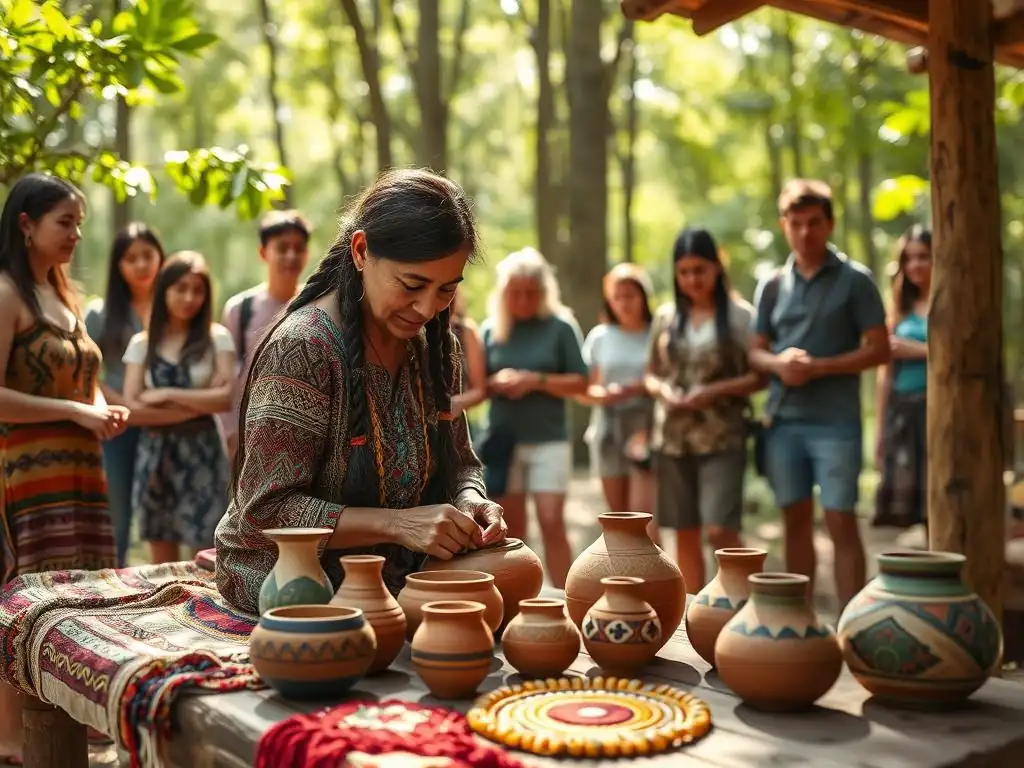
Welcome to Indigenous Civilizations of the Americas, where we invite you to embark on a journey through the rich tapestry of indigenous cultures that flourished long before the arrival of European settlers. Our focus today is on the captivating world of indigenous art and crafts experiences—a vibrant reflection of the creativity and innovation that these societies have cultivated over centuries. Ready to dive deeper into the stories behind these unique artistic expressions?
Discover how you can incorporate local experiences into your tour and gain a profound appreciation for the legacies that continue to shape our world today. Explore further, and let the journey begin!
- Introduction to Indigenous Art and Crafts Experiences
- Why Engage with Indigenous Art and Crafts on Your Tour?
- Planning Your Indigenous Art and Crafts Experience
- Types of Indigenous Art and Crafts Experiences Available
- Engaging with Local Communities During Your Tour
- Recommendations for Immersive Indigenous Art Experiences
- Ethical Considerations When Engaging with Indigenous Art
- Conclusion: Enriching Your Journey Through Indigenous Art and Crafts
-
Frequently Asked Questions
- What types of indigenous art and crafts can I experience on tours?
- How can I ensure my tour supports indigenous communities?
- Are there opportunities for hands-on craft experiences in these tours?
- What should I know about the cultural significance of indigenous art?
- How can participating in these experiences benefit my understanding of indigenous cultures?
- Final Reflection: Embracing Indigenous Art and Crafts Experiences
- Unveil the Beauty of Indigenous Art Today!
Introduction to Indigenous Art and Crafts Experiences
Engaging with indigenous art and crafts is a unique and enriching way to explore the profound cultural heritage of the Americas. This article delves into the significance of these artistic expressions, highlighting how they provide insight into the diverse societies that flourished before European colonization. By participating in indigenous art and crafts experiences, travelers can foster a deeper understanding and appreciation of the intricate traditions, skills, and stories that define these vibrant cultures. Such experiences not only enhance your journey but also support the preservation of indigenous heritage and the livelihoods of local artisans.
Understanding the Importance of Indigenous Art
Indigenous art is more than just visual expression; it serves as a vital form of communication, storytelling, and cultural identity. Each piece reflects the values, beliefs, and histories of the communities from which it originates. For instance, many indigenous artworks are imbued with spiritual significance or are created for ceremonial purposes, illustrating the deep connection between the creators and their environment.
Engaging with indigenous art offers several benefits:
- Cultural Education: Visitors gain firsthand knowledge about the traditions and histories of indigenous peoples, moving beyond stereotypes and misconceptions.
- Economic Support: Purchasing art and crafts from local artisans directly contributes to the economic sustainability of these communities, allowing them to continue their practices.
- Personal Connection: Participating in art-making workshops or tours fosters a more personal connection with the culture, as travelers learn techniques and stories from the artists themselves.
Through these experiences, travelers not only witness the beauty of indigenous art but also participate in a meaningful exchange that honors the creators and their cultural narratives.
Overview of Indigenous Crafts Across Different Cultures
Indigenous crafts encompass a wide range of artistic expressions, each unique to the cultural and environmental contexts of the various tribes and communities across the Americas. Here are a few notable examples:
- Pottery: Many indigenous groups, such as the Pueblo peoples of the Southwest United States, are renowned for their intricate pottery. These works often feature traditional designs and are made using techniques passed down through generations.
- Textiles: From the vibrant weavings of the Andean cultures in South America to the intricate beadwork of the Great Lakes tribes in North America, textiles play a crucial role in indigenous identity. Each piece tells a story, often incorporating symbols that hold deep meaning.
- Woodcarving: In regions like the Pacific Northwest, indigenous woodcarving is both an art form and a way to connect with the natural world. Totem poles, masks, and other carvings not only showcase artistic talent but also convey ancestral stories and cultural beliefs.
- Jewelry: Indigenous jewelry often utilizes materials like silver, turquoise, and shells, with designs that reflect the spiritual and cultural significance of the items. The Navajo, in particular, are famous for their silverwork, which has gained international recognition.
Each of these crafts provides insight into the lifestyle, values, and traditions of the respective cultures, making them an essential part of any authentic tour focused on indigenous insights. Engaging with these crafts allows for a richer understanding of the history and contemporary issues facing indigenous communities today.
Why Engage with Indigenous Art and Crafts on Your Tour?
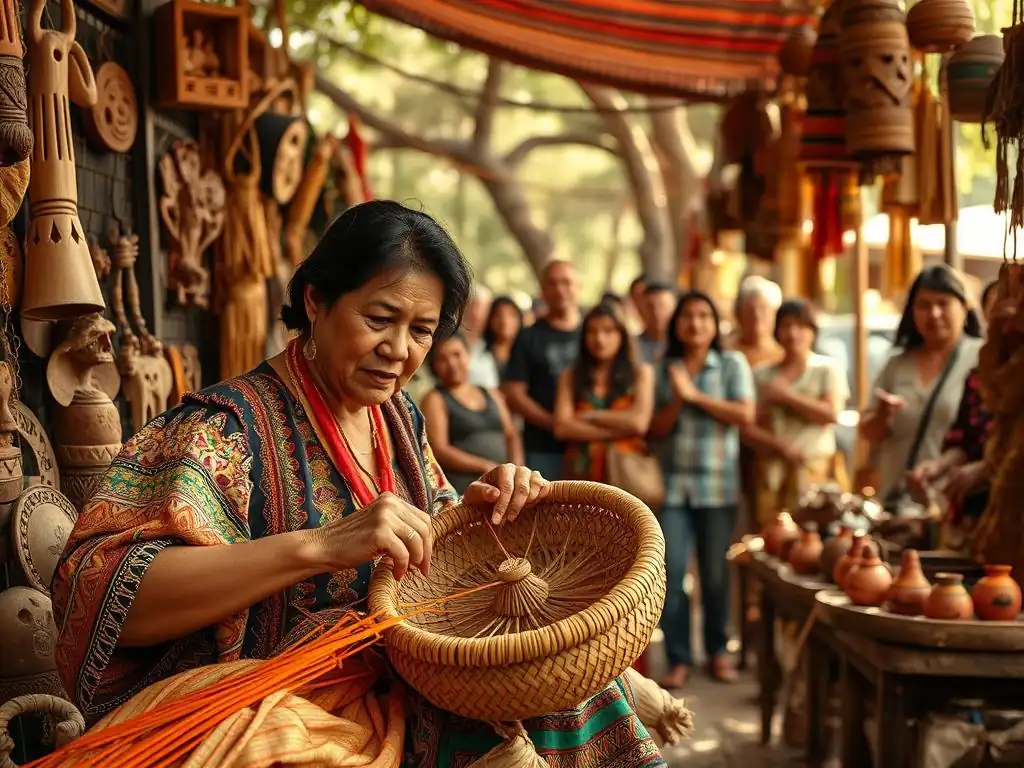
Engaging with indigenous art and crafts during your travels is not merely an aesthetic choice; it is a profound opportunity to connect with the rich histories, traditions, and values of indigenous cultures. These artistic expressions serve as a gateway to understanding the worldviews and experiences of the communities that created them. By incorporating local art and crafts into your tour, you not only enrich your travel experience but also contribute to the preservation of these cultures.
The Significance of Authentic Experiences in Cultural Tourism
Authentic experiences in cultural tourism are those that allow travelers to immerse themselves in the unique practices and traditions of a community. Engaging with indigenous art and crafts highlights several key aspects:
- Cultural Heritage: Indigenous art is often deeply rooted in the cultural heritage of a community. It embodies stories, beliefs, and practices passed down through generations. This connection allows visitors to gain insight into the societal values and historical contexts of the artisans.
- Skill and Craftsmanship: Many indigenous artisans possess skills that have been honed over centuries. Whether it's weaving, pottery, painting, or beadwork, these crafts reflect not only artistic talent but also an understanding of materials and techniques unique to their environment. Observing the meticulous processes involved in indigenous crafts can deepen appreciation for the artistry and labor that goes into each piece.
- Storytelling and Meaning: Each piece of indigenous art often carries a story or symbolism that reflects the community's identity. Understanding these narratives can enhance your experience, as it transforms simple art viewing into an educational journey. Engaging with artisans can provide personal narratives that bring life to the artwork.
- Sustainable Practices: Many indigenous communities emphasize sustainable practices in their art and crafts. By supporting these artisans, travelers promote environmental stewardship and sustainable tourism practices, which align with a growing desire for responsible travel experiences.
Benefits of Supporting Indigenous Artists and Artisans
Incorporating indigenous art and crafts into your travel experience provides numerous benefits, not only for the traveler but also for the indigenous communities involved:
- Economic Empowerment: Purchasing art and crafts directly from indigenous artisans supports their livelihoods and helps sustain their communities. This economic empowerment can foster growth and development while allowing traditional practices to continue.
- Cultural Preservation: Supporting indigenous art forms helps to preserve cultural practices that may be at risk of fading. As demand for authentic cultural experiences increases, artisans can maintain their traditions and pass them on to future generations.
- Enhancing Visitor Understanding: Engaging with artists and learning about their work can lead to a richer understanding of the culture and history behind the art. This personal connection fosters respect and appreciation for the indigenous perspectives.
- Building Relationships: Supporting indigenous artists creates opportunities for meaningful interactions. These relationships can bridge cultural gaps, fostering mutual respect and understanding between travelers and indigenous communities.
Engaging with indigenous art and crafts during your travel enriches your journey while providing essential support to the artisans who keep their cultural heritage alive. By prioritizing authentic experiences, travelers can foster deeper connections and contribute to the sustainability of indigenous cultures.
Planning Your Indigenous Art and Crafts Experience
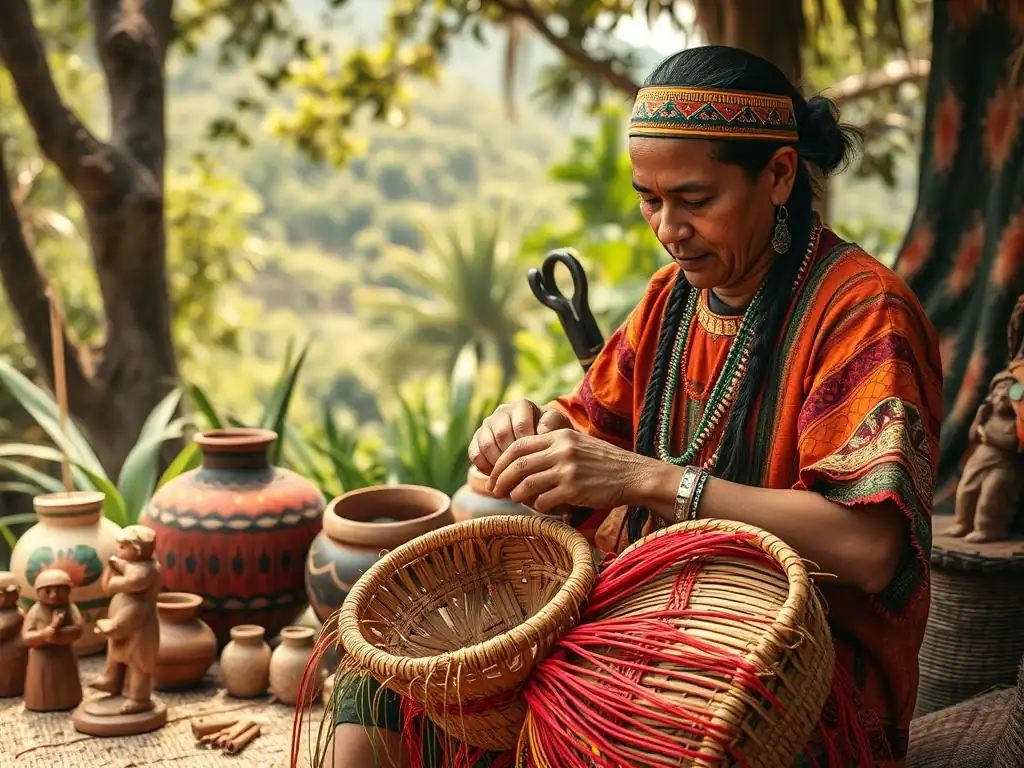
Key Factors to Consider When Choosing Tours
When planning your indigenous art and crafts experiences, it's essential to consider several key factors that ensure your tour is enriching, respectful, and genuinely reflective of the cultures involved. Here are the primary elements to take into account:
Local Partnerships and Authenticity
One of the most critical aspects of an authentic indigenous art and crafts experience is the involvement of local artisans and communities. Tours that are organized in collaboration with indigenous groups tend to provide deeper insights and more meaningful interactions. Look for tours that feature:
- Direct Engagement: Opportunities to meet local artists, learn about their techniques, and understand the cultural significance of their work.
- Community-Based Tours: Programs that are designed and operated by indigenous communities can often offer more authentic experiences than mainstream tourism companies.
- Sustainable Practices: Ensuring that your participation benefits the local economy and respects traditional practices is vital. Seek tours that promote ethical tourism.
Cultural Sensitivity and Respect
Cultural sensitivity is paramount when engaging with indigenous cultures. You should approach your experience with an open mind and a willingness to learn. Consider the following:
- Educate Yourself: Before your tour, take time to learn about the specific cultures, histories, and contemporary issues facing the communities you will visit.
- Respect Traditions: Be mindful of local customs, beliefs, and practices. Some art forms may have spiritual significance and should be approached with reverence.
- Avoid Appropriation: Understand the difference between appreciation and appropriation. Support indigenous artists by purchasing their work directly and avoiding mass-produced items that exploit their culture.
Recommended Tours for Indigenous Art Experiences
To ensure a rich and engaging experience, here are some recommended tours that focus on indigenous art and crafts:
Southwest Native American Art Tours: Exploring the Rich Heritage of the Southwest
The Southwest region of the United States is famous for its diverse indigenous cultures, including the Navajo, Hopi, and Pueblo peoples. Tours in this area often include:
- Gallery Visits: Explore local galleries showcasing traditional pottery, weaving, and jewelry created by indigenous artists.
- Workshops: Participate in hands-on workshops where you can learn traditional techniques such as pottery making or weaving from skilled artisans.
- Cultural Narratives: Enjoy storytelling sessions that provide insight into the historical and cultural significance of the artworks.
Crafting with Indigenous Artisans in Canada: Hands-On Experiences in First Nations Communities
In Canada, numerous indigenous communities offer immersive crafting experiences that highlight their artistic traditions. These tours often feature:
- Artisan-Led Workshops: Engage with local artisans to learn about traditional crafts such as beadwork, carving, and textile arts.
- Cultural Exchange: Gain firsthand knowledge of the stories and meanings behind the art forms, fostering an appreciation for the skills and heritage involved.
- Community Events: Participate in local festivals or markets where you can witness the vibrant expressions of indigenous culture and purchase authentic crafts.
Engaging with indigenous art and crafts experiences is not just about the activities; it is about understanding and appreciating the rich cultural heritage of the communities you visit. By choosing authentic tours that prioritize local partnerships and cultural sensitivity, you can contribute to preserving and celebrating these diverse traditions.
Types of Indigenous Art and Crafts Experiences Available
Indigenous art and crafts experiences offer a unique opportunity to engage with the rich cultural heritage of the Americas. These experiences can take many forms, showcasing the diverse techniques, materials, and traditions of indigenous communities. From visual arts that convey stories and spirituality to functional crafts that serve practical purposes, each experience invites participants to appreciate and learn about the artistry and cultural significance behind these creations. Below, we explore two primary categories of indigenous art and crafts experiences that travelers can incorporate into their tours.
Visual Arts: Painting, Sculpture, and Weaving
Highlighting Traditional Techniques and Styles
Visual arts among indigenous communities encompass a wide range of mediums, including painting, sculpture, and weaving. Each discipline employs distinctive techniques passed down through generations, reflecting the community's identity and worldview.
- Painting: Many indigenous artists utilize natural pigments derived from minerals, plants, and other organic materials. Techniques such as fresco and encaustic painting are common, often featuring motifs that symbolize cultural beliefs and historical narratives. For instance, the Navajo Nation is renowned for its sand painting, which is used in healing ceremonies and often depicts intricate designs that tell stories of creation and spirituality.
- Sculpture: Sculpture in indigenous cultures can vary from intricate totems of the Pacific Northwest to the clay figurines of the Pueblo peoples. Artists often use materials like wood, stone, or clay, with each piece representing not only artistic skill but also spiritual dimensions. The symbolism embedded in these works serves as a connection to ancestral spirits and cultural practices.
- Weaving: Weaving is a prominent art form, particularly among indigenous women. Techniques such as backstrap weaving are common in Mesoamerican cultures, where artisans create vibrant textiles that serve both functional and ceremonial purposes. The patterns often convey stories, social status, and community identity, making each woven piece a narrative in itself.
Engaging in workshops or guided tours where visitors can observe or participate in these artistic processes allows for a deeper understanding of the techniques and the philosophies that drive their creation.
Functional Crafts: Pottery, Textiles, and Jewelry
Understanding the Cultural Significance of Each Craft
Functional crafts are integral to the daily lives of indigenous peoples, combining utility with artistry. Pottery, textiles, and jewelry not only serve practical purposes but also embody significant cultural narratives.
- Pottery: Indigenous pottery is celebrated for its functionality and aesthetic appeal. Techniques such as coiling and slab construction are used, often incorporating natural clay and mineral-based glazes. The designs etched onto pottery often tell stories of the community's history or represent elements of nature. For example, the Zuni Pueblo is known for its intricate, hand-painted pottery that features traditional symbols and motifs.
- Textiles: In addition to their visual appeal, textiles carry immense cultural significance. Many indigenous textiles are crafted using traditional methods, such as loom weaving or finger weaving. The colors and patterns chosen often signify different meanings, from social status to cultural narratives. For example, the vibrant textiles of the Quechua people of the Andes often depict local flora and fauna, symbolizing their connection to the land.
- Jewelry: Jewelry making is another vital craft, often using materials like silver, turquoise, and shells. Each piece is not only an adornment but also tells a story about the identity and beliefs of the maker. The artistry involved in creating intricate designs often reflects the natural surroundings and cultural heritage of the community. The Hopi and Navajo peoples are particularly known for their silverwork and beadwork, which are steeped in tradition and symbolism.
Participating in hands-on workshops allows visitors to appreciate the skill and dedication required in these crafts while understanding their cultural significance. Engaging with artisans provides insights into the meanings behind the designs and the importance of preserving these traditional practices.
By incorporating these indigenous art and crafts experiences into your tour, you not only gain a deeper appreciation for the artistic heritage of indigenous peoples but also contribute to the sustainability of these vital cultural expressions.
Performance Arts: Dance, Music, and Storytelling
Indigenous performance arts form a vital part of the cultural fabric within many Indigenous communities across the Americas. These art forms serve not only as entertainment but also as a means of preserving and transmitting cultural values, histories, and worldviews. Dance, music, and storytelling are deeply intertwined, often reflecting the community's connection to nature, spirituality, and social structures.
Dance is a dynamic expression of identity, with each movement often signifying stories, rituals, or significant historical events. For instance, the powwow dances of Native American tribes involve intricate movements accompanied by traditional music, showcasing both individual and collective cultural pride. Similarly, many Indigenous groups use dance in ceremonial contexts, marking important life events or seasonal changes, thus reinforcing social bonds within the community.
Music plays a complementary role in performance arts, with traditional instruments such as drums, flutes, and rattles being integral to many Indigenous cultures. The soundscapes created through these instruments convey emotions, tell stories, and invoke spiritual connections. In particular, the rhythmic patterns of drumming are often seen as a heartbeat of the community, linking participants to their ancestors and the earth.
Storytelling, whether through spoken word or song, serves as a method of passing down knowledge and values from one generation to the next. Indigenous narratives often incorporate lessons about respect for nature, community cooperation, and the importance of heritage. These stories are frequently performed in a communal setting, encouraging audience participation and engagement, allowing listeners to connect with their cultural roots.
Engaging with Living Traditions and Oral Histories
To truly appreciate Indigenous art and crafts experiences, engaging with living traditions and oral histories is essential. This means stepping into the shoes of the Indigenous people, experiencing their art forms firsthand, and understanding the meanings behind them. Such engagement fosters a deeper respect for the art and the cultures from which they originate.
Participating in workshops led by Indigenous artists can offer invaluable insights into the techniques and materials used in traditional crafts, such as pottery, weaving, and beadwork. These sessions often emphasize the importance of sustainability and the ethical sourcing of materials, highlighting a profound respect for the environment that is characteristic of many Indigenous philosophies.
Oral histories are equally important in this context. By listening to Indigenous elders and storytellers, visitors can gain insight into the cultural significance of various art forms and the stories they convey. These narratives often illuminate the historical struggles and triumphs of Indigenous communities, providing a richer understanding of their resilience and ongoing cultural practices.
Furthermore, engaging with living traditions can also involve participation in community events or festivals where art, dance, and music are celebrated. Such experiences not only enhance the visitor's understanding but also contribute to the vitality of the culture, ensuring that these traditions continue to thrive and evolve.
Incorporating these local experiences into your tour can create a meaningful and transformative journey, allowing for a genuine connection to Indigenous cultures and their remarkable artistic expressions. By embracing the richness of these traditions, travelers can support Indigenous communities while gaining a deeper appreciation for their art and crafts.
Engaging with Local Communities During Your Tour
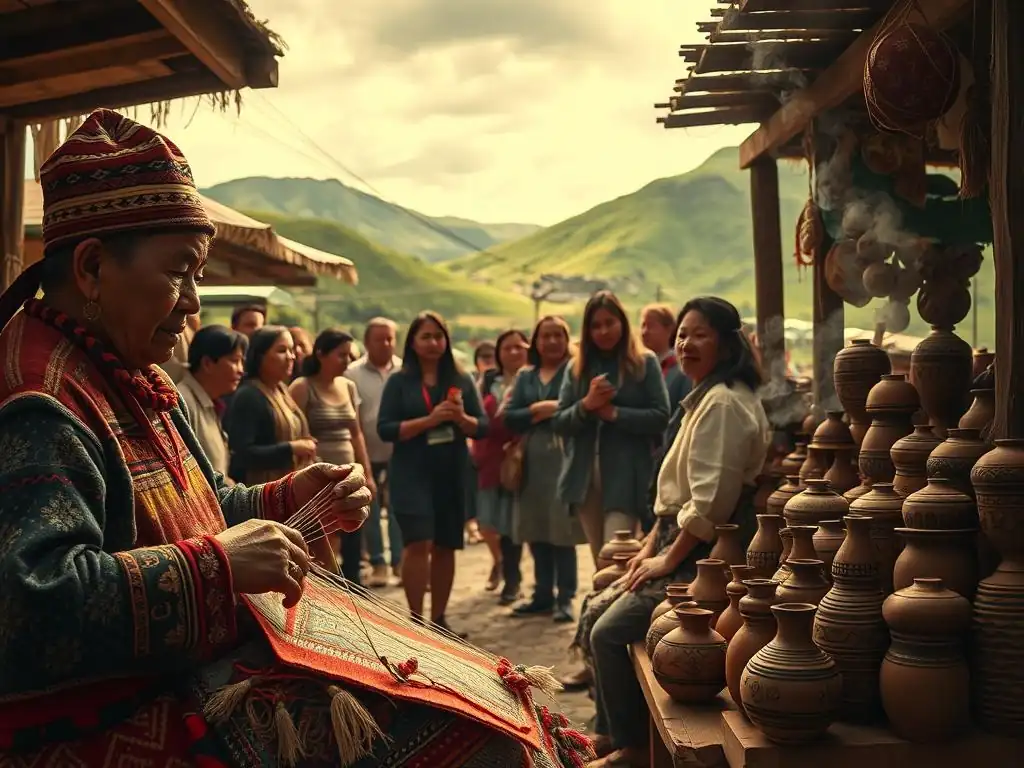
Engaging with local communities is a vital aspect of experiencing indigenous art and crafts. This engagement fosters a deeper understanding of the cultural contexts that shape these artistic expressions. When travelers participate in community-driven activities, they not only enhance their own experiences but also contribute positively to the lives of indigenous artisans.
Building Relationships with Indigenous Artists
Building meaningful relationships with indigenous artists requires a commitment to respect, understanding, and reciprocity. Engaging directly with artists allows visitors to gain insights into the cultural significance of their work and the stories behind each piece. This connection often leads to:
- Personal Narratives: Artists share personal stories that enrich the understanding of their work.
- Cultural Context: Visitors learn about the historical and social contexts that influence indigenous art.
- Support for Local Economies: Purchasing art directly from artists ensures that funds go back into the community.
Establishing these relationships can be transformative for both the artist and the visitor. When tourists approach indigenous art with curiosity and respect, it transforms mere observation into authentic engagement.
Participatory Workshops and Hands-On Experiences
Participatory workshops are an exceptional way to immerse oneself in indigenous art and crafts. These experiences provide an opportunity to learn traditional techniques directly from the artists, adding layers to your understanding of their craft. Here are some types of workshops you might encounter:
- Pottery Making: Participants can learn traditional pottery techniques, often using local clay and methods passed down through generations.
- Weaving: Workshops led by skilled weavers can teach the intricate patterns and stories embedded in their textiles.
- Beadwork: Engaging in beadwork sessions allows visitors to create their own pieces while understanding the symbolism behind the designs.
Such workshops not only enhance the travel experience but also help preserve these traditions by passing them on to a new generation of enthusiasts.
The Role of Cultural Centers and Galleries
Cultural centers and galleries serve as crucial platforms for promoting indigenous art and crafts. They provide spaces where artists can showcase their work, engage with the public, and educate visitors about their heritage. These institutions often host events that include:
- Exhibitions: Showcasing a range of artworks, from traditional to contemporary pieces.
- Talks and Lectures: Artists and historians often conduct discussions that delve into the meanings behind specific art forms.
- Community Events: Festivals and gatherings that celebrate indigenous culture often feature local artists and craftspeople.
Engaging with cultural centers not only enriches your understanding of indigenous art but also supports the sustainability of these vital cultural expressions.
The Indian Community School of Milwaukee: A Hub for Indigenous Creativity
The Indian Community School of Milwaukee stands out as a notable hub for indigenous creativity. This school emphasizes the importance of cultural education and community engagement, making it a vital part of the local indigenous landscape. Here’s how the school fosters creativity:
- Art Programs: The curriculum includes various art programs that highlight indigenous art forms, helping students connect with their heritage.
- Community Engagement: The school often collaborates with local artists to host workshops and exhibitions, bridging gaps between students and the broader artistic community.
- Cultural Celebrations: Events celebrating indigenous culture allow students and community members to showcase their talents, fostering a sense of pride and belonging.
By visiting such institutions, tourists can witness the vibrant intersection of education and creativity, contributing to a deeper appreciation of indigenous art and crafts experiences.
Engaging with local communities through art and crafts enriches any travel experience, allowing for authentic insights into the lives and stories of indigenous peoples.
Recommendations for Immersive Indigenous Art Experiences
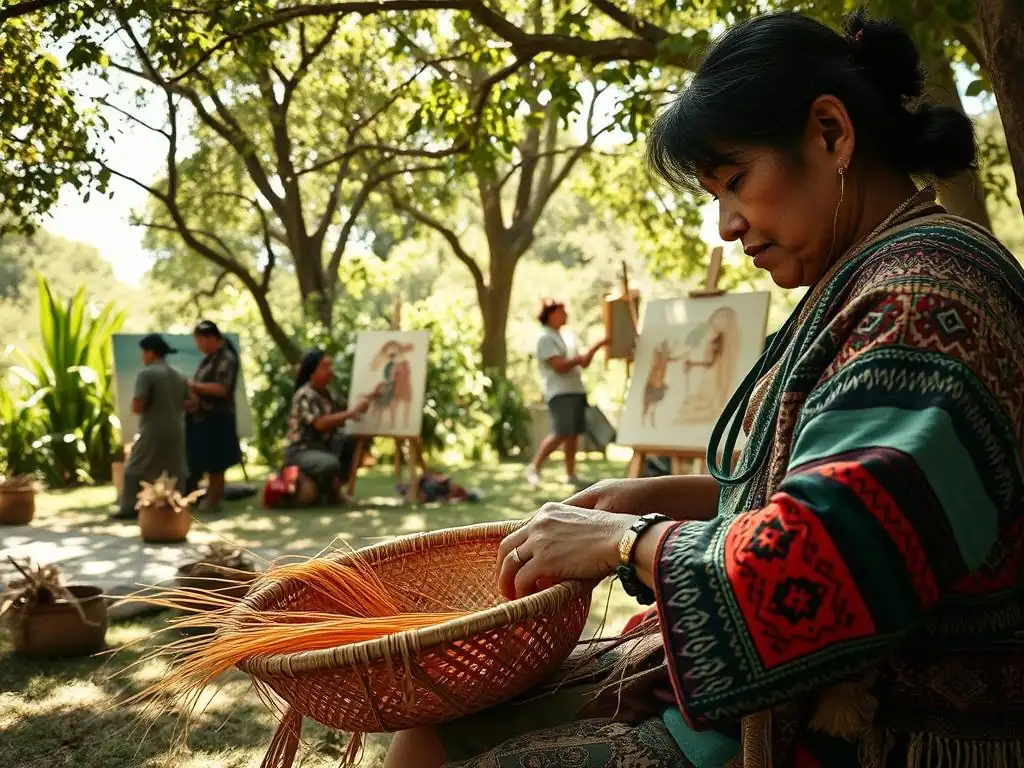
Engaging with indigenous art and crafts experiences provides a unique opportunity to not only appreciate the beauty of these traditions but also to foster a deeper understanding of the cultures from which they originate. Here are some notable workshops and events that invite you to step into the world of indigenous artistry.
Top Workshops for Hands-On Crafting
Participating in hands-on workshops allows visitors to learn directly from indigenous artisans, gaining insights into the cultural significance and techniques behind traditional crafts.
Traditional Weaving Techniques Workshop: Learn from Expert Weavers
In this workshop, participants have the chance to learn traditional weaving techniques from skilled indigenous weavers. The session typically covers:
- Materials Used: Participants will familiarize themselves with natural fibers, such as cotton and wool, often dyed with plant-based colors.
- Techniques: Expert instructors guide participants through various methods, including tapestry, loom weaving, and free-form techniques.
- Cultural Context: As you weave, artisans share stories and histories that explain the significance of patterns and designs, reflecting their cultural heritage.
This immersive experience not only enhances your crafting skills but also deepens your appreciation for the artistry involved in indigenous weaving traditions.
Pottery Making with Indigenous Potters: A Hands-On Experience in Clay
Pottery making workshops offer a tactile and engaging way to connect with indigenous cultures. During these sessions, participants can expect:
- Clay Sourcing: Learn about the various types of clay used by indigenous potters, often sourced from local environments.
- Forming Techniques: Instructors demonstrate traditional methods such as coiling and slab building, allowing participants to create their own pottery pieces.
- Firing and Finishing: Discover the firing techniques that have been passed down through generations, including pit firing and the use of natural glazes.
This hands-on experience not only results in a unique piece of art but also provides insight into the communal and spiritual significance of pottery in indigenous cultures.
Art Exhibitions and Festivals Celebrating Indigenous Cultures
Attending art exhibitions and festivals is an excellent way to immerse yourself in the vibrant world of indigenous art and crafts. These events often showcase a variety of artistic expressions and provide opportunities to interact with artists.
The Annual Indigenous Art Festival in Santa Fe: A Celebration of Native Arts
The Annual Indigenous Art Festival in Santa Fe is a premier event that highlights the diversity of indigenous artistry across the Americas. Key features of the festival include:
- Art Market: Explore a wide array of artworks, including paintings, jewelry, textiles, and ceramics, all available for purchase directly from the artists.
- Demonstrations: Watch live demonstrations from artisans, offering a glimpse into their techniques and practices, from beadwork to carving.
- Cultural Performances: Experience traditional music and dance performances that reflect the rich cultural heritage of participating tribes.
This festival not only celebrates indigenous art but also fosters connections between artists and visitors, promoting cultural exchange and understanding.
Participating in these workshops and attending festivals are excellent ways to engage with indigenous art and crafts experiences. They offer a unique opportunity to learn, create, and appreciate the rich cultural tapestries woven by indigenous communities across the Americas.
Ethical Considerations When Engaging with Indigenous Art
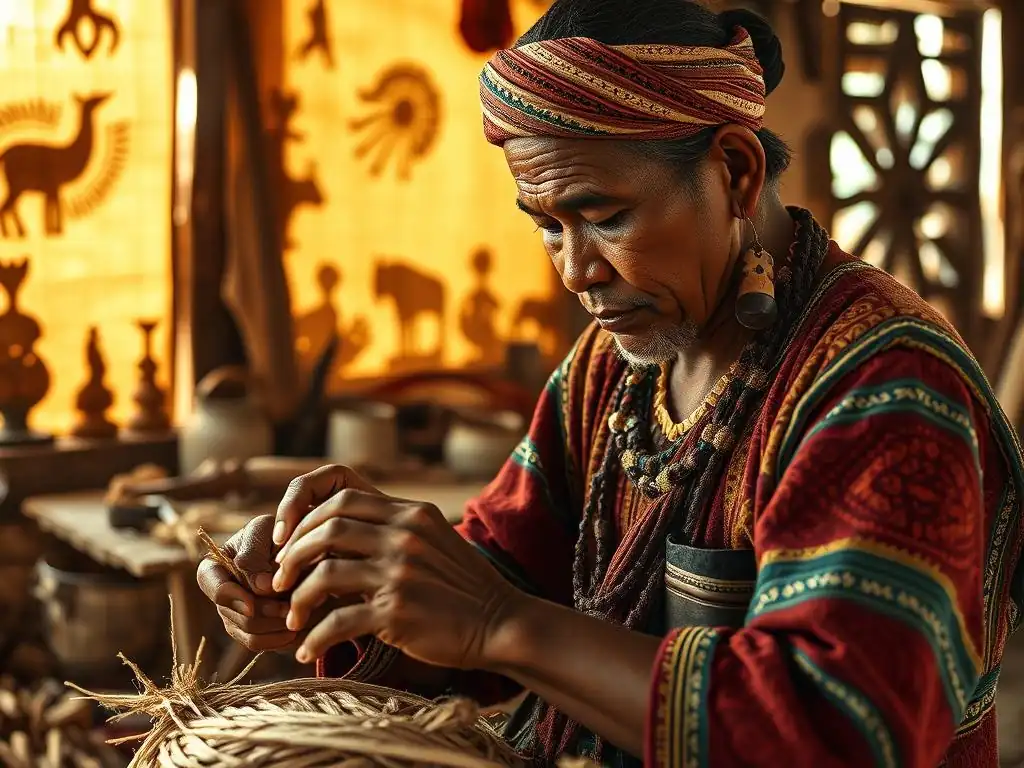
Engaging with indigenous art and crafts experiences requires a thoughtful and respectful approach. As travelers and enthusiasts of indigenous cultures, it is essential to consider the ethical implications of your interactions. This section will explore two critical ethical considerations: respect for cultural heritage and intellectual property, as well as supporting sustainable practices in indigenous craftsmanship.
Respect for Cultural Heritage and Intellectual Property
When participating in indigenous art and crafts experiences, it is vital to recognize and honor the cultural heritage that these artworks represent. Each piece of art is often imbued with deep meaning, historical context, and significance to the community from which it originates. Here are key aspects to consider:
- Understanding the Significance: Before engaging with a specific art form, take time to learn about its history and cultural importance. This knowledge fosters a deeper appreciation and respect for the artists and their communities.
- Intellectual Property Rights: Many indigenous communities have specific protocols regarding the use and reproduction of their traditional designs and motifs. Always seek permission and clarify how the art can be used or shared. This respect for intellectual property not only honors the creators but also helps protect their cultural expressions from exploitation.
- Attribution and Recognition: When sharing or promoting indigenous art, it’s crucial to credit the artists and their communities. This acknowledgment not only affirms their contributions but also educates others about the rich cultural narratives behind the artwork.
- Empowerment through Collaboration: Engage directly with indigenous artists and craftspeople. This can lead to collaborative projects that empower communities and ensure that they receive recognition and compensation for their work.
By adhering to these guidelines, travelers can ensure that their engagement with indigenous art and crafts experiences is respectful and beneficial to the communities involved.
Supporting Sustainable Practices in Indigenous Craftsmanship
Sustainability is a fundamental principle in many indigenous cultures, where the connection to land and resources is integral to their way of life. Supporting sustainable practices in indigenous craftsmanship not only helps preserve these traditions but also promotes environmental stewardship. Here are some ways to engage ethically:
- Choose Authenticity: Opt for products that are handcrafted by local artisans using traditional methods. This not only supports the local economy but also encourages the continuation of age-old techniques that may be at risk of fading away.
- Sourcing Materials Responsibly: Many indigenous artisans use natural materials sourced from their surroundings. It’s essential to ensure that these materials are harvested sustainably and ethically, keeping in mind the ecological balance of the region.
- Participate in Workshops: Join workshops led by indigenous artisans that focus on traditional crafts. These experiences often emphasize sustainable practices and provide insights into the cultural significance of the art form. Such participation fosters a deeper understanding and appreciation of the craft while directly benefiting the artisans.
- Advocate for Fair Trade: Support organizations that prioritize fair trade practices with indigenous craftspeople. This includes ensuring that artisans receive fair compensation and that their rights are respected. Look for certifications or labels that signify ethical sourcing and trade.
- Promote Cultural Exchange: Engage in dialogue with artisans about their practices and the challenges they face. This exchange can lead to greater awareness of sustainable development issues within indigenous communities and foster a collaborative spirit in preserving their crafts.
By supporting sustainable practices in indigenous craftsmanship, travelers not only contribute to the well-being of the artisans and their communities but also help sustain the cultural heritage that defines indigenous art and crafts experiences.
Conclusion: Enriching Your Journey Through Indigenous Art and Crafts
Engaging with indigenous art and crafts is not just about appreciating the aesthetic value of the creations; it’s about understanding the deep cultural significance behind each piece. These experiences offer a unique lens through which to explore the histories, traditions, and contemporary lives of indigenous communities. By immersing yourself in local customs, you gain insights into the philosophies, values, and worldviews that shape these vibrant cultures.
Participating in workshops or guided tours that focus on indigenous craftsmanship provides an opportunity to learn directly from artisans. This interaction can lead to a greater appreciation for the techniques and materials used, as well as the stories woven into each artwork. Additionally, these experiences often highlight the resilience and adaptability of indigenous cultures in the face of historical challenges.
Reflecting on the Impact of Your Experiences
As you reflect on your journey through indigenous art and crafts, consider the broader implications of your engagement. Each interaction has the potential to contribute to the preservation and revitalization of indigenous cultures. By supporting local artists, you are not only purchasing a unique piece of art but also investing in the future of these communities, helping to sustain their traditions and crafts.
Take time to contemplate how these experiences have enriched your understanding of the indigenous cultures you encountered. Ask yourself:
- What new perspectives have you gained?
- How has your appreciation for indigenous art transformed?
- In what ways can you continue to support these communities beyond your visit?
By thoughtfully engaging with these questions, you can foster a deeper connection to the cultures you’ve experienced and advocate for their continued recognition and support.
Sharing your experiences with indigenous art and crafts can amplify the voices of these communities and inspire others to engage respectfully and meaningfully. Consider documenting your journey through:
- Social media posts: Share photos and stories with hashtags that promote indigenous art and crafts.
- Blogging or vlogging: Create content that educates others about the cultural significance of what you learned.
- Community discussions: Host or participate in forums that focus on indigenous issues and the importance of supporting local artisans.
In addition to sharing your journey, actively seek ways to support indigenous communities. This can include:
- Purchasing art directly from local artisans or cooperatives.
- Participating in community events or workshops that highlight indigenous crafts.
- Advocating for policies that protect indigenous rights and promote sustainable tourism practices.
By engaging with and supporting indigenous art and crafts experiences, you not only enrich your own journey but also contribute to the empowerment and sustainability of the cultures that have shared their heritage with you. Your actions can help ensure that these vibrant traditions continue to thrive for generations to come.
Frequently Asked Questions
What types of indigenous art and crafts can I experience on tours?
Tours often feature traditional art forms such as pottery, weaving, and beadwork, showcasing unique cultural techniques passed down through generations.
How can I ensure my tour supports indigenous communities?
Look for tours that emphasize community engagement and contribute a portion of proceeds to support local artists and artisans, ensuring a sustainable impact.
Are there opportunities for hands-on craft experiences in these tours?
Many tours offer interactive workshops where participants can create their own crafts, providing a deeper understanding of indigenous artistic practices.
What should I know about the cultural significance of indigenous art?
Indigenous art is often deeply rooted in cultural beliefs and traditions, reflecting the history and values of the communities, which enhances the overall experience.
How can participating in these experiences benefit my understanding of indigenous cultures?
Engaging with local artisans allows for authentic exchanges, fostering a greater appreciation for the diversity and rich heritage of indigenous cultures across the Americas.
Final Reflection: Embracing Indigenous Art and Crafts Experiences
Engaging with Indigenous art and crafts is not just about appreciation; it is about understanding and honoring the rich cultural narratives that shape our world today. As we navigate a global landscape increasingly aware of the importance of cultural heritage, the significance of incorporating local Indigenous experiences into our tours becomes ever more relevant. By immersing ourselves in these artistic expressions, we not only enrich our own lives but also contribute to the preservation and celebration of Indigenous cultures that have thrived for millennia.
Cultural engagement through Indigenous art and crafts has the power to transform our social landscape. It fosters a deeper connection between visitors and Indigenous communities, allowing for meaningful exchanges that transcend mere tourism. As we learn from these experiences, we recognize the importance of storytelling and tradition in shaping identity. Art is the most beautiful of all lies.
This quote resonates deeply as it reminds us that through art, we can uncover truths about ourselves and others, bridging gaps and fostering understanding in a world that often feels divided.
As you reflect on the insights shared in this article, I invite you to consider how you can actively engage with Indigenous art and crafts in your own life. Seek out opportunities to learn, participate, and support local artisans in your travels and communities.
By doing so, you not only honor the rich heritage of Indigenous peoples but also enrich your own journey with authentic experiences that resonate on a deeper level. Let this be a call to action to embrace the beauty of diversity and the stories that art can tell, creating a more inclusive and respectful world for all.
Unveil the Beauty of Indigenous Art Today!
Thank you for taking the time to explore the rich and vibrant world of Indigenous art and crafts with us! We hope you've gained insight into how these unique expressions of culture can enhance your travel experiences. Now, it's time to bring this newfound appreciation into action!
Here’s how you can immerse yourself further and engage meaningfully with Indigenous art:
- Plan a visit to a local Indigenous art gallery or craft fair. Discover original pieces and meet the artisans, creating a personal connection to the culture.
- Share your experience on social media! Use your platform to highlight Indigenous artists and craftspeople, helping to amplify their voices and reach wider audiences.
- Consider taking a workshop with Indigenous artists to learn firsthand about their techniques and stories, gaining valuable skills while respecting and appreciating their traditions.
What will you take from this journey to share with the world? Join the conversation and let us know how you plan to engage with Indigenous art on your next adventure!