
How to Integrate Indigenous Histories into Your Curriculum Effectively

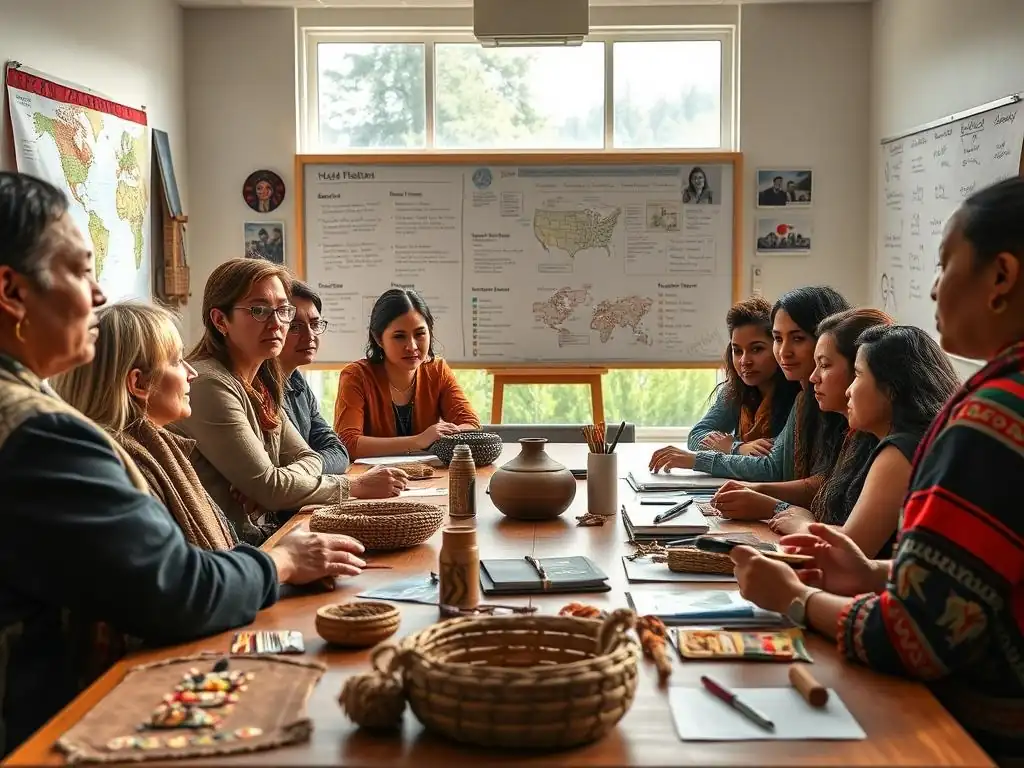
Welcome to Indigenous Civilizations of the Americas, where we invite you to embark on a transformative journey through the rich tapestry of indigenous cultures that flourished across the continent long before European contact. In our feature article, "How to Integrate Indigenous Histories into Your Curriculum Effectively," we delve into the importance of weaving these vital narratives into educational frameworks. Discover why understanding these histories is not merely an academic endeavor but a crucial step in fostering respect and awareness in today’s classrooms.
Join us as we uncover the achievements and enduring legacies of these remarkable societies, sparking curiosity and engagement that will inspire your educational approach. Dive in and explore the profound impact of integrating Indigenous histories into your curriculum!
- Introduction to Integrating Indigenous Histories in Curriculum
- Understanding Indigenous Histories
- The Need for Integration of Indigenous Histories in Curriculum
- Strategies for Integrating Indigenous Histories in Curriculum
- Resources for Educators
- Challenges in Integrating Indigenous Histories
- Case Studies of Successful Integration
- Conclusion
-
Frequently Asked Questions
- What is the importance of integrating indigenous histories into the curriculum?
- How can teachers effectively include indigenous perspectives in their lessons?
- What challenges might educators face when integrating indigenous histories?
- Are there specific guidelines for integrating indigenous histories in the curriculum?
- How can students benefit from learning about indigenous histories?
- Final Reflection: Embracing Indigenous Histories for a Richer Curriculum
- Embrace and Enrich: Integrate Indigenous Histories Today!
Introduction to Integrating Indigenous Histories in Curriculum
Integrating Indigenous histories into educational curricula is not just an act of inclusivity; it is a vital step toward acknowledging and honoring the rich tapestry of cultures that existed in the Americas long before European colonization. By weaving the narratives, achievements, and perspectives of Indigenous peoples into the curriculum, educators can foster a more comprehensive understanding of history that reflects the diversity and complexity of the past. This integration not only enriches students' learning experiences but also cultivates respect for Indigenous cultures, promotes critical thinking, and encourages a more nuanced view of history.
Importance of Indigenous Histories in Education
The inclusion of Indigenous histories in education is crucial for several reasons:
- Cultural Relevance: Indigenous histories provide students with a broader understanding of their own cultural backgrounds and the histories that shape their communities today.
- Equity and Representation: Incorporating Indigenous perspectives helps to rectify historical omissions and biases, ensuring that all students see themselves represented in their education.
- Critical Thinking: Engaging with diverse narratives encourages students to think critically about history, question dominant narratives, and understand the complexities of societal development.
- Civic Responsibility: Understanding Indigenous histories fosters a sense of responsibility among students to engage with contemporary issues faced by Indigenous communities and to advocate for justice and equity.
As educators strive to create an inclusive learning environment, the importance of integrating Indigenous histories becomes increasingly clear.
Overview of the Current Educational Landscape
In recent years, there has been a growing awareness of the need to integrate Indigenous histories into educational curricula across various levels. However, the implementation of these changes has been inconsistent, often hampered by a lack of resources, training, and support for educators. Key challenges within the current educational landscape include:
- Curriculum Gaps: Many existing curricula still predominantly reflect Eurocentric perspectives, overlooking the rich histories and contributions of Indigenous peoples.
- Resource Availability: Access to quality educational materials that accurately depict Indigenous histories and cultures is often limited.
- Professional Development: Educators may lack adequate training on how to effectively teach Indigenous histories, leading to a superficial understanding of the subject matter.
- Community Engagement: Building meaningful partnerships with Indigenous communities is often overlooked, limiting the authenticity and relevance of the educational content.
Addressing these challenges is essential for creating a more equitable and inclusive educational environment that honors the histories and contributions of Indigenous peoples across the Americas.
Understanding Indigenous Histories
Definition of Indigenous Histories
Indigenous histories refer to the narratives, traditions, and experiences of the native peoples of the Americas prior to and following European colonization. These histories encompass a wide spectrum of cultures, languages, and societies that have developed over thousands of years. Understanding Indigenous histories is crucial for recognizing the complexity and richness of these cultures, which have often been marginalized or misrepresented in mainstream historical accounts.
Indigenous histories are characterized by:
- Oral Traditions: Many Indigenous cultures have relied on oral storytelling as their primary means of preserving and transmitting history, culture, and teachings. These narratives often include creation stories, historical accounts, and moral lessons.
- Cultural Context: Each Indigenous group has its own unique cultural practices, belief systems, and social structures that influence their historical narratives. Recognizing these differences is essential for a comprehensive understanding of Indigenous histories.
- Resilience and Adaptation: Indigenous histories often highlight the resilience of these communities in the face of colonization, displacement, and cultural assimilation. Understanding these narratives allows for a more nuanced appreciation of their ongoing struggles and successes.
Key Elements of Indigenous Cultures
Integrating Indigenous histories into the curriculum involves acknowledging and exploring the key elements that define Indigenous cultures. These elements contribute to the understanding of their historical experiences and contemporary realities.
- Social Structures:
- Many Indigenous societies are organized into clans, tribes, or nations, each with its own governance systems, social roles, and responsibilities.
- Examples include matrilineal societies, where lineage is traced through the mother, and communal decision-making processes.
- Spiritual Beliefs:
- Indigenous cultures often have deep spiritual connections to the land, nature, and ancestors, which are reflected in their historical narratives.
- Rituals, ceremonies, and sacred sites play a significant role in preserving these beliefs and teachings.
- Arts and Expression:
- Artistic expressions, such as pottery, weaving, and storytelling, are vital components of Indigenous cultures. These forms of art often convey historical events, cultural values, and community identity.
- For instance, the intricate designs of Navajo rugs or the storytelling traditions of the Haudenosaunee offer insights into their histories and worldviews.
- Connection to Land:
- A profound relationship with the land is a central theme in Indigenous cultures. Many histories are intertwined with specific geographic locations, emphasizing stewardship, sustainability, and ecological knowledge.
- This connection is crucial for understanding the impact of colonization and the ongoing struggles for land rights.
Importance of Indigenous Perspectives in Historical Narratives
Incorporating Indigenous perspectives into historical narratives is essential for several reasons:
- Correcting Misrepresentation: Traditional historical accounts often overlook or misinterpret Indigenous experiences. By integrating Indigenous perspectives, educators can provide a more accurate and holistic view of history, correcting biases and omissions.
- Promoting Inclusivity: Including Indigenous histories fosters a sense of belonging and recognition among Indigenous students. It validates their identities and experiences, contributing to a more inclusive educational environment.
- Encouraging Critical Thinking: Engaging with diverse historical perspectives challenges students to think critically about history and its narratives. It encourages them to analyze how history is constructed and the implications of these constructions for contemporary society.
- Fostering Respect and Understanding: Learning about Indigenous histories promotes respect for cultural diversity and encourages understanding of the ongoing impacts of colonization. It helps students appreciate the complexities of Indigenous cultures and their contributions to society.
By recognizing the significance of Indigenous histories and perspectives, educators can create a more comprehensive and equitable curriculum that honors the legacy of Indigenous peoples in the Americas. Integrating Indigenous histories into the curriculum is not just an educational initiative; it is a step towards acknowledging and respecting the rich tapestry of human experience.
The Need for Integration of Indigenous Histories in Curriculum
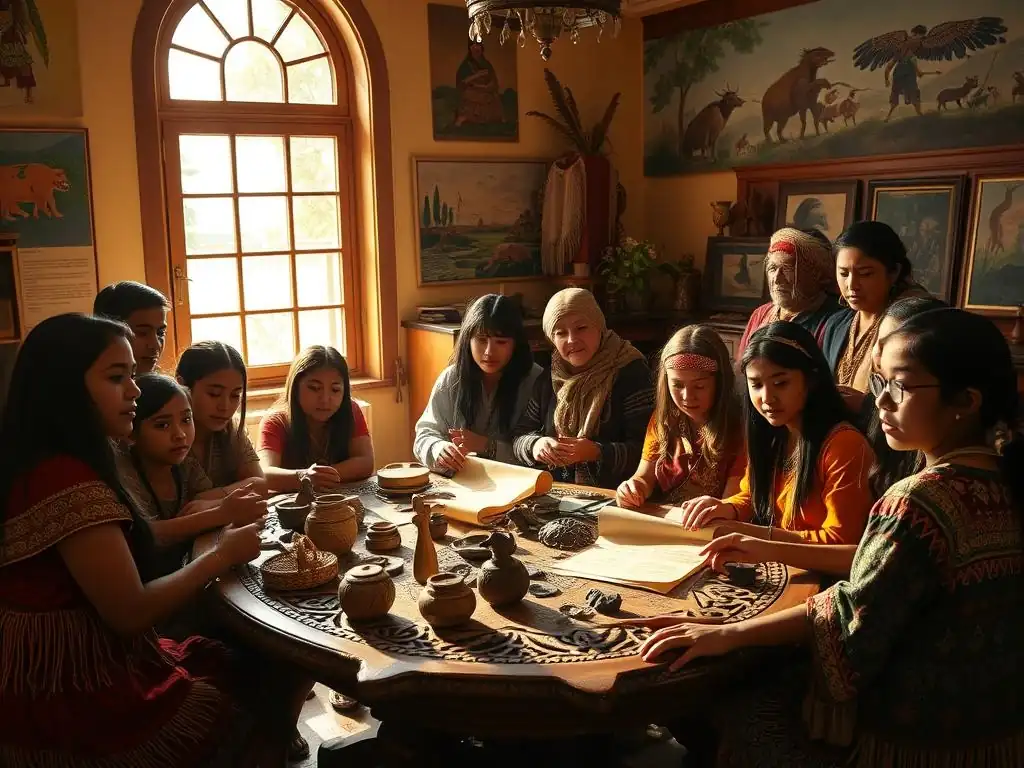
Integrating Indigenous histories into educational curricula is not just an option; it's a necessity. The historical narratives of Indigenous peoples have often been marginalized or omitted entirely from mainstream education, leading to significant gaps in students' understanding of the past. This integration fosters a more comprehensive view of history that acknowledges the rich cultures, achievements, and contributions of Indigenous civilizations.
Addressing Historical Gaps in Education
One of the primary reasons for integrating Indigenous histories into curricula is to address the historical gaps that exist in traditional education. For instance, many students are taught a Eurocentric perspective of history that often overlooks the complexities of Indigenous experiences before and after European contact. This oversight can result in:
- Misunderstandings about Indigenous cultures: Without proper context, students may form misconceptions about Indigenous peoples, viewing them as primitive or static rather than as dynamic societies with rich traditions and innovations.
- Ignoring significant events: Events such as the establishment of trade networks, treaties, and the impacts of colonization on Indigenous populations are often glossed over or simplified, leading to an incomplete understanding of American history.
To combat these issues, educators can incorporate primary sources, such as Indigenous oral histories, artifacts, and documents, that provide students with authentic insights into these cultures. This approach not only enriches the curriculum but also encourages critical thinking about historical narratives and their sources.
Fostering Cultural Competency and Awareness
Integrating Indigenous histories into the curriculum promotes cultural competency among students. Cultural competency involves understanding and respecting different cultural perspectives, which is increasingly important in our diverse society. By learning about Indigenous histories, students can:
- Develop empathy and respect: Understanding the struggles and resilience of Indigenous peoples fosters empathy. Engaging with their histories helps students appreciate the diversity of human experiences and the importance of respecting different cultures.
- Challenge stereotypes: Education about Indigenous histories can dismantle harmful stereotypes and promote a more nuanced understanding of modern Indigenous communities, their challenges, and their contributions to society.
- Encourage inclusivity: By including Indigenous perspectives, educators create a more inclusive environment that values the voices and experiences of all students. This inclusivity is critical in promoting a sense of belonging and respect in the classroom.
Enhancing Student Engagement through Diverse Perspectives
Integrating Indigenous histories can significantly enhance student engagement by providing diverse perspectives on historical events. Engaging with these perspectives allows students to:
- Connect with the material: Diverse narratives can resonate more deeply with students, making history feel relevant and exciting. When students see their own cultural backgrounds or those of their peers reflected in the curriculum, they are more likely to engage with the content.
- Encourage critical thinking: Presenting multiple viewpoints encourages students to think critically about historical events and to analyze the motivations and consequences of different actions. This critical engagement fosters deeper learning and comprehension.
- Promote collaborative learning: Integrating Indigenous histories can lead to collaborative projects that involve research, discussions, and presentations. Such activities not only enhance engagement but also build teamwork and communication skills.
By adopting a curriculum that integrates Indigenous histories, educators can create a richer, more engaging learning environment that reflects the complexity and diversity of the past, ultimately preparing students to navigate and appreciate the world around them.
Strategies for Integrating Indigenous Histories in Curriculum
Curriculum Development Approaches
Integrating Indigenous histories into the curriculum requires a thoughtful approach that respects and acknowledges the complexity of these cultures. Here are some key strategies to consider:
Collaborative Planning with Indigenous Communities
Collaborating with Indigenous communities is essential for creating an authentic curriculum that accurately reflects their histories and cultures. This collaboration can take many forms:
- Engagement with Community Leaders: Build relationships with Indigenous leaders and elders to gain insights into their perspectives and histories. Their input can guide the curriculum development process.
- Incorporation of Local Context: Tailor the curriculum to include local Indigenous histories and cultures, ensuring that students learn about the communities that surround them. This can involve field trips, guest speakers, and community events.
- Feedback Mechanisms: Establish ongoing feedback loops where Indigenous community members can review and provide input on curriculum materials. This ensures that the content remains relevant and respectful.
Incorporating Indigenous Voices and Resources
Using Indigenous voices in educational materials is crucial for fostering a deeper understanding of their histories. Consider the following approaches:
- Primary Sources: Utilize primary documents, oral histories, and artifacts created by Indigenous peoples. These materials provide students with firsthand accounts and perspectives.
- Multimedia Resources: Integrate videos, podcasts, and documentaries produced by Indigenous filmmakers and scholars. This multimedia approach can engage students and bring stories to life.
- Literature by Indigenous Authors: Include books and articles written by Indigenous authors that explore their histories and experiences. This not only enriches the curriculum but also supports Indigenous voices in literature.
Pedagogical Techniques for Teaching Indigenous Histories
To effectively teach Indigenous histories, educators should employ diverse pedagogical techniques that resonate with students.
Storytelling and Oral Traditions
Storytelling is a fundamental aspect of many Indigenous cultures, serving as a means of preserving history and teaching values. Here are some ways to incorporate storytelling into the curriculum:
- Cultural Narratives: Encourage students to explore Indigenous myths, legends, and historical narratives. These stories can provide insights into Indigenous worldviews and cultural practices.
- Guest Storytellers: Invite Indigenous storytellers to share their traditions with students. This personal connection can deepen understanding and appreciation of Indigenous cultures.
- Creative Projects: Have students create their own stories or retell Indigenous tales through various mediums—such as art, theater, or digital storytelling. This fosters creativity while allowing for personal connections to the material.
Project-Based Learning and Experiential Activities
Project-based learning offers a dynamic way to engage students in Indigenous histories through hands-on experiences. Consider implementing these strategies:
- Community Projects: Partner with Indigenous communities to create projects that benefit both students and community members. This could involve environmental stewardship, cultural workshops, or historical research initiatives.
- Field Studies: Organize field trips to Indigenous cultural sites or events. Experiencing these environments firsthand can enhance students' understanding and appreciation of Indigenous histories.
- Interdisciplinary Approaches: Incorporate Indigenous perspectives across subjects—such as science, art, and geography—to provide a comprehensive view of their contributions and achievements.
By employing these strategies and techniques, educators can create meaningful and impactful learning experiences that honor and integrate Indigenous histories in the curriculum, fostering a more inclusive and accurate representation of the diverse cultures that shaped the Americas.
Resources for Educators
Recommended Texts on Indigenous Histories
Integrating Indigenous histories in curriculum requires access to authoritative and insightful texts that provide educators with a robust understanding of the diverse cultures and experiences of Indigenous peoples. Here are some highly recommended texts:
-
"An Indigenous Peoples' History of the United States" by Roxanne Dunbar-Ortiz
This book provides a comprehensive overview of U.S. history from the perspective of Indigenous peoples, highlighting their contributions and resilience.
Key Themes: Colonialism, resistance, and Indigenous sovereignty. -
"The Heartbeat of Wounded Knee: Native America from 1890 to the Present" by David Treuer
Treuer’s work challenges the narrative of decline often associated with Native American history, emphasizing survival and revitalization.
Key Themes: Modern Indigenous identity, cultural resurgence, and contemporary issues. -
"Braiding Sweetgrass: Indigenous Wisdom, Scientific Knowledge, and the Teachings of Plants" by Robin Wall Kimmerer
This book combines Indigenous wisdom with scientific knowledge, offering a unique perspective on ecology and environmental stewardship.
Key Themes: Nature, sustainability, and interconnectedness. -
"Everything You Wanted to Know About Indians But Were Afraid to Ask" by Anton Treuer
A resourceful guide that answers common questions about Native American history and culture in an accessible manner.
Key Themes: Cultural awareness, myths, and realities. -
"The Only Good Indian: The Story of the American Indian" by Timothy Egan
This narrative explores the complex history of Indigenous Americans through personal stories and historical accounts.
Key Themes: Historical narratives, personal experiences, and cultural identity.
Online Platforms and Educational Materials
For educators looking to incorporate Indigenous histories into their curriculum, several online platforms provide valuable resources and materials:
-
Native Knowledge 360°
This initiative by the Smithsonian National Museum of the American Indian offers a wealth of resources, including lesson plans, videos, and interactive activities focused on Indigenous cultures and histories.
-
Teaching Tolerance
This platform provides free resources to educators to promote inclusivity and understanding. Their section on Indigenous peoples includes articles, lesson plans, and student activities designed to foster critical discussions.
-
American Indian Heritage Foundation
This website offers a variety of educational resources, including articles, fact sheets, and links to additional materials that focus on the history and culture of Native Americans.
-
Indigenous Peoples’ Atlas of Canada
An interactive online resource that provides comprehensive information on Indigenous histories, cultures, and contributions in Canada, suitable for educators across various grade levels.
-
PBS LearningMedia
This platform hosts a range of educational videos and lesson plans related to Indigenous histories, featuring testimonials, stories, and cultural insights from Indigenous communities.
Professional Development Opportunities for Teachers
Engaging in professional development is crucial for teachers aiming to effectively integrate Indigenous histories into their curriculum. Here are several opportunities:
-
Workshops and Conferences
Many organizations, such as the National Council for the Social Studies (NCSS) and the National Indian Education Association (NIEA), offer workshops and conferences focusing on Indigenous education. Participating in these events can provide educators with new strategies, resources, and networking opportunities.
-
Online Courses
Platforms like Coursera and EdX often feature courses related to Indigenous studies and culturally responsive teaching. These courses help educators deepen their understanding of Indigenous histories and effective teaching practices.
-
Collaborative Teaching Projects
Educators can collaborate with local Indigenous communities or cultural organizations to develop curriculum projects that reflect Indigenous perspectives. This hands-on approach fosters community engagement and provides authentic learning experiences.
-
Indigenous Education Fellowships
Various organizations offer fellowships that enable educators to work directly with Indigenous communities to develop teaching materials and curricula. These experiences can profoundly enhance educators' understanding and approach to teaching Indigenous histories.
-
Webinars and Online Series
Organizations like Facing History and Ourselves frequently host webinars focusing on teaching Indigenous histories and issues. These online sessions allow educators to learn from experts in the field and gain insights into best practices in teaching.
By leveraging these resources and opportunities, educators can effectively integrate Indigenous histories in their curriculum, enriching their students' understanding of the diverse cultures that shaped the Americas before European colonization.
Challenges in Integrating Indigenous Histories
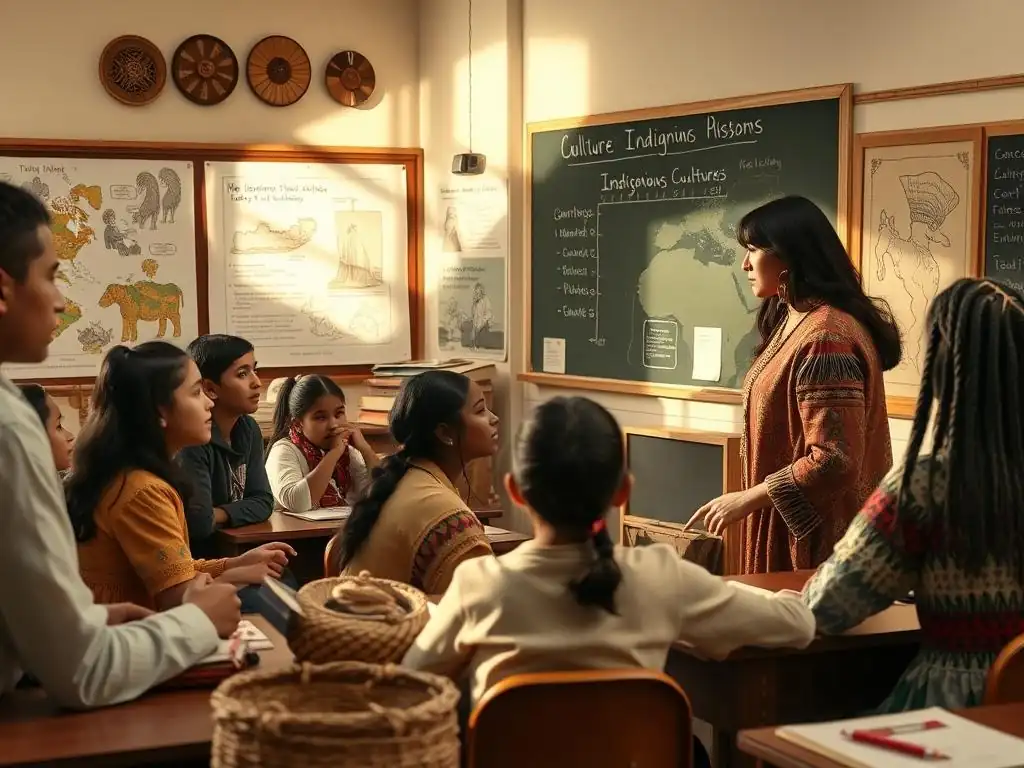
Integrating Indigenous histories into educational curricula presents several challenges that educators must navigate to ensure effective and respectful teaching. These challenges often stem from deeply rooted stereotypes, institutional resistance, and the complex task of authentically representing diverse Indigenous cultures. Understanding these obstacles is crucial for educators seeking to create an inclusive and accurate portrayal of Indigenous histories in their classrooms.
Overcoming Stereotypes and Misconceptions
One of the primary hurdles in integrating Indigenous histories is the prevalence of stereotypes and misconceptions about Indigenous peoples. Many educational resources perpetuate oversimplified narratives that do not reflect the rich diversity of Indigenous cultures.
- Common Misconceptions:
- Indigenous peoples are often portrayed as a monolithic group, disregarding the distinct languages, traditions, and histories of various nations.
- Historical narratives frequently depict Indigenous cultures as static or unchanging, failing to acknowledge their dynamic and evolving nature.
To overcome these stereotypes, educators can adopt the following strategies:
- Curriculum Development:
- Incorporate a variety of perspectives by including resources created by Indigenous authors, scholars, and community members.
- Highlight specific Indigenous nations and their unique histories, cultures, and contributions, moving away from generalized representations.
- Professional Development:
- Engage in training sessions focused on cultural competency and the importance of decolonizing the curriculum.
- Foster partnerships with Indigenous communities to gain insights and feedback on educational materials.
By addressing these stereotypes head-on, educators can create a more accurate and nuanced understanding of Indigenous histories among their students.
Institutional resistance can also pose significant challenges to integrating Indigenous histories into the curriculum. This resistance may manifest at various levels, from school administration to district policies.
- Common Forms of Resistance:
- Lack of support for curriculum changes that include Indigenous perspectives.
- Standardized testing and curriculum frameworks that prioritize certain historical narratives over others.
To effectively navigate this resistance, educators can consider the following approaches:
- Building a Coalition:
- Collaborate with like-minded educators, community leaders, and local Indigenous representatives to advocate for curriculum changes.
- Present a united front that emphasizes the educational benefits of integrating Indigenous histories, such as fostering critical thinking and cultural awareness.
- Data-Driven Advocacy:
- Collect data on student engagement and performance to demonstrate the positive impact of integrating Indigenous histories.
- Utilize case studies from other institutions that have successfully implemented such changes to build a compelling argument.
By strategically addressing institutional barriers, educators can create pathways for the inclusion of Indigenous histories in the curriculum.
Ensuring Authentic Representation of Indigenous Cultures
Authenticity is crucial when integrating Indigenous histories into the curriculum. Misrepresentation can perpetuate harmful narratives and undermine the significance of Indigenous cultures.
- Risks of Misrepresentation:
- Using outdated or inaccurate information that reinforces stereotypes.
- Failing to include contemporary Indigenous voices and issues, thereby creating a disconnect between past and present.
To ensure authentic representation, educators can implement the following practices:
- Engagement with Indigenous Voices:
- Encourage collaboration with Indigenous educators and community members in developing curriculum materials.
- Promote the inclusion of contemporary Indigenous authors and artists who reflect current cultural expressions and challenges.
- Culturally Relevant Pedagogy:
- Adopt teaching strategies that are responsive to the cultural backgrounds and experiences of Indigenous students.
- Create learning environments that honor Indigenous knowledge systems and ways of knowing.
By prioritizing authenticity and representation, educators can foster a deeper understanding of Indigenous histories and their relevance in today's world.
Integrating Indigenous histories into curricula is not just an educational task; it is a moral imperative that requires commitment, creativity, and collaboration. By acknowledging and addressing the challenges outlined above, educators can take meaningful steps toward creating an inclusive and enriching educational experience for all students.
Case Studies of Successful Integration
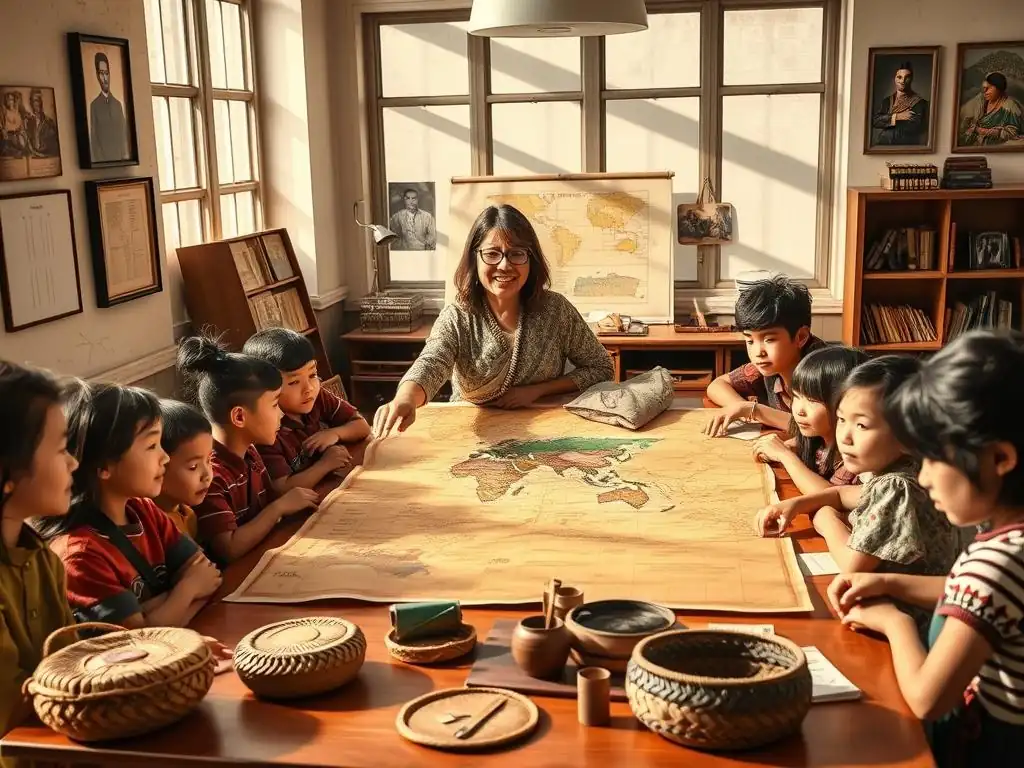
Example 1: The New Zealand Curriculum and Māori Perspectives
The New Zealand education system has made significant strides in integrating Indigenous histories into its curriculum, particularly through the inclusion of Māori perspectives. The New Zealand Curriculum, revised in 2007, emphasizes cultural responsiveness and the importance of understanding the unique heritage of Māori as an integral part of New Zealand's national identity. This approach serves as a model for integrating Indigenous histories effectively.
Key features of this integration include:
- Culturally Relevant Pedagogy: Teachers are encouraged to incorporate Māori language and customs into everyday learning. This not only enhances student engagement but also fosters a sense of belonging and respect for Māori culture among all students.
- Community Involvement: Schools actively collaborate with local iwi (tribes) and hapū (sub-tribes) to develop educational resources that reflect local history and context. This partnership ensures that the curriculum is relevant and accurately represents Māori narratives.
- Curricular Framework: The curriculum provides specific guidelines on including Māori perspectives in subjects like history, geography, and the arts. For instance, students might explore the impact of colonization on Māori communities or study traditional Māori environmental practices.
As a result, New Zealand schools have seen increased student participation and a greater appreciation for Indigenous histories among both Māori and non-Māori students.
Example 2: The Native American History Project in the United States
In the United States, the Native American History Project serves as a notable example of efforts to integrate Indigenous histories in curriculum. This initiative was developed to provide educators with resources and frameworks to teach Native American history comprehensively.
Highlights of this project include:
- Curriculum Development: The project offers a curriculum that spans from pre-colonization to contemporary issues faced by Native American communities. It includes lesson plans, primary source materials, and multimedia resources designed to engage students.
- Teacher Training: Professional development workshops are conducted for educators to deepen their understanding of Native American histories and cultures. This training helps teachers feel more confident in delivering these topics and addressing sensitive issues surrounding colonization and its impacts.
- Focus on Local Context: The curriculum encourages teachers to incorporate local Native American histories and cultures into their lessons. By doing so, students learn about the tribes that are part of their community, fostering respect and recognition of those histories.
Through this project, schools across the U.S. have reported improvements in student awareness and sensitivity regarding Native American issues, leading to a more inclusive educational environment.
Lessons Learned from Successful Programs
The integration of Indigenous histories into educational curricula can be enhanced by drawing lessons from successful programs like those in New Zealand and the United States. Here are key takeaways:
- Collaborative Approaches: Engaging with Indigenous communities in curriculum development creates a more authentic and relevant educational experience. This collaboration fosters ownership and respect for Indigenous narratives.
- Cultural Competency Training: Providing educators with training on Indigenous histories and cultures is crucial. This not only empowers teachers but also promotes confidence in addressing complex topics related to colonization and Indigenous rights.
- Inclusive Curriculum Design: Designing a curriculum that includes diverse perspectives ensures that Indigenous histories are represented accurately. This could involve integrating stories, traditions, and contributions of Indigenous peoples across various subjects.
- Continuous Evaluation and Adaptation: Successful programs regularly assess their effectiveness and adapt to meet the needs of students and communities. Gathering feedback from students and Indigenous leaders can drive improvements in content and delivery.
- Utilization of Technology: Leveraging digital resources, such as interactive websites and virtual reality experiences, can enhance student engagement with Indigenous histories. These tools can bring Indigenous stories to life, making learning more impactful.
By implementing these practices, educators can create a more inclusive and comprehensive approach to integrating Indigenous histories in their curriculum, enriching the educational experience for all students.
Conclusion
Recap of the Importance of Integrating Indigenous Histories
Integrating Indigenous histories in curriculum is not just an academic exercise; it is a vital step towards fostering understanding, respect, and acknowledgment of the rich cultural legacies of Indigenous peoples. By weaving these narratives into educational frameworks, we can provide students with a more comprehensive view of history that highlights the resilience, innovations, and contributions of Indigenous civilizations. This approach challenges the often Eurocentric narratives prevalent in traditional curriculum, promoting a more inclusive and accurate representation of the past.
For instance, studies have shown that students exposed to diverse histories exhibit enhanced critical thinking skills and a greater appreciation for multicultural perspectives. This integration not only enriches students' knowledge but also empowers Indigenous students by validating their histories and identities within the educational environment.
Call to Action for Educators
Educators play a pivotal role in shaping the future of Indigenous education. Here are actionable steps you can take to effectively integrate Indigenous histories into your curriculum:
- Research Indigenous Perspectives: Familiarize yourself with the diverse Indigenous cultures that existed in your region and beyond. Utilize resources such as books, documentaries, and scholarly articles to deepen your understanding.
- Collaborate with Indigenous Communities: Engage with local Indigenous leaders and educators to create authentic learning experiences. Their insights and stories can provide invaluable context and relevance.
- Develop Inclusive Lesson Plans: Design lesson plans that incorporate Indigenous voices and perspectives, ensuring that they are not merely an add-on but an integral part of the learning experience.
- Encourage Critical Discussions: Foster an environment where students feel comfortable discussing and questioning historical narratives. This promotes critical thinking and a deeper understanding of complex issues.
- Utilize Diverse Teaching Materials: Incorporate a variety of teaching materials, including literature, art, and oral histories from Indigenous cultures. This variety can cater to different learning styles and interests.
Final Thoughts on Future Directions in Indigenous Education
The future of integrating Indigenous histories in curriculum hinges on ongoing commitment and innovation. As educational institutions continue to acknowledge the importance of diverse histories, there is an opportunity for transformative change in how we approach teaching.
- Emphasizing Interdisciplinary Approaches: Moving forward, educational frameworks should embrace interdisciplinary methodologies that connect Indigenous histories with subjects like science, art, and environmental studies. This can illustrate the interconnectedness of knowledge and cultural practices.
- Adapting to Technological Advancements: The integration of technology in education offers new avenues for exploring Indigenous histories. Virtual reality experiences and interactive platforms can bring these narratives to life, making them more accessible and engaging for students.
- Commitment to Continuous Learning: Finally, educators must commit to lifelong learning and self-reflection regarding their teaching practices. Keeping abreast of new research and pedagogical strategies will ensure that Indigenous histories are taught accurately and respectfully.
By embracing these future directions, educators can create a more inclusive educational landscape that honors the diverse legacies of Indigenous peoples throughout the Americas. The journey towards integrating Indigenous histories is ongoing, but with dedication and collaboration, we can cultivate a richer, more nuanced understanding of our collective past.
Frequently Asked Questions
What is the importance of integrating indigenous histories into the curriculum?
Integrating indigenous histories allows for a more inclusive and accurate representation of history, fostering understanding and respect for the diverse cultures that existed prior to European colonization.
How can teachers effectively include indigenous perspectives in their lessons?
Teachers can include indigenous perspectives by utilizing authentic resources, collaborating with local indigenous communities, and implementing culturally relevant materials that highlight indigenous achievements and contributions.
What challenges might educators face when integrating indigenous histories?
Educators may encounter challenges such as a lack of resources, insufficient training or knowledge, and potential resistance from stakeholders who may not understand the value of indigenous perspectives in education.
Are there specific guidelines for integrating indigenous histories in the curriculum?
Many educational organizations recommend creating a framework that includes collaboration with indigenous leaders, curriculum audits, and continuous professional development for teachers to ensure accuracy and respect in representation.
How can students benefit from learning about indigenous histories?
Students can gain a broader understanding of history, develop critical thinking skills, and cultivate empathy towards different cultures. This process enriches their learning experience and promotes a more holistic view of the world.
Final Reflection: Embracing Indigenous Histories for a Richer Curriculum
Integrating Indigenous histories into our curriculum is not merely an academic exercise; it is a vital step toward fostering understanding, respect, and reconciliation in our diverse societies. As we navigate an increasingly interconnected world, the importance of recognizing and valuing Indigenous perspectives becomes ever more pressing. The integration of these histories enriches our educational landscape, offering students a more comprehensive understanding of the past and its influence on the present.
The ongoing influence of Indigenous histories in education is profound, shaping not only the curriculum but also the cultural consciousness of our communities. By weaving these narratives into our teaching, we acknowledge the resilience and contributions of Indigenous peoples, fostering a sense of belonging and identity among all students. As author and educator Dr. Marie Battiste eloquently states, Indigenous knowledge is not just a set of facts; it is a way of understanding the world that is deeply connected to the land and its people.
This perspective invites us to consider how our educational practices can reflect a more holistic understanding of history that honors all voices.
As we reflect on the lessons shared in this article, I encourage you to take actionable steps in your own teaching practice. Consider how you can incorporate Indigenous histories into your curriculum, not just as an add-on, but as a foundational element that shapes the way we understand our world. Engage with local Indigenous communities, seek out resources, and foster discussions that challenge the status quo. By doing so, you contribute to a more inclusive and equitable educational environment that empowers all learners to appreciate the richness of our shared histories.
Embrace and Enrich: Integrate Indigenous Histories Today!
Thank you for taking the time to explore the vital topic of integrating Indigenous histories into your curriculum. You’ve gained valuable insights that can help create an inclusive and enriching educational environment. Now, it’s time to take action and make a difference!
Here are some steps you can take to actively weave Indigenous perspectives into your teaching:
- Initiate a dialogue with local Indigenous communities to invite their stories and teachings into your classroom.
- Explore multimedia resources, such as documentaries, podcasts, or artworks created by Indigenous artists that can deepen understanding and engagement with history.
- Share this article with fellow educators or on social media to foster a community of like-minded individuals dedicated to inclusivity in education.
How might your students’ understanding of their own identities evolve as they learn about and connect with Indigenous histories?