
How Outreach Initiatives are Revitalizing Indigenous Knowledge in Modern Education

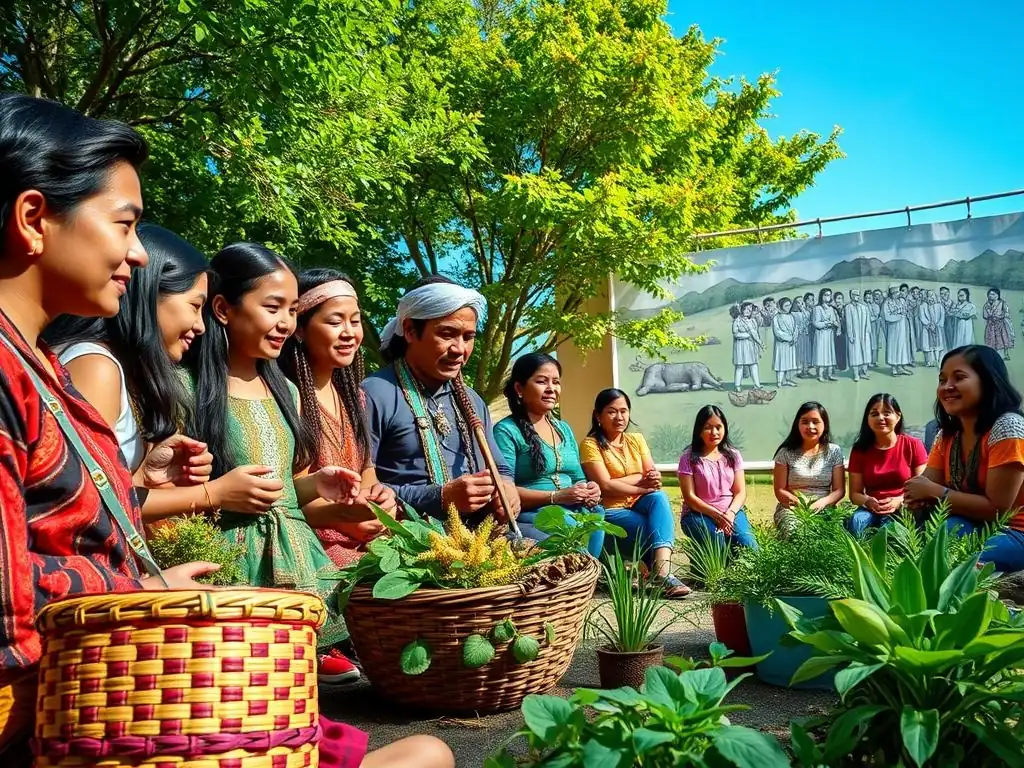
Welcome to Indigenous Civilizations of the Americas, where we embark on an enlightening journey through the rich tapestry of indigenous cultures that flourished long before European contact. Our latest article, "How Outreach Initiatives are Revitalizing Indigenous Knowledge in Modern Education," delves into the transformative power of education as it reconnects contemporary society with the profound wisdom of these remarkable civilizations.
Discover how innovative outreach programs are not only preserving ancient traditions but also shaping the minds of future generations. Join us as we explore the vibrant legacy of indigenous knowledge and its vital role in today's educational landscape—your adventure into this captivating history begins here!
- Introduction to Revitalizing Indigenous Knowledge Education
- The Role of Outreach Initiatives in Educational Programs
- Case Studies of Successful Outreach Initiatives
- Benefits of Incorporating Indigenous Knowledge in Education
- Challenges in Revitalizing Indigenous Knowledge in Education
- Strategies for Effective Outreach in Revitalizing Indigenous Knowledge
- Future Directions for Indigenous Knowledge Education
- Conclusion: The Impact of Revitalizing Indigenous Knowledge on Modern Education
- Frequently Asked Questions
- Final Reflection: Revitalizing Indigenous Knowledge in Modern Education
- Unleash the Power of Indigenous Knowledge in Education!
Introduction to Revitalizing Indigenous Knowledge Education
In recent years, there has been a growing recognition of the importance of revitalizing Indigenous knowledge within modern education systems. This movement seeks to integrate the rich cultural heritage, traditions, and wisdom of Indigenous peoples into educational frameworks, fostering a more inclusive and comprehensive understanding of history, science, and community. By acknowledging and promoting Indigenous perspectives, educators can create a more equitable learning environment that values diverse worldviews and empowers Indigenous students and communities. This article delves into the various outreach initiatives that are instrumental in revitalizing Indigenous knowledge, highlighting their significance in shaping contemporary educational practices.
Definition of Indigenous Knowledge in Modern Context
Indigenous knowledge refers to the unique, traditional practices and understandings that Indigenous peoples have developed over generations in relation to their environment, culture, and social structures. In a modern context, this knowledge encompasses a wide range of disciplines, including:
- Ecological Knowledge: Understanding of local ecosystems, sustainable practices, and biodiversity.
- Cultural Practices: Oral traditions, art, music, and spiritual beliefs that define Indigenous identities.
- Social Structures: Governance systems, community organization, and collective decision-making processes.
Integrating Indigenous knowledge into education not only enriches the curriculum but also validates the experiences and contributions of Indigenous communities. It challenges the dominant narratives often found in mainstream education, promoting a more holistic approach to learning.
Importance of Revitalizing Indigenous Knowledge in Education
Revitalizing Indigenous knowledge in education serves several critical purposes:
- Cultural Preservation: By incorporating Indigenous teachings and practices into the educational system, we help preserve and celebrate the diverse cultural identities of Indigenous peoples. This preservation is vital for future generations to maintain a connection to their heritage.
- Empowerment of Indigenous Students: When Indigenous knowledge is integrated into the curriculum, Indigenous students often feel a greater sense of belonging and validation within the educational environment. This empowerment can lead to improved academic performance and increased engagement.
- Fostering Respect and Understanding: Educating all students about Indigenous cultures promotes respect and understanding among diverse populations. It encourages dialogue, dismantles stereotypes, and fosters mutual respect between Indigenous and non-Indigenous communities.
- Addressing Historical Injustices: Revitalizing Indigenous knowledge in education can play a crucial role in acknowledging and addressing the historical injustices faced by Indigenous peoples. It provides an opportunity to confront colonial narratives and support reconciliation efforts.
Revitalizing Indigenous knowledge in education is not merely an academic endeavor; it is a profound step towards healing, reconciliation, and building a more just society. Through outreach initiatives, educators can create pathways that honor Indigenous wisdom and ensure that it remains a vital part of our collective learning journey.
The Role of Outreach Initiatives in Educational Programs
Overview of Outreach Initiatives Focused on Indigenous Knowledge
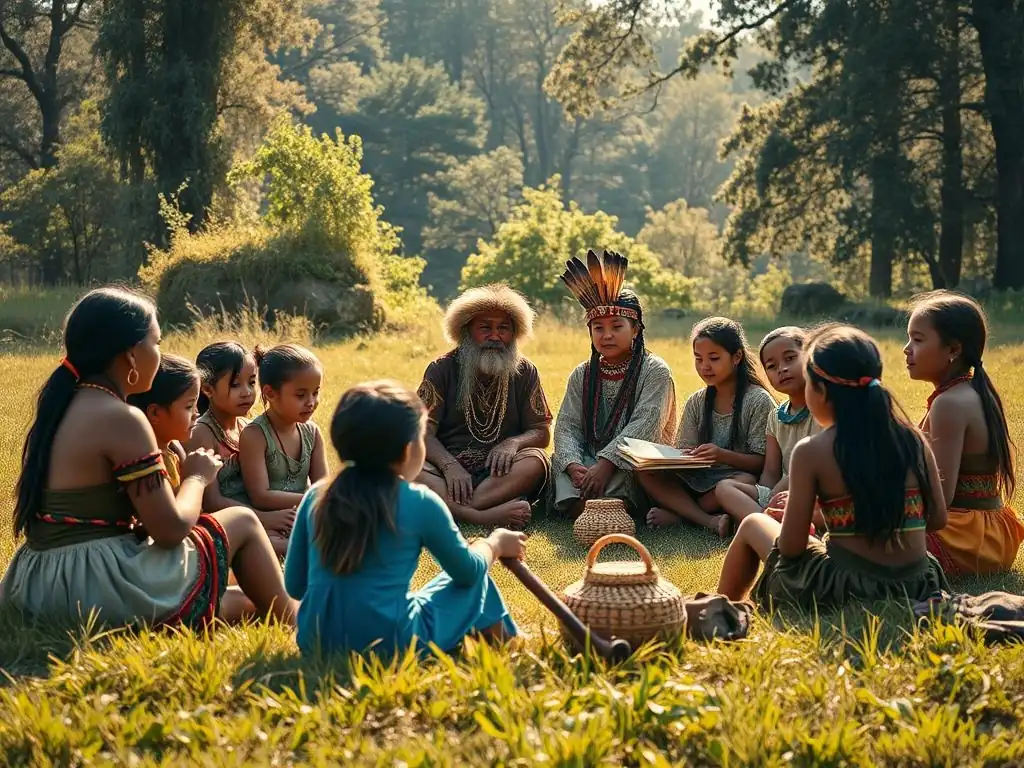
Outreach initiatives play a crucial role in revitalizing Indigenous knowledge within modern educational frameworks. These programs are designed to bridge the gap between traditional Indigenous practices and contemporary educational systems, ensuring that the rich histories, languages, and cultures of Indigenous peoples are integrated into the curriculum.
One prominent example of such an initiative is the collaboration between educational institutions and Indigenous communities. These partnerships often result in programs that:
- Incorporate Indigenous Perspectives: Curriculum development that includes traditional knowledge, stories, and practices.
- Facilitate Cultural Exchanges: Opportunities for students from diverse backgrounds to engage directly with Indigenous cultures through workshops, seminars, and field trips.
- Utilize Digital Platforms: Leveraging technology to disseminate Indigenous knowledge widely, making resources accessible to both students and educators.
These outreach initiatives not only enhance the educational experience for all students but also help to preserve Indigenous languages and traditions that may otherwise decline in the face of modernization.
Key Objectives of Outreach Programs in Indigenous Education
The primary objectives of outreach programs aimed at revitalizing Indigenous knowledge in education can be summarized as follows:
- Cultural Revitalization:
- Preservation of Languages: Many outreach programs focus on teaching Indigenous languages to younger generations, which is essential for maintaining cultural identity.
- Traditional Practices: These initiatives often include workshops on traditional crafts, storytelling, and ceremonies, allowing participants to learn directly from Elders and community leaders.
- Education and Awareness:
- Curriculum Development: Outreach initiatives work to create educational materials that reflect Indigenous perspectives and histories, helping to counteract historical inaccuracies.
- Community Engagement: Programs encourage active participation from Indigenous communities in educational settings, fostering mutual respect and understanding between Indigenous and non-Indigenous students.
- Empowerment of Indigenous Youth:
- Leadership Development: Many outreach programs aim to empower Indigenous youth by involving them in leadership roles within educational projects, thus instilling a sense of pride and responsibility towards their heritage.
- Mentorship Opportunities: Connecting young people with role models from their communities can help strengthen their cultural identity and motivate them in their educational journeys.
- Collaboration and Partnerships:
- Cross-Cultural Partnerships: Outreach initiatives often seek collaboration between schools, Indigenous communities, and local organizations to create a supportive network for educational efforts.
- Resource Sharing: By pooling resources, these partnerships can develop more comprehensive and effective programs that address the unique needs of Indigenous students.
Outreach initiatives are essential for revitalizing Indigenous knowledge education by fostering cultural preservation, enhancing educational content, empowering youth, and building collaborative networks. These efforts not only enrich the educational landscape but also contribute to the broader goal of reconciliation and understanding between Indigenous and non-Indigenous societies.
Case Studies of Successful Outreach Initiatives
Case Study 1: The Kānaka Maoli Education Initiative
Background and Objectives
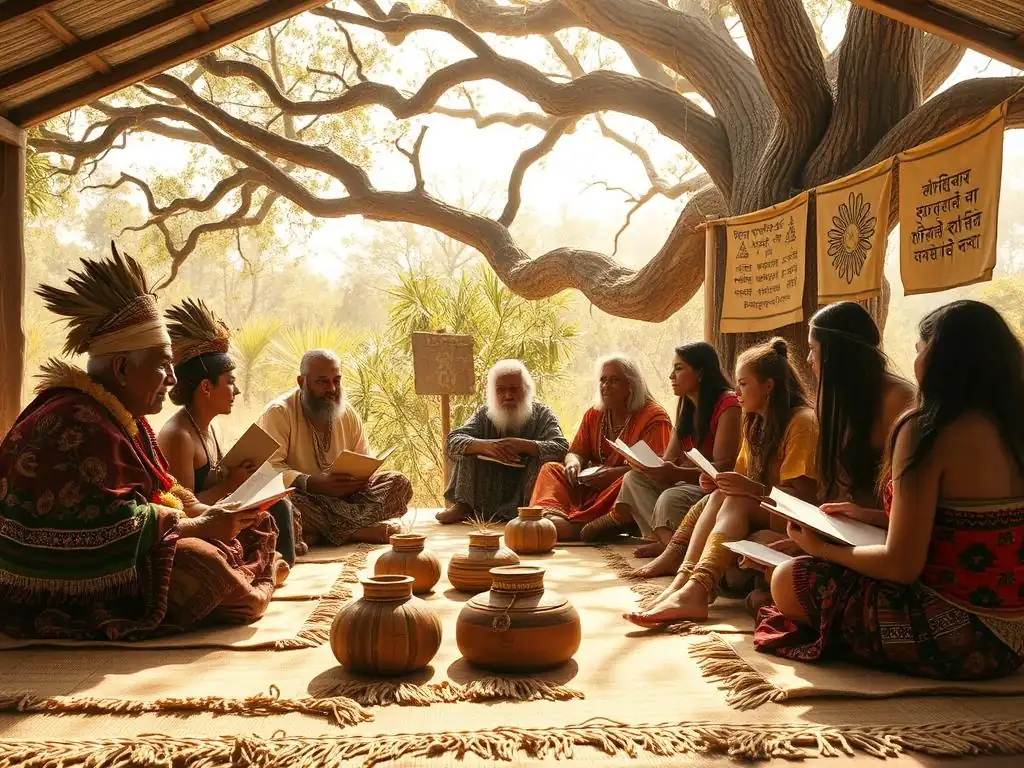
The Kānaka Maoli Education Initiative is a grassroots effort based in Hawaii, aimed at revitalizing the Hawaiian language and culture among the youth. Launched in response to the declining use of the Hawaiian language, the initiative's primary objective is to integrate indigenous knowledge within the education system, thereby fostering a sense of identity and belonging among students. This program underscores the importance of cultural heritage and aims to empower Kānaka Maoli (Native Hawaiians) through education that respects and incorporates their traditions and values.
Strategies Implemented
The initiative employs a multi-faceted approach to education, which includes:
- Culturally Relevant Curriculum: The program incorporates traditional Hawaiian stories, songs, and practices into the classroom, allowing students to connect with their heritage.
- Community Involvement: Kānaka Maoli elders and cultural practitioners are actively involved in teaching, providing students with authentic knowledge and experiences.
- Language Immersion Programs: Schools offer Hawaiian language immersion, where students learn all subjects in Hawaiian, promoting fluency and comfort in their native language.
- Outdoor Learning Experiences: Students engage in hands-on learning through Hawaiian practices like hula, fishing, and farming, which connect them to their environment and ancestors.
Measurable Outcomes
The Kānaka Maoli Education Initiative has shown significant success through various metrics:
- Increased Language Proficiency: Surveys indicate a 60% increase in students' proficiency in the Hawaiian language within two years of participation.
- Cultural Engagement: Over 75% of students report a greater understanding and appreciation of their cultural identity.
- Academic Improvement: Schools involved in the initiative have noted a 20% increase in overall student GPA, indicating that culturally relevant education can enhance academic performance.
Case Study 2: The National Native American Language Revitalization Program
Background and Objectives
The National Native American Language Revitalization Program was established by the U.S. Department of the Interior to address the alarming decline of Native American languages across the country. The program aims to preserve linguistic diversity and promote pride in indigenous identities. Its objectives include supporting language education initiatives, providing resources for language teachers, and fostering collaborations between tribes and educational institutions.
Strategies Implemented
This program utilizes a variety of strategies to achieve its goals:
- Funding and Grants: The program allocates funds to tribal communities for developing language curricula and training language educators.
- Teacher Training Workshops: Regular workshops are held to train teachers in effective language instruction methods and to share best practices among tribes.
- Online Resources: A comprehensive online database of language learning materials, including dictionaries, lesson plans, and multimedia content, is made available to facilitate learning.
- Community Language Programs: Encouragement of after-school and summer language camps helps immerse children in their native languages in a fun and engaging way.
Measurable Outcomes
The National Native American Language Revitalization Program has produced notable results:
- Language Revitalization: More than 100 tribes have successfully implemented language programs, with several reporting a resurgence in the number of fluent speakers.
- Community Participation: Participation in language programs has increased by 50% over the past five years, demonstrating heightened interest and commitment to language learning.
- Intergenerational Transmission: Many families report a renewed commitment to using their native languages at home, with a 40% increase in the use of Native languages in daily interactions.
By examining these case studies, it is evident that outreach initiatives play a crucial role in revitalizing Indigenous knowledge education, offering sustainable models for integrating indigenous languages and cultures into modern educational frameworks.
Benefits of Incorporating Indigenous Knowledge in Education
Incorporating Indigenous knowledge into modern education systems offers numerous benefits that extend beyond mere academic enrichment. This approach fosters a deeper understanding of cultural diversity, encourages respect for different worldviews, and enhances the overall educational experience for students. By integrating Indigenous perspectives, educational institutions can create a more inclusive and holistic learning environment.
Enhancing Cultural Awareness among Students
One significant benefit of revitalizing Indigenous knowledge in education is the enhancement of cultural awareness among students. When Indigenous histories, languages, and traditions are included in the curriculum, students gain a broader perspective on the world around them. This exposure helps to:
- Broaden Worldviews: Students learn about the rich histories and contributions of Indigenous peoples, which contrasts with the often Eurocentric focus of traditional curricula.
- Promote Inclusivity: By recognizing and valuing Indigenous cultures, students from all backgrounds can feel represented and included in the learning process.
- Encourage Critical Thinking: Engaging with multiple perspectives fosters critical thinking skills as students analyze and compare different cultural narratives.
Research indicates that students who learn about Indigenous cultures often exhibit greater empathy and understanding towards diverse populations, which is essential in our increasingly multicultural society.
Fostering Respect for Indigenous Cultures
Another vital aspect of integrating Indigenous knowledge into education is the fostering of respect for Indigenous cultures. This respect can manifest in various ways:
- Cultural Appreciation: By learning about Indigenous customs, languages, and philosophies, students develop a deeper appreciation for the uniqueness and value of these cultures.
- Challenging Stereotypes: Education that includes Indigenous voices helps to dismantle stereotypes and misconceptions, promoting a more accurate representation of Indigenous peoples.
- Community Engagement: Outreach initiatives often involve collaboration with Indigenous communities, allowing students to interact with Indigenous elders and leaders, further enhancing their respect and understanding.
Such engagement helps students recognize the ongoing contributions of Indigenous peoples to contemporary society, fostering a sense of responsibility towards reconciliation and cultural preservation.
Improving Academic Performance through Diverse Learning Approaches
Integrating Indigenous knowledge in education not only enriches the cultural fabric of the curriculum but also improves academic performance through diverse learning approaches. This can be achieved by:
- Incorporating Traditional Ecological Knowledge: Indigenous knowledge systems often include sophisticated understandings of local ecosystems, which can enhance subjects like science and environmental studies.
- Utilizing Storytelling and Oral Traditions: Many Indigenous cultures emphasize oral storytelling as a means of knowledge transfer. Incorporating these methods can engage students who may struggle with traditional written formats.
- Encouraging Experiential Learning: Hands-on activities rooted in Indigenous practices, such as farming techniques or traditional art forms, allow students to learn in a dynamic and interactive manner.
Studies show that students engaged in diverse learning methods often demonstrate improved retention of information, higher motivation levels, and better overall academic performance. By recognizing and validating different ways of knowing, educational institutions can provide a more equitable and effective learning experience for all students.
The benefits of incorporating Indigenous knowledge into modern education systems are manifold. From enhancing cultural awareness and fostering respect for Indigenous cultures to improving academic performance through diverse learning approaches, these initiatives are essential for revitalizing Indigenous knowledge education and creating a more inclusive educational landscape.
Challenges in Revitalizing Indigenous Knowledge in Education
Resistance from Traditional Educational Systems
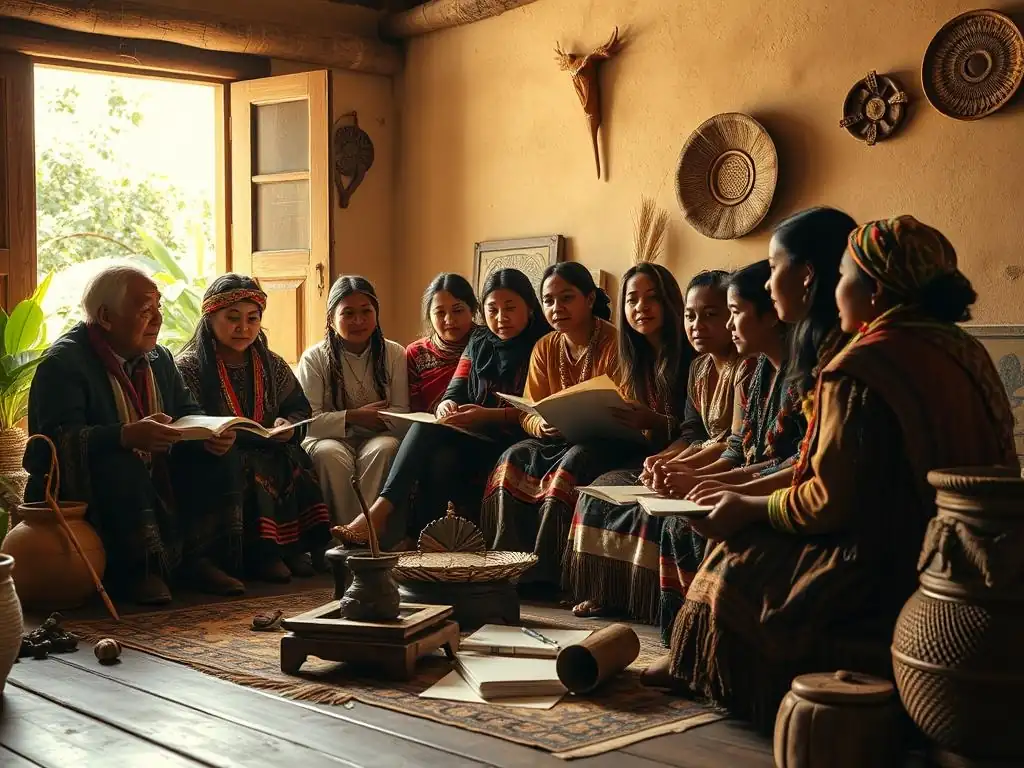
One of the primary challenges in revitalizing Indigenous knowledge in education is the resistance from traditional educational systems. These systems often prioritize standardized curricula that emphasize Western perspectives and historical narratives. This creates an environment where Indigenous knowledge and cultures may be viewed as secondary or irrelevant.
- Curriculum Limitations: Many educational institutions maintain rigid curricula that do not accommodate the inclusion of Indigenous perspectives. This can lead to limited exposure for students, who may not learn about the rich histories and contributions of Indigenous civilizations.
- Standardized Testing: The emphasis on standardized testing further exacerbates this issue. Tests often focus on content that aligns with Western educational values, leaving little room for Indigenous knowledge systems. As a result, educators may feel pressured to conform to these standards, sidelining culturally relevant teachings.
- Institutional Bias: There is also an inherent bias within many educational institutions that can marginalize Indigenous perspectives. This bias often stems from historical narratives that omit or misrepresent Indigenous peoples, leading to a lack of understanding and appreciation for their contributions.
Misunderstanding of Indigenous Knowledge Systems
Another significant barrier to revitalizing Indigenous knowledge in education is the misunderstanding of Indigenous knowledge systems themselves. Indigenous knowledge is holistic and often interwoven with cultural practices, spirituality, and the environment, which can be difficult for non-Indigenous educators to grasp fully.
- Cultural Context: Indigenous knowledge often requires an understanding of the cultural context from which it originates. Without this context, educators may inadvertently misinterpret or misrepresent Indigenous teachings.
- Diverse Perspectives: It is crucial to recognize that Indigenous knowledge is not monolithic; it varies widely among different tribes and regions. This diversity can lead to confusion when educators attempt to apply a one-size-fits-all approach to Indigenous teachings in their classrooms.
- Stereotypes and Misconceptions: Stereotypes and misconceptions about Indigenous peoples can further complicate the integration of Indigenous knowledge into education. These stereotypes can result in a lack of respect for Indigenous cultures and a failure to recognize their value in contemporary society.
Lack of Resources and Training for Educators
A significant obstacle in the revitalization of Indigenous knowledge in education is the lack of resources and training for educators. Many teachers are not equipped with the tools or knowledge necessary to incorporate Indigenous perspectives effectively into their teaching.
- Professional Development: There is often a lack of professional development opportunities focused on Indigenous knowledge for educators. Many teachers do not receive training on how to engage with Indigenous content or how to create inclusive classrooms that honor Indigenous perspectives.
- Teaching Materials: Access to teaching materials that reflect Indigenous cultures and histories is often limited. Many schools do not have the resources to procure books, digital content, or curricula that highlight Indigenous knowledge, making it challenging for educators to provide comprehensive education on the topic.
- Community Engagement: Effective revitalization of Indigenous knowledge in education requires collaboration with Indigenous communities. However, many educators lack the connections or frameworks to engage meaningfully with these communities, which can lead to a disconnect between what is taught in schools and the realities of Indigenous cultures.
Addressing these challenges is essential for successfully revitalizing Indigenous knowledge in modern education. By overcoming resistance from traditional educational systems, clarifying misconceptions about Indigenous knowledge, and providing adequate resources and training for educators, it is possible to create a more inclusive and representative educational landscape that honors the contributions of Indigenous civilizations.
Strategies for Effective Outreach in Revitalizing Indigenous Knowledge
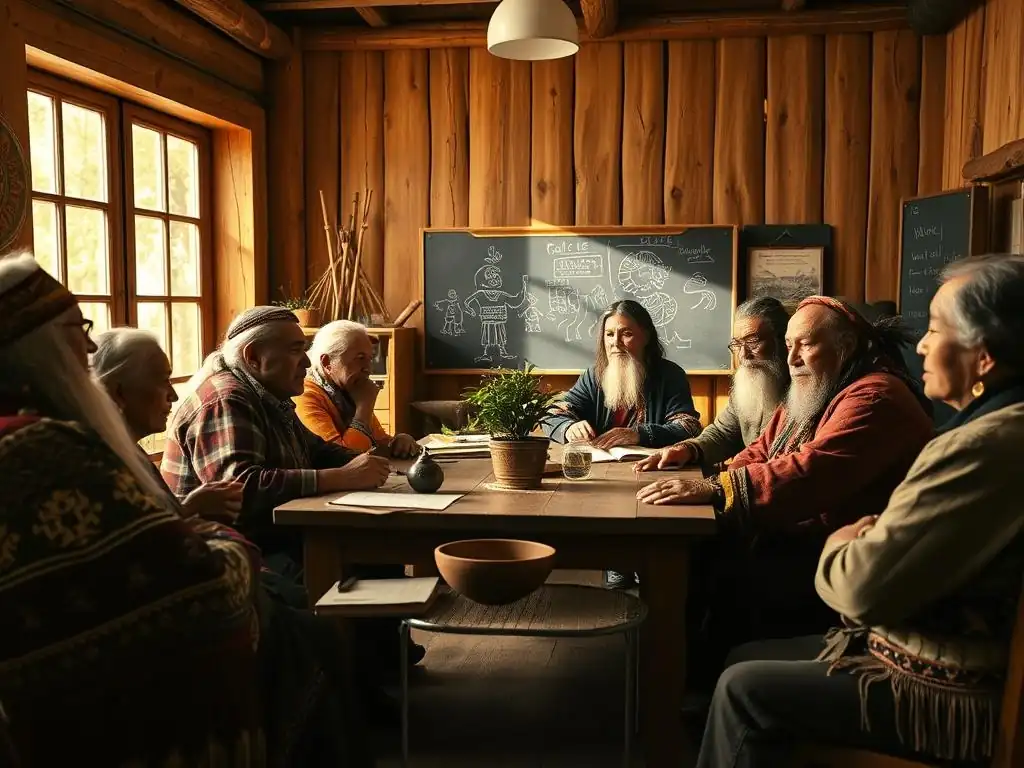
Collaborating with Indigenous Communities and Leaders
Collaboration with Indigenous communities is a cornerstone of effective outreach initiatives aimed at revitalizing Indigenous knowledge within modern education. Engaging directly with these communities fosters trust and ensures that the educational approaches are culturally relevant and respectful. Here are key strategies for successful collaboration:
- Establishing Partnerships: Forming genuine partnerships with Indigenous leaders and organizations can enhance the credibility and effectiveness of outreach programs. These partnerships can lead to:
- Co-created educational materials that reflect Indigenous worldviews.
- Joint events that promote cultural exchange and understanding.
- Listening and Learning: Outreach initiatives should prioritize listening sessions where community members share their knowledge, traditions, and educational needs. This can help educators understand:
- The unique historical and cultural contexts of each community.
- Specific challenges faced in the revitalization of their knowledge systems.
- Empowering Indigenous Voices: Involving Indigenous community members as educators and facilitators in outreach programs not only empowers them but also enriches the learning experience. This approach can include:
- Training programs for Indigenous educators to develop skills in modern teaching methodologies.
- Opportunities for Indigenous youth to share their perspectives and experiences.
By integrating these strategies, educational programs can create a more inclusive environment that honors and revitalizes Indigenous knowledge.
Integrating Indigenous Perspectives into Curriculum Development
Integrating Indigenous perspectives into curriculum development is essential for revitalizing Indigenous knowledge education. This process involves rethinking traditional curricula to include Indigenous histories, philosophies, and contributions. Here are some effective practices:
- Culturally Relevant Content: Curricula should include content that:
- Reflects Indigenous histories, languages, and cultural practices.
- Highlights contributions of Indigenous individuals and communities to society.
- Interdisciplinary Approaches: Combining Indigenous knowledge with various subjects can create a more holistic educational experience. For instance:
- Science: Incorporating traditional ecological knowledge into environmental science classes.
- History: Revising historical narratives to include Indigenous perspectives on colonization and resilience.
- Community-based Learning: Encouraging students to engage with Indigenous communities through service learning projects can deepen understanding and appreciation. This might involve:
- Participating in cultural events or traditional practices.
- Collaborating on projects that address community needs.
By embedding Indigenous perspectives into educational frameworks, we can foster a richer, more accurate understanding of history and culture among students.
Leveraging Technology for Outreach and Education
Technology plays a vital role in enhancing outreach initiatives aimed at revitalizing Indigenous knowledge in education. By utilizing various digital tools, programs can effectively reach wider audiences and facilitate learning. Here are some impactful ways to leverage technology:
- Online Platforms for Resource Sharing: Creating digital repositories of Indigenous knowledge allows educators and students to access valuable resources. These can include:
- Webinars: Hosting virtual workshops led by Indigenous experts.
- Digital Libraries: Curating collections of Indigenous literature, oral histories, and research materials.
- Interactive Learning Tools: Utilizing technology to develop interactive learning experiences can engage students more effectively. This might involve:
- Educational Apps: Designing apps that teach Indigenous languages or cultural practices through games and activities.
- Virtual Reality: Creating immersive experiences that allow students to explore Indigenous sites and traditions virtually.
- Social Media Campaigns: Engaging with communities through social media platforms can raise awareness and promote Indigenous knowledge. This can include:
- Sharing stories and cultural insights directly from Indigenous perspectives.
- Organizing online discussions and forums to facilitate dialogue among diverse audiences.
By embracing technology in outreach initiatives, educational programs can create dynamic learning environments that resonate with contemporary students while honoring Indigenous knowledge systems.
Future Directions for Indigenous Knowledge Education
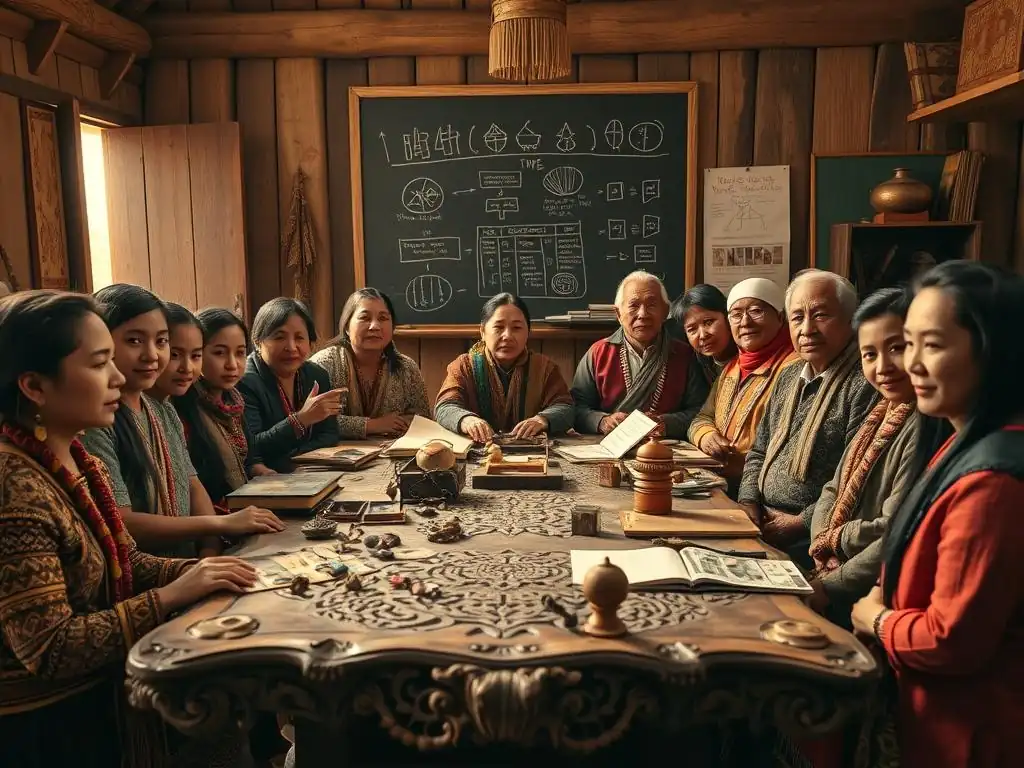
The Growing Importance of Indigenous Knowledge in Global Education
In recent years, there has been a marked shift in the global educational landscape, emphasizing the need for inclusivity and diversity in curricula. Indigenous knowledge is gaining recognition not only as a valuable educational resource but also as a critical component of a well-rounded education. With the ongoing discussions around sustainability, climate change, and cultural diversity, integrating Indigenous perspectives is more relevant than ever.
-
Cultural Sustainability:
Indigenous knowledge systems often embody sustainable practices developed over centuries. By incorporating these systems into modern education, students can learn about ecological stewardship, resource management, and community resilience. For instance, Indigenous practices related to agriculture, forestry, and water management offer insights into sustainable living that can be adapted to contemporary contexts.
-
Global Citizenship:
Understanding Indigenous cultures fosters a sense of global citizenship among students. It cultivates respect for cultural differences and promotes social justice. Students who engage with Indigenous knowledge are more likely to recognize the interconnectedness of all communities and the importance of preserving cultural heritage.
-
Holistic Education:
Indigenous education often emphasizes a holistic approach, integrating emotional, spiritual, and physical well-being. This contrasts with traditional education models that often focus solely on cognitive development. By adopting a more holistic perspective, educators can create more inclusive environments that cater to diverse learning styles and needs, thereby enhancing student engagement and success.
-
Collaborative Learning:
Integrating Indigenous knowledge promotes collaborative learning experiences. Educators can work with Indigenous elders and community leaders to develop curricula that reflect local histories, languages, and traditions. This collaboration not only enriches the educational experience but also fosters mutual respect and understanding between Indigenous and non-Indigenous communities.
Recommendations for Educators and Policymakers
To effectively revitalize Indigenous knowledge within education systems, certain strategies and recommendations should be considered:
- Curriculum Development:
- Incorporate Indigenous Perspectives: Educators should integrate Indigenous stories, languages, and philosophies into existing subjects. This could involve revising history lessons to include Indigenous narratives or incorporating Indigenous environmental practices into science curricula.
- Culturally Relevant Pedagogy: Utilize teaching methods that resonate with Indigenous learning styles, such as storytelling, experiential learning, and community-based projects.
- Professional Development:
- Training Educators: Provide comprehensive training for educators on Indigenous histories, cultures, and pedagogies. This could involve workshops led by Indigenous scholars and community members, ensuring that teachers are equipped to teach these subjects respectfully and accurately.
- Building Partnerships: Foster partnerships between schools and Indigenous communities to create mentorship opportunities and collaborative projects that benefit both students and local Indigenous populations.
- Policy Support:
- Funding and Resources: Advocate for increased funding to support Indigenous education initiatives. This includes resources for curriculum development, teacher training, and community engagement programs.
- Inclusive Policies: Develop educational policies that prioritize Indigenous knowledge and ensure that Indigenous voices are included in decision-making processes regarding curriculum and educational practices.
By implementing these recommendations, educators and policymakers can play a pivotal role in revitalizing Indigenous knowledge within modern education, ensuring that it is recognized as a vital part of our shared human heritage. The emphasis on revitalizing Indigenous knowledge education will not only benefit Indigenous students but also enrich the educational experience for all learners, fostering a more inclusive and equitable society.
Conclusion: The Impact of Revitalizing Indigenous Knowledge on Modern Education
Summarizing the Importance of Outreach Initiatives
Outreach initiatives play a critical role in revitalizing Indigenous knowledge education, bridging the gap between traditional wisdom and modern educational frameworks. These programs not only enrich the curriculum but also foster a deeper understanding and appreciation of Indigenous cultures among students and educators alike. By integrating Indigenous perspectives, schools can create a more inclusive learning environment that acknowledges the historical and cultural significance of these communities.
- Cultural Relevance: Outreach initiatives ensure that Indigenous knowledge is recognized as a legitimate and vital part of the educational landscape. This relevance helps students to connect with their heritage, promoting pride and identity.
- Collaborative Learning: Programs often emphasize collaboration between Indigenous elders and community members and educational institutions. This partnership allows for authentic storytelling and the transmission of cultural practices, enhancing the learning experience with personal narratives and lived experiences.
- Interdisciplinary Approach: Incorporating Indigenous knowledge encourages an interdisciplinary approach to education. Subjects like science, history, and art can be taught through the lens of Indigenous perspectives, fostering critical thinking and creativity among students.
- Long-term Benefits: Revitalizing Indigenous knowledge through educational outreach has long-term benefits, including improved academic performance for Indigenous students, increased cultural competency among non-Indigenous students, and the preservation of linguistic and cultural traditions.
Outreach initiatives serve as a powerful tool in education, promoting cultural understanding and respect while empowering Indigenous communities to reclaim their narratives and knowledge systems.
Call to Action for Further Support and Engagement
To continue the momentum of revitalizing Indigenous knowledge in education, it is imperative to foster further support and engagement from various stakeholders. Here are actionable steps that individuals, educators, and institutions can take:
- Advocate for Policy Changes: Support policies that promote the inclusion of Indigenous knowledge in school curricula at local, state, and national levels. Engage with decision-makers to highlight the importance of these initiatives.
- Participate in Community Programs: Join or support local organizations that focus on Indigenous outreach and education. Engaging with these programs not only helps to elevate Indigenous voices but also enriches the community as a whole.
- Educate Others: Share knowledge about Indigenous cultures and the importance of revitalizing their knowledge systems. This can include hosting workshops, writing articles, or engaging in community discussions.
- Support Indigenous Educators: Encourage and support Indigenous individuals pursuing careers in education. Their unique perspectives and experiences are vital in shaping future generations and ensuring that Indigenous knowledge is passed down effectively.
- Promote Cultural Events: Attend and promote events that celebrate Indigenous cultures, such as festivals, art exhibitions, and educational workshops. These events can strengthen community ties and provide platforms for Indigenous voices.
By actively engaging in these initiatives, we can collectively work towards a more inclusive educational system that respects and honors the rich heritage of Indigenous civilizations throughout the Americas. Together, we can ensure that revitalizing Indigenous knowledge education becomes a sustained and impactful endeavor.
Frequently Asked Questions
What are outreach initiatives in the context of Indigenous knowledge?
Outreach initiatives refer to programs and activities designed to promote and incorporate Indigenous knowledge into modern education, aiming to raise awareness and appreciation of Indigenous cultures.
How do these initiatives impact modern education?
These initiatives help to revitalize Indigenous knowledge by integrating cultural perspectives into curricula, fostering a more inclusive understanding of history and society among students of all backgrounds.
Why is revitalizing Indigenous knowledge important?
Revitalizing Indigenous knowledge is crucial for preserving cultural heritage, promoting social justice, and ensuring that Indigenous voices are heard and valued in the educational system and beyond.
Who benefits from these outreach initiatives?
Both Indigenous communities and non-Indigenous students benefit; Indigenous students gain pride in their culture while non-Indigenous students develop a broader understanding of diversity and history.
How can individuals support these outreach efforts?
Individuals can support these efforts by participating in local programs, advocating for the inclusion of Indigenous knowledge in education, and promoting awareness of the importance of cultural preservation.
Final Reflection: Revitalizing Indigenous Knowledge in Modern Education
The resurgence of Indigenous knowledge within modern education is not just a trend; it is a profound movement that underscores the importance of cultural heritage in shaping our collective future. As we navigate a rapidly changing world, the integration of Indigenous perspectives and teachings into educational frameworks is essential for fostering a more inclusive and holistic understanding of our environment and society. This revitalization is a powerful reminder that education is not merely about the transfer of information, but about honoring and preserving the wisdom of those who have long been stewards of the land.
The impact of these outreach initiatives extends far beyond classrooms; they are reshaping the cultural and social landscape by bridging gaps between Indigenous and non-Indigenous communities. By creating spaces for dialogue and collaboration, these initiatives empower students and educators alike to appreciate the richness of Indigenous knowledge systems. As we reflect on this ongoing transformation, we are reminded of the words of Indigenous scholar Vine Deloria Jr.: Education is not a preparation for life; education is life itself.
This sentiment encapsulates the essence of revitalizing Indigenous knowledge—it is about living and learning in a way that respects and integrates diverse worldviews.
As we look to the future, I invite you to consider how you can contribute to this vital movement. Reflect on your own educational practices and seek opportunities to incorporate Indigenous knowledge into your life and work. Whether through community engagement, personal study, or advocating for policy changes, each of us has a role to play in ensuring that Indigenous voices are heard and valued in our educational systems. Together, we can create a more equitable and enriched learning environment that honors the past while paving the way for a brighter future.
Unleash the Power of Indigenous Knowledge in Education!
Thank you for diving into this enlightening exploration of outreach initiatives revitalizing Indigenous knowledge in modern education. By understanding these efforts, you’ve taken a significant step toward appreciating the rich tapestry of Indigenous cultures and learning.
Now, let's harness this inspiration and make an impact! Here are some actionable steps you can take to contribute and share the value of Indigenous knowledge:
- Engage with Local Indigenous Communities: Reach out to grassroots organizations or cultural centers in your area and invite them to share their knowledge in schools or community programs.
- Share This Article: Spread the word by sharing this article on your social media platforms. Encourage friends and educators to explore the transformative power of Indigenous teachings.
- Create a Learning Group: Gather a group of friends or colleagues to discuss and learn about Indigenous cultures through book clubs or community events featuring Indigenous authors and speakers.
What unique insights or experiences can you share about the role of Indigenous knowledge in your education or community? **Let’s start the conversation! **