
Art as Resistance: Exploring Contemporary Indigenous Artists and Their Impact

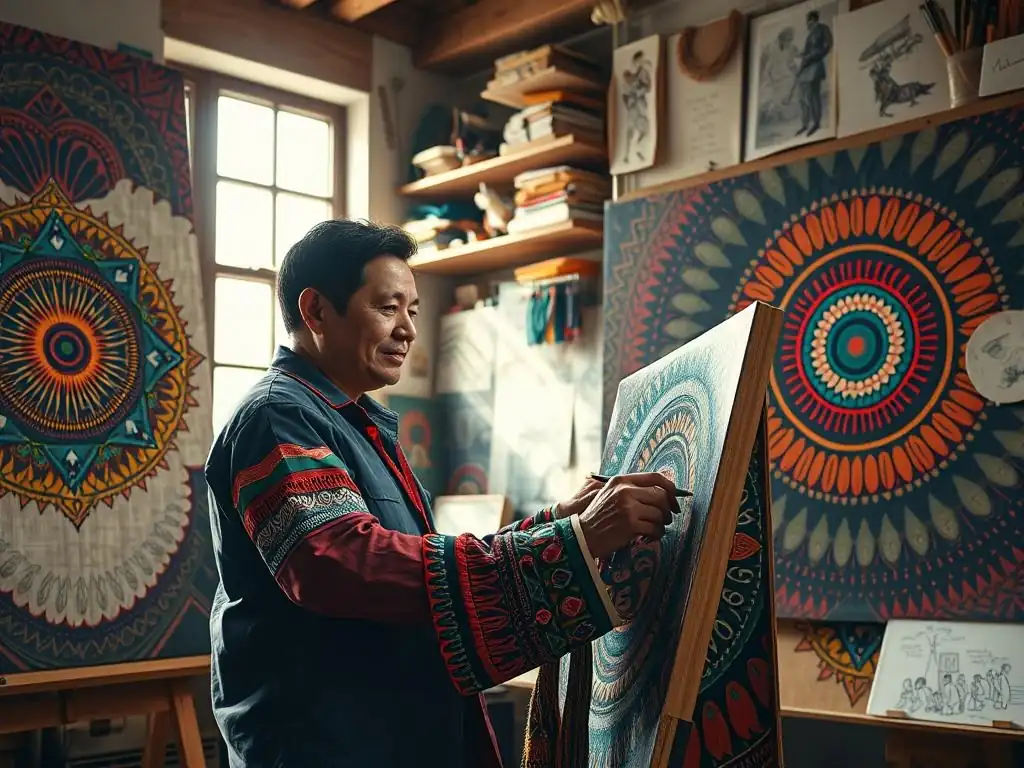
Welcome to Indigenous Civilizations of the Americas, where we embark on a fascinating journey through the rich tapestry of indigenous cultures that flourished long before European colonization. In our featured article, “Art as Resistance: Exploring Contemporary Indigenous Artists and Their Impact,” we delve into the profound ways contemporary indigenous artists are reshaping narratives and asserting their identities through powerful expressions of creativity.
Join us as we uncover the resilience and innovation of these artists, and discover how their work serves as a vital link to the past and a beacon for the future. Prepare to be inspired and informed as we explore the enduring legacy of these vibrant cultures!
- Introduction to Contemporary Indigenous Artists and Their Impact
- Historical Context of Indigenous Art Before European Colonization
- The Role of Art in Cultural Revitalization
- Key Themes in Contemporary Indigenous Art
- Notable Contemporary Indigenous Artists
- The Impact of Contemporary Indigenous Artists on Society
- Case Studies of Successful Artistic Movements
- Future of Contemporary Indigenous Art
- Conclusion: The Enduring Impact of Contemporary Indigenous Artists
- References
-
Frequently Asked Questions
- What is the focus of the article "Art as Resistance: Exploring Contemporary Indigenous Artists and Their Impact"?
- How do contemporary Indigenous artists contribute to their communities?
- What themes are commonly explored by contemporary Indigenous artists?
- How does the impact of contemporary Indigenous artists extend beyond art?
- Why is it important to recognize the contributions of contemporary Indigenous artists?
- Final Reflection: The Enduring Power of Art as Resistance
- Embrace Your Role in Art and Resistance!
Introduction to Contemporary Indigenous Artists and Their Impact
Contemporary Indigenous artists are pivotal figures in the ongoing narrative of cultural revitalization and resistance against colonial legacies. Through their work, they not only express their unique cultural identities but also challenge the historical narratives imposed upon their communities by European colonization. This article delves into the profound impact of contemporary Indigenous artists, exploring how their creations serve as a powerful medium for social commentary, cultural preservation, and activism. By examining a diverse range of artistic expressions, we can appreciate the resilience and creativity that characterize Indigenous cultures today, highlighting their ongoing influence in contemporary society.
Definition of Contemporary Indigenous Art
Contemporary Indigenous art encompasses a wide spectrum of artistic forms and expressions created by Indigenous artists in the present-day context. This can include traditional practices, such as painting, sculpture, textiles, and beadwork, as well as modern interpretations that incorporate new materials, techniques, and technologies. The key characteristic of this art is its rootedness in Indigenous identity and perspective, often reflecting the artists' cultural heritage, personal experiences, and social issues affecting their communities.
Some notable aspects of contemporary Indigenous art include:
- Cultural Fusion: Many artists blend traditional methods with contemporary styles, creating unique pieces that resonate with both Indigenous and non-Indigenous audiences.
- Political Themes: Artworks often address critical issues such as land rights, environmental concerns, and the impacts of colonialism, serving as a platform for activism.
- Revitalization of Traditions: Artists may draw on ancestral techniques and motifs, contributing to the resurgence of Indigenous cultural practices and languages.
Importance of Art as a Form of Resistance
Art has long been a powerful tool for resistance among Indigenous peoples, allowing them to voice their struggles and assert their identities in the face of oppression. Contemporary Indigenous artists harness this potential, using their work to confront stereotypes, raise awareness, and foster dialogue about the ongoing impacts of colonization.
The significance of art as a form of resistance can be highlighted through the following points:
- Cultural Assertion: By creating art that reflects their traditions and perspectives, Indigenous artists assert their existence and resilience in a world that often seeks to marginalize them.
- Community Engagement: Many artists actively involve their communities in the creative process, fostering a sense of belonging and collective identity.
- Global Awareness: Through exhibitions and collaborations, contemporary Indigenous art reaches a wider audience, educating others about Indigenous issues and fostering empathy and understanding.
The works of contemporary Indigenous artists not only contribute to the cultural landscape but also serve as vital instruments for resistance and change, shaping the narrative of Indigenous peoples in the modern world.
Historical Context of Indigenous Art Before European Colonization
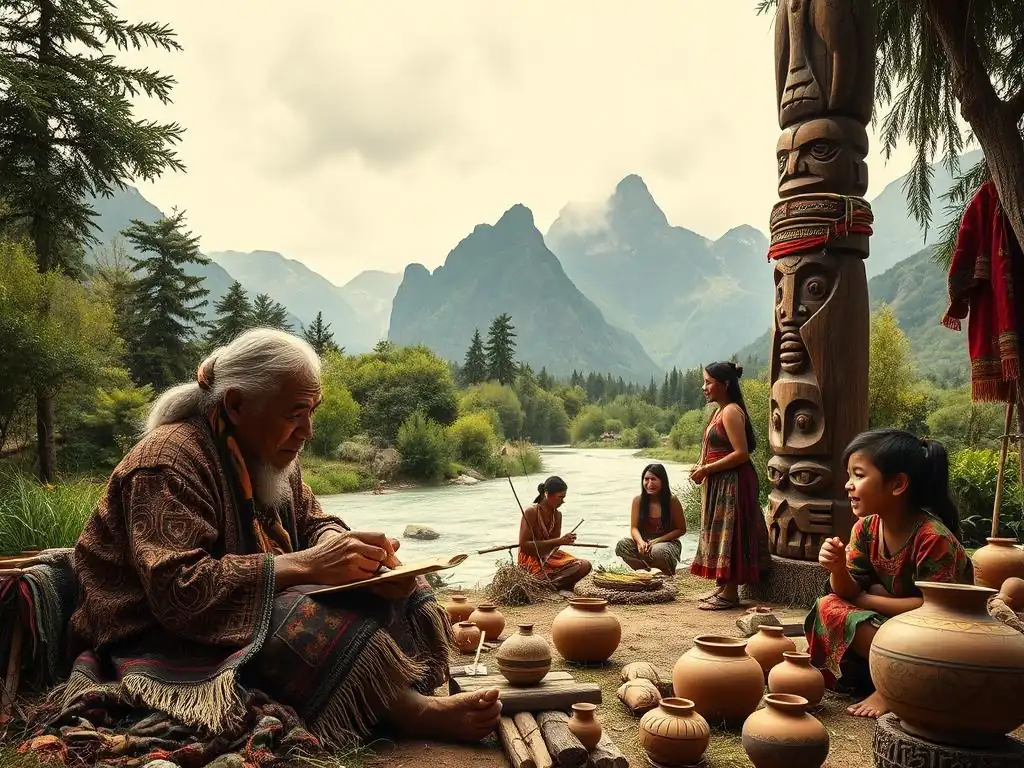
Indigenous art in the Americas serves as a profound reflection of the diverse cultures, beliefs, and lifestyles of the various tribes and civilizations that flourished long before European colonization. Each region cultivated its own unique artistic expressions, influenced by the environment, spirituality, and social structures. These artistic creations were not merely decorative; they held significant cultural meanings and were often intertwined with the community's identity and values.
Overview of Indigenous Art Forms in the Americas
Indigenous art forms in the Americas are incredibly varied, encompassing a wide range of mediums and techniques. Here are some prominent categories:
- Textiles:
- Weaving, embroidery, and dyeing techniques were prevalent, with tribes like the Navajo and the Andean cultures producing intricate textiles that often conveyed stories and cultural narratives.
- Pottery:
- From the effigy pots of the Mississippi River Valley to the Puebloan pottery of the Southwest, ceramics were both functional and ceremonial, often adorned with symbolic designs that reflected the community's beliefs.
- Sculpture and Carving:
- Wood, stone, and bone were skillfully carved into masks, totem poles, and ceremonial objects. The Pacific Northwest tribes, for example, are renowned for their totem poles that narrate clan histories and legends.
- Paintings and Rock Art:
- Murals and petroglyphs were prevalent, serving as historical records and spiritual symbols. The cave paintings of the Southwest and the rock art of the Great Plains provide a visual narrative of the peoples' lives and beliefs.
- Jewelry and Ornamentation:
- Indigenous artists crafted jewelry from materials like silver, turquoise, and shells, often imbued with spiritual significance or used in trade.
These art forms were often created collaboratively, with community members contributing to the artistic process. This collective approach not only preserved cultural knowledge but also reinforced communal bonds.
Evolution of Indigenous Art Through Colonization
The arrival of European colonizers marked a significant turning point for indigenous art in the Americas. The imposition of foreign cultural norms and the subsequent marginalization of indigenous practices led to profound changes in artistic expression.
- Adaptation and Survival:
- Indigenous artists began to adapt their traditional practices to reflect new realities. Materials became scarce, prompting innovations in techniques and styles. For instance, some artists incorporated European tools and mediums, blending them with indigenous themes to create hybrid art forms.
- Political Commentary:
- As colonization intensified, art became a means of resistance and commentary. Artists utilized their work to critique colonial oppression and assert their identities. This shift can be seen in the works of contemporary indigenous artists who draw on historical experiences to convey messages of resilience.
- Revitalization Efforts:
- The late 20th century saw a resurgence of interest in traditional practices, as indigenous communities sought to reclaim their cultural heritage. This revival is marked by a return to traditional styles, themes, and methods, while also engaging with contemporary issues.
- Global Recognition:
- Today, contemporary indigenous artists are gaining international recognition, using their platforms to raise awareness about social and environmental issues affecting indigenous communities. Their work often reflects a blend of traditional and modern techniques, showcasing the ongoing evolution of indigenous art.
The impact of contemporary indigenous artists is profound, as they not only preserve their cultural heritage but also challenge perceptions and foster a dialogue about the complexities of identity, history, and resistance in a post-colonial world. Through their impactful art, they continue to inspire new generations and advocate for the rights and recognition of indigenous peoples worldwide.
The Role of Art in Cultural Revitalization
Art plays a pivotal role in the cultural revitalization of Indigenous communities, serving as a powerful medium for expressing identity, heritage, and resilience. In the context of contemporary Indigenous artists, their work not only reflects the rich traditions of their ancestors but also acts as a form of resistance against colonial narratives and cultural erasure. By reinterpreting traditional art forms and integrating modern techniques, these artists foster a deeper understanding of their communities’ histories and contemporary realities.
How Contemporary Indigenous Artists Revive Traditional Practices
Contemporary Indigenous artists engage with traditional practices in innovative ways, ensuring that these art forms are not only preserved but also adapted to resonate with modern audiences. This revival can take many forms, including:
- Reinterpretation of Techniques: Many artists draw upon ancient methods, such as weaving, pottery, and carving, while incorporating contemporary materials and themes. For example, the use of recycled materials in traditional weaving practices highlights both sustainability and cultural continuity.
- Fusion of Styles: Some artists blend traditional motifs with modern artistic expressions, creating hybrid forms that reflect their dual heritage. This can be seen in the works of artists like Marlene Creates, whose pieces incorporate Indigenous storytelling into contemporary photographic practices.
- Community Engagement: Artists often collaborate with their communities to ensure that their work reflects collective experiences and stories. Initiatives such as workshops and public art projects enable knowledge transfer and foster a sense of shared identity.
- Digital Mediums: The rise of digital art has allowed Indigenous artists to reach broader audiences. By utilizing social media platforms and online galleries, artists like Natalie Ball can disseminate their messages globally, highlighting issues faced by Indigenous peoples today.
This revival not only honors past traditions but also empowers Indigenous communities to reclaim their narratives, fostering a sense of pride and ownership over their cultural expressions.
The Significance of Storytelling in Indigenous Art
Storytelling is integral to Indigenous art, serving as a vehicle for transmitting knowledge, values, and cultural heritage. The significance of storytelling in this context can be articulated through several key aspects:
- Cultural Preservation: Through storytelling embedded in artistic expressions, Indigenous artists preserve the rich tapestry of their histories, myths, and traditions. This can be seen in the works of artists like Rita Meade, who utilizes traditional narratives to inform her contemporary paintings, ensuring that these stories are not lost to time.
- Empowerment and Agency: By reclaiming their stories, Indigenous artists assert their identities and challenge stereotypes perpetuated by colonial narratives. This act of storytelling becomes a form of empowerment, allowing artists to define themselves on their own terms.
- Connection to Land and Identity: Many Indigenous artworks incorporate elements of nature and the environment, linking personal and collective identities to ancestral lands. Through visual storytelling, artists convey the deep relationship between their communities and their territories, reinforcing the importance of land in their cultures.
- Intergenerational Dialogue: Storytelling in art fosters dialogue between generations, bridging the gap between the past and the present. It enables younger artists to connect with their heritage while also allowing elders to share their wisdom, creating a continuum of cultural knowledge.
The impact of contemporary Indigenous artists is profound, as they harness the power of art and storytelling to revitalize their cultures, resist erasure, and inspire change within their communities and beyond. Through their work, they not only pay homage to their ancestors but also pave the way for future generations to thrive in a world that acknowledges and celebrates their rich cultural legacies.
Key Themes in Contemporary Indigenous Art
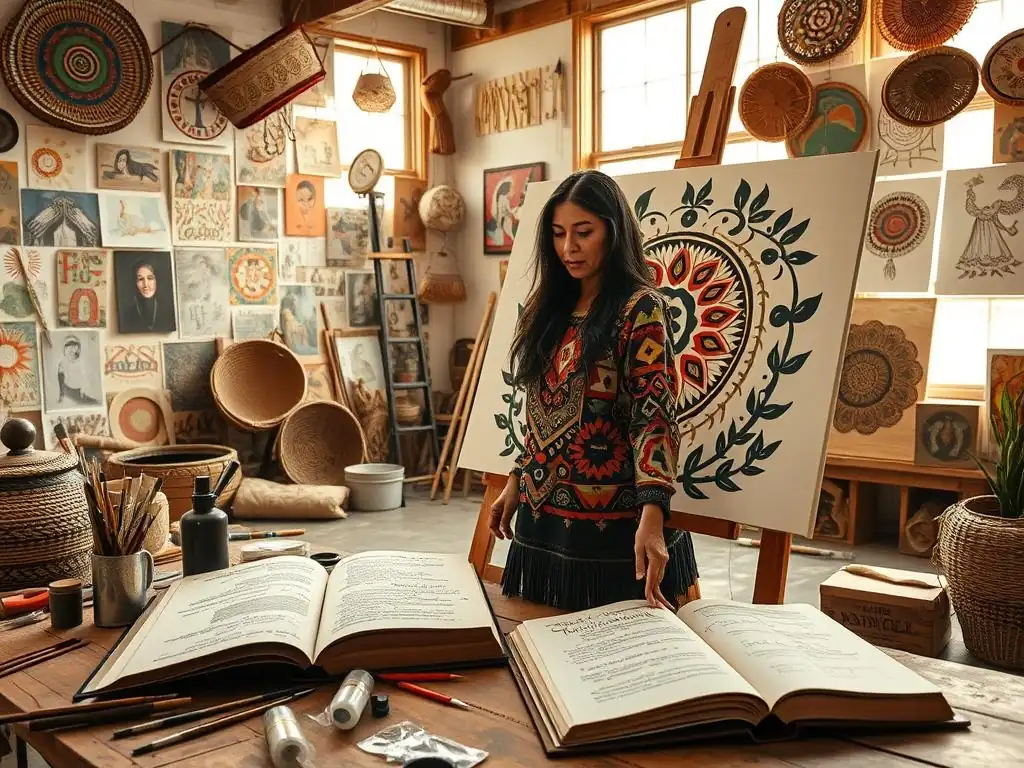
Contemporary Indigenous artists are making significant contributions to the art world by weaving together themes that reflect their unique experiences, histories, and cultural identities. These themes serve not only as expressions of personal and community narratives but also as forms of resistance and revitalization against colonial legacies. Below, we explore three key themes that are prevalent in the works of contemporary Indigenous artists: Identity and Cultural Heritage, Land and Environment, and Social Justice and Political Activism.
Identity and Cultural Heritage
The theme of identity is central to the works of many contemporary Indigenous artists. Through their art, they explore and express their cultural heritage, often drawing upon traditional practices, stories, and symbols. This exploration serves multiple purposes:
- Cultural Preservation: Many artists use their work to preserve traditional narratives and practices that might otherwise be lost. For instance, the use of traditional motifs in modern contexts helps to bridge the gap between the past and present.
- Personal Reflection: Artists often reflect on their personal journeys of self-discovery, connecting their individual identities to their communal histories. This can be seen in the works of artists like Maya Lin, who incorporates elements of her Chinese and Indigenous heritage into her installations.
- Representation: The reclamation of identity is also a form of representation within the broader art world. By showcasing their heritage, contemporary Indigenous artists challenge the misrepresentations and stereotypes that often pervade mainstream narratives.
Land and Environment
The relationship between Indigenous peoples and their ancestral lands is a critical theme in contemporary Indigenous art. Many artists emphasize the importance of land, not just as a physical space but as an integral part of their identity and culture. This theme manifests in various ways:
- Connection to Nature: Artists often depict landscapes, flora, and fauna that hold significance in their cultures. These artworks remind viewers of the deep spiritual and cultural connections that Indigenous peoples have with their environments.
- Environmental Activism: Given the ongoing threats to Indigenous lands from resource extraction and climate change, many artists utilize their platforms to advocate for environmental justice. For example, the artist Nicholas Galanin creates pieces that address issues of land rights and environmental degradation, highlighting the need for sustainable practices.
- Cultural Landscapes: By representing landscapes that are tied to specific stories and histories, artists like Kathy Jetn̄il-Kijiner draw attention to the cultural narratives that are often overlooked in discussions about land use and conservation.
Contemporary Indigenous artists frequently engage with themes of social justice and political activism, using their art as a powerful tool for advocacy. This engagement often addresses the ongoing impacts of colonization and the struggles for Indigenous rights:
- Challenging Injustice: Artists create works that confront systemic injustices faced by Indigenous communities, such as land dispossession, cultural appropriation, and social inequality. For instance, Jade Purple Brown creates pieces that critique societal norms and advocate for Indigenous rights.
- Raising Awareness: Through exhibitions and public installations, artists raise awareness about critical issues affecting their communities. This includes topics such as the Missing and Murdered Indigenous Women (MMIW) movement, which is powerfully highlighted in the works of artists like Anita Fields.
- Community Engagement: Many contemporary Indigenous artists collaborate with their communities to create art that reflects collective experiences and aspirations. This collaborative approach not only empowers communities but also strengthens the impact of their messages.
The exploration of these key themes—Identity and Cultural Heritage, Land and Environment, and Social Justice and Political Activism—demonstrates the profound impact that contemporary Indigenous artists have on both their communities and the wider world. Through their art, they not only resist colonial narratives but also revitalize their cultures and advocate for justice, making significant contributions to the ongoing dialogue around Indigenous rights and representation.
Notable Contemporary Indigenous Artists
Janelle McGough: Profile and Contributions
Janelle McGough is a prominent contemporary Indigenous artist known for her innovative approach to weaving traditional techniques with modern themes. Based in the Northwest Coast, McGough draws inspiration from her heritage, focusing on the narratives of her ancestors and the struggles faced by Indigenous communities today. Her work often features vibrant colors and intricate patterns that reflect the natural world, symbolizing the connection between her culture and the environment.
- Mediums Used: McGough primarily employs textiles, utilizing natural fibers to create both functional and artistic pieces. Her work includes:
- Tapestries
- Wearable art
- Installation pieces
- Themes Explored: Central to McGough's art are themes of resilience, identity, and community. She aims to challenge stereotypes and provide a platform for dialogue surrounding Indigenous issues.
Impact on Indigenous Communities
McGough's work has significantly impacted Indigenous communities by fostering a sense of pride and cultural identity. Her art encourages younger generations to reconnect with their heritage and embrace traditional practices. Through workshops and community projects, she actively engages with her local community, emphasizing the importance of storytelling and collective healing.
Additionally, her pieces often serve as a medium for activism, addressing contemporary issues such as land rights, environmental stewardship, and cultural preservation. By highlighting these themes, McGough's art not only resonates with Indigenous audiences but also educates non-Indigenous viewers, bridging cultural gaps and promoting understanding.
Recognition and Awards
Janelle McGough's contributions to contemporary Indigenous art have not gone unnoticed. She has received several prestigious awards, including:
| Year | Award | Organization |
|---|---|---|
| 2021 | Indigenous Artist of the Year | National Indigenous Art Awards |
| 2022 | Excellence in Textile Art | Tribal Arts Council |
| 2023 | Community Impact Award | Indigenous Arts Network |
Her recognition extends beyond awards; her work has been featured in numerous exhibitions across North America, elevating the profile of Indigenous artists within the contemporary art scene.
Jeffrey Gibson: Profile and Contributions
Jeffrey Gibson is a celebrated contemporary Indigenous artist of Choctaw-Cherokee descent, whose work reflects a fusion of traditional Indigenous practices and contemporary art. Gibson’s artistic journey is marked by an exploration of identity, culture, and the impact of colonization on Indigenous life. He creates a diverse range of artworks, including paintings, sculptures, and installations that challenge perceptions and expand the narrative of Indigenous experience.
- Mediums Used: Gibson utilizes a variety of materials, blending:
- Painting
- Sculpture
- Video
- Performance art
- Themes Explored: His work often addresses themes of hybridity, globalization, and the intersection of Indigenous identity with popular culture.
Impact on Indigenous Communities
Gibson’s art has played a transformative role in Indigenous communities, sparking conversations around identity and cultural resurgence. His work not only reflects personal experiences but also resonates with broader Indigenous narratives, empowering communities to reclaim their stories and histories.
Through his installations and community outreach programs, Gibson fosters a sense of belonging and pride among Indigenous youth, encouraging them to express their identities through art. His exhibitions often serve as spaces for dialogue, where Indigenous and non-Indigenous audiences can engage in discussions about cultural understanding and reconciliation.
Recognition and Awards
Jeffrey Gibson's innovative contributions to the art world have garnered significant recognition, including:
| Year | Award | Organization |
|---|---|---|
| 2019 | MacArthur Fellowship | John D. and Catherine T. MacArthur Foundation |
| 2020 | American Academy in Rome Prize | American Academy |
| 2021 | Artist of the Year | National Museum of the American Indian |
His work has been exhibited in major institutions, such as the Whitney Museum of American Art and the Smithsonian, allowing him to elevate the visibility of contemporary Indigenous art on a global scale. Gibson's impact is a testament to the power of art as a medium for resistance and cultural revitalization.
Shuvinai Ashoona: Profile and Contributions
Shuvinai Ashoona is a prominent contemporary Inuit artist hailing from Kinngait (Cape Dorset), Nunavut, Canada. Born in 1961, she has gained international acclaim for her intricate drawings and prints that blend traditional Inuit themes with modern artistic expressions. Ashoona's work often explores the relationship between her culture and the contemporary world, using vivid colors and imaginative forms to create a dialogue about identity, environment, and community.
Her artistic journey began in the late 1990s, influenced by her family of artists, including her father, the renowned carver, and her mother, a skilled printmaker. Ashoona's style is characterized by a unique blend of realism and abstraction, where she often incorporates elements of storytelling and folklore. This approach not only highlights her cultural heritage but also challenges the viewer to engage with the complexities of modern Indigenous life.
Ashoona has been instrumental in reviving interest in Inuit art, pushing the boundaries of traditional mediums and encouraging young Indigenous artists to explore their own narratives. She often addresses themes such as climate change, social issues, and the impact of colonialism on her community, making her work both a personal expression and a broader commentary on contemporary Indigenous experiences.
Impact on Indigenous Communities
Shuvinai Ashoona's contributions extend beyond the realm of art; she plays a vital role in the cultural revitalization of Indigenous communities. Through her artwork, she fosters a sense of pride and identity among Inuit youth, inspiring them to reconnect with their cultural roots. Her exhibitions often serve as platforms for dialogue, encouraging discussions about environmental issues, social justice, and the importance of preserving Indigenous languages and traditions.
Ashoona's impact is further amplified by her involvement in community initiatives aimed at supporting emerging artists. By mentoring young creators and providing them with opportunities to showcase their work, she helps cultivate a new generation of Indigenous artists who are equipped to tell their stories in their unique ways. Her work embodies resilience, reminding communities of their collective strength and the importance of cultural expression in the face of ongoing challenges.
Moreover, her art serves as a bridge, connecting Indigenous communities with a broader audience. By sharing her perspective and experiences, Ashoona educates non-Indigenous viewers about the richness of Inuit culture and the ongoing struggles faced by Indigenous peoples. This not only contributes to greater understanding and respect but also fosters allyship in the fight for Indigenous rights and recognition.
Recognition and Awards
Shuvinai Ashoona has received numerous accolades for her contributions to contemporary art and Indigenous culture. Her work has been featured in prestigious exhibitions across Canada and internationally, including significant venues such as the Venice Biennale and the Art Gallery of Ontario. She was awarded the 2018 Governor General's Award in Visual and Media Arts, recognizing her exceptional artistic achievements and her role in promoting Indigenous art.
In addition to her awards, Ashoona's pieces are part of major public and private collections, including the National Gallery of Canada and the Canadian Museum of History. These recognitions not only validate her talent but also highlight the importance of Indigenous narratives within the contemporary art world.
Through her achievements, Ashoona has become a leading figure in the movement to elevate Indigenous voices in art, advocating for greater representation and visibility. Her impact resonates not just within Indigenous communities but also within the global art scene, where she continues to inspire both artists and audiences alike.
The Impact of Contemporary Indigenous Artists on Society
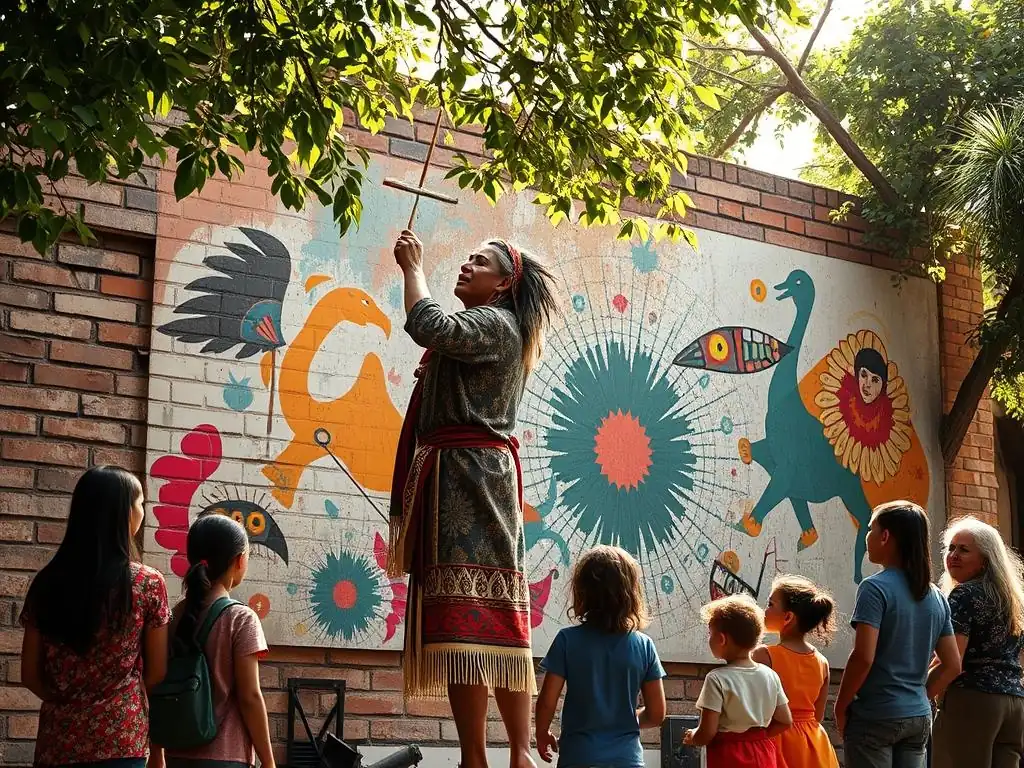
Contemporary Indigenous artists play a crucial role in reshaping perceptions, advocating for rights, and fostering cultural revitalization. Their work not only reflects the complexities of identity and tradition but also engages with broader social issues, making significant contributions to society. Through their art, these artists challenge stereotypes, influence public policy, and build bridges between diverse cultures.
Challenging Stereotypes and Misconceptions
Contemporary Indigenous artists actively combat stereotypes and misconceptions about Indigenous cultures through their creative expressions. By portraying authentic narratives and experiences, they provide a counter-narrative to the often reductive or romanticized views prevalent in mainstream media. For instance, artists like Sherman Alexie and Nikki McClure utilize literature and visual arts, respectively, to portray the reality of contemporary Indigenous life that goes beyond historical tropes.
- Artistic Techniques: Many artists employ traditional techniques and materials to create contemporary pieces that resonate with both Indigenous and non-Indigenous audiences. This blend of old and new helps redefine Indigenous identity in modern contexts.
- Themes of Resilience: Issues such as resilience, survival, and the ongoing effects of colonialism are prevalent in their works, which serve as powerful reminders of the struggles faced by Indigenous communities today.
By challenging stereotypes, these artists foster a more nuanced understanding of Indigenous identities and histories, encouraging audiences to engage with these cultures on a deeper level.
Influencing Public Policy and Awareness
The impact of contemporary Indigenous artists extends into the realm of public policy and social awareness. Through exhibitions, installations, and public performances, they bring critical issues to the forefront, influencing both public sentiment and policy decisions.
- Activism through Art: Many contemporary Indigenous artists leverage their platforms to advocate for environmental justice, land rights, and cultural preservation. For example, the work of Cindy Holt focuses on the environmental impacts of climate change on Indigenous lands, raising awareness and prompting discussions that can lead to policy changes.
- Collaborations with Organizations: Artists often collaborate with Indigenous rights organizations and non-profits to amplify their messages. These partnerships can lead to educational programs, community outreach, and initiatives that drive legislative changes.
Consequently, contemporary Indigenous artists are not only creators but also advocates, utilizing their art as a tool for social change and public engagement.
Building Bridges Between Cultures
Contemporary Indigenous artists serve as cultural ambassadors, fostering dialogue and understanding between Indigenous and non-Indigenous communities. Their work often transcends cultural boundaries, inviting collaboration and shared experiences.
- Cultural Exchange Programs: Many artists engage in cultural exchange programs that allow for the sharing of artistic practices and traditions, promoting mutual respect and understanding.
- Interdisciplinary Collaborations: By collaborating with artists from different backgrounds, they create interdisciplinary works that reflect a fusion of ideas and perspectives. This blending of cultures can result in innovative art forms that resonate with broader audiences.
Through these efforts, contemporary Indigenous artists contribute to a more inclusive society, where diverse narratives are recognized and celebrated. Their impact extends beyond their immediate communities, fostering a greater appreciation for Indigenous cultures and histories among the general population.
The work of contemporary Indigenous artists is vital in challenging stereotypes, influencing public policy, and building cultural bridges, ultimately shaping a more inclusive narrative around Indigenous identities and experiences.
Case Studies of Successful Artistic Movements
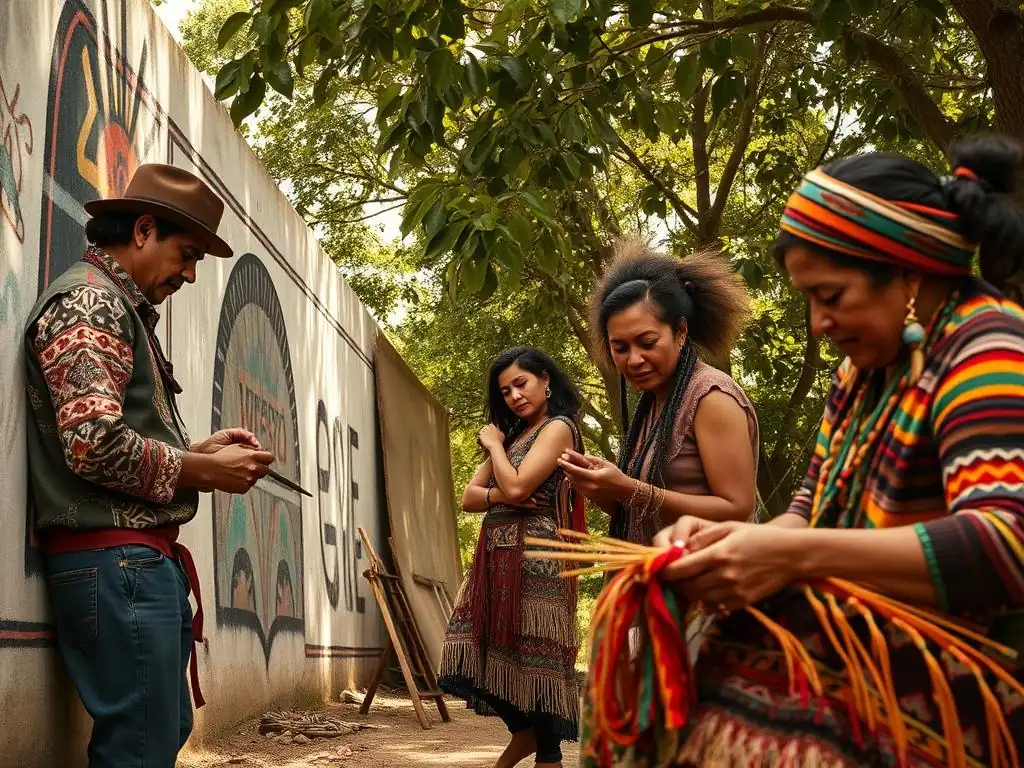
Art has long served as a powerful medium for expressing identity, culture, and resistance among Indigenous peoples. This section delves into two pivotal movements that highlight the impact of contemporary Indigenous artists: The Indian Group of Seven and the Native American Graves Protection and Repatriation Act (NAGPRA) Art Movement. Each of these movements not only showcases artistic talent but also reflects broader socio-political themes, emphasizing cultural revitalization and reclamation.
The Indian Group of Seven: Overview and Outcomes
The Indian Group of Seven, formed in 1973, represents a collective of Indigenous artists who aimed to redefine the artistic narrative surrounding Indigenous culture in Canada. This group sought to challenge the stereotypical representations of Indigenous peoples that had dominated the art world and to assert their identities through a contemporary lens.
Key Objectives and Themes
- Cultural Representation: The artists aimed to create works that authentically represented Indigenous life, narratives, and spirituality, moving beyond the colonial gaze.
- Collaboration: The group emphasized collaboration among its members, fostering a sense of community and shared purpose. This collaborative spirit was crucial in promoting each artist's voice while reinforcing cultural ties.
- Artistic Innovation: Members explored various mediums, including painting, sculpture, and textile arts, blending traditional techniques with modern influences. This fusion resulted in unique expressions that resonated with both Indigenous and non-Indigenous audiences.
Impact and Recognition
The impact of The Indian Group of Seven has been significant:
- Cultural Revitalization: The group's work has played a crucial role in revitalizing Indigenous art, inspiring younger generations to explore and embrace their cultural heritage.
- Institutional Acknowledgment: The movement has garnered recognition within major art institutions, leading to exhibitions and collections that celebrate Indigenous narratives. For instance, the Art Gallery of Ontario has featured their works, providing a platform for broader public engagement.
- Educational Outreach: The artists have also participated in workshops and educational initiatives, fostering a deeper understanding of Indigenous art and its importance in contemporary society.
The Native American Graves Protection and Repatriation Act (NAGPRA) Art Movement: Overview and Outcomes
The Native American Graves Protection and Repatriation Act (NAGPRA), enacted in 1990, represents a pivotal legislative achievement for Indigenous rights in the United States. While primarily focused on the repatriation of human remains and cultural items, NAGPRA has indirectly influenced an art movement dedicated to reclaiming Indigenous artistic heritage and addressing historical injustices.
Key Objectives and Themes
- Repatriation and Rights: NAGPRA has empowered Indigenous communities to reclaim their cultural artifacts from museums and institutions, reinforcing their rights over their heritage.
- Art as Advocacy: Artists have utilized this legal framework to create works that advocate for justice, healing, and the recognition of Indigenous sovereignty. These artworks often address themes of loss, resilience, and identity.
- Community Engagement: Many artists engage directly with their communities, incorporating traditional knowledge and practices into their art. This engagement fosters a deeper connection between the art and its cultural significance.
Impact and Recognition
The NAGPRA Art Movement has led to several notable outcomes:
- Visibility and Awareness: The movement has raised awareness about the importance of repatriating cultural materials, highlighting the ongoing legacy of colonialism and its impact on Indigenous communities.
- Art Exhibitions: Numerous exhibitions have emerged that focus on works created in response to NAGPRA, showcasing the intersection of art, law, and cultural preservation. These exhibitions often draw attention to the stories behind the artifacts and the significance of their return.
- Empowerment of Indigenous Artists: The movement has empowered Indigenous artists to take ownership of their narratives, fostering a sense of pride and agency within their communities. This empowerment is reflected in the increasing visibility of Indigenous art on both national and international stages.
Both The Indian Group of Seven and the NAGPRA Art Movement exemplify how contemporary Indigenous artists are making a profound impact on cultural revitalization efforts. Through their work, these artists challenge historical narratives, reclaim their identities, and advocate for their rights, ultimately contributing to a richer understanding of Indigenous cultures in the modern era.
Future of Contemporary Indigenous Art
The future of contemporary Indigenous art is poised for significant evolution, driven by a fusion of traditional practices and modern influences. As Indigenous artists continue to gain recognition on global platforms, their work not only reflects their cultural heritage but also addresses pressing social issues, making art a powerful tool for resistance and advocacy.
Emerging Trends and New Voices
Recent years have witnessed a surge in new voices within the contemporary Indigenous art scene. Younger generations of artists are increasingly embracing their cultural identity while experimenting with diverse mediums. This trend is characterized by:
- Cultural Revitalization: Artists are rediscovering and reinterpreting traditional techniques, such as weaving, beadwork, and pottery, often blending them with contemporary styles. This revival serves to educate both Indigenous and non-Indigenous audiences about their rich cultural heritage.
- Social Commentary: Many emerging artists tackle social issues, including environmental justice, colonialism, and identity politics, using their art as a platform for activism. For example, the work of artists like Nicholas Galanin challenges stereotypes and addresses the impacts of colonization on Indigenous communities.
- Collaboration and Community Engagement: Contemporary Indigenous artists are increasingly collaborating with local communities to ensure their projects resonate with cultural significance and collective memory. This approach not only strengthens community ties but also fosters a sense of ownership over the artistic process.
- Global Networking: Social media has enabled Indigenous artists to connect with audiences worldwide, allowing them to share their work, stories, and perspectives. Platforms like Instagram and TikTok serve as stages for artists to showcase their creativity and engage with global movements, bringing attention to Indigenous issues.
The Role of Technology in Art Creation
Technology plays a vital role in shaping contemporary Indigenous art, offering new avenues for creativity and expression. Here are some key aspects of how technology influences art creation among Indigenous artists:
- Digital Media and Virtual Platforms: Many Indigenous artists are utilizing digital tools to create artwork that transcends traditional boundaries. Digital painting, animation, and virtual reality installations allow artists to reach new audiences and present their work in innovative formats. This technological embrace often results in immersive experiences that invite viewers to engage with Indigenous narratives in meaningful ways.
- Online Exhibitions and Marketplaces: The rise of online galleries and marketplaces has democratized access to Indigenous art. Artists can now showcase and sell their work directly to global audiences, bypassing traditional gatekeepers in the art industry. This shift not only empowers artists economically but also fosters a greater appreciation for Indigenous art and culture.
- Archiving and Documentation: Technology facilitates the preservation of Indigenous cultures and histories through digital archiving. Artists and communities can document their traditions, stories, and artworks, ensuring that future generations have access to their cultural heritage. This initiative supports cultural revitalization efforts and strengthens identity within Indigenous communities.
- Interactive Art Forms: The incorporation of technology into art allows for the creation of interactive pieces that engage audiences on multiple levels. For instance, augmented reality (AR) installations can bring traditional stories to life, allowing viewers to experience Indigenous narratives in a contemporary context. This innovative approach not only captivates audiences but also educates them about Indigenous cultures.
The future of contemporary Indigenous art is bright, characterized by emerging trends, new voices, and the integration of technology. As Indigenous artists continue to navigate the complexities of their cultural identities while addressing contemporary issues, their impact will resonate far beyond the art world, fostering understanding and respect for Indigenous cultures and their contributions to society.
Conclusion: The Enduring Impact of Contemporary Indigenous Artists
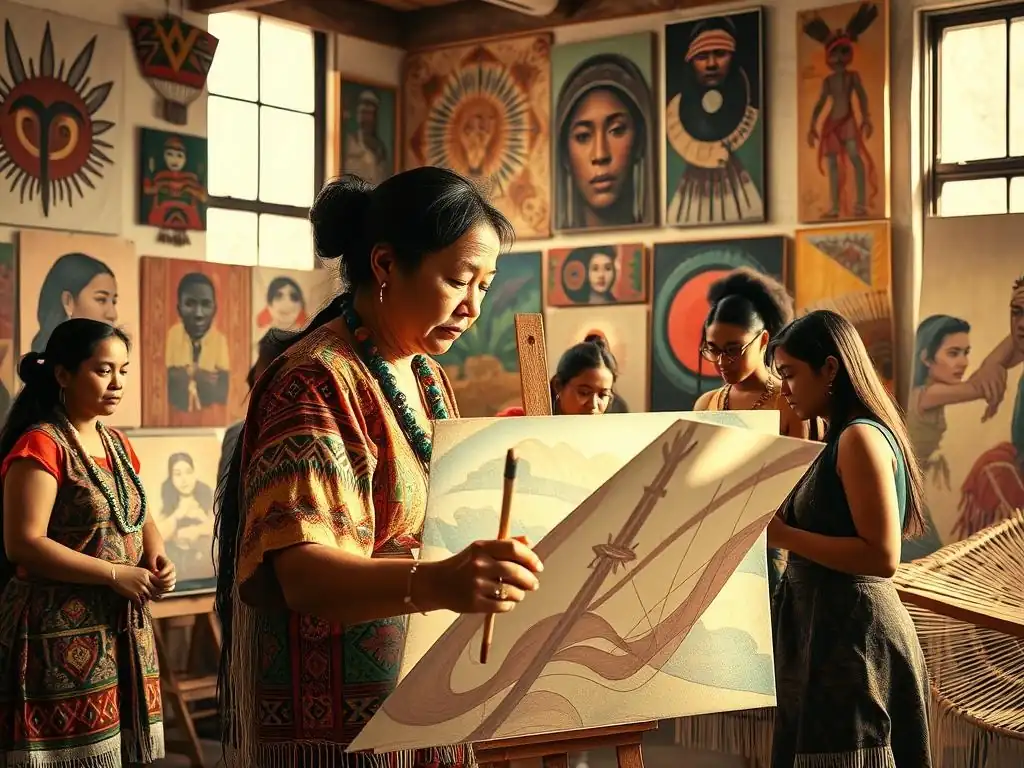
Summary of Key Points
Contemporary Indigenous artists are pivotal in reshaping perceptions of Indigenous cultures and histories, utilizing their art as a powerful tool of resistance. Throughout this article, we have explored several key themes that highlight their impact:
- Cultural Narratives: Many artists draw upon traditional stories and motifs, weaving them into modern contexts to keep cultural narratives alive. This serves as a reminder of the resilience and continuity of Indigenous traditions.
- Political Commentary: The artwork of contemporary Indigenous artists often addresses pressing issues such as land rights, environmental concerns, and the ongoing effects of colonization. Their pieces challenge societal norms and provoke critical discussions around these topics.
- Community Engagement: Artists frequently collaborate with their communities, fostering a sense of belonging and shared identity. This engagement not only revitalizes cultural practices but also empowers younger generations to connect with their heritage.
- Global Recognition: The international acclaim received by many Indigenous artists has opened pathways for dialogue about Indigenous rights and representation. Exhibitions, awards, and media coverage have allowed their voices to resonate far beyond their local contexts.
- Interdisciplinary Approaches: Contemporary Indigenous art spans various mediums, including visual arts, performance, and digital installations, creating a vibrant tapestry of expression that reflects the complexities of Indigenous identities today.
Call to Action for Supporting Indigenous Art
To foster the continued impact of contemporary Indigenous artists, it is crucial to support their work and initiatives actively. Here are several ways you can contribute:
- Purchase Art: Invest in artworks by Indigenous artists, which not only supports their livelihood but also helps promote their messages and cultural narratives.
- Attend Exhibitions and Events: Participate in local exhibitions, art fairs, and community events that showcase Indigenous art. Your attendance shows support and helps raise awareness of their contributions.
- Share Knowledge: Educate others about the significance of Indigenous art and the stories behind the works. This can amplify the voices of contemporary Indigenous artists and highlight their perspectives.
- Advocate for Funding: Support policies and organizations that provide grants and funding to Indigenous artists and cultural programs. Financial backing is crucial for sustaining artistic endeavors and cultural revitalization.
- Engage with Indigenous Communities: Build relationships with Indigenous communities and artists. Listen to their stories, respect their traditions, and contribute positively to their cultural landscapes.
By taking these actions, we can collectively honor and uplift contemporary Indigenous artists, ensuring that their impact continues to resonate through time and space. ✊
References
Suggested Readings on Indigenous Art
To gain a deeper understanding of the role of contemporary Indigenous artists and their impact on cultural revitalization, the following readings are recommended:
-
"Decolonizing Methodologies: Research and Indigenous Peoples" by Linda Tuhiwai Smith
This book critically examines research practices involving Indigenous communities and articulates the need for decolonization in methodologies and perspectives.
-
"Art for a New Understanding: Native Voices, 1950s to Now"
This exhibition catalog provides insights into the evolution of Indigenous art over the decades, showcasing how contemporary artists create work that challenges stereotypes and promotes cultural narratives.
-
"The Heart of the World: A Journey to the Center of the Earth" by Tania Willard
Willard’s exploration of Indigenous identity through art reflects the ongoing dialogue between contemporary and traditional practices.
-
"Native American Art: A History" by Mark M. Hull
This comprehensive study covers the historical context of Native American art, including significant movements and contemporary practices that showcase Indigenous resilience.
-
"Indigenous Aesthetics: Native Art, Media, and Identity" by Patricia Marroquin Norby
This work delves into how Indigenous artists utilize various media to express their cultural identity, bridging past and present.
Indigenous Art Organizations and Resources
Numerous organizations and resources are dedicated to supporting contemporary Indigenous artists and promoting their work. Here are some notable ones:
-
The National Museum of the American Indian (NMAI)
Located in Washington D.C., NMAI features exhibitions that highlight the work of contemporary Indigenous artists, emphasizing their contributions to cultural revitalization.
-
The Indigenous Arts Collective
This organization focuses on providing platforms for Indigenous artists to showcase their work, foster creative collaborations, and promote cultural education.
-
First Peoples Fund
This nonprofit organization empowers Indigenous artists through financial support, professional development, and community engagement, helping to sustain cultural traditions.
-
The Indian Arts Research Center
Part of the School for Advanced Research, this center supports research and scholarship on Native American art, with resources for artists and scholars alike.
-
The Native Arts and Cultures Foundation
This foundation supports Indigenous artists through grants, fellowships, and public art projects, fostering the growth of Indigenous cultural expression.
The impact of contemporary Indigenous artists is profound, as they not only challenge historical narratives but also contribute to the revitalization of their cultures through innovative creative expressions.
Frequently Asked Questions
What is the focus of the article "Art as Resistance: Exploring Contemporary Indigenous Artists and Their Impact"?
The article focuses on how contemporary Indigenous artists use their work as a form of resistance and empowerment, reflecting their cultural heritage and addressing social issues.
How do contemporary Indigenous artists contribute to their communities?
Contemporary Indigenous artists often engage in community projects that promote cultural identity, foster social change, and strengthen traditional practices, ensuring their cultures thrive in modern society.
What themes are commonly explored by contemporary Indigenous artists?
Many contemporary Indigenous artists explore themes of colonialism, identity, environmentalism, and cultural revival, utilizing their art as a means to express their experiences and stories.
How does the impact of contemporary Indigenous artists extend beyond art?
The impact extends into education, activism, and cultural preservation, as their work often serves to raise awareness about Indigenous issues and encourage dialogue within and outside their communities.
Why is it important to recognize the contributions of contemporary Indigenous artists?
Recognizing their contributions helps to validate their perspectives and experiences, supports the diversity of the art world, and promotes a deeper understanding of Indigenous cultures and their ongoing struggles.
Final Reflection: The Enduring Power of Art as Resistance
Art has always been a powerful medium for expression and change, and in today's world, the work of contemporary Indigenous artists serves as a vital form of resistance against historical injustices and cultural erasure. Their art not only reflects their unique identities and experiences but also challenges the dominant narratives that have long marginalized Indigenous voices. As we witness a resurgence of interest in Indigenous issues, the impact of these artists is more significant than ever, reminding us that creativity can be a catalyst for social transformation.
The influence of contemporary Indigenous artists extends beyond the canvas, reshaping the cultural landscape and fostering a deeper understanding of Indigenous histories and perspectives. Their work invites us to engage with complex themes of identity, resilience, and reclamation. As artist Rebecca Belmore poignantly stated, Art is a way of knowing, a way of being, and a way of healing.
This sentiment encapsulates the ongoing journey of Indigenous communities as they navigate the intersections of art, culture, and resistance, inspiring both Indigenous and non-Indigenous audiences alike to reflect on their roles in this narrative.
As you consider the themes explored in this article, I invite you to reflect on how you can support and amplify the voices of contemporary Indigenous artists in your own life. Engage with their work, share their stories, and recognize the profound impact of art as a vehicle for change. By doing so, you contribute to a broader movement that honors Indigenous cultures and promotes understanding, healing, and solidarity. Let us all strive to be active participants in this transformative journey, celebrating the resilience and creativity of Indigenous artists as they continue to shape the world around us.
Embrace Your Role in Art and Resistance!
Thank you for diving into the powerful world of contemporary Indigenous artists and the profound impact of their work! Your interest in this vital topic highlights the importance of art as a form of resistance and a vessel for cultural expression. Now, let's take the next step together!
Here are some ways you can actively engage with and support this movement:
- Explore more: Follow Indigenous artists on social media or visit local galleries showcasing their work to deepen your understanding and appreciation.
- Share your insights: Start a conversation with friends and family about what you’ve learned—raise awareness about the significance of Indigenous art.
- Get involved: Participate in community events or workshops that celebrate Indigenous creativity and cultural storytelling.
How do you plan to incorporate Indigenous art into your life and support the artists you admire?