
Bridging the Gap: Intercultural Dialogues for Mutual Understanding and Revitalization

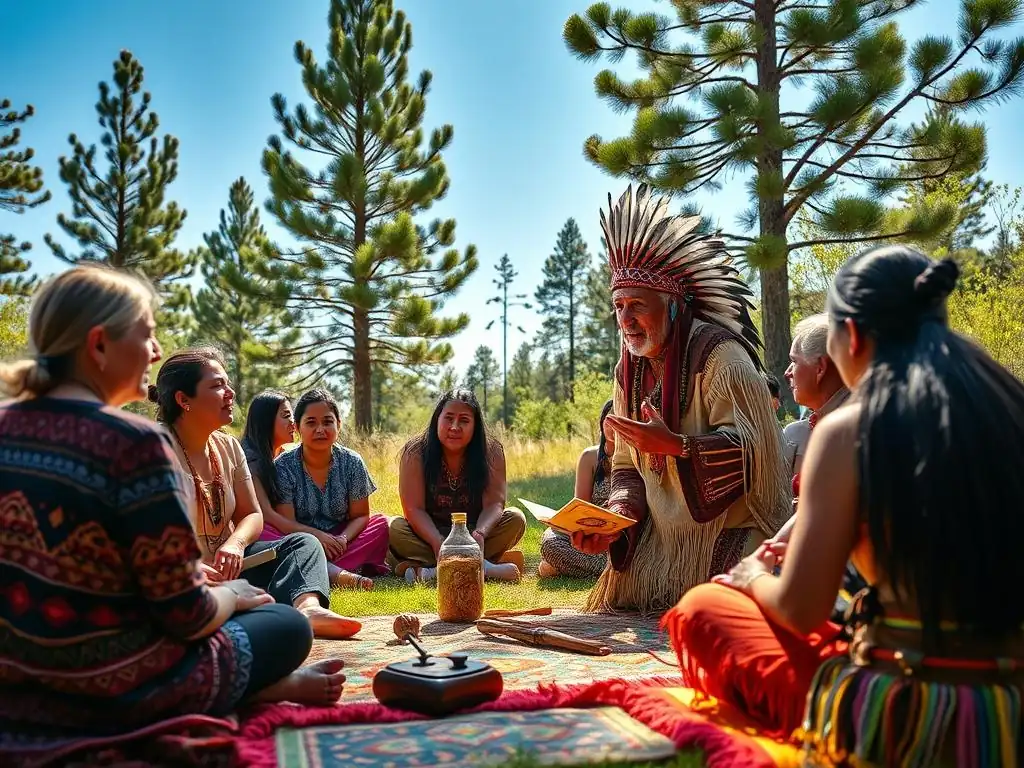
Welcome to Indigenous Civilizations of the Americas, where we invite you to embark on a captivating journey through the rich tapestry of indigenous cultures that flourished across the Americas long before European colonization. Our featured article, "Bridging the Gap: Intercultural Dialogues for Mutual Understanding and Revitalization," delves into the profound ways these vibrant societies intersected, exchanged, and thrived. As you explore our content, prepare to uncover the remarkable achievements and enduring legacies of these cultures, which continue to shape our world today.
Join us in fostering a deeper appreciation and understanding of the past, as we work towards a shared future rooted in respect and knowledge. Your adventure begins here!
Introduction
The rich tapestry of Indigenous cultures across the Americas is a testament to the incredible diversity and resilience of these societies that flourished long before European colonization. As we delve into the theme of "Bridging the Gap: Intercultural Dialogues for Mutual Understanding and Revitalization," it is essential to recognize the profound significance of these cultures in fostering dialogue and collaboration between Indigenous peoples and broader societies.
By understanding the achievements and societal structures of Indigenous cultures, we can promote mutual respect and understanding, paving the way for revitalization efforts that honor their legacy and contributions. This article explores the vital intersections of Indigenous cultures and mutual understanding, highlighting the ongoing efforts to revitalize these traditions within the context of post-colonial dialogue.
The Importance of Indigenous Cultures in Mutual Understanding
Indigenous cultures are not merely relics of the past; they are living, evolving entities that offer valuable insights into sustainable living, community resilience, and diverse worldviews. By engaging in intercultural dialogues, we can foster:
- Respect for Diversity: Acknowledging the unique practices, beliefs, and languages of Indigenous peoples enhances our collective understanding of cultural diversity.
- Shared Knowledge: Indigenous wisdom regarding land stewardship, spirituality, and community governance is crucial in addressing contemporary global challenges such as climate change and social inequality.
- Healing and Reconciliation: Open dialogues can serve as a pathway for healing historical wounds, promoting reconciliation between Indigenous and non-Indigenous communities.
Overview of Cultural Revitalization Efforts
Cultural revitalization efforts are essential for preserving and promoting Indigenous identities and practices. These initiatives often encompass:
- Language Revitalization: Programs aimed at teaching and preserving Indigenous languages are crucial for maintaining cultural heritage.
- Traditional Practices: Reintroduction of traditional ceremonies, crafts, and agricultural practices helps strengthen community identity and resilience.
- Education and Awareness: Increasing awareness about Indigenous cultures in educational curricula fosters appreciation and understanding among younger generations.
Historical Context of Indigenous Cultures
Understanding the historical context of Indigenous cultures is vital for appreciating their ongoing impact and the significance of mutual understanding today.
Pre-Colonization Achievements and Societies
Indigenous civilizations in the Americas showcased remarkable achievements in various fields, including:
- Agriculture: The development of sophisticated agricultural techniques, such as the Three Sisters method (corn, beans, and squash), exemplifies sustainable farming practices.
- Architecture: Unique architectural styles, from the majestic pyramids of the Maya to the intricate cliff dwellings of the Ancestral Puebloans, reflect advanced engineering and societal organization.
- Governance: Many Indigenous societies operated under complex systems of governance that prioritized communal decision-making and consensus.
Impact of European Conquest on Indigenous Cultures
The arrival of Europeans marked a turning point for Indigenous cultures, leading to profound transformations characterized by:
- Displacement and Disruption: The colonization process resulted in the displacement of Indigenous communities, disrupting traditional ways of life and governance.
- Cultural Erasure: European colonizers often sought to erase Indigenous identities through assimilation policies, leading to the loss of languages, traditions, and cultural practices.
- Resistance and Resilience: Despite these challenges, Indigenous peoples have demonstrated remarkable resilience, fighting to preserve their cultures and asserting their rights in contemporary society.
Through understanding these dynamics, we can better appreciate the importance of intercultural dialogues in fostering mutual understanding and supporting revitalization efforts for Indigenous cultures.
The Role of Intercultural Dialogues
Intercultural dialogues play a pivotal role in fostering understanding and respect among diverse cultures, particularly in contexts overshadowed by historical grievances and misunderstandings. In the realm of indigenous cultures, these dialogues serve as essential platforms for sharing knowledge, experiences, and perspectives, enabling communities to address past injustices while building pathways toward collaboration and mutual respect. Such dialogues not only promote healing and reconciliation but also empower indigenous voices in discussions that affect their lives and cultures.
Definition and Significance of Intercultural Dialogues
Intercultural dialogue can be defined as a structured and open conversation between individuals or groups from different cultural backgrounds. The significance of this dialogue lies in its ability to bridge gaps between cultures, fostering empathy and understanding. In the context of indigenous cultures, intercultural dialogues are crucial for:
- Acknowledging Historical Contexts: Recognizing the impact of colonization and historical injustices on indigenous populations, which is vital for healing.
- Promoting Cultural Preservation: Encouraging the sharing of indigenous knowledge and practices that contribute to cultural revitalization.
- Building Partnerships: Establishing collaborative relationships between indigenous and non-indigenous communities that respect and honor diverse cultural identities.
Through these dialogues, participants can confront stereotypes, dismantle prejudices, and create a more inclusive society that values the contributions of indigenous cultures.
How Dialogues Foster Mutual Understanding Among Indigenous Cultures
Intercultural dialogues foster mutual understanding among indigenous cultures by providing a safe space for open communication and exchange. They encourage participants to share their stories, traditions, and worldviews, which helps to dismantle misconceptions and promote respect. Specific ways in which dialogues facilitate this understanding include:
- Encouraging Active Listening: Participants learn to listen actively and empathetically, fostering deeper connections and understanding of each other's experiences.
- Highlighting Common Values: By focusing on shared values and goals, dialogues help to identify common ground among diverse cultures.
- Facilitating Cultural Exchange: Opportunities for cultural exchange during dialogues—such as sharing traditional practices, art, and language—enhance appreciation for the richness of indigenous cultures.
- Empowering Indigenous Voices: Dialogues prioritize indigenous perspectives, ensuring that their narratives and needs are central in discussions that affect their communities.
Through these mechanisms, intercultural dialogues not only enhance mutual understanding but also contribute to the revitalization of indigenous cultures and their rightful place in society.
Successful Case Studies of Intercultural Dialogues
Examining successful case studies of intercultural dialogues reveals effective models for fostering mutual understanding and collaboration among indigenous cultures. These examples demonstrate the potential for positive outcomes when communities engage in meaningful dialogues.
Case Study 1: The Truth and Reconciliation Commission of Canada
The Truth and Reconciliation Commission (TRC) of Canada serves as a landmark example of intercultural dialogue aimed at addressing the historical injustices faced by Indigenous peoples due to the residential school system. Established in 2008, the TRC focused on:
- Gathering Testimonies: The commission collected thousands of testimonies from survivors, allowing for a public acknowledgment of the harms inflicted on Indigenous communities.
- Creating a Path Forward: The TRC issued 94 Calls to Action, which aim to promote healing and implement reforms in various areas, including education, health care, and justice.
- Encouraging Dialogue: By facilitating discussions between Indigenous and non-Indigenous Canadians, the TRC has fostered greater understanding and respect for Indigenous cultures.
This case study illustrates how structured dialogues can lead to meaningful reconciliation efforts and promote mutual understanding.
Case Study 2: The Indigenous Peoples' Dialogue Project in Australia
The Indigenous Peoples' Dialogue Project in Australia exemplifies a successful intercultural dialogue initiative aimed at enhancing relationships between Indigenous communities and governmental bodies. Key aspects of this project include:
- Collaborative Framework: This initiative brought together Indigenous leaders, government representatives, and community members to discuss policies affecting Indigenous rights and sovereignty.
- Empowerment of Indigenous Voices: The project emphasized the importance of Indigenous perspectives in decision-making processes, ensuring that their needs and aspirations were prioritized.
- Cultural Exchange Programs: Through workshops and cultural exchange events, participants shared traditional knowledge and practices, fostering mutual respect and understanding.
The Indigenous Peoples' Dialogue Project demonstrates how intercultural dialogues can empower Indigenous voices while promoting mutual understanding and cooperation between cultures.
Strategies for Effective Intercultural Dialogues
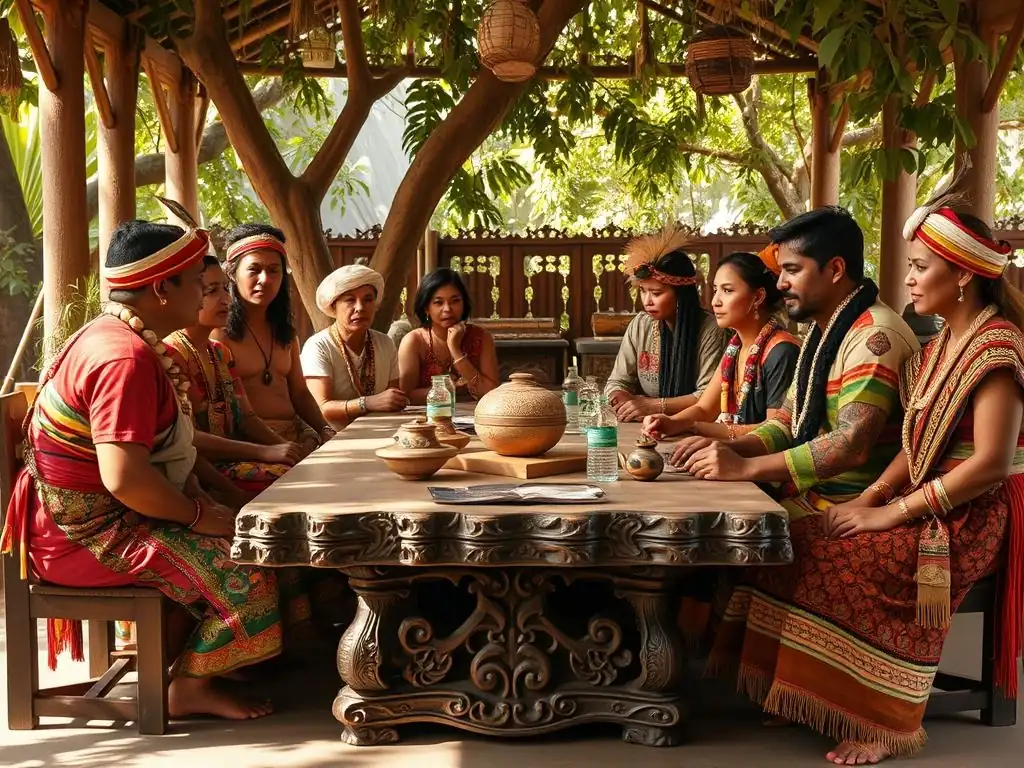
Engaging in intercultural dialogues is essential for fostering mutual understanding and revitalizing Indigenous cultures. To facilitate these dialogues effectively, several strategies can be employed.
Building Trust and Respect Among Cultures
Creating a foundation of trust and respect is vital in intercultural dialogues. This can be achieved through:
- Active Listening: Participants should listen attentively to each other’s perspectives without interrupting. This demonstrates respect for differing viewpoints and creates a safe space for open communication.
- Acknowledging Historical Context: Recognizing the historical injustices faced by Indigenous peoples helps to frame conversations in a way that is sensitive to their experiences. This acknowledgment can pave the way for healing and reconciliation.
- Fostering Personal Relationships: Building personal connections through shared experiences or collaborative projects can help individuals from different cultures feel more comfortable and open to dialogue.
By prioritizing trust and respect, dialogues can move beyond mere exchanges of ideas to become transformative encounters that inspire collective action.
Incorporating Traditional Knowledge and Practices
Valuing and integrating traditional knowledge into intercultural dialogues enriches the conversation and honors Indigenous cultures. Some approaches include:
- Cultural Ceremonies: Incorporating traditional ceremonies as part of the dialogue process can provide a deeper cultural context and foster a sense of belonging among participants.
- Storytelling: Utilizing oral traditions and storytelling allows Indigenous voices to share their histories, values, and worldviews, making the dialogue more relatable and impactful.
- Collaborative Learning: Encouraging participants to learn from Indigenous practices, such as sustainable resource management and communal decision-making, can offer valuable insights and inspire mutual respect.
By incorporating traditional knowledge, dialogues can bridge cultural gaps and promote a more holistic understanding of different perspectives.
Utilizing Technology and Social Media for Broader Reach
In the modern age, technology plays a crucial role in facilitating intercultural dialogues. Effective strategies include:
- Online Platforms: Utilizing forums, webinars, and virtual workshops can connect diverse participants from different geographical locations, enabling broader participation and engagement.
- Social Media Campaigns: Launching awareness campaigns on platforms like Twitter, Instagram, and Facebook can reach wider audiences, promoting Indigenous cultures and highlighting mutual understanding initiatives.
- Digital Storytelling: Creating videos and podcasts that share Indigenous narratives can be an effective way to engage younger audiences and foster empathy among non-Indigenous people.
Leveraging technology not only enhances the accessibility of intercultural dialogues but also amplifies Indigenous voices in contemporary discussions.
Challenges in Promoting Mutual Understanding
While there are numerous strategies for fostering mutual understanding, several challenges persist in promoting intercultural dialogues.
Addressing Prejudices and Misconceptions
Prejudices and misconceptions about Indigenous cultures can hinder effective dialogue. Overcoming these barriers involves:
- Education and Awareness: Developing educational programs that address common stereotypes and misconceptions about Indigenous peoples can help foster a more informed public.
- Facilitated Dialogues: Employing trained facilitators who understand both Indigenous and non-Indigenous perspectives can guide conversations in a manner that mitigates misunderstandings.
- Highlighting Common Values: Focusing on shared values, such as community, sustainability, and respect for nature, can help bridge divides and promote empathy among participants.
Addressing these prejudices is crucial for creating a conducive environment for open and honest dialogue.
Overcoming Language Barriers
Language differences can create significant challenges in intercultural dialogues. Strategies to overcome these barriers include:
- Bilingual Facilitators: Engaging facilitators who are fluent in both Indigenous languages and the dominant language can help ensure that all participants can contribute meaningfully to the discussion.
- Translation Services: Providing real-time translation services during dialogues can facilitate clearer communication and foster inclusivity.
- Language Revitalization Initiatives: Encouraging the learning and use of Indigenous languages within broader communities can promote cultural pride and enhance mutual understanding.
By addressing language barriers, dialogues can become more inclusive and representative of diverse voices.
Ensuring Equitable Participation of Indigenous Voices
For intercultural dialogues to be truly effective, it is essential to ensure the equitable participation of Indigenous voices. Key considerations include:
- Inclusive Representation: Actively inviting Indigenous leaders, elders, and community members to participate in dialogues ensures that their perspectives are heard and valued.
- Supportive Structures: Creating frameworks that prioritize Indigenous participation, such as funding for Indigenous-led initiatives and platforms, can enhance their visibility and contribution.
- Respecting Autonomy: Acknowledging the autonomy of Indigenous peoples in deciding how they wish to engage in dialogues is crucial for fostering a sense of empowerment and ownership.
By promoting equitable participation, intercultural dialogues can become a platform for meaningful engagement and cultural revitalization.
The Future of Intercultural Dialogues in Cultural Revitalization
The future of intercultural dialogues is pivotal in the ongoing efforts for cultural revitalization among Indigenous communities. As global interest in Indigenous cultures grows, there is a burgeoning recognition of the unique perspectives these cultures offer. This recognition encourages dialogues that not only honor Indigenous voices but also facilitate a deeper understanding of their histories and contributions. Emphasizing collaboration, these dialogues are essential for fostering mutual respect and addressing historical grievances.
Furthermore, the integration of technology in these dialogues is expected to enhance connectivity among Indigenous groups and their allies worldwide. Virtual platforms allow for the exchange of ideas, cultural practices, and educational materials, bridging geographical gaps and promoting a sense of global solidarity. This interconnectedness can empower Indigenous communities to share their narratives and engage with broader audiences, thereby ensuring that their cultures not only survive but thrive.
Emerging Trends and Innovations
Several emerging trends are shaping the landscape of intercultural dialogues. One significant trend is the increasing involvement of youth in these discussions. Young Indigenous leaders are harnessing social media and digital storytelling to amplify their voices, engage their peers, and challenge stereotypes. This fresh perspective is vital for sustained cultural revitalization as they often blend traditional knowledge with contemporary methods of communication.
Another innovation is the collaboration between Indigenous communities and academic institutions. Universities are beginning to include Indigenous methodologies in their curricula, promoting a more holistic understanding of cultural contexts. This partnership enables the sharing of resources and knowledge, which can lead to impactful community-driven research and educational initiatives.
Additionally, the rise of cultural festivals and exchanges serves as a platform for celebrating Indigenous heritage. These events create opportunities for diverse communities to engage directly, fostering a sense of belonging and appreciation for different cultures. By showcasing traditional arts, music, and storytelling, these gatherings can help dismantle prejudices and promote mutual understanding.
The Role of Education in Promoting Indigenous Cultures and Mutual Understanding
Education plays a crucial role in promoting Indigenous cultures and fostering mutual understanding. By integrating Indigenous histories and perspectives into educational curricula, schools can educate students about the richness of these cultures and the impact of colonization. This approach not only honors Indigenous contributions but also encourages respect and empathy among students from different backgrounds.
Furthermore, culturally responsive pedagogy is increasingly being adopted in classrooms. This method recognizes the cultural backgrounds of students and incorporates relevant knowledge and practices into the learning process. By valuing Indigenous ways of knowing, educators can create inclusive environments where all students feel represented and engaged.
Community-based education programs are also instrumental in cultural revitalization. These programs often prioritize traditional knowledge, language revitalization, and cultural practices, ensuring that younger generations have the tools to connect with their heritage. Through workshops, mentorship, and storytelling, community elders can impart wisdom and foster a sense of identity in youth, empowering them to become advocates for their cultures.
Conclusion
Summary of Key Points on Intercultural Dialogues
Intercultural dialogues are essential for the revitalization of Indigenous cultures and the promotion of mutual understanding. The future of these dialogues is bright, with emerging trends such as increased youth involvement, collaboration with academic institutions, and the celebration of cultural festivals. Education remains a powerful tool in this process, facilitating the integration of Indigenous perspectives into curricula and fostering culturally responsive teaching practices.
Call to Action for Supporting Indigenous Cultures and Mutual Understanding
As we reflect on the importance of intercultural dialogues, it is crucial for individuals and communities to take action. Support local Indigenous initiatives, participate in cultural events, and advocate for inclusive educational practices. By engaging in meaningful conversations and amplifying Indigenous voices, we contribute to a future where cultures are respected, revitalized, and celebrated in all their diversity. Together, we can bridge the gap and foster a world characterized by mutual understanding and appreciation. 🌍✨
- Introduction
- Historical Context of Indigenous Cultures
- The Role of Intercultural Dialogues
- Successful Case Studies of Intercultural Dialogues
- Strategies for Effective Intercultural Dialogues
- Challenges in Promoting Mutual Understanding
- The Future of Intercultural Dialogues in Cultural Revitalization
- Conclusion
- What are the main themes explored in the article?
- How did indigenous cultures thrive before European colonization?
- Why is mutual understanding important in the context of indigenous cultures?
- What role do intercultural dialogues play in revitalizing indigenous cultures?
- How can individuals contribute to the understanding of indigenous cultures?
Frequently Asked Questions
What are the main themes explored in the article?
The article focuses on indigenous cultures and their achievements, emphasizing the importance of intercultural dialogues for mutual understanding and revitalization.
How did indigenous cultures thrive before European colonization?
Indigenous cultures thrived through sophisticated societies, rich traditions, and innovative practices in agriculture, trade, and governance, which laid the foundation for their enduring legacies.
Why is mutual understanding important in the context of indigenous cultures?
Mutual understanding fosters respect and appreciation for diverse worldviews, helping to bridge gaps between cultures and promote a more inclusive society.
What role do intercultural dialogues play in revitalizing indigenous cultures?
Intercultural dialogues facilitate the sharing of knowledge and perspectives, allowing for the revitalization of indigenous practices while promoting cooperation and learning among cultures.
How can individuals contribute to the understanding of indigenous cultures?
Individuals can promote awareness and education about indigenous histories and contributions, support indigenous rights, and engage in meaningful dialogues that foster respect and collaboration.
Final Reflection: Embracing Intercultural Dialogues for a Harmonious Future
In today's increasingly interconnected world, the importance of indigenous cultures mutual understanding cannot be overstated. As we navigate the complexities of globalization, the need for genuine intercultural dialogues has never been more critical. These conversations not only foster respect and appreciation for diverse perspectives but also pave the way for healing historical wounds and creating a more inclusive society. The time has come for us to recognize that our differences can be our greatest strength, and through understanding, we can build bridges that unite rather than divide.
The influence of intercultural dialogues extends far beyond mere conversation; it shapes our cultural and social landscapes in profound ways. These dialogues encourage us to reflect on our own identities while honoring the rich tapestry of traditions and values that indigenous cultures offer. As we engage in these discussions, we begin to dismantle stereotypes and challenge the narratives that have historically marginalized indigenous voices. The greatest danger in times of turbulence is not the turbulence; it is to act with yesterday's logic.
– Peter Drucker. This quote encapsulates the urgency of embracing new ways of thinking and being, as we strive for a future where mutual understanding reigns supreme.
As we conclude this exploration of intercultural dialogues, I invite you to reflect on your role in this vital process. Consider how you can contribute to fostering indigenous cultures mutual understanding in your own community. Whether through active listening, sharing stories, or participating in cultural exchanges, every effort counts. Let us commit to being advocates for dialogue and understanding, ensuring that the voices of indigenous cultures are not only heard but celebrated. Together, we can create a world where diversity is cherished, and mutual respect is the foundation of our interactions.
Ignite Conversations and Embrace Diversity!
Thank you for taking the time to explore the rich tapestry of intercultural dialogues presented in this article. By understanding diverse perspectives, you’ve unlocked the door to fostering mutual respect and revitalizing connections among cultures. Now, let’s take meaningful steps towards creating a more inclusive future together!
- Start a Conversation: Reach out to someone from a different culture and initiate a dialogue. Share your experiences and listen to theirs—**real connections begin with understanding. **
- Join a Local Event: Participate in community gatherings or cultural exchange programs to experience various traditions firsthand. **Embrace the opportunity to learn from each other’s stories. **
- Share Your Insights: Use your social media channels to highlight the importance of intercultural dialogue. **Encourage your friends and followers to join the movement for understanding and respect. **
How will you take the first step today towards fostering greater cultural understanding in your community?