
The Role of Education in Indigenous Cultural Preservation and Revitalization

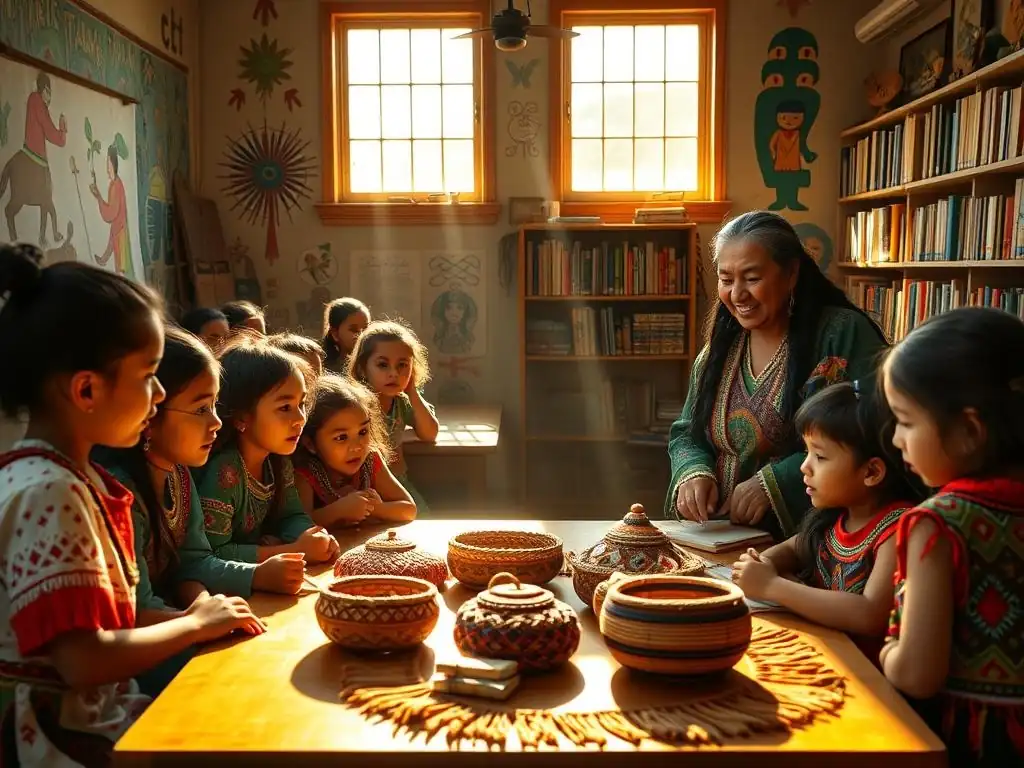
Welcome to Indigenous Civilizations of the Americas, where we invite you to embark on a captivating journey through the rich tapestry of indigenous cultures that flourished across the Americas long before European contact. In our featured article, “The Role of Education in Indigenous Cultural Preservation and Revitalization,” we delve into the vital role that education plays in safeguarding these vibrant traditions and knowledge systems.
Discover how these ancient societies have not only survived but are thriving today, as we uncover their profound achievements and the enduring impact they have on our world. Get ready to explore the fascinating intersections of indigenous education and cultural preservation that continue to resonate through generations.
Introduction to Indigenous Education and Cultural Preservation
Education plays a crucial role in the preservation and revitalization of Indigenous cultures across the Americas. As we delve into the intricate relationship between Indigenous education and cultural preservation, it becomes evident that educational practices are not merely about imparting knowledge but are deeply intertwined with the identity, languages, traditions, and worldviews of Indigenous peoples. The legacy of European colonization has posed significant challenges to these cultures; however, through targeted educational initiatives, Indigenous communities are reclaiming their heritage and ensuring that their rich histories are passed down to future generations.
The significance of Indigenous education lies in its ability to foster a sense of belonging and pride among Indigenous youth. By integrating traditional knowledge systems, languages, and cultural practices into contemporary educational frameworks, these models serve as a vital tool for cultural revitalization. This article will explore the historical context of Indigenous education, highlight current educational models in practice, and illustrate how these efforts contribute to the broader goal of cultural preservation.
Historical Context of Indigenous Education
The historical landscape of Indigenous education reveals a journey marked by resilience and adaptation. Before European contact, Indigenous peoples had established their own systems of education that were holistic, community-centered, and deeply rooted in their cultural values. Knowledge was transmitted through storytelling, ceremonies, and hands-on experiences, allowing individuals to learn about their environment, social structures, and spiritual beliefs.
However, the arrival of European colonizers disrupted these educational systems, imposing foreign ideologies and practices that often sought to erase Indigenous identities. The establishment of residential schools, for instance, aimed to assimilate Indigenous children into Western culture, leading to the loss of languages and traditions. The impact of these policies has been profound, creating a generational gap in cultural knowledge and eroding the very foundations of Indigenous identities.
In response, many Indigenous communities have embarked on a journey of revitalization, seeking to re-establish their educational systems and reclaim their cultural heritage. This historical context underscores the importance of understanding Indigenous education not only as a means of learning but as a vital component of cultural survival and resistance.
Current Indigenous Education Models
Today, various innovative Indigenous education models are emerging across the Americas, reflecting a blend of traditional practices and contemporary pedagogical approaches. These models prioritize cultural relevance, community involvement, and the integration of Indigenous languages and histories into the curriculum.
Some key features of current Indigenous education models include:
- Culturally Relevant Pedagogy: Educators incorporate Indigenous perspectives and knowledge into lessons, ensuring that students see themselves and their cultures reflected in their education.
- Language Revitalization Programs: Many communities are focusing on teaching Indigenous languages in schools, which is critical for maintaining cultural identity and continuity.
- Community-Based Learning: Education extends beyond the classroom, involving elders and community members in teaching traditional practices, storytelling, and cultural ceremonies.
- Holistic Approaches: Current models often emphasize the interconnectedness of mind, body, spirit, and community, promoting a comprehensive understanding of what it means to be Indigenous.
These educational initiatives are not only vital for cultural preservation but also empower Indigenous youth to navigate the complexities of modern society while remaining connected to their roots. By fostering an appreciation for their heritage, Indigenous education serves as a cornerstone for revitalizing cultures that have faced centuries of adversity.
The Role of Education in Cultural Revitalization
Education plays a crucial role in the preservation and revitalization of Indigenous cultures, acting as a bridge between traditional knowledge and contemporary society. By integrating Indigenous languages, histories, and cultural practices into educational curriculums, communities can foster a sense of identity and belonging among younger generations. This approach not only strengthens cultural ties but also empowers Indigenous youth to appreciate and carry forward their ancestral heritage.
Indigenous education often emphasizes experiential learning, where students engage directly with their environment and community. This form of education is rooted in oral traditions, storytelling, and hands-on activities that reflect the values and beliefs of their culture. For instance, traditional ecological knowledge—understanding the land, plants, and animals—can be taught through outdoor activities, allowing students to learn in context and develop a deep connection to their ancestry.
Furthermore, culturally responsive pedagogy promotes respect for Indigenous ways of knowing and encourages the inclusion of diverse perspectives in the curriculum. This method not only enriches the educational experience for Indigenous students but also educates non-Indigenous peers about the rich tapestry of Indigenous cultures, fostering mutual respect and understanding.
Community Involvement in Education
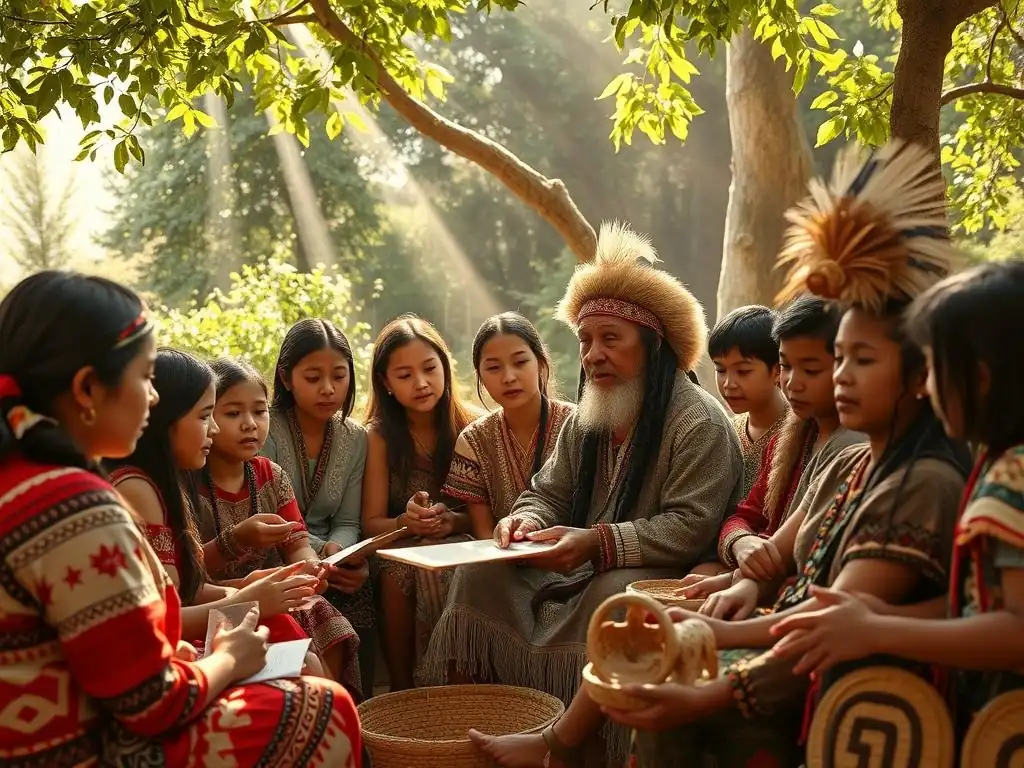
Community involvement is a cornerstone of successful Indigenous education initiatives. Collaborative efforts between educational institutions and local communities ensure that the curriculum reflects the values, needs, and aspirations of the people it serves. This partnership fosters an environment where community members can actively participate in teaching and mentoring, thereby reinforcing cultural practices and languages.
Many Indigenous communities have established community schools that prioritize local knowledge and heritage. These schools often employ local elders and knowledge keepers as educators, leveraging their expertise to create a rich, culturally relevant learning environment. For example, in some Native American communities, classes may include traditional crafts, dances, and ceremonies, allowing students to engage directly with their culture.
Additionally, community events, such as cultural festivals and language immersion programs, play a vital role in reinforcing the importance of Indigenous education. These gatherings not only celebrate cultural identity but also provide opportunities for families to learn together, fostering intergenerational knowledge transfer. Engaging families in the educational process helps to create a supportive network that enhances both academic success and cultural pride.
Challenges Facing Indigenous Education
Despite the critical importance of education in cultural preservation, Indigenous education faces numerous challenges. One significant obstacle is the historical legacy of colonization, which has led to systemic inequities in educational access and quality. Many Indigenous communities are located in remote areas where resources are limited, making it difficult to provide adequate educational facilities and trained educators.
Another challenge is the ongoing marginalization of Indigenous languages. As younger generations gravitate towards dominant languages due to globalization and urbanization, many Indigenous languages face the risk of extinction. This loss of language directly impacts cultural identity and the transmission of traditional knowledge. Efforts to revitalize languages through education must be prioritized to ensure that these vital components of culture are preserved for future generations.
Additionally, standardized testing and curriculum requirements in mainstream education systems often do not account for Indigenous perspectives or learning styles. This misalignment can lead to disengagement among Indigenous students, as they may feel that their cultural context is undervalued or ignored. Advocating for policies that recognize and support Indigenous educational practices is essential to overcoming these challenges and ensuring that Indigenous education contributes effectively to cultural preservation and revitalization.
Future Directions for Indigenous Education and Cultural Preservation
The future of Indigenous education and cultural preservation is poised for transformation as communities increasingly recognize the significance of integrating traditional knowledge with contemporary educational practices. One promising direction is the expansion of community-based education programs that prioritize Indigenous languages, traditions, and histories. These programs often involve elders and knowledge keepers, ensuring that teachings are rooted in the community's cultural context. By fostering a sense of belonging and identity, these initiatives help to combat the effects of historical trauma, reinforcing the importance of cultural heritage.
Another crucial avenue is the incorporation of technology in educational curricula. Digital platforms can serve as powerful tools for the documentation and dissemination of Indigenous knowledge. For instance, online resources can provide access to traditional stories, languages, and practices that may otherwise be at risk of being lost. Virtual reality experiences can also immerse learners in the cultural landscapes of their ancestors, creating a deeper connection to their heritage. This blend of tradition and innovation not only engages younger generations but also ensures that cultural narratives are preserved in contemporary formats.
Furthermore, there is a growing emphasis on collaborative educational frameworks that bring together Indigenous and non-Indigenous educators. This partnership can facilitate mutual understanding and respect, fostering an environment where both cultural perspectives are valued. By designing curricula that reflect the contributions of Indigenous peoples to society, students from all backgrounds can appreciate the richness of Indigenous cultures and their ongoing relevance.
Lastly, advocacy for policy changes at local, regional, and national levels is essential to support Indigenous education initiatives. Governments and educational institutions must prioritize funding and resources for Indigenous-led programs, paving the way for a more equitable educational landscape. This includes recognizing the need for Indigenous representation in educational governance, ensuring that Indigenous voices guide the development of curricula and teaching methodologies.
The future directions for Indigenous education and cultural preservation are grounded in community involvement, technological innovation, collaborative frameworks, and robust advocacy. These efforts collectively contribute to a broader movement that seeks to revitalize Indigenous cultures and empower future generations.
Conclusion
The role of education in Indigenous cultural preservation and revitalization cannot be overstated. As Indigenous communities grapple with the impacts of colonization, education emerges as a vital tool for reclaiming and sustaining cultural identities. By embracing traditional knowledge systems and incorporating them into modern educational practices, Indigenous peoples can foster resilience and continuity in their cultures.
The ongoing efforts in Indigenous education not only promote cultural pride but also challenge the narratives that have historically marginalized Indigenous voices. Through community engagement, technological advancements, and collaborative approaches, Indigenous education is evolving to meet the needs of contemporary society. This evolution is essential to ensuring that future generations inherit a rich cultural heritage that is both celebrated and preserved.
The intersection of Indigenous education and cultural preservation represents a powerful movement towards healing and empowerment. As we look to the future, it is imperative to support and elevate these initiatives, recognizing their critical role in shaping a more just and inclusive world. The commitment to Indigenous education is not merely an act of preservation; it is a celebration of diversity, resilience, and the enduring spirit of Indigenous cultures.
- Introduction to Indigenous Education and Cultural Preservation
- Historical Context of Indigenous Education
- Current Indigenous Education Models
- The Role of Education in Cultural Revitalization
- Community Involvement in Education
- Challenges Facing Indigenous Education
- Future Directions for Indigenous Education and Cultural Preservation
- Conclusion
- What is the main focus of the article "The Role of Education in Indigenous Cultural Preservation and Revitalization"?
- How does education contribute to the preservation of indigenous cultures?
- Why is indigenous education considered vital for cultural revitalization?
- What are some methods used in indigenous education for cultural preservation?
- How does the website address the impact of European colonization on indigenous cultures?
Frequently Asked Questions
What is the main focus of the article "The Role of Education in Indigenous Cultural Preservation and Revitalization"?
The article emphasizes the importance of education in maintaining and revitalizing indigenous cultures and traditions in the Americas, highlighting their achievements and societal structures.
How does education contribute to the preservation of indigenous cultures?
Education plays a crucial role by providing knowledge transmission of traditional practices, languages, and values, ensuring that these cultural elements are passed down through generations.
Why is indigenous education considered vital for cultural revitalization?
Indigenous education fosters a sense of identity and community among indigenous peoples, enabling them to reclaim and celebrate their heritage in the face of colonial impacts.
What are some methods used in indigenous education for cultural preservation?
Methods include storytelling, traditional skills training, and community involvement, which engage learners in active participation and ensure that cultural knowledge remains relevant and alive.
How does the website address the impact of European colonization on indigenous cultures?
The website outlines the disruption caused by European colonization and discusses how educational initiatives can counteract these effects by promoting cultural pride and resilience among indigenous communities.
Final Reflection: Empowering Indigenous Voices Through Education
In an era where the importance of cultural preservation is more critical than ever, the role of education in Indigenous cultural preservation and revitalization cannot be overstated. As we navigate a rapidly changing world, the need to honor and integrate Indigenous knowledge systems into mainstream education has become a pressing necessity. This is not just an academic pursuit; it is a moral imperative that acknowledges the rich tapestry of Indigenous cultures and their invaluable contributions to our collective human experience.
The influence of Indigenous education extends far beyond the classroom, shaping our cultural and social landscapes in profound ways. By embracing Indigenous perspectives, we foster a deeper understanding of history, identity, and community. This ongoing dialogue enriches our society, creating spaces for healing and reconciliation. As the renowned Indigenous scholar Vine Deloria Jr. once said, Education is not a preparation for life; education is life itself.
This sentiment underscores the idea that education is a living, breathing entity that must evolve to reflect the diverse narratives that shape our world.
As we reflect on the lessons of this article, I invite you to consider your role in this vital conversation. How can you contribute to the preservation and revitalization of Indigenous cultures in your own community? Whether through advocacy, education, or simply by listening and learning, each of us has the power to make a difference. Let us commit to honoring Indigenous voices and perspectives, ensuring that they not only survive but thrive for generations to come.
Empower Cultural Revival Today!
Thank you for taking the time to explore the vital role of education in the preservation and revitalization of Indigenous cultures. Your interest in this topic not only deepens your understanding but also strengthens the movement toward cultural appreciation and protection. Now, let's translate that knowledge into action!
Here are some specific ways you can contribute to this important cause:
- Join an educational program focused on Indigenous cultures to enhance your understanding and share that knowledge with others.
- Volunteer with local Indigenous organizations dedicated to cultural education and preservation efforts.
- Share this article with friends or on social media to raise awareness about the significance of education in sustaining Indigenous heritage.
What step will you take today to help preserve and celebrate Indigenous cultures?