
From Autonomy to Subjugation: The Impact of Colonization on Native Societal Organization

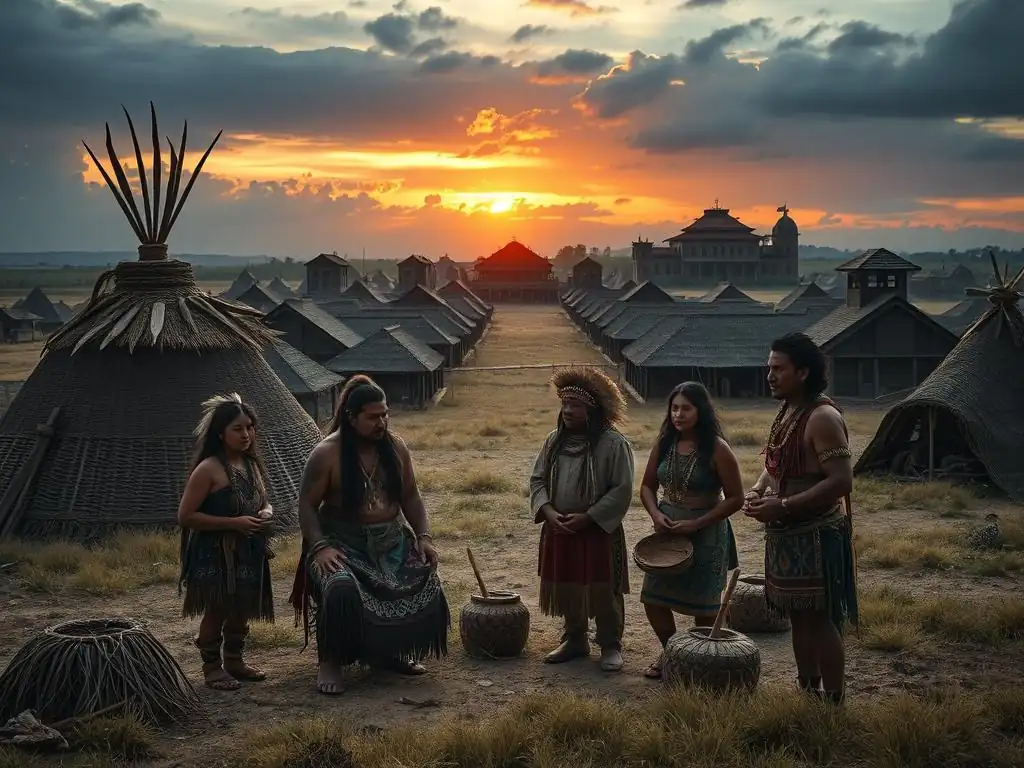
Welcome to Indigenous Civilizations of the Americas, where we invite you to embark on a journey through the rich tapestry of indigenous cultures that flourished long before European arrival. Our focus today is on the impact of colonization on Native cultures, a profound topic that uncovers the transformation from autonomy to subjugation. As you delve into our featured article, prepare to uncover the intricate societal structures that were disrupted and the enduring legacies that continue to resonate today. Join us in exploring the stories that deserve to be told and understood—your adventure into the past begins here!
- Introduction to the Impact of Colonization on Native Cultures
- The Autonomy of Native Societies Prior to European Contact
- The Arrival of Europeans: Initial Interactions
- Transition from Autonomy to Subjugation
- The Impact of Colonization on Native Cultures
- Lasting Consequences of Colonization
- Conclusion: Reflecting on the Impact of Colonization on Native Cultures
-
Frequently Asked Questions
- What are the primary impacts of colonization on Native cultures?
- How did colonization affect indigenous societal organization?
- What are some examples of indigenous achievements prior to colonization?
- In what ways did indigenous cultures resist colonization?
- Why is it important to study the lasting impact of colonization on Native cultures?
- Final Reflection: The Enduring Legacy of Colonization on Native Cultures
- Embrace Heritage: Take Action for Indigenous Voices!
Introduction to the Impact of Colonization on Native Cultures
The impact of colonization on Native cultures is a complex narrative that unfolds across centuries and continents. Before European powers established their empires in the Americas, diverse indigenous societies flourished, exhibiting rich cultural tapestries, sophisticated social structures, and profound connections to their environments. This article delves into the transformative effects of colonization, examining how indigenous societal organization shifted from autonomy to subjugation.
Through a comprehensive exploration of pre-colonial structures and the subsequent changes induced by colonization, we aim to highlight the resilience and adaptability of Native cultures while recognizing the profound disruptions they faced. By understanding this historical context, we can better appreciate the lasting impact of these experiences on contemporary Native societies.
Overview of Native Societal Organization Before Colonization
Before the arrival of Europeans, Native American societies were characterized by a remarkable diversity in their organizational structures, cultural practices, and social norms. These societies ranged from nomadic hunter-gatherers to complex chiefdoms and city-states. Here are some key features of their societal organization:
- Tribal Structures: Many Native cultures were organized into tribes or clans, often with a strong sense of communal identity and shared governance.
- Egalitarian Systems: In several societies, leadership roles were based on consensus and merit rather than hereditary status, promoting egalitarian principles.
- Gender Roles: Women often held significant roles in decision-making and economic activities, contributing to the overall functioning of their communities.
- Spiritual Connections: Societal organization was deeply intertwined with spiritual beliefs and practices, reflecting a profound respect for nature and ancestral traditions.
These elements fostered resilience and adaptability in the face of environmental challenges, allowing Native societies to thrive long before European contact.
Importance of Understanding Pre-Colonial Structures
Understanding the pre-colonial structures of Native societies is crucial for several reasons:
- Historical Context: Recognizing the complexities of indigenous cultures prior to colonization provides a clearer understanding of the dramatic shifts they endured.
- Cultural Resilience: By studying these structures, we can appreciate the resilience of Native cultures in preserving their identities and practices despite external pressures.
- Lessons for Today: Insights gained from pre-colonial societal organization can inform contemporary discussions on social justice, governance, and cultural revitalization within Native communities.
- Correcting Misconceptions: Acknowledging the rich histories of these societies helps counteract stereotypes and misconceptions perpetuated by colonial narratives.
A thorough examination of the impact of colonization on Native cultures not only illuminates the historical transformations but also celebrates the enduring legacy of indigenous peoples across the Americas.
The Autonomy of Native Societies Prior to European Contact
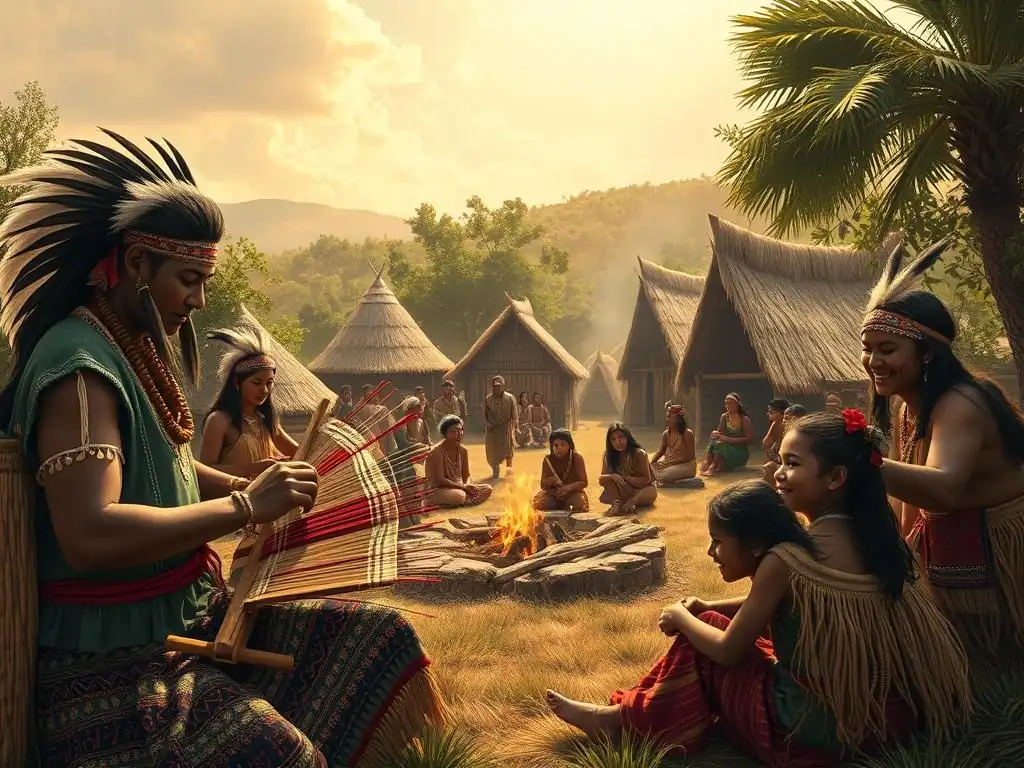
Before the arrival of European colonizers, indigenous societies across the Americas were characterized by a remarkable degree of autonomy and complexity. These societies were not monolithic; rather, they encompassed a vast array of cultures, languages, and governance structures. This diversity allowed for a rich tapestry of social organization that adapted to the local environments and historical contexts.
Indigenous cultures exhibited various forms of governance and social hierarchies that were distinct yet interlinked within their communities. Many tribes operated under systems that emphasized communal decision-making and consensus, often led by councils of elders or chieftains. Here are some notable examples of governance structures:
- The Iroquois Confederacy: This sophisticated political alliance among the Haudenosaunee (Iroquois) nations established a system of checks and balances that influenced modern democratic principles. It consisted of six nations: Mohawk, Oneida, Onondaga, Cayuga, Seneca, and Tuscarora, all working collaboratively to address common issues.
- The Mississippian Culture: Characterized by complex chiefdoms, this society built large, earthen mounds for ceremonial and political purposes. Chiefs wielded significant power, and their rule was often legitimized through sacred rituals, linking governance with spirituality.
- The Pueblo Societies: In the Southwest, Pueblo cultures developed intricate systems of governance based on kinship and communal living. Leaders known as "kivas" facilitated decision-making processes that reflected the community's agricultural rhythms and spiritual beliefs.
These varied governance structures illustrate the autonomy indigenous societies maintained prior to European contact, allowing them to navigate their sociopolitical landscapes effectively.
Economic Systems and Resource Management
Economic systems in indigenous cultures were intricately tied to their environments and resources. Each culture developed methods of resource management that reflected their relationship with the land. Key aspects of these economic systems include:
- Hunting and Gathering: Many tribes, such as the Plains Indians, relied on hunting bison and gathering wild plants. This nomadic lifestyle required an intricate knowledge of seasonal patterns and animal behavior, showcasing their adaptability and resourcefulness.
- Agriculture: In contrast, societies like the Maya and the Aztec emphasized agriculture, cultivating crops such as maize, beans, and squash. They implemented advanced farming techniques, including terracing and irrigation, which allowed for sustainable agricultural practices that supported large populations.
- Trade Networks: Indigenous cultures engaged in extensive trade networks that facilitated the exchange of goods, ideas, and technologies. For example, the Pacific Northwest tribes traded fish, shellfish, and crafted items, while the Great Lakes tribes exchanged furs and tools, establishing economic interdependencies.
These economic systems not only fulfilled immediate needs but also fostered social cohesion and cultural identity within indigenous communities.
Cultural Practices and Community Life
Cultural practices played a vital role in shaping the identity and resilience of indigenous societies. These practices encompassed spiritual beliefs, artistic expressions, and communal activities that reinforced social bonds. Notable features include:
- Spiritual Beliefs: Many indigenous cultures held a deep reverence for nature, with spiritual practices intertwined with daily life. For instance, the Lakota Sioux practiced rituals such as the Sun Dance, which emphasized community, sacrifice, and connection to the spiritual world.
- Art and Craftsmanship: Indigenous artisans expressed their cultural identities through intricate pottery, weaving, and carving. For example, the Navajo are renowned for their weaving skills, producing beautiful textiles that embody their stories and traditions.
- Community Gatherings: Festivals and communal gatherings were essential for reinforcing social ties. Events such as potlatches among the Coast Salish peoples were elaborate ceremonies that involved feasting, gift-giving, and the reaffirmation of social status within the community.
These cultural practices not only provided a sense of belonging but also established a framework for resilience against external pressures, laying the groundwork for the profound impact of colonization on Native cultures.
The impact of colonization on Native cultures profoundly disrupted these established social structures, economic systems, and cultural practices, leading to a significant reorganization of indigenous life that continues to resonate today.
The Arrival of Europeans: Initial Interactions
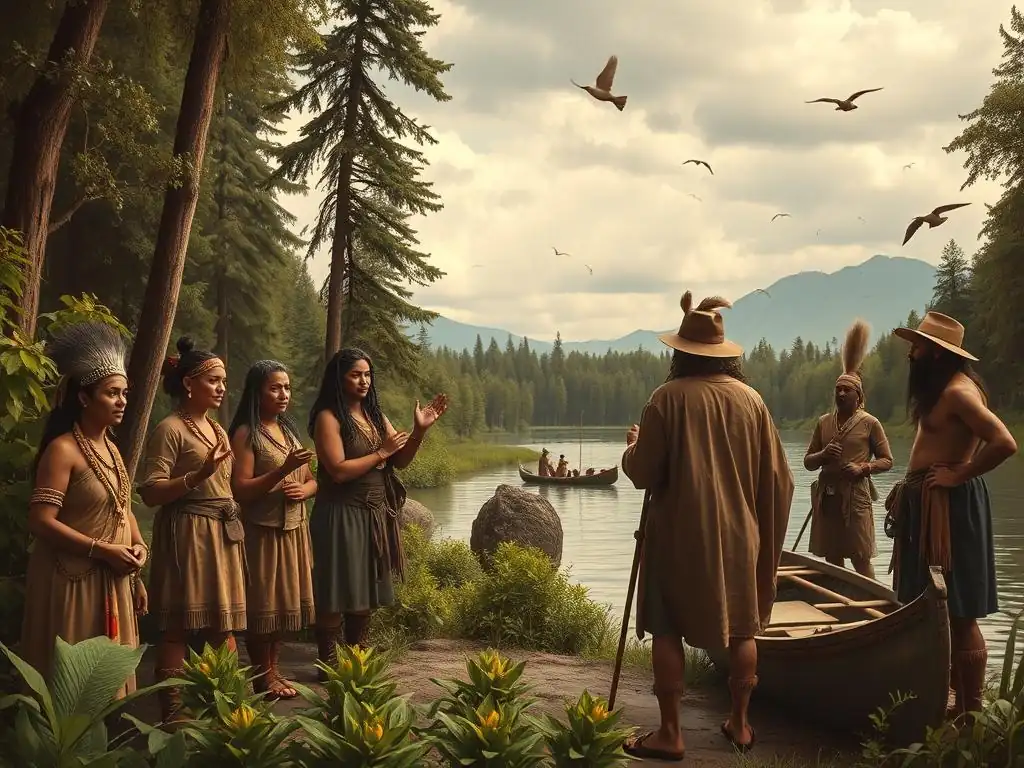
The arrival of Europeans in the Americas marked a significant turning point in the history of indigenous cultures. This initial contact set off a chain of events that would lead to profound changes in Native societal organization, ultimately contributing to the larger narrative of colonization.
First Contact and Its Immediate Effects
The first encounters between European explorers and indigenous peoples were often characterized by mutual curiosity, yet the underlying power dynamics quickly shifted. For instance, the arrival of Christopher Columbus in 1492 introduced European intentions of exploration and exploitation. The immediate effects of these encounters varied across regions and cultures but included:
- Trade Opportunities: Initial interactions often involved trade, where indigenous groups exchanged goods like furs, food, and crafts for European metal tools, weapons, and textiles. This exchange, while beneficial in the short term, altered traditional economic practices and dependencies.
- Cultural Exchange: While cultural exchange did occur, it was often imbalanced. Indigenous peoples introduced Europeans to new agricultural practices, such as the cultivation of maize and potatoes, which would later transform European diets. Conversely, Europeans brought new diseases, resulting in catastrophic population declines among Native communities.
- Weaponry and Military Alliances: The introduction of European firearms and metal weaponry changed the landscape of power among indigenous groups. Some tribes began forming alliances with Europeans, seeking protection or advantages against rival groups, which led to shifts in intertribal relations and conflicts.
These immediate effects were compounded by the long-term implications of colonization, shaping the trajectory of Native cultures.
Initial Responses from Indigenous Populations
Indigenous populations exhibited a range of responses to the arrival of Europeans, influenced by their unique cultural contexts and experiences. Some of the notable responses included:
- Adaptation and Resistance: Many indigenous groups attempted to adapt to the new realities brought by Europeans. This included integrating European technologies and trade goods into their societies. However, resistance was also prevalent, as some tribes sought to defend their lands and way of life against encroachment.
- Diplomatic Engagement: Some indigenous leaders recognized the potential threat posed by European colonizers and opted for diplomatic strategies. They engaged in negotiations, treaties, and alliances, often with the hope of protecting their autonomy and preserving their lands. However, these agreements were frequently ignored or violated by European settlers.
- Cultural Preservation: In the face of colonization, many indigenous cultures sought to preserve their traditions, languages, and social structures. This effort to maintain cultural identity became a form of resistance against the overwhelming pressures of European assimilation.
The initial responses of indigenous populations set the stage for ongoing conflicts and adaptations that would characterize the impact of colonization on Native cultures, reshaping their societal organization in profound ways.
Transition from Autonomy to Subjugation
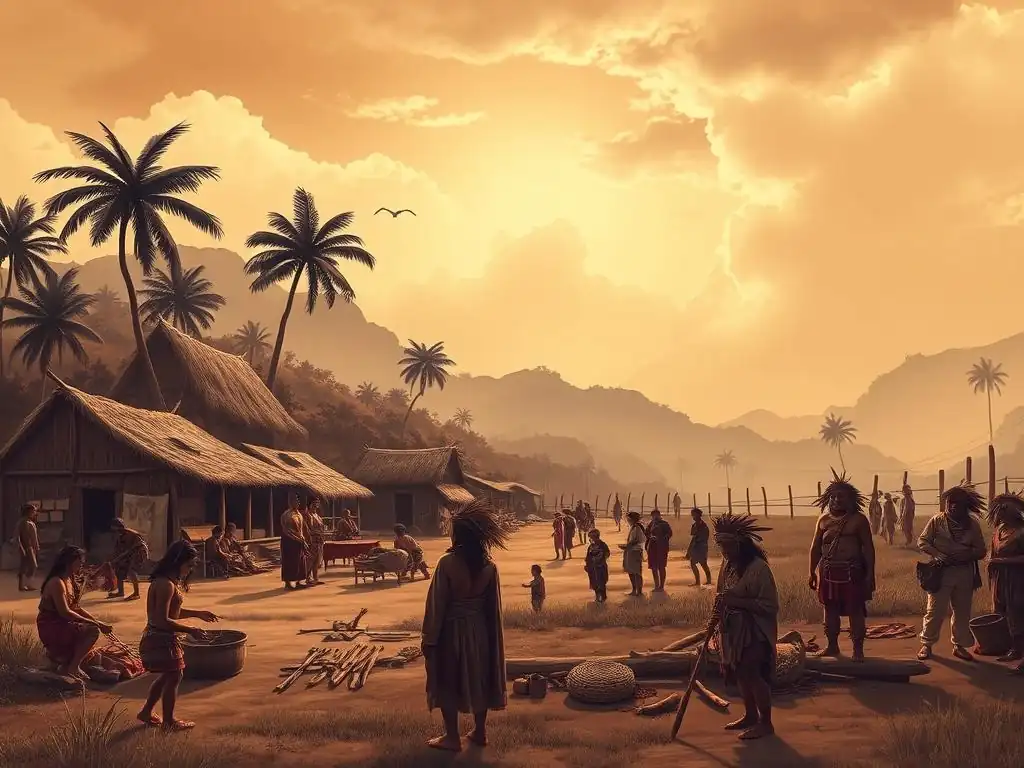
The colonization of the Americas marked a profound transformation in the social structures of indigenous cultures, transitioning from relative autonomy to subjugation. This shift was characterized by the collision of diverse Native societies with European powers, resulting in the dismantling of existing social hierarchies, governance systems, and cultural practices. The impact of colonization on Native cultures was not only immediate but also had long-lasting repercussions on their societal organization.
Key Events Marking the Shift in Power Dynamics
Several pivotal events highlight the drastic change in power dynamics between indigenous peoples and European colonizers:
-
The Arrival of Columbus (1492)
The landing of Christopher Columbus initiated a series of encounters that fundamentally altered the trajectory of Native societies. The promise of wealth and resources attracted European powers, leading to increased exploration and colonization.
-
The Treaty of Tordesillas (1494)
This agreement between Spain and Portugal divided the newly discovered lands outside Europe. Indigenous nations were not consulted, and the treaty effectively disregarded their sovereignty, laying the groundwork for further territorial claims.
-
The Spanish Conquest of the Aztec and Inca Empires (1519-1533)
The fall of these powerful empires to Spanish forces dramatically illustrated the military superiority and strategic advantages of European powers. The conquests resulted in the rapid decline of complex societal structures and the imposition of foreign governance.
-
The Establishment of Missions and Encomienda System (16th Century)
The Spanish established missions with the intent to convert and control Native populations. The encomienda system further entrenched the subjugation of indigenous peoples by allocating them as laborers to Spanish settlers, disrupting traditional social roles and community structures.
-
The Pequot War (1636-1638)
This conflict between the Pequot tribe and English settlers in New England exemplified the violent resistance to colonization. The war resulted in significant loss of life and territory for the Pequot, further asserting colonial dominance in the region.
The Role of Disease in Undermining Native Societies
The impact of colonization on Native cultures was exacerbated by the introduction of diseases to which indigenous populations had no immunity. The catastrophic effects of these epidemics were a major factor in the destabilization of Native societies:
-
Smallpox, Measles, and Influenza
Diseases like smallpox devastated populations, wiping out entire communities. For example, it is estimated that smallpox reduced the population of the Aztec Empire by up to 90% within a few decades of contact with Europeans.
-
Demographic Collapse
The dramatic decline in population created a vacuum in social organization, as families, clans, and entire tribes were decimated. This collapse hindered the ability of indigenous societies to resist European encroachment.
-
Disruption of Cultural Practices
The loss of leaders and elders due to disease resulted in a breakdown of cultural transmission. Traditional knowledge, social customs, and governance structures were severely disrupted, leading to a reorganization of societal roles.
Economic Exploitation and Resource Displacement
The economic strategies employed by European colonizers further contributed to the subjugation and transformation of indigenous societies:
-
Resource Extraction
Colonizers exploited the natural resources of the Americas, transforming local economies. Precious metals, like silver from Potosí, were extracted at an unsustainable rate, leading to environmental degradation and loss of indigenous livelihoods.
-
Land Dispossession
The imposition of European land ownership concepts led to widespread displacement of Native peoples. Treaties were often made under duress or broken entirely, forcing indigenous populations onto less fertile lands and disrupting their subsistence practices.
-
Forced Labor Systems
The establishment of labor systems, such as the encomienda and, later, the plantation system, exploited indigenous peoples for agricultural and mining labor. This exploitation not only dismantled traditional economic structures but also imposed European economic practices that disregarded indigenous knowledge and sustainability.
The impact of colonization on Native cultures was multifaceted, marked by key events that shifted power dynamics, the devastating effects of disease, and systematic economic exploitation. These factors collectively led to a profound restructuring of indigenous societies, with lasting implications for their cultural identity and autonomy.
The Impact of Colonization on Native Cultures
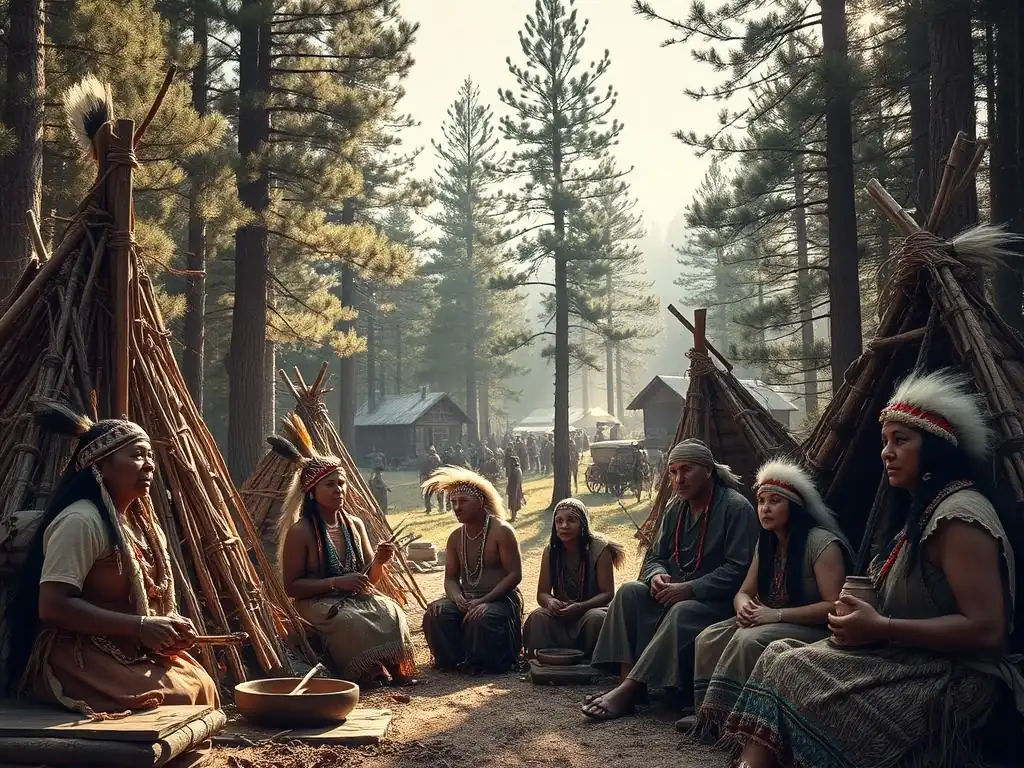
The impact of colonization on Native cultures was profound and multifaceted, leading to significant transformations in social structures, economic systems, and cultural identities. As European powers expanded their territories, indigenous societies faced unprecedented challenges that altered their ways of life. This section delves into the various elements of this impact, providing a detailed analysis of the changes that occurred.
The arrival of European colonizers disrupted established social hierarchies and governance systems among Native societies. Many indigenous cultures were organized around complex social structures that included chiefs, councils, and clans, each with specific roles and responsibilities. European colonization often imposed new forms of governance that undermined these indigenous systems, leading to a loss of autonomy.
- Imposition of European Legal Systems: Colonizers introduced their legal frameworks, which disregarded indigenous laws and customs. This led to conflicts over land ownership, resource management, and community governance.
- Fragmentation of Tribal Alliances: Many tribes were manipulated into alliances or conflicts against each other, further weakening their traditional governance structures. The introduction of treaties, often unfairly negotiated, created divisions among tribes that had formerly coexisted peacefully.
- Loss of Leadership: The execution or exile of prominent indigenous leaders by colonizers created a leadership vacuum, destabilizing communities and leading to internal strife.
This disruption often resulted in the erosion of social cohesion, as traditional roles and responsibilities were undermined by external influences and pressures.
Changes in Economic Systems: Trade and Dependency
Colonization drastically altered the economic systems of Native cultures, shifting them from self-sustaining economies to ones increasingly reliant on European goods and trade practices.
- Introduction of European Goods: European colonizers introduced new commodities such as metal tools, firearms, and alcohol, which altered traditional trade networks. While some Native groups initially benefited from these exchanges, over time, reliance on European goods led to dependency.
- Shift from Subsistence to Commercial Economies: Many indigenous communities transitioned from subsistence farming and hunting to commercial agriculture and trade, often focusing on cash crops demanded by European markets. This shift disrupted local food systems and traditional practices.
- Exploitation of Resources: Colonizers often exploited natural resources without regard for indigenous practices or sustainability. This exploitation not only harmed the environment but also disrupted the economic foundations of Native societies.
The changes in economic systems contributed to a cycle of dependency that further marginalized indigenous cultures and eroded their traditional economies.
Cultural Assimilation and Resistance
The cultural impact of colonization on Native societies was profound, resulting in both assimilation and resistance. Colonizers often sought to impose their beliefs, languages, and customs on indigenous populations.
- Missionary Efforts: European missionaries actively pursued the conversion of Native peoples to Christianity, often viewing indigenous spiritual practices as inferior. This led to the suppression of traditional beliefs and rituals, aiming to erase cultural identities.
- Loss of Language: Language is a crucial component of cultural identity. The promotion of European languages often resulted in the decline of indigenous languages, leading to a loss of traditional knowledge and cultural heritage.
- Cultural Resistance: Despite the pressures to assimilate, many Native cultures engaged in forms of resistance. This included the preservation of traditional practices, the establishment of new forms of cultural expression, and the revival of indigenous languages.
Resistance took many forms, from armed uprisings to subtle acts of defiance, as indigenous peoples sought to maintain their cultural identities in the face of colonization.
The impact of colonization on Native cultures was a complex interplay of disruption, adaptation, and resistance. Understanding these changes is crucial to recognizing the resilience of indigenous cultures and their ongoing influence today.
Lasting Consequences of Colonization
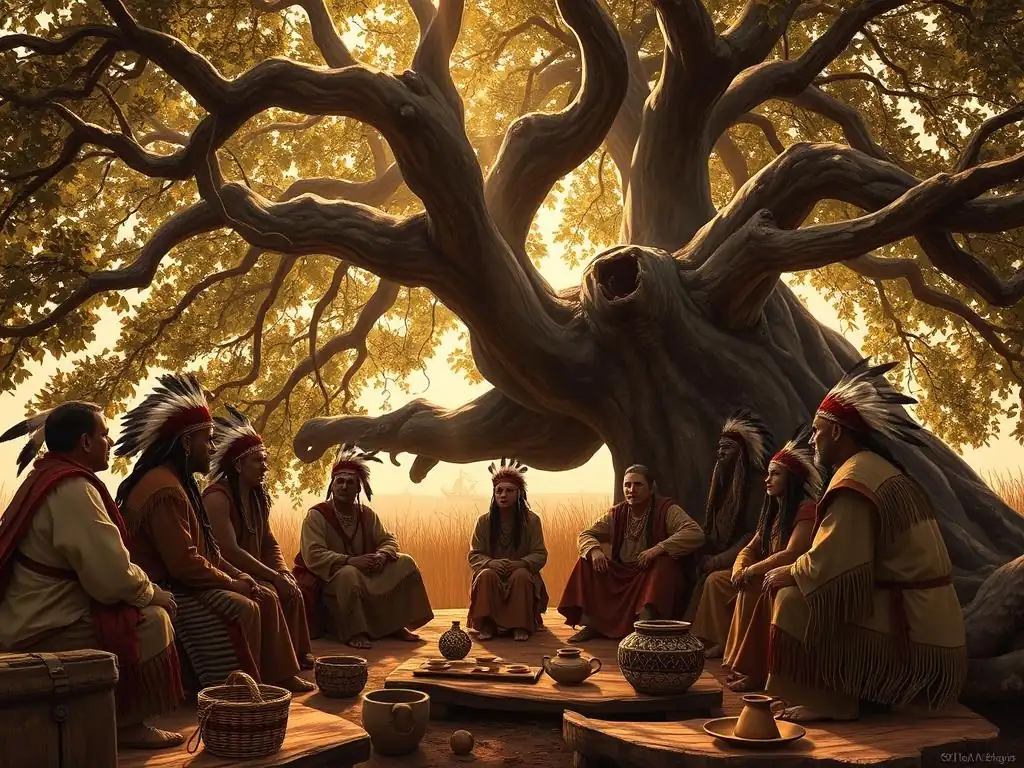
Long-Term Effects on Indigenous Identity and Culture
The impact of colonization on Native cultures has left enduring scars on indigenous identities and cultural practices. Many indigenous societies faced severe disruptions to their social structures, traditions, and belief systems as European colonizers imposed new systems of governance, religion, and economic practices. This section explores several long-term effects of colonization on indigenous identity and culture.
-
Loss of Language and Tradition:
Colonization often led to the suppression of native languages and traditional practices. For example:
- Many indigenous languages became endangered as colonizers enforced European languages, such as Spanish and English.
- Traditional knowledge, including oral histories and cultural rituals, was often dismissed or actively suppressed, leading to a decline in cultural transmission across generations.
-
Cultural Syncretism:
In some cases, colonization resulted in a blending of indigenous and European cultures, known as syncretism. This phenomenon can be observed in:
- Religious practices, where indigenous beliefs were combined with Christianity, giving rise to unique forms of worship.
- Art and craftsmanship that merged traditional techniques with European styles, leading to new cultural expressions.
-
Altered Community Structures:
Many indigenous communities underwent significant changes in their social organization. This included:
- The disruption of matriarchal or communal systems of governance, which were replaced with patriarchal structures imposed by colonial authorities.
- The introduction of individual land ownership disrupted communal land practices, eroding traditional social bonds and responsibilities.
-
Identity Crisis and Resilience:
The forced changes led to identity crises within many indigenous communities. However, this also sparked resilience and revival efforts, including:
- Movements to reclaim and revitalize indigenous languages and cultures.
- The establishment of organizations focused on cultural preservation and education, fostering pride in indigenous heritage.
Modern Implications for Native Communities
The repercussions of colonization continue to shape the lives of indigenous peoples today, presenting both challenges and opportunities. Understanding these modern implications is crucial for recognizing the ongoing impact of colonization on Native cultures.
-
Socioeconomic Disparities:
Many indigenous communities still face significant socioeconomic challenges as a result of historical injustices. These include:
- High rates of poverty and unemployment compared to non-indigenous populations.
- Limited access to quality education and healthcare, perpetuating cycles of disadvantage.
-
Cultural Revitalization Movements:
Despite the challenges, there is a growing movement among indigenous communities to reclaim and revitalize their cultures. This includes:
- Language immersion programs aimed at teaching indigenous languages to younger generations.
- Cultural festivals and events that celebrate traditional arts, music, and customs, fostering community pride and cohesion.
-
Political Advocacy and Sovereignty:
Modern indigenous activism has emphasized the importance of self-determination and sovereignty. Key aspects include:
- Engagement in political processes to advocate for land rights, resource management, and cultural preservation.
- Collaborations with governmental and non-governmental organizations to address historical grievances and promote indigenous rights.
-
Environmental Stewardship:
Many indigenous communities are at the forefront of environmental conservation efforts, drawing on traditional ecological knowledge. This has implications such as:
- Sustainable land management practices that respect the natural environment and promote biodiversity.
- Advocacy against environmental degradation caused by industrial activities, emphasizing the interconnectedness of culture and nature.
The impact of colonization on Native cultures is profound and multifaceted, affecting indigenous identity, cultural practices, and community dynamics. While challenges remain, there is also a significant movement towards cultural revitalization, political advocacy, and environmental stewardship within indigenous communities today.
Conclusion: Reflecting on the Impact of Colonization on Native Cultures
The impact of colonization on Native cultures is profound and multifaceted, shaping the trajectory of indigenous societies across the Americas. The historical narratives surrounding colonization often focus on the immediate consequences—such as the loss of land, resources, and autonomy—while the longer-term effects on social structures and cultural identity are equally significant.
Understanding these impacts requires a nuanced perspective that acknowledges the resilience and adaptability of indigenous cultures. Despite facing immense challenges, many Native communities have retained elements of their traditional lifestyles, belief systems, and social organization. This resilience is a testament to the strength of indigenous heritage and the ongoing efforts to preserve and revitalize cultural practices.
The Importance of Historical Awareness
Historical awareness is crucial for comprehending the complexities of the impact of colonization on Native cultures. Education about these histories fosters a deeper understanding of the injustices faced by indigenous peoples and highlights the importance of acknowledging their contributions to society. By examining the past, individuals can better appreciate the rich tapestry of indigenous cultures and the ongoing struggles for recognition and rights.
Moreover, historical awareness serves to combat stereotypes and misinformation that have persisted over centuries. Educators, scholars, and community leaders play a vital role in disseminating accurate narratives that challenge colonial myths and celebrate the achievements of indigenous civilizations. Engaging with indigenous voices and perspectives is essential in this endeavor, ensuring that their stories are told authentically and respectfully.
Pathways for Reclaiming Indigenous Heritage
Reclaiming indigenous heritage is an ongoing process that involves revitalizing cultural practices, languages, and traditions that were suppressed during colonization. Several pathways can be identified to facilitate this reclamation:
- Language Revitalization: Efforts to restore indigenous languages are critical in preserving cultural identity. Language carries the nuances of worldview, traditions, and histories that are often lost in translation. Programs aimed at teaching indigenous languages in schools and communities are essential for fostering intergenerational transmission.
- Cultural Education: Incorporating indigenous history and cultural practices into educational curricula helps raise awareness among both indigenous and non-indigenous populations. This inclusion promotes respect for indigenous knowledge systems and acknowledges their contributions to broader society.
- Cultural Events and Festivals: Celebrating indigenous cultures through festivals, art exhibitions, and community events not only strengthens cultural identity but also invites non-indigenous communities to engage and learn. These gatherings provide a platform for storytelling, traditional practices, and communal solidarity.
- Collaboration with Institutions: Partnerships between indigenous communities and academic or cultural institutions can facilitate the preservation and promotion of indigenous heritage. Collaborative research projects and exhibitions can highlight indigenous achievements and provide resources for cultural education.
By actively pursuing these pathways, indigenous communities can reclaim their heritage, fostering a sense of pride and identity while addressing the ongoing impact of colonization on Native cultures. This reclamation is not only about preserving the past but also about shaping a future that honors and respects indigenous ways of life.
Frequently Asked Questions
What are the primary impacts of colonization on Native cultures?
The impact of colonization included the disruption of social structures, loss of autonomy, and significant cultural assimilation efforts that aimed to erase indigenous identities.
How did colonization affect indigenous societal organization?
Colonization led to the disruption of traditional governance systems, forced relocation, and the imposition of foreign legal structures, undermining indigenous societal organization.
What are some examples of indigenous achievements prior to colonization?
Before colonization, indigenous cultures achieved remarkable advancements in agriculture, architecture, and trade, showcasing their rich cultural heritage and expertise.
In what ways did indigenous cultures resist colonization?
Indigenous peoples employed various forms of resistance, including armed conflict, diplomatic negotiations, and the preservation of cultural practices, to combat the effects of colonization.
Why is it important to study the lasting impact of colonization on Native cultures?
Understanding the lasting impact of colonization is crucial for recognizing the resilience of indigenous communities and addressing ongoing challenges related to cultural preservation and rights.
Final Reflection: The Enduring Legacy of Colonization on Native Cultures
The impact of colonization on Native cultures is not merely a historical footnote; it is a profound reality that continues to shape the identities and societal structures of Indigenous peoples today. As we navigate a world increasingly aware of its colonial past, it becomes clear that the echoes of these events resonate deeply within contemporary discussions about cultural preservation, identity, and social justice. The legacy of colonization is not confined to the past; it is a living narrative that informs the struggles and triumphs of Native communities in their quest for autonomy and recognition.
Culture is not static; it evolves and adapts, yet the scars of colonization have left an indelible mark on Native societies. The ongoing influence of these historical injustices can be seen in the resilience of Indigenous peoples who strive to reclaim their narratives and restore their cultural practices.
As noted by Vine Deloria Jr., “The greatest challenge to the Indian people is to maintain their identity in a world that is constantly trying to erase it.” This observation underscores the importance of acknowledging the impact of colonization, as it allows us to appreciate the strength and determination of Native cultures in the face of adversity.
As we reflect on the themes presented in this article, I invite you to consider your own role in this ongoing narrative. How can you contribute to the recognition and respect for Native cultures in your community? Whether through education, advocacy, or simply listening to Indigenous voices, each of us has the power to foster understanding and support the revitalization of these rich cultural heritages. Let us carry forward the lessons learned from the past, ensuring that the impact of colonization is not just a story of loss, but also one of resilience, renewal, and hope for future generations.
Embrace Heritage: Take Action for Indigenous Voices!
Thank you for taking the time to explore the profound impact of colonization on Native societal organization. Your interest in this vital topic highlights the importance of understanding history and advocating for Indigenous rights. Now, let’s turn that knowledge into action—together, we can make a difference!
Here are a few steps you can take right now:
- Engage with Indigenous Communities: Reach out to local Indigenous organizations and participate in their events. Your support helps amplify their voices and address their needs.
- Educate Yourself and Others: Share insightful resources about Indigenous histories and contemporary issues with friends and family. Encourage them to broaden their understanding of these important topics.
- Advocate for Change: Support petitions and initiatives that aim to protect Indigenous rights and lands. Every effort contributes to a brighter, more equitable future.
As we strive to honor and uplift Indigenous narratives, consider this: What actions can you take today to help preserve and celebrate Indigenous cultures in your community?