
Kinship and Power: How Conquest Altered Traditional Indigenous Social Networks

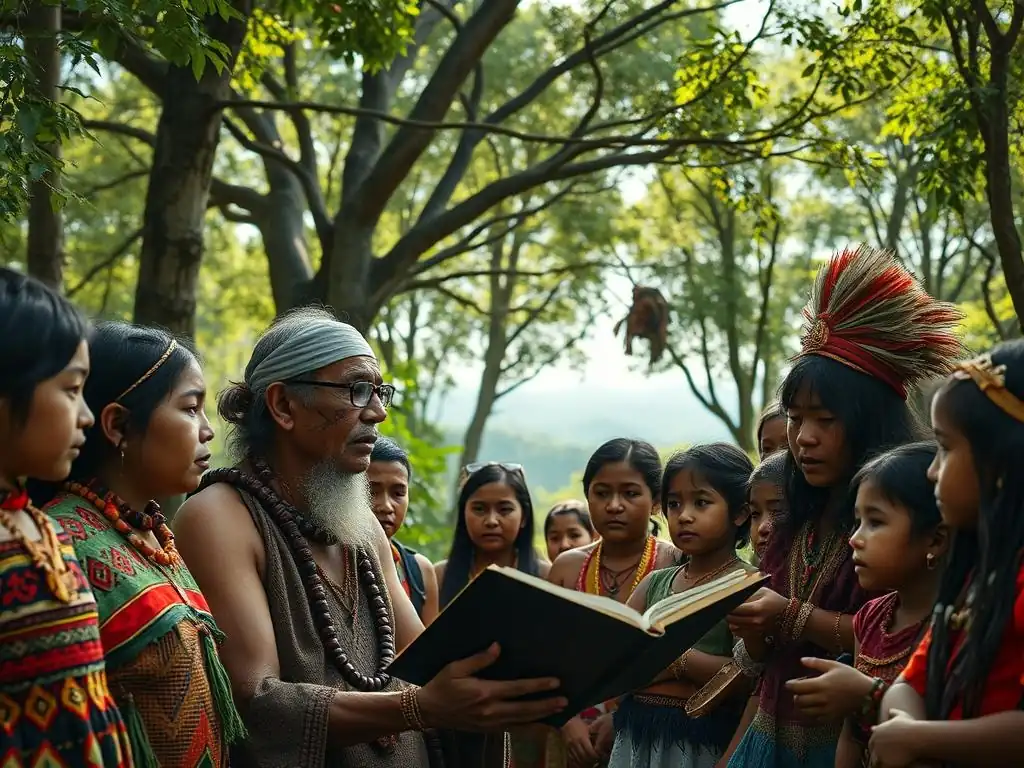
Welcome to Indigenous Civilizations of the Americas—a dedicated space where we delve into the rich tapestry of indigenous cultures that flourished long before European colonization. Here, you will uncover the intricate history of indigenous social networks, exploring how kinship and power dynamics shaped societies across the continent.
In our featured article, "Kinship and Power: How Conquest Altered Traditional Indigenous Social Networks," we invite you to discover the profound effects of conquest on these vibrant communities and their enduring legacies. Prepare to embark on a journey that not only informs but also inspires curiosity about the resilience and ingenuity of the Americas' first peoples.
The history of indigenous social networks in the Americas is a rich tapestry woven from diverse cultures, languages, and traditions that developed long before European colonization. These networks were not merely systems of familial ties; they were complex structures that defined relationships, authority, and community cohesion among various tribes and nations.
Understanding the indigenous social networks history is crucial for grasping how these societies functioned, how power was distributed, and how kinship played a pivotal role in their organization. As we explore the profound changes that occurred due to European conquest, we will uncover the resilience and adaptability of these social structures amidst dramatic disruptions.
Indigenous societies across the Americas exhibited a variety of social structures that were often intricate and varied by region. Generally, these structures could be classified into:
- Tribal Confederacies: Groups that formed alliances for mutual defense, trade, or cultural exchange, exemplified by the Iroquois Confederacy.
- Clan Systems: Organized around kinship ties, where clans shared a common ancestor, significantly influencing social interaction and responsibilities.
- Gender Roles: These were often fluid, with many indigenous cultures recognizing the importance of both male and female contributions to society, varying from one tribe to another.
In many cases, social structures were deeply intertwined with the spiritual and economic practices of the community, illustrating the holistic nature of indigenous life.
Importance of Kinship in Indigenous Societies
Kinship was the backbone of indigenous societies, shaping not only family ties but also community governance and social obligations. The significance of kinship can be outlined as follows:
- Social Cohesion: Kinship ties fostered a sense of belonging and loyalty, creating strong communal bonds essential for survival.
- Resource Distribution: Kinship networks determined how resources were shared within communities, ensuring that members supported one another.
- Cultural Transmission: Kinship played a vital role in passing down traditions, languages, and customs, which were critical for the identity of indigenous peoples.
Understanding these aspects helps to illustrate the nuanced ways in which indigenous societies organized themselves and maintained their cultural heritage.
The arrival of European colonizers marked a turning point in the history of indigenous social networks. The impact of this conquest was profound and multifaceted, leading to significant alterations in traditional structures.
Historical Context of the Conquest
The European conquest began in the late 15th century, driven by motives of exploration, territorial expansion, and resource exploitation. Initial encounters often resulted in:
- Displacement: Indigenous peoples were forcibly removed from their ancestral lands, disrupting established social networks.
- Disease: The introduction of European diseases decimated populations, leading to a breakdown of social order.
- Military Conflict: Armed encounters with colonizers weakened social cohesion and altered power dynamics within and among tribes.
Changes in Power Dynamics
Colonization brought about significant shifts in power dynamics within indigenous societies. These changes included:
- Imposition of Foreign Governance: European powers often established new governance structures that undermined indigenous leadership and authority.
- Alliances with Certain Tribes: Colonizers frequently exploited existing rivalries, creating divisions and altering traditional alliances among tribes.
- Economic Exploitation: The introduction of new economic systems marginalized indigenous practices and redistributed power in favor of colonial interests.
Disruption of Kinship Ties
The social upheaval caused by conquest severely disrupted kinship ties, leading to:
- Fragmentation of Families: Forced relocations and massacres resulted in the separation of families and clans, breaking the bonds that had previously held communities together.
- Loss of Cultural Identity: As kinship structures deteriorated, so did the transmission of cultural knowledge and practices, leading to a loss of identity for many indigenous groups.
- Adaptation and Resilience: Despite these disruptions, many indigenous communities demonstrated remarkable resilience, finding ways to adapt their kinship systems to the new realities imposed by colonization.
The conquest of the Americas fundamentally altered indigenous social networks, leading to profound changes in kinship, power dynamics, and community structures. Understanding this history is vital for appreciating the legacy and resilience of indigenous cultures today.
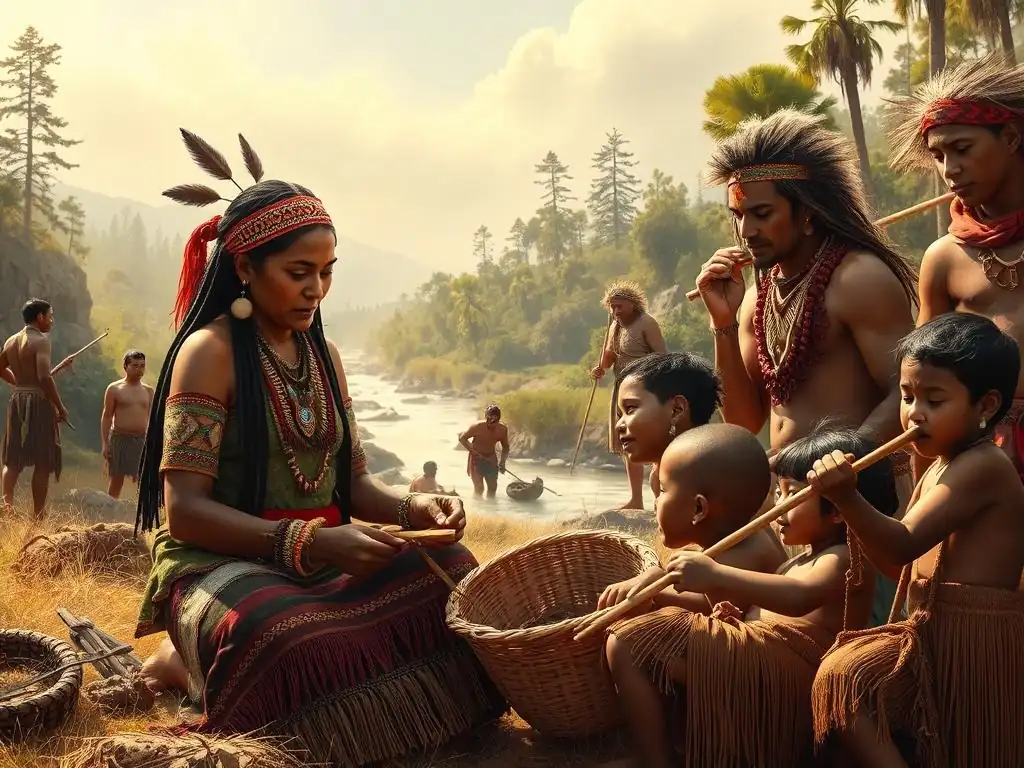
Indigenous social networks before the European conquest were complex and deeply rooted in kinship ties, community bonds, and cultural practices. These networks varied significantly across different tribes and regions, reflecting the diverse environments and lifestyles of Indigenous peoples. They were characterized by strong familial connections, communal land ownership, and a shared sense of responsibility for the welfare of the group. This interconnectedness fostered resilience and adaptability, essential for survival in diverse ecological contexts.
Characteristics of Traditional Indigenous Social Structures
Traditional Indigenous social structures were often matrilineal or patrilineal, depending on the culture. In many societies, lineage played a crucial role in determining social status and inheritance, affecting everything from property rights to leadership roles. For instance, in matrilineal societies like the Iroquois, lineage was traced through the mother, and women held significant authority in decision-making processes.
Moreover, social hierarchies were fluid; leaders often emerged based on merit rather than hereditary claims. Elders were respected for their wisdom and experience, serving as advisors and mediators within the community. This communal approach to governance emphasized collective decision-making and reinforced social cohesion.
Role of Kinship and Community in Social Organization
Kinship and community were central to Indigenous social organization. Families were often extended units, with multiple generations living together and contributing to the household. This structure provided emotional and economic support, creating a safety net for individuals in times of need.
Cultural practices, such as ceremonies and rituals, reinforced these bonds, emphasizing the importance of community identity. Shared responsibilities, such as hunting, gathering, and agriculture, further strengthened these social ties, ensuring that all members had a role in sustaining the community. Additionally, kinship networks facilitated trade and alliances between different tribes, enhancing social and economic stability.
Examples of Indigenous Social Networks Before Conquest
Numerous Indigenous cultures exemplified the diversity of social networks prior to European contact. The Ancestral Puebloans of the Southwest United States, for example, developed intricate social structures centered around agriculture, trade, and religious practices. Their communal living arrangements and ceremonial centers, such as Chaco Canyon, highlight the importance of collaboration and collective identity.
In the Pacific Northwest, the Coast Salish peoples organized themselves into clans, with each clan responsible for specific territories and resources. Their social networks revolved around kinship ties and the potlatch system, a ceremonial practice that reinforced social status and community solidarity.
The arrival of European colonizers dramatically altered the fabric of Indigenous social networks, leading to significant changes in kinship roles, power dynamics, and community structures. These transformations were often devastating, resulting in the disintegration of traditional systems that had sustained Indigenous peoples for centuries.
Transformation of Kinship Roles
Post-conquest, the roles within kinship networks shifted as external pressures forced Indigenous communities to adapt to new realities. European diseases decimated populations, leading to a loss of elders and other key figures in traditional social structures. Consequently, younger generations were often thrust into leadership roles without the guidance of experienced mentors.
Additionally, the imposition of European legal systems disrupted traditional practices surrounding land ownership and inheritance. Indigenous peoples were often forced to conform to foreign concepts of property, undermining the communal aspects of their social networks.
Emergence of New Power Structures
The conquest also led to the emergence of new power structures, often centered around collaboration with colonizers. Some Indigenous leaders allied with European powers to gain advantages over rival tribes, resulting in shifts in authority and governance. These new alliances sometimes exacerbated existing conflicts, further destabilizing traditional social networks.
Moreover, the introduction of European goods and trade practices altered the economic landscape, creating dependencies that undermined traditional systems of exchange and reciprocity. This economic shift often favored those who adapted to colonial demands, leading to increased disparities within Indigenous communities.
Loss of Traditional Authority and Leadership
The consequences of conquest included a significant loss of traditional authority and leadership within Indigenous societies. The introduction of colonial governance structures often marginalized Indigenous leaders, replacing them with appointed officials who did not understand or respect local customs.
As a result, the social cohesion that once characterized Indigenous communities eroded, leading to fragmentation and dislocation. The loss of traditional leadership and authority had far-reaching implications, not only destabilizing social networks but also impacting cultural continuity and identity among Indigenous peoples. The legacies of these transformations continue to resonate in contemporary Indigenous societies, where efforts to reclaim and revitalize traditional social structures are ongoing.
Case Studies of Specific Indigenous Groups
Indigenous social networks across the Americas were deeply influenced by the dynamics of conquest and colonization. By examining specific groups, we can gain insights into how these networks were altered, adapted, and in some cases, resisted during and after these transformative periods.
The Iroquois Confederacy: Changes in Social Networks Due to Conquest
The Iroquois Confederacy, also known as the Haudenosaunee, was a sophisticated political and social alliance formed by several tribes, including the Mohawk, Oneida, Onondaga, Cayuga, Seneca, and later the Tuscarora. Before European contact, the Confederacy operated under a matrilineal system, where lineage and inheritance flowed through women. This structure fostered strong kinship ties and collective decision-making processes.
However, with the advent of European colonization, the Iroquois faced significant challenges that altered their social networks. The introduction of European trade goods created dependencies, while military alliances shifted power dynamics among the tribes. The Iroquois initially leveraged their political structure to play European powers against one another, yet this also led to internal divisions. The American Revolution further strained their unity, as different tribes aligned with opposing sides, fracturing traditional kinship networks and altering their sociopolitical landscape.
The Navajo Nation: Kinship and Power Shifts After European Arrival
The Navajo Nation presents a distinct case where kinship and power structures faced dramatic shifts following European contact. Traditionally, the Navajo operated within a matrilineal system, where women held significant authority in familial and community decisions. Their social organization emphasized clan relationships, which were central to cultural identity and community cohesion.
The arrival of European settlers and subsequent U.S. policies, such as the Long Walk in the 1860s, disrupted these established networks. Forced relocation and loss of land diminished the ability of clans to maintain their traditional social structures. However, the Navajo demonstrated remarkable resilience. In response to these challenges, they redefined their kinship ties, focusing on communal solidarity and cultural revival, which allowed them to adapt and preserve their identity in the face of adversity.
The Lakota Sioux: Resilience of Indigenous Social Structures in Adversity
The Lakota Sioux exemplify the resilience of indigenous social structures amid the pressures of conquest and colonization. Historically, the Lakota operated within a complex kinship system that emphasized extended family ties and community cooperation, with leadership often derived from respected individuals rather than formal hierarchies.
The encroachment of settlers and military campaigns significantly impacted their way of life, leading to the loss of traditional lands and resources. Despite these challenges, the Lakota maintained their social networks through cultural practices, ceremonies, and communal gatherings. Their ability to adapt and reinforce kinship ties amidst external pressures highlighted the importance of social cohesion in preserving their identity and resisting complete assimilation.
The resistance exhibited by indigenous groups in the face of conquest played a critical role in shaping their social networks. These acts of defiance not only preserved cultural practices but also reinforced kinship bonds and collective identities.
Indigenous Responses to Conquest
Indigenous responses to conquest varied widely, often characterized by a combination of resistance and adaptation. Many groups engaged in armed resistance, while others opted for diplomatic negotiations or strategic alliances with European powers. These responses were deeply rooted in traditional social networks, as kinship ties informed collective actions and decision-making processes within communities.
For example, the Pueblo Revolt of 1680 in present-day New Mexico was a powerful expression of resistance led by various Pueblo tribes against Spanish colonization. This uprising not only sought to reclaim autonomy but also reinforced existing social structures by uniting different tribes under a common cause.
Preservation of Kinship Values Amidst Change
Despite the pressures of colonization, many indigenous groups actively worked to preserve their kinship values. This often involved adapting traditional practices to new circumstances while maintaining core cultural principles. For instance, ceremonies and rituals that emphasized familial bonds were upheld, serving as a means to reinforce identity and continuity within the community.
In some cases, the blending of European and indigenous practices led to new forms of kinship expressions, showcasing the adaptability and resilience of these social networks. These efforts were vital in ensuring that indigenous cultures remained dynamic and relevant, even as they navigated the complexities brought about by conquest.
Rebuilding Social Networks in the Face of Adversity
Rebuilding social networks in the aftermath of conquest involved significant efforts to restore and strengthen kinship ties. Indigenous groups often found ways to reconnect and reaffirm their identities through cultural revitalization movements. This included the revival of traditional languages, practices, and governance systems, which served to re-establish communal bonds.
In contemporary times, many indigenous communities continue to focus on rebuilding social networks by fostering intergenerational connections and embracing cultural education. This commitment to cultural preservation and community solidarity is a testament to the enduring strength of indigenous social networks, which have adapted over centuries while maintaining their foundational values.
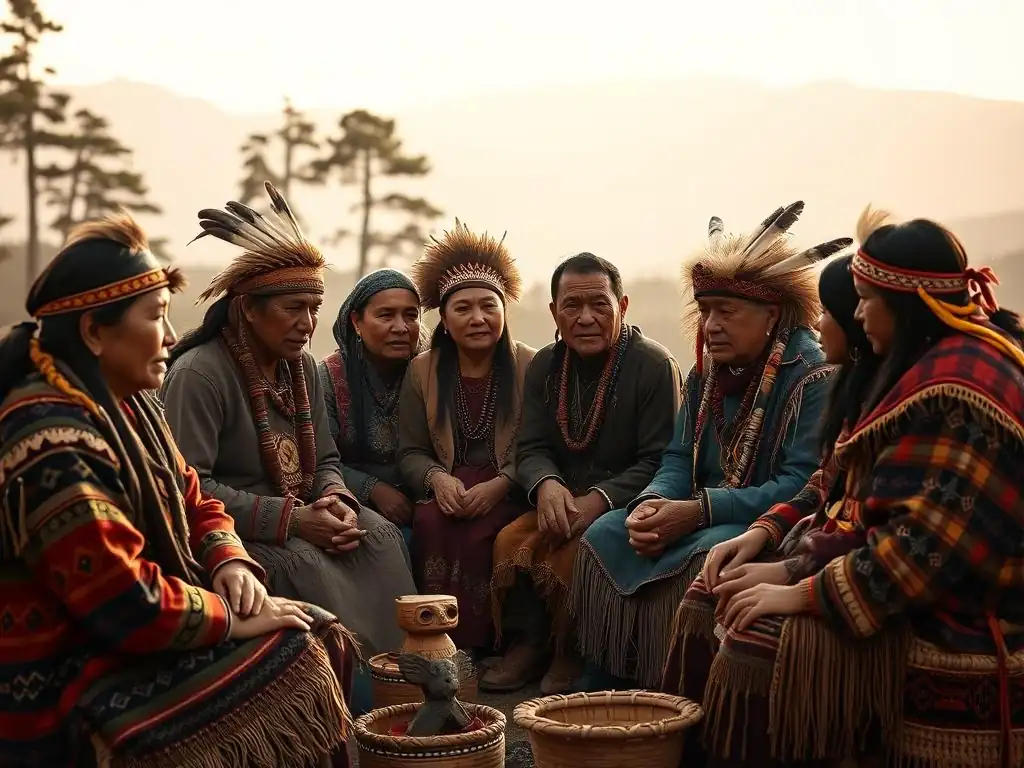
The conquest of the Americas brought profound changes to indigenous social networks, many of which resonate in contemporary society. Traditional kinship systems, once foundational to the social fabric of indigenous communities, faced unprecedented disruptions due to colonial policies, forced relocations, and the imposition of foreign governance structures. However, despite these challenges, many indigenous groups have demonstrated resilience, maintaining elements of their traditional social networks while adapting to modern contexts.
Contemporary indigenous social networks often reflect a blend of historical practices and modern influences. These networks serve not only as a means of social support but also as vital channels for cultural revitalization. For instance, many communities have re-established traditional ceremonies and gatherings that reinforce kinship ties, allowing members to reconnect with their heritage and each other. The resilience of these networks highlights the adaptability of indigenous cultures in the face of historical adversities.
Modern Kinship Practices Derived from Traditional Networks
Modern kinship practices among indigenous communities often draw from their historical roots, emphasizing communal relationships and collective responsibilities. Many tribes emphasize the concept of extended family, where individuals are considered part of a larger kinship network rather than just immediate relatives. This practice fosters a sense of belonging and shared identity, which is crucial for community solidarity.
Additionally, contemporary kinship practices may incorporate elements that address the realities of modern life, such as the use of technology for communication and the re-establishment of traditional roles within familial structures. For example, social media platforms are increasingly utilized to maintain connections among dispersed family members, allowing for the sharing of cultural knowledge and support. This blending of traditional and modern practices underscores the ongoing evolution of indigenous social networks.
Influence of Historical Changes on Contemporary Indigenous Identity
The historical changes brought about by conquest have significantly shaped contemporary indigenous identity. Many indigenous peoples grapple with the duality of their heritage and the legacies of colonization. The imposition of foreign governance systems and the disruption of traditional social networks led to a loss of cultural practices and languages. However, in recent decades, there has been a resurgence of interest in reclaiming indigenous identity, driven by a desire to reconnect with ancestral traditions and foster pride in heritage.
This reclamation often involves revitalizing traditional ceremonies, languages, and social structures, which serve to strengthen communal identity. Additionally, contemporary indigenous movements advocate for the recognition of indigenous rights and sovereignty, emphasizing the importance of community in defining identity. The interplay between historical changes and modern identity highlights the resilience and adaptability of indigenous peoples in navigating a complex cultural landscape.
Continuing Challenges for Indigenous Communities
Despite the resilience of indigenous social networks, many communities continue to face significant challenges that threaten their social structures. Issues such as poverty, systemic discrimination, and loss of land remain prevalent, impacting the ability of indigenous groups to maintain their traditional practices. The legacy of colonization often manifests in socio-economic disadvantages that hinder community development and cohesion.
Furthermore, the ongoing effects of historical trauma can disrupt family structures and relationships within indigenous communities. Many individuals struggle with the psychological impacts of colonization, which can affect their ability to engage fully in social networks. Addressing these challenges requires not only recognition of the historical context but also concerted efforts to support healing and revitalization within indigenous communities.
The legacy of conquest has left an indelible mark on indigenous social networks, shaping their evolution and contemporary forms. While traditional structures faced significant challenges, many indigenous communities have demonstrated remarkable resilience in preserving and adapting their kinship practices. Understanding the lasting impacts of historical changes on these social networks is essential to appreciating the complexities of indigenous identity today.
Summary of Key Changes in Indigenous Social Structures
The conquest led to several key changes in indigenous social structures, including the fragmentation of kinship ties, the imposition of foreign governance systems, and the loss of traditional practices. However, many communities have managed to retain aspects of their cultural heritage, leading to the emergence of modern kinship practices that reflect both historical influences and contemporary realities.
Reflection on the Importance of Understanding Indigenous Social Networks History
Understanding the history of indigenous social networks is crucial for fostering respect and recognition of indigenous cultures. By examining the impacts of conquest on these networks, we can appreciate the resilience and adaptability of indigenous communities. This historical perspective not only enriches our knowledge of indigenous societies but also informs contemporary discussions about rights, identity, and the ongoing journey toward healing and empowerment within these communities.
References and Further Reading
Understanding the intricate web of indigenous social networks and the profound impact of European conquest on these structures requires delving into a variety of scholarly resources. Below are curated suggestions for further exploration into indigenous social networks history, offering insights into the complexities of kinship, power dynamics, and the transformations that occurred during and after the conquest.
Suggested Books and Articles on Indigenous Social Networks
-
"The Invention of Native American Literature" by David L. Moore
This book explores how literature has shaped the understanding of indigenous identity, including social networks, kinship, and cultural resilience in the face of conquest.
-
"Indigenous Kinship in the Americas" edited by E. Paul Zepp
This collection of essays examines the diverse kinship systems across various indigenous cultures in the Americas, highlighting their significance before and after European contact.
-
"The Social Life of Stories: Narrative and Knowledge in the Yukon Territory" by Julie Cruikshank
Cruikshank's work provides an ethnographic perspective on how storytelling serves as a means of preserving social networks and cultural knowledge among indigenous peoples.
-
"Colonial Encounters in New World Writing: An Anthology" edited by Peter Hulme and Tim Youngs
This anthology offers a range of perspectives on the collision of indigenous and European cultures, with essays that touch upon the disruption and alteration of social structures.
-
"We Are Still Here: American Indians in the 21st Century" by R. David Edmunds
This book provides a contemporary look at how indigenous social networks have adapted and persisted in modern contexts, rooted in historical narratives.
Key Resources for Understanding Indigenous History and Culture
-
The National Museum of the American Indian
This institution offers extensive resources, including exhibitions and publications, that delve into the histories and cultures of various indigenous groups, showcasing their social structures and responses to colonialism.
-
The American Indian Studies Center at UCLA
A hub for research and scholarship focusing on indigenous peoples of the Americas, this center provides access to a wealth of academic papers, articles, and community resources dedicated to indigenous history.
-
The Indigenous Peoples’ Journal of Law, Culture & Resistance
This journal publishes scholarly articles that explore the intersections of law, culture, and indigenous identity, often discussing the implications of social networks and kinship in the context of colonial impacts.
-
"A History of Indigenous Peoples: Canada and the United States" by Steven T. Newcomb
This resource provides a historical overview of indigenous peoples, emphasizing how their social networks were altered through colonization and the ongoing effects on communities today.
By engaging with these resources, readers can gain a deeper understanding of the rich and complex history of indigenous social networks and the transformative effects of conquest on these vital social structures.
- Introduction to Indigenous Social Networks History
- Overview of Indigenous Social Structures
- Importance of Kinship in Indigenous Societies
- The Impact of European Conquest on Indigenous Social Networks
- Pre-Conquest Indigenous Social Networks
- Alterations in Indigenous Social Networks Post-Conquest
- Case Studies of Specific Indigenous Groups
- The Role of Resistance in Shaping Social Networks
- Lasting Impacts on Indigenous Social Networks Today
- Conclusion: The Legacy of Conquest on Indigenous Social Networks
- References and Further Reading
Frequently Asked Questions
Indigenous social networks refer to the relationships and connections among communities and individuals within indigenous cultures, emphasizing kinship, trade, and cooperation.
Conquest significantly disrupted traditional indigenous social networks, leading to changes in kinship structures, loss of power, and the degradation of community ties as colonizers imposed new systems.
What role did kinship play in indigenous societies?
Kinship was central to indigenous societies, serving as the foundation for social organization, governance, and cultural identity, facilitating the transmission of knowledge and resources.
Can we see the impact of conquest on modern indigenous communities?
Yes, the historical disruptions caused by conquest can still be observed in modern indigenous communities, affecting their social structures, cultural practices, and ongoing efforts for reclamation and recognition.
Studying indigenous social networks history helps us understand the complexities of indigenous cultures, their resilience, and the enduring effects of colonization on their communities and identities.
The history of Indigenous social networks is not merely a relic of the past; it is a living testament to resilience and adaptation in the face of conquest and change. As we navigate a world that often overlooks the intricate relationships and systems established by Indigenous peoples, it becomes increasingly vital to recognize how these networks have shaped contemporary society. The impact of colonialism on these social structures is profound, yet the spirit of kinship and community persists, reminding us of the strength found in interconnectedness.
The ongoing influence of Indigenous social networks can be seen in the ways communities continue to reclaim their narratives and foster solidarity. These networks have evolved, adapting to modern challenges while retaining their core values of mutual support and respect. As noted by Indigenous scholar Leanne Betasamosake Simpson, We are the stories we tell ourselves, and our stories are rooted in our relationships.
This highlights the importance of understanding the historical context of these networks as we engage with Indigenous communities today. The legacy of conquest may have disrupted traditional systems, but it has also sparked a powerful resurgence of cultural identity and community resilience.
As we reflect on the lessons from this exploration of Indigenous social networks, I invite you to consider how you can apply these insights in your own life. Think about the relationships you cultivate and the communities you engage with—how can you foster a sense of kinship that honors the interconnectedness of all people?
By embracing the principles of solidarity, respect, and mutual support, we can contribute to a more inclusive and understanding society, one that acknowledges the rich history and ongoing contributions of Indigenous peoples. Let us carry forward the lessons of the past as we work towards a future that honors and uplifts all voices.
Embrace Your Heritage: Take Action Today!
Thank you for exploring the complex relationship between kinship and power in Indigenous social networks shaped by conquest. Your engagement with this vital topic strengthens our collective understanding of Indigenous histories and communities. Now, let’s transform that knowledge into meaningful action!
- Dive Deeper: Investigate the Indigenous histories that exist within your own community or trace the origins of your ancestors to uncover stories of resilience and adaptation.
- Share Knowledge: Share the insights you've gained from this discussion with friends, family, or on social media to promote awareness and education.
- Support Indigenous Voices: Consider donating to or volunteering with organizations that empower Indigenous communities and work to preserve their rich heritage.
How can you integrate the lessons of Indigenous resilience into your own life or your community's actions?