
Disruption and Adaptation: The Transformation of Indigenous Social Structures PostConquest

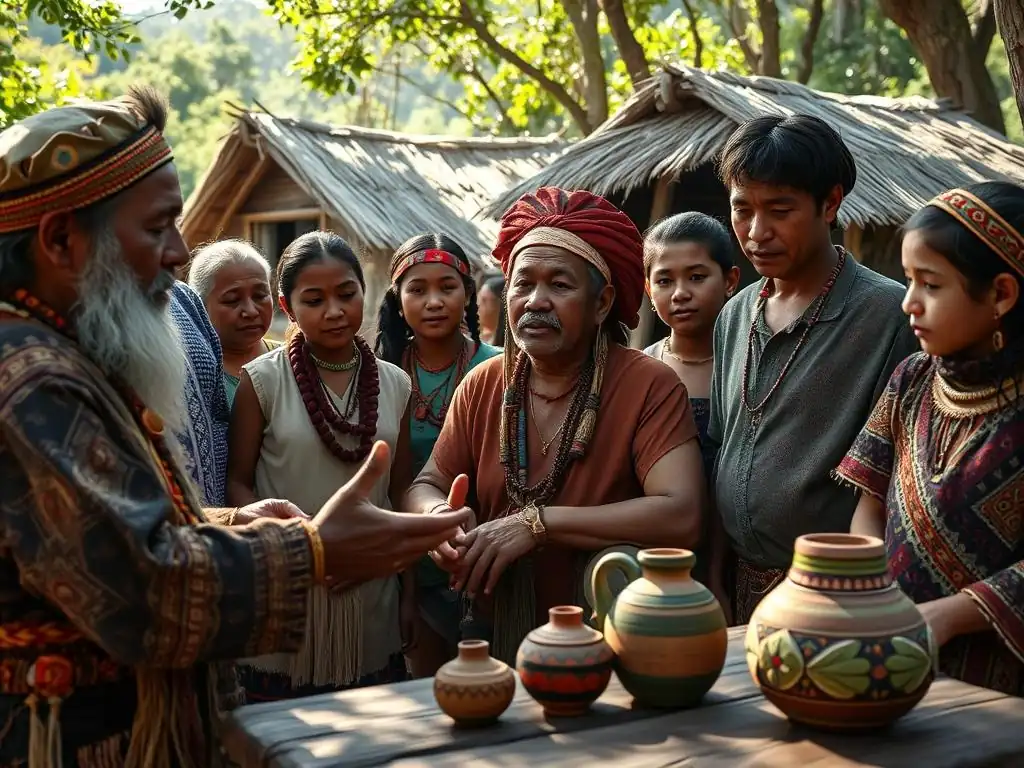
Welcome to Indigenous Civilizations of the Americas, where we invite you to embark on a captivating journey through the rich tapestry of indigenous cultures that flourished long before European colonization. In our featured article, “Disruption and Adaptation: The Transformation of Indigenous Social Structures PostConquest,” we delve into the profound changes that reshaped these societies in the wake of conquest. Discover how resilience and innovation marked their paths forward, and let the remarkable stories of transformation spark your curiosity about the enduring legacy of indigenous peoples. Dive in and explore the intricate dynamics that continue to influence the world today.
The transformation of indigenous social structures following the European conquest is a profound and complex topic that reveals the resilience and adaptability of native cultures. Prior to European contact, diverse indigenous societies across the Americas had developed intricate social systems, each uniquely tailored to their environments and cultural practices.
The arrival of European powers brought significant disruption, challenging these established social frameworks and forcing indigenous populations to navigate a landscape marked by colonization, disease, and cultural imposition. This article delves into the multifaceted transformations that occurred in indigenous social structures post-conquest, illuminating the ways in which these societies adapted to new realities while striving to maintain their identities and traditions.
Overview of Indigenous Societies Before Conquest
Indigenous societies in the Americas were characterized by a rich tapestry of social structures, each reflecting the distinct cultural and environmental contexts of various regions. For example:
- Mesoamerican Civilizations: The Aztecs and Maya had sophisticated political and religious hierarchies, with rulers often viewed as divine figures.
- North American Tribes: Many tribes, such as the Iroquois and Sioux, organized themselves around clan systems and councils of elders, emphasizing communal decision-making.
- Andean Cultures: The Inca Empire centralized power, utilizing a complex system of taxation and labor, known as the mita, to support its vast infrastructure.
These societies placed a strong emphasis on community, kinship, and the interdependence of social roles, which served as the backbone of their cultural identities.
Importance of Social Structures in Indigenous Cultures
Social structures were not merely organizational frameworks; they were integral to the identity and continuity of indigenous cultures. Key aspects included:
- Cultural Transmission: Social structures facilitated the passing down of traditions, languages, and spiritual beliefs from one generation to the next.
- Economic Systems: Roles within these structures often determined access to resources, trade relationships, and responsibilities for communal welfare.
- Conflict Resolution: Established norms and leadership roles provided mechanisms for resolving disputes, maintaining social cohesion, and ensuring justice within communities.
Understanding these elements is crucial to appreciating how the European conquest disrupted not only the political landscape but also the very fabric of indigenous life.
The European conquest marked a pivotal turning point in the history of indigenous social structures, resulting in profound changes that reverberated through communities across the Americas.
Introduction of Foreign Governance Systems
With the arrival of European colonizers came new governance systems that often clashed with indigenous forms of leadership. Colonizers imposed:
- Colonial Administrations: These were often autocratic and hierarchical, undermining traditional councils and communal decision-making.
- Legal Frameworks: Indigenous laws and customs were frequently disregarded, replaced by foreign legal systems that marginalized native voices.
This imposition created a disconnect between indigenous peoples and their traditional governance practices.
Disruption of Traditional Leadership Roles
The European conquest not only introduced foreign governance but also disrupted existing leadership paradigms. Traditional leaders often found their authority challenged by colonial powers, leading to:
- Diminished Status of Indigenous Leaders: Many were stripped of their power or co-opted into colonial administrations, leading to confusion and resistance within communities.
- Emergence of New Leaders: In response to colonial oppression, new leaders sometimes arose, reshaping social hierarchies and creating factions within indigenous societies.
These shifts often led to internal conflicts and a reevaluation of what leadership meant in a post-colonial context.
Changes in Land Ownership and Resource Management
One of the most significant impacts of European conquest was the transformation of land ownership and resource management practices. Indigenous peoples traditionally viewed land as a communal resource, essential for survival and cultural identity. The introduction of European concepts of land ownership resulted in:
- Private Land Claims: Colonizers often claimed land for personal use, disregarding indigenous land rights and leading to widespread displacement.
- Resource Extraction: The focus on exploiting natural resources for European benefit changed traditional practices of sustainable management, threatening the viability of indigenous economies.
These changes not only disrupted the economic foundations of indigenous societies but also had lasting impacts on their cultural and spiritual relationships with the land.
The transformation of indigenous social structures post-conquest illustrates a narrative of both disruption and resilience. While the European conquest introduced significant challenges, many indigenous communities adapted creatively, drawing on their cultural strengths to navigate the complexities of a transformed world.
The transformation of indigenous social structures following European conquest is evident through various case studies across the Americas. These transformations were often a response to the immediate disruptions caused by colonization, leading to adaptations that showcased resilience among indigenous communities. By examining specific cultures, we can gain insights into how these societies navigated the complexities of change, integrating new elements while striving to preserve their identity.
Transformation in the Aztec Society
The Aztec society experienced profound changes after the Spanish conquest in the early 16th century. Prior to the arrival of Hernán Cortés, the Aztecs had a highly stratified social structure, with a ruling class that included the emperor, nobles, priests, and warriors, alongside commoners and slaves. However, the conquest led to significant upheaval.
The Spanish imposed new governance systems, dismantling traditional leadership and replacing it with colonial authorities. As a result, many indigenous nobles were executed or forced into subservience, leading to a decline in traditional power structures. The introduction of Christianity further altered social dynamics, as some indigenous leaders converted to gain favor with the colonizers, blurring lines between traditional beliefs and new religious practices.
Despite these disruptions, the Aztec people exhibited resilience. They adapted by blending aspects of their cultural practices with European influences, leading to a unique form of identity that persisted even under colonial rule. This case illustrates the complexity of social transformation in the face of conquest, with both loss and adaptation coexisting in the aftermath.
Adaptations within the Inca Empire
The Inca Empire, known for its sophisticated administrative and social systems, faced a dramatic transformation following the Spanish conquest led by Francisco Pizarro in the 1530s. Prior to the invasion, the Incas maintained a centralized government, an extensive road system, and a clear hierarchy that organized labor and resources.
After the conquest, the Spanish dismantled the Inca leadership structure, leading to resistance and rebellion among the indigenous population. Many Inca nobles were executed or exiled, and the traditional system of labor, known as the mit'a, was exploited for colonial purposes. Despite these challenges, the Inca people adapted by organizing themselves into resistance movements, such as the one led by Túpac Amaru II in the late 18th century, which sought to reclaim autonomy and restore traditional governance.
Additionally, the Incas integrated some Spanish customs into their daily lives, creating a hybrid culture that reflected both their heritage and the new realities imposed upon them. This adaptation highlights how the Inca society transformed in response to colonization, balancing loss with the necessity for survival.
Changes in the Social Hierarchy of North American Tribes
In North America, the social structures of various indigenous tribes underwent significant changes due to European contact and colonization. Tribes such as the Iroquois, Sioux, and Cherokee faced disruptions to their traditional governance and social systems as European settlers encroached upon their lands.
For many tribes, the introduction of European goods and trade relationships altered social hierarchies. For instance, some tribes began to adopt European-style leadership models, which sometimes marginalized traditional leaders or created new power dynamics within communities. The fur trade, in particular, shifted economic practices and led to the rise of new social classes based on wealth generated from trade.
Moreover, the imposition of treaties and forced relocations, such as the Trail of Tears for the Cherokee, dramatically disrupted established social orders. However, many tribes demonstrated remarkable adaptability by reforming their governance structures and revitalizing cultural practices, fostering a sense of unity and identity despite external pressures.
Mechanisms of Adaptation in Response to Disruption
The mechanisms of adaptation employed by indigenous communities in response to the disruptions caused by European conquest reveal a dynamic interplay of resilience, creativity, and cultural synthesis. These strategies allowed many groups to navigate the challenges of colonization while retaining a sense of identity.
Resilience and Resistance Among Indigenous Communities
Resilience has been a defining characteristic of indigenous communities in the face of change. Many tribes actively resisted colonial powers through armed conflict, diplomatic negotiations, and cultural preservation efforts. For instance, the Pueblo Revolt of 1680 in present-day New Mexico was a significant uprising against Spanish colonial rule, showcasing the determination of indigenous people to reclaim their social structures and autonomy.
Moreover, many communities engaged in subtle forms of resistance, such as maintaining traditional practices and languages, which served as a foundation for cultural identity. This resilience not only helped preserve indigenous heritage but also inspired future generations to continue the struggle for rights and recognition.
Syncretism: Blending Traditional and European Practices
The concept of syncretism is key to understanding how indigenous social structures transformed after contact with Europeans. Many indigenous groups blended traditional customs with European influences, resulting in new cultural expressions that reflected both worlds.
For example, in religious practices, some tribes incorporated European Christian elements into their spiritual rituals, creating a unique syncretic faith that retained indigenous beliefs while adapting to new realities. This blending extended to art, music, and social practices, allowing communities to forge a collective identity that honored their past while engaging with the present.
Re-establishment of Social Cohesion and Identity
In the wake of disruption, many indigenous communities prioritized the re-establishment of social cohesion and identity. Efforts to revive traditional governance structures, cultural practices, and communal activities played a vital role in fostering unity.
Through rituals, ceremonies, and gatherings, tribes sought to reinforce social bonds and collective identity, promoting resilience against external pressures. The revitalization of languages and cultural teachings became central to maintaining a sense of belonging and continuity within communities.
This commitment to cultural preservation and social cohesion underscores the adaptability of indigenous social structures, revealing how they transformed while remaining anchored in their historical narratives and collective identities.
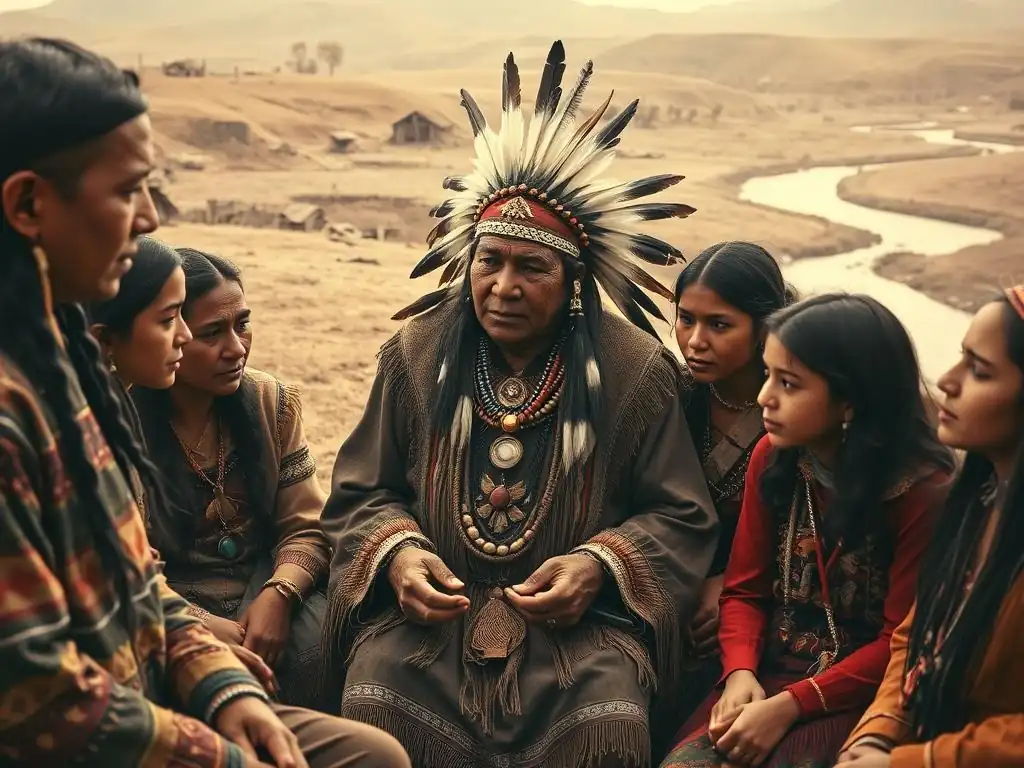
The transformation of indigenous social structures post-conquest had profound long-term effects that continue to shape the identities and communities of indigenous peoples today. The initial upheaval caused by European colonization disrupted traditional governance systems, social hierarchies, and cultural practices. As indigenous societies adapted to new realities, they redefined their social structures, integrating elements from European systems while striving to maintain their cultural heritage. This complex interplay resulted in diverse outcomes across different regions, influencing everything from kinship ties to communal governance practices.
Understanding these long-term effects requires examining specific transformations, such as the shift from communal land ownership to individual land grants, which altered social dynamics and power relations within communities. Furthermore, the introduction of European legal frameworks often marginalized traditional systems of justice, leading to a hybridization of practices that blended indigenous and colonial influences. Over time, these adaptations have fostered resilience among indigenous populations, contributing to a unique tapestry of identity that reflects both historical trauma and cultural survival.
Persistence of Traditional Practices
Despite the disruptions caused by colonization, many indigenous communities have demonstrated remarkable resilience by preserving traditional practices. These practices often serve as a cornerstone of cultural identity, providing continuity amid change. For instance, traditional ceremonies, languages, and art forms have persisted, sometimes blending with new influences to create vibrant cultural expressions.
Communities have utilized oral histories to transmit knowledge and values, ensuring that younger generations remain connected to their heritage. This persistence is evident in various indigenous festivals and rituals that celebrate ancestral customs, reinforcing social bonds and collective identity. Additionally, the resurgence of traditional ecological knowledge in land management practices showcases the enduring relevance of indigenous wisdom in contemporary environmental stewardship.
Evolution of New Social Norms and Structures
The arrival of European powers initiated a profound evolution of social norms and structures among indigenous peoples. As communities grappled with the realities of colonization, new forms of governance and social organization emerged, often in response to the pressures of external domination. For example, some communities adopted centralized leadership structures to better navigate negotiations with colonial authorities, while others formed coalitions to resist encroachment on their lands.
These adaptations also included the incorporation of European concepts of property, labor, and trade, which reshaped economic interactions and social hierarchies. The blending of indigenous and European values resulted in unique social norms that reflect a synthesis of cultural influences. In contemporary contexts, many indigenous societies continue to balance traditional customs with modern societal expectations, creating dynamic frameworks for social interaction and governance.
Influence on Contemporary Indigenous Identity
The transformations of the past have significantly influenced contemporary indigenous identity. The legacies of colonization, marked by both loss and resilience, have led to a renewed emphasis on cultural revitalization and self-determination among indigenous peoples. Many communities actively engage in reclaiming their narratives and histories, challenging stereotypes and advocating for their rights and recognition.
This revitalization has also fostered a sense of pride and solidarity among indigenous groups, as they navigate the complexities of their identities in a post-colonial world. Contemporary indigenous identity is often characterized by a blend of traditional values and modern realities, reflecting the ongoing negotiation of cultural expression in various spheres, including politics, arts, and education. Through these efforts, indigenous peoples continue to assert their place in society while honoring their ancestral legacies.
The transformation of indigenous social structures post-conquest is a multifaceted legacy that highlights both the challenges and triumphs of indigenous peoples. While the impact of colonization brought about significant disruptions, it also catalyzed resilience and adaptation, leading to the evolution of new social frameworks that continue to shape indigenous identities today.
Reflection on the Historical Impact of Conquest
Reflecting on the historical impact of conquest reveals the deep scars left on indigenous societies, yet it also underscores their enduring strength. The dismantling of traditional governance, the imposition of foreign religions, and the loss of land were not merely acts of oppression; they prompted indigenous peoples to innovate and adapt in ways that ensured their survival. This historical context is crucial for understanding contemporary struggles for sovereignty, land rights, and cultural preservation.
The Ongoing Journey of Indigenous Social Structures Today
Today, indigenous social structures remain a testament to the resilience of these communities. Efforts to revive traditional practices, assert cultural identity, and reclaim governance systems illustrate the ongoing journey of indigenous peoples in navigating the legacies of the past. This journey is marked by a commitment to self-determination and the assertion of rights, as indigenous communities continue to advocate for recognition and respect within broader societal frameworks. The evolution of indigenous social structures today reflects a dynamic interplay of tradition and modernity, showcasing the enduring strength and adaptability of indigenous cultures in the face of historical and contemporary challenges.
Understanding the transformation of indigenous social structures following European conquest involves delving into various scholarly works that explore this complex and multifaceted topic. Below are recommendations for books and articles that provide deep insights into the changes experienced by indigenous cultures, including their responses to colonial pressures and the adaptations that emerged in their social frameworks.
Recommended Books and Articles
-
"1491: New Revelations of the Americas Before Columbus" by Charles C. Mann
This groundbreaking book challenges conventional narratives about pre-Columbian America and provides a comprehensive overview of the diverse societies that existed. Mann discusses the sophisticated social structures and governance of indigenous peoples, setting the stage for understanding their transformations post-conquest.
-
"The Other Slavery: The Uncovered Story of Indian Enslavement in America" by Andrés Reséndez
Reséndez reveals the often-overlooked history of indigenous enslavement, detailing how these experiences drastically altered social structures within native communities. This work emphasizes the resilience and adaptability of indigenous societies amid brutal colonial practices.
-
"Indigenous Peoples and the Modern State" by David E. Wilkins
This book examines the ongoing effects of colonization on indigenous social structures and governance. Wilkins highlights how indigenous communities adapt to contemporary political frameworks, retaining their cultural identities while engaging with state systems.
-
"Decolonizing Methodologies: Research and Indigenous Peoples" by Linda Tuhiwai Smith
Smith's work critically analyzes the impacts of colonial research practices on indigenous knowledge systems. It provides valuable insights into how indigenous communities have transformed their social structures in response to external pressures, advocating for research that respects and incorporates indigenous perspectives.
-
"American Indian History: A Very Short Introduction" by Philip Weeks
This concise volume offers a broad overview of American Indian history and the transformations that occurred over time. It provides context for understanding how social structures evolved following European contact and conquest.
Additional Resources for Learning about Indigenous Cultures
- Online Databases and Archives
- The National Museum of the American Indian offers a wealth of resources, including articles, exhibition catalogs, and educational materials focused on indigenous cultures.
- The American Indian Studies Center at UCLA provides access to a variety of publications and research projects that can enhance understanding of indigenous social structures.
- Documentaries and Films
- "In the Light of Reverence" explores the spiritual connection between indigenous peoples and their land, highlighting how these relationships influence social structures.
- "Reel Injun" provides a critical look at the portrayal of Native Americans in film, contributing to discussions about identity and social transformation.
- Podcasts and Online Lectures
- "Native America Calling" is a call-in program that discusses various topics affecting indigenous communities today, including aspects of social structure and cultural resilience.
- Many universities offer online lecture series that feature indigenous scholars discussing their research and perspectives on social transformations post-conquest.
Through these recommended readings and resources, individuals interested in the transformative processes of indigenous social structures can gain a more profound understanding of the historical and contemporary dynamics at play.
- Introduction to Indigenous Social Structures Transformation
- The Impact of European Conquest on Indigenous Social Structures
- Case Studies of Indigenous Social Structures Transformation
- Mechanisms of Adaptation in Response to Disruption
- Long-term Effects of Transformation on Indigenous Social Structures
- Conclusion: The Legacy of Transformation in Indigenous Social Structures
- Further Reading on Indigenous Social Structures Transformation
- What does the article focus on regarding indigenous social structures?
- How did colonization impact indigenous social structures?
- What are some examples of adaptation in indigenous cultures?
- Why is understanding these transformations important?
- How does the article address the lasting impact of these changes?
Frequently Asked Questions
The article examines the transformation of indigenous social structures after European conquest, emphasizing how these societies adapted to significant disruptions caused by colonization.
Colonization led to profound disruptions in indigenous communities, impacting their traditional governance, social hierarchies, and cultural practices, prompting necessary adaptations for survival.
What are some examples of adaptation in indigenous cultures?
Indigenous groups demonstrated resilience by integrating new economic practices, forming alliances, and sometimes adopting European technologies while striving to maintain their cultural identity.
Why is understanding these transformations important?
Recognizing the transformation of indigenous social structures helps in appreciating the complexity of their histories and the long-lasting impacts of colonization on modern indigenous identities.
How does the article address the lasting impact of these changes?
The article highlights that the shifts in social structures have influenced contemporary indigenous communities, shaping their social dynamics, governance, and efforts toward cultural revival today.
The transformation of Indigenous social structures post-conquest is not merely a historical account; it is a profound narrative of resilience and adaptation that resonates powerfully in today's world. As we grapple with the complexities of modern society, understanding how Indigenous communities have navigated disruption offers invaluable insights into the strength of cultural identity and the importance of adaptability in the face of adversity. The lessons learned from these transformations are not just relics of the past; they are essential for fostering a more inclusive and equitable future.
Cultural resilience is a testament to the enduring spirit of Indigenous peoples, who have continuously redefined their social structures in response to external pressures. This ongoing evolution shapes our cultural and social landscape today, reminding us of the importance of honoring diverse perspectives and histories. As the renowned Indigenous scholar Vine Deloria Jr. once said, We are not a people who have lost our way; we are a people who have found new paths.
This quote encapsulates the essence of transformation, highlighting that change can lead to new opportunities and insights, rather than a mere loss of identity.
As we reflect on the themes of disruption and adaptation, I invite you to consider how these lessons can be applied in your own life. How can you embrace change and adapt in your personal or professional journey? By recognizing the strength in transformation, we can all contribute to a more harmonious society that values diversity and resilience. Let us take inspiration from Indigenous social structures and their remarkable ability to evolve, encouraging us to forge our paths with courage and creativity in the face of challenges.
Embrace Change: Transform Your Perspective on Indigenous Resilience
Thank you for taking the time to explore the powerful narrative of Indigenous social structures following historical upheaval. Your interest in this vital history highlights the incredible resilience and adaptability of Indigenous communities. Now, it's time to turn that knowledge into action!
Here are some ways you can contribute and engage with this rich heritage:
- Explore your local Indigenous history: Visit museums, attend cultural events, or read works by Indigenous authors to deepen your understanding of their ongoing legacy.
- Share this article with friends and family to spark important conversations about resilience, adaptation, and social structures within Indigenous communities.
- Consider volunteering or supporting programs that empower Indigenous voices in your area, fostering dialogue and understanding.
What insights have you gained about the ways Indigenous peoples adapt and flourish in the face of disruption?