
The Legacy of Resistance: Indigenous Strategies That Challenged European Powers

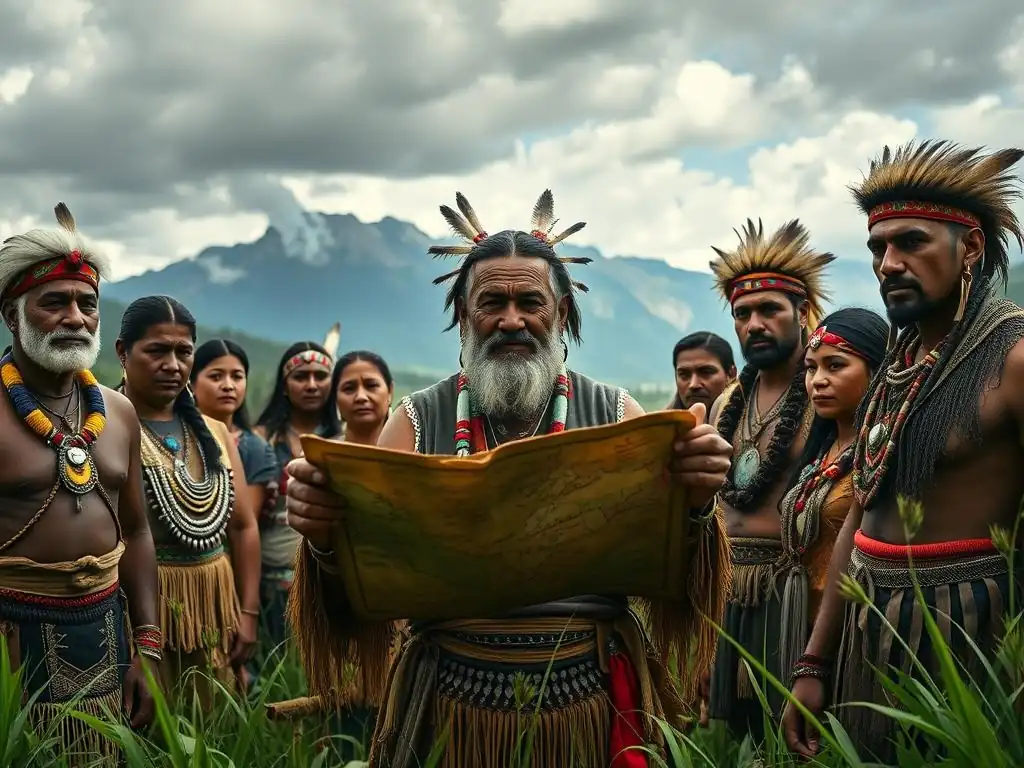
Welcome to Indigenous Civilizations of the Americas, where we invite you to embark on a fascinating journey through the rich tapestry of pre-colonial indigenous cultures that flourished across the Americas. In our featured article, "The Legacy of Resistance: Indigenous Strategies That Challenged European Powers," we delve into the remarkable indigenous resistance strategies that not only shaped the history of the continent but also laid the groundwork for enduring cultural legacies.
Discover how these resilient societies confronted and navigated the tides of European conquest, and prepare to be inspired by their stories of strength and ingenuity. Your exploration of their profound impact begins here—read on to uncover the truths that history has often overlooked.
Introduction to Indigenous Resistance Strategies in the Americas
The history of the Americas is deeply intertwined with the remarkable and resilient cultures of the indigenous peoples who inhabited the continent long before European powers set foot on its shores. As colonization began in the late 15th century, these diverse societies faced unprecedented challenges, leading to a rich tapestry of resistance strategies that sought to protect their lands, cultures, and ways of life.
This article delves into the legacy of resistance among indigenous populations, exploring the various methods they employed to challenge European domination and asserting their agency in the face of overwhelming odds. By examining these strategies, we gain a deeper understanding of their profound impact on both the past and present.
Overview of Indigenous Resistance in the Context of European Colonization
Indigenous resistance to European colonization was not a singular event but rather a complex, multifaceted response to a series of invasions, land dispossessions, and cultural impositions. From the initial encounters with explorers to the establishment of colonial governments, various indigenous groups across the Americas employed an array of tactics, including armed conflict, diplomatic negotiations, and cultural preservation efforts. These strategies were often tailored to the specific circumstances of each region, reflecting a deep understanding of both their own societies and the European powers they confronted.
Importance of Understanding Indigenous Resistance Strategies
Understanding the indigenous resistance strategies employed in the Americas is crucial for several reasons. Firstly, it highlights the resilience and ingenuity of indigenous peoples in the face of colonial oppression. Secondly, it challenges the narrative of European superiority by showcasing the sophisticated political and military organizations that existed among indigenous groups. Finally, acknowledging these resistance movements allows for a more nuanced understanding of the historical dynamics between colonizers and the colonized, providing valuable insights into contemporary discussions about sovereignty, land rights, and cultural revitalization.
Historical Context of Indigenous Resistance
The Arrival of European Powers in the Americas
The arrival of European powers in the Americas marked a significant turning point in global history. Beginning with Christopher Columbus's voyage in 1492, a wave of exploration and conquest ensued, led by nations such as Spain, Portugal, France, and England. These expeditions were driven by the pursuit of wealth, resources, and territorial expansion. The initial encounters varied widely, ranging from trade and cooperation to violence and subjugation, laying the groundwork for the resistance that would follow.
Initial Reactions of Indigenous Peoples to European Colonization
Indigenous responses to European colonization were diverse and often context-dependent. Some groups initially sought to establish trade relations with the newcomers, hoping to benefit from the exchange of goods and technologies. However, as the colonizers' intentions became clear, many indigenous communities shifted from cooperation to resistance. This resistance could manifest in various forms, including skirmishes, the formation of alliances among tribes, and the adoption of new tactics learned from observing European warfare.
Key Events Leading to Organized Resistance
Several key events served as catalysts for organized indigenous resistance against European powers. Notable among these were the Pueblo Revolt of 1680 in present-day New Mexico, where Pueblo peoples united to expel Spanish colonizers, and the Tupac Amaru II uprising in the late 18th century, which sought to challenge Spanish authority in Peru. These events, among others, illustrated the potential for collective action and served as inspiration for future generations of indigenous resistance movements throughout the Americas.
Major Indigenous Resistance Strategies
Throughout the Americas, indigenous peoples developed a range of resistance strategies in response to European colonization. These strategies were multifaceted, encompassing military, diplomatic, and economic approaches that reflected the diverse cultures and circumstances of the indigenous nations. Each strategy was tailored to the unique context of the indigenous communities, their geographical settings, and the nature of the threats they faced. Collectively, these strategies demonstrated resilience, adaptability, and a deep commitment to preserving their ways of life despite overwhelming odds.
Military Tactics Used by Indigenous Nations
Indigenous nations employed various military tactics to resist European encroachment. These tactics were often based on traditional warfare practices, which included guerrilla warfare, ambushes, and the strategic use of terrain. For instance, the use of surprise attacks allowed indigenous warriors to exploit their knowledge of the land, striking swiftly and retreating into familiar territory before European forces could regroup.
Many tribes also formed alliances with one another, pooling their resources and warriors to present a united front against colonial powers. The coordination of attacks among different groups not only increased their military strength but also fostered a sense of solidarity among diverse indigenous communities. Additionally, some nations adapted European military technologies, such as firearms, while integrating them with their traditional practices to enhance their combat effectiveness. The overall result was a dynamic and evolving approach to warfare that challenged European military superiority.
Diplomatic Approaches to Counter European Expansion
Diplomacy played a crucial role in indigenous resistance strategies. Many indigenous nations sought to establish treaties and alliances with European powers, aiming to secure their sovereignty and protect their lands. By negotiating with Europeans, indigenous leaders could leverage their position to gain concessions, such as recognition of territorial boundaries or rights to self-governance.
In some cases, indigenous nations used diplomacy as a means to create divisions among European powers. By playing rival factions against each other, they could mitigate the threat posed by colonizers. The Iroquois Confederacy, for example, skillfully navigated the complex political landscape of the time, forming alliances with both the French and the British to maintain their autonomy. Such diplomatic strategies highlighted the political acumen of indigenous leaders and their understanding of the intricacies of European power dynamics.
Economic Strategies to Undermine European Control
Economic resistance was another vital aspect of indigenous strategies against European colonization. Indigenous communities often sought to undermine European economic interests by disrupting trade routes, refusing to sell resources, or leveraging their control over valuable commodities. For example, the indigenous peoples of the Great Lakes region used their knowledge of local resources to negotiate favorable trade terms or to deny access to European traders.
Moreover, some groups engaged in subsistence practices that minimized reliance on European goods, thereby weakening the economic foundations of colonial powers. By cultivating traditional crops and maintaining self-sufficiency, indigenous nations could resist assimilation and maintain their cultural identity. Economic strategies not only served to challenge colonial authority but also reinforced indigenous resilience and autonomy.
Case Studies of Indigenous Resistance Movements
The history of indigenous resistance is rich with examples that illustrate the effectiveness and creativity of various strategies employed against European powers. These case studies highlight the diverse contexts and outcomes of resistance movements across the Americas, showcasing the enduring legacy of indigenous resilience.
The Pueblo Revolt: A Successful Indigenous Uprising
The Pueblo Revolt of 1680 stands out as one of the most significant indigenous uprisings against Spanish colonial rule in North America. The Pueblo people of present-day New Mexico united against the oppressive policies of Spanish colonizers, which included forced labor and the suppression of indigenous religious practices. Under the leadership of figures like Po'pay, the Pueblos coordinated a well-planned revolt that resulted in the expulsion of Spanish settlers for over a decade.
This uprising demonstrated the power of collective action and solidarity among indigenous groups, as various Pueblo communities came together to reclaim their autonomy. The success of the revolt not only disrupted Spanish control but also inspired future generations of indigenous resistance, illustrating the profound impact of organized resistance.
The Iroquois Confederacy: A Model of Political Resistance
The Iroquois Confederacy, also known as the Haudenosaunee, serves as a remarkable example of political resistance through sophisticated governance and diplomacy. Established in the 15th century, the Confederacy united several tribes, including the Mohawk, Oneida, Onondaga, Cayuga, Seneca, and later the Tuscarora. This political alliance allowed the Iroquois to present a unified front against European encroachment.
The Confederacy's political system emphasized consensus and collective decision-making, enabling the tribes to effectively negotiate with European powers. By leveraging their strategic position and forming alliances, the Iroquois were able to maintain a degree of autonomy and influence in the face of colonization. Their model of governance has had a lasting impact, influencing democratic ideals and practices in contemporary political systems.
The Mapuche Resistance Against Spanish Conquest
The Mapuche people of present-day Chile and Argentina exemplified enduring resistance against Spanish conquest from the 16th century to the 19th century. Despite facing formidable military forces, the Mapuche employed a combination of guerrilla tactics, strategic alliances, and cultural resilience to challenge Spanish colonization.
The Mapuche successfully repelled several Spanish expeditions and maintained control over their territories for centuries. Their resistance was characterized by a deep-seated connection to their land and culture, which fueled their determination to resist foreign domination. The Mapuche's struggle for autonomy continues to resonate today, as they advocate for rights and recognition in the modern era, highlighting the long-lasting legacy of their resistance against colonial powers.
Impact of Indigenous Resistance Strategies on European Powers
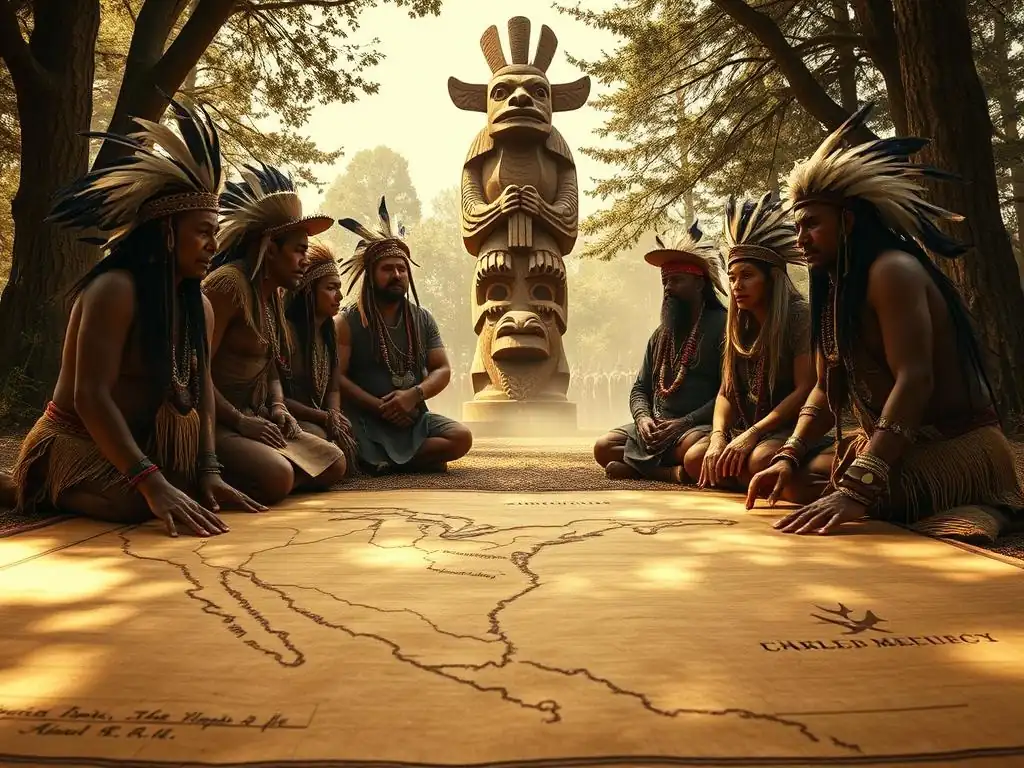
Indigenous resistance strategies played a crucial role in shaping the dynamics of European colonization in the Americas. These strategies, which ranged from armed conflict to diplomatic negotiations and cultural preservation, not only challenged European powers but also forced them to adapt their policies and approaches. The impact of these resistance movements can be observed in both short-term and long-term contexts, influencing colonial governance and inspiring future generations of indigenous peoples.
Short-Term Effects of Indigenous Resistance
In the short term, indigenous resistance strategies had immediate and significant effects on European colonizers. Major uprisings, such as the Pueblo Revolt of 1680 in present-day New Mexico, demonstrated the formidable unity and determination of indigenous groups against colonial oppression. This revolt led to the temporary expulsion of Spanish settlers and highlighted the vulnerabilities of European colonial powers.
Similarly, the resistance of the Taino and other Caribbean tribes against Spanish conquest initially stalled their expansion efforts, forcing Europeans to reconsider their tactics and alliances. Such resistance often resulted in violent reprisals and brutal retaliations from colonial forces, but it also fostered a climate of fear among European settlers, who realized that the indigenous populations were not easily subdued. Thus, the immediate effects of these resistance movements created a dynamic where colonial powers had to constantly reassess their control strategies in the face of persistent indigenous opposition.
Long-Term Consequences on Colonial Policies
The long-term consequences of indigenous resistance strategies profoundly influenced colonial policies across the Americas. As indigenous groups continued to resist colonization, European powers were compelled to implement more conciliatory approaches or to form strategic alliances with certain tribes. For instance, the French often allied with various indigenous groups against the British, recognizing their military significance in the struggle for control over North America.
Moreover, the ongoing resistance led to changes in land policies and treaties. European powers began to realize that outright conquest was not sustainable; thus, they resorted to negotiated treaties, albeit often broken or disregarded later. The recognition of indigenous sovereignty in some agreements, such as the Treaty of Fort Laramie in 1868, acknowledged the necessity of cohabitation and cooperation, although many treaties were later violated. Ultimately, the persistence of indigenous resistance forced colonial powers to adopt more complex policies that considered the realities of indigenous life and governance.
Influence on Future Indigenous Movements
The legacy of indigenous resistance strategies has had a profound influence on contemporary indigenous movements across the Americas. The strategies employed by earlier indigenous groups serve as a blueprint for modern activism and resistance against colonial legacies and ongoing oppression. For instance, movements such as the American Indian Movement (AIM) in the 1960s and 1970s drew inspiration from historical resistance efforts, emphasizing sovereignty, land rights, and cultural preservation.
Additionally, the strategies of peaceful protest and legal advocacy seen in movements today reflect the lessons learned from past experiences. The resistance against the Dakota Access Pipeline, spearheaded by the Standing Rock Sioux Tribe, is a contemporary example of how historical tactics of unity, protest, and negotiation continue to be relevant in the fight for indigenous rights and environmental justice.
Lessons Learned from Indigenous Resistance Strategies
Indigenous resistance strategies offer valuable lessons that extend beyond historical context, providing insights into resilience, unity, and the importance of cultural identity in the face of oppression. These lessons continue to resonate in contemporary movements and contribute to a broader understanding of indigenous rights.
The Role of Indigenous Knowledge and Culture in Resistance
Central to the success of indigenous resistance strategies was the integration of indigenous knowledge and cultural practices. Resistance was not only about military confrontation but also involved leveraging traditional knowledge, spirituality, and community cohesion. For instance, many indigenous groups utilized their intimate understanding of the land to conduct guerrilla warfare, utilizing natural terrains to their advantage.
Moreover, cultural practices played a significant role in unifying communities and fostering resilience. Ceremonies, storytelling, and the transmission of oral histories served to strengthen collective identity and purpose. This emphasis on cultural heritage not only empowered indigenous populations but also highlighted the importance of cultural preservation as a form of resistance to colonial narratives.
Contemporary Relevance of Historical Resistance Strategies
The historical strategies employed by indigenous peoples remain relevant today as indigenous communities continue to confront modern challenges. The examples of past resistance serve as a guide for current movements, demonstrating that collective action and strategic planning can lead to significant social and political change.
Moreover, the resurgence of traditional practices and the revitalization of indigenous languages and customs reflect an ongoing commitment to resistance, as communities recognize the value of their heritage in the fight against assimilation and cultural erasure. The contemporary use of social media and digital platforms to mobilize support and raise awareness about indigenous issues mirrors the grassroots organizing seen in historical resistance efforts, bridging the gap between past and present.
How Indigenous Resistance Shapes Modern Movements
Modern indigenous movements are heavily influenced by the historical context of resistance. The strategies developed in earlier times are evident in the approaches taken by contemporary activists. For example, the emphasis on solidarity among diverse indigenous groups echoes the alliances formed in historical resistance movements, fostering a sense of unity in the fight for common goals.
Additionally, the advocacy for land rights, environmental justice, and political representation reflects a continuity of resistance against colonial frameworks. Movements such as the fight against climate change have seen indigenous voices lead the charge, using lessons from the past to advocate for sustainable practices rooted in traditional ecological knowledge.
The legacy of indigenous resistance strategies not only challenged European powers during colonization but continues to inform and inspire modern movements for indigenous rights and sovereignty. The resilience, cultural significance, and strategic approaches employed by indigenous peoples provide valuable lessons for current and future advocacy efforts.
Conclusion: The Enduring Legacy of Indigenous Resistance in the Americas
The legacy of indigenous resistance in the Americas is a profound testament to the resilience and strength of diverse cultures in the face of colonial aggression. From the early encounters with European powers to modern-day movements advocating for rights and recognition, indigenous strategies have played a crucial role in challenging oppression and asserting sovereignty. This enduring legacy is not merely a historical footnote; it continues to inform contemporary struggles for justice and equality among indigenous communities today.
Indigenous peoples employed a myriad of resistance strategies, including armed conflict, diplomatic negotiations, and cultural preservation, each tailored to their unique circumstances and environments. These actions, whether through the fierce resistance of the Taino against Spanish conquistadors or the elaborate alliances formed by the Iroquois Confederacy, highlight a sophisticated understanding of power dynamics and the importance of solidarity. The impacts of these strategies have reverberated through history, influencing the political, social, and cultural landscapes of the Americas.
Furthermore, the lessons learned from indigenous resistance are invaluable. They serve as guiding principles for contemporary movements, reminding us that unity, cultural identity, and strategic planning are essential components of any fight for justice. As we reflect on these histories, we must acknowledge that the struggle for indigenous rights continues, and the legacy of resistance remains a source of inspiration for all those who seek to challenge systemic injustices.
Reflection on the Importance of Indigenous Resistance Strategies
Indigenous resistance strategies are crucial not only for understanding the past but also for shaping the future. These strategies have demonstrated the ability of indigenous peoples to adapt and respond to external pressures while preserving their identities and cultures. Each strategy, whether it involved armed resistance, negotiation, or cultural revival, was rooted in a deep understanding of the land, community, and the socio-political context of the time.
The significance of these resistance strategies lies in their effectiveness. For instance, the Pueblo Revolt of 1680 in present-day New Mexico showcases how coordinated efforts among various tribes could successfully expel Spanish colonizers temporarily. This event highlights the power of collective action and strategic planning, reminding us that indigenous peoples were not passive victims but active agents in their histories.
Moreover, indigenous resistance strategies have transcended generations, serving as a blueprint for modern movements. The principles of self-determination, cultural integrity, and community solidarity continue to resonate in today's fights for land rights, environmental justice, and recognition of sovereignty. By reflecting on these strategies, we can better appreciate the complexities of indigenous histories and the ongoing struggles for justice.
Call to Recognize and Honor Indigenous Contributions to History
It is imperative that we recognize and honor the contributions of indigenous peoples to history, particularly their resistance strategies that shaped the Americas. Acknowledging these contributions is not only a matter of historical accuracy but also an ethical obligation to honor the lived experiences and struggles of indigenous communities.
Recognizing indigenous contributions involves integrating their histories into educational curricula, public discourse, and policy-making. This means elevating narratives that highlight indigenous agency rather than viewing them solely through the lens of victimhood. By doing so, we can foster a deeper understanding of the richness and diversity of indigenous cultures and their lasting impacts on contemporary society.
Furthermore, honoring these contributions extends beyond the realm of academia. It calls for tangible actions, such as supporting indigenous rights movements, advocating for land restitution, and amplifying indigenous voices in decision-making processes. By actively participating in these efforts, we can help ensure that the legacy of indigenous resistance is not only remembered but celebrated and preserved for future generations.
Recognizing and honoring indigenous contributions is not just about the past; it is a crucial step toward building a more equitable future that respects and values the rich tapestry of indigenous cultures across the Americas.
- Introduction to Indigenous Resistance Strategies in the Americas
- Historical Context of Indigenous Resistance
- Major Indigenous Resistance Strategies
- Case Studies of Indigenous Resistance Movements
- Impact of Indigenous Resistance Strategies on European Powers
- Lessons Learned from Indigenous Resistance Strategies
- Conclusion: The Enduring Legacy of Indigenous Resistance in the Americas
- What were some common indigenous resistance strategies used in the Americas?
- How did indigenous cultures respond to European colonization?
- What role did traditional knowledge play in resistance efforts?
- Can you provide examples of specific indigenous groups and their resistance?
- What is the lasting impact of these resistance strategies today?
Frequently Asked Questions
What were some common indigenous resistance strategies used in the Americas?
Indigenous groups employed various strategies including diplomacy, alliances, and armed conflict to resist European colonization and protect their territories.
How did indigenous cultures respond to European colonization?
Many indigenous cultures adapted by forming alliances with other tribes, negotiating treaties, and sometimes engaging in armed resistance to safeguard their way of life.
What role did traditional knowledge play in resistance efforts?
Traditional knowledge was crucial, as it informed indigenous communities on sustainable practices and strategies for survival, enabling them to resist European encroachments effectively.
Can you provide examples of specific indigenous groups and their resistance?
Groups like the Taino, Inca, and Navajo utilized various methods, from guerrilla tactics to diplomatic negotiations, to challenge European powers and maintain their sovereignty.
What is the lasting impact of these resistance strategies today?
The legacy of indigenous resistance strategies continues to influence modern movements for indigenous rights, land reclamation, and cultural preservation across the Americas.
Final Reflection: The Enduring Spirit of Indigenous Resistance
In exploring the Indigenous resistance strategies in the Americas, we uncover a profound legacy that resonates powerfully in today's socio-political landscape. The resilience and ingenuity of Indigenous peoples in the face of European colonization not only shaped their own destinies but also laid the groundwork for contemporary movements advocating for rights, sovereignty, and environmental justice. This legacy serves as a testament to the unyielding spirit of those who fought against oppression, reminding us that resistance is not merely a historical footnote but a living, breathing force that continues to inspire.
The impact of these resistance strategies extends far beyond their historical context; they have become integral to the cultural and social fabric of modern society. The stories of Indigenous leaders and communities who stood firm against colonial powers are not just tales of the past; they are blueprints for current and future activism. As we witness the resurgence of Indigenous movements advocating for land rights, cultural preservation, and environmental stewardship, we are reminded of the words of activist Winona LaDuke: The future will be Indigenous or it will not be.
This sentiment underscores the critical importance of honoring and learning from the strategies that have empowered Indigenous communities throughout history.
As we reflect on the lessons embedded in these resistance strategies, I invite you, dear reader, to consider how you can apply this knowledge in your own life. What does it mean to resist injustice in your community? How can you amplify Indigenous voices and support their ongoing struggles?
Let us carry forward the torch of resistance, not only to honor those who came before us but to forge a future that embraces equity, justice, and respect for all cultures. The legacy of Indigenous resistance is not just a historical narrative; it is a call to action for each of us to engage in the fight for a more just world.
Empower Your Understanding: Explore the Legacy of Resistance!
Thank you for taking the time to delve into the rich history of Indigenous strategies that bravely challenged European powers. Your interest in this vital subject not only enriches your perspective but also honors the resilience and ingenuity of Indigenous civilizations. Now, let's turn that knowledge into action!
- Dive Deeper: Explore our collection of articles on Indigenous resistance strategies and their contemporary implications. Each piece will expand your understanding and appreciation of these incredible legacies.
- Share the Knowledge: Engage in discussions with friends or family about this article. Conversing about these topics can spark awareness and promote a greater understanding of Indigenous histories.
- Join the Dialogue: Sign up for our newsletter to receive updates on upcoming events, discussions, and resources that celebrate Indigenous resilience and contributions.
Which Indigenous strategy or figure inspires you the most, and how can you share their legacy within your community?