
Legal Battles: Landmark Cases in Indigenous Land Rights

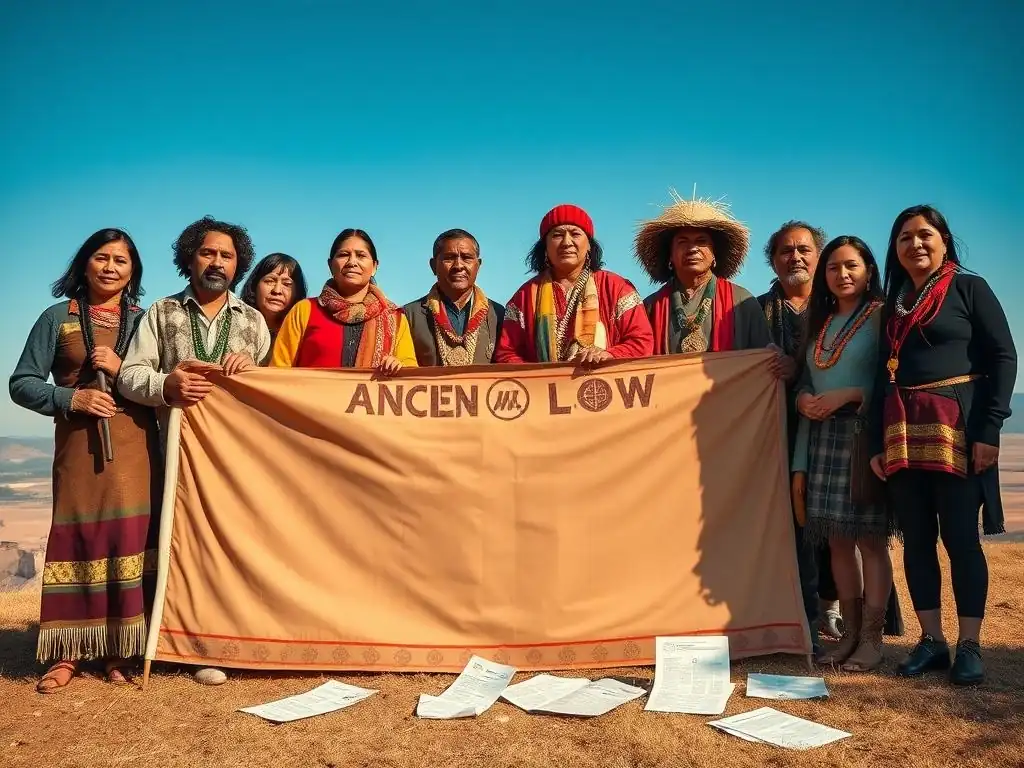
Welcome to Indigenous Civilizations of the Americas! Here, we invite you to embark on a journey through the rich tapestry of indigenous cultures that flourished long before European colonization. This website delves deep into their remarkable achievements and vibrant societies, shedding light on their enduring legacy.
In our featured article, "Legal Battles: Landmark Cases in Indigenous Land Rights," we unravel the intricate legal struggles that continue to shape the rights of indigenous peoples today. Join us as we explore these pivotal indigenous land rights cases, revealing how they echo the resilience and strength of indigenous cultures throughout history. Your exploration begins now!
- Introduction to Indigenous Land Rights Cases
- Historical Context of Indigenous Land Rights
- Landmark Cases in Indigenous Land Rights
- The Role of Indigenous Advocacy Groups in Legal Battles
- The Evolution of Indigenous Land Rights Legislation
- Challenges Faced in Indigenous Land Rights Cases
- The Future of Indigenous Land Rights
- Conclusion
- Frequently Asked Questions
- Final Reflection: The Ongoing Fight for Indigenous Land Rights
- Empower Change: Advocate for Indigenous Land Rights Today!
Introduction to Indigenous Land Rights Cases
The struggle for indigenous land rights in the Americas is a profound and ongoing journey that reflects centuries of resilience and resistance among indigenous communities. This article delves into landmark legal battles that have shaped the landscape of indigenous land rights, highlighting significant cases that not only challenge colonial narratives but also reaffirm the sovereignty and cultural heritage of indigenous peoples.
From historic treaties to modern court rulings, these cases serve as pivotal moments in the fight for justice and recognition of indigenous land claims. Through this exploration, we aim to shed light on the complexities of legal frameworks and the impact of these rulings on contemporary indigenous movements across the continent.
Overview of Indigenous Land Rights
Indigenous land rights are rooted in the unique relationship that indigenous peoples have with their ancestral lands, which extends beyond mere ownership to encompass spiritual, cultural, and social dimensions. Traditionally, indigenous communities viewed land as a living entity, integral to their identity and way of life. This perspective stands in stark contrast to colonial views of land as a commodity.
The legal recognition of indigenous land rights has evolved over time, often influenced by landmark cases that have set important precedents. Key concepts in indigenous land rights include:
- Territorial Claims: The assertion of rights over ancestral lands based on historical occupancy and cultural practices.
- Treaties: Agreements made between indigenous nations and colonial or national governments, often involving land concessions and resource management.
- Restitution: Legal processes aimed at restoring land to indigenous communities that were dispossessed or forcibly removed.
Despite significant strides, indigenous land rights continue to face challenges, often tied to broader issues of sovereignty, environmental degradation, and social justice.
Importance of Landmark Legal Battles
Landmark legal battles have played a crucial role in shaping indigenous land rights and have served as catalysts for broader movements advocating for justice and recognition. These cases not only highlight the legal complexities surrounding land claims but also symbolize the resilience of indigenous communities in asserting their rights.
The importance of these battles can be summarized as follows:
- Precedent Setting: Landmark cases establish legal precedents that influence future rulings and the interpretation of indigenous rights.
- Awareness and Advocacy: High-profile cases draw public attention to the plight of indigenous communities, mobilizing support and advocacy efforts.
- Cultural Reclamation: Legal victories often lead to the reclamation of cultural practices tied to the land, reinforcing indigenous identities and traditions.
Through examining these significant cases, we can gain a deeper understanding of the ongoing struggle for indigenous land rights and the broader implications for indigenous communities today.
Historical Context of Indigenous Land Rights
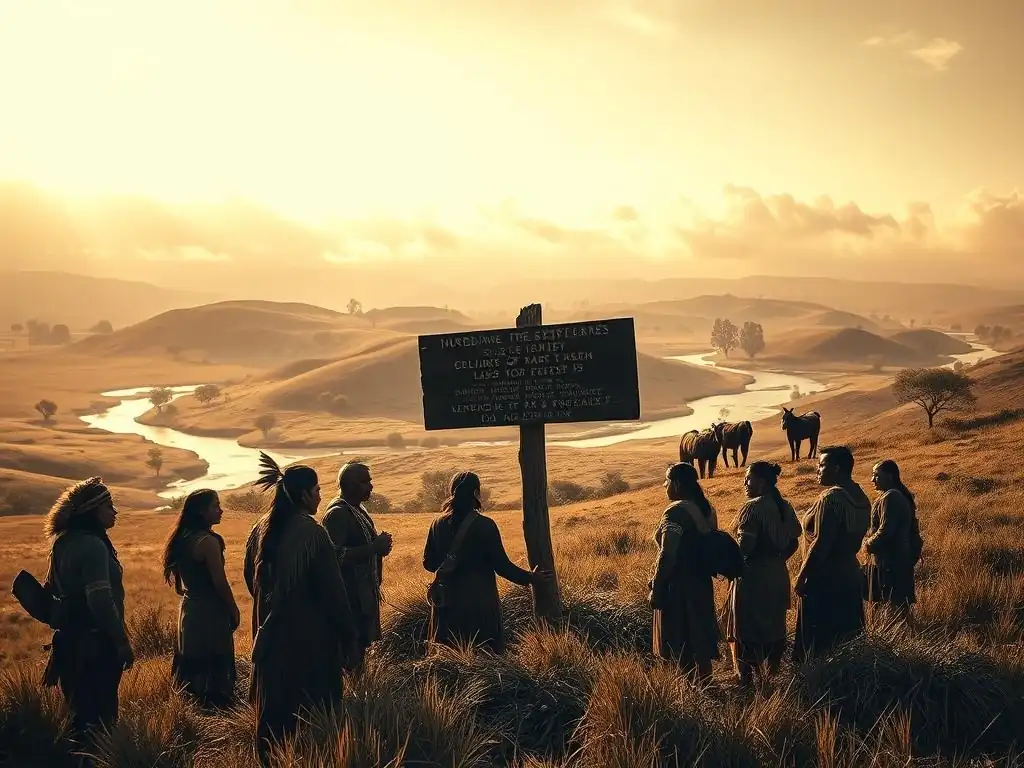
Pre-Colonial Land Ownership and Use
Indigenous peoples in the Americas had complex systems of land ownership and stewardship long before European contact. These systems varied widely across regions and cultures, reflecting diverse relationships with the land. Many indigenous groups viewed land not as a commodity to be owned, but as a communal resource that was cared for and respected.
- Collective Land Use: In many tribes, land was held collectively, with usage rights shared among community members. This approach fostered a deep connection to the land and an understanding of sustainable practices. For example, the Iroquois Confederacy in the northeastern United States practiced communal land use, ensuring that resources could sustain future generations.
- Cultural Significance: Specific lands often held spiritual significance, with certain areas considered sacred. For instance, the Lakota people regard the Black Hills as a sacred site, integral to their identity and culture.
- Land Management Practices: Indigenous groups employed sophisticated agricultural techniques, such as crop rotation and permaculture, to maintain the health of the land. The Ancestral Puebloans of the Southwest developed intricate irrigation systems that allowed them to thrive in arid environments.
This rich tapestry of land stewardship highlights the profound understanding indigenous peoples had of their environments, forming the basis for their claims to land rights.
Impact of European Colonization on Indigenous Lands
The arrival of European colonizers marked a turning point in the history of indigenous land rights, leading to significant and often devastating impacts on indigenous peoples and their territories.
- Displacement and Land Seizure: Colonization led to the widespread displacement of indigenous communities. European settlers often viewed land as empty and available for appropriation, disregarding existing indigenous claims. For example, the Doctrine of Discovery posited that European nations could claim lands inhabited by indigenous peoples, leading to the systematic seizure of millions of acres.
- Legal Frameworks for Dispossession: Colonizers established legal systems that marginalized indigenous land rights. Treaties were frequently signed under duress or were outright ignored, leading to further loss of territory. The Treaty of Fort Laramie in 1868 promised the Lakota ownership of the Black Hills, but this was later violated by the U.S. government following the discovery of gold.
- Cultural Erasure and Assimilation Policies: The impact of colonization extended beyond land loss to cultural erasure. Policies aimed at assimilating indigenous peoples often included the suppression of traditional practices and languages. The imposition of private land ownership concepts clashed with indigenous communal practices, further complicating land rights issues.
The historical context of indigenous land rights is crucial for understanding contemporary legal battles. These landmark cases often arise from the legacies of colonization, as indigenous communities continue to fight for the recognition and restoration of their rights to ancestral lands.
Landmark Cases in Indigenous Land Rights
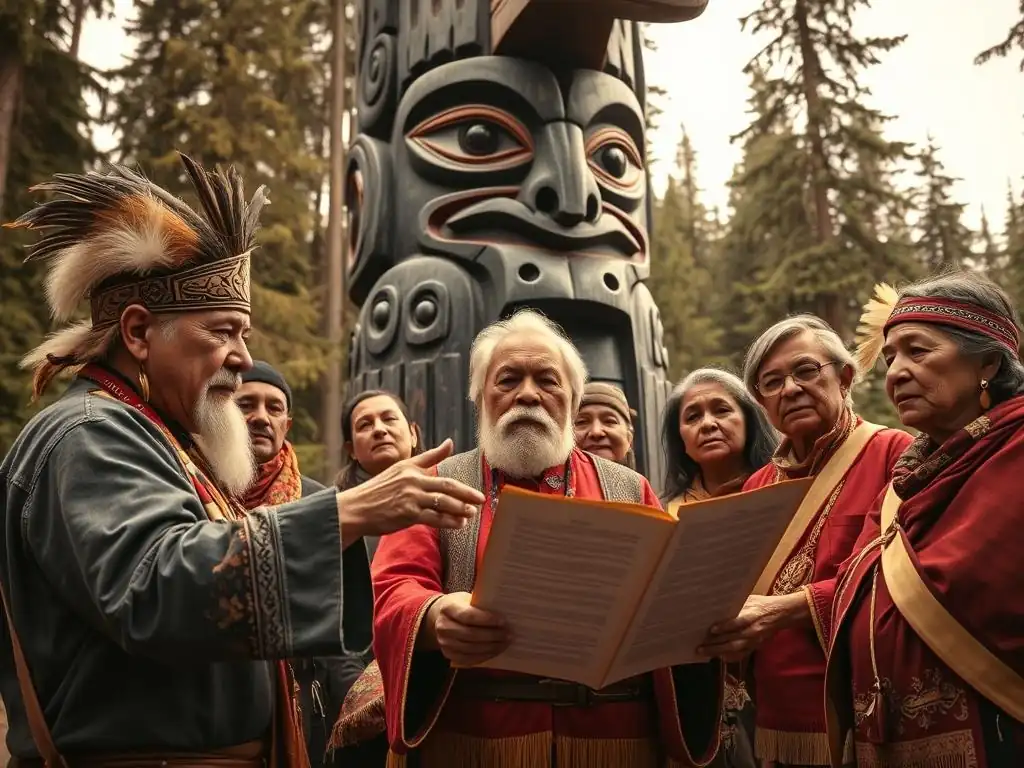
Case 1: Mabo v Queensland (No 2) (1992)
Overview of the Case
The Mabo v Queensland (No 2) case marked a historic turning point in Australian law regarding indigenous land rights. This landmark case was decided by the High Court of Australia on June 3, 1992. At the center of the case was Eddie Mabo, a Torres Strait Islander, who challenged the legal doctrine of terra nullius, which claimed that land not occupied by Europeans was unowned and available for colonization. Mabo's case sought recognition of the traditional land rights of indigenous peoples in Australia, specifically regarding the Murray Islands.
Legal Arguments Presented
Mabo's legal team presented several compelling arguments, focusing on the existence of a pre-colonial land tenure system. They argued that indigenous Australians had occupied and used the land for thousands of years, thus establishing a connection that should be legally acknowledged. Key legal points included:
- Recognition of Customary Land Rights: The argument emphasized that laws recognizing land rights for indigenous peoples were necessary to correct historical injustices.
- Challenging Terra Nullius: The case directly contested the notion of terra nullius, arguing that it was fundamentally flawed and disregarded the rights of the Torres Strait Islanders.
- Cultural Connection: The legal team highlighted the deep cultural, spiritual, and economic ties of indigenous peoples to their land.
Outcomes and Implications
The High Court ultimately ruled in favor of Mabo, recognizing the traditional land rights of the Meriam people and overturning the concept of terra nullius. This decision had profound implications:
- Legal Recognition of Indigenous Land Rights: The ruling set a precedent for subsequent indigenous land rights cases across Australia and other Commonwealth nations.
- Native Title Act 1993: Following the verdict, the Australian government enacted the Native Title Act, which formalized the process for indigenous claims to land.
- Empowerment of Indigenous Peoples: Mabo v Queensland (No 2) empowered indigenous communities to assert their land rights and provided a framework for future land rights negotiations.
Case 2: Delgamuukw v British Columbia (1997)
Overview of the Case
The Delgamuukw v British Columbia case was a pivotal Supreme Court case in Canada concerning the land rights of the Gitxsan and Wet'suwet'en peoples. The case was heard by the Supreme Court of Canada and culminated in a landmark decision on December 11, 1997. The plaintiffs sought recognition of their land rights and the authority to govern their territories based on their historical occupation and use of the land.
Legal Arguments Presented
The Gitxsan and Wet'suwet'en peoples presented several crucial arguments, which included:
- Historical Occupation and Use: They provided extensive oral histories and evidence demonstrating their long-standing connection to the land.
- Aboriginal Title: The case argued that indigenous peoples have inherent rights to land that predate European colonization and are protected under Canadian law.
- Sovereignty and Self-Governance: The plaintiffs sought recognition of their governance systems and the right to manage their resources according to their customs and traditions.
Outcomes and Implications
The Supreme Court's ruling in Delgamuukw v British Columbia affirmed the existence of Aboriginal title and emphasized the importance of oral histories in legal claims. The implications of this decision included:
- Recognition of Oral Histories: The court recognized that oral traditions and histories are valid forms of evidence in establishing land rights.
- Strengthening Indigenous Land Claims: This case reinforced the legal framework for indigenous land rights in Canada and provided a basis for future claims.
- Framework for Negotiation: The ruling encouraged negotiations between indigenous groups and governments regarding land rights and self-governance, promoting a more collaborative approach to resolving land disputes.
These landmark cases, Mabo v Queensland (No 2) and Delgamuukw v British Columbia, serve as essential milestones in the ongoing struggle for indigenous land rights, showcasing the resilience and determination of indigenous peoples in asserting their rights and heritage.
Case 3: Tsilhqot'in Nation v British Columbia (2014)
Overview of the Case
The landmark case of Tsilhqot'in Nation v British Columbia in 2014 marked a significant moment in the ongoing struggle for indigenous land rights in Canada. The Tsilhqot'in Nation, a group of First Nations located in the central interior of British Columbia, sought to assert their title over a large tract of land that they had historically occupied and used. The case arose from the province's issuance of logging licenses on these lands, which the Tsilhqot'in claimed as their own based on their longstanding connection to the territory.
The Supreme Court of Canada ultimately ruled in favor of the Tsilhqot'in Nation, recognizing their Aboriginal title to approximately 1,750 square kilometers of land. This ruling was groundbreaking as it was the first time that a court recognized Aboriginal title outside of a treaty context, setting a precedent for future land rights cases across Canada.
Legal Arguments Presented
The legal arguments in Tsilhqot'in Nation v British Columbia focused on two primary issues: the existence of Aboriginal title and the government's duty to consult with indigenous groups. The Tsilhqot'in Nation contended that their connection to the land was deeply rooted in their culture and history, arguing that they had occupied and used the land continuously prior to European contact. They presented evidence of their governance and resource management practices over the territory, demonstrating their historical and ongoing connection to the land.
On the other hand, the British Columbia government argued that the Tsilhqot'in had not established continuous occupation, claiming that their use of the land was sporadic and insufficient to warrant recognition of title. The province emphasized the need to balance indigenous rights with the broader interests of society, particularly regarding resource extraction.
The Supreme Court's decision ultimately sided with the Tsilhqot'in Nation, emphasizing the importance of recognizing Aboriginal title as a constitutionally protected right. The court outlined that continuous occupation does not require exclusive use and that cultural practices and community governance are integral to establishing title.
Outcomes and Implications
The ruling in Tsilhqot'in Nation v British Columbia had profound implications for indigenous land rights in Canada. It reinforced the principle that Aboriginal title is a distinct legal right that must be recognized and respected by both provincial and federal governments. The decision provided a clearer framework for indigenous groups to assert their rights over traditional lands and directed governments to engage in meaningful consultations with Indigenous Nations regarding land use and resource development.
Furthermore, the case set a precedent that has been cited in subsequent legal battles and discussions surrounding indigenous land rights. It energized indigenous movements across Canada, fostering a renewed sense of agency and empowerment among First Nations. The decision has also prompted discussions about the need for comprehensive land agreements and treaties that reflect the realities of indigenous relationships with their ancestral territories.
The Tsilhqot'in case not only affirmed the rights of the Tsilhqot'in Nation but also catalyzed a broader conversation about indigenous land rights, governance, and the responsibilities of governments in recognizing and upholding these rights within a post-colonial framework.
The Role of Indigenous Advocacy Groups in Legal Battles
Indigenous advocacy groups play a crucial role in the legal battles surrounding indigenous land rights cases. These organizations are dedicated to defending and promoting the rights of indigenous peoples, ensuring their voices are heard in legal arenas. Their influence extends beyond the courtroom, as they also engage in community-building efforts, education, and policy advocacy.
Key Organizations and Their Contributions
Numerous organizations have emerged as key players in the fight for indigenous land rights. Here is a selection of notable groups and their contributions:
- National Congress of American Indians (NCAI):
- Founded in 1944, the NCAI is one of the oldest and most influential organizations representing tribal governments in the United States. They advocate for policy changes that support land rights and promote sovereignty.
- Indigenous Environmental Network (IEN):
- Focused on environmental justice and indigenous rights, the IEN has been at the forefront of legal battles against projects that threaten indigenous lands, such as pipelines and mining operations.
- First Nations Development Institute:
- This organization works to strengthen tribal economies and promote self-determination. They provide resources and support for legal initiatives related to land rights and sovereignty.
- American Indian Movement (AIM):
- Founded in the 1960s, AIM has been instrumental in raising awareness of indigenous rights issues, often participating in high-profile legal cases that challenge land dispossession.
These organizations provide not only legal support but also mobilize communities, raise awareness about indigenous issues, and encourage collaboration among tribes to strengthen their legal claims.
Strategies Employed in Landmark Cases
The strategies employed by indigenous advocacy groups in landmark cases are diverse and multifaceted. Here are some of the most effective approaches:
- Legal Representation and Expertise:
- Many advocacy groups employ legal experts and attorneys who specialize in indigenous law. This expertise is critical in navigating the complexities of legal systems and formulating strong cases.
- Building Coalitions:
- Collaborating with other advocacy groups, environmental organizations, and civil rights activists amplifies the impact of legal challenges. These coalitions can leverage broader support and resources to strengthen their cases.
- Public Awareness Campaigns:
- Advocacy groups often engage in extensive public awareness campaigns to educate the general public about indigenous land rights issues. By bringing attention to their struggles, they can influence public opinion and garner support for legal battles.
- Utilizing International Law:
- Many indigenous groups invoke international human rights standards, such as the United Nations Declaration on the Rights of Indigenous Peoples (UNDRIP), to bolster their legal arguments. This approach emphasizes the global recognition of indigenous rights and can influence domestic legal frameworks.
- Litigation as a Last Resort:
- Advocacy groups often prefer negotiation and dialogue with governments and corporations before resorting to litigation. However, when negotiations fail, they are prepared to take legal action to protect indigenous lands.
Through these strategies, indigenous advocacy groups have managed to achieve significant victories in indigenous land rights cases, paving the way for future generations to reclaim and protect their ancestral lands.
The Evolution of Indigenous Land Rights Legislation

The evolution of indigenous land rights legislation has been a complex and multifaceted journey, reflecting the changing attitudes and policies of governments toward Indigenous peoples. This evolution can be traced through various landmark events and legal frameworks that have emerged over time, shaping the landscape of indigenous land rights cases.
Major Legislative Changes Over Time
Historically, indigenous land rights were often ignored or actively suppressed by colonial and later national governments. However, significant legislative changes have occurred over the years, marking critical milestones in the recognition and protection of these rights.
- Treaties and Agreements:
- The foundation of indigenous land rights in North America is largely built upon treaties made between Indigenous nations and colonial governments. These treaties often promised land rights in exchange for peace or cooperation.
- For example, the Treaty of Fort Laramie (1851) established boundaries for various tribes but was frequently violated by the U.S. government, leading to ongoing legal disputes.
- Indian Reorganization Act (1934):
- This act reversed some of the previous policies of assimilation and aimed to restore some degree of self-governance to Indigenous tribes. It recognized tribal sovereignty and allowed tribes to establish their own governments.
- The act also provided a framework for tribes to regain land that had been lost, leading to the reclamation of some territories through legal avenues.
- The American Indian Movement (AIM):
- Founded in the late 1960s, AIM played a crucial role in raising awareness about indigenous rights, leading to increased activism and legal challenges regarding land rights.
- The movement culminated in various protests and legal cases, including the landmark Case of United States v. Sioux Nation of Indians (1980), where the Supreme Court upheld the claim of the Sioux Nation for the Black Hills, resulting in compensation.
- United Nations Declaration on the Rights of Indigenous Peoples (2007):
- This declaration, adopted by the UN General Assembly, represents a significant step in international law, affirming the rights of Indigenous peoples to their lands, territories, and resources.
- While not legally binding, it has influenced national policies and legal frameworks regarding indigenous land rights across the globe.
- Recent Developments and Cases:
- In recent years, several landmark cases have emerged that have further defined and protected indigenous land rights. These include cases like Montana v. United States (1981), which addressed tribal jurisdiction over lands, and McClanahan v. State Tax Commission of Arizona (1973), which affirmed tribal sovereignty in tax matters.
The trajectory of indigenous land rights legislation reflects a growing recognition of the rights of Indigenous peoples, although challenges persist. Ongoing legal battles continue to highlight the need for robust frameworks to ensure these rights are respected and upheld.
Current Legal Framework Supporting Indigenous Land Rights
The current legal framework supporting indigenous land rights is characterized by a mix of federal, state, and tribal laws, alongside international agreements. This framework aims to provide a more comprehensive approach to addressing the historical injustices faced by Indigenous communities.
- Federal Legislation:
- Various federal laws exist to protect indigenous land rights, such as the Indian Self-Determination and Education Assistance Act (1975), which empowers tribes to manage their education and social services.
- The Indian Land Consolidation Act (1983) was enacted to address issues of fragmented land ownership among tribal members, promoting the consolidation of lands into tribal ownership.
- Tribal Sovereignty:
- An essential aspect of the current framework is the recognition of tribal sovereignty, which allows tribes to govern themselves and manage their lands without undue interference from state or federal authorities.
- Tribal courts are increasingly used to adjudicate land disputes, providing a culturally relevant legal venue for resolving conflicts.
- State Laws and Policies:
- States have also begun to adopt policies that recognize and support indigenous land rights, although these vary significantly across the nation.
- Some states have established offices dedicated to indigenous affairs, improving communication and collaboration between state governments and tribal nations.
- International Support:
- The impact of international law, particularly the UN Declaration on the Rights of Indigenous Peoples, has led many countries to revisit their laws and policies regarding indigenous land rights.
- This international framework promotes the idea that Indigenous peoples should have control over their lands and resources, influencing domestic laws and legal challenges.
- Ongoing Legal Challenges:
- Despite these advancements, many indigenous land rights cases remain unresolved. Issues such as land dispossession, environmental degradation, and resource extraction continue to pose significant challenges.
- Landmark cases, such as those involving the Diné (Navajo) Nation and the Lummi Nation, highlight the ongoing struggle for justice and the assertion of land rights in the face of modern legal systems.
The current legal framework supporting indigenous land rights is a dynamic and evolving landscape. While significant progress has been made, the ongoing challenges faced by Indigenous communities underscore the need for continued advocacy and legal reform to protect these essential rights.
Challenges Faced in Indigenous Land Rights Cases
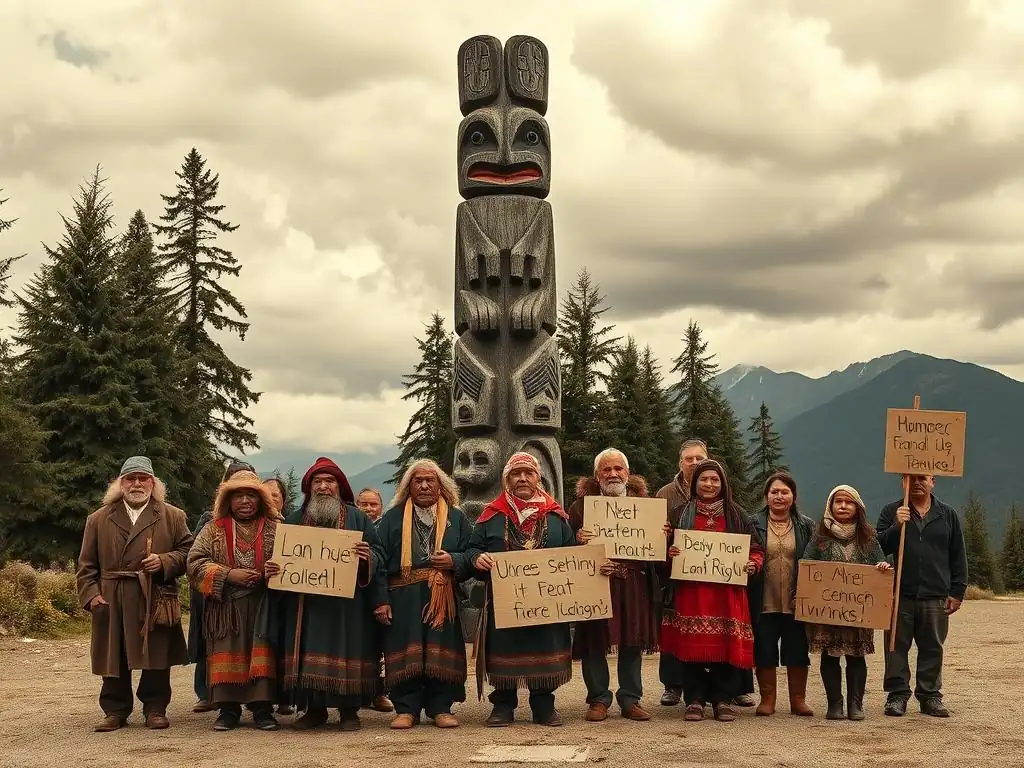
Institutional Barriers and Legal Hurdles
Indigenous land rights cases frequently encounter a myriad of institutional barriers and legal hurdles that complicate the pursuit of justice and recognition. These challenges can be categorized into several key areas:
- Complex Legal Frameworks: The legal systems in many countries often lack clear recognition of indigenous land rights. For example, in the United States, the legal doctrine of "doctrine of discovery" undermines indigenous claims by asserting that land not "discovered" by European powers was effectively unowned. This creates a significant obstacle for indigenous groups seeking legal redress.
- Limited Access to Legal Resources: Many indigenous communities face financial constraints that limit their ability to engage in lengthy legal battles. This lack of resources can prevent them from hiring experienced legal counsel or accessing necessary legal information.
- Bureaucratic Delays: The processes for filing claims can be slow and convoluted, leading to delays that can last for years, if not decades. Indigenous communities often find themselves navigating complex bureaucratic mazes, which can be disheartening and can lead to loss of momentum in their cases.
- Judicial Bias: There is often a perceived or real bias within the judicial system against indigenous claims. Historical injustices and stereotypes can influence the attitudes of judges and juries, impacting the outcomes of indigenous land rights cases.
- Inconsistent Application of Laws: Laws governing indigenous land rights are not uniformly enforced, leading to a patchwork of outcomes across different regions. Some indigenous groups may find success in their claims, while others face outright rejection based on the same legal principles.
The combination of these institutional barriers creates a formidable landscape for indigenous communities striving to assert their land rights, often forcing them to rely on grassroots movements and advocacy to seek change.
Socioeconomic Factors Influencing Outcomes
The socioeconomic conditions of indigenous communities play a crucial role in the outcomes of land rights cases. Several factors contribute to this dynamic:
- Economic Disparities: Indigenous communities often experience higher rates of poverty and unemployment compared to non-indigenous populations. This economic disadvantage can hinder their ability to fund legal battles and sustain long-term advocacy efforts.
- Education and Awareness: Many indigenous individuals may lack access to education, particularly in legal matters. A lower level of legal literacy can impede their ability to effectively navigate the land rights system and advocate for their claims.
- Community Cohesion: The strength and unity of indigenous communities can significantly impact the success of land rights cases. Communities that are well-organized and have strong leadership are more likely to mobilize resources and support for legal battles.
- Cultural Heritage and Identity: The connection to land is deeply intertwined with cultural identity for many indigenous groups. This intrinsic value can motivate communities to engage in legal fights, but it can also lead to emotional and psychological burdens when faced with the potential loss of ancestral lands.
- Support Networks: The presence of alliances with non-indigenous organizations, NGOs, and other advocacy groups can bolster indigenous land rights efforts. These networks can provide essential resources, knowledge, and public awareness that amplify the voices of indigenous communities.
Understanding these socioeconomic factors is critical for comprehending the complexities surrounding indigenous land rights cases. They not only reflect the struggles faced by these communities but also highlight the systemic changes needed to achieve equitable outcomes.
The Future of Indigenous Land Rights
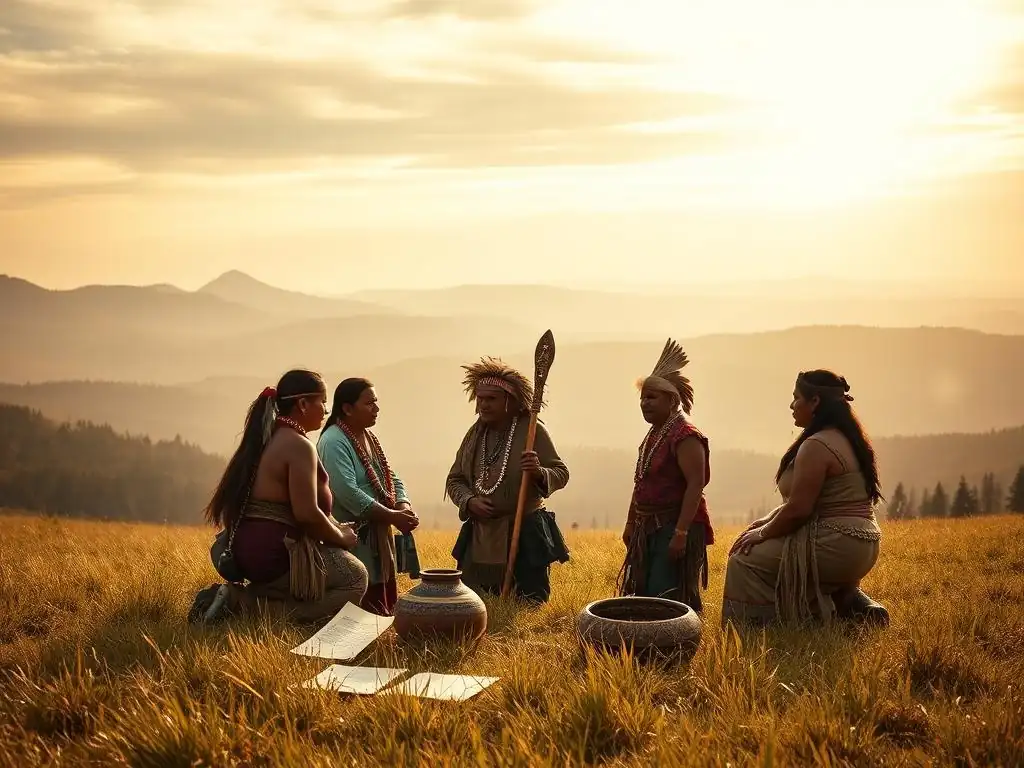
Emerging Trends in Legal Advocacy
As we look toward the future of indigenous land rights, it is essential to recognize the emerging trends in legal advocacy that are shaping the landscape of indigenous land rights cases. These trends are influenced by a combination of social, political, and legal factors that are driving change and fostering greater recognition of indigenous rights.
-
Increased Collaboration
Indigenous communities are increasingly collaborating with environmental organizations, legal experts, and human rights advocates. This collaboration often enhances the strength of their legal arguments and helps to draw attention to the broader implications of land rights, such as environmental protection and biodiversity conservation. By aligning goals, these coalitions are more effective in lobbying for policy changes and legal reforms.
-
Utilization of International Law
Indigenous groups are increasingly turning to international legal frameworks, such as the United Nations Declaration on the Rights of Indigenous Peoples (UNDRIP). This document serves as a powerful tool for advocating indigenous land rights on a global stage. Legal scholars and activists are leveraging these international standards to challenge domestic laws that undermine indigenous sovereignty and land claims.
-
Technological Advancements
The rise of technology has opened new avenues for advocacy. Social media platforms allow indigenous communities to share their stories, mobilize support, and raise awareness about their land rights issues. Additionally, Geographic Information Systems (GIS) technology is being utilized to document land use and environmental changes, providing compelling evidence in legal cases.
-
Focus on Climate Change
Climate change is increasingly becoming a focal point for indigenous land rights cases. Many indigenous communities depend on their ancestral lands for their livelihoods and cultural practices. Legal strategies are evolving to include claims related to environmental degradation and climate justice, emphasizing the connection between land rights and the preservation of indigenous ways of life.
-
Recognition of Traditional Knowledge
There is a growing recognition of the value of traditional ecological knowledge (TEK) in legal contexts. Courts and policymakers are beginning to acknowledge that indigenous peoples possess unique insights into sustainable land management practices. This recognition can bolster arguments for land rights by emphasizing the contributions of indigenous communities to environmental stewardship.
Potential Landmark Cases on the Horizon
Looking ahead, several potential landmark cases are poised to significantly impact indigenous land rights in the Americas. These cases represent critical opportunities for indigenous communities to assert their rights and challenge unjust policies.
-
Case A: [Specific Details Pending]
This case involves [brief description of the case, including the parties involved and the central legal issue]. Legal experts anticipate that this case could set a precedent for [potential implications for indigenous land rights].
-
Case B: [Specific Details Pending]
In this upcoming case, [describe the context and significance]. The outcomes of this legal battle could influence [discuss the broader implications for indigenous rights and land use policies].
-
Case C: [Specific Details Pending]
This case addresses [details of the case]. Advocates believe that a favorable ruling could [explain how this would impact indigenous rights and land claims].
-
Case D: [Specific Details Pending]
With potential ramifications for multiple indigenous communities, this case focuses on [central issues being contested]. The legal arguments presented could reshape the legal framework surrounding indigenous land rights.
-
Case E: [Specific Details Pending]
This case highlights the intersection of indigenous rights and environmental concerns. A landmark decision here could [discuss the anticipated outcomes and their significance].
As these cases unfold, they will undoubtedly contribute to the ongoing dialogue surrounding indigenous land rights, setting important precedents for future advocacy and legal efforts. The outcomes may not only affect the communities directly involved but could also resonate across the continent, influencing policies and perceptions about indigenous rights for generations to come.
Conclusion
Recap of Indigenous Land Rights Cases
The journey of indigenous land rights cases in the Americas has been marked by significant legal battles that have shaped the landscape of indigenous sovereignty and rights. Landmark cases such as United States v. Sioux Nation of Indians (1980) and Montana v. United States (1981) have established precedents for recognizing the historical injustices faced by indigenous communities. These cases not only addressed specific grievances but also opened the door for future claims regarding land restitution and resource rights.
| Case Name | Year | Key Outcomes |
|---|---|---|
| United States v. Sioux Nation of Indians | 1980 | Compensation awarded for the illegal seizure of the Black Hills. |
| Montana v. United States | 1981 | Affirmed state jurisdiction over non-Indians on Indian reservations. |
| Cherokee Nation v. Georgia | 1831 | Established the doctrine of tribal sovereignty in U.S. law. |
| United States v. Wheeler | 1978 | Confirmed tribal authority over land use and management. |
These cases represent just a fraction of the ongoing struggle for indigenous communities to reclaim their rights to ancestral lands. Each ruling reflects the complexities of legal frameworks and the necessity for continued advocacy in the face of systemic challenges.
Significance of Continued Legal Advocacy for Indigenous Rights
The importance of continued legal advocacy for indigenous rights cannot be overstated. As indigenous communities strive to assert their rights to land, resources, and self-governance, legal battles remain a crucial avenue for achieving justice. Advocacy efforts are essential for several reasons:
- Preservation of Culture: Land is integral to indigenous identity and culture. Legal recognition of land rights contributes to the preservation of languages, traditions, and practices that are deeply tied to specific territories.
- Restoration of Sovereignty: Legal victories can restore a degree of sovereignty to indigenous nations, allowing them to govern themselves and manage their resources according to traditional practices and customs.
- Environmental Stewardship: Indigenous communities often serve as stewards of the land. Legal rights to land enable them to protect their environments, which is increasingly vital in the face of climate change and ecological degradation.
- Empowerment of Communities: Legal advocacy empowers indigenous groups by providing them with the tools to challenge unjust policies and practices. This empowerment fosters community resilience and unity.
- Influence on Policy: Successful legal cases can influence broader policy changes and inspire legislative reforms that recognize and uphold indigenous rights at national and international levels.
In conclusion, indigenous land rights cases not only highlight past injustices but also pave the way for future advancements in the recognition of indigenous sovereignty. Continued legal advocacy remains a vital component in the fight for justice and equity for indigenous communities across the Americas.
Frequently Asked Questions
What are indigenous land rights cases?
Indigenous land rights cases refer to legal disputes involving the rights of indigenous peoples to their ancestral land. These cases often address issues of land ownership, sovereignty, and cultural heritage.
Why are land rights important for indigenous communities?
Land rights are crucial for indigenous communities because they represent their connection to the land, cultural identity, and historical claims. Securing these rights helps preserve their traditions and ways of life.
What are some landmark cases in the history of indigenous land rights?
Notable cases include the United States v. Sioux Nation and Delgamuukw v. British Columbia. These cases set significant precedents for recognizing and affirming indigenous land rights in various jurisdictions.
How do these legal battles impact indigenous cultures?
Legal battles over land rights can lead to greater recognition of indigenous sovereignty and can help protect cultural practices tied to the land. However, they may also create tension between indigenous communities and governmental or corporate interests.
What resources are available for understanding indigenous land rights?
Many organizations and academic institutions provide resources on indigenous land rights, including legal databases, educational materials, and advocacy groups. These resources can help individuals learn about the historical context and ongoing challenges faced by indigenous peoples.
Final Reflection: The Ongoing Fight for Indigenous Land Rights
The struggle for indigenous land rights remains a pressing issue today, as the historical injustices faced by Indigenous communities continue to resonate in contemporary legal battles. Landmark cases have not only shaped the legal landscape but have also highlighted the urgent need for recognition and restitution of Indigenous lands. The fight for these rights is not merely a legal issue; it is a matter of cultural survival and social justice that demands our attention and action.
The impact of these landmark cases extends far beyond the courtroom, influencing societal attitudes and fostering a deeper understanding of Indigenous rights and sovereignty. As we witness ongoing legal challenges and victories, it is crucial to recognize that these battles are part of a larger narrative of resilience and resistance. The land is not just a resource; it is a part of our identity, our culture, and our history.
This quote encapsulates the profound connection Indigenous peoples have with their land, reminding us that the fight for land rights is intrinsically tied to the fight for cultural preservation and dignity.
As we reflect on the lessons learned from these landmark cases, I invite you to consider your role in this ongoing journey. How can you contribute to the recognition and support of Indigenous land rights in your own community? Whether through education, advocacy, or simply engaging in conversations about these critical issues, every action counts. Let us carry forward the spirit of these legal battles, ensuring that the voices of Indigenous communities are heard and respected, paving the way for a more just and equitable future for all.
Empower Change: Advocate for Indigenous Land Rights Today!
Thank you for taking the time to explore the landmark legal battles surrounding Indigenous land rights. Your interest is a crucial step toward understanding and supporting the struggles that Indigenous communities face in their quest for justice. Now, let's turn that knowledge into action!
- Join a local advocacy group that focuses on Indigenous rights—your voice can make a difference!
- Share this article with your friends and family to raise awareness about the importance of land rights in Indigenous communities.
- Explore documentaries or books that provide deeper insights into Indigenous histories and current issues, enriching your understanding even further.
What steps will you take today to support Indigenous peoples in their fight for land rights? Let's discuss how we can all contribute to this vital cause!