
Immunity and Vulnerability: Analyzing the Biological Disparities Between Cultures

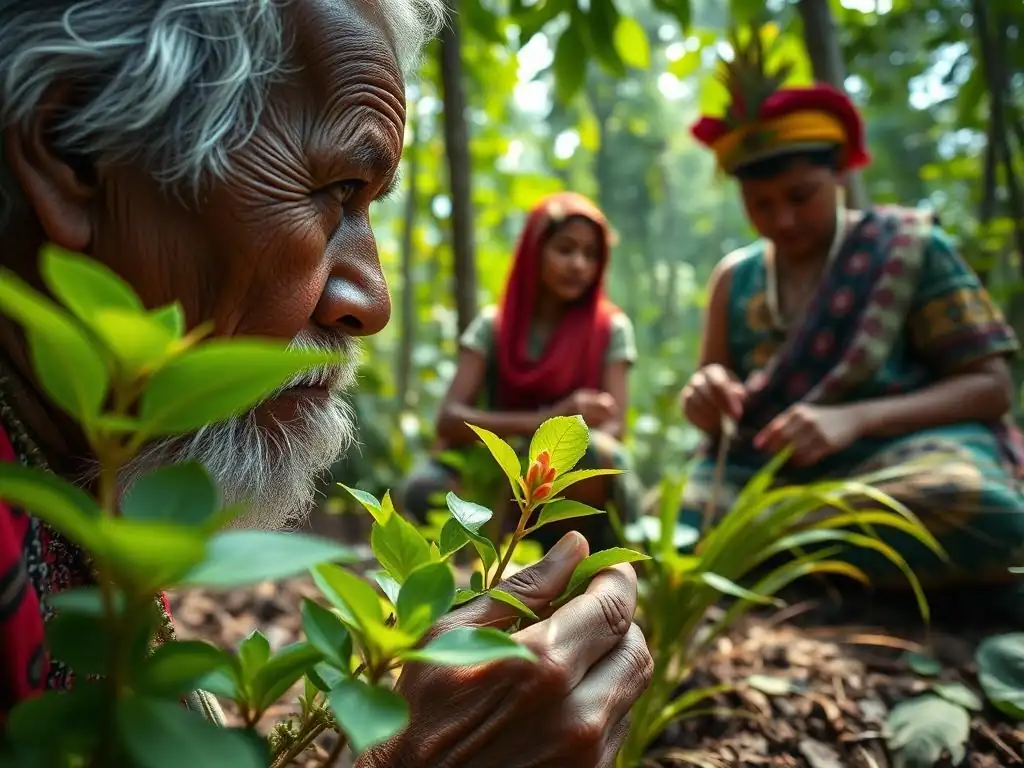
Welcome to Indigenous Civilizations of the Americas, where we invite you to journey through the rich tapestry of diverse cultures that flourished long before European contact. In our featured article, "Immunity and Vulnerability: Analyzing the Biological Disparities Between Cultures," we delve into the fascinating and often overlooked biological disparities that shaped the lives of indigenous peoples. What factors contributed to their unique immunities and vulnerabilities?
As you explore this critical intersection of biology and history, prepare to uncover insights that challenge conventional narratives and illuminate the profound legacy of these vibrant societies. Join us in unraveling the complexities of the past, and discover how these cultures continue to resonate in today's world.
- Introduction to Biological Disparities in Indigenous Cultures
- Historical Context of Indigenous Cultures and Diseases
- Understanding Biological Disparities
- Case Studies of Immunity and Disease Resistance
- The Impact of European Colonization on Indigenous Immunity
- Contemporary Implications of Historical Biological Disparities
- Conclusion: Reflecting on Biological Disparities Among Indigenous Cultures
- References and Further Reading on Biological Disparities in Indigenous Cultures
-
Frequently Asked Questions
- What are biological disparities in the context of indigenous cultures?
- How did European colonization affect indigenous immunity?
- What are some examples of achievements of indigenous cultures before colonization?
- Why is it important to study the lasting impact of indigenous cultures?
- How do biological disparities influence current health issues among indigenous populations?
- Final Reflection: Embracing Diversity in Biological Resilience
- Empower Your Immunity Journey Today!
Introduction to Biological Disparities in Indigenous Cultures
The intricate tapestry of indigenous cultures across the Americas is marked by a rich history that predates European colonization. However, one of the less explored aspects of this history is the profound impact of biological disparities that existed among different cultures.
This article titled "Immunity and Vulnerability: Analyzing the Biological Disparities Between Cultures" delves into the complex interplay between immunity and vulnerability within indigenous populations, particularly in the context of European diseases. Understanding these biological disparities is crucial, as it sheds light on how various societies responded to the introduction of foreign pathogens and the lasting consequences of these interactions.
Overview of Immunity and Vulnerability in Different Cultures
Throughout history, indigenous cultures exhibited a wide range of responses to infectious diseases, often shaped by their unique environments, lifestyles, and genetic backgrounds. The concept of immunity is multifaceted, encompassing not only biological factors but also cultural practices that influence health outcomes. For instance, some indigenous groups developed resistance to certain pathogens due to prolonged exposure, while others, isolated from these diseases, faced catastrophic consequences upon contact with Europeans.
- Factors Influencing Immunity:
- Genetic Diversity: Variations in genetic makeup among indigenous peoples could lead to different immune responses.
- Environmental Adaptations: The specific environments in which these cultures thrived may have contributed to their susceptibility or resistance to certain diseases.
- Cultural Practices: Diet, social structures, and health practices also played significant roles in determining the overall health and immunity of these populations.
The introduction of European diseases, such as smallpox and influenza, had devastating effects on many indigenous communities, revealing stark disparities in immunity. As these diseases spread rapidly through populations unexposed to them, the consequences were often catastrophic, leading to significant loss of life and cultural disruption.
Significance of Studying Biological Disparities Among Indigenous Peoples
Studying the biological disparities among indigenous cultures is essential for several reasons. First and foremost, it provides insight into the historical context of European colonization and its profound effects on indigenous populations. Understanding these dynamics helps illuminate the broader narrative of resilience, adaptation, and survival among indigenous peoples.
- Historical Context:
- The analysis of biological disparities can lead to a deeper understanding of the challenges indigenous cultures faced during colonization, including the loss of life and cultural identity.
- Modern Implications:
- Recognizing these disparities can inform contemporary discussions on health equity and the importance of culturally sensitive healthcare practices for indigenous populations today.
Moreover, by acknowledging the unique experiences of indigenous cultures in the face of biological challenges, we can foster a greater appreciation for their contributions to the world's cultural heritage and promote efforts towards healing and reconciliation in the aftermath of colonization. Understanding these biological disparities is not merely an academic endeavor; it is a vital step towards recognizing the resilience of indigenous cultures and the ongoing impact of historical injustices.
Historical Context of Indigenous Cultures and Diseases
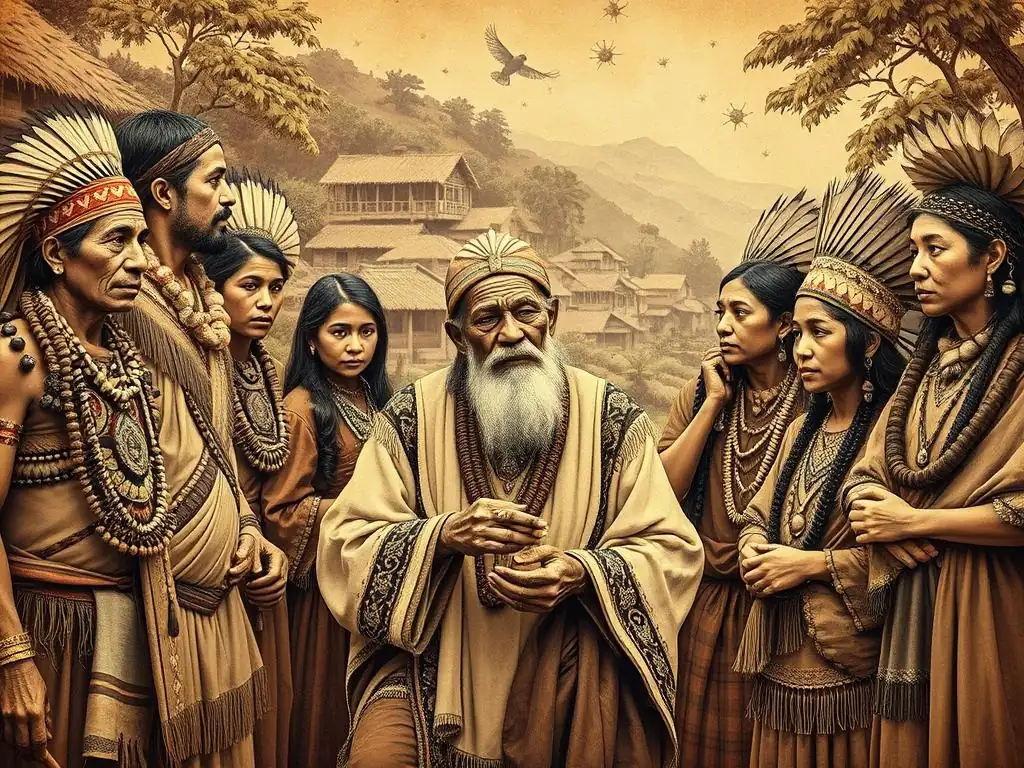
Pre-Columbian Health and Immunity Among Indigenous Civilizations
Before European contact, indigenous cultures across the Americas exhibited a variety of health practices and social structures that shaped their immunity and overall health. The diverse environments in which these civilizations thrived contributed to unique biological adaptations and health outcomes.
- Dietary Practices: Many indigenous societies had diets rich in local resources, including maize, beans, squash, and various fruits and vegetables. These diets provided essential nutrients, which supported immune function and overall health. For instance, the agricultural practices of the Maya and Inca not only sustained large populations but also contributed to the development of diverse microbiomes, enhancing their resistance to certain diseases.
- Traditional Medicine: Indigenous cultures employed extensive knowledge of herbal medicine and natural remedies. Practices such as the use of echinacea by the Plains tribes to boost immunity exemplify their deep understanding of local flora. This knowledge was vital in maintaining health and combating infections.
- Cultural Practices: Social structures that emphasized communal living and collective responsibility often led to enhanced health outcomes. For example, the communal sharing of resources among the Iroquois fostered resilience against illness, while their governance systems allowed for organized responses to health crises.
Despite these strengths, indigenous populations faced challenges such as localized infectious diseases and malnutrition, which varied by region. The lack of exposure to certain pathogens, which would later play a crucial role during European contact, also defined their biological landscape.
The Role of Isolation in Biological Disparities
The geographic isolation of indigenous populations in the Americas had profound implications for their biological development and immunity. Unlike populations in Europe, Asia, and Africa, indigenous Americans were largely shielded from many infectious diseases that had evolved alongside their counterparts in the Old World.
- Limited Pathogen Exposure: The Americas had fewer domesticated animals compared to Europe and Asia, which meant that indigenous peoples had limited exposure to zoonotic diseases. This lack of exposure resulted in a relative immunological naiveté when faced with European pathogens, such as smallpox and influenza, which had devastated populations in the Old World.
- Genetic Diversity: The genetic diversity among indigenous groups also contributed to varying immune responses. Some groups may have developed specific genetic traits that offered localized resistance to certain diseases, while others lacked such adaptations. This variability underscores the complexity of biological disparities among different indigenous cultures.
- Impact of Geography: The vast geographical barriers, such as mountains and oceans, further isolated these populations. Such isolation meant that pathogens did not circulate widely among groups, leading to a lack of herd immunity that would later prove catastrophic with the arrival of European diseases.
These factors combined to create significant biological disparities when indigenous populations encountered European settlers, who brought with them a myriad of pathogens to which they had developed immunity over centuries.
Introduction of European Diseases and Their Impact on Indigenous Populations
The arrival of Europeans in the Americas marked a catastrophic turning point for indigenous populations, primarily due to the introduction of new diseases. The consequences were profound and often devastating.
- Epidemic Outbreaks: Diseases such as smallpox, measles, and influenza swept through indigenous communities with alarming speed. Historical records indicate that smallpox alone is estimated to have killed up to 90% of some populations in certain regions. The rapid spread of these diseases was exacerbated by the lack of prior exposure and, consequently, immunity among indigenous peoples.
- Social Disruption: The high mortality rates led to significant social upheaval. Communities were devastated, leading to a breakdown of traditional social structures and practices. The loss of leaders and healers severely impacted the cultural continuity and the ability to respond to health crises.
- Long-term Consequences: The long-term effects of these epidemics extended beyond immediate health impacts. The demographic collapse altered the landscape of indigenous societies, contributing to the loss of cultural practices and languages. In many cases, entire communities were extinguished, leading to a profound and lasting impact on the indigenous cultures of the Americas.
The analysis of these biological disparities highlights the stark contrasts between indigenous cultures and European settlers. Understanding the interplay of health, immunity, and disease in these historical contexts is crucial for comprehending the broader implications of European colonization on indigenous populations.
Understanding Biological Disparities
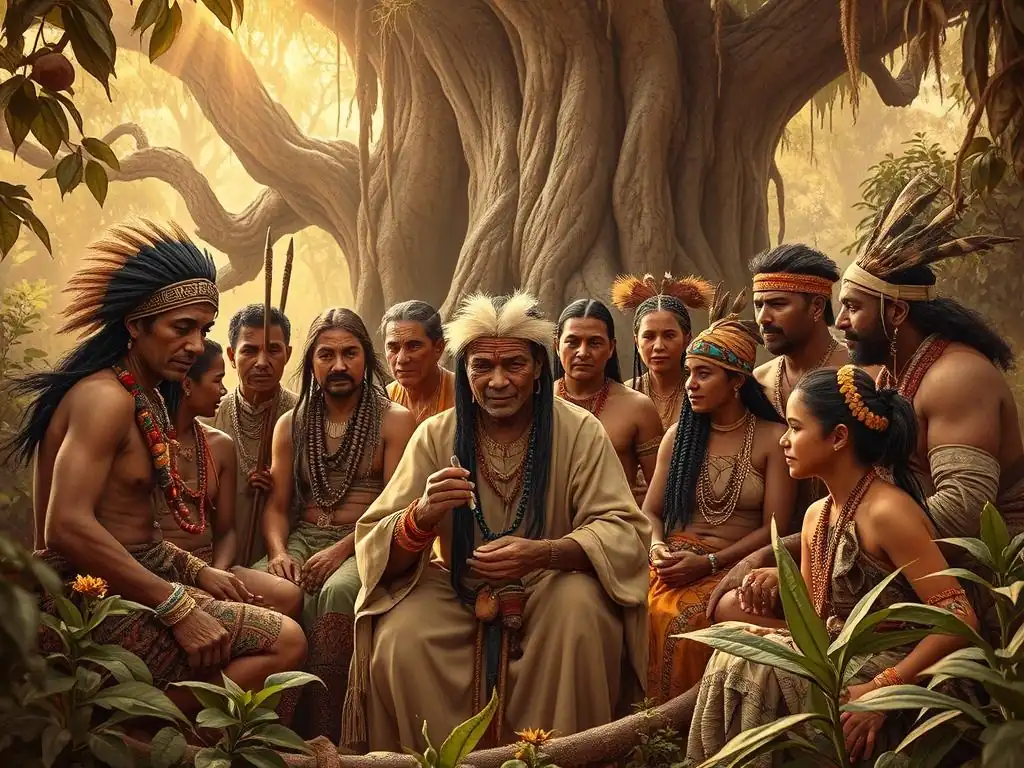
Defining Biological Disparities in Indigenous Cultures
Biological disparities among indigenous cultures are rooted in a multitude of factors, including genetics, environment, and historical interactions with disease. These disparities are particularly pronounced when examining the impacts of European diseases introduced during colonization. The term "biological disparities" refers to the differences in health outcomes, susceptibility to diseases, and overall immune responses that can be observed across various indigenous populations.
For indigenous cultures, the introduction of new pathogens resulted in catastrophic mortality rates, revealing stark contrasts in immunity. The lack of prior exposure to diseases such as smallpox, measles, and influenza meant that many indigenous populations had not developed the genetic adaptations that confer resilience against these illnesses. This phenomenon is a significant aspect of understanding the broader impacts of European colonization and the complex interplay between biology and culture.
Factors Contributing to Variations in Immunity
The variations in immunity among indigenous cultures can be attributed to several interconnected factors. These include:
- Genetic Heritage
- The genetic make-up of indigenous populations plays a critical role in their immune responses.
- Certain alleles may provide resistance to specific diseases, while others may leave populations more vulnerable.
- Cultural Practices
- Lifestyle and dietary habits influence health and immunity. For instance, traditional diets rich in diverse nutrients can enhance overall health.
- Practices relating to hygiene and sanitation can also affect the prevalence of diseases.
- Historical Context
- The history of a population’s exposure to diseases shapes their biological vulnerabilities.
- Populations that have had fewer interactions with pathogens tend to have less robust immune defenses.
Genetic Diversity and Its Role in Immunity
Genetic diversity is a fundamental factor in the immunity of indigenous populations. A higher degree of genetic variation within a population can lead to a wider range of immune responses, enhancing the community's ability to withstand diseases. Various studies highlight that populations with limited genetic diversity may experience more severe outbreaks of disease due to a lack of adaptive immune responses.
For example, the HLA (human leukocyte antigen) system, crucial for immune system function, exhibits different allelic frequencies across populations. Indigenous groups with less genetic diversity in their HLA genes may show increased vulnerability to certain infections.
| Population | Genetic Diversity (HLA Variants) | Response to Smallpox |
|---|---|---|
| North American Tribes | Low HLA diversity | High mortality rates |
| Andean Communities | Moderate HLA diversity | Variable mortality rates |
| Inuit Groups | High HLA diversity | Lower mortality rates |
Environmental Influences on Health and Vulnerability
Environmental factors significantly impact the health and vulnerability of indigenous cultures. The ecosystems in which these populations thrived before European contact contributed to their disease resistance or susceptibility.
- Ecosystem Diversity
- Regions with rich biodiversity often provide a natural buffer against certain diseases, as exposure to diverse microorganisms can enhance immune system training.
- Geographical Isolation
- Some indigenous groups lived in relative isolation, which limited their exposure to certain pathogens but also left them vulnerable when new diseases were introduced.
- Climate and Nutrition
- Environmental conditions, including climate and available resources, shaped the nutritional habits of indigenous peoples, directly influencing their immune health. A diet poor in essential nutrients can weaken immune responses, making groups more susceptible to infections.
Biological disparities among indigenous cultures are the result of complex interactions between genetic, environmental, and historical factors. Understanding these disparities is crucial for appreciating the profound impact of European diseases on indigenous populations and the ongoing legacy of colonization in shaping health outcomes.
Case Studies of Immunity and Disease Resistance
Examination of Specific Indigenous Groups
Understanding the biological disparities between indigenous cultures and European settlers requires an in-depth examination of specific groups and their historical responses to disease. This section will highlight case studies of notable indigenous populations, focusing on their unique immunological responses and the impact of European diseases on their societies.
The Cherokee Nation and Their Immunological Responses
The Cherokee Nation, one of the largest indigenous groups in the southeastern United States, displayed a complex interaction with diseases that were introduced by European colonizers. Initially, the Cherokee had limited exposure to infectious diseases such as smallpox, measles, and influenza, which were rampant in Europe.
- Cultural Practices and Health: The Cherokee had established agricultural practices and communal living that contributed to their overall health. Their diet, rich in corn, beans, and squash, provided essential nutrients that supported their immune systems.
- Immunological Adaptation: Over time, some members of the Cherokee Nation developed a degree of immunological resistance to certain diseases through natural selection and exposure. However, this adaptation was not uniform across the entire population, leading to significant disparities in health outcomes.
- Impact of Epidemics: The introduction of European diseases in the 18th and 19th centuries, particularly during the American Revolutionary War, devastated the Cherokee population. Epidemics of smallpox and influenza led to mortality rates as high as 50% in some communities, highlighting the vulnerability that arose from their limited prior exposure.
The Inca Civilization and Their Vulnerability to European Diseases
The Inca civilization, which thrived in the Andean region of South America, offers another striking example of the consequences of biological disparities. The Inca Empire was one of the most advanced indigenous cultures, with a vast network of roads and sophisticated agricultural techniques. However, their exposure to European diseases proved catastrophic.
- Lack of Immunity: The Inca had little to no previous exposure to diseases like smallpox prior to the arrival of Spanish conquistadors in the 16th century. This resulted in a lack of immunity, making them particularly susceptible to these foreign pathogens.
- Epidemic Consequences: The first major outbreak of smallpox in the Inca Empire occurred in 1526, leading to widespread mortality and social disruption. The death of the Inca emperor Huayna Capac and his heir in 1527 led to a power vacuum and civil strife, further weakening the society.
- Long-term Effects: The catastrophic impact of European diseases on the Inca population resulted in significant demographic shifts. It is estimated that by the mid-17th century, the indigenous population had decreased by as much as 90% in some regions due to disease, forced labor, and colonization efforts.
Comparative Analysis of Disease Outcomes
A comparative analysis of disease outcomes among various indigenous cultures reveals significant disparities that were influenced by a range of factors.
| Indigenous Group | Initial Exposure to Disease | Mortality Rate from European Diseases | Key Factors Influencing Outcomes |
|---|---|---|---|
| Cherokee Nation | Limited | Up to 50% during specific epidemics | Cultural practices, agricultural diet, natural selection |
| Inca Civilization | None | Up to 90% in some regions | Lack of prior exposure, social disruption, leadership vacuum |
The table above illustrates the stark differences in disease outcomes experienced by the Cherokee and Inca civilizations. While the Cherokee had some degree of adaptation and cultural resilience, the Inca's complete lack of immunity resulted in devastating losses.
The biological disparities among indigenous cultures regarding immunity and vulnerability to European diseases played a pivotal role in shaping their societies. These case studies not only highlight the tragic consequences of disease transmission but also underscore the importance of understanding the historical context in which these events unfolded.
The Impact of European Colonization on Indigenous Immunity
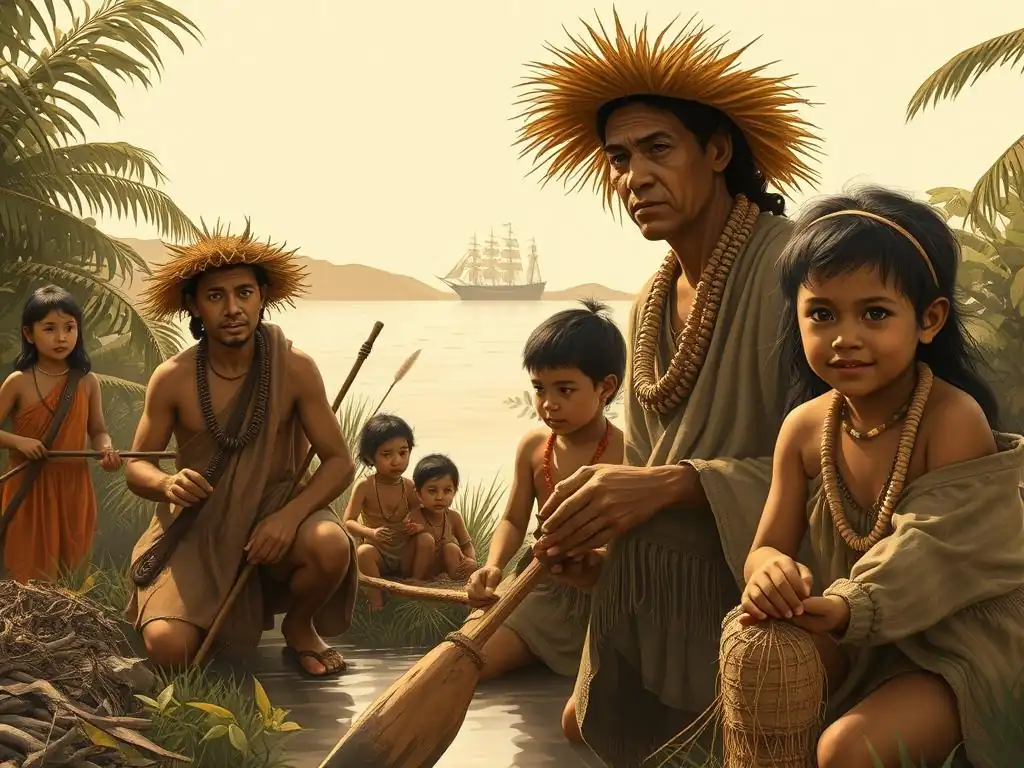
The arrival of Europeans in the Americas initiated profound changes in the health landscape of indigenous populations. The introduction of foreign pathogens, against which these cultures had no prior exposure, led to significant biological disparities between indigenous communities and European settlers. This section delves into how European colonization critically influenced indigenous health, the long-term consequences of these disparities, and the cultural practices that shaped disease resistance.
How European Colonization Affected Indigenous Health
European colonization brought with it a wave of infectious diseases, including smallpox, measles, and influenza, which devastated indigenous populations. These diseases spread rapidly due to several factors:
- Lack of Immunity: Indigenous peoples had not been previously exposed to these pathogens, meaning they lacked the necessary antibodies to fight off infections. This absence of immunity led to high mortality rates, with some estimates suggesting that up to 90% of certain populations perished within a few decades of European contact [1] .
- Social Disruption: The colonization process often dismantled existing social structures, leading to increased vulnerability. As communities were disrupted, traditional healthcare practices and knowledge systems were also affected, further exacerbating health issues.
- Environmental Changes: European colonization altered the landscape through agriculture and urban development, which affected local ecosystems. These changes not only impacted food sources but also created new environments conducive to disease transmission.
The combination of these factors resulted in an unprecedented public health crisis for indigenous populations, dramatically altering their demographic and social fabric.
Long-Term Consequences of Biological Disparities
The biological disparities created by European diseases have had lasting effects on indigenous cultures:
- Population Decline: The drastic reduction in population due to disease has led to a loss of languages, traditions, and cultural practices. This decline continues to impact community cohesion and identity.
- Genetic Changes: Over generations, the survivors of epidemics may have experienced selective pressures that altered their genetic makeup. Some groups developed a degree of resistance to certain diseases, while others faced ongoing health challenges.
- Health Inequalities: The historical trauma associated with disease outbreaks has contributed to long-term health disparities. Many indigenous communities today face higher rates of chronic diseases, such as diabetes and heart disease, partially rooted in the historical context of colonization.
- Cultural Resilience: Despite these challenges, indigenous cultures have demonstrated remarkable resilience. Many communities have worked to revitalize traditional practices and incorporate modern healthcare solutions to combat the health disparities stemming from colonization.
Cultural Practices and Their Role in Disease Resistance
Cultural practices played a crucial role in shaping the health and immunity of indigenous populations. While many practices were disrupted by European colonization, some traditions contributed to a degree of disease resistance:
- Traditional Medicine: Indigenous healing practices often included the use of plants and natural remedies. Knowledge of local flora provided some protection against various ailments, although it was not a complete safeguard against introduced diseases.
- Community Cohesion: Strong social networks and communal living helped in the sharing of resources and support during times of illness. This cohesion often facilitated collective responses to health crises.
- Dietary Practices: Many indigenous diets were rich in nutrients, which may have contributed to overall health and resilience. However, the introduction of European agricultural practices often led to a decline in the diversity of diets.
- Ceremonial Practices: Spiritual and ceremonial practices often included rituals aimed at promoting health and well-being. These traditions played a significant role in maintaining cultural identity and community strength, even in the face of adversity.
The intersection of biological disparities and cultural practices significantly influenced the health outcomes of indigenous populations during and after European colonization. Understanding these dynamics is essential for recognizing the lasting impact of colonization on indigenous health and culture.
-
For further reading on the impact of diseases on indigenous populations, refer to historical epidemiological studies. ↩︎
Contemporary Implications of Historical Biological Disparities
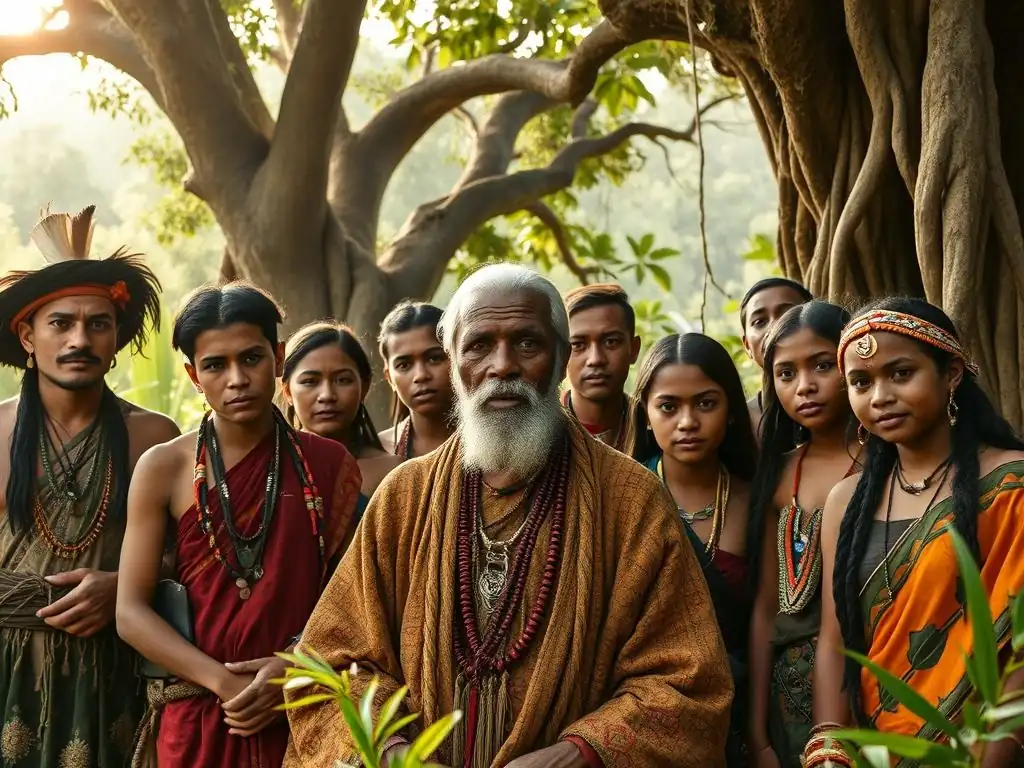
Modern Health Outcomes in Indigenous Populations
The historical biological disparities experienced by indigenous cultures during the European colonization have had profound and lasting effects on the health outcomes of these populations today. The introduction of foreign diseases such as smallpox, influenza, and measles decimated indigenous communities, leading to significant population declines and altering social structures. As a result, many indigenous populations today face a higher prevalence of chronic diseases, mental health issues, and lower life expectancy compared to non-indigenous populations.
Key Health Outcomes
- Chronic Diseases: Indigenous groups often report higher rates of diabetes, cardiovascular diseases, and obesity. For instance, the prevalence of type 2 diabetes among Native American populations is three times higher than that of the general U.S. population.
- Mental Health: Historical trauma resulting from colonization and forced assimilation has contributed to increased rates of depression, anxiety disorders, and substance abuse in many indigenous communities.
- Access to Healthcare: Structural barriers, including socioeconomic factors and geographical isolation, limit access to quality healthcare services, exacerbating health disparities. According to the Indian Health Service, many indigenous people receive care that is underfunded and inadequate.
These health outcomes are directly linked to the historical context of biological disparities, highlighting the importance of understanding past events to address present challenges.
Addressing Health Disparities Today
Efforts to mitigate the health disparities faced by indigenous populations are multifaceted and require a comprehensive approach. Key initiatives include:
- Culturally Relevant Healthcare: Developing healthcare practices that incorporate traditional healing methods and cultural beliefs can enhance the effectiveness of medical treatments. This approach respects indigenous knowledge and fosters trust between healthcare providers and communities.
- Community-Led Health Programs: Indigenous communities are leading initiatives aimed at improving health outcomes. For example, programs that focus on nutrition, physical activity, and mental health education are being implemented to empower individuals and promote healthier lifestyles.
- Policy Advocacy: Advocacy for policies that address social determinants of health is essential. This includes increasing funding for indigenous health services and improving access to resources. For instance, the Affordable Care Act has provisions that aim to enhance healthcare access for Native Americans.
- Research and Data Collection: Gathering accurate health data specific to indigenous populations is crucial. This information can inform targeted interventions and help policymakers understand the unique challenges faced by these communities.
The Importance of Cultural Knowledge in Health Practices
Understanding and integrating cultural knowledge into health practices is vital for improving the wellbeing of indigenous populations. Cultural beliefs and practices shape health behaviors and attitudes towards illness and treatment.
Benefits of Cultural Integration
- Enhanced Trust: When healthcare providers acknowledge and respect indigenous cultural practices, it fosters trust and improves the patient-provider relationship. This trust is essential for encouraging individuals to seek medical help.
- Holistic Approaches: Indigenous health philosophies often emphasize a holistic view of health that includes physical, emotional, spiritual, and social wellbeing. Incorporating these perspectives into healthcare can lead to more effective treatment plans.
- Community Engagement: Engaging community members in health initiatives ensures that programs are relevant and culturally appropriate. This involvement can enhance participation and ownership of health improvement efforts.
Addressing the biological disparities that historical events have wrought on indigenous cultures is not only a matter of health equity but also a recognition of the resilience and richness of these cultures. By focusing on culturally informed practices and community engagement, the path towards improved health outcomes can be paved, ultimately benefiting both indigenous populations and society as a whole.
Conclusion: Reflecting on Biological Disparities Among Indigenous Cultures
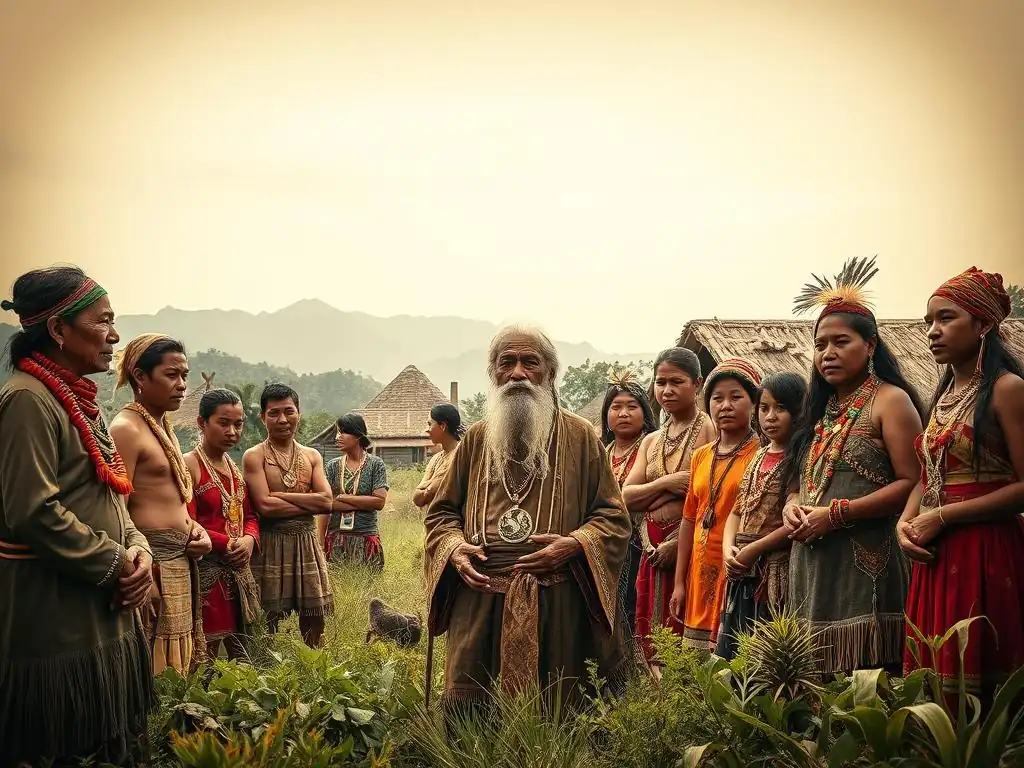
Summary of Key Findings on Immunity and Vulnerability
The analysis of biological disparities among indigenous cultures in the Americas reveals profound insights into how these communities were affected by European diseases. Key findings indicate that:
- Genetic Diversity: Indigenous populations had limited genetic diversity due to isolation, which contributed to heightened vulnerability against foreign pathogens. This genetic homogeneity meant that many indigenous groups lacked the necessary immunity to combat diseases like smallpox and influenza, which were introduced by European colonizers.
- Pre-existing Health Conditions: Many indigenous peoples suffered from malnutrition, which was exacerbated by the disruption of their traditional food systems. Poor nutritional status weakened their immune responses, making them more susceptible to diseases. For example, the introduction of European agricultural practices often led to food shortages and deficiencies.
- Societal Disruption: The devastating impact of disease not only caused immediate mortality but also led to long-term societal disruption. Communities faced severe population declines, leading to loss of cultural practices and social structures. The disintegration of these communities further impeded their ability to recover from epidemics.
- Resistance and Adaptation: While many indigenous cultures were severely impacted, some exhibited remarkable resilience. Certain groups developed strategies to cope with the influx of diseases, such as quarantine practices and the use of traditional medicinal plants, showcasing their adaptability in the face of crisis.
These findings underscore the complex interplay between immunity and vulnerability in the context of European colonization, highlighting not only the biological aspects but also the social and environmental factors that contributed to these disparities.
The Importance of Understanding Historical Contexts in Addressing Modern Health Issues
Understanding the historical context of biological disparities among indigenous cultures is crucial for addressing contemporary health issues. This context allows for a comprehensive analysis of how past events shape current health outcomes in indigenous populations. Key aspects include:
- Legacy of Colonization: The historical trauma caused by colonization and the introduction of diseases has lasting effects on the health and well-being of indigenous peoples. Recognizing this legacy is essential for developing culturally relevant health interventions today.
- Contemporary Health Disparities: Many indigenous communities continue to experience significant health disparities, such as higher rates of chronic diseases and lower access to healthcare services. Understanding the historical roots of these issues can inform policies aimed at improving health equity and access.
- Culturally Sensitive Approaches: Implementing health programs that respect and integrate traditional practices can enhance the effectiveness of healthcare delivery in indigenous communities. Acknowledging historical injustices and fostering collaboration between indigenous knowledge systems and modern medicine is vital for successful health outcomes.
- Promoting Awareness and Education: Educating both indigenous and non-indigenous populations about the historical context of disease impact fosters empathy and understanding. This awareness can lead to better support systems and community health initiatives that honor indigenous perspectives.
A nuanced understanding of biological disparities among indigenous cultures not only enriches historical knowledge but also serves as a foundation for addressing current health challenges faced by these communities. By learning from the past, we can work towards a healthier future that acknowledges and respects the unique experiences of indigenous peoples.
References and Further Reading on Biological Disparities in Indigenous Cultures
The concept of biological disparities between indigenous cultures and European populations has been a significant area of research, particularly regarding the impact of diseases during the era of European colonization. Understanding these disparities not only sheds light on the vulnerability of indigenous populations to foreign diseases but also highlights the resilience and adaptation of these cultures in the face of such challenges.
Suggested Literature on Immunity and Disease Impact
-
"1491: New Revelations of the Americas Before Columbus" by Charles C. Mann
This seminal work explores pre-Columbian America, including the diverse indigenous cultures and their unique biological adaptations. Mann discusses the devastating impact of European diseases on these populations, providing context to the biological disparities that arose.
-
"Guns, Germs, and Steel: The Fates of Human Societies" by Jared Diamond
Diamond's book delves into the reasons behind the unequal distribution of wealth and power throughout history, attributing much of this to the spread of germs. His analysis includes the biological vulnerabilities of indigenous populations when confronted with European diseases.
-
"The Columbian Exchange: Biological and Cultural Consequences of 1492" by Alfred W. Crosby
This work focuses on the exchange of diseases, plants, animals, and cultures following Columbus's voyages. Crosby provides a detailed account of how biological disparities influenced the outcomes of encounters between Europeans and indigenous peoples.
-
"Epidemics and Society: From the Black Death to the Present" by Frank M. Snowden
This book offers a broader perspective on how epidemics have shaped societies, including the indigenous cultures of the Americas. Snowden examines the social and biological consequences of disease outbreaks, especially in the context of colonial encounters.
-
"Disease, Resistance, and Lies: The Demographic Crisis in Indigenous America" by David E. Stannard
Stannard's work focuses specifically on the impact of disease on Native American populations, arguing that the demographic collapse was not solely due to the pathogens themselves but also to the social and political contexts in which these diseases were introduced.
Resources for Further Exploration of Indigenous Health Histories
-
National Museum of the American Indian
The museum's website offers numerous resources, including articles and exhibitions that highlight indigenous health practices, the impact of European diseases, and ongoing health disparities faced by these communities.
-
Indigenous Peoples' Health Research Centre (IPHRC)
This organization provides research, resources, and community-led initiatives aimed at addressing health disparities among indigenous populations in Canada. Their publications often touch on historical and contemporary health issues influenced by colonization.
-
The Journal of Indigenous Health
A peer-reviewed journal that focuses on health issues affecting indigenous communities. It includes research articles, reviews, and case studies that delve into the historical impact of diseases and ongoing health disparities.
-
"The Indigenous Health and Wellbeing Framework" by the Australian Government
Although focused on Australian Indigenous populations, this framework offers insights into how historical factors, including disease, have influenced health outcomes. It may provide useful parallels for understanding similar issues in the Americas.
-
Health Equity Resource Center
This center provides various reports and publications related to health equity, specifically focusing on racial and ethnic disparities. Their resources often include discussions on indigenous health and the effects of historical trauma and disease.
By exploring these texts and resources, readers can gain a deeper understanding of the biological disparities faced by indigenous cultures and the lasting impacts of European diseases on their societies.
Frequently Asked Questions
What are biological disparities in the context of indigenous cultures?
Biological disparities refer to the differences in health outcomes, genetic traits, and disease susceptibility among various indigenous cultures due to environmental, social, and historical factors.
How did European colonization affect indigenous immunity?
European colonization introduced new diseases to which indigenous populations had little to no immunity, leading to significant population declines and altered health dynamics within these cultures.
What are some examples of achievements of indigenous cultures before colonization?
Indigenous cultures in the Americas made remarkable achievements in areas like agriculture, architecture, and governance, showcasing their advanced societal structures and innovations.
Why is it important to study the lasting impact of indigenous cultures?
Studying the lasting impact of indigenous cultures helps to understand their contributions to modern society and promotes recognition of their cultural heritage and ongoing challenges.
How do biological disparities influence current health issues among indigenous populations?
Current health issues in indigenous populations can be linked to biological disparities that arose historically, resulting in unique vulnerabilities to diseases and impacting overall community health.
Final Reflection: Embracing Diversity in Biological Resilience
The exploration of biological disparities among indigenous cultures reveals profound insights into the interconnectedness of health, environment, and cultural identity. In a world increasingly aware of the impacts of globalization and climate change, understanding how different cultures adapt biologically to their environments is more relevant than ever. The stark differences in immunity and vulnerability among these populations not only highlight the importance of preserving indigenous knowledge but also challenge us to rethink our approach to health and medicine in a diverse world.
The ongoing dialogue surrounding biological disparities is reshaping our cultural and social landscape, emphasizing the need for inclusivity in health discussions. As we recognize the unique adaptations of indigenous peoples, we also acknowledge the systemic inequalities that have historically marginalized their voices. This conversation is encapsulated in the words of Dr. Robin Wall Kimmerer, who said, "> We must learn to see the world through the eyes of others, to understand that our stories are intertwined." By embracing these narratives, we can foster a more equitable understanding of health that honors the wisdom of diverse cultures.
As we reflect on the lessons drawn from the biological disparities between cultures, I invite you to consider your own role in this narrative. How can you contribute to a more inclusive dialogue about health and well-being? Engage with the stories and knowledge of indigenous cultures, advocate for their representation in health discussions, and challenge the status quo. Together, we can cultivate a future where every culture's unique contributions to our understanding of biology and health are celebrated and integrated into a holistic approach to wellness.
Empower Your Immunity Journey Today!
Thank you for exploring the fascinating intricacies of immunity and vulnerability across different cultures. Your interest reflects a crucial understanding of how our biological differences shape health outcomes. Now, let’s turn that knowledge into action!
Here are some impactful steps you can take:
- Engage with local health initiatives that focus on improving community wellness—your voice matters!
- Share this article with friends and family to spark discussions about health disparities.
- Explore traditional practices from various cultures that promote immune health and consider integrating them into your daily routine.
What unique immunity-boosting practices from different cultures resonate with you? We invite you to share your thoughts below!