
The Cultural Significance of Inca Public Spaces: Plaza and Ceremony

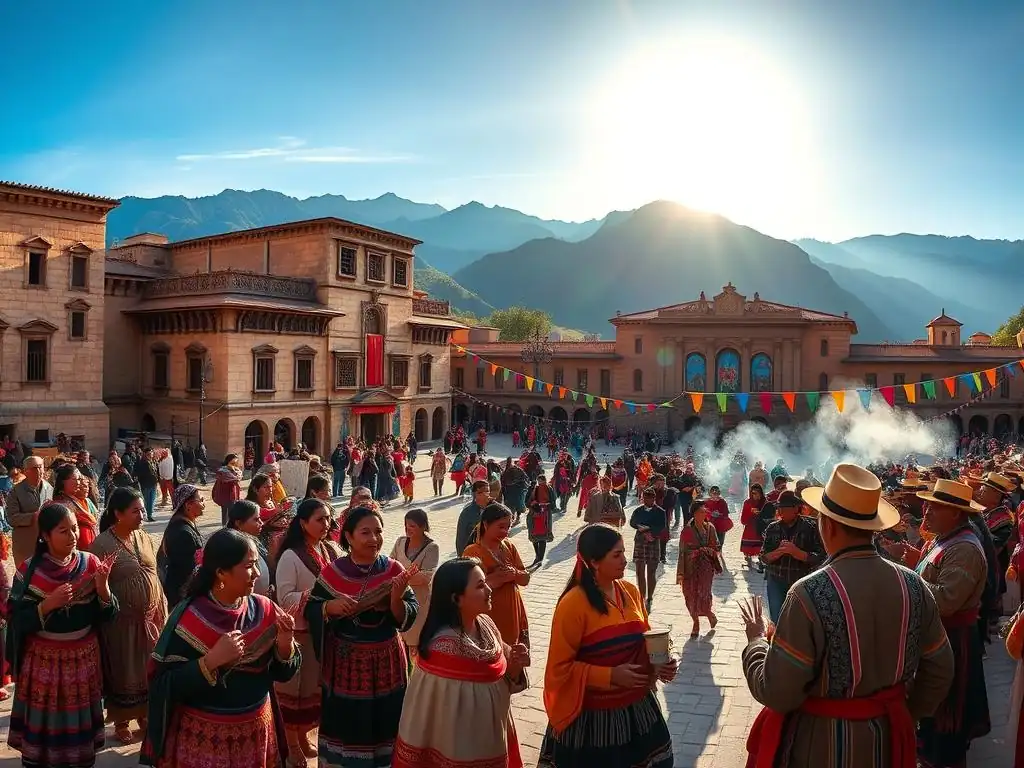
Welcome to Indigenous Civilizations of the Americas, where we invite you to embark on a captivating journey through the rich tapestry of pre-colonial cultures. Today, we delve into the significance of Inca public spaces, exploring how plazas and ceremonies served as vibrant centers of community life and social cohesion. What hidden stories lie within these ancient gathering places?
Join us as we uncover the achievements and enduring legacies of the Inca civilization, revealing how their architectural marvels and communal practices continue to resonate in our world today. Dive deeper to discover the profound impact of these spaces on Inca society!
Introduction to Inca Public Spaces
The Inca civilization, renowned for its remarkable achievements in architecture, engineering, and social organization, created a sophisticated system of urban planning that deeply reflected their cultural values and societal structures. Central to this urban framework were the public spaces, particularly plazas, which served as vital hubs for social interaction, governance, and ceremonial activities.
Understanding the significance of these spaces provides invaluable insight into the Inca way of life, illustrating how their architectural designs were not only functional but also imbued with cultural meaning. This article delves into the cultural significance of Inca public spaces, highlighting their role in fostering community cohesion, facilitating governance, and serving as venues for religious and social ceremonies.
Overview of Inca Civilization and Its Urban Design
The Inca Empire, which flourished from the early 15th century until the Spanish conquest in the 16th century, was one of the largest empires in pre-Columbian America, extending across modern-day Peru, Ecuador, Bolivia, and parts of Chile and Argentina. The Incas were master builders and urban planners, creating cities that integrated natural landscapes with sophisticated architectural designs.
- Key Features of Inca Urban Design:
- Terracing: To maximize agricultural productivity on the mountainous terrain.
- Road Systems: A vast network facilitating trade and communication.
- Centralized Plazas: Serving as focal points for civic life and community gatherings.
Inca urban design was characterized by a meticulous approach to layout, which emphasized the importance of public spaces in reinforcing social order and cultural identity.
Importance of Public Spaces in Inca Society
Public spaces, particularly plazas, played a crucial role in Inca society, acting as venues for various social, political, and religious activities. They were essential for the integration of diverse communities within the empire, providing a platform for communication and interaction among different groups.
- Functions of Public Spaces:
- Civic Engagement: Spaces for assemblies and decision-making.
- Cultural Expression: Sites for festivals and communal rituals.
- Economic Activity: Locations for markets and trade.
The design and organization of these public areas reflect the values and priorities of Inca culture, highlighting their commitment to community and collective identity.
The Role of Plazas in Inca Culture
Definition and Characteristics of Inca Plazas
Inca plazas were large, open spaces typically located at the center of towns and cities, often surrounded by important buildings such as temples, administrative centers, and residences of elite individuals. These plazas were meticulously designed to accommodate large gatherings and facilitate various activities.
- Characteristics of Inca Plazas:
- Spacious Layout: Designed to hold large crowds.
- Surrounding Structures: Often flanked by significant architectural elements that reinforced their importance.
- Symmetry and Order: Reflecting the Inca emphasis on harmony and balance in urban planning.
Social Functions of Inca Plazas
The social functions of Inca plazas were multifaceted, serving as venues for ceremonies, festivals, and public meetings. These gatherings reinforced community ties and allowed for the expression of cultural identity.
- Key Social Functions:
- Ceremonial Events: Hosting religious rituals and celebrations.
- Political Gatherings: Spaces for discussion and decision-making among community leaders.
- Markets: Facilitating trade and economic exchanges among different groups.
The plazas thus acted as vital centers for community life, reflecting the interconnectedness of social, political, and economic activities in Inca society.
Architectural Features of Inca Plazas
The architectural features of Inca plazas were designed to enhance their functionality and aesthetic appeal. The construction techniques employed were advanced for their time, showcasing the Incas' engineering prowess.
- Architectural Features:
- Stones and Mortar: Utilizing large, precisely cut stones that were fitted together without mortar, ensuring durability.
- Terracing: Complementing the natural landscape and providing a distinctive visual element.
- Water Features: Incorporating channels and fountains that not only served practical purposes but also enhanced the beauty of the space.
The architectural significance of Inca plazas underscores their importance as communal spaces, blending functionality with cultural representation.
The significance of Inca public spaces, especially plazas, cannot be overstated. They served as vital centers for social interaction, political engagement, and ceremonial expression, embodying the cultural richness of the Inca civilization and their innovative urban design.
Ceremonial Spaces in Inca Society
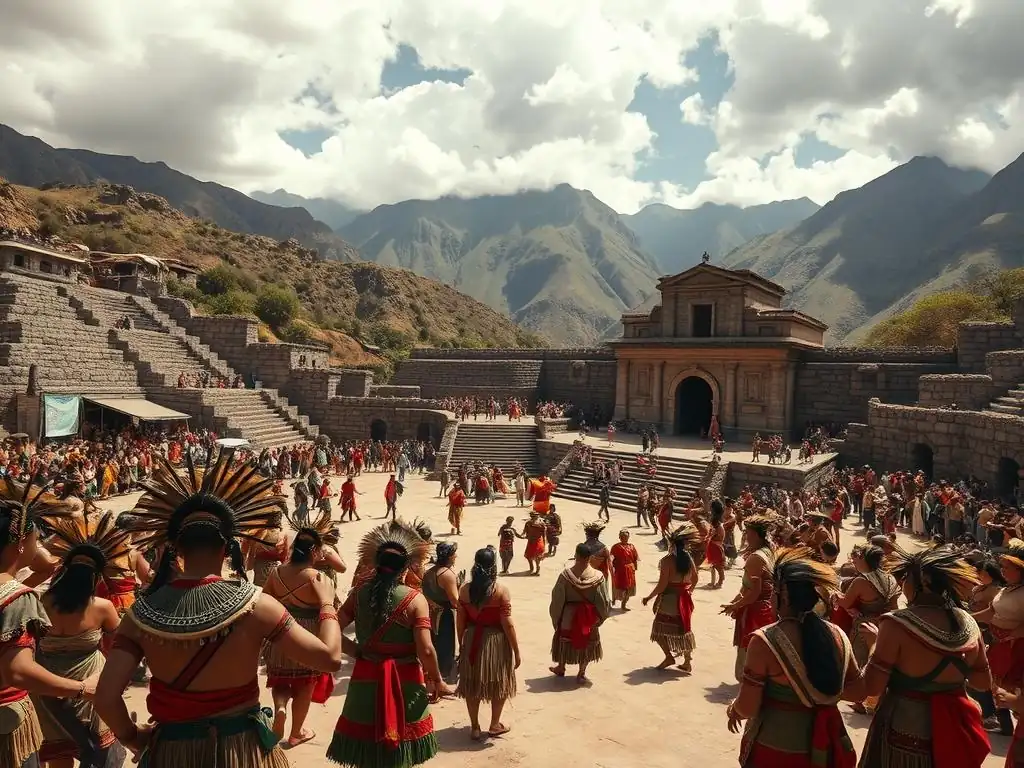
The Inca civilization, renowned for its sophisticated social structure and rich cultural practices, placed immense importance on ceremonial spaces. These areas were not merely physical locations; they were imbued with spiritual significance and served as focal points for community engagement and religious expression. The design and function of these ceremonial spaces reflect the Inca worldview, emphasizing a deep connection to their environment, ancestors, and the cosmos. Ceremonies held in these areas reinforced social hierarchies and communal identity, showcasing the intricate relationship between space, ritual, and society.
Overview of Inca Ceremonial Practices
Inca ceremonial practices were diverse and multifaceted, encompassing a wide range of activities that celebrated agricultural cycles, religious beliefs, and significant social events. The Inca people believed in the presence of divine entities in their surroundings, which influenced their rituals. Major ceremonies often coincided with the agricultural calendar, such as Inti Raymi, the Festival of the Sun, which honored the sun god Inti and marked the winter solstice. Through offerings, music, dance, and communal feasts, these practices reinforced cultural values and the community's connection to their deities.
Rituals were often led by priests who acted as intermediaries between the gods and the people. These spiritual leaders conducted elaborate ceremonies that included sacrifices, both animal and agricultural, to ensure prosperity and favor from the gods. The use of ceremonial spaces was critical to these practices, as they provided a central location for the community to gather and participate in shared cultural traditions.
Types of Ceremonial Spaces
Inca ceremonial spaces varied widely in size, purpose, and design. Some of the most notable types include:
- Plazas: Open areas within urban centers that served as gathering spaces for both daily activities and large-scale ceremonies.
- Temples: Structures dedicated to specific deities, often located near or within plazas, providing a sacred space for worship and rituals.
- Altars: Elevated platforms or designated areas where offerings and sacrifices were made, reflecting the importance of agriculture and nature in Inca spirituality.
- Processional Routes: Pathways connecting important sites, often used during ceremonies to facilitate the movement of participants and offerings.
Each space was intricately designed to reflect the Inca's architectural prowess and their spiritual beliefs, reinforcing the sacredness of the activities conducted within these areas.
The Significance of Rituals in Public Spaces
Rituals performed in public spaces served multiple functions within Inca society. They were essential for maintaining social cohesion, as they brought together individuals from various social strata to participate in shared experiences. These communal gatherings fostered a sense of belonging and reinforced the collective identity of the Inca people.
Moreover, rituals in public spaces often communicated the power and authority of the Inca rulers. By presiding over significant ceremonies, rulers demonstrated their divine right to govern and their role as protectors of the community. This interplay between power and spirituality was crucial for legitimizing leadership and maintaining order within the society.
The significance of these rituals extended beyond immediate social effects; they were also pivotal in expressing the Inca's relationship with the natural world. Many ceremonies were aimed at ensuring favorable agricultural conditions and were conducted in alignment with celestial events, underscoring the Inca belief in the interconnectedness of all life.
The Interrelation of Plazas and Ceremonial Practices
The plazas of the Inca civilization were not only architectural feats but also dynamic spaces where ceremonial practices unfolded. Their design and location were carefully considered to facilitate the community's spiritual and social activities. This interrelation highlights the plaza's role as a multifunctional gathering place that adapted to the needs of the society.
How Plazas Served as Multifunctional Spaces
Inca plazas functioned as the heart of urban life, serving a variety of purposes beyond ceremonial activities. These open spaces were used for:
- Marketplaces: Facilitating trade and economic interaction among community members.
- Political Assemblies: Providing a venue for discussions and decisions regarding community governance.
- Cultural Events: Hosting festivals, music, and dance performances that celebrated Inca heritage.
The adaptability of plazas to accommodate various activities made them integral to the daily lives of the Inca people, reinforcing their central role in the social and cultural fabric of society.
Case Studies of Notable Inca Public Spaces
Several notable Inca public spaces exemplify the significance of plazas and ceremonial practices:
- Plaza de Armas in Cusco: This central plaza served as the political and spiritual heart of the Inca Empire. It was surrounded by important temples and government buildings and hosted major ceremonies, including the annual Inti Raymi festival.
- Sacsayhuamán: Located near Cusco, this site features impressive stone walls and plazas used for large-scale ceremonies and gatherings, showcasing the architectural prowess of the Inca civilization.
- Qorikancha: Originally the Temple of the Sun, this site embodied the fusion of religious and public space, where rituals and community events were held in an environment that underscored the connection between the Inca and their deities.
These case studies illustrate how Inca public spaces were designed to promote social interaction, spiritual engagement, and cultural continuity, underscoring their enduring significance in the life of the Inca civilization.
The Impact of Inca Public Spaces on Modern Indigenous Identity
The Inca civilization, renowned for its sophisticated urban planning and monumental architecture, has left a profound imprint on the identity of contemporary Indigenous communities. Public spaces such as plazas and ceremonial sites were not merely functional areas for gatherings but served as vital cultural hubs where social, political, and religious life thrived. These spaces fostered a sense of community and belonging, which resonates in modern Indigenous identity. Today, many Indigenous groups in the Andes draw inspiration from these historical precedents, using public spaces to reinforce their cultural heritage and practices.
The revival and use of traditional public spaces have become a form of resistance against colonial narratives. By reclaiming these areas, Indigenous peoples assert their presence and continuity in the face of historical marginalization. Ceremonies held in these spaces often incorporate traditional rituals that celebrate ancestral practices, thereby reinforcing cultural identity and communal bonds. In essence, the legacy of Inca public spaces serves as a foundation for modern Indigenous identity, symbolizing resilience and revitalization.
Legacy of Inca Public Spaces in Contemporary Culture
The legacy of Inca public spaces is evident in various aspects of contemporary culture in the Andean region. Modern festivals, markets, and social gatherings often take place in the same plazas that served the Inca centuries ago. These locations are not just sites of commerce or celebration; they are living museums of history, embodying the social dynamics of the Inca Empire. This continuity illustrates how cultural practices have evolved while still honoring their historical roots.
Moreover, the architecture and layout of modern urban spaces in areas with significant Indigenous populations frequently reflect Inca design principles. The emphasis on communal space, the use of local materials, and sustainable building practices are all influenced by Inca urbanism. This connection to the past is not only a source of pride for many Indigenous communities but also serves as a reminder of their enduring relationship with the land and their ancestors.
Preservation of Inca Heritage through Public Spaces
Preserving the heritage of the Inca civilization is crucial for maintaining the cultural identity of Indigenous peoples. Public spaces play a vital role in this preservation process. Efforts to restore and maintain historical plazas and ceremonial sites are underway in various regions of the Andes, often led by local communities and cultural organizations. These initiatives aim to protect the physical remnants of the Inca Empire while simultaneously fostering cultural education and awareness.
Furthermore, the integration of traditional practices into the use of these spaces enhances their cultural significance. Events such as traditional dances, agricultural fairs, and educational workshops are organized in these areas, ensuring that the knowledge and customs of the Inca civilization are transmitted to future generations. By actively engaging with their heritage in these public spaces, Indigenous communities not only preserve their history but also adapt it, making it relevant in the contemporary world.
Conclusion: Understanding the Significance of Inca Public Spaces
Inca public spaces, particularly plazas and ceremonial sites, hold immense cultural significance that extends beyond their physical presence. They are emblematic of a rich historical narrative that continues to shape the identities of Indigenous peoples today. The way these spaces are utilized and celebrated in modern times reflects a deep-seated respect for the past while nurturing a vibrant cultural future.
Summary of Key Points
- Inca public spaces have profoundly influenced modern Indigenous identity, serving as sites for cultural expression and resilience.
- Contemporary practices in these spaces illustrate the legacy of Inca urbanism, maintaining cultural continuity.
- The preservation of these public spaces is essential for safeguarding Inca heritage, ensuring the transmission of cultural knowledge and practices.
Final Thoughts on the Cultural Importance of Inca Public Spaces
The cultural importance of Inca public spaces cannot be overstated; they are not just remnants of a bygone era but are actively woven into the fabric of modern Indigenous life. By understanding the significance of these spaces, we can appreciate the ongoing impact of the Inca civilization on contemporary society and recognize the vital role these locations play in shaping Indigenous identity, community, and cultural heritage. Through their preservation and celebration, Inca public spaces continue to inspire and empower future generations.
- Introduction to Inca Public Spaces
- Overview of Inca Civilization and Its Urban Design
- Importance of Public Spaces in Inca Society
- The Role of Plazas in Inca Culture
- Ceremonial Spaces in Inca Society
- The Interrelation of Plazas and Ceremonial Practices
- The Impact of Inca Public Spaces on Modern Indigenous Identity
- Conclusion: Understanding the Significance of Inca Public Spaces
- What were the main functions of Inca public spaces?
- How did ceremonies in Inca public spaces reflect their culture?
- Why are Inca public spaces important for understanding their civilization?
- What impact did Inca public spaces have on neighboring cultures?
- How can modern societies learn from Inca public spaces?
Frequently Asked Questions
What were the main functions of Inca public spaces?
Inca public spaces, particularly plazas, served as central hubs for ceremonies, trade, and community gatherings, reinforcing social cohesion and cultural identity.
How did ceremonies in Inca public spaces reflect their culture?
Ceremonies held in these spaces were integral to Inca beliefs, showcasing their connection to the gods and the earth, and reinforcing the spiritual and social hierarchy within their society.
Why are Inca public spaces important for understanding their civilization?
Studying Inca public spaces provides insight into their social organization, political structure, and religious practices, illustrating how these elements shaped their daily lives and governance.
What impact did Inca public spaces have on neighboring cultures?
The design and functionality of Inca public spaces influenced surrounding cultures, promoting shared practices and interactions that fostered a broader regional identity.
How can modern societies learn from Inca public spaces?
Modern societies can draw lessons from the inclusive and functional design of Inca public spaces, promoting community engagement and enhancing the cultural significance of shared spaces.
Final Reflection: The Enduring Legacy of Inca Public Spaces
The cultural significance of Inca public spaces resonates profoundly in today's world, reminding us of the importance of communal gathering and shared identity. As we navigate an increasingly individualistic society, the lessons from the plazas and ceremonies of the Inca civilization serve as a powerful reminder of the value of community and collective experience. The vibrant public spaces of the Incas were not merely physical locations; they were the heartbeats of their society, fostering unity and cultural expression.
The influence of these historical public spaces continues to shape our cultural and social landscapes, encouraging us to consider how we engage with our communities. The plazas of the Inca were designed for celebration, governance, and social interaction, reflecting a deep understanding of the human need for connection. As we reflect on this, we can appreciate the words of historian John Hemming: The Incas understood that the strength of their empire lay in the bonds of community forged in their public spaces.
This insight underscores the ongoing relevance of such spaces in fostering social cohesion and cultural identity in our own lives.
As we conclude this exploration of Inca public spaces, I invite you to reflect on your own relationship with community and public spaces. Consider how you can contribute to the vitality of your own local environments, creating spaces that foster connection, celebration, and shared experiences. Let us honor the legacy of the Incas by embracing the significance of our public spaces, ensuring they remain vibrant centers of culture and community for generations to come.
Unveil the Legacy of Inca Public Spaces!
Thank you for diving into the rich world of Inca culture and the vital role public spaces played in their society. Understanding these spaces not only educates us on their history but also inspires us to consider the importance of community connections today. So, what’s next?
Here are some **exciting actions** you can take to deepen your exploration:
- Visit a local museum featuring indigenous artifacts or exhibits that honor past civilizations. Immerse yourself in the stories behind these incredible cultures.
- Share your newfound knowledge with friends or family—organize a discussion or a small presentation about the significance of public spaces in your community’s cultural heritage.
- Engage with local indigenous groups to learn about their current practices and how they honor their public spaces, enhancing your understanding and appreciation of their traditions.
What aspects of Inca public spaces resonate most with you, and how can you incorporate those lessons into your daily life?