
Inca Fortresses: Architecture Designed for Defense and Power

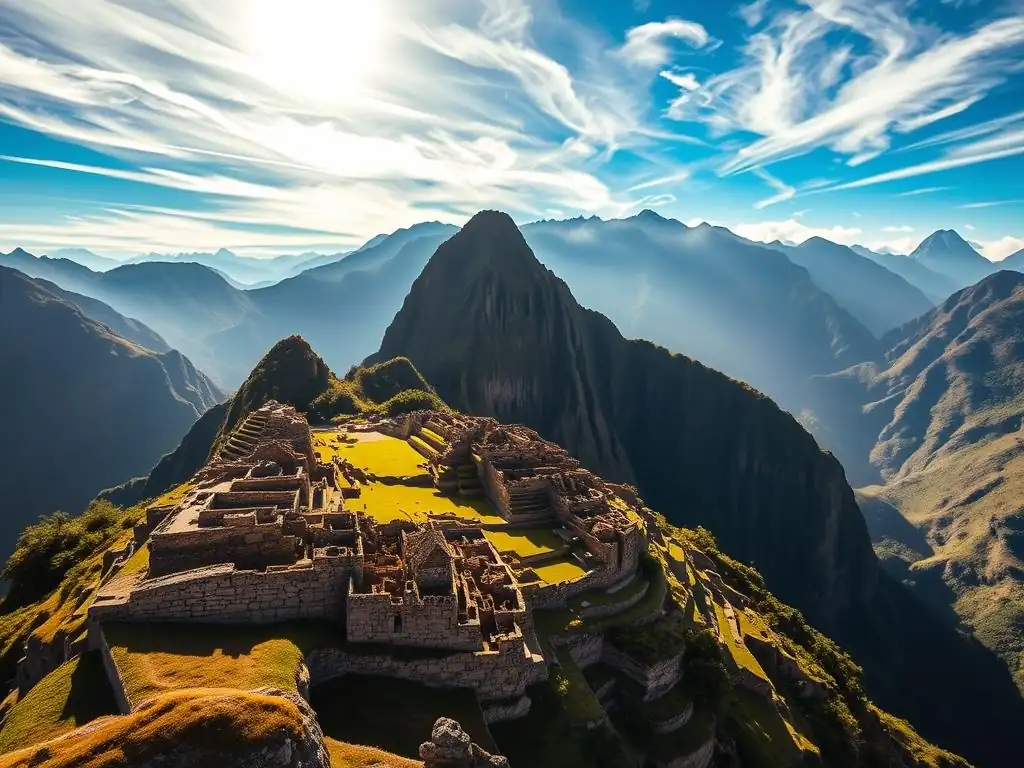
Welcome to Indigenous Civilizations of the Americas, where we invite you to embark on a journey through the rich tapestry of cultures that flourished long before European exploration. Here, you will uncover the remarkable achievements and societal structures of indigenous peoples, with a spotlight on the awe-inspiring Inca fortress architecture features. Discover how these monumental structures were not only designed for defense but also served as powerful symbols of authority and ingenuity. What secrets do these ancient fortresses hold? Dive deeper into the legacy of the Inca civilization and see how their architectural mastery continues to influence us today.
- Introduction to Inca Fortress Architecture
- Key Features of Inca Fortress Architecture
- The Purpose of Inca Fortresses
- Notable Examples of Inca Fortresses
- Comparison of Inca Fortresses with Other Indigenous Structures
- The Legacy of Inca Fortress Architecture
- Conclusion: The Enduring Impact of Inca Fortress Architecture
-
Frequently Asked Questions
- What are the main features of Inca fortress architecture?
- How did Inca fortresses reflect their societal structure?
- What materials were primarily used in Inca fortress construction?
- How did the geography influence Inca fortress locations?
- What is the significance of Inca fortresses in the context of cultural heritage?
- Final Reflection: The Enduring Legacy of Inca Fortress Architecture
- Unveil the Secrets of Inca Fortresses!
Introduction to Inca Fortress Architecture
The Inca civilization, one of the most remarkable cultures in pre-Columbian America, is renowned for its impressive architectural achievements, particularly in the realm of fortress construction. Inca fortress architecture features not only exemplify the ingenuity and resourcefulness of the Incas but also reflect their societal values, military strategies, and the geopolitical landscape of the Andean region.
These fortifications were designed to serve multiple purposes: they were not just military bastions but also symbolic representations of power and territorial dominance. This article delves into the defining characteristics of Inca fortress architecture, exploring how these structures were meticulously planned and constructed to withstand both natural and human threats, while also serving as a testament to the Inca's remarkable engineering skills.
Overview of Inca Civilization and Its Architectural Legacy
The Inca civilization flourished in the Andean region from the early 15th century until the Spanish conquest in the 16th century. At its height, the empire spanned a vast territory, encompassing parts of modern-day Peru, Ecuador, Bolivia, Argentina, and Chile. The Incas were adept at integrating diverse cultures and communities, which is reflected in their architectural innovations.
Key Features of Inca Architecture:
- Stone Construction: The Incas are famous for their dry-stone construction techniques, utilizing massive, precisely cut stones that fit together without mortar.
- Terracing: Agricultural terraces were constructed to maximize arable land in the mountainous terrain, demonstrating the Incas' understanding of their environment.
- Urban Planning: Cities like Cusco, the capital, were meticulously planned with a layout that reflected the Inca's cosmological beliefs and social structure.
The architectural legacy of the Incas is manifest in their fortresses, which were strategically located in high-altitude areas to provide both defensive advantages and commanding views of the surrounding landscape. These structures not only served military purposes but also housed administrative functions and symbolized the power of the ruling elite.
Importance of Fortress Architecture in Inca Society
Inca fortress architecture played a pivotal role in the empire's military strategy and social organization. These fortifications were essential for protecting the empire's boundaries against external threats and maintaining control over conquered territories.
Reasons for the Significance of Fortress Architecture:
- Defense Mechanisms: Fortresses were constructed with features such as thick walls, narrow entrances, and elevated positions that made them formidable against enemy attacks.
- Cultural Significance: These structures served as representations of Inca power and authority, reinforcing the social hierarchy within the empire.
- Strategic Locations: Many fortresses were built near critical trade routes and natural resources, allowing the Incas to exert control over vital economic activities.
By understanding the features and significance of Inca fortress architecture, we gain insight into the complexities of Inca society and the sophisticated strategies they employed to maintain their empire. As we explore these architectural marvels further, we can appreciate the lasting impact of the Incas on modern perceptions of indigenous engineering and urban planning.
Key Features of Inca Fortress Architecture
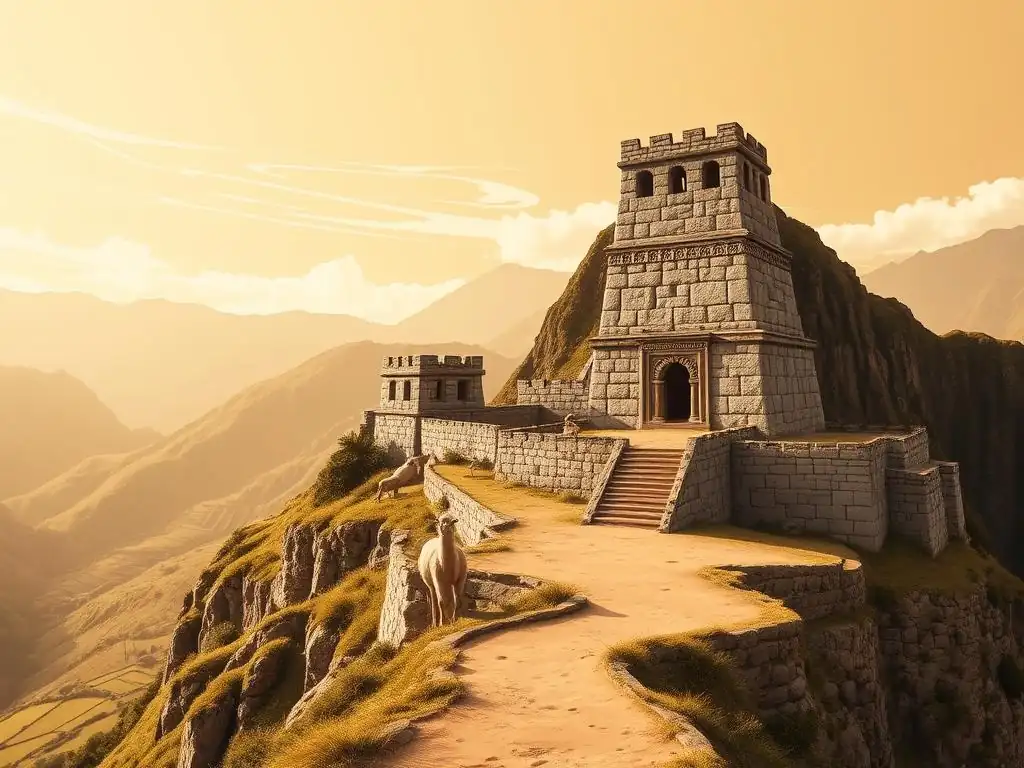
Inca fortress architecture is renowned for its strategic design, impressive construction techniques, and integration with the surrounding environment. These fortresses not only served as military strongholds but also symbolized the power and authority of the Inca civilization. Below, we explore the key features that define Inca fortress architecture.
Strategic Location of Inca Fortresses
Inca fortresses were often strategically located on elevated terrains, such as hilltops or mountain ridges, which provided a significant tactical advantage. This positioning allowed for:
- Surveillance: The high elevations enabled guards to observe vast distances, making it easier to detect approaching enemies.
- Natural Defense: The steep slopes and rugged landscapes acted as natural barriers against invaders.
- Control of Trade Routes: Many fortresses were situated along vital trade routes, allowing the Incas to monitor and control the movement of goods and people.
One of the most notable examples is Sacsayhuamán, located just outside Cusco. This fortress not only protected the capital but also served as a ceremonial site, emphasizing its dual role in Inca society.
Construction Materials Used in Inca Fortresses
The Incas were skilled builders who utilized locally sourced materials to construct their fortresses. The primary materials included:
- Stone: The use of large, precisely-cut stones is a hallmark of Inca architecture. These stones were often fitted together without mortar, showcasing advanced engineering skills.
- Adobe: In some regions, particularly in areas with less abundant stone, adobe bricks made from clay and straw were used.
- Wood: Timber was utilized for roofs, doors, and other structural elements, especially in areas where stone was less accessible.
The choice of materials was influenced by the local environment, with the Incas adapting their construction techniques to suit the available resources and climatic conditions.
Design Elements of Inca Fortresses
The design of Inca fortresses incorporated several distinctive elements that enhanced their functionality and aesthetic appeal. Key design elements include:
Terracing and Landscaping Techniques
Inca fortresses often featured terracing, which served multiple purposes:
- Erosion Control: The terraces helped prevent soil erosion on steep slopes, maintaining the structural integrity of the fortress.
- Agricultural Use: Some fortresses included terraced fields that allowed for agriculture at higher altitudes, supporting the garrison and local population.
- Aesthetic Appeal: The terraced landscape contributed to the visual grandeur of the fortresses, harmonizing with the natural environment.
Defensive Structures and Walls
The defensive architecture of Inca fortresses was robust and sophisticated:
- Thick Walls: Constructed from massive stones, the walls were designed to withstand attacks from both siege weaponry and infantry.
- Curved Walls: The strategic use of curved walls helped deflect projectiles and absorb impact, enhancing the fortress's defensive capabilities.
- Watchtowers: Many fortresses included elevated watchtowers that provided additional vantage points for surveillance and defense.
Gates and Entrances: Security Features
The entrances of Inca fortresses were meticulously designed to maximize security:
- Narrow Passages: Gates were often narrow, forcing attackers to enter one at a time, making it easier for defenders to repel an assault.
- Barriers and Traps: Some fortresses included features like pitfalls or barriers that could be deployed during an attack to thwart invaders.
- Control Mechanisms: Gates were typically equipped with heavy wooden doors that could be barred from the inside, providing an additional layer of security.
Inca fortress architecture features a remarkable blend of strategic planning, advanced engineering, and aesthetic consideration, reflecting the ingenuity and sophistication of the Inca civilization. Through their impressive fortifications, the Incas not only defended their territory but also demonstrated their power and influence across the Andes.
The Purpose of Inca Fortresses
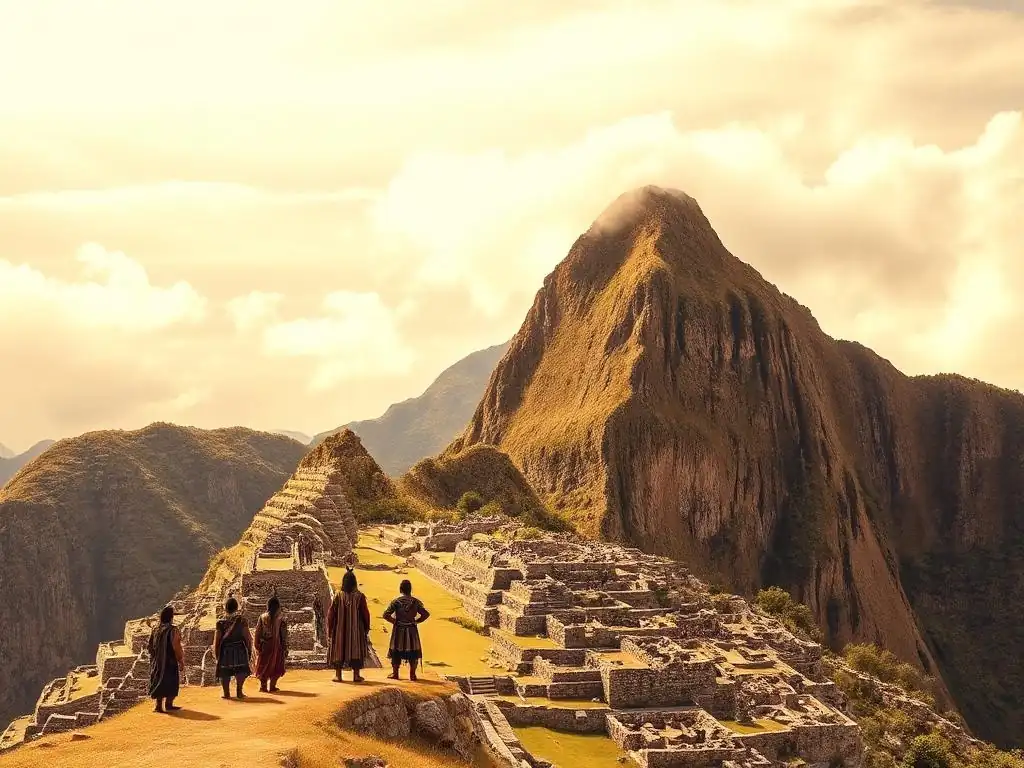
The Inca civilization, renowned for its exceptional architectural prowess, constructed a network of fortresses that served multifaceted purposes. These fortresses were not merely defensive structures but integral components of the Inca Empire's broader socio-political landscape. Understanding the purpose of these fortifications sheds light on the strategic and cultural significance of Inca fortress architecture features.
Military Functions of Inca Fortresses
Inca fortresses were primarily built for military defense, strategically positioned to protect against potential invasions from rival groups. The key military functions of these structures included:
- Defense against Enemies: Fortresses were located in areas that provided natural barriers, such as cliffs or mountains. For instance, the fortress of Sacsayhuamán near Cusco was constructed on elevated terrain, offering a vantage point for spotting approaching threats.
- Garrisons for Troops: Many fortresses housed soldiers and military personnel. They served as garrisons where troops could be stationed, trained, and mobilized quickly in case of an attack.
- Storage Facilities: These fortifications often included storage rooms for weapons, food supplies, and other essential resources, ensuring that military forces could sustain themselves during prolonged conflicts.
The architectural features of these military structures, such as thick walls and narrow entrances, were designed to maximize defensive capabilities. The use of ashlar masonry—large, precisely cut stones—enhanced the durability and resilience of these fortifications against sieges.
Beyond their military role, Inca fortresses were powerful symbols of the Empire's authority and control over its territory. They represented the might of the Inca rulers and their ability to exert dominance over vast regions. Key aspects of this symbolism include:
- Visible Markers of Control: Fortresses were often built on prominent hills or along key trade routes, serving as visible reminders of Inca power to both subjects and potential adversaries.
- Ceremonial Functions: Some fortifications were used for ceremonial purposes, where important rituals and events took place, reinforcing the connection between the state and its divine right to rule.
- Architectural Grandeur: The impressive scale and complexity of fortress designs communicated the engineering skills and resources available to the Inca civilization, showcasing their cultural sophistication.
The architectural aesthetics of these fortifications, featuring intricate stonework and alignments with astronomical events, also served to elevate the status of the Inca rulers and their connection to the cosmos.
Role in Inca Administration and Control
Inca fortresses played a crucial role in the administration and governance of the Empire. Their strategic placement and design facilitated effective control over the vast territories of the Inca civilization. The administrative functions included:
- Surveillance Points: Fortresses acted as surveillance outposts, allowing for the monitoring of surrounding areas for both military and administrative purposes. This ability to oversee the land helped maintain order and deter rebellions.
- Tax Collection and Resource Management: Many fortresses were involved in the collection of tribute and resources from local populations. They served as centers for managing the distribution of goods and services, reinforcing the economic control of the Inca state.
- Communication Hubs: The fortresses were vital in the Inca communication network, enabling the rapid transmission of messages across the Empire. Signal fires and runners were utilized to relay important information, ensuring that the central authority remained informed and responsive to local conditions.
The multifunctionality of Inca fortresses, combining military, ceremonial, and administrative roles, underscores their significance within the broader context of Inca civilization. Their enduring legacy can be seen in the archaeological remains that continue to capture the imagination of historians and visitors alike.
Notable Examples of Inca Fortresses
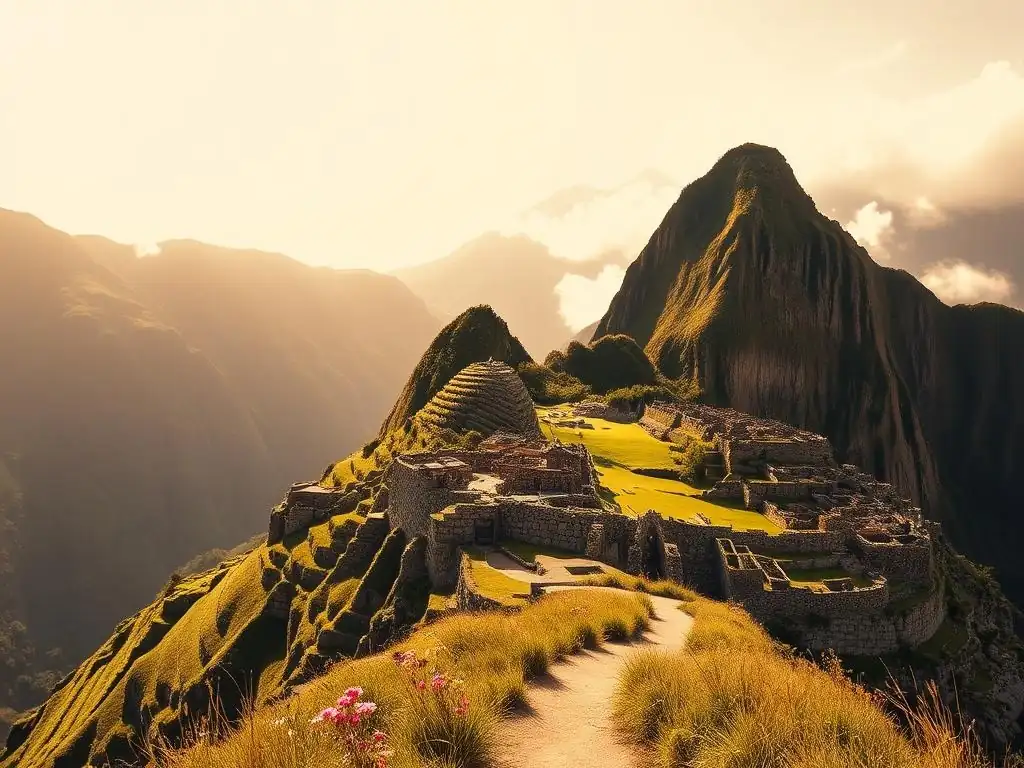
The Inca civilization is renowned for its remarkable architectural achievements, particularly in the construction of fortresses that served both defensive and ceremonial purposes. These structures not only illustrate the ingenuity of Inca engineering but also reflect the society's strategic military planning and cultural significance. Below are some of the most notable examples of Inca fortress architecture features that showcase this unique blend of function and artistry.
Sacsayhuamán: A Marvel of Inca Engineering
Sacsayhuamán stands as one of the most impressive examples of Inca fortress architecture. Located on the outskirts of Cusco, this fortress is distinguished by its massive stone walls, which consist of large, precisely cut stones fitted together without mortar. The architectural features of Sacsayhuamán include:
- Terracing: The fortress is built on a series of terraces that rise dramatically from the valley, providing a strategic advantage for defense.
- Zigzag Walls: The walls are constructed in a zigzag pattern, which helps to reinforce structural integrity and enhances the aesthetic appeal.
- Crenellations: The parapets are adorned with crenellations, allowing defenders to shield themselves while surveying the surrounding landscape.
The overall size and complexity of Sacsayhuamán not only display the Inca's architectural prowess but also their understanding of military strategy, as the site was critical in defending Cusco from potential invasions.
Ollantaytambo: A Fortress with Dual Functions
Ollantaytambo is another significant site that exemplifies Inca fortress architecture features. Originally designed as both a military stronghold and a religious center, this fortress is notable for its unique layout and impressive constructions. Key architectural elements include:
- Terraced Farming: The site features extensive agricultural terraces that were vital for sustaining the population during sieges, showcasing the Inca's ability to integrate agriculture with military needs.
- Massive Stone Blocks: The fortress is constructed from large stone blocks, some weighing several tons, which were carefully transported and assembled, demonstrating advanced engineering techniques.
- Water Management Systems: Ollantaytambo incorporates sophisticated water management systems, including aqueducts and channels, which supplied fresh water and aided in the cultivation of crops.
This dual-purpose structure not only served as a defensive bastion but also played a crucial role in military campaigns against the Spanish, illustrating the strategic importance of the site during the Inca Empire's expansion.
Q'enco: The Sacred and Strategic Site
Q'enco is a lesser-known but equally important Inca fortress that showcases unique architectural features intertwined with spiritual significance. Located near Cusco, this site combines elements of defense with sacred rituals. The notable aspects of Q'enco include:
- Rock Carvings: The site is adorned with intricate rock carvings that depict various animals and symbols, indicating its ceremonial importance alongside its military role.
- Caves and Chambers: Q'enco features a series of caves and chambers that were likely used for religious ceremonies and as strategic hideouts during conflicts.
- Natural Defense: The natural topography of the site, including cliffs and rocky outcrops, enhances its defensive capabilities, making it a formidable location for military operations.
Q'enco exemplifies the Inca's ability to harmonize their architectural endeavors with the spiritual beliefs that permeated their society, revealing the multifaceted nature of Inca fortress architecture.
These notable examples of Inca fortresses not only highlight the advanced architectural techniques employed by the Inca civilization but also reflect the cultural and strategic significance of these structures in their society. The Inca fortress architecture features found in Sacsayhuamán, Ollantaytambo, and Q'enco continue to inspire admiration and scholarly interest, serving as a testament to the ingenuity of the Inca people.
Comparison of Inca Fortresses with Other Indigenous Structures
Similarities and Differences with Mesoamerican Forts
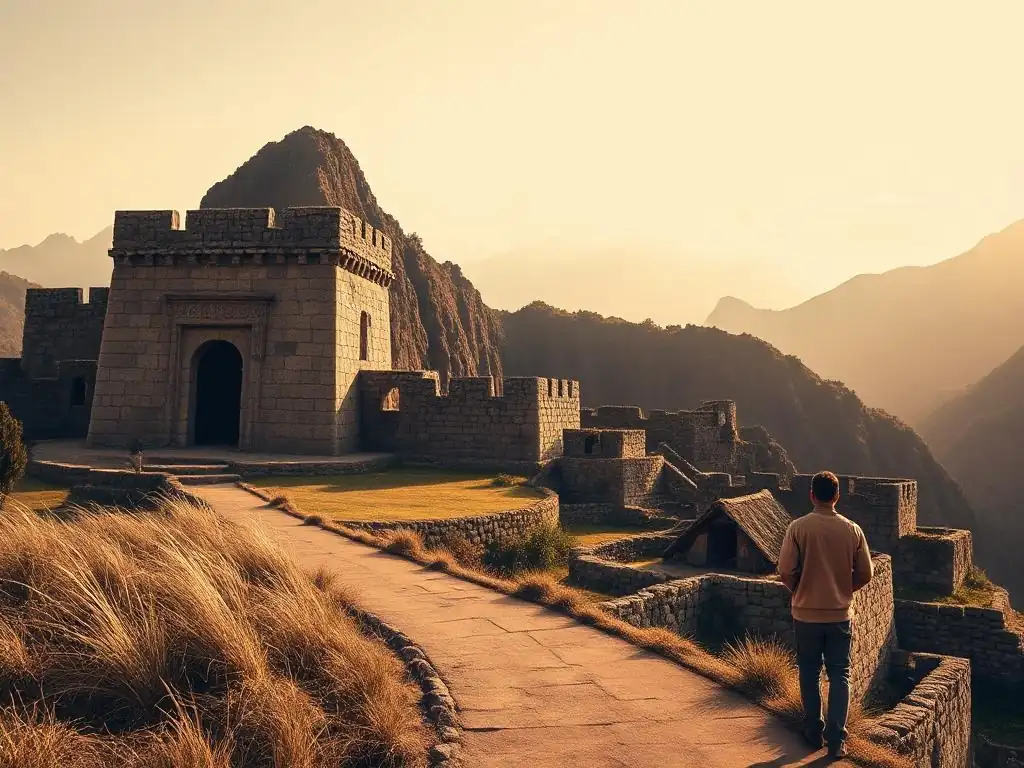
Inca fortress architecture features exhibit both unique characteristics and similarities to the fortifications found in Mesoamerican cultures. While both regions shared a common purpose of defensive architecture, their design philosophies, materials, and construction techniques varied significantly.
Similarities:
- Defensive Functionality: Both Inca and Mesoamerican forts were primarily designed for defense against enemies. They included features such as thick walls, strategic positioning on elevated terrain, and limited access points.
- Symbolism of Power: Fortresses in both cultures served as symbols of power and control. They were often built to demonstrate the strength of the ruling elite and to assert dominance over the surrounding areas.
- Ceremonial Importance: Many forts in both regions were also sites of significant cultural rituals and ceremonies, reflecting the intertwining of military and religious practices.
Differences:
- Construction Materials: Inca fortresses predominantly utilized stone and adobe, showcasing their sophisticated masonry skills. In contrast, Mesoamerican forts often relied on earth, wood, and thatch, which were more readily available in their environments.
- Architectural Style: The Inca employed a distinctive polygonal masonry style that allowed for greater stability and resistance to seismic activity. Mesoamerican forts, however, featured stepped pyramids and platforms, which were integral to their architectural identity.
- Geographic Adaptation: Inca fortresses were often built in rugged mountainous terrains, leading to designs that adapted to steep slopes and rocky outcrops. Mesoamerican structures were typically situated in more varied landscapes, allowing for different architectural responses to their environments.
Influence of Geographic Location on Fortress Design
The geographic location of Inca fortresses played a crucial role in shaping their architectural features and defensive strategies. The Andes Mountains, with their diverse topography and challenging climate, necessitated specific adaptations in fortress design.
Key Influences:
- Elevation and Terrain: Many Inca fortresses were strategically placed on high elevations, providing natural defense against invaders and an advantageous view of surrounding areas. The steep cliffs and rugged terrain were incorporated into the fortress architecture, with walls often built to blend seamlessly with the natural landscape.
- Climate Resilience: The varied climatic conditions of the Andes influenced construction materials and techniques. Inca architects used local stone to create fortifications that could withstand harsh weather, including heavy rains and earthquakes. This resilience is evident in the enduring structures that have survived centuries of natural challenges.
- Access to Resources: Proximity to resources such as water, fertile land, and building materials also guided the site selection for fortresses. Many forts were located near agricultural zones, ensuring that defenders had access to food and water supplies during sieges.
Summary Table of Geographic Influences
| Geographic Factor | Inca Fortresses | Mesoamerican Forts |
|---|---|---|
| Elevation | High altitudes, steep slopes | Varied elevations, often flat |
| Materials | Local stone, adobe | Earth, wood, thatch |
| Climate Adaptation | Designed for harsh weather | Adapted to tropical climates |
| Resource Access | Near agricultural areas | Often near major urban centers |
The fortress architecture of the Inca civilization is a fascinating study in how geographic factors influenced design and functionality, distinguishing it from Mesoamerican structures while also revealing underlying similarities in purpose and cultural significance.
The Legacy of Inca Fortress Architecture
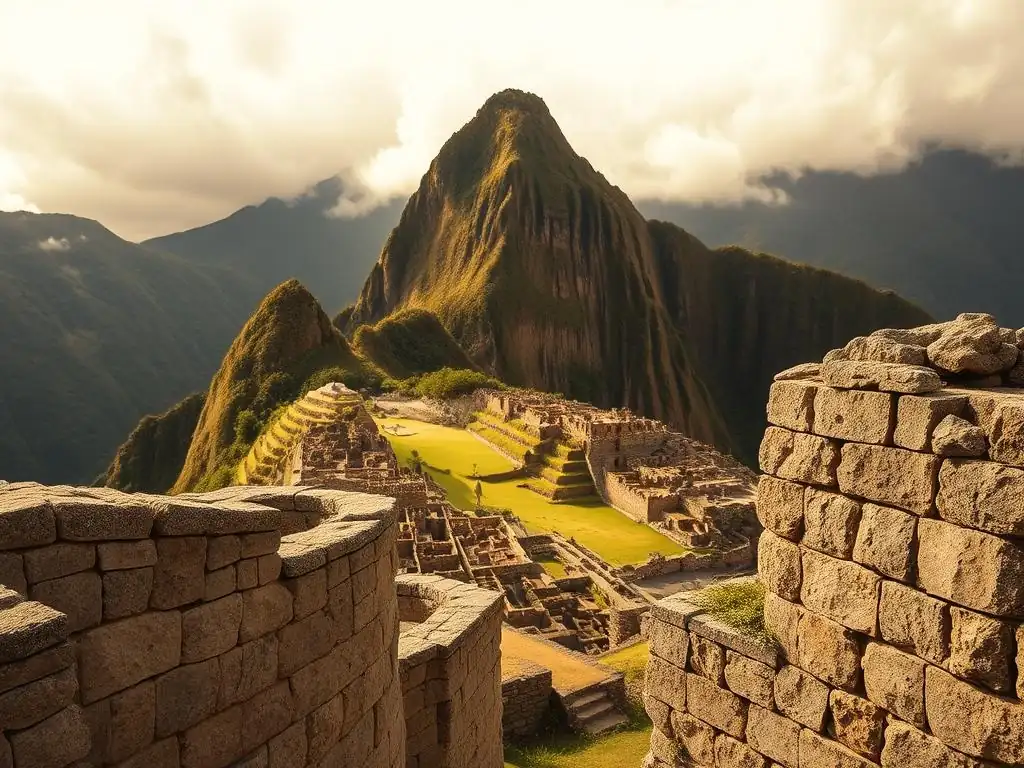
The legacy of Inca fortress architecture is a testament to the ingenuity and resilience of the Inca civilization. Built primarily during the 15th and early 16th centuries, these fortresses were not merely military structures; they embodied the social, political, and spiritual dimensions of Inca society. The strategic location of many fortresses, often perched atop rugged mountains or situated near vital trade routes, allowed the Incas to assert control over their territories and protect their people from both external threats and internal strife.
Inca fortresses, such as Sacsayhuamán and Ollantaytambo, exhibit distinctive architectural features that highlight their defensive capabilities. Massive stone walls, constructed using a technique known as ashlar masonry, demonstrate incredible precision as the stones were cut to fit snugly without the use of mortar. This method not only provided strength and stability but also allowed the walls to withstand seismic activity, a common occurrence in the Andes. The sheer scale of these fortifications, with some walls reaching heights of 12 meters (approximately 40 feet), signifies the power and authority of the Inca Empire.
Inca Fortresses in Modern Times
Today, Inca fortresses stand as remarkable cultural heritage sites that attract visitors from around the world. Their architectural features continue to inspire admiration and study, offering insights into the technological advancements of the Inca civilization. For instance, Sacsayhuamán, located near Cusco, remains a symbol of Inca engineering prowess, with its massive stones carefully shaped to interlock with one another. Visitors marvel at the precision and artistry of these ancient structures, which have endured centuries of natural wear and human activity.
Moreover, many of these fortresses have become integral to the identity of local communities. The sites are often associated with cultural revival movements and are celebrated in festivals that honor indigenous heritage. The preservation of these fortresses is crucial not only for historical understanding but also for fostering a sense of pride and continuity among indigenous peoples today.
Preservation Efforts and Cultural Significance
Efforts to preserve Inca fortress architecture have gained momentum in recent years, driven by both governmental and non-governmental organizations. These initiatives often focus on the restoration of structural integrity and the protection of surrounding ecosystems. For example, the restoration of Ollantaytambo has included the reinforcement of walls and pathways, ensuring that the site can withstand the pressures of tourism while maintaining its authenticity.
In addition to physical preservation, there is a growing recognition of the cultural significance of these fortresses. They are not just archaeological sites but living symbols of indigenous identity and resilience. Educational programs and community involvement in preservation efforts have become pivotal in fostering a deeper understanding of Inca history and its relevance to contemporary society.
The legacy of Inca fortress architecture is thus twofold: it serves as a monument to the engineering accomplishments of the Inca civilization and as a vital component of the cultural landscape that continues to shape the identities of indigenous communities in the Americas today. By safeguarding these structures, we honor the past while ensuring that future generations can appreciate the rich tapestry of Inca heritage.
Conclusion: The Enduring Impact of Inca Fortress Architecture
Summary of Key Features and Their Importance
Inca fortress architecture features are characterized by their robust design and strategic placement, serving both defensive and symbolic purposes. Key aspects include:
- Location and Terrain Utilization: Inca fortresses were often built on elevated land, utilizing the natural landscape to enhance visibility and security. This strategic positioning made it difficult for enemies to approach unnoticed.
- Construction Techniques: The use of finely cut stones that fit together without mortar, known as ashlar masonry, exemplifies the Inca's advanced engineering skills. This technique not only provided strength but also allowed the structures to withstand seismic activity, a crucial factor in the earthquake-prone Andes.
- Complex Layouts: Many fortresses featured intricate layouts with multiple terraces and platforms. This complexity served to confuse attackers and provided multiple layers of defense.
- Cultural Significance: Fortresses were not solely military structures; they also represented the power and authority of the Inca state. Many served as administrative centers and hubs for religious activities, integrating military and civic functions.
By examining these features, we can appreciate how Inca fortress architecture reflects a sophisticated understanding of both defensive strategies and social organization, marking a significant achievement in the realm of indigenous architecture.
Reflection on Inca Civilization's Architectural Innovations
The architectural innovations of the Inca civilization, particularly in fortress design, reveal a culture deeply attuned to its environment and the needs of its society. Their ability to create durable and functional structures demonstrates not only technical prowess but also a profound understanding of community needs.
- Integration with Nature: Inca architects skillfully integrated their fortresses with the surrounding environment, employing local materials and adapting designs to the regional topography. This harmonious relationship with nature is a hallmark of Inca architecture.
- Societal Organization: The layout of Inca fortresses often mirrored the hierarchical structure of Inca society. Higher terraces and fortified points symbolized power, while the organization of space within these structures facilitated both defense and governance.
- Legacy and Influence: The influence of Inca fortress architecture extends beyond their immediate historical context. The principles of location, material use, and community-oriented design continue to inspire modern architectural practices, highlighting the lasting impact of Inca innovations.
The exploration of Inca fortress architecture features not only sheds light on the military and civic priorities of the Inca civilization but also emphasizes their remarkable achievements in architecture and urbanism. Understanding these aspects enriches our appreciation for the complexity and sophistication of indigenous cultures in the Americas.
Frequently Asked Questions
What are the main features of Inca fortress architecture?
Inca fortress architecture is characterized by stone masonry, strategic location on high ground, and defensive structures such as walls and watchtowers, all designed to enhance military strength and control of the territory.
How did Inca fortresses reflect their societal structure?
The fortresses served not only as military installations but also as symbols of political power and control, showcasing the Inca's ability to organize and mobilize resources for defense and administration.
What materials were primarily used in Inca fortress construction?
The Incas predominantly used local stone, known for its durability and strength. Their construction techniques involved precise cutting and fitting of stones without the use of mortar, which contributed to the fortresses' resilience against earthquakes.
How did the geography influence Inca fortress locations?
Inca fortresses were often built on high elevations or strategic vantage points to provide a tactical advantage. This geography allowed for better surveillance of the surrounding areas and easier defense against invaders.
What is the significance of Inca fortresses in the context of cultural heritage?
Inca fortresses are crucial for understanding the military and political strategies of the Incas, as well as their architectural innovations. They are a testament to the rich cultural heritage and ingenuity of indigenous civilizations in the Americas.
Final Reflection: The Enduring Legacy of Inca Fortress Architecture
Inca fortress architecture features are not merely relics of the past; they represent a profound understanding of defense and power that resonates in today's world. The strategic designs and robust construction techniques employed by the Incas reflect a civilization that prioritized both security and authority, elements that continue to shape modern architectural practices. As we navigate an increasingly complex global landscape, the lessons from these ancient fortresses remind us of the importance of resilience and adaptability in our own structures, both physical and societal.
The influence of Inca fortress architecture extends beyond its physical remnants, shaping our cultural narrative and understanding of indigenous ingenuity. These fortifications symbolize a deep connection to the land and a sophisticated approach to community defense, which is still relevant as we confront contemporary challenges. As the historian John Hemming aptly noted, The Incas were not just builders; they were visionaries who understood the interplay between architecture, environment, and society.
This perspective invites us to appreciate how historical frameworks can inform our current and future endeavors, urging us to honor the wisdom of those who came before us.
As we reflect on the significance of Inca fortresses, I encourage you to consider how the principles of strength, unity, and strategic foresight can be applied in your own life. What can you build—be it in your personal relationships, community initiatives, or professional endeavors—that embodies the resilience of these ancient structures?
Let the ingenuity of the Incas inspire you to create spaces and connections that not only withstand the test of time but also empower those around you. Embrace the legacy of the Inca fortresses as a call to action, inviting you to construct your own fortifications of strength and purpose in a world that constantly challenges us.
Unveil the Secrets of Inca Fortresses!
Thank you for exploring the fascinating world of Inca fortresses with us! You’ve discovered how these incredible structures reflect not only architectural ingenuity but also the power dynamics of their time. Now, let’s turn your newfound knowledge into action!
- Dive deeper into Inca history by visiting a local museum or exploring online exhibits focused on Indigenous architecture.
- Share what you’ve learned with friends on social media to spread appreciation for these remarkable fortifications—tag us to join the conversation!
- Consider drawing inspiration from Inca design in your own projects. Reflect on how these ancient techniques might influence modern architecture.
What aspect of Inca fortresses inspires you the most to explore their history further?