
Urban Centers of the Inca: Discovering the Layouts of Cusco and Beyond

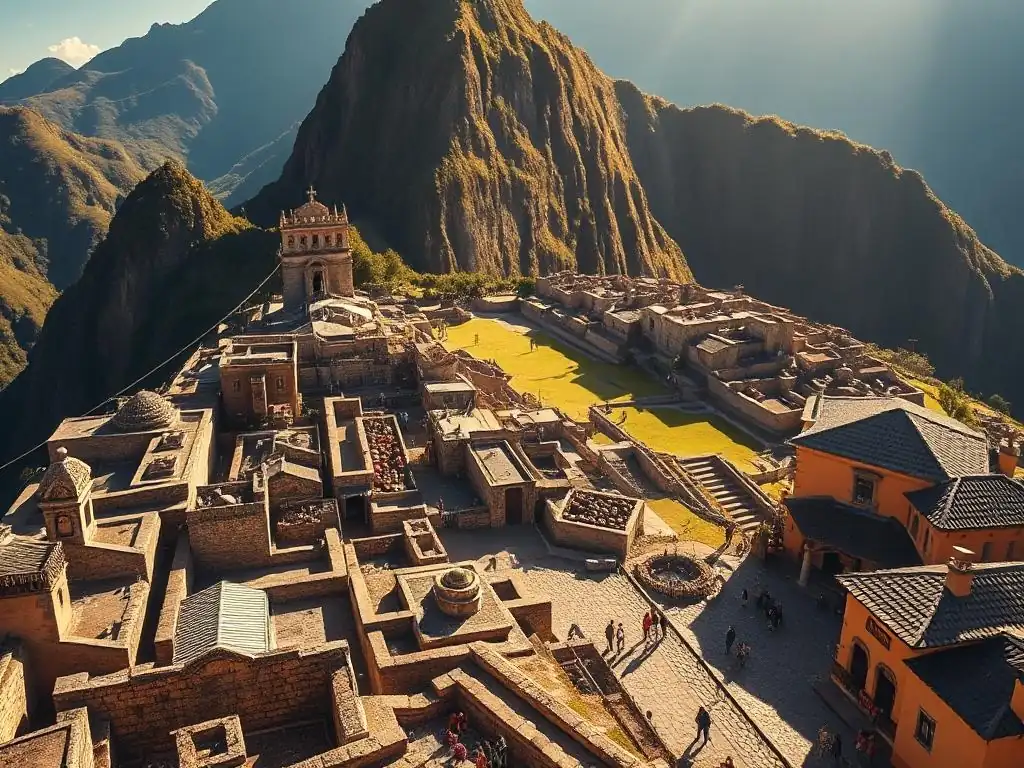
Welcome to Indigenous Civilizations of the Americas, where we invite you to journey through the rich tapestry of cultures that flourished long before European contact. Here, you'll uncover the intricate details of the Inca urban centers layouts, revealing the architectural genius behind cities like Cusco and beyond. What secrets do these ancient designs hold about their society and daily life? As you delve deeper into our insights and stories, prepare to be captivated by the remarkable achievements and enduring legacies of the Inca civilization. Join us in exploring a world that shaped the Americas in profound ways!
- Introduction to Inca Urban Centers Layouts
- Key Features of Inca Urban Centers
- The Layout of Cusco: The Inca Capital
- Other Notable Inca Urban Centers
- The Influence of Inca Urban Center Layouts on Modern Cities
- Challenges and Considerations in Studying Inca Urban Layouts
- Conclusion: Legacy of Inca Urban Centers Layouts
- Frequently Asked Questions
- Final Reflection: The Enduring Legacy of Inca Urban Centers
- Unveil the Secrets of Inca Urban Planning!
Introduction to Inca Urban Centers Layouts
The Inca civilization, a remarkable pre-Columbian society that flourished in the Andean region of South America, is renowned for its sophisticated urban planning and architectural prowess. This article delves into the intricate layouts of Inca urban centers, particularly focusing on Cusco, the empire’s capital, and other significant sites. By exploring the design and organization of these urban spaces, we gain insights into the social, political, and economic structures that defined Inca society.
The layouts of these cities not only demonstrate advanced engineering and aesthetic sensibilities but also reveal the cultural values and beliefs that sustained one of the most powerful empires in history. As we navigate through the details of these urban centers, we will uncover how their layouts contributed to the functionality and cohesion of Inca society, while also influencing urban designs in subsequent cultures.
Overview of Inca Civilization and Urbanism
The Inca Empire, which reached its zenith during the 15th and early 16th centuries, was characterized by a centralized government, an extensive road network, and impressive architectural achievements. Spanning across modern-day Peru, Ecuador, Bolivia, and parts of Chile and Argentina, the Inca civilization was one of the largest empires in pre-Columbian America.
- Key Features of Inca Society:
- Centralized Leadership: The Sapa Inca, or emperor, held absolute power.
- Social Stratification: A well-defined class structure ranging from nobles to commoners.
- Agricultural Innovation: Advanced agricultural techniques, including terracing and irrigation, supported a large population.
Inca urbanism was marked by a unique blend of functionality and spirituality. Cities were often constructed with a layout that reflected the cosmos, with important structures aligned to celestial bodies. For example, the layout of Cusco was intentionally designed to resemble a puma, symbolizing strength and power. The urban centers were not just places for habitation but were also focal points for administration, religion, and trade.
Importance of Urban Layouts in Inca Society
The layouts of Inca urban centers played a crucial role in shaping the daily lives of their inhabitants and the functioning of the empire as a whole. Here are several key aspects highlighting their importance:
- Strategic Planning: Inca cities were strategically located to optimize resources and trade routes. The placement of Cusco at the intersection of major roads facilitated communication and commerce across the vast empire.
- Cultural Significance: The urban layouts often reflected religious beliefs and social hierarchy. Temples, ceremonial sites, and palaces were strategically placed to emphasize their importance within the city.
- Economic Functionality: The design of urban centers allowed for efficient management of agricultural lands, markets, and storage facilities, ensuring the empire's economic sustainability.
The layouts of Inca urban centers were not merely practical arrangements but were deeply embedded with cultural significance and strategic foresight, embodying the essence of a civilization that harmonized architecture, society, and the environment. Understanding these layouts is essential for appreciating the complexities and achievements of the Inca civilization.
Key Features of Inca Urban Centers
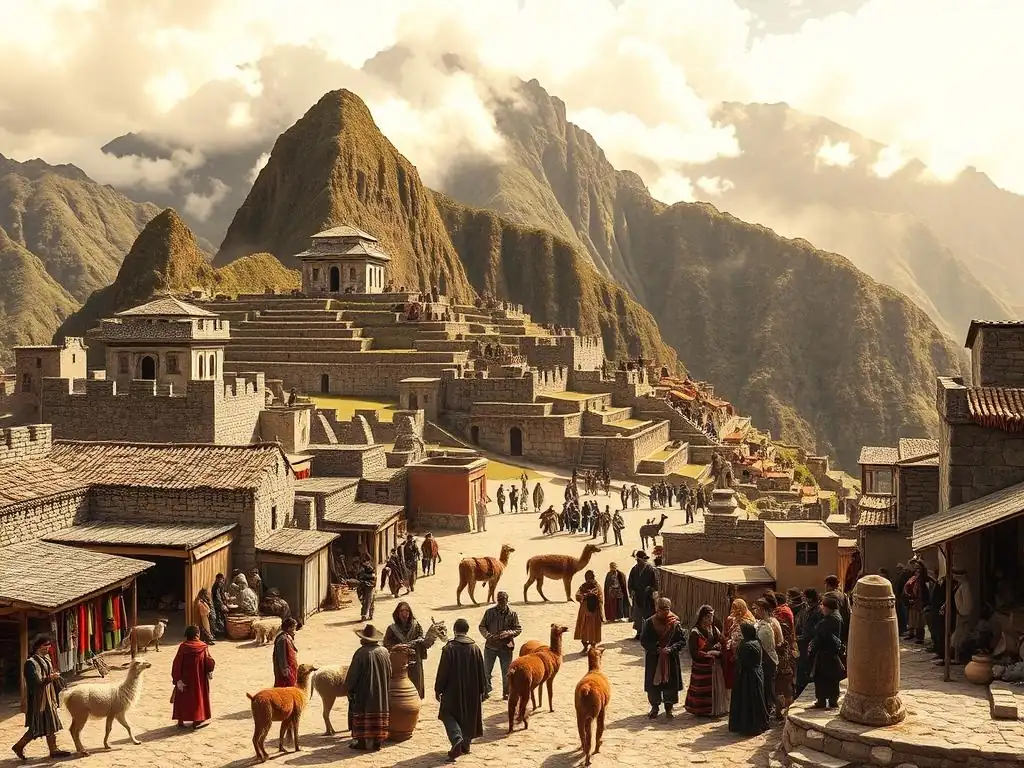
The urban centers of the Inca civilization, particularly in cities like Cusco, were carefully designed and constructed to reflect the society’s complex social structure, religious beliefs, and agricultural practices. Understanding these features provides insight into the sophisticated urban planning and architectural prowess that characterized the Inca civilization.
Strategic Location and Geography of Inca Cities
One of the most remarkable aspects of Inca urban centers is their strategic placement within the diverse geography of the Andes mountains. The Incas meticulously selected locations that offered both defensive advantages and access to vital resources.
- Topography: Most Inca cities were situated on elevated terrain, which provided natural fortifications against potential invaders. For example, Cusco was built on a hilltop, allowing for panoramic views of the surrounding valleys.
- Access to Resources: The cities were often located near fertile lands, essential for agriculture, and close to water sources, which were crucial for sustaining large populations. In this way, the layout was not only strategic but also practical.
- Network Connectivity: Inca urban centers were interconnected through an extensive network of roads and pathways, facilitating trade and communication. The famous Qhapaq Ñan (Inca road system) linked Cusco with other significant urban centers across the empire, enhancing economic and social interactions.
This careful consideration of location and geography contributed to the sustainability and longevity of Inca urban centers.
Architectural Elements of Inca Urban Design
The architectural features of Inca urban centers reflect a unique blend of functionality and aesthetic appeal, showcasing the Incas' advanced engineering skills.
-
Stone Construction: The Incas are renowned for their precision masonry, utilizing large, interlocking stones that required no mortar. This technique not only provided durability but also allowed buildings to withstand earthquakes, a frequent occurrence in the Andes.
Architectural Element Description Sacsayhuamán Walls Enormous stones, some weighing over 100 tons, demonstrate advanced engineering and construction techniques. Temple of the Sun A significant religious structure featuring intricate carvings and a sophisticated layout that reflects solar alignment. -
Urban Layout: The layout of Inca cities was often organized in a grid pattern, with streets that radiated from a central plaza. This central plaza served as the heart of political, social, and religious activities, emphasizing the importance of community in Inca society.
-
Functional Zoning: Different areas within the urban center were designated for specific functions, such as residential, agricultural, and ceremonial purposes. This zoning facilitated efficient urban living and helped maintain social order.
The architectural elements of Inca urban design not only served practical purposes but also conveyed the civilization's cultural identity.
Integration of Religious and Civic Structures
Inca urban centers are characterized by the seamless integration of religious and civic structures, reflecting the intertwining of governance and spirituality in their society.
- Civic and Religious Dominance: The central plazas typically housed temples, such as the Coricancha, which was dedicated to the sun god Inti. These religious buildings often occupied the most prominent positions within the city, symbolizing the power of the state and its divine endorsement.
- Ritualistic Spaces: The layout included spaces for ceremonial activities, with platforms and altars strategically placed to facilitate religious observances. These areas were essential for the community's cultural practices, reinforcing social cohesion and shared beliefs.
- Administrative Functions: Government buildings, including those used by the Sapa Inca (the emperor) and his officials, were constructed in proximity to religious sites. This proximity emphasized the connection between political authority and religious legitimacy, where decisions were often believed to be divinely inspired.
The integration of religious and civic structures in Inca urban centers illustrates the holistic approach the Incas took in their urban planning, reinforcing their cultural values and societal organization.
The Layout of Cusco: The Inca Capital
Historical Significance of Cusco as an Urban Center
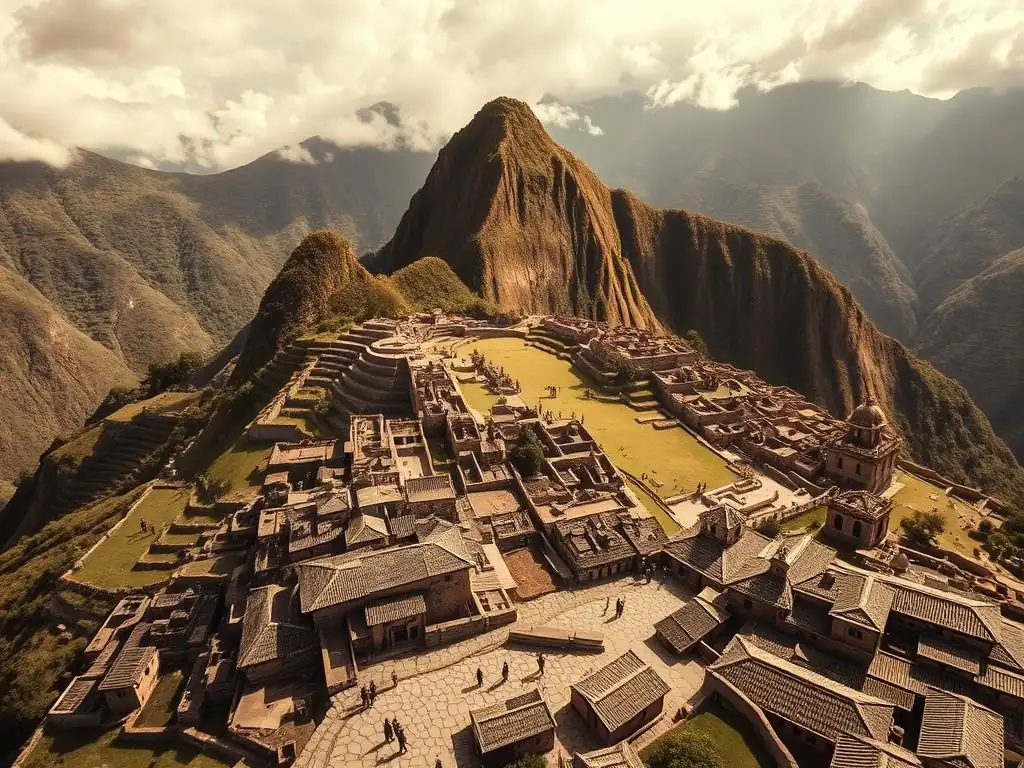
Cusco, known as the historic capital of the Inca Empire, holds immense historical significance as a thriving urban center. Established as early as the 12th century, Cusco served not only as the political and administrative heart of the Inca civilization but also as a cultural and religious hub. The very name "Cusco" translates to "navel" in Quechua, symbolizing its role as the center of the universe for the Incas.
The strategic location of Cusco, nestled in the Andean mountains, facilitated trade and communication across vast distances. The city's layout reflected the Inca's sophisticated understanding of urban planning, integrating natural landscapes and topography into its design. The use of local materials, such as limestone and adobe, enabled the construction of enduring structures that have withstood the test of time.
Furthermore, Cusco was designed to accommodate a diverse population, including nobility, artisans, and laborers. The urban center was divided into districts, each serving distinct functions—residential, administrative, and religious. This intricate organization allowed for efficient governance and social cohesion, showcasing the Incas' advanced approach to urbanism.
Analysis of Cusco's Urban Layout and Planning
The urban layout of Cusco is a testament to the Inca's architectural prowess and urban planning acumen. The city is characterized by a unique blend of geometric precision and functional design, which can be seen through several key features:
- Grid Pattern: The main part of the city was constructed in a grid pattern, which facilitated movement and organization. Streets were aligned with cardinal directions, emphasizing the Inca's cosmological beliefs.
- Terracing: The Incas utilized terracing on the slopes surrounding Cusco to maximize agricultural space. This practice not only supported food production but also helped stabilize the landscape, reducing erosion.
- Stone Construction: Cusco's buildings were primarily constructed from large stones, meticulously cut to fit together without mortar. This technique provided structural integrity and resilience against earthquakes, which are common in the region.
- Water Management: An advanced system of aqueducts and canals ensured the city had a reliable water supply, fundamental for both domestic use and agriculture. This infrastructure reflected the Incas' understanding of hydrology and sustainable practices.
- Cultural Landmarks: The layout incorporated significant cultural and religious landmarks, such as temples and plazas, which were strategically placed to reinforce the spiritual and political hierarchy of the society.
Overall, the urban layout of Cusco not only displays the Incas' architectural achievements but also encapsulates their social, religious, and political priorities.
The Role of Sacsayhuamán in Urban Design
Sacsayhuamán, an impressive archaeological site located on the outskirts of Cusco, played a pivotal role in the city's urban design. This fortress complex, constructed with massive stone walls, served multiple functions:
- Defense: The strategic positioning of Sacsayhuamán provided a formidable defense against potential invasions. Its location on a hill allowed for surveillance of the surrounding area.
- Ceremonial Center: Sacsayhuamán was not just a military installation; it also served as a ceremonial space. The annual Inti Raymi festival, celebrating the sun god Inti, was held here, highlighting its religious significance.
- Symbol of Power: The grandeur of Sacsayhuamán reflected the power and prestige of the Inca rulers. Its construction demonstrated the advanced engineering skills of the Incas and reinforced their dominance over the region.
- Integration with Cusco: The fortress was seamlessly integrated into Cusco’s urban layout. The roads leading to Sacsayhuamán were designed to facilitate easy access, showcasing the Inca's emphasis on connectivity within their urban centers.
Sacsayhuamán's multifaceted role in the urban design of Cusco illustrates the sophistication of Inca society in terms of both military and religious architecture.
The Main Plaza and Its Importance
The Main Plaza, or Huacaypata, served as the focal point of Cusco, encapsulating the city’s social, political, and economic life. This central square was characterized by several key attributes:
- Civic Engagement: The Main Plaza was a site for gatherings, celebrations, and public ceremonies. It fostered civic engagement and community cohesion among the diverse population of Cusco.
- Market Activities: As a bustling marketplace, the plaza facilitated trade and commerce. Merchants from various regions came to Huacaypata to exchange goods, reinforcing Cusco's role as a commercial hub in the Inca Empire.
- Architectural Features: Surrounding the plaza were impressive structures, including the Qorikancha, the Temple of the Sun, which underscored the plaza's religious significance. The alignment of these buildings with the plaza emphasized the Inca belief in the interconnectedness of their society.
- Symbol of Order: The design of the Main Plaza reflected the Inca's cosmological principles, symbolizing order and harmony. Its central location and symmetrical layout served to unify the various districts of Cusco.
The Main Plaza was not just a physical space but a vital element of the urban center's identity, representing the Inca's values, culture, and societal structure. Through its layout and functionality, it reinforced the concept of Cusco as the heart of the Inca civilization.
Infrastructure and Connectivity in Cusco
The Inca capital of Cusco was not only a political and spiritual center but also a marvel of urban planning and infrastructure. The layout of Cusco reflects the sophisticated understanding the Incas had of connectivity and transport, facilitating trade, communication, and cultural exchange throughout their vast empire.
Road Networks
One of the most remarkable features of Cusco's infrastructure was its extensive road network. The Incas built over 25,000 miles of roads connecting various regions of their empire, with Cusco at the heart of this system. These roads were carefully engineered, often paved with stone and designed to withstand the diverse Andean climate.
- Main Roads: The primary roads included the Qhapaq Ñan, which linked Cusco to significant cities and towns such as Machu Picchu, Ollantaytambo, and beyond.
- Secondary Routes: Smaller pathways connected Cusco to nearby agricultural zones, facilitating the transport of goods and resources.
This network allowed for efficient movement of armies, messengers, and traders, ensuring that Cusco maintained its status as the nexus of Inca civilization.
Agricultural Terraces and Irrigation
The Incas also implemented a sophisticated system of agricultural terraces around Cusco, which maximized arable land in the mountainous terrain. These terraces not only prevented soil erosion but also improved irrigation.
- Terracing Techniques: The Incas constructed stepped fields that utilized gravity to distribute water from nearby rivers, ensuring that crops received adequate moisture.
- Irrigation Channels: A series of canals directed water from the hills into the valley, supporting the growth of vital crops such as maize and potatoes.
The combination of terracing and irrigation exemplified the Inca's ingenuity in adapting their urban layout to the landscape, reinforcing their agricultural productivity.
Urban Layout and Zoning
Cusco's urban layout was meticulously planned, characterized by a distinct zoning system that divided the city into various sectors, each serving specific functions.
- Religious Districts: The Temple of the Sun (Qorikancha) and other religious structures formed the spiritual heart of the city, attracting pilgrims and visitors.
- Administrative Areas: Government buildings and residences for the elite were strategically placed to oversee the administration of the empire.
- Residential Zones: The common populace lived in organized neighborhoods, which facilitated community interaction and support.
This zoning not only optimized land use but also reinforced the social hierarchy that was a hallmark of Inca society.
Communication Systems
Communication was crucial in maintaining the cohesion of the vast Inca Empire. Cusco served as a central hub for relaying information across long distances.
- Chasquis: The Incas employed a relay system of runners known as chasquis, who would carry messages and goods between various points along the road network. These runners were strategically positioned to ensure rapid communication.
- Signal Systems: The use of quipus (knotted strings) for record-keeping and signaling further enhanced the Inca's ability to relay information efficiently.
This intricate system of communication was vital for the administration and military, allowing the Incas to respond swiftly to challenges throughout their territory.
Conclusion
The infrastructure and connectivity of Cusco exemplified the Inca's advanced understanding of urban planning and resource management. Through their expansive road networks, innovative agricultural practices, organized urban layout, and efficient communication systems, the Incas created a thriving capital that not only served as the heart of their civilization but also set the foundation for a vast empire. The legacy of Cusco's infrastructure continues to be a subject of admiration and study, reflecting the ingenuity of the Inca civilization.
Other Notable Inca Urban Centers
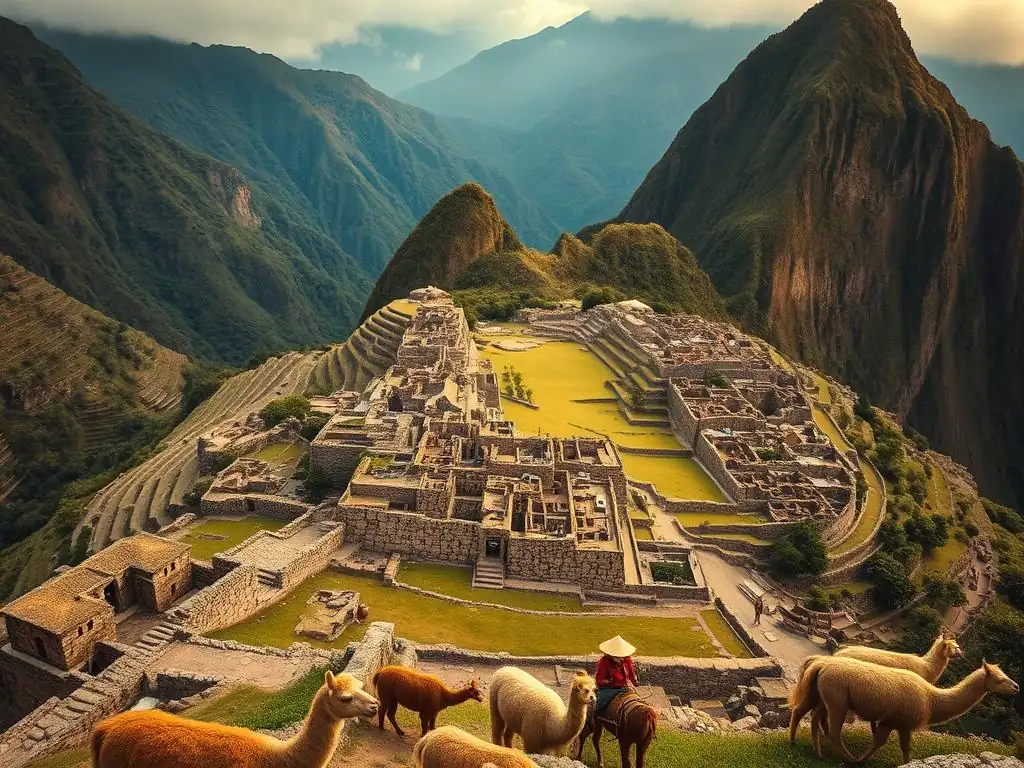
The Inca civilization was renowned for its sophisticated urban centers that reflected their architectural prowess and societal organization. Beyond the famed Cusco, several other urban centers exemplify the Inca's remarkable skills in urban planning and construction. This section will delve into two notable examples: Machu Picchu and Ollantaytambo.
Machu Picchu: A Model of Inca Urban Planning
Machu Picchu, often referred to as the "Lost City of the Incas," serves as a prime example of Inca urban planning and architectural brilliance. Nestled high in the Andes Mountains, this 15th-century site is not only a UNESCO World Heritage Site but also a testament to the ingenuity of Inca engineers.
Architectural Innovations in Machu Picchu
Machu Picchu's layout is characterized by its strategic placement and innovative construction techniques. Key features that highlight its architectural innovations include:
- Terracing: The use of agricultural terraces allowed for efficient farming on steep slopes, maximizing crop production while minimizing erosion.
- Water Management Systems: Advanced aqueducts and drainage systems ensured a reliable water supply and prevented flooding during heavy rains.
- Stone Masonry: The precision-cut stones used in construction not only provided structural integrity but also showcased the Inca's advanced masonry skills. The interlocking stones, without the use of mortar, allowed the structures to withstand seismic activity.
- Sacred Geometry: The urban layout of Machu Picchu reflects a deep understanding of astronomy and sacred geometry. Many buildings align with astronomical events, indicating the Incas' reverence for celestial bodies and their influence on daily life.
Machu Picchu's urban design embodies the Inca philosophy of harmony with nature, making it a significant representation of Inca urban centers layouts.
Ollantaytambo: The Living Inca Town
Ollantaytambo is another vital urban center that offers insights into the Inca civilization's architectural and urban planning capabilities. Known for its well-preserved ruins and continuous occupation, Ollantaytambo serves as a living testament to Inca urbanism.
Urban Layout and Agricultural Integration
The urban layout of Ollantaytambo is distinctive, featuring a combination of residential, agricultural, and ceremonial spaces. Key aspects of its design include:
- Grid System: The town is organized in a grid pattern, with narrow streets that facilitate movement and community interaction.
- Agricultural Terraces: Similar to Machu Picchu, Ollantaytambo employs extensive terracing for agriculture, allowing for the cultivation of various crops while effectively managing water flow.
- Cultural Significance: The presence of temples and ceremonial sites within the urban layout highlights the importance of religion and culture in daily life. The Temple of the Sun, for instance, showcases intricate stonework and aligns with astronomical events, reflecting the Inca's connection to the cosmos.
- Adaptation to Terrain: The layout of Ollantaytambo demonstrates the Incas' ability to adapt their urban designs to the challenging Andean landscape, ensuring that the town was both functional and harmonious with its environment.
By examining Ollantaytambo, we gain a deeper understanding of how Inca urban centers layouts were designed not only for functionality but also for cultural expression and agricultural sustainability.
Pisac: A Blend of Urban and Rural Elements
Pisac stands out as a remarkable example of Inca urban planning, seamlessly integrating urban and rural elements within its landscape. Located in the Sacred Valley of Peru, this ancient site is renowned for its strategic position overlooking the valley and its remarkable agricultural terraces. The layout of Pisac reflects the Inca's sophisticated understanding of both urban organization and agricultural practices, making it a pivotal center for trade and agriculture during the Inca Empire.
The urban layout of Pisac includes a series of distinct zones, such as residential areas, temples, and marketplaces, all connected by well-planned roads and pathways. Notably, the design features a central plaza, which served as a communal gathering space for various cultural and social events. This organization not only facilitated daily life for its inhabitants but also enhanced the flow of commerce, allowing Pisac to flourish as a vital economic hub.
Moreover, the surrounding agricultural landscape is characterized by an intricate system of terraces that demonstrate the Inca's ingenuity in adapting to the mountainous terrain. This blend of urban and rural elements at Pisac exemplifies the Inca's holistic approach to settlement design, ensuring that both the needs of urban dwellers and agricultural practices were harmoniously integrated.
The Terracing and Water Management Systems
The terracing system at Pisac is one of the most impressive aspects of its agricultural landscape, showcasing the Inca's advanced engineering skills and understanding of environmental sustainability. These terraces, built into the steep slopes of the Andes, allowed the Incas to maximize arable land and enhance crop production in a challenging environment. The terraces not only provided flat surfaces for cultivation but also minimized soil erosion and improved irrigation efficiency.
Water management was crucial to the success of the terraced fields. The Incas engineered sophisticated irrigation channels that diverted water from nearby streams and rivers to the terraces. These channels were carefully designed to ensure a steady supply of water, allowing for the cultivation of diverse crops, including potatoes, maize, and quinoa. The careful planning of these systems is a testament to the Incas' deep understanding of hydrology and their ability to manipulate natural resources to support their agricultural needs.
Additionally, the terraces also served a dual purpose by contributing to the overall urban environment of Pisac. They not only provided essential food resources for the population but also created a visually stunning landscape that emphasized the harmony between nature and human settlement. The terracing and water management systems at Pisac illustrate how Inca urban centers were not merely built environments but rather complex systems that integrated agricultural practices with urban living, reflecting the civilization's adaptability and foresight in harnessing their natural surroundings.
The Influence of Inca Urban Center Layouts on Modern Cities
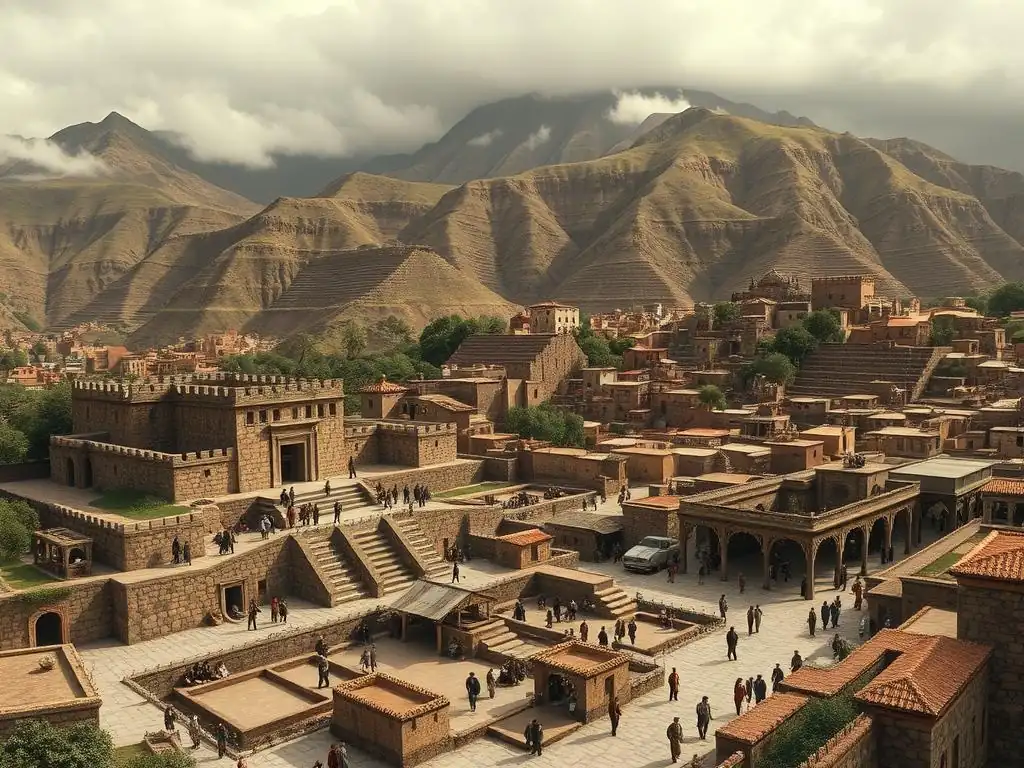
The urban centers of the Inca civilization, particularly Cusco, are remarkable examples of sophisticated urban planning that have influenced modern city layouts in various ways. The meticulous design and functionality of these ancient cities provide valuable insights into urban development, sustainability, and cultural identity, resonating through the ages to contemporary urbanism.
Preservation of Inca Urban Planning Principles
Inca urban planning was characterized by several key principles that emphasized harmony with the environment, social organization, and resilience. The preservation of these principles can be seen in various modern cities that have drawn inspiration from Inca designs.
- Terracing and Adaptation to Geography: The Incas utilized terracing to cultivate crops on steep slopes, an approach that enabled efficient land use and minimized erosion. This principle is mirrored in contemporary urban designs that adapt to difficult terrains, such as San Francisco, where houses are built on steep hillsides to maximize space and views.
- Centralized Urban Layout: The Inca layout often featured a central plaza surrounded by administrative, ceremonial, and residential buildings. This design fostered community engagement and social interaction. Modern cities like Brasília exhibit similar characteristics, with their planned central areas designed to facilitate civic life.
- Integration with Nature: The Incas revered their natural surroundings, incorporating natural features into their urban designs. This principle is increasingly relevant today as cities strive for sustainability, promoting green spaces and urban parks, akin to the approach taken by cities like Vancouver, known for its emphasis on nature within urban settings.
By studying these foundational aspects of Inca urban planning, contemporary urban planners can draw lessons on how to create cities that are not only functional but also culturally and environmentally conscious.
Comparisons with Contemporary Urban Designs
When comparing Inca urban center layouts to contemporary designs, several similarities and differences emerge, highlighting the evolution of urbanism while acknowledging the enduring legacy of Inca principles.
- Zoning and Functional Areas:
- Inca Layout: In Cusco, the layout was divided into specific zones for religious, administrative, and residential purposes. This zoning facilitated efficiency and order.
- Modern Counterpart: Many modern cities, such as New York City, follow a similar principle. They are divided into districts (e.g., commercial, residential, industrial) that serve distinct functions, demonstrating a continuation of the zoning concept.
- Transportation Networks:
- Inca Infrastructure: The Incas built extensive road systems that connected urban centers, allowing for trade and communication across vast distances. Their roads were engineered to withstand diverse terrains.
- Contemporary Systems: Modern cities like Tokyo also prioritize transportation networks, with intricate subway systems and roadways designed to manage high population density. Both systems highlight the importance of connectivity in urban planning.
- Cultural Significance:
- Inca Emphasis: Inca urban centers often reflected their cultural and spiritual beliefs through the placement of temples and plazas. For example, the Temple of the Sun (Qorikancha) was strategically located in Cusco to symbolize the Inca’s relationship with their deities.
- Modern Reflection: Today, cities like Rome and Istanbul continue this tradition, where historical and cultural landmarks are central to urban layouts, showcasing the importance of heritage in contemporary city planning.
The influence of Inca urban center layouts extends beyond historical significance; it continues to inform and inspire modern urban design. By integrating principles of environmental adaptation, social organization, and cultural significance, contemporary cities can honor this rich legacy while addressing the challenges of urbanization in the 21st century.
Challenges and Considerations in Studying Inca Urban Layouts
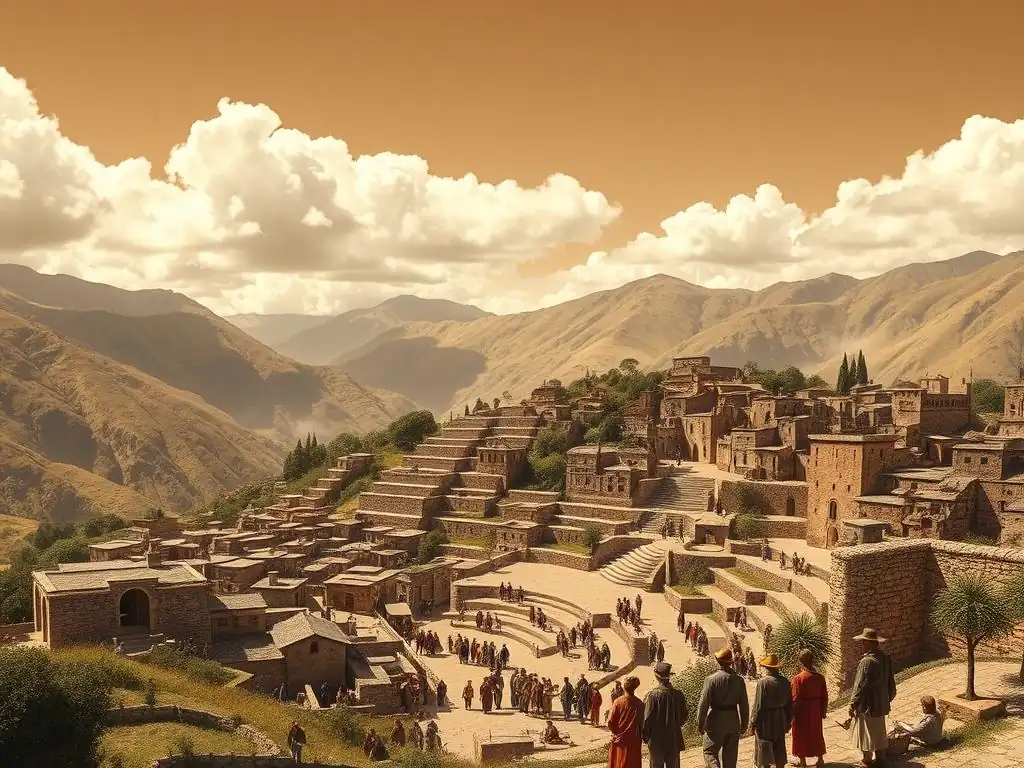
The study of Inca urban centers, particularly their layouts, presents a variety of challenges and considerations that researchers must navigate. From archaeological limitations to the influence of climate and geography, understanding the complexities of these ancient cities requires a multi-faceted approach.
Archaeological Limitations and Discoveries
Archaeological research into Inca urban centers is often hampered by several key limitations:
- Site Destruction: Many Inca urban layouts have been subjected to destruction over the centuries due to natural disasters, agricultural expansion, and urban development. This makes it difficult for archaeologists to gain a complete understanding of the original layouts.
- Limited Written Records: The Inca civilization relied heavily on oral tradition, and their lack of written documentation leaves gaps in our understanding of urban planning and architecture. Most available records come from Spanish chronicles, which may not accurately represent Inca practices.
- Fragmented Evidence: Often, the remains of Inca urban centers are fragmented. Excavations can reveal only parts of the original structures, leading to incomplete reconstructions. For example, while some temples and administrative buildings have been uncovered, residential areas may remain largely unexplored.
Despite these challenges, significant discoveries have been made that illuminate the sophistication of Inca urban layouts. For instance, the layout of Cusco, with its distinctive shape that mimics a puma, has provided insights into how symbolic representation influenced urban design. The meticulous planning evident in the construction of roads, terraces, and irrigation systems also highlights the Inca's advanced engineering skills.
The Impact of Climate and Geography on Inca Architecture
The geographical context of the Inca civilization played a pivotal role in shaping their urban centers. Key factors include:
- Diverse Landscapes: The Inca Empire stretched across a variety of climates and terrains, from the arid highlands to lush river valleys. This diversity necessitated different architectural approaches and materials. For example, in coastal regions, adobe structures were common, while in the highlands, stone was favored for its durability.
- Earthquake Resistance: The Andes are seismically active, and Inca architecture reflects this reality. Buildings were constructed with interlocking stones and a trapezoidal design, allowing structures to flex and absorb seismic shocks. This innovation is evident in sites like Sacsayhuamán, where large stones have withstood the test of time.
- Water Management: The Inca excelled in hydraulic engineering, which was crucial for sustaining urban centers in varying climates. They developed sophisticated irrigation systems and aqueducts that not only supported agriculture but also enhanced urban living conditions. The careful planning of these systems demonstrates an understanding of hydrology that was advanced for its time.
The study of Inca urban centers' layouts is not only a journey through architecture but also an exploration of the cultural, environmental, and technological factors that shaped one of the most remarkable civilizations in history. Understanding these challenges and considerations is essential for appreciating the complexities of Inca urbanism.
Conclusion: Legacy of Inca Urban Centers Layouts
The urban centers of the Inca civilization, particularly Cusco and its surrounding cities, present a profound legacy that continues to resonate through time. These layouts were not merely functional; they were intricate systems that reflected the sociopolitical and cultural values of the Inca. The design principles employed in these urban centers have left an indelible mark on the architectural practices and urban planning methodologies that followed.
Lasting Impact on Indigenous Cultures
The influence of Inca urban centers layouts extends far beyond their immediate geographical boundaries. The architectural and urban planning innovations introduced by the Incas have significantly shaped the development of indigenous cultures throughout the Andes region and beyond. Key aspects include:
- Terracing and Agricultural Practices: The Inca's use of terracing not only optimized arable land but also demonstrated an advanced understanding of irrigation and soil conservation. Many indigenous communities today still utilize similar techniques, revealing a continuity of agricultural practices rooted in Inca innovation.
- Road Systems: The extensive road networks established by the Incas, such as the famous Inca Trail, facilitated trade, communication, and cultural exchange among diverse indigenous groups. This infrastructure laid the groundwork for subsequent regional connectivity and remains a vital aspect of Andean culture.
- Architectural Styles: The characteristic stone masonry and urban layouts of Inca cities have influenced indigenous architectural practices. Many contemporary Andean structures reflect these historical designs, preserving the aesthetic and functional principles established centuries ago.
These elements illustrate how the Inca civilization's urban layouts have permeated the cultural fabric of indigenous societies, fostering a sense of identity and continuity.
Continued Relevance in Modern Urban Studies
The study of Inca urban centers layouts offers invaluable insights into modern urban studies, particularly in the realms of sustainable development and cultural preservation. Researchers and urban planners can draw from Inca principles to address contemporary urban challenges. Key areas of relevance include:
- Sustainable Urban Design: The Inca's integration of natural landscapes within urban settings exemplifies sustainable design. Current urban planning initiatives can benefit from these historical practices, promoting harmony between built environments and ecological systems.
- Community-Centric Planning: The Inca urban layouts prioritized communal spaces, which fostered social interaction and cohesion. This aspect serves as a model for modern urban planners aiming to create inclusive public spaces that enhance community well-being.
- Cultural Sensitivity in Urban Development: Understanding Inca urban layouts emphasizes the importance of respecting cultural heritage in urban development. Modern cities can learn to incorporate indigenous knowledge and practices, ensuring that development is not only functional but also culturally relevant.
The legacy of Inca urban centers layouts is multifaceted, influencing both the indigenous cultures of the Americas and the field of modern urban studies. By examining these historical precedents, we can glean essential lessons that inform sustainable and culturally sensitive approaches to urban development today.
Frequently Asked Questions
What were the main features of Inca urban centers?
Inca urban centers were characterized by advanced architectural designs, including terraces, plazas, and road systems that facilitated trade and communication.
How did the layout of Cusco reflect Inca society?
The layout of Cusco was designed to symbolize the Inca cosmology, with the Sacsayhuamán fortress and the main plaza at the center, showcasing their religious and political significance.
What role did agriculture play in the design of Inca urban centers?
Agriculture was crucial; terraced farming allowed for effective land use and helped support the growing urban populations by maximizing arable land.
How did the Inca urban layouts influence future city planning?
Inca urban layouts introduced concepts of organized space and infrastructure, influencing later urban development in the region and setting a precedent for sustainable design.
What are some examples of Inca urban centers beyond Cusco?
Beyond Cusco, notable Inca urban centers include Machu Picchu and Ollantaytambo, both showcasing the unique layouts and architectural expertise of the Inca civilization.
Final Reflection: The Enduring Legacy of Inca Urban Centers
The exploration of Inca urban centers layouts reveals not only the architectural brilliance of the Inca civilization but also their profound understanding of urban planning that resonates with contemporary society. Today, as we navigate the complexities of urbanization and sustainability, the lessons drawn from the meticulous layouts of Cusco and other Inca cities serve as a poignant reminder of how thoughtful design can enhance community life and environmental harmony. The Inca’s ability to integrate their urban spaces with the surrounding landscape underscores a timeless principle: that cities must coexist with nature rather than dominate it.
The influence of Inca urban planning continues to shape our cultural and social landscapes, inspiring modern architects and urban planners to adopt principles of sustainability and community focus. As we witness a resurgence in valuing historical wisdom in contemporary design, it becomes clear that the Inca's legacy is not just a relic of the past but a guiding force for the future. The past is not dead; it is not even past.
This quote by William Faulkner encapsulates the enduring relevance of the Inca urban centers, reminding us that their innovative layouts can inform our approach to building resilient and inclusive cities today.
As we reflect on the intricate designs of the Inca urban centers, let us carry forward their spirit of innovation and respect for nature into our own lives and communities. I invite you to consider how the principles of balance, sustainability, and community engagement can be woven into your personal or professional endeavors. Together, we can honor the legacy of the Inca by creating urban spaces that not only meet the needs of today but also pave the way for a harmonious future.
Unveil the Secrets of Inca Urban Planning!
Thank you for exploring the captivating world of Inca urban centers with us! By delving into the designs of Cusco and its surrounding areas, you've unlocked a deeper understanding of how these ancient civilizations thrived. Now, let’s take the next step to immerse yourself further in this fascinating topic.
Here’s how you can expand your knowledge and engage with the rich heritage of the Inca civilization:
- Join a local archaeological tour to experience the history and layout of Inca urban centers in person!
- Share your insights by discussing this article with friends or participating in online communities focused on indigenous history.
- Explore additional resources or books on Inca architecture and urban planning to deepen your understanding.
What aspect of Inca urban design fascinates you the most, and in what ways do you think it has influenced contemporary city planning?