
How Inca Agricultural Practices Influenced Modern Farming Techniques

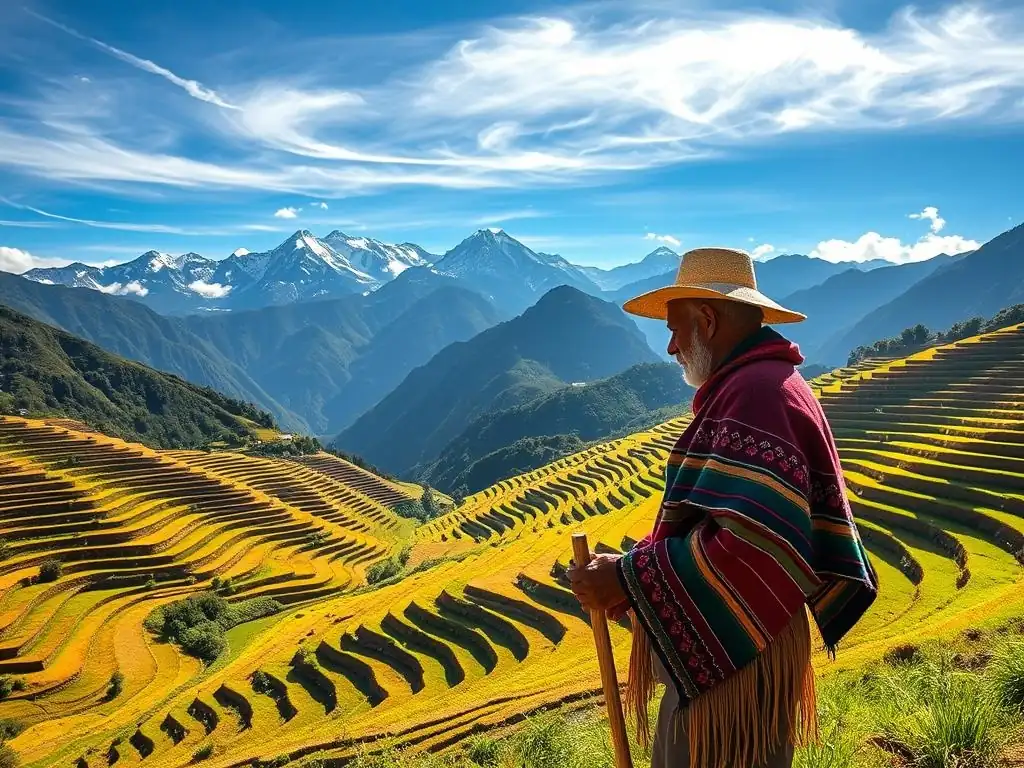
Welcome to Indigenous Civilizations of the Americas! Here, we invite you to embark on a fascinating journey through the rich tapestry of indigenous cultures that flourished across the Americas long before European contact. Our featured article, "How Inca Agricultural Practices Influenced Modern Farming Techniques," delves into the innovative farming methods of the Inca civilization, revealing how their sustainable practices continue to shape contemporary agriculture. As you explore, prepare to uncover the profound achievements and enduring legacies of these remarkable societies, igniting your curiosity about their impact on the world today.
- Introduction to Inca Agricultural Practices
- Key Features of Inca Agricultural Practices
- Influence of Inca Agricultural Practices on Modern Farming Techniques
- Case Studies of Inca Practices in Modern Farming
- Challenges and Limitations of Implementing Inca Agricultural Practices Today
- Conclusion: The Lasting Impact of Inca Agricultural Practices on Modern Farming
- Frequently Asked Questions
- Final Reflection: The Enduring Legacy of Inca Agricultural Practices
- Embrace Ancient Wisdom for Modern Growth!
Introduction to Inca Agricultural Practices
The Inca civilization, one of the most remarkable indigenous societies in the Americas, thrived in the Andean region from the early 15th century until the Spanish conquest in the 16th century. Their sophisticated agricultural practices not only supported their large population but also laid the groundwork for modern farming techniques. Understanding how Inca agricultural practices influence farming today is essential, as it reveals the ingenuity and adaptability of this ancient society.
From terrace farming to advanced irrigation systems, the Inca developed methods that enhanced crop yields and sustained their communities. This article will delve into the agricultural innovations of the Inca and explore their lasting impact on contemporary agricultural practices.
Overview of Inca Civilization and Its Agricultural Innovations
The Inca civilization was characterized by its vast empire that expanded along the western coast of South America, covering parts of present-day Peru, Ecuador, Bolivia, and Chile. At the heart of their society was a complex agricultural system that enabled them to cultivate a diverse range of crops, including potatoes, maize, and quinoa.
One of the most significant innovations was the development of terrace farming. By transforming steep mountainous terrain into flat, arable land, the Incas were able to maximize their agricultural output. This method also helped in managing water runoff and soil erosion, demonstrating their deep understanding of environmental sustainability.
In addition to terrace farming, the Incas implemented advanced irrigation techniques, such as aqueducts and canals, to ensure a consistent water supply. These systems were designed to distribute water efficiently across their fields, allowing for more reliable crop production.
| Innovation | Description |
|---|---|
| Terrace Farming | Conversion of steep land into flat, productive terraces. |
| Irrigation Systems | Use of aqueducts and canals for efficient water distribution. |
| Crop Diversity | Cultivation of various crops suited to different altitudes. |
Importance of Agriculture in Inca Society
Agriculture was not merely a means of sustenance for the Inca; it was the foundation of their economy and social structure. The agricultural surplus generated allowed for the support of a complex society with specialized roles, including artisans, priests, and warriors. The Incas developed a state-controlled system where the government managed land distribution and crop production, ensuring that all citizens received adequate food supply.
The crops grown were not only essential for local consumption but also played a significant role in trade and tribute systems. The mit'a system, a form of labor tax, required citizens to contribute labor to agricultural projects, which further strengthened the community and the state.
The agricultural practices of the Incas have left a profound legacy, influencing modern farming techniques through sustainable practices and efficient land use. As we explore further, we will discover how these ancient methods continue to resonate in today’s agricultural landscape.
Key Features of Inca Agricultural Practices
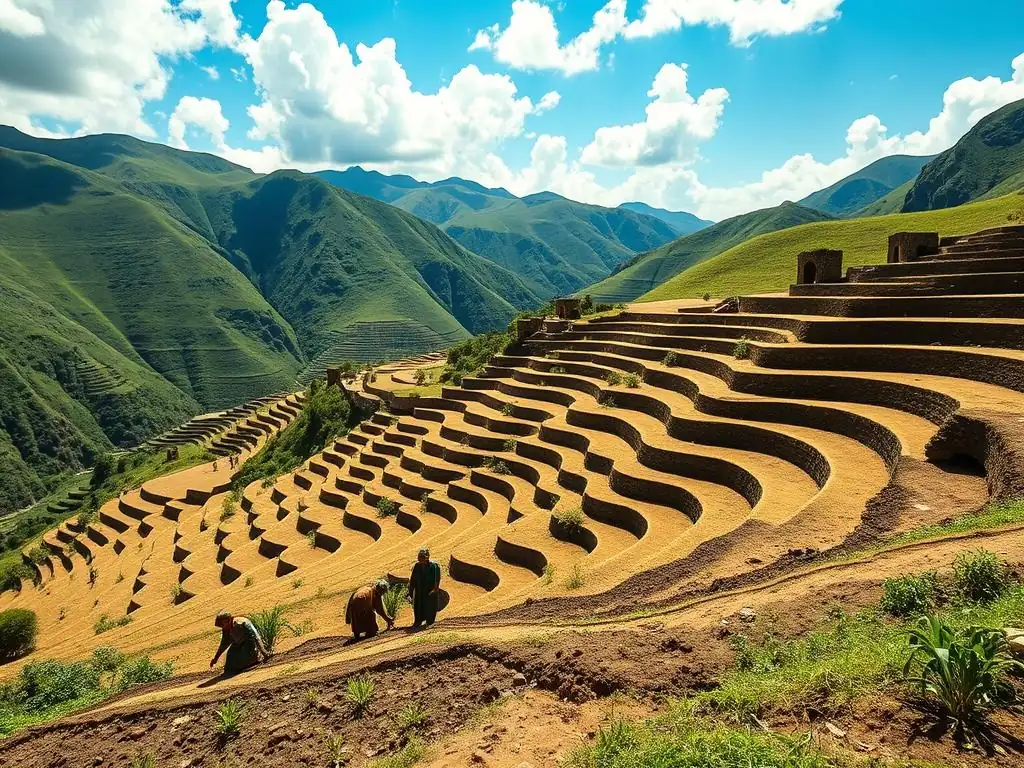
The Inca civilization, renowned for its sophisticated agricultural techniques, developed methods that not only sustained their vast empire but also laid the foundations for modern farming practices. These techniques were characterized by their ingenuity and adaptability to the diverse geographical landscapes of the Andes Mountains. The following sections delve into the critical components of Inca agricultural practices that continue to influence contemporary farming techniques.
Terracing Techniques: Maximizing Arable Land
Terracing was one of the most significant innovations of Inca agriculture, enabling the civilization to cultivate crops on steep mountain slopes. This technique involved sculpting the landscape into a series of flat platforms, which reduced soil erosion and maximized the use of arable land.
- Benefits of Terracing:
- Soil Conservation: Terraces helped retain water and nutrients, preventing runoff and erosion, which is essential in the fragile Andean ecosystems.
- Microclimates: Different terrace levels created varied microclimates, allowing for the cultivation of diverse crops suited to specific environmental conditions.
- Increased Productivity: By expanding the area available for farming, the Incas could produce more food, supporting their growing population and complex society.
The effectiveness of terracing can be observed in modern sustainable farming practices that aim to combat soil erosion and enhance land use efficiency. Many contemporary farmers utilize similar techniques, adapting them to local conditions while drawing inspiration from Inca methods.
Irrigation Systems: Water Management in Inca Farming
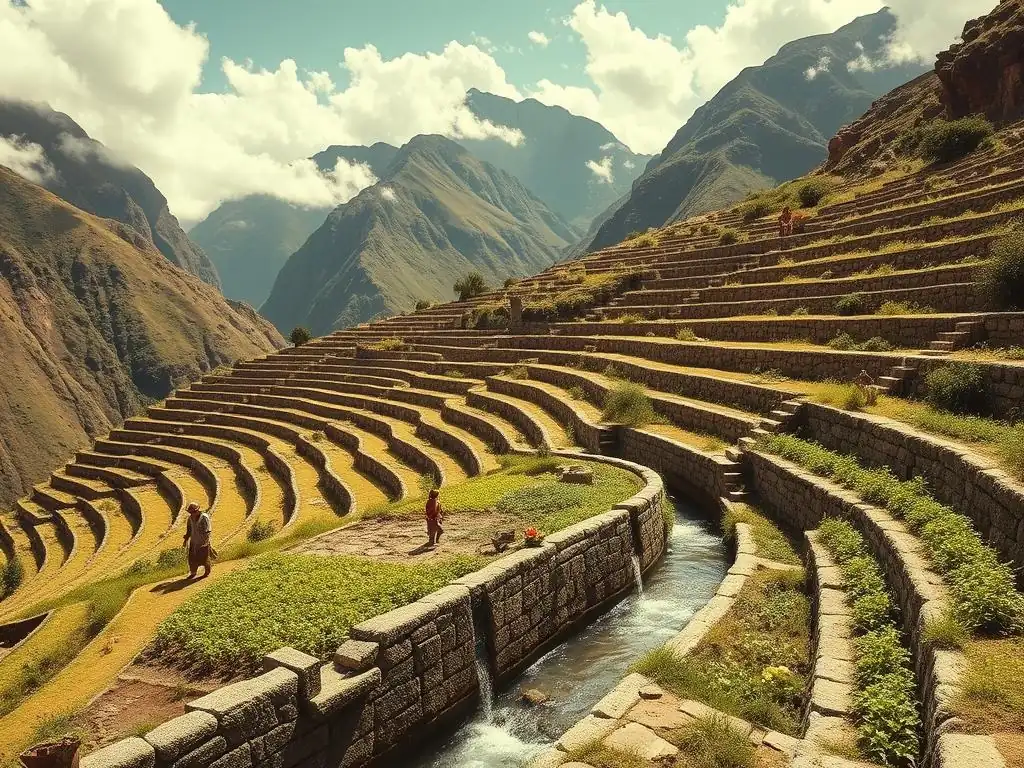
Inca irrigation systems were a remarkable feat of engineering, designed to manage water resources effectively across the arid regions of the Andes. The Incas constructed an extensive network of canals and aqueducts that transported water from rivers and streams to their fields.
- Key Features of Inca Irrigation:
- Canal Systems: These canals were often lined with stone and carefully graded to ensure efficient water flow, minimizing evaporation and maximizing delivery to crops.
- Water Distribution: The Incas implemented sophisticated methods for distributing water evenly across their fields, often using sluice gates to control flow rates.
- Reservoirs: They built reservoirs to store excess water during the rainy season, ensuring a reliable supply during dry periods.
Modern agriculture continues to benefit from these ancient irrigation techniques, particularly in regions where water scarcity is a pressing concern. The principles of efficient water management established by the Incas are echoed in contemporary practices that seek to enhance water conservation and optimize irrigation efficiency.
Crop Diversity: The Role of Native Crops in Inca Agriculture
The Inca civilization was notable for its cultivation of a wide variety of crops, which played a crucial role in their economy and diet. The emphasis on crop diversity not only ensured food security but also contributed to the resilience of their agricultural systems.
- Key Crops Cultivated:
- Potatoes: The Incas are credited with domesticating over 3,000 varieties of potatoes, which were pivotal in their diet and have influenced modern potato farming.
- Quinoa: This highly nutritious grain was cultivated extensively, providing a vital protein source that has seen a resurgence in contemporary health food markets.
- Maize: The Incas grew various types of maize, which was integral to their diet and ceremonial practices.
The Inca approach to crop diversity aligns closely with modern sustainable agriculture principles that advocate for crop rotation and polyculture. By diversifying crops, farmers today can improve soil health, reduce pest outbreaks, and increase resilience against climate fluctuations, echoing the wisdom of Inca agricultural practices that influence farming to this day.
Influence of Inca Agricultural Practices on Modern Farming Techniques
Adoption of Terracing in Contemporary Agriculture
Terracing is one of the most significant legacies of Inca agricultural practices, allowing farmers to cultivate on steep slopes while preventing soil erosion. The Incas engineered terraces that extended across the Andean mountains, transforming rugged terrain into arable land. This technique not only maximized agricultural output but also improved water retention, crucial for crop growth in arid regions.
Modern agriculture has increasingly recognized the benefits of terracing, especially in regions prone to soil erosion and water runoff. Today, farmers around the world are adopting terracing techniques to enhance soil conservation and crop yield. For instance:
- Erosion Control: Terracing reduces the velocity of water runoff, minimizing soil loss.
- Water Management: It aids in capturing and utilizing rainwater effectively, which is vital in regions with irregular rainfall patterns.
- Crop Diversity: Terraces can accommodate various crops, promoting biodiversity, similar to the Incan approach.
In regions like Southeast Asia and parts of South America, farmers have integrated these ancient practices into their sustainable farming methods, showcasing how Inca agricultural practices influence farming techniques today.
Modern Irrigation Inspired by Inca Systems
The Incas developed sophisticated irrigation systems that included canals, aqueducts, and reservoirs, effectively managing water resources across their empire. Their methods allowed for the cultivation of crops in otherwise inhospitable environments, showcasing their advanced understanding of hydrology.
Today’s agricultural practices benefit from this ancient knowledge, as modern irrigation techniques often draw inspiration from Incan systems. Key aspects include:
- Gravity-fed Irrigation: The Incas utilized the natural slope of the land to direct water flow, a principle that remains fundamental in many modern irrigation designs.
- Drip Irrigation: Inspired by the precision of the Inca canals, contemporary drip irrigation systems deliver water directly to the plant roots, improving efficiency and reducing waste.
- Water Harvesting: Techniques such as constructing reservoirs for rainwater capture reflect the Incas’ innovative approaches to water management.
By integrating these ancient irrigation methods, modern farmers can enhance water efficiency and crop productivity, demonstrating the enduring influence of Inca agricultural practices on contemporary farming techniques.
Crop Rotation and Biodiversity: Lessons from the Incas
The Incas understood the importance of crop rotation and biodiversity, practices that are now widely recognized as essential for sustainable agriculture. They cultivated a variety of crops, including potatoes, maize, and quinoa, rotating them to maintain soil fertility and reduce pest outbreaks.
Modern agricultural practices have adopted these principles, recognizing that:
- Soil Health: Regular crop rotation can improve soil structure and fertility, preventing nutrient depletion.
- Pest Management: Diverse cropping systems can break pest cycles, reducing the need for chemical pesticides.
- Climate Resilience: Biodiversity enhances ecosystem resilience, allowing farms to better withstand climate variability.
Farmers are increasingly implementing crop rotation strategies inspired by Incan practices, focusing on polyculture systems that promote environmental health. This shift not only boosts yields but also aligns with sustainable farming goals, illustrating how Inca agricultural practices influence farming techniques today.
The influence of Inca agricultural practices continues to resonate in modern farming. By adopting terracing, advanced irrigation systems, and diverse cropping strategies, contemporary agriculture can enhance productivity while promoting sustainability, reflecting the ingenuity of one of history's great civilizations.
Case Studies of Inca Practices in Modern Farming
Successful Implementation of Inca Techniques in Peru
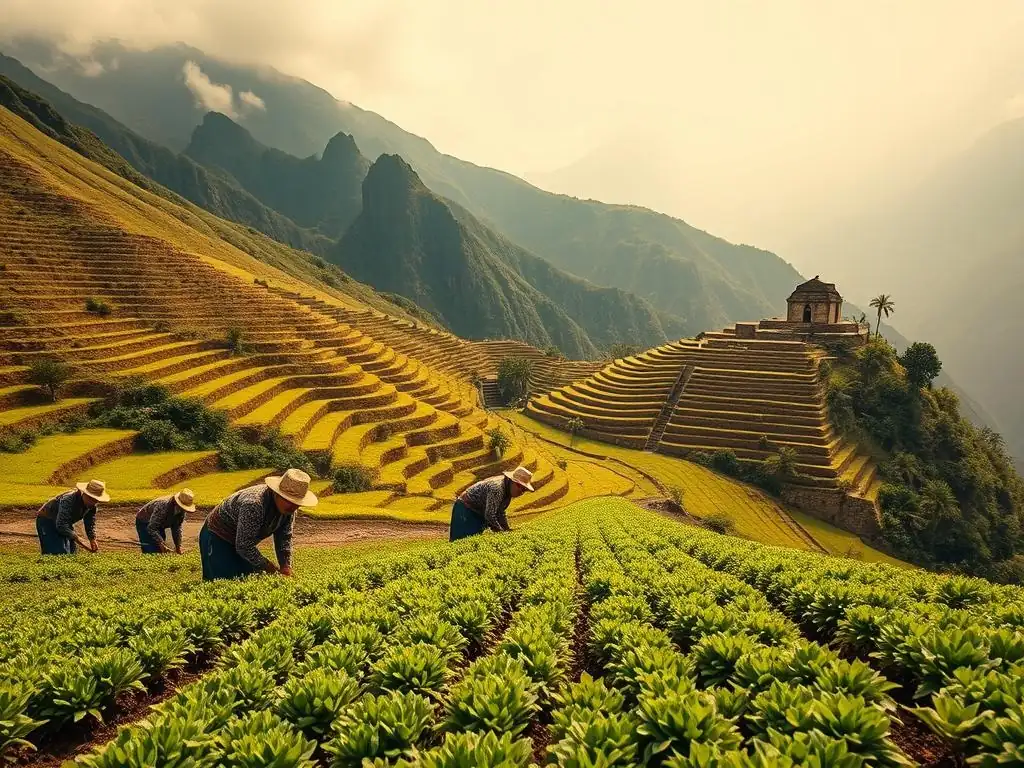
In recent years, the revival of Inca agricultural practices has gained traction in Peru, where modern farmers are recognizing the benefits of ancient methods that promoted sustainability and resilience in crop production. The Inca civilization was renowned for its sophisticated agricultural techniques, which allowed them to thrive in the diverse and often challenging environments of the Andes.
One notable case is the implementation of terracing, a technique the Incas perfected. This practice involves creating flat areas on steep terrains, enabling farmers to cultivate crops while minimizing soil erosion. In contemporary Peru, farmers in regions like Cusco have adopted terracing to enhance agricultural productivity. By utilizing these terraces, they can grow a variety of crops, including potatoes and maize, while conserving water and soil nutrients.
| Technique | Description | Modern Application |
|---|---|---|
| Terracing | Creating flat surfaces on slopes to reduce erosion | Farmers in Cusco implementing terraced fields |
| Crop Rotation | Alternating crops to maintain soil health | Farmers rotating quinoa, potatoes, and legumes |
| Irrigation Systems | Utilizing canals and aqueducts for efficient water management | Modern irrigation systems inspired by Inca aqueducts |
Furthermore, the practice of crop rotation, employed by the Incas to maintain soil fertility, is being revived. Modern Peruvian farmers are now rotating traditional crops such as quinoa, potatoes, and legumes to enhance soil nutrients and reduce pest infestations. This method not only increases yields but also contributes to the biodiversity of local ecosystems.
Sustainable Agriculture Practices Inspired by Inca Methods
Sustainability is a core tenet of Inca agricultural practices, and this principle is increasingly relevant in today's farming discourse. The Incas employed a variety of techniques aimed at optimizing resource use while minimizing environmental impact. For instance, their use of companion planting—growing different crops in proximity—allowed for natural pest control and enhanced growth through mutual benefits.
In modern agriculture, these practices are being re-evaluated for their potential to foster sustainable farming. Farmers are integrating companion planting strategies to promote biodiversity and improve crop resilience. An example is the combination of maize, beans, and squash, known as the "Three Sisters," which not only supports soil health but also provides a balanced diet.
Additionally, the Inca’s emphasis on agroecological practices has inspired contemporary movements towards sustainable farming. This includes the use of organic fertilizers derived from local resources, such as animal manure and compost, mirroring the Incas' reliance on natural inputs for soil enrichment. These methods not only enhance soil health but also reduce dependency on chemical fertilizers, aligning with global efforts to promote eco-friendly farming.
Moreover, the principles of water conservation seen in Inca irrigation systems are being revived in modern agricultural settings. Techniques such as swales (shallow trenches that capture water) and rainwater harvesting are becoming increasingly popular among farmers seeking to optimize their water use amidst changing climate conditions.
The influence of Inca agricultural practices on modern farming techniques is a testament to the enduring wisdom of indigenous practices. By learning from these ancient methods, contemporary farmers can develop sustainable strategies that address current agricultural challenges while honoring the legacy of the Inca civilization.
Challenges and Limitations of Implementing Inca Agricultural Practices Today
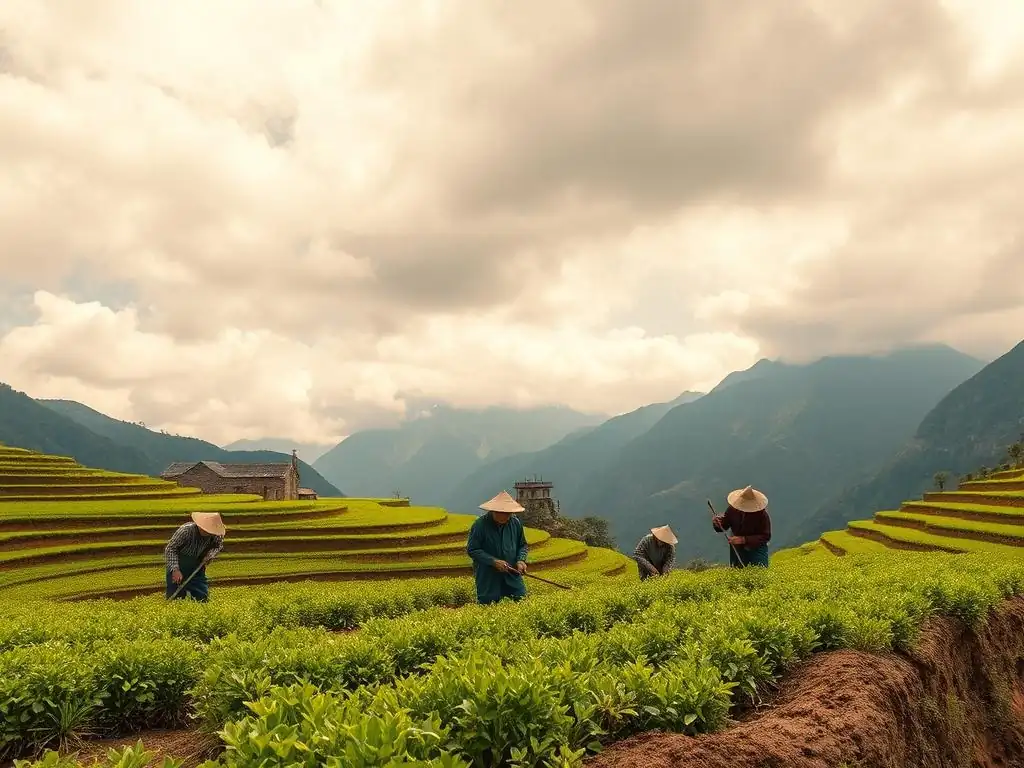
Environmental Factors Affecting Adaptation
Implementing Inca agricultural practices in modern farming faces several environmental challenges. One primary factor is the climate variability across different regions of the Americas. The Incas were adept at utilizing diverse microclimates, such as those found in the Andes mountains, where variations in altitude and exposure created unique growing conditions.
- Soil Composition: The nutrient-rich, volcanic soils of the Andes played a crucial role in the success of Inca farming. However, many contemporary regions do not possess similar soil quality, limiting the direct application of Inca methods.
- Water Management: The Incas developed sophisticated irrigation systems that channeled water from highland sources to their crops. Modern agricultural practices must contend with changing water availability due to climate change, altering rainfall patterns, and increased demand for water resources.
Technological Advancements vs. Traditional Techniques
As modern agriculture continues to advance through the integration of technology, there is a tension between these innovations and traditional Inca agricultural techniques.
- Mechanization vs. Hand Tools: Inca farming relied heavily on manual labor and simple tools, such as the chaquitaclla (a hand plow). While mechanization has increased efficiency in contemporary agriculture, the traditional methods promote sustainable practices that might be lost in the rush for productivity.
- Biotechnology and Crop Diversity: The Incas practiced crop rotation and polyculture, cultivating a variety of crops in a single area to enhance soil fertility and reduce pests. Modern advancements in biotechnology may offer benefits, such as pest-resistant crops, but they often lead to a reduction in biodiversity, which can threaten ecosystem resilience.
- Sustainability Practices: The Inca civilization placed a strong emphasis on sustainable practices, such as terraseting (creating terraces on slopes to prevent soil erosion) and conservation of resources. Although contemporary farming techniques may incorporate some of these principles, the focus on high-yield monocultures often undermines long-term sustainability.
While there are significant challenges and limitations in adapting Inca agricultural practices to today’s context, their core principles of sustainability, biodiversity, and resource management present valuable lessons for modern farmers. By balancing technological advancements with traditional techniques, there is potential for a more resilient agricultural future that honors the legacy of the Inca civilization.
Conclusion: The Lasting Impact of Inca Agricultural Practices on Modern Farming
The influence of Inca agricultural practices on modern farming techniques is profound and multifaceted. The Incas, known for their sophisticated understanding of agriculture, developed methods that not only optimized crop yields but also ensured the sustainability of their farming systems. Their techniques, rooted in a deep understanding of their environment, continue to provide valuable lessons for contemporary agricultural practices.
Summary of Inca Influence on Contemporary Agricultural Methods
The Inca civilization, thriving in the Andean region from the 15th to the early 16th century, implemented several innovative agricultural strategies that have left a lasting impact on modern farming. Key practices include:
- Terracing: The Incas constructed extensive terraced fields on steep mountain slopes, which minimized soil erosion and maximized arable land. This method is now widely adopted in various mountainous regions worldwide to enhance soil conservation and increase agricultural productivity.
- Crop Rotation and Diversity: The Incas practiced crop rotation and cultivated diverse crops, including potatoes, quinoa, and maize. This approach promoted soil health and prevented pest infestations, principles that are integral to modern permaculture and organic farming.
- Irrigation Systems: The Incas engineered sophisticated irrigation systems that diverted water from rivers to their fields, ensuring consistent water supply. Modern agricultural practices have learned from these ancient techniques, incorporating efficient irrigation methods to optimize water usage in farming.
- Use of Native Seeds: The preservation of native seed varieties by the Incas fostered genetic diversity and resilience in crops. Today, there is a growing emphasis on using heirloom and indigenous seeds to promote biodiversity and adapt to changing environmental conditions.
These practices demonstrate how the Inca civilization's agricultural wisdom continues to influence modern farming methods, addressing contemporary challenges such as climate change and food security.
Future Prospects for Integrating Inca Practices in Sustainable Farming
Looking ahead, there is significant potential for integrating Inca agricultural practices into sustainable farming initiatives. As global concerns regarding food production and environmental sustainability escalate, the following areas present opportunities for innovation:
- Sustainable Land Management: By adopting terracing and agroforestry techniques akin to those used by the Incas, farmers can optimize land use while mitigating the adverse effects of erosion and climate change.
- Water Conservation Practices: The ancient Inca techniques of water management can inspire modern irrigation solutions that prioritize sustainability and efficiency, particularly in regions facing water scarcity.
- Emphasis on Biodiversity: Future farming models that emphasize crop diversity, akin to Inca practices, can enhance resilience against pests and diseases, ensuring food security in an unpredictable climate.
- Community-Based Agriculture: The Inca community's collaborative approach to agriculture can inform modern practices that promote local food systems and cooperative farming, fostering stronger community ties and sustainable economic development.
Integrating these ancient practices into modern farming not only honors the ingenuity of the Inca civilization but also addresses current agricultural challenges, paving the way for a more sustainable future. As we look to the past for inspiration, the principles of Inca agricultural practices can guide contemporary efforts to create a resilient and sustainable food system that respects both cultural heritage and environmental integrity.
Frequently Asked Questions
What were the main agricultural practices of the Inca civilization?
The Inca civilization utilized advanced techniques such as terracing, crop rotation, and irrigation systems to maximize agricultural output in the challenging Andean environment.
How did Inca practices impact modern farming techniques?
Inca agricultural practices laid the groundwork for sustainable farming methods, including soil conservation and diversified crops, which are still relevant in contemporary agriculture.
What crops did the Inca primarily cultivate?
The Incas primarily grew potatoes, maize, and quinoa, which were crucial to their diet and later became essential crops in global agriculture.
Can you explain the role of terracing in Inca agriculture?
Terracing allowed the Incas to transform mountainous terrain into flat fields, reducing soil erosion and maximizing arable land, which has influenced land management practices today.
How has the Inca legacy influenced agricultural practices worldwide?
The Inca legacy includes principles of sustainable farming that are embraced globally, promoting biodiversity and environmental stewardship in agricultural systems today.
Final Reflection: The Enduring Legacy of Inca Agricultural Practices
Inca agricultural practices influence farming in ways that resonate profoundly in today's agricultural landscape. As we navigate the challenges of modern food production, the innovative techniques developed by the Incas remind us of the importance of sustainable practices and the wisdom embedded in ancient knowledge. The ability of the Incas to adapt to their environment and maximize their agricultural output serves as a powerful lesson for contemporary farmers facing climate change and resource scarcity.
Clearly, the influence of Inca agricultural practices extends beyond historical significance; it continues to shape our cultural and social understanding of farming. The principles of terrace farming, crop rotation, and companion planting not only enhance productivity but also promote biodiversity and soil health. The past is not dead; it is not even past,
said William Faulkner, highlighting how historical practices can inform and enrich our present. This ongoing dialogue between ancient wisdom and modern innovation underscores the need for a holistic approach to agriculture that respects both tradition and progress.
As we reflect on the lessons learned from the Incas, I invite you to consider how you can incorporate these timeless practices into your own life, whether through gardening, supporting local farmers, or advocating for sustainable agricultural policies. Let us honor the legacy of the Incas by embracing their teachings and applying them to our contemporary challenges, ensuring that we cultivate not only the land but also a future that is resilient and sustainable for generations to come.
Embrace Ancient Wisdom for Modern Growth!
Thank you for diving into the fascinating world of Inca agricultural practices and their influence on modern farming techniques. By understanding these ancient methods, you’ve unlocked valuable insights into sustainable farming that can enrich your own gardening or agricultural endeavors. Now, it's time to put this knowledge into action!
Here are some steps you can take to integrate these ancient techniques into your life:
- Implement Terracing in Your Garden: Create a terrace garden to maximize space and reduce soil erosion, just like the Incas did in the Andes.
- Explore Crop Diversity Techniques: Experiment with planting multiple crops together. Discover the benefits of companion planting to enhance soil health and increase crop yields.
- Join a Community Gardening Project: Connect with others who share an interest in sustainable practices. Sharing knowledge and experiences can foster a supportive community.
As you embark on this journey of exploration and growth, we invite you to reflect: How can you blend these ancient agricultural techniques into your daily life to create a more sustainable future?