
Understanding the Inca Economy: Trade Networks and Resource Distribution

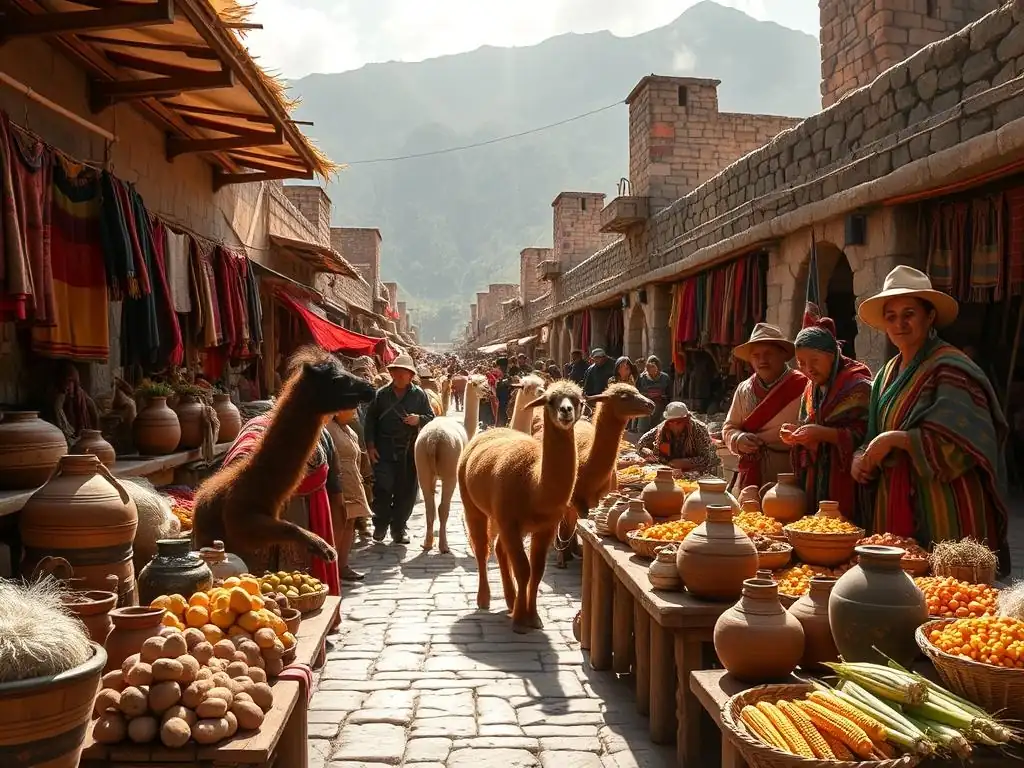
Welcome to Indigenous Civilizations of the Americas, where we invite you to embark on a captivating journey through the rich tapestry of diverse cultures that flourished long before European contact. In our featured article, Understanding the Inca Economy: Trade Networks and Resource Distribution, we delve into the intricate web of Inca economy trade networks that not only powered their society but also shaped the very foundations of South American civilization.
Discover how these remarkable systems fostered connections, facilitated resource-sharing, and established the groundwork for an enduring legacy. Join us as we uncover the fascinating achievements and lasting impacts of indigenous peoples across the Americas—your exploration begins here!
Introduction to the Inca Economy
The Inca economy was a complex and multifaceted system that played a crucial role in the development and sustainability of one of the most sophisticated civilizations in pre-Columbian America. The Incas, who flourished in the Andes mountains of South America from the early 15th century until the Spanish conquest in the 16th century, established an economy that was not only focused on agriculture but also on extensive trade networks that connected diverse regions and cultures.
Understanding the Inca economy trade networks provides insight into how the Incas managed resources, facilitated communication, and ensured the welfare of their population. This article delves into the intricacies of these trade networks, exploring their structure, geographic reach, and the significant relationships that were forged through commerce.
Overview of the Inca Civilization's Economic System
The Inca economy was primarily agrarian, relying heavily on the cultivation of staple crops such as potatoes, maize, and quinoa. The Incas implemented advanced agricultural techniques, including terracing and irrigation, which allowed them to maximize production in the challenging Andean terrain.
- State Control: The economy was centrally controlled by the state, which regulated production, distribution, and trade. The Mita system, for instance, required citizens to contribute labor to public projects, including agriculture and infrastructure.
- Resource Management: The Incas excelled in resource distribution, utilizing a system of storage facilities known as Qollqas. These warehouses were strategically placed throughout the empire to ensure food security and facilitate trade during periods of scarcity.
Significance of Trade Networks in Inca Society
Trade networks were vital not only for economic reasons but also for social and cultural exchange. They facilitated the movement of goods, people, and ideas across vast distances, linking diverse communities within the Inca Empire.
- Cultural Exchange: The exchange of goods often led to the exchange of cultural practices and technologies, enriching Inca society and fostering unity among different ethnic groups.
- Economic Stability: By establishing trade routes that connected regions with varying resources, the Incas could ensure a more stable economy, mitigating the impacts of local shortages or surpluses.
The Structure of Inca Trade Networks
Key Components of Inca Trade Networks
The Inca trade networks were characterized by several key components that ensured their efficiency and effectiveness:
- Road Systems: The Inca built an extensive network of roads, known as the Inca Road System, which facilitated the movement of goods and travelers across the empire. This system was crucial for quick communication and transport.
- Marketplaces: Local markets were established in various regions, serving as hubs for trade where agricultural products, textiles, and crafts could be exchanged.
- Relay System: The Chasqui runners, who were trained to carry messages and goods, played an essential role in maintaining communication across vast distances, ensuring that trade routes remained active and efficient.
Geographic Extent of Inca Trade Routes
The Inca trade routes extended across a diverse range of geographic terrains, from the coastal deserts to the high Andean mountains.
- Coastal Trade: The Incas engaged in trade with coastal communities, exchanging goods like fish and shells for agricultural products.
- Highland Trade: In the Andean highlands, trade was facilitated through the movement of llama caravans, which could navigate the rugged terrain and transport heavy loads.
- Amazonian Trade: The Incas also established trade relationships with Amazonian tribes, acquiring exotic goods such as tropical fruits and medicinal plants.
Major Trading Partners and Regions
The Inca Empire was not isolated; it maintained relationships with various neighboring cultures and regions that played a significant role in its economy.
- Chavin and Tiwanaku: Influential pre-Inca civilizations that contributed to the cultural and economic landscape of the region.
- Wari Civilization: The Wari, with whom the Incas shared trade practices and agricultural knowledge, had a lasting impact on Inca economic strategies.
- Local Tribes: Various local tribes were engaged in trade with the Incas, providing unique resources and products that enriched the Inca economy.
Through these networks, the Inca economy not only flourished but also left a lasting legacy on the cultural and social fabric of the Americas. Understanding these dynamics offers a deeper appreciation of the ingenuity and resilience of the Inca civilization.
Resources and Goods in the Inca Economy
The Inca economy was a complex system built upon a foundation of diverse resources and goods that were integral to trade networks and resource distribution. This economy thrived primarily due to the rich agricultural practices, skilled craftsmanship, and the strategic management of natural resources available in the Andean region. The Inca civilization utilized its unique geography to cultivate a variety of crops, produce artisanal goods, and establish trade relations with neighboring cultures, enhancing their economic stability and cultural exchange.
The incorporation of various resources allowed the Incas to create a balanced economy that catered to both local needs and external trade demands. They effectively managed agricultural output alongside manufactured goods, ensuring that their economy remained robust and adaptable to changing circumstances. The significant role of these resources in the Inca economy also laid the groundwork for the development of trade networks that connected vast regions of the empire.
Agricultural Products: The Backbone of Inca Trade
Agriculture was the cornerstone of the Inca economy, with farming practices that were highly developed and sustainable. The Incas harnessed the diverse climates of the Andes Mountains to cultivate a wide array of crops, including:
- Maize (corn): A staple food that was central to the Inca diet and economy.
- Potatoes: With over 3,000 varieties cultivated, potatoes became a crucial food source.
- Quinoa: Valued for its nutritional properties, quinoa was another important crop.
- Coca leaves: Used for medicinal purposes and as a stimulant, coca was traded extensively.
The Inca employed innovative agricultural techniques, such as terrace farming and irrigation systems, to maximize yield and ensure food security. These agricultural products not only sustained the population but were also traded within and beyond the empire, making them essential components of the Inca trade networks.
Craftsmanship and Manufactured Goods
In addition to agricultural products, the Incas were renowned for their craftsmanship, producing a variety of goods that showcased their advanced skills and artistic talent. Some notable manufactured goods included:
- Textiles: The Incas were skilled weavers, creating intricate textiles from alpaca and llama wool. These textiles were highly valued and often used as trade items.
- Pottery: Inca pottery varied in design and function, from utilitarian vessels to elaborate ceremonial pieces.
- Metalwork: The Incas excelled in metallurgy, particularly with gold and silver. Their ability to craft jewelry, tools, and ceremonial items contributed significantly to trade.
- Stonework: The construction of durable structures and monuments demonstrated their proficiency in stone masonry, which also served as a means of trade through the exchange of building materials.
These crafted goods were often traded across extensive networks, enhancing economic interactions and cultural exchanges among different regions and peoples.
Import and Export Practices in Inca Trade
The Inca economy was characterized by a sophisticated system of import and export practices that facilitated the flow of goods throughout the empire. The Incas relied on a combination of barter and tribute systems to manage trade. Key aspects of these practices included:
- Tribute System: The Inca government required conquered peoples to pay tribute in the form of goods, which were then redistributed within the empire. This ensured a steady supply of resources and goods.
- Long-Distance Trade: The Incas engaged in long-distance trade, importing luxury items such as tropical fruits, feathers, and metals from distant regions, while exporting agricultural products and crafted goods.
- Road Networks: The extensive road systems built by the Incas facilitated trade by connecting various regions, allowing for efficient transportation of goods and enhancing communication across the empire.
Through these import and export practices, the Inca economy thrived, fostering not only economic growth but also cultural integration among the diverse populations within the empire.
The Role of the State in the Inca Economy
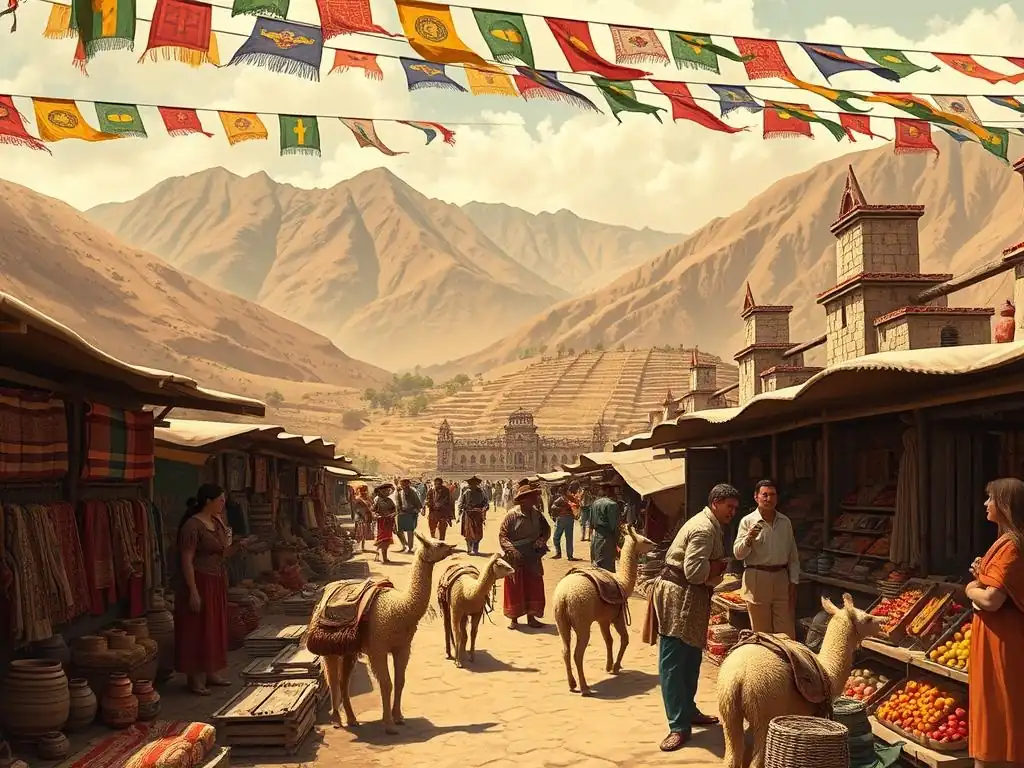
The Inca government played a pivotal role in shaping the economy through centralized control over trade networks and resource distribution. Their approach to governance was deeply intertwined with economic management, allowing them to maintain stability and promote prosperity across their vast territories.
Centralized Control of Trade Networks
The Inca state operated under a highly centralized system, where the government held significant authority over trade networks. This control was essential for:
- Regulating Trade: The state established rules and regulations to govern trade practices, ensuring fairness and preventing exploitation.
- Standardizing Currency: While the Incas did not use money in the modern sense, they employed a system of quipus (knot records) to track goods and tribute, enabling consistent trade practices.
- Controlling Resources: The government managed the production and distribution of key resources, ensuring that regions received necessary materials and that surplus products could be traded effectively.
This centralized control allowed the Inca state to optimize resource allocation and maintain economic stability throughout the empire.
The Impact of the Inca Government on Resource Distribution
The Inca government’s approach to resource distribution was strategic and methodical, impacting economic dynamics significantly. The state implemented several key strategies:
- Redistribution: The government collected surplus agricultural products and goods from various regions, which were then redistributed to areas facing shortages.
- State Stores: The Incas maintained large state warehouses (known as "qollqas") to store excess goods, allowing for efficient resource management during times of scarcity.
- Infrastructure Development: Investment in infrastructure, such as road systems and agricultural terraces, facilitated better access to resources and improved trade efficiency.
These measures ensured that resources were equitably distributed, which not only supported the population but also reinforced loyalty to the Inca state.
Labor Systems and Their Influence on Trade
Labor systems in the Inca Empire were critical to the functioning of the economy and trade networks. The Incas employed a unique labor system known as mit'a, which required individuals to work for the state for a certain period. This system influenced trade in several ways:
- Workforce Availability: The mit'a system ensured a steady supply of labor for agricultural production, construction projects, and resource extraction, bolstering economic output.
- Collective Projects: Large-scale projects, such as road construction and irrigation systems, were made possible through organized labor, enhancing trade routes and agricultural efficiency.
- Skill Development: Through the mit'a system, workers gained skills in various crafts and trades, contributing to the production of goods that were vital for trade.
Overall, the labor systems established by the Inca government were fundamental to the economy's success, supporting trade networks and resource distribution throughout the empire.
Economic Practices and Innovations
The Inca economy was characterized by a range of sophisticated practices and innovations that facilitated trade and resource distribution across their vast empire. These practices not only supported the economic stability of the Inca civilization but also enabled them to manage their resources efficiently in a diverse geographical landscape. The integration of various agricultural techniques, record-keeping methods, and trading systems played a crucial role in shaping the economic landscape of the Inca Empire, contributing to its longevity and success.
Barter System and Its Functionality
At the heart of the Inca economy was a barter system that enabled the exchange of goods and services without the use of currency. This system functioned on the principle of mutual benefit, where individuals and communities exchanged surplus goods based on their needs. The Inca utilized a variety of products for trade, including textiles, pottery, agricultural produce, and valuable metals like gold and silver.
- Community-Based Exchanges: Bartering was often localized, with communities trading amongst themselves based on availability and demand. This system fostered strong community ties and ensured that resources were effectively circulated.
- Trade Centers: Key trade centers, known as tampu, were established at strategic locations along trade routes, facilitating the movement of goods and enabling long-distance trade. These centers acted as hubs where merchants could gather, exchange goods, and rest before continuing their journeys.
Use of Quipu for Economic Record-Keeping
The Inca civilization employed a unique method of record-keeping known as quipu, which was a system of knotted strings. This innovative approach allowed the Incas to maintain accurate accounts of their economic activities.
- Accounting System: Each knot and its position conveyed specific information, such as quantities of goods, labor contributions, and even census data. This intricate system enabled the Incas to manage resources effectively and ensure equitable distribution among their people.
- Administrative Efficiency: The use of quipu significantly enhanced administrative efficiency, allowing for swift communication of economic data across vast distances. This was particularly important in an empire that relied on centralized control over various regions.
Innovations in Agriculture Supporting Trade
Agricultural innovations played a vital role in supporting the Inca economy and enhancing trade capabilities. The Incas developed advanced farming techniques that maximized yields and diversified their agricultural output.
- Terracing and Irrigation: The construction of terraced fields allowed the Inca to cultivate crops in the mountainous terrain of the Andes. Ingenious irrigation systems helped manage water resources, ensuring crops received adequate hydration, which was crucial for sustaining large populations and supporting trade.
- Diverse Crop Cultivation: The Incas cultivated a variety of crops, including potatoes, maize, quinoa, and various fruits. This agricultural diversity not only provided food security but also created surplus goods that could be traded with neighboring communities, enriching the Inca economy.
The Impact of Trade Networks on Inca Society
The extensive trade networks established by the Inca civilization had profound effects on their society, influencing social structures, cultural exchanges, and political relations. These networks facilitated not just the exchange of goods, but also ideas, traditions, and technologies that shaped Inca identity.
Social Structure Influenced by Economic Activities
The economic activities driven by trade networks contributed to the development of a complex social hierarchy within Inca society. Wealth generated through trade led to distinctions among social classes, with certain groups benefiting significantly from economic interactions.
- Elite Class Emergence: The ruling elite, including the Sapa Inca and nobility, often controlled trade routes and resources, consolidating power and wealth. This elite class played a pivotal role in governance and resource distribution, influencing societal dynamics.
- Commoners and Labor: While the elite thrived, commoners engaged in various economic activities, from agriculture to crafting goods for trade. These roles were essential for the functioning of the economy and the sustenance of the broader community.
Cultural Exchange Through Trade Routes
Trade networks served as conduits for cultural exchange, allowing different groups within the Inca Empire to share their customs, beliefs, and technologies. This exchange enriched Inca culture and facilitated a shared identity across diverse regions.
- Art and Craftsmanship: As goods moved along trade routes, so did artistic influences and techniques. The integration of various artistic styles led to a more vibrant and diverse cultural expression within Inca society.
- Religious Practices: Trade interactions also allowed for the dissemination of religious ideas and practices, further unifying the empire’s cultural fabric.
Trade and Its Role in Political Relations
Trade was not merely an economic activity; it was also integral to the political relations within the Inca Empire and beyond. The control of trade routes and resources often dictated power dynamics between different regions and peoples.
- Alliances and Diplomacy: Trade agreements often served as a basis for alliances, fostering cooperation between different ethnic groups. The Inca utilized trade as a means of diplomacy, negotiating favorable terms that could enhance their influence.
- Military Expeditions: Control over trade routes could also lead to military actions. The Incas sometimes undertook military expeditions to secure trade routes or to assert dominance over neighboring tribes, highlighting the interconnectedness of trade and political power.
Challenges Faced by the Inca Economy
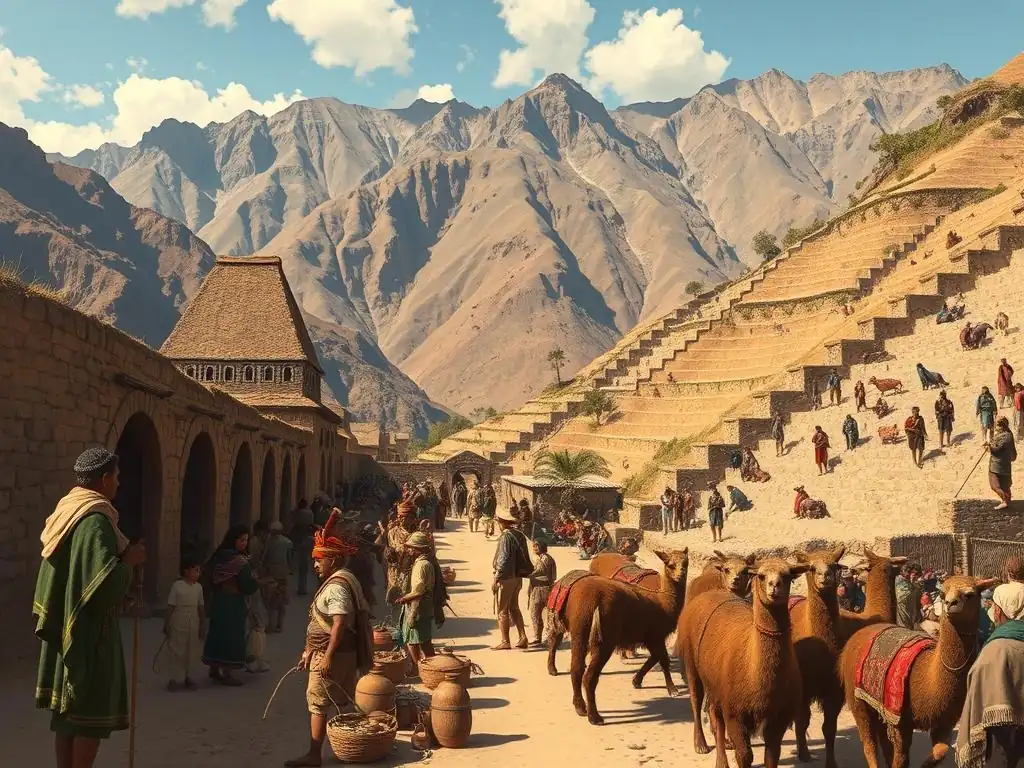
The Inca economy, while sophisticated and highly organized, faced a multitude of challenges that affected its trade networks and resource distribution. Understanding these challenges is crucial to grasping the overall functioning of the Inca civilization.
Environmental Factors Affecting Trade
The geography of the Andes presented significant hurdles for the Inca economy. The steep mountains, deep valleys, and varied climates created a complex environment for agriculture and trade. Key environmental challenges included:
- Altitude Variations: Different altitudes led to diverse agricultural outputs. Regions at high altitudes produced crops like quinoa and potatoes, while lower areas were better suited for maize and cotton. This necessitated extensive trade to balance food supplies.
- Natural Disasters: Earthquakes and landslides were common in the Andes, disrupting trade routes and agricultural production. Such events could lead to food shortages in certain regions, which in turn affected trade dynamics.
- Climate Variability: Weather patterns, including El Niño and La Niña, could drastically alter agricultural yields. For instance, prolonged droughts would diminish crop outputs, compelling the Incas to rely more heavily on their trade networks to procure essential resources.
Internal Conflicts and Their Economic Implications
Internal strife, although not as prevalent as external threats, did impact the Inca economy. Conflicts between different regions or social classes could destabilize trade networks. For instance:
- Factional Disputes: Rivalries among local leaders or ethnic groups could disrupt trade routes, as factions would prioritize local needs over broader economic cooperation.
- Resource Allocation Conflicts: Disagreements over how resources were distributed could lead to tensions. For example, the allocation of surplus crops during times of famine could incite unrest among those who felt marginalized.
- Taxation and Tribute: The Inca system of taxation often required local communities to pay tribute in the form of goods or labor. This could lead to resentment and impact overall economic productivity if communities felt overburdened.
Consequences of External Pressures on Trade Networks
The Inca economy was not isolated; it was influenced by external pressures that shaped its trade networks. These pressures included:
- Competition with Neighboring Cultures: The Incas often had to negotiate or confront neighboring tribes and civilizations for trading rights. This competition could lead to militaristic engagements, diverting resources away from trade and agriculture.
- Spanish Conquest: The arrival of the Spanish in the 16th century profoundly disrupted Inca trade. The imposition of colonial systems dismantled established networks, leading to a dramatic decline in the economy and affecting resource distribution.
- Cultural Exchange: In contrast to conflict, interactions with other cultures sometimes brought beneficial exchanges of goods and ideas. However, these relationships could also introduce new challenges, such as competition for resources.
Conclusion
Understanding the complexities of the Inca economy reveals the intricate balance between trade networks and resource distribution. The challenges faced by the Incas highlight their adaptability and resilience in a dynamic environment.
Summary of Key Points on Inca Economy and Trade Networks
- The Inca economy was heavily reliant on trade networks that facilitated the distribution of diverse agricultural products across various ecological zones.
- Environmental factors such as altitude, natural disasters, and climate variability posed significant challenges to agricultural production and trade.
- Internal conflicts and external pressures, including competition with neighboring cultures and the eventual Spanish conquest, had profound implications for the Inca economy and its trade networks.
Lasting Impact of Inca Trade Practices on Indigenous Economies
The trade practices established by the Inca civilization left a lasting legacy on subsequent indigenous economies in the Americas. These practices included:
- Integration of Diverse Resources: The Inca model of utilizing various ecological zones for resource distribution influenced later indigenous groups in how they organized their economies.
- Cultural Exchange: The trade networks facilitated cultural exchanges that enriched local practices and contributed to the resilience of indigenous economies post-conquest.
- Trade Routes: Many of the trade routes developed by the Incas continued to be utilized by indigenous peoples, demonstrating the enduring impact of their economic systems.
By analyzing the challenges and adaptations within the Inca economy, we gain valuable insights into the resilience and innovation of indigenous civilizations in the Americas.
Further Reading and Resources
To gain a deeper understanding of the Inca economy, specifically regarding trade networks and resource distribution, various resources provide insightful perspectives and information. Below are recommendations that encompass both scholarly works and accessible online platforms to enhance your knowledge of this fascinating civilization.
Recommended Books and Articles on Inca Economy
-
"The Inca Empire: A Multi-faceted Society" by David Hurst Thomas
This book delves into the complexities of the Inca society, including their economic systems, trade practices, and resource management strategies. Thomas provides a comprehensive analysis of how these elements contributed to the empire's stability and expansion.
-
"Inca Agriculture: An Economic Perspective" by Paul J. Kosok
This article discusses the agricultural practices of the Inca civilization and their implications for trade. Kosok examines the innovative methods employed by the Incas to optimize resource distribution across their vast empire.
-
"Trade and Exchange in the Inca Empire" by Elizabeth C. Stone
Stone’s work focuses on the mechanisms of trade within the Inca Empire, highlighting the importance of road networks and communication in facilitating exchange between different regions. This article is essential for understanding the logistical aspects of Inca trade.
-
"The Economic Organization of the Inca State" by Arthur A. Demarest
This book provides a detailed examination of the economic systems underpinning the Inca state, including labor organization, tribute systems, and the role of trade in statecraft.
-
"Inca Roads: The Lifeblood of the Empire" by Hiram Bingham
This classic exploration by Bingham outlines how the extensive road networks not only improved transportation but also played a crucial role in the economic exchanges and integration of diverse regions within the Inca Empire.
Online Resources for Exploring Inca Trade Networks and Agriculture
-
The Inca Trail: A Historical Overview
This website provides a detailed account of the Inca Trail, emphasizing its significance as a trade route and a link between various Inca settlements. It includes maps and historical context, making it a valuable resource for understanding the logistics of Inca trade.
-
National Geographic: The Inca Empire
National Geographic offers a wealth of articles and multimedia resources that explore the Inca civilization, including sections dedicated to their economy and trade networks. This platform presents information in an engaging format, suitable for both casual readers and serious researchers.
-
The British Museum: The Incas
The British Museum’s online collection features various artifacts and exhibitions related to the Incas. Their educational resources provide insights into Inca trade practices and agricultural techniques, enhancing understanding through visual and textual materials.
-
Khan Academy: The Inca Empire
Khan Academy provides free educational content, including videos and articles on the Inca Empire’s economy, trade networks, and agricultural practices. This resource is particularly useful for students and individuals seeking structured learning materials.
-
Smithsonian Magazine: How the Inca Built an Empire on a Road Network
This article discusses the pivotal role of the road system in the Inca Empire, highlighting how it facilitated trade and resource distribution. The piece blends archaeological findings with historical analysis, making it an informative read.
Exploring these resources will provide a comprehensive view of the Inca economy, emphasizing the intricate trade networks and resource distribution that characterized one of the most remarkable civilizations in history.
- Introduction to the Inca Economy
- The Structure of Inca Trade Networks
- Resources and Goods in the Inca Economy
- The Role of the State in the Inca Economy
- Economic Practices and Innovations
- The Impact of Trade Networks on Inca Society
- Challenges Faced by the Inca Economy
- Conclusion
- Further Reading and Resources
Frequently Asked Questions
What were the key features of the Inca economy?
The Inca economy was primarily based on agriculture, with a sophisticated system of terracing and irrigation. They also utilized resource distribution strategies to support various regions.
How did the Inca trade networks function?
The Inca trade networks operated through a system of roads and messengers known as the Chasquis, facilitating the exchange of goods such as textiles, agricultural products, and resources across the empire.
What role did resource distribution play in the Inca society?
Resource distribution was crucial for ensuring that all regions had access to essential goods, promoting social stability and supporting the welfare of the population.
How did the Inca manage trade relationships with neighboring cultures?
The Incas established diplomatic ties and sometimes utilized reciprocal trading agreements with neighboring cultures, which helped strengthen their economy and expand their influence.
What was the impact of the Inca economy on their civilization?
The Inca economy supported the growth of a complex society, allowing for advancements in architecture, agriculture, and engineering, which left a lasting impact on the cultural heritage of the Americas.
Final Reflection: The Enduring Legacy of Inca Economy Trade Networks
The intricate web of the Inca economy and its trade networks remains profoundly relevant today, as it exemplifies how resource distribution and economic collaboration can shape societies. The remarkable efficiency and organization of the Inca trade systems not only facilitated the empire's growth but also laid the groundwork for understanding modern economic principles. The lessons drawn from their practices resonate in our contemporary discussions about sustainable resource management and equitable trade.
The influence of the Inca economy extends beyond historical study; it continues to inspire current cultural and social dynamics. The way the Incas managed their resources and established trade routes can be seen as a precursor to modern economic systems that prioritize interconnectedness and community welfare. As historian John Hemming once said, The Incas were not just builders of roads and bridges; they were architects of a complex economic system that fostered unity and prosperity.
This observation highlights the ongoing relevance of the Inca model in today’s globalized world, where collaboration and resource sharing are more crucial than ever.
As we reflect on the Inca economy and its trade networks, I invite you to consider how these ancient practices can inform your own life and community. How can we apply the principles of cooperation and resourcefulness demonstrated by the Incas to address the challenges we face today? By embracing the spirit of collaboration and recognizing the value of interconnectedness, we can create a more equitable and sustainable future, inspired by the enduring legacy of the Inca economy.
Unveil the Secrets of the Inca Economy Today!
Thank you for taking the time to delve into the fascinating world of the Inca economy! By exploring their intricate trade networks and resource distribution, you’ve taken the first step towards understanding a remarkable civilization. Now, let’s transform that knowledge into action!
Here's how you can further engage with the topic:
- Dive Deeper: Explore additional resources and documentaries about the Inca economy to enrich your understanding.
- Share Your Insights: Discuss your findings with friends or fellow history enthusiasts to spark conversations and gain new perspectives.
- Join the Community: Connect with online forums or local history groups to share your interest in indigenous civilizations and participate in vibrant discussions.
Which aspect of the Inca economy intrigues you the most, and how does it reshape your view of ancient trade practices?