
Trade and Tribute: The Economic Engine of the Inca Empire

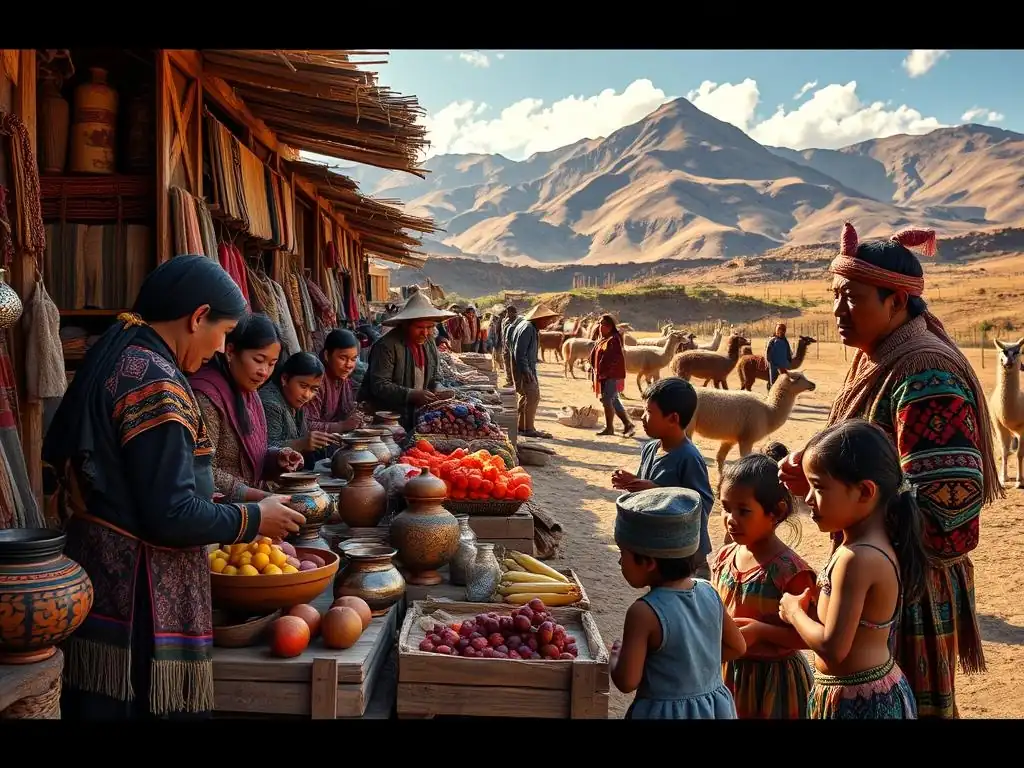
Welcome to Indigenous Civilizations of the Americas, where we invite you to journey through the rich tapestry of cultures that flourished long before European contact. In this vibrant exploration, we delve into the Inca Empire's economic system, uncovering the intricate networks of trade and tribute that formed the backbone of one of the most remarkable civilizations in history. What drove the prosperity of this ancient empire, and how did their innovations shape their society? Join us as we unravel the fascinating details of the Inca's economic engine and discover the enduring legacy they left behind.
- Introduction to the Inca Empire Economic System
- The Structure of the Inca Empire Economic System
- Trade Networks of the Inca Empire
- The Role of Tribute in the Inca Economic System
- The Interdependence of Trade and Tribute
- The Impact of the Economic System on Inca Society
- Conclusion: Legacy of the Inca Empire Economic System
- Frequently Asked Questions
- Final Reflection: The Enduring Legacy of the Inca Empire's Economic System
- Ignite Your Curiosity About Indigenous Economies!
Introduction to the Inca Empire Economic System
The Inca Empire, one of the most remarkable civilizations in pre-Columbian America, had a sophisticated economic system that played a crucial role in its expansion and sustainability. Understanding the Inca Empire economic system reveals how trade and tribute were not merely transactional practices but foundational elements that supported the vast social and political structures of the Empire.
This article will delve into the intricate web of economic relationships that defined Inca society, highlighting the importance of agriculture, trade routes, and the tribute system that facilitated the flow of goods and resources across the empire. As we explore these elements, we will also uncover the lasting impact of the Inca economic practices on subsequent generations and cultures.
Overview of the Inca Empire
The Inca Empire, known as Tawantinsuyu, stretched across the western coast of South America, encompassing parts of modern-day Peru, Bolivia, Ecuador, and Chile. At its height in the early 16th century, the empire was the largest in pre-Columbian America, boasting an advanced society characterized by remarkable achievements in agriculture, engineering, and governance.
- Capital: The capital city, Cusco, served as the political, cultural, and technological hub of the empire.
- Population: Estimates suggest that the Inca Empire was home to approximately 12 million people, representing a diverse array of ethnic groups and cultures.
- Language: The Inca primarily spoke Quechua, which served as a unifying language across the sprawling territories.
The economy of the Inca Empire was intricately linked to its agricultural prowess, with terraced farming and irrigation systems enabling the cultivation of various crops, including potatoes, maize, and quinoa. The Incas also harnessed the resources of their diverse geography, from the coastal deserts to the Andean highlands, creating a robust economic foundation that supported their imperial ambitions.
Importance of Trade and Tribute in Inca Society
Trade and tribute were essential components of the Inca Empire economic system, facilitating not only the exchange of goods but also the integration of various regions and cultures within the empire.
-
Trade: The Incas established an extensive network of trade routes, connecting remote regions and enabling the exchange of:
- Agricultural products
- Textiles
- Metal goods, such as tools and ornaments
This trade was conducted through a system of state-controlled marketplaces where goods were exchanged, ensuring that all regions had access to necessary resources.
-
Tribute: The tribute system was a fundamental aspect of Inca governance and economy. Each conquered region was required to pay tribute to the Inca state, which could take various forms:
- Labor: Communities provided labor for state projects, including agricultural work and construction of infrastructure like roads and temples.
- Goods: Regions supplied specific products, such as textiles or food, contributing to a central storehouse system that ensured stability and resource distribution throughout the empire.
The combination of trade and tribute not only strengthened the economic backbone of the Inca Empire but also fostered a sense of unity among its diverse populations, ensuring that even the most remote areas were integrated into the broader imperial framework. As we explore further, we will examine the mechanisms and implications of these economic practices in shaping Inca society and its legacy.
The Structure of the Inca Empire Economic System
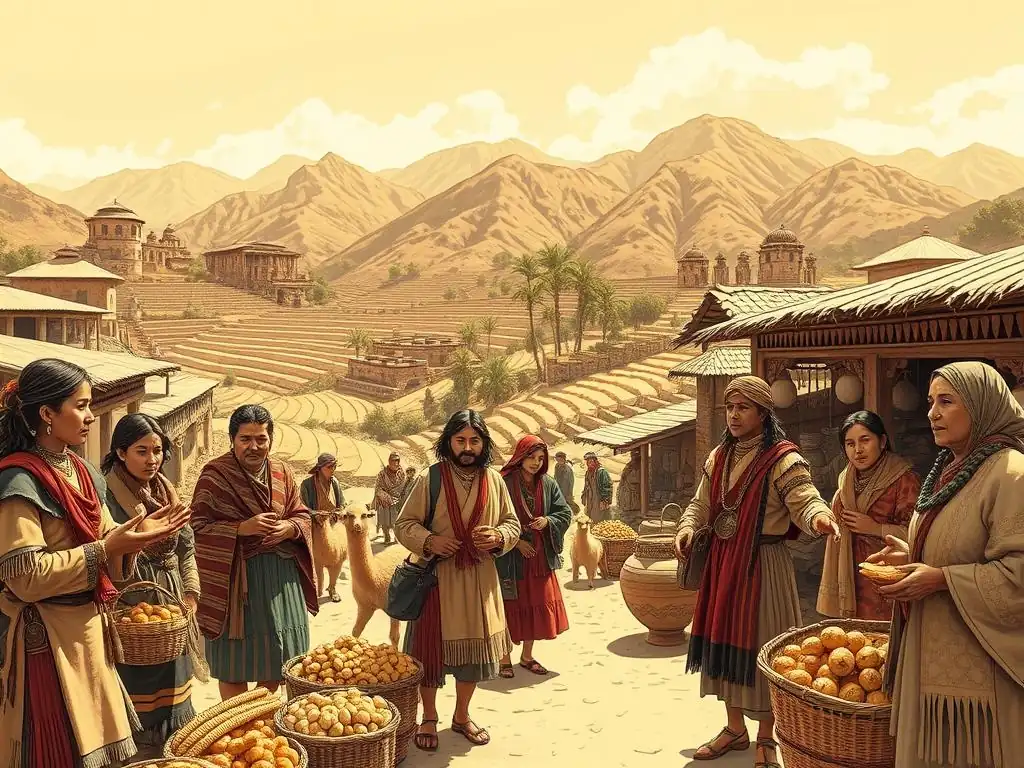
The economic system of the Inca Empire was a complex and highly organized structure that played a crucial role in sustaining one of the largest empires in pre-Columbian America. The Inca utilized a combination of state control, communal labor, and intricate trade networks to manage resources effectively. This system was pivotal in supporting their vast population and maintaining the empire's unity across diverse geographical regions.
Key Components of the Economic System
The Inca Empire's economic system was built on several key components that worked synergistically to ensure efficiency and sustainability:
- Centralized Control: The Sapa Inca, the emperor, held ultimate authority over economic decisions, dictating resource distribution and production goals. This centralized control allowed for a cohesive economic strategy across the empire.
- Mit'a System: The Inca employed a labor tax known as the mit'a, where subjects were required to work on state projects, agricultural fields, or in mines for a set period. This system ensured a steady labor supply for public works and agricultural production.
- Redistribution: The Inca practiced a system of redistribution, where surplus goods produced by communities were collected by the state and redistributed as needed. This mechanism helped to balance resources across regions, especially during times of scarcity.
- Trade Networks: Despite the emphasis on self-sufficiency, the Inca engaged in extensive trade with neighboring cultures. They exchanged textiles, ceramics, and agricultural products, which fostered economic ties and cultural exchange.
- State-Owned Land: Much of the agricultural land was owned by the state, with specific plots designated for the Sapa Inca, religious institutions, and the community. This ownership structure allowed for organized agricultural output and resource management.
Role of Agriculture in the Inca Economy
Agriculture was the backbone of the Inca Empire's economic system. The Incas developed sophisticated farming techniques to maximize production across diverse ecological zones.
- Terracing: The Incas implemented terracing on steep mountain slopes, which created flat areas for cultivation. This method not only minimized soil erosion but also expanded arable land significantly.
- Crop Diversity: They cultivated a variety of crops, including potatoes, quinoa, maize, and various legumes. This diversity ensured a balanced diet and reduced the risk of famine caused by crop failure.
- Irrigation Systems: Ingenious irrigation systems were developed to channel water from rivers and streams to agricultural fields, allowing for year-round cultivation even in dry regions.
- Community Farming: The Inca practiced communal farming, where groups of families worked together on collective plots. This not only enhanced productivity but also fostered a sense of community and shared responsibility.
Importance of Livestock and Resource Management
In addition to agriculture, livestock played a significant role in the Inca economy, contributing to transportation, labor, and food resources.
- Llamas and Alpacas: The Inca domesticated llamas and alpacas, using them as pack animals and sources of wool. Llamas were essential for transporting goods across the rugged Andean terrain, facilitating trade and communication.
- Animal Husbandry: The management of livestock was carefully regulated, with specific herding practices ensuring sustainable populations and quality resources. The meat, wool, and hides provided by these animals were crucial for both subsistence and trade.
- Resource Management: The Inca excelled in the management of natural resources, implementing policies that promoted conservation and sustainable use. They understood the importance of maintaining ecological balance, which allowed their economy to thrive over centuries.
The Inca Empire's economic system was a remarkable blend of innovation, organization, and adaptation to the diverse environments they inhabited. This system not only fueled the empire's growth but also left a lasting legacy in the agricultural and economic practices of subsequent Andean cultures.
Trade Networks of the Inca Empire
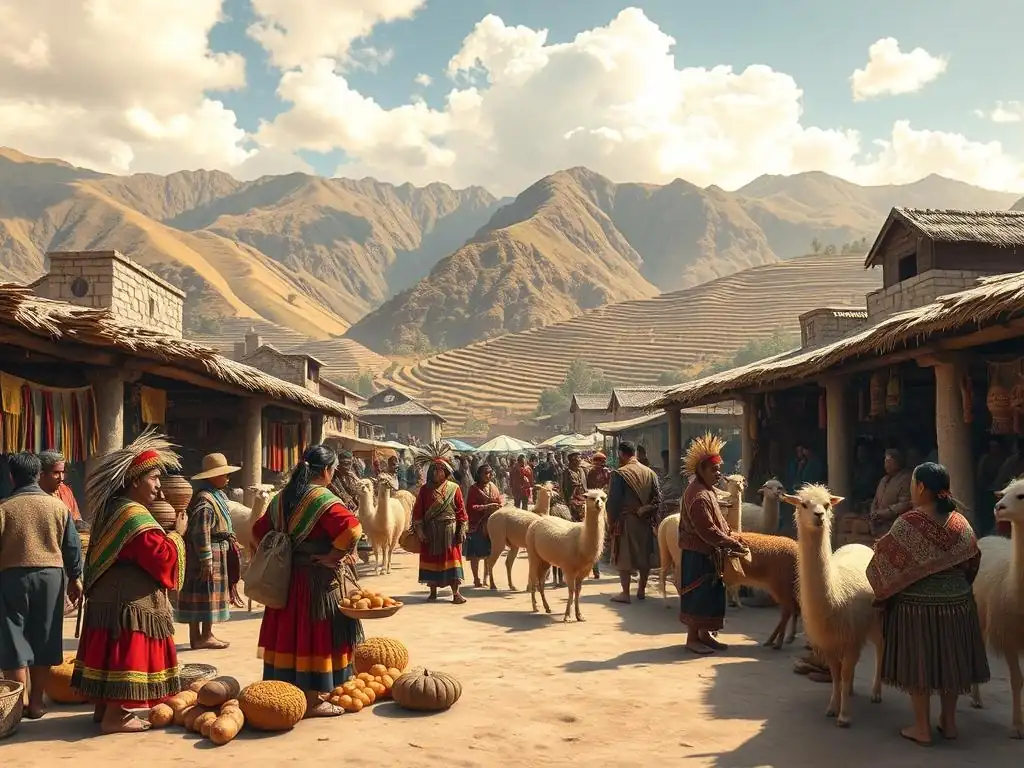
The Inca Empire was renowned for its sophisticated trade networks that played a crucial role in its economic system. These networks facilitated the exchange of goods, resources, and culture across vast distances, connecting diverse regions within the empire. The intricate system of roads, known as the Inca Road System or Qhapaq Ñan, spanned over 25,000 miles, linking various settlements from the coastal regions to the high Andes.
The significance of these internal trade routes cannot be overstated. They not only enabled the movement of goods but also facilitated communication and the transfer of cultural practices among the diverse communities within the empire. This interconnectedness contributed to a unified economy that supported the Inca's extensive administrative and military needs.
Internal Trade Routes and Their Significance
The internal trade routes of the Inca Empire were strategically developed to enhance economic efficiency and resource distribution. These roads facilitated the transport of agricultural products, textiles, pottery, and other goods between different ecological zones, allowing for the exchange of surplus resources. For instance, the highland regions produced crops like potatoes and quinoa, while the coastal areas were known for their marine resources, such as fish and shellfish.
The mit'a system, a labor tax imposed on the population, also played a role in supporting these trade networks. This system required individuals to work on public projects, including road construction and maintenance, which ensured that trade routes remained functional and safe for transport. The integration of these trade routes into the daily lives of the Inca people reinforced economic stability and facilitated the flow of tribute to the central administration in Cusco.
Trade Goods and Commodities in the Inca Economy
The Inca economy was characterized by the exchange of a wide variety of goods and commodities. This trade was not merely an economic transaction; it represented a complex web of social and political relationships, reinforcing the hierarchical structure of Inca society.
Commonly Traded Items
Some of the most commonly traded items in the Inca economy included:
- Agricultural Produce: Crops such as maize, potatoes, and quinoa were staples that were traded extensively.
- Textiles: Woven goods made from cotton and alpaca wool were highly valued, with intricate designs showcasing the skill of Inca artisans.
- Pottery: Functional and ceremonial pottery items were exchanged among different regions, each reflecting unique local styles.
- Metals: While gold and silver were primarily used for ceremonial purposes, bronze and copper tools and weapons were traded for practical applications.
These goods were often exchanged at designated marketplaces, where merchants and community members would gather to trade, barter, and engage in social interactions.
Luxury Goods and Their Economic Impact
Luxury goods held a significant place in the Inca economy, serving not only as items of aesthetic value but also as symbols of status and power. Some notable luxury goods included:
- Gold and Silver Artifacts: These precious metals were used to create elaborate jewelry, ceremonial items, and decorative pieces, contributing to the empire's wealth and prestige.
- Feathers: Exotic feathers from tropical birds were highly sought after for their beauty and were often used in ceremonial attire.
- Fine Textiles: Elaborate garments made from high-quality materials were reserved for the elite, emphasizing the social stratification within Inca society.
The trade of these luxury items had a profound economic impact, as they were often used as tribute to the emperor or exchanged for goods from distant regions. This practice not only enhanced the wealth of the elite but also reinforced the cultural values of the Inca civilization, where material wealth was closely tied to political power and societal status.
The trade networks of the Inca Empire played a vital role in shaping its economic system. By facilitating the movement of goods, resources, and cultural practices, the Inca were able to create a unified and economically stable society that thrived long before European contact. The intricate web of trade routes, coupled with the diverse range of commodities exchanged, remains a testament to the ingenuity and sophistication of the Inca civilization.
The Role of Tribute in the Inca Economic System
Definition and Purpose of Tribute
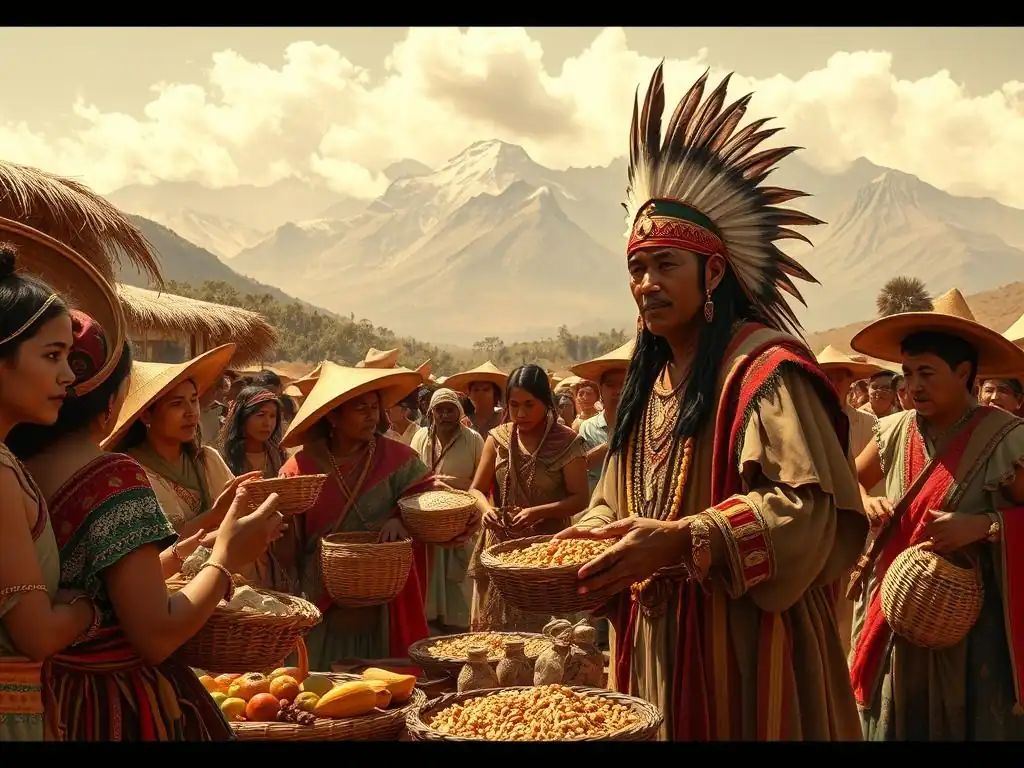
In the context of the Inca Empire economic system, tribute was a fundamental aspect that underpinned the empire's wealth and stability. Tribute, or mit'a, was essentially a form of taxation levied by the Inca state on its subjects, which required communities to provide labor, goods, or resources. This system was not merely a means of generating revenue; it served multiple purposes:
- Resource Allocation: Tribute allowed for the redistribution of goods and resources throughout the empire, ensuring that even remote areas received essential supplies.
- Political Control: By requiring tribute from various regions, the Inca established a system that reinforced their authority and integrated diverse groups into the imperial structure.
- Cultural Integration: Tribute also facilitated cultural exchange, as communities were often required to participate in ceremonial exchanges that promoted shared Inca identity.
How Tribute Functioned within Inca Society
The tribute system was intricately woven into the fabric of Inca society, shaping not only the economy but also the social structure. The Inca implemented a highly organized approach to tribute collection, which relied on both agricultural production and labor contributions from the populace.
Tribute Collection Methods
The Inca employed various methods to collect tribute, which included:
- Labor Contributions: Under the mit'a system, communities were obligated to provide a certain number of laborers for public works, such as road construction, agricultural development, and military service. This labor was essential for maintaining the empire's infrastructure.
- Agricultural Surplus: Communities were expected to produce surplus agricultural goods, such as potatoes, maize, and quinoa, which were then collected as tribute. The surplus not only supported the local population but also fed the Inca elite and the military.
- Craft Production: Artisans were often tasked with manufacturing goods that were also collected as tribute, such as textiles, pottery, and metalwork. This enabled the empire to maintain a diverse economy.
Distribution of Resources and Goods
The distribution of resources collected through tribute was equally sophisticated. The Inca utilized a centralized system to manage and redistribute these resources:
- State Storehouses: The Inca established qollqas, or state storehouses, strategically placed throughout the empire. These storehouses served as repositories for surplus goods collected from tribute, allowing for efficient distribution during times of scarcity or for military campaigns.
- Redistribution Mechanism: The resources were distributed based on need, often prioritizing regions affected by drought or other natural disasters. This ensured that all subjects had access to necessary resources, fostering loyalty and reducing the risk of rebellion.
- Ceremonial Distribution: In addition to practical needs, tribute was also distributed during state-sponsored ceremonies, reinforcing the power and divine status of the Inca rulers. These events served to culturally unify the empire while showcasing the wealth and generosity of the Inca state.
Through this intricate tribute system, the Inca Empire not only sustained its economic engine but also built a cohesive society that thrived for centuries before European contact.
The Interdependence of Trade and Tribute
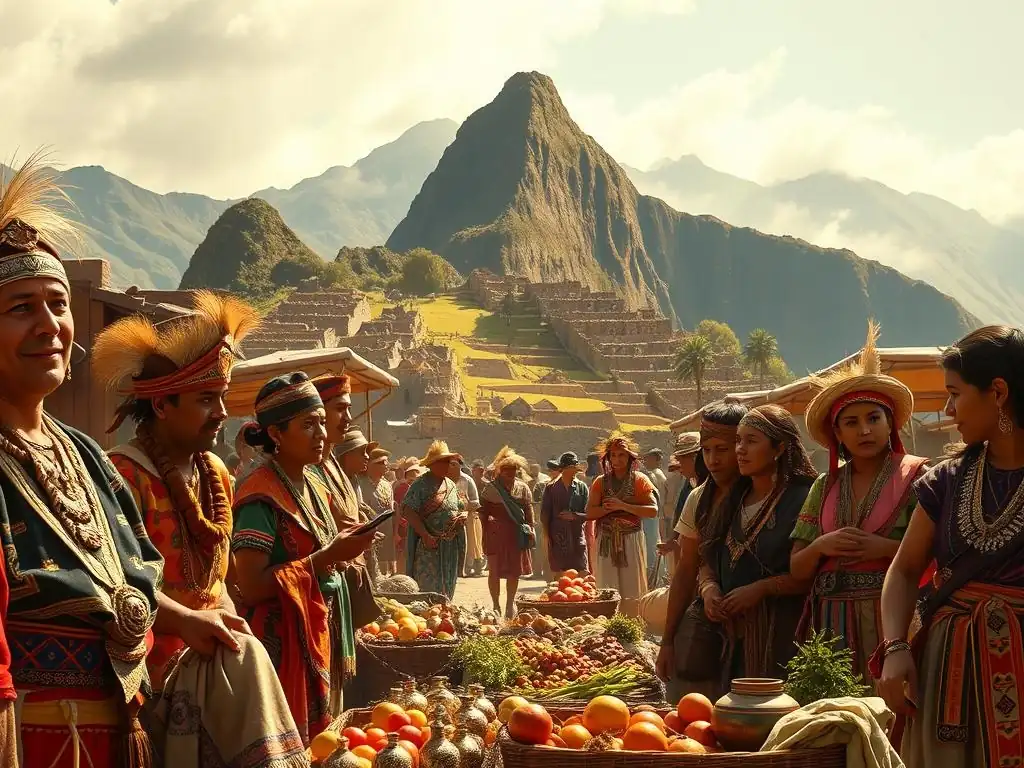
The Inca Empire's economic system was fundamentally characterized by a complex interplay between trade and tribute. This interdependence not only facilitated the functioning of the empire but also promoted social cohesion and stability across its vast territories. The tribute system served as a means of resource distribution, while trade networks enhanced economic efficiency and fostered cultural exchange.
The effectiveness of this dual system was paramount in ensuring that the Inca Empire could sustain its large population, maintain its military, and fund monumental projects, such as temples and agricultural terraces. The integration of trade and tribute within the Inca economy exemplifies a sophisticated approach to governance and resource management, showcasing the empire's ability to adapt to diverse environmental and social conditions.
How Trade Supported the Tribute System
Trade played a pivotal role in supporting the tribute system of the Inca Empire. The empire's vast geography included varied ecological zones, which produced different resources. This diversity necessitated a robust trade network that allowed for the exchange of goods across regions. Here are some key elements of how trade underpinned the tribute system:
- Resource Distribution: The Inca utilized trade to redistribute goods from resource-rich areas to those with shortages. For instance, coastal regions abundant in fish and agricultural products traded with highland communities that produced textiles and pottery. This ensured that tribute received from different regions could be complemented by surplus goods obtained through trade.
- Economic Incentives: Trade provided economic incentives for local communities to participate in the tribute system. By engaging in trade, local leaders could increase their wealth and status, which in turn motivated them to fulfill their tribute obligations to the Inca central authority.
- Cultural Exchange: Trade routes facilitated the exchange not just of goods, but also of ideas and cultural practices. As merchants traveled between regions, they spread agricultural techniques, crafts, and religious beliefs, enriching the cultural tapestry of the empire and enhancing social cohesion.
- Road Networks: The Incas developed an extensive road system, known as the Qhapaq Ñan, which connected various parts of the empire. This network was essential for trade, enabling swift movement of goods and tribute. It also allowed for efficient communication, which was vital for the administration of the tribute system.
The symbiotic relationship between trade and tribute helped to solidify the economic foundation of the Inca Empire, ensuring that it could thrive in a challenging and diverse environment.
The Inca Empire's economic system exemplified a delicate balance between local economies and central authority. This balance was crucial for maintaining both economic stability and political control. Here are several aspects that illustrate this dynamic:
- Local Autonomy: While the Inca Empire imposed a tribute system that required local communities to contribute to the state, it also allowed for a degree of local autonomy in managing their economies. Local leaders were responsible for collecting tribute and organizing agricultural production, which fostered a sense of ownership among communities.
- Adaptation to Regional Needs: The Inca administration recognized the unique needs and capabilities of different regions. Local economies were encouraged to produce goods that suited their environmental conditions, which enhanced productivity and ensured that tribute could be met without over-exploitation of local resources.
- Centralized Oversight: Although local leaders had significant control, the Inca central authority maintained oversight through a network of administrators known as "curacas." These officials ensured that tribute was collected fairly and that trade relationships were nurtured, preventing local leaders from becoming too powerful or neglecting their obligations to the empire.
- Economic Integration: The integration of local economies into the broader imperial framework was facilitated by the regulation of trade. The Inca established market days and designated areas for trade, which helped standardize transactions and maintain order. This integration fostered a unified economic identity among diverse regions, reinforcing loyalty to the empire.
The balance between local economies and central authority in the Inca Empire's economic system was essential for its success. By allowing for local management while maintaining central oversight, the Incas created a resilient economic structure that supported their vast empire and its intricate tribute system.
The Impact of the Economic System on Inca Society
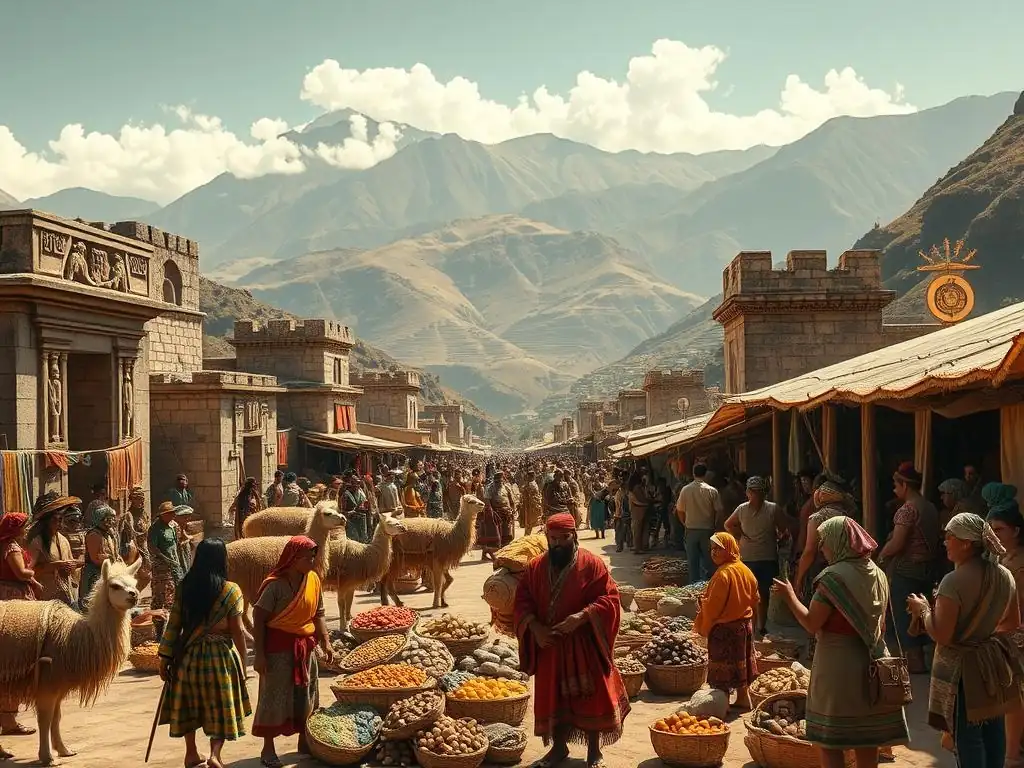
The economic system of the Inca Empire was intricately woven into its social structure, creating a hierarchy that defined roles and responsibilities within society. The state operated a system of reciprocal labor, known as mit'a, which mandated that each community contribute a certain number of laborers to state projects, such as agriculture and construction. This system not only enabled the efficient management of resources but also reinforced social stratification.
At the apex of the social hierarchy was the Sapa Inca, considered a divine ruler. Below him were the nobility, who were often tasked with overseeing various provinces and ensuring compliance with state demands. These nobles owned vast lands and had access to wealth derived from agricultural surplus and tribute collection from the common people.
The commoners, or hatun runa, primarily engaged in farming and herding, forming the backbone of the economy. Each individual had a designated role within their ayllu (community), which was essential for maintaining the agricultural productivity that the empire relied on. The division of labor was gendered, with men typically responsible for farming and livestock, while women participated in textile production and other domestic tasks.
This hierarchy not only dictated economic roles but also shaped social interactions and cultural practices. For example, the wealth generated through agriculture and tribute facilitated elaborate ceremonies and festivals, reinforcing the power dynamics within the empire.
Influence on Culture and Daily Life
The Inca Empire economic system had profound implications for cultural practices and daily life among its inhabitants. The emphasis on agricultural production led to the development of advanced farming techniques, such as terracing and irrigation, which were essential for maximizing crop yields in the diverse Andean environments. This agricultural prowess allowed the Incas to sustain a large population and support urban centers like Cusco, which became cultural hubs.
Trade networks were also vital to the Inca economy, linking regions and facilitating the exchange of goods, including textiles, ceramics, and foodstuffs. The establishment of standardized roads and storage facilities, known as tambos, enhanced the movement of goods and people across the empire, fostering cultural exchange and integration.
The distribution of resources was closely monitored by the state, which collected tribute in the form of surplus crops and other goods. This tribute system not only supplied the ruling elite but also ensured that communal needs were met, reinforcing a collective identity among the Inca people. Daily life was thus characterized by a mix of agricultural labor, communal cooperation, and participation in state-sponsored ceremonies, which often celebrated agricultural cycles and honored the deities believed to influence their prosperity.
In sum, the economic system of the Inca Empire was not merely a means of sustenance but a fundamental element that shaped social hierarchies, cultural practices, and daily experiences, leaving a lasting legacy within the Andes region. The intricate relationships between trade, tribute, and agriculture underscored the empire's resilience and adaptability in the face of environmental challenges.
Conclusion: Legacy of the Inca Empire Economic System
The Inca Empire's economic system was a complex and sophisticated network that facilitated trade, tribute, and resource management across vast distances. The legacy of this system persists in various forms, influencing not only the immediate indigenous communities that followed but also the broader economic practices in the Americas. By examining the Inca Empire's economic strategies, we can understand their lasting impact on the region's indigenous economies and the lessons that can be drawn from their practices.
Lasting Effects on Indigenous Economies in the Americas
The Inca Empire's economic system set a precedent for subsequent indigenous economies throughout the Americas. Its emphasis on collective labor and resource sharing established a model that many communities adopted, fostering a spirit of cooperation and interdependence. Some key effects include:
- Resource Management: The Incas implemented advanced agricultural techniques, including terracing and irrigation, which enhanced crop yields. These practices influenced neighboring societies, leading to improved agricultural productivity across the Andes.
- Trade Networks: The extensive trade routes established by the Incas connected diverse regions, enabling the exchange of goods such as textiles, ceramics, and agricultural products. This network laid the foundation for future trade systems among indigenous groups long after the fall of the Inca Empire.
- Tribute Systems: The tribute system, which required conquered peoples to provide goods and labor, created economic stability and facilitated the redistribution of resources. This practice echoed in various forms among post-Inca societies, highlighting the importance of tribute in maintaining social order and economic sustainability.
- Cultural Exchange: The economic interactions fostered by the Inca Empire encouraged cultural exchange, leading to the dissemination of agricultural knowledge and technologies that benefited multiple communities. This cross-cultural exchange enriched the social fabric of the Americas, as different groups adapted and integrated ideas from one another.
Lessons Learned from the Inca Empire's Economic Practices
The Inca Empire's economic practices offer valuable lessons that can be applied to contemporary economic systems, particularly in terms of sustainability and community engagement. Some of these lessons include:
- Sustainable Agriculture: The Incas prioritized environmentally sustainable practices, ensuring that their agricultural methods would not deplete resources. Modern economies can learn from this approach by adopting techniques that maintain ecological balance and promote long-term agricultural viability.
- Collective Effort: The emphasis on communal labor in the Inca economic system fostered a sense of unity and shared responsibility. Today's societies can benefit from promoting collaborative economic initiatives that empower communities and encourage collective problem-solving.
- Adaptability: The ability of the Inca Empire to adapt its economic strategies to meet the diverse needs of its population showcases the importance of flexibility in economic planning. This adaptability can serve as a model for modern economies facing rapid changes and challenges.
- Cultural Appreciation: The Inca Empire recognized the value of diverse cultural contributions to the economy. By embracing cultural diversity in contemporary economic practices, societies can harness the strengths of various communities, leading to more inclusive and dynamic economic growth.
The Inca Empire's economic system has left a profound legacy that continues to shape the indigenous economies of the Americas. By studying their practices, we can draw essential lessons that inform our understanding of sustainable development and community-oriented economics today.
Frequently Asked Questions
What was the primary economic system of the Inca Empire?
The Inca Empire's economic system was based on a combination of trade and tribute, where goods and services were exchanged and collected from various regions.
How did the Inca achieve economic prosperity?
The Incas achieved economic prosperity through a well-organized system of agriculture, extensive road networks, and an efficient system of tribute collection from conquered territories.
What role did trade play in the Inca Empire?
Trade was vital to the Inca Empire, facilitating the exchange of goods and resources between different regions, which helped strengthen their economy and support urban centers.
How did the tribute system work in the Inca Empire?
The tribute system required conquered peoples to provide goods, labor, or military service, which were then used to support the Inca state and its vast infrastructure.
What lasting impacts did the Inca economic system have?
The Inca economic system laid the groundwork for future economic practices in the region, influencing local trade systems and contributing to the cultural exchange between indigenous groups and European settlers.
Final Reflection: The Enduring Legacy of the Inca Empire's Economic System
The exploration of the Inca Empire's economic system reveals a sophisticated framework that not only sustained a vast civilization but also laid the groundwork for economic principles that resonate today. As we navigate our own complex global economy, the lessons from the Incas remind us of the importance of interconnectedness and resource management. The Inca Empire's ability to balance trade and tribute showcases a remarkable understanding of economic dynamics that continues to inspire modern economic thought.
Culturally, the impact of the Inca economic system is profound and enduring. The principles of reciprocity and communal support that were central to Inca society highlight the value of cooperation over competition. This perspective is increasingly relevant in today's world, where social and economic disparities challenge our collective progress. The true measure of a society can be found in how it treats its most vulnerable members.
This quote encapsulates the essence of the Inca approach, urging us to reflect on how we can integrate these values into our contemporary economic practices.
As we look to the future, I invite you to consider how the lessons from the Inca Empire can inform your own life and community. Reflect on the importance of collaboration, sustainability, and respect for resources in your daily decisions. By embracing these principles, we can contribute to a more equitable and resilient economic landscape, honoring the legacy of the Inca Empire while shaping a brighter future for all.
Ignite Your Curiosity About Indigenous Economies!
Thank you for diving into the fascinating world of the Inca Empire’s trade and tribute systems! Your interest in their economic practices has unveiled the intricate ways in which vibrant cultures thrived. Now, let’s translate that knowledge into action!
Here are a few engaging steps you can take to further explore and contribute to the conversation around Indigenous economies:
- Dive Deeper: Explore related articles on our website to uncover more about the economic structures of various Indigenous civilizations. Your knowledge will expand as you draw comparisons and insights!
- Share Your Discoveries: Invite friends and family to learn with you! Share this article and discuss the complexities of Indigenous trading practices over a cup of coffee.
- Engage with Us: Join our community by leaving your thoughts or questions in the comments section. We’d love to hear your views on how trade shaped cultural identities across the Americas!
What new perspectives on the relationship between trade and culture have you gained from this article?