
Building Techniques of the Maya: Innovations in Stone and Mortar

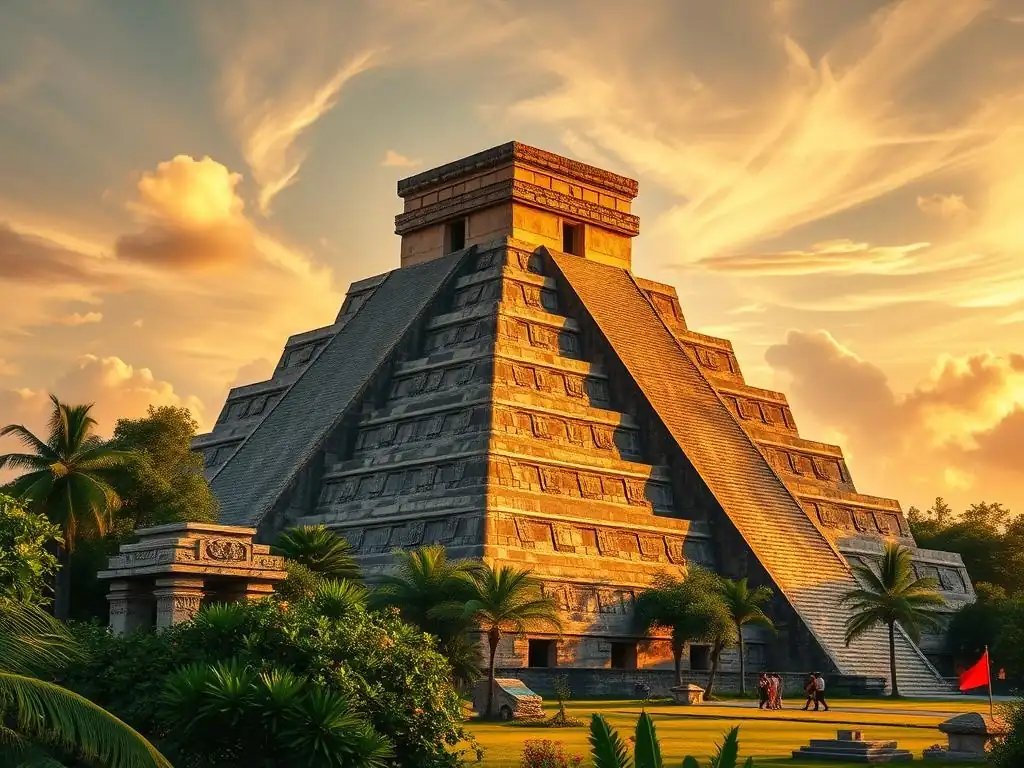
Welcome to Indigenous Civilizations of the Americas, where we invite you to journey through the rich tapestry of indigenous cultures that flourished long before European contact. Our exploration begins with an in-depth look at the Maya building techniques innovations, revealing the remarkable engineering prowess and architectural ingenuity of this ancient civilization. What secrets lie within the stones and mortar of their monumental structures?
Join us as we uncover the stories behind these innovations and their enduring legacy, setting the stage for a deeper understanding of the Maya's exceptional contributions to human history. Dive in, and let your curiosity lead the way!
- Introduction to Maya Building Techniques Innovations
- Historical Context of Maya Building Techniques
- Key Innovations in Stone and Mortar Used by the Maya
- Notable Examples of Maya Architecture
- The Role of Religious and Cultural Significance in Maya Architecture
- Legacy of Maya Building Techniques Innovations
- Conclusion: The Enduring Impact of Maya Innovations in Stone and Mortar
-
Frequently Asked Questions
- What were the primary building techniques used by the Maya?
- How did Maya innovations in architecture impact their society?
- Were there any specific materials used in Maya construction?
- What is the significance of Maya building techniques innovations?
- How does the study of Maya architecture contribute to our understanding of indigenous cultures?
- Final Reflection: The Enduring Legacy of Maya Building Techniques Innovations
- Uncover the Marvels of Maya Engineering!
Introduction to Maya Building Techniques Innovations
The Maya civilization, one of the most sophisticated and influential cultures in pre-Columbian America, is renowned not only for its remarkable achievements in mathematics, astronomy, and writing but also for its extraordinary architectural innovations. The complexities of Maya building techniques, particularly those involving stone and mortar, reveal much about their advanced engineering skills and social organization.
This article delves into the various innovations employed by the Maya in their construction practices, highlighting the significance of their architectural contributions that have left an indelible mark on the region’s cultural landscape. By examining the techniques and materials utilized, we gain a deeper appreciation of how these innovations facilitated the creation of enduring structures that served both practical and ceremonial purposes within Maya society.
Overview of the Maya Civilization and Architecture
The Maya civilization flourished in Mesoamerica from approximately 2000 BCE until the Spanish conquest in the 16th century. Spanning modern-day Mexico, Guatemala, Belize, Honduras, and El Salvador, the Maya developed a rich tapestry of culture, marked by impressive city-states such as Tikal, Palenque, and Chichen Itza.
Maya architecture is characterized by its diverse styles and elaborate structures, including:
- Pyramids: Stepped structures that served religious purposes, often topped with temples.
- Palaces: Grand buildings that housed the elite and served administrative functions.
- Ball courts: Specialized areas for the Mesoamerican ballgame, integral to Maya society.
The Maya utilized local materials, primarily limestone, to construct their architectural marvels. Their building techniques were advanced for their time, reflecting a deep understanding of both aesthetics and functionality, which was essential for the survival and prosperity of their cities.
Importance of Innovations in Stone and Mortar
The innovations in stone and mortar by the Maya were pivotal in shaping their architectural legacy. These techniques not only allowed for the construction of grand edifices but also demonstrated an understanding of engineering principles that would influence generations to come. Some key aspects include:
- Use of Limestone: The Maya expertly quarried and shaped limestone blocks, which were abundant in their region. This material was essential for constructing both monumental structures and everyday buildings.
- Mortar Techniques: The use of a unique mortar mix, often made from lime and volcanic ash, provided not only structural integrity but also enhanced durability against the elements.
- Architectural Styles: Innovations led to distinctive styles such as the corbel arch, which allowed the Maya to create spacious interiors without the need for traditional arch construction.
- Sustainability: The techniques employed were often sustainable, utilizing local resources and minimizing environmental impact, which is a crucial consideration in modern architecture.
These innovations reflect the Maya's ingenuity and adaptability, enabling them to create a built environment that was not only functional but also deeply intertwined with their cultural and religious practices. The enduring nature of their structures serves as a testament to their architectural prowess and highlights the importance of studying these techniques in understanding Maya civilization as a whole.
Historical Context of Maya Building Techniques
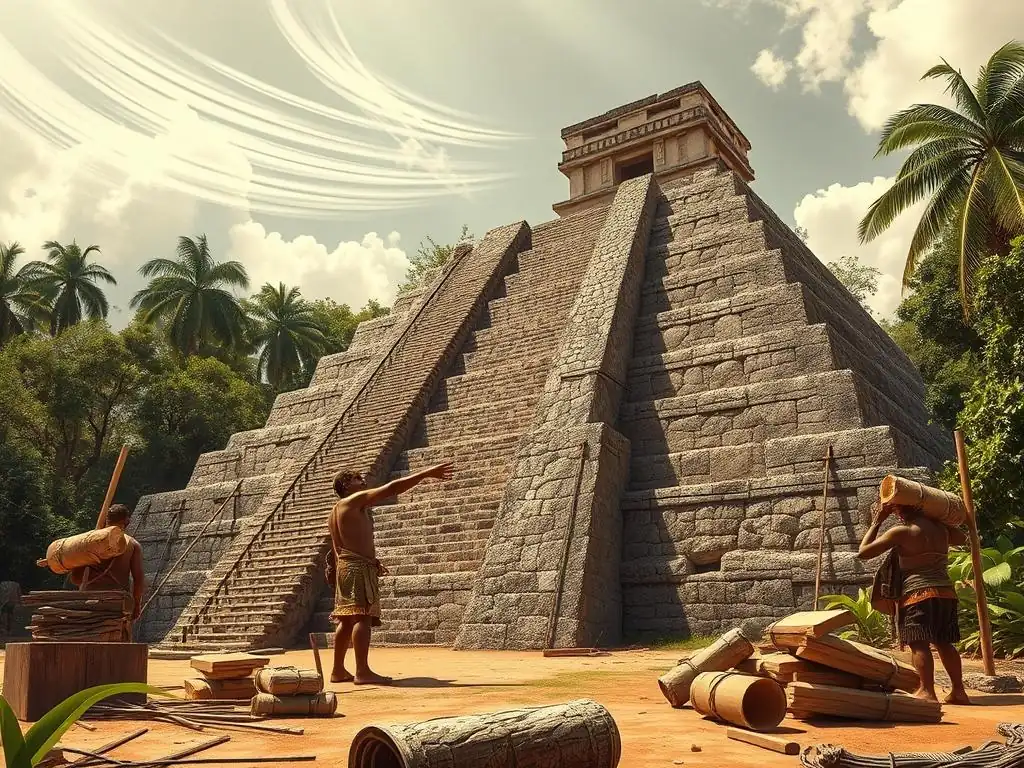
The Maya civilization, which flourished in Mesoamerica from approximately 2000 BCE to the arrival of Europeans in the 16th century, developed a rich architectural tradition that reflects their complex society and deep cultural values. The historical context of Maya building techniques is essential to understanding the innovations in stone and mortar that characterized their structures.
The Maya were not a monolithic culture; their architectural practices evolved over millennia, influenced by their environmental conditions, social organization, and technological advancements. The early Maya began as hunter-gatherers, gradually transitioning to settled agricultural communities. This shift necessitated the construction of more permanent structures for habitation, ceremonial purposes, and administrative functions.
Maya architecture incorporated local materials, predominantly limestone, which was abundant in the region. The techniques used by the Maya were not only practical but also imbued with cultural significance, as they reflected their cosmology and societal hierarchies. Monumental architecture, such as temples and pyramids, served as a means of connecting the terrestrial with the celestial, emphasizing the importance of religion and governance in Maya society.
Evolution of Maya Architecture Through the Ages
The evolution of Maya architecture can be divided into several distinct periods, each marked by notable advancements and innovations in building techniques:
- Preclassic Period (2000 BCE - 250 CE):
- Early structures were primarily made of perishable materials like wood and palm. The first monumental constructions began to appear, with low platforms and simple structures.
- Key sites like Nakbé and El Mirador showcased large, ceremonial complexes, paving the way for future architectural developments.
- Classic Period (250 - 900 CE):
- This period saw significant advancements in both construction techniques and architectural complexity. The Maya began to use sophisticated masonry techniques, including corbel arches and intricate stone carvings.
- Notable cities such as Tikal, Palenque, and Copán emerged, characterized by grand pyramids, temples, and palaces.
- The introduction of mortar made from lime enabled the construction of intricate stone walls and decorative facades, enhancing both structural integrity and aesthetic appeal.
- Postclassic Period (900 - 1500 CE):
- Architectural styles began to shift, with a focus on fortifications and a more pragmatic approach to building, reflecting changes in social and political dynamics.
- While some cities like Chichen Itza continued to thrive, others experienced decline, leading to variations in building techniques based on regional resources and needs.
The evolution of Maya architecture illustrates a continuous dialogue between the environment, culture, and technology, resulting in a legacy of innovative building techniques that have lasted through the ages.
Influences on Maya Construction Methods
Maya construction methods were influenced by a variety of factors, both internal and external, that shaped their architectural landscape:
- Geographical Factors:
- The diverse terrain of the Maya region, including jungles, mountains, and coastal areas, dictated the materials and techniques used. For example, in areas with abundant limestone, the Maya mastered its extraction and carving, leading to intricate stonework.
- Cultural Practices:
- The Maya's religious beliefs and social structures played a crucial role in their architecture. Structures were often aligned with celestial events, reflecting their agricultural calendar and cosmological views. Temples were usually oriented toward the rising and setting sun, underscoring the importance of astronomy in their culture.
- Technological Advancements:
- Innovations in tools and methods significantly impacted the efficiency and complexity of construction. The development of advanced chiseling techniques and scaffolding allowed for the creation of larger and more complex structures, such as the towering pyramids found in major city centers.
- Interregional Contacts:
- Trade and interactions with neighboring cultures introduced new materials and ideas, enhancing Maya building techniques. For instance, influences from the Olmec and Teotihuacan cultures can be seen in certain architectural styles and construction methods.
The Maya building techniques innovations were a result of a rich tapestry of historical, cultural, and environmental influences that shaped their architectural legacy. This legacy continues to inspire and inform modern understandings of pre-Columbian architecture.
Key Innovations in Stone and Mortar Used by the Maya
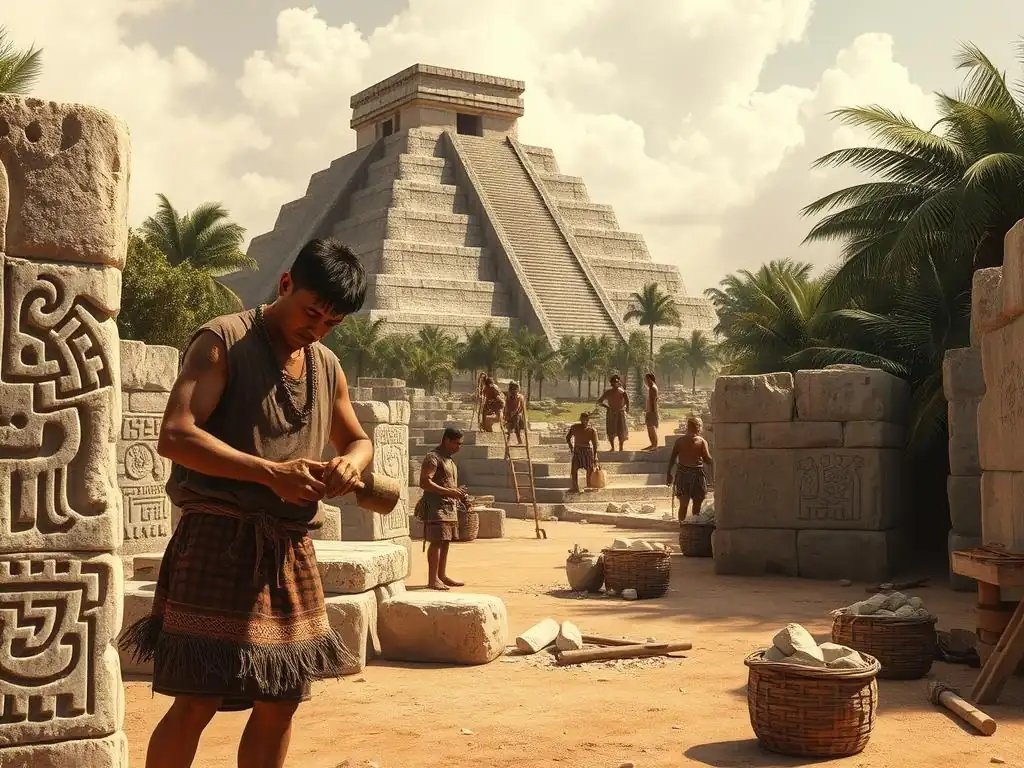
The Maya civilization is renowned for its remarkable architectural achievements, which were largely made possible by their innovative use of stone and mortar. The construction techniques employed by the Maya were not only functional but also reflected their cultural values and technological advancements. This section delves into the key innovations in stone and mortar that defined Maya architecture.
Advanced Techniques in Stone Carving
The Maya were masters of stone carving, employing several advanced techniques that set their structures apart from those of other ancient civilizations. They primarily used limestone, which was abundant in their geographic area, and developed methods that allowed them to create intricate designs and robust structures.
- Quarrying and Shaping:
- The Maya utilized specific tools made from obsidian and harder stones to quarry limestone blocks. They designed chisels and hammers that enabled them to carve large stones with precision.
- Blocks were often shaped into uniform sizes, facilitating the construction of large buildings and ensuring stability.
- Mortise and Tenon Joints:
- This technique involved creating interlocking joints that enhanced the structural integrity of buildings. By cutting precise notches (mortises) into one stone, they could fit another stone (tenon) securely into place.
- This not only provided strength but also allowed for some flexibility, which was crucial in earthquake-prone regions.
- Sculptural Elements:
- The Maya incorporated elaborate sculptural elements into their buildings, such as friezes, columns, and lintels. These were often heavily adorned with carvings depicting gods, historical events, and other significant cultural symbols.
- Such decorations were achieved through careful planning and execution, showcasing the skill of Maya artisans.
Innovative Use of Mortar in Maya Structures
While stone was the primary material in Maya construction, the mortar used to bind these stones was equally innovative. The Maya developed various mortar types, which played a significant role in the longevity and durability of their structures.
- Lime Mortar:
- The Maya created lime mortar by burning limestone to produce quicklime, which was then mixed with water and sand. This resulted in a strong bonding agent that could withstand moisture and temperature changes.
- Lime mortar was crucial for sealing joints between stones, ensuring that structures were not only stable but also resistant to water damage.
- Natural Additives:
- To enhance their mortar, the Maya sometimes added natural materials like crushed shells or volcanic ash. These additives improved the mortar's flexibility and strength, making it more resilient to external pressures.
- The use of these materials also reflects the Maya's deep understanding of local resources and their properties.
- Application Techniques:
- The application of mortar was carefully executed by skilled craftsmen. They ensured that the mortar was evenly distributed and properly compacted between stones to create a seamless and durable bond.
- This meticulous approach to mortar application contributed to the longevity of Maya structures, many of which still stand today.
Structural Engineering Practices of the Maya
The engineering practices of the Maya were characterized by their advanced understanding of structural integrity and environmental adaptation. Their buildings were not only aesthetically pleasing but also engineered to endure the test of time.
- Site Selection:
- The Maya were strategic in selecting construction sites, often choosing locations that offered natural protection from elements like flooding and erosion.
- They conducted thorough environmental assessments to ensure that their buildings would last and resist natural disasters.
- Architectural Design:
- Maya architecture included features such as corbel arches and vaulted ceilings, which distributed weight effectively and allowed for spacious interiors without the need for extensive support columns.
- These designs not only enhanced the aesthetic appeal of their structures but also improved their structural stability.
- Integration with the Environment:
- The Maya incorporated their buildings into the landscape, utilizing natural features to support their construction. For example, they often built on hillsides to reduce the impact of flooding.
- This integration extended to their urban planning, with cities designed to harmonize with the surrounding environment, showcasing their ingenuity in both architecture and urbanism.
The innovations in stone and mortar used by the Maya reflect a sophisticated understanding of materials and engineering principles. Their advanced techniques in stone carving, innovative use of mortar, and strategic structural practices not only highlight their architectural prowess but also their ability to adapt to and thrive in their environment. The legacy of these innovations continues to fascinate and inspire modern architects and engineers today.
Notable Examples of Maya Architecture
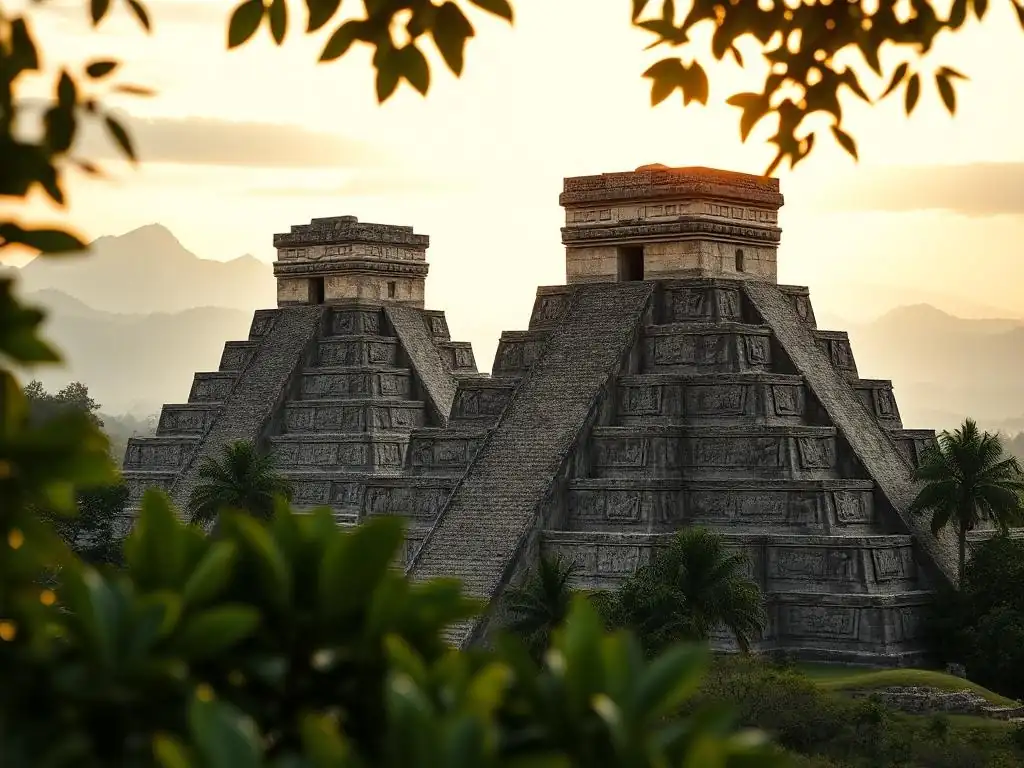
Iconic Maya Structures and Their Construction Techniques
The architectural achievements of the Maya civilization are among the most remarkable in ancient history, showcasing not only aesthetic beauty but also engineering ingenuity. The Maya often utilized local materials, primarily limestone, which allowed them to create enduring structures that have withstood the test of time.
Many of the iconic Maya structures are characterized by their elaborate carvings, steep stairways, and grand scale. Notable examples include:
- Temple Pyramids: These monumental structures served as places of worship and ceremonial activities. The use of corbel arch techniques allowed for expansive interiors and impressive heights.
- Palaces: Often featuring multiple levels and extensive courtyards, palaces were designed not only for royalty but also for administrative functions.
- Observatories: Structures like the Caracol at Chichen Itza, designed for astronomical observations, reflect the Maya's advanced understanding of celestial movements.
The construction techniques employed by the Maya included:
- Layered Stone Construction: Stones were often laid in a stepped pattern, providing stability and aesthetic appeal.
- Mortar Use: The Maya developed advanced mortar made from lime plaster, which was crucial for binding stones together and creating decorative facades.
Temple Pyramids: A Testament to Engineering Excellence
Temple pyramids stand as a defining feature of Maya architecture. These structures, such as the iconic El Castillo at Chichen Itza, not only served religious purposes but also symbolized the cosmic connection between the earth and the heavens.
The construction of these pyramids involved several innovative techniques:
- Staged Construction: The Maya would build pyramids in stages, allowing for complex designs that included multiple temples atop a single pyramid.
- Orientation and Alignment: Many pyramids were meticulously aligned with celestial events, such as solstices and equinoxes, demonstrating the Maya's advanced understanding of astronomy.
- Intricate Carvings: The exterior of these pyramids often featured elaborate stone carvings and stucco reliefs that depicted deities, historical events, and astronomical symbols.
These engineering feats required a deep knowledge of materials and structural integrity, which the Maya mastered over centuries of architectural development.
Palaces and Administrative Buildings: Functionality Meets Aesthetics
Maya palaces exemplified the intersection of functionality and aesthetics within their architectural practices. Unlike simple dwellings, these palaces were grand, multi-roomed complexes that served as the center of political power and social life.
Key features of Maya palaces include:
- Multiple Levels: Tall structures with several stories that allowed for both residential and administrative functions.
- Courtyards: Open spaces that facilitated gatherings, ceremonies, and administrative activities.
- Decorative Elements: Intricate stone carvings and colorful murals adorned the walls, depicting historical events and the lives of rulers.
Notable examples include the Palace of the Governor in Uxmal, which showcases the unique Puuc architectural style characterized by its decorative stonework and expansive layout.
Regional Variations in Maya Building Techniques
While the Maya civilization shared many architectural traits, regional variations were evident in their building techniques, influenced by available materials, environmental conditions, and cultural practices.
Lowland Maya vs. Highland Maya Innovations
The Lowland Maya, residing in the tropical jungles of the Yucatan Peninsula, predominantly used limestone, while the Highland Maya, in the mountainous regions, often incorporated volcanic rock into their structures. This led to distinct architectural styles:
- Lowland Innovations:
- Use of the corbel arch in temple construction.
- Extensive use of stucco for decorative purposes.
- Highland Innovations:
- Greater emphasis on terraces and platforms to manage steep terrains.
- Integration of adobe and stone materials, reflecting local resources.
This regional diversity contributed to a rich tapestry of architectural styles and techniques across the Maya civilization.
Adaptations to Local Materials and Environment
The Maya were adept at adapting their building techniques to suit the specific conditions of their environment. This adaptability can be observed in various aspects:
- Material Utilization: In regions with ample limestone, the Maya excelled in quarrying and shaping stone for construction, while in areas with limited resources, they turned to alternative materials such as wood and adobe.
- Environmental Considerations: Structures were often designed to withstand local climatic conditions, including heavy rains in the lowlands or colder temperatures in the highlands. For example, the use of overhanging roofs helped protect walls from excessive moisture.
Through these adaptations, the Maya not only built impressive structures but also demonstrated a profound understanding of their environment, ensuring the longevity and functionality of their architectural achievements.
The Role of Religious and Cultural Significance in Maya Architecture
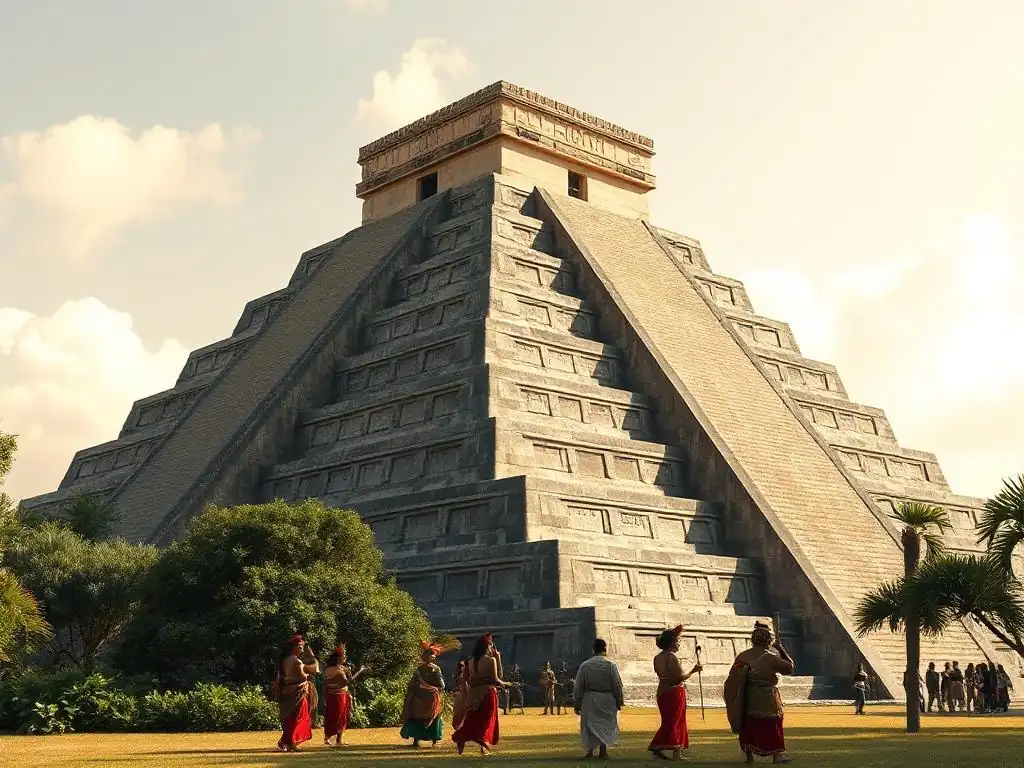
Maya architecture is deeply intertwined with the religious and cultural values of the civilization. The construction of structures, from temples to palaces, was not merely a matter of functionality; it was an expression of the Maya worldview and their connection to the cosmos. The materials chosen, the layout of the buildings, and even the orientation of structures were all influenced by religious beliefs and cultural practices.
Symbolism in Building Designs and Layouts
Maya architecture is rich with symbolism, reflecting the civilization's beliefs and social hierarchy. Structures were often aligned with celestial events, such as solstices and equinoxes, which held significant meaning in Maya cosmology. For instance, many temples were built to align with the rising sun or specific stars, creating a physical manifestation of the Maya's relationship with the universe.
- Temple Design: Temples were constructed with a series of platforms and staircases that represented the sacred mountains in Maya mythology. The height of these structures symbolized the connection between the earth and the heavens, allowing priests to ascend closer to the gods.
- Sacred Geometry: The use of specific geometric shapes, such as rectangles and triangles, was prevalent in Maya architecture. These shapes held symbolic meaning and were believed to influence the spiritual energy of a space. The design of ceremonial plazas, for example, often included circular layouts, signifying the cyclical nature of time and the universe.
- Decorative Elements: Carvings and reliefs adorning buildings frequently depicted deities, mythological scenes, and historical events. These artistic features served not only as decoration but also as a means of storytelling, preserving cultural narratives for future generations.
The Relationship Between Architecture and Maya Cosmology
The relationship between Maya architecture and cosmology is profound, as it reflects the civilization's understanding of the universe and their place within it. Maya cosmology is based on a complex belief system that integrates the physical and spiritual worlds.
- Worldview Representation: The layout of a Maya city often mirrored the structure of the cosmos. For example, the central pyramid or temple represented the World Tree, a vital symbol in Maya mythology that connected the heavens, earth, and underworld.
- Ritual Spaces: Certain architectural features, such as ball courts and altars, were specifically designed for rituals that reinforced the community's connection to their gods and ancestors. The placement of these structures in relation to other buildings was meticulously planned to create a harmonious environment that resonated with spiritual energy.
- Ceremonial Architecture: Grand ceremonial complexes, such as those found in Tikal and Copán, illustrate the significance of architecture in religious practice. These complexes often included multiple structures designed for specific rituals, emphasizing the importance of communal worship and the interplay between architecture and the divine.
The innovations in Maya building techniques were not merely technical advancements; they were deeply embedded in the civilization's cultural and religious framework. The careful consideration of symbolism and cosmological beliefs in the architectural design reflects the Maya's profound understanding of their environment and their place within the broader cosmos.
Legacy of Maya Building Techniques Innovations
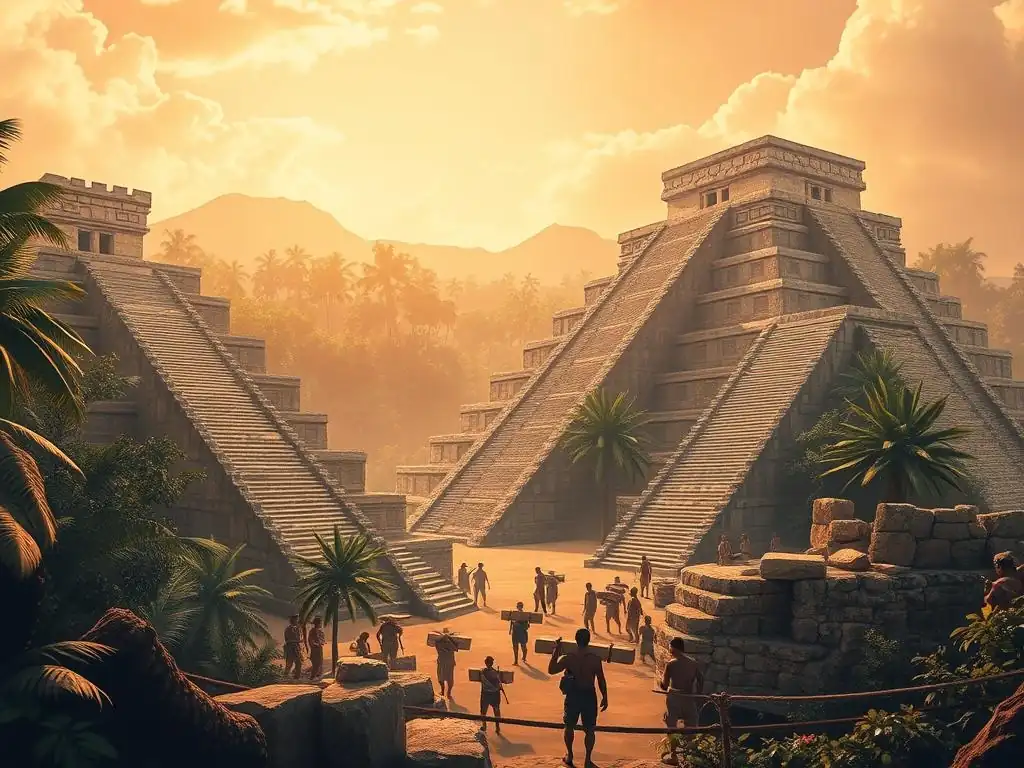
The legacy of Maya building techniques innovations is a testament to the engineering prowess and architectural sophistication of the Maya civilization. These techniques not only defined the physical landscape of Mesoamerica but also set standards for construction practices that influenced subsequent cultures.
Influence on Later Mesoamerican Cultures
The architectural innovations of the Maya had a profound impact on later Mesoamerican cultures, particularly the Aztecs and the Mixtecs. The use of specific construction materials and methods, such as lime plaster and corbel arching, became hallmarks of Mesoamerican architecture.
- Corbel Arch:
- The corbel arch, utilized extensively by the Maya, allowed for the construction of large doorways and vaulted roofs without the need for true arches. This technique was later adopted by the Aztecs, who incorporated it into their monumental structures.
- Platform Construction:
- The Maya often built their cities on raised platforms to mitigate flooding and enhance visibility. This practice influenced the urban planning of later civilizations, including Tenochtitlan, the Aztec capital, which featured similar elevated structures.
- Integration of Nature:
- The Maya integrated their architectural designs with the surrounding landscape. Terracing and the use of natural topography were observed in later cultures, emphasizing a harmonious relationship with the environment.
- Religious Symbolism:
- Temples and pyramids constructed by the Maya served not only practical purposes but also held religious significance. This duality was mirrored in later Mesoamerican societies, where architecture became a canvas for cultural expression and spiritual representation.
The intricate designs, attention to detail, and alignment with astronomical events demonstrated by the Maya inspired subsequent civilizations to adopt similar techniques, ensuring that their architectural innovations would endure through the ages.
Preservation and Study of Maya Architectural Techniques Today
The preservation and study of Maya architectural techniques are vital for understanding the civilization's contributions to architecture and urbanism. Various initiatives and methodologies have been implemented to safeguard these invaluable cultural assets.
- Archaeological Excavations:
- Ongoing archaeological efforts, such as those in Tikal and Palenque, have uncovered significant structures that exemplify Maya building techniques. These excavations provide insights into construction methods, materials, and the societal organization of the Maya.
- Conservation Efforts:
- Organizations and governments are increasingly aware of the need to conserve Maya ruins. Programs aimed at stabilizing structures, preventing erosion, and mitigating damage from environmental factors are critical to preserving these sites for future generations.
- Digital Reconstruction:
- Advances in technology have enabled researchers to create digital models of Maya architecture. This not only aids in preservation but also allows for virtual explorations of ancient structures, enhancing public understanding and appreciation of Maya innovations.
- Educational Programs:
- Universities and cultural institutions are developing educational programs focused on Maya architecture. These initiatives aim to disseminate knowledge about Maya techniques and their cultural significance, fostering a greater appreciation for indigenous contributions to architecture.
The legacy of Maya building techniques innovations continues to inspire modern architects and historians alike, illustrating the importance of preserving these techniques and the cultural narratives they embody. As research progresses, the understanding of Maya architectural practices will only deepen, ensuring their place in the annals of architectural history.
Conclusion: The Enduring Impact of Maya Innovations in Stone and Mortar
The architectural innovations of the Maya civilization continue to resonate through time, showcasing a remarkable blend of artistry and engineering. The techniques they developed for constructing monumental structures not only highlight their advanced understanding of materials but also reflect their societal values and cosmological beliefs. The use of locally sourced limestone, the precision in stone carving, and the application of complex mortar recipes are testaments to their ingenuity.
Moreover, these innovations had far-reaching effects, influencing architecture in subsequent Mesoamerican cultures and even modern practices. The durability of Maya structures, many of which still stand today, offers invaluable insights into sustainable building practices that contemporary architects can learn from. The legacy of Maya building techniques serves as a reminder of the sophistication of indigenous civilizations and their ability to harmonize with their environment.
Reflection on the Importance of Understanding Maya Building Techniques
Understanding the building techniques of the Maya is crucial for several reasons. Firstly, it allows us to appreciate the level of sophistication achieved by this civilization in terms of architectural design and construction methods. The Maya were not only builders of impressive structures but also creators of spaces that served various functions—from religious ceremonies to administrative purposes.
- Cultural Heritage:
- The knowledge embedded in Maya architecture reflects cultural values, societal organization, and religious beliefs. Recognizing these aspects helps preserve the identity and heritage of the descendants of the Maya.
- Technological Insights:
- The innovations in stone and mortar can inspire modern construction techniques. The Maya’s ability to create stable structures without modern technology prompts architects to consider alternative materials and methods that align with environmental sustainability.
- Historical Context:
- By studying these techniques, researchers can gain insights into the socio-political dynamics of the Maya civilization, including trade routes, resource management, and urban planning.
- Educational Resource:
- Incorporating Maya building techniques into educational materials fosters a greater understanding of indigenous contributions to world history and architecture.
Future Research Directions in Maya Architecture Studies
The study of Maya architecture and building techniques is a continually evolving field, with numerous avenues for future research:
- Archaeological Exploration:
- Ongoing excavations and advanced technologies, such as LiDAR, can uncover hidden structures and provide a more comprehensive understanding of urban layouts and construction methods.
- Material Analysis:
- Further research into the composition of the materials used in Maya construction can reveal insights into their sourcing and the environmental impact of their building practices.
- Comparative Studies:
- Comparing Maya building techniques with those of contemporary civilizations can highlight the unique adaptations made by the Maya in response to their environment and resources.
- Preservation Techniques:
- Research into effective conservation methods for the preservation of ancient structures will be essential as climate change poses new challenges to the structural integrity of these sites.
- Interdisciplinary Approaches:
- Collaborative studies involving architecture, anthropology, and environmental science can provide a holistic view of Maya architecture, enriching our understanding of its significance.
The innovations in Maya building techniques not only shaped their civilization but also continue to influence modern architecture and sustainability practices. As research progresses, we can expect to uncover even more about the ingenuity of the Maya and its implications for both history and contemporary society.
Frequently Asked Questions
What were the primary building techniques used by the Maya?
The Maya utilized advanced techniques such as corbel arch and mortarless construction, which allowed them to create durable structures without modern tools.
How did Maya innovations in architecture impact their society?
The innovative building techniques allowed the Maya to construct elaborate temples and cities, which played a crucial role in their cultural and spiritual life.
Were there any specific materials used in Maya construction?
Yes, the Maya primarily used limestone for their buildings, supplemented by stucco for finishing, which provided both durability and aesthetic appeal.
What is the significance of Maya building techniques innovations?
These innovations not only showcased their engineering prowess but also contributed to their social hierarchy and religious practices, reflecting their complex society.
How does the study of Maya architecture contribute to our understanding of indigenous cultures?
Examining Maya architecture reveals insights into their social structure, technological advancements, and cultural values, helping us appreciate the richness of indigenous civilizations in the Americas.
Final Reflection: The Enduring Legacy of Maya Building Techniques Innovations
The innovations in stone and mortar employed by the Maya civilization are not just relics of the past; they are testaments to human ingenuity and resilience. In a world where modern architecture often overshadows ancient methods, the techniques developed by the Maya continue to resonate today. Their ability to create enduring structures that harmonized with their environment speaks volumes about their understanding of materials and design, reminding us that innovation is timeless and transcends the boundaries of culture and era.
The impact of Maya building techniques extends far beyond their historical context; they have shaped our cultural and social landscapes in profound ways. As we navigate the challenges of contemporary architecture and sustainability, the lessons from the Maya become increasingly relevant. Their mastery of local materials and their innovative approaches to construction serve as a blueprint for modern architects seeking to create structures that are both functional and environmentally conscious. The greatest innovation is not in the materials we use, but in how we choose to use them.
This quote encapsulates the essence of the Maya’s approach, urging us to rethink our relationship with the resources at our disposal.
As we reflect on the remarkable achievements of the Maya, let us take a moment to consider how we can apply these lessons in our own lives and communities. Embrace the spirit of innovation that characterized the Maya civilization by seeking sustainable solutions in our daily practices, whether in architecture, design, or environmental stewardship.
Challenge yourself to think creatively about how you can contribute to a future that honors the past while paving the way for new possibilities. The legacy of the Maya is not just a story of what was; it is an invitation to envision what could be.
Uncover the Marvels of Maya Engineering!
Thank you for diving into the fascinating world of Maya building techniques! You've gained insights into their impressive innovations in stone and mortar that have withstood the test of time. Now it's time to take your newfound knowledge to the next level!
Here are some actions you can take:
- Explore local museums or cultural events that showcase indigenous architecture and learn even more about these incredible building techniques.
- Share your favorite facts or insights from this article on social media to spark conversations about Maya culture and history.
- Try creating a miniature model of a Maya structure at home or in a classroom, using natural materials to recreate their engineering wonders.
What aspect of Maya architecture do you find most inspiring, and how will you share this knowledge with others?