
EcoFriendly Architecture: Sustainable Practices of the Ancient Maya

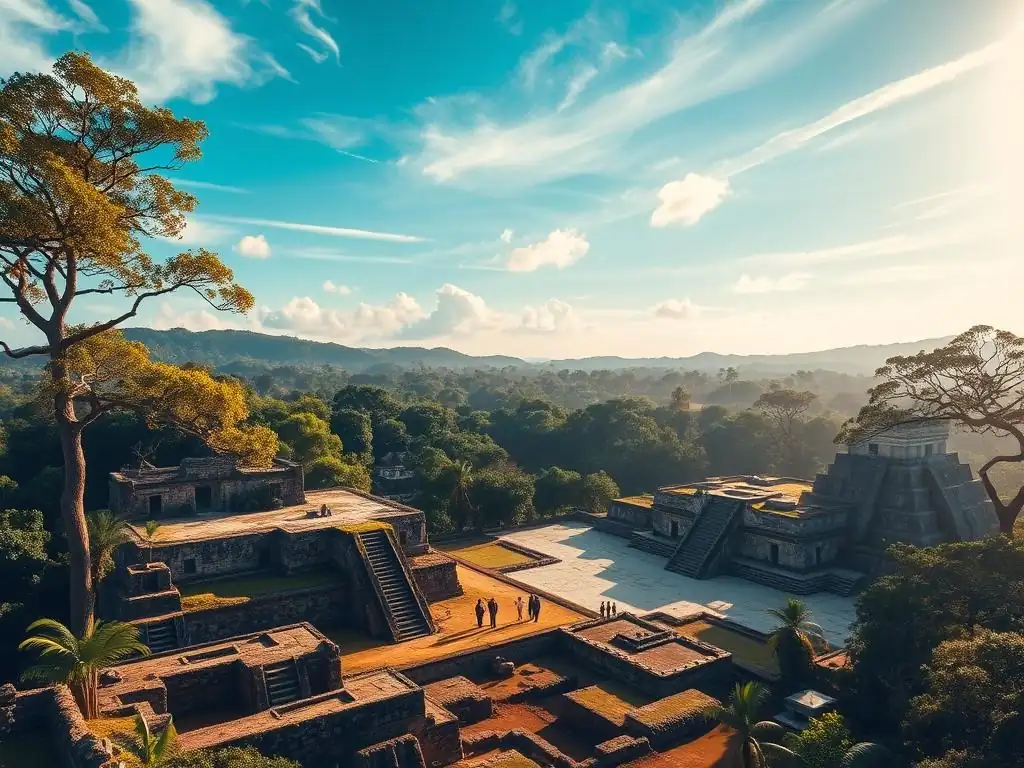
Welcome to Indigenous Civilizations of the Americas, where we invite you to embark on a fascinating journey through the rich tapestry of indigenous cultures that once flourished across this vast continent. In our featured article, "EcoFriendly Architecture: Sustainable Practices of the Ancient Maya," we delve into the remarkable achievements of the Ancient Maya in sustainable architecture. Discover how their innovative building techniques harmonized with the environment, leaving a legacy that resonates with modern sustainability efforts. Join us as we unlock the secrets of these ancient societies and explore their profound impact on our world today!
- Introduction to Ancient Maya Sustainable Architecture
- Principles of EcoFriendly Architecture in Ancient Maya
- Sustainable Practices Adopted by the Ancient Maya
- Architectural Innovations of the Ancient Maya
- Case Studies of Sustainable Maya Sites
- Lessons from Ancient Maya Sustainable Architecture
- Conclusion: The Legacy of Ancient Maya Sustainable Architecture
- References
-
Frequently Asked Questions
- What are the main features of Ancient Maya sustainable architecture?
- How did the Ancient Maya manage their natural resources?
- What role did religion play in Maya architecture?
- How does sustainable architecture today draw inspiration from the Ancient Maya?
- What is the significance of studying Maya architectural practices?
- Final Reflection: Embracing the Wisdom of Ancient Maya Sustainable Architecture
- Embrace Sustainable Living: Follow the Wisdom of the Ancients!
Introduction to Ancient Maya Sustainable Architecture
The Ancient Maya civilization, known for its remarkable achievements in various domains, has left an indelible mark on the cultural landscape of the Americas. Renowned for their advanced understanding of agriculture, astronomy, and urban planning, the Maya developed a unique architectural style that harmonized with their natural environment.
This article delves into the concept of Ancient Maya sustainable architecture, exploring how their building practices and urban designs were not only innovative but also deeply rooted in sustainable principles. By examining the materials and techniques used by the Maya, we can gain valuable insights into their sustainable practices that resonate with contemporary architectural movements advocating for environmental stewardship and sustainability.
Overview of the Ancient Maya Civilization
The Ancient Maya civilization flourished in Mesoamerica from approximately 2000 BCE until the arrival of Europeans in the 16th century. This remarkable society was characterized by:
- Advanced Urban Centers: Cities like Tikal, Palenque, and Copán showcased impressive architectural feats, including towering pyramids, palaces, and ceremonial platforms.
- Rich Cultural Practices: The Maya developed a complex system of writing, mathematics, and astronomy, reflecting their sophisticated understanding of the world.
- Agricultural Innovation: Utilizing slash-and-burn techniques, terracing, and raised fields, the Maya optimized their agricultural yield, ensuring food security for their urban populations.
The Maya's ability to adapt their architecture to the diverse landscapes they inhabited, from dense jungles to arid highlands, is a testament to their ingenuity and resourcefulness.
Importance of Sustainability in Maya Culture
Sustainability was not merely an abstract concept for the Maya; it was essential to their survival and cultural identity. The following points highlight the significance of sustainable practices in their society:
- Environmental Stewardship: The Maya had a profound respect for nature, understanding the delicate balance between human activity and environmental health.
- Resource Management: Their construction techniques often employed locally sourced materials, reducing the ecological footprint of their buildings and ensuring that resources were used responsibly.
- Cultural Continuity: Sustainable practices reinforced community ties and cultural traditions, as they emphasized a harmonious relationship with the land and its resources.
This emphasis on sustainability allowed the Maya to thrive for centuries, leaving behind a legacy that continues to inspire modern architects and environmentalists.
Key Features of Ancient Maya Architecture
Ancient Maya architecture is distinguished by several key characteristics that reflect their sustainable approach to building:
- Use of Local Materials: Maya builders primarily utilized limestone, wood, and clay, which were abundant in their environment. This practice minimized transportation costs and environmental disruption.
- Design for Climate: Structures often included features such as thick walls and high ceilings to regulate temperature and reduce energy consumption, showcasing a deep understanding of local climatic conditions.
- Integration with Nature: Buildings were frequently designed to complement the surrounding landscape, incorporating natural elements such as trees and water sources, which helped maintain ecological balance.
These features not only highlight the ingenuity of the Ancient Maya but also serve as a blueprint for contemporary sustainable architecture, demonstrating that the principles of environmental responsibility and resource efficiency are timeless.
Principles of EcoFriendly Architecture in Ancient Maya
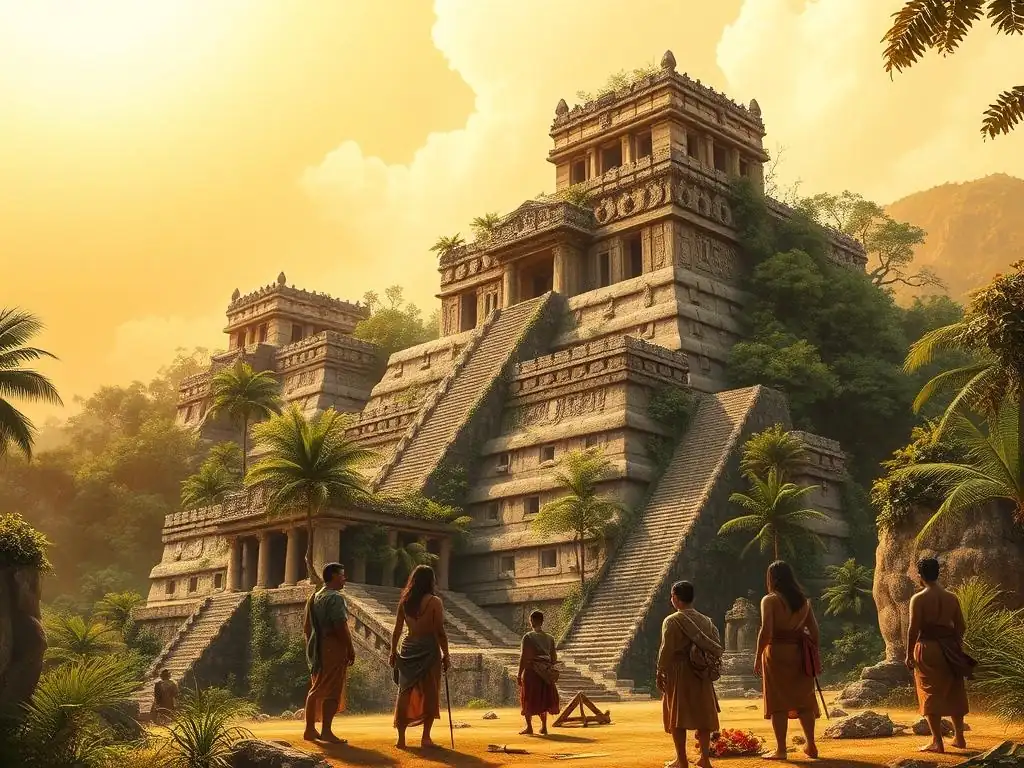
The Ancient Maya civilization is often celebrated for its remarkable contributions to architecture, which not only showcased their advanced engineering skills but also embodied sustainable practices that resonate with modern eco-friendly principles. Their architectural designs were rooted in a profound respect for nature and their environment, demonstrating a harmonious relationship between human habitation and the surrounding ecosystems. Below, we delve into the core principles that defined the Ancient Maya sustainable architecture.
Use of Local Materials in Maya Construction
One of the most significant aspects of Ancient Maya sustainable architecture was their preference for local materials. This approach not only minimized the environmental impact associated with transportation but also ensured that the structures were well adapted to the local climate and conditions.
- Commonly Used Materials:
- Limestone: The Maya often sourced limestone for construction, which was abundant in their region. They used it for everything from foundations to elaborate facades.
- Wood: Various types of wood, such as cedar and mahogany, were utilized for structural support and decorative elements.
- Adobe and Thatch: In areas where stone was less accessible, adobe bricks made from clay and straw were common, along with thatched roofs made from palm leaves.
By relying on materials that were readily available, the Maya not only reduced waste but also ensured the longevity of their structures, as these materials were well-suited to their environment.
Integration with Natural Landscapes
The Ancient Maya excelled in integrating their architectural designs with the natural landscapes around them. This integration is evident in several ways:
- Site Selection: The Maya carefully chose locations that would optimize their access to resources while minimizing disruption to the ecosystem. Often, they built on elevated areas to avoid flooding and to take advantage of natural drainage.
- Building Orientation: Maya structures were designed with orientations that maximized natural light and ventilation. For instance, temples and ceremonial buildings often faced east to capture the first light of dawn, which held spiritual significance.
- Terrace Farming: In regions with challenging topographies, the Maya employed terrace farming techniques that not only supported agriculture but also complemented their architectural endeavors by preventing soil erosion and promoting biodiversity.
This holistic approach ensured that their urban environments coexisted with the surrounding natural world, enhancing both functionality and aesthetics.
The Role of Climate in Architectural Design
Climate played a crucial role in shaping the architectural practices of the Ancient Maya. Their designs were meticulously adapted to withstand the diverse climatic conditions experienced across the regions they inhabited:
- Rainforest Adaptations: In areas with high humidity and rainfall, the Maya constructed buildings with raised platforms and sloped roofs. These features facilitated water drainage and reduced moisture buildup, thereby preventing structural damage.
- Ventilation Strategies: To combat the heat, Maya structures often included large windows and high ceilings, allowing for optimal airflow. This design choice was essential for maintaining comfortable indoor temperatures without the need for artificial cooling.
- Use of Reflective Surfaces: The incorporation of light-colored materials in construction helped to reflect sunlight, keeping interiors cooler.
By understanding and adapting to their climate, the Ancient Maya developed a sustainable architectural tradition that not only fulfilled their immediate needs but also respected the natural rhythms of their environment.
The Ancient Maya civilization exemplified sustainable architectural practices through their use of local materials, integration with natural landscapes, and climate-responsive designs. These principles of eco-friendly architecture not only highlight their ingenuity but also serve as important lessons for contemporary sustainable building practices, reinforcing the relevance of Ancient Maya sustainable architecture in today's ecological dialogue.
Sustainable Practices Adopted by the Ancient Maya
Water Management Systems
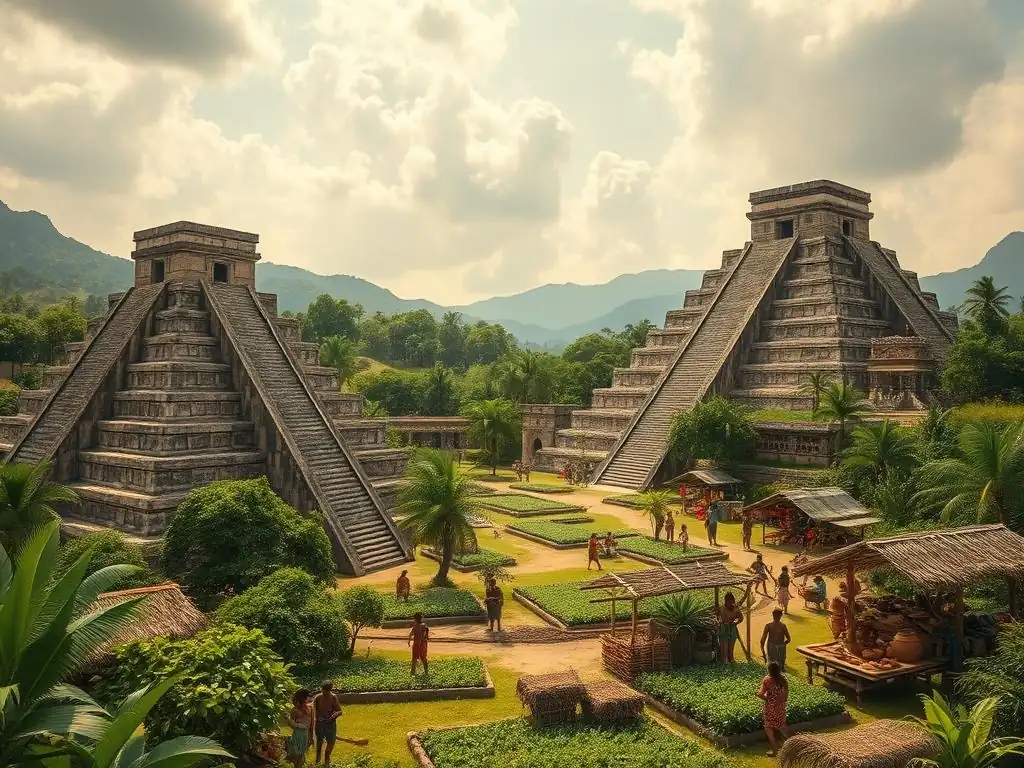
The Ancient Maya developed sophisticated water management systems that allowed them to thrive in the diverse and often challenging landscapes of Mesoamerica. Their sustainable architecture hinged on effective methods to secure and manage water resources, which were vital for both daily life and agricultural practices.
Rainwater Harvesting Techniques
One of the most notable techniques employed by the Ancient Maya was rainwater harvesting. They constructed intricate systems of reservoirs and cisterns to capture and store rainwater during the wet season. This method not only ensured a reliable water supply during the dry months but also minimized erosion and runoff.
- Reservoirs: The Maya built large, open reservoirs lined with clay to reduce water loss through infiltration. These reservoirs could hold significant amounts of water, often serving entire communities.
- Cisterns: Smaller cisterns were also constructed beneath structures, allowing for the collection of runoff from roofs. This method cleverly utilized building designs to maximize water capture.
These systems exemplified how the Ancient Maya integrated their architecture with environmental considerations, ensuring that water management was an essential aspect of their urban planning.
Cenote Utilization for Water Supply
Cenotes, natural sinkholes filled with freshwater, were another critical resource for the Ancient Maya. These geological formations provided a sustainable water source that was easily accessible and often located near settlements.
- Cultural Significance: Cenotes were not just practical; they also held spiritual significance for the Maya. Many cenotes became sites of religious ceremonies, underscoring the deep connection between their water sources and cultural identity.
- Urban Planning: The proximity to cenotes influenced the location of many Maya cities. Settlements were often strategically placed near these natural wells, facilitating easy access to water and minimizing the need for extensive transportation systems.
This dual use of cenotes—both as a water supply and cultural site—highlights the Ancient Maya's ability to harmonize their architectural practices with their natural surroundings.
Agricultural Innovations Supporting Architecture
Agriculture was the backbone of Maya civilization, and their architectural practices were closely tied to their agricultural innovations. The Maya utilized several sustainable agricultural techniques that not only supported their food systems but also enhanced their architectural developments.
Terracing and Soil Preservation
Terracing was a prominent agricultural practice among the Ancient Maya, especially in hilly or mountainous terrains. By creating flat areas on slopes, they effectively reduced soil erosion and maximized arable land.
- Soil Conservation: Terraces helped to retain water and nutrients, which improved crop yields. This practice allowed the Maya to cultivate a variety of crops, contributing to their overall food security.
- Integration with Architecture: Many Maya buildings were strategically placed on these terraces, creating a seamless blend of agriculture and urban design. This integration ensured that the structures were not only functional but also part of the sustainable landscape.
Agroforestry Practices
Agroforestry, or the integration of trees and shrubs into agricultural landscapes, was another innovative practice that the Ancient Maya employed. This technique supported biodiversity, improved soil health, and enhanced agricultural productivity.
- Plant Diversity: The Maya cultivated multiple crops alongside native trees, which provided shade, reduced competition for water, and improved microclimates for crops.
- Resource Management: By utilizing agroforestry, the Maya maximized land use while ensuring sustainable harvesting of timber and other forest products, which were essential for construction and daily living.
These agricultural innovations not only provided sustenance for the Maya but also reinforced their sustainable architectural practices, demonstrating a deep understanding of their environment and resources.
Architectural Innovations of the Ancient Maya
The Ancient Maya civilization is renowned for its remarkable architectural achievements that reflect a deep understanding of their environment, cultural values, and technological innovations. Their sustainable architecture was not only functional but also intricately tied to their cosmology and societal structure. This section explores the key aspects of Ancient Maya sustainable architecture, focusing on their impressive pyramids, urban planning, and the use of natural ventilation.
The Design of Pyramids and Temples
The pyramids and temples of the Ancient Maya stand as monumental testaments to their architectural ingenuity. These structures were not only religious centers but also served as astronomical observatories and political symbols. The design principles employed by the Maya incorporated sustainability in several ways:
- Orientation and Alignment: Many pyramids and temples were strategically oriented to align with celestial events, such as solstices and equinoxes. This alignment not only had religious significance but also allowed for effective usage of sunlight, minimizing the need for artificial lighting.
- Materials Utilization: The Maya primarily used locally sourced materials like limestone, which was abundant in their environment. This practice reduced the carbon footprint associated with transportation of materials and demonstrated a sustainable approach to construction.
- Terracing: The use of terraces on pyramid structures helped in stabilizing the slopes and managing water runoff, thus preventing erosion. This technique is a clear example of how the Maya adapted their architecture to the surrounding landscape to enhance its durability and sustainability.
Urban Planning and City Layout
The urban planning of ancient Maya cities showcases a sophisticated approach to organization that prioritized sustainability and functionality. Key features of their city layouts included:
- Centralized Public Spaces: Maya cities often featured large plazas surrounded by temples, palaces, and marketplaces. These public spaces facilitated community gatherings and ceremonies, fostering social cohesion.
- Green Spaces: The incorporation of green areas within urban centers was crucial for maintaining ecological balance. These spaces provided not only recreational areas but also served as agricultural plots, ensuring food security for the population.
- Water Management Systems: The Maya developed advanced systems for rainwater harvesting and drainage. They constructed reservoirs and canals to manage water supply effectively, which was essential for their agriculture and daily life. This approach reduced reliance on external water sources and demonstrated a sustainable method of resource management.
Use of Natural Ventilation in Structures
One of the most impressive aspects of Ancient Maya sustainable architecture is their innovative use of natural ventilation. The climate of the region, characterized by high temperatures and humidity, necessitated effective cooling solutions. The Maya implemented several strategies to enhance airflow within their structures:
- Strategic Openings: Buildings were designed with strategically placed windows and doorways to facilitate cross-ventilation. The alignment of these openings allowed for the natural flow of air, reducing the need for artificial cooling methods.
- High Ceilings: The construction of high ceilings in temples and residential buildings promoted the upward movement of hot air, creating a cooler environment at lower levels. This architectural feature is an early example of passive cooling techniques.
- Material Selection: The use of lightweight materials, such as thatch for roofing, contributed to better airflow and cooling within the structures. This choice not only supported sustainable practices but also provided comfort to the inhabitants.
The Ancient Maya exemplified a profound understanding of sustainable architecture through their innovative designs, urban planning, and effective use of natural resources. Their practices not only met the needs of their society but also respected the environment, leaving a lasting legacy in the field of architecture.
Case Studies of Sustainable Maya Sites
Tikal: A Model of EcoFriendly Urbanism
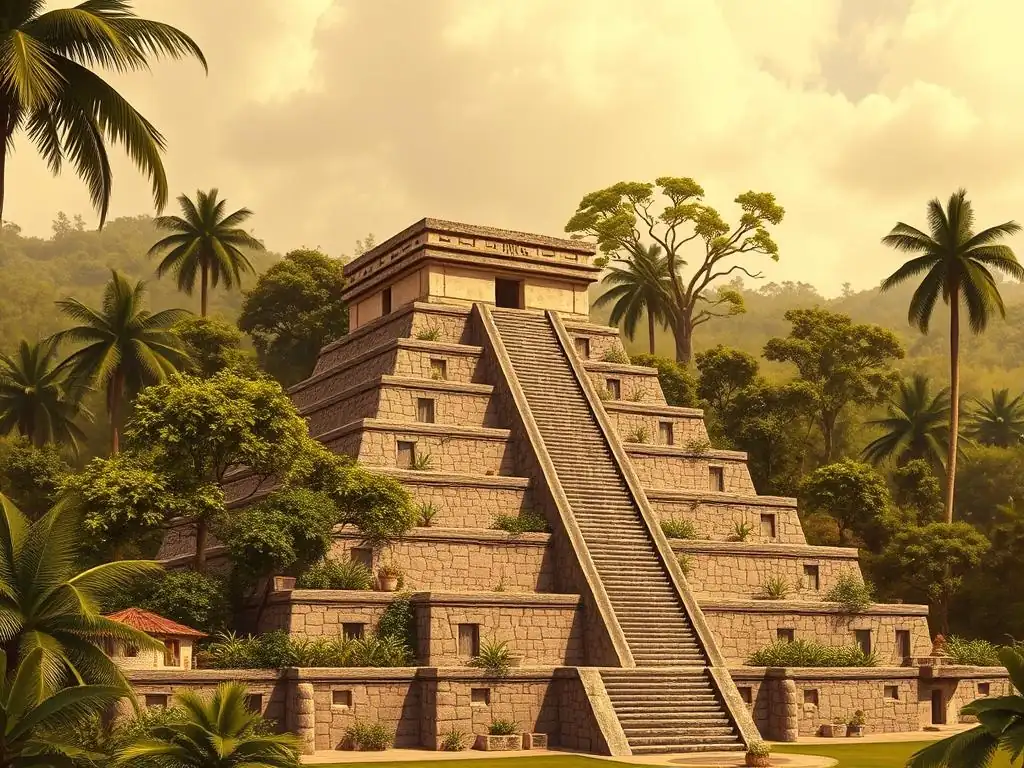
Tikal, one of the most renowned ancient Maya cities, exemplifies sustainable architecture through its innovative urban planning and ecological practices. Nestled in the lush jungles of Guatemala, Tikal's layout reflects a profound understanding of its environment. The city was strategically positioned to harness natural resources, optimize rainfall, and mitigate flooding, showcasing a sophisticated ecological awareness.
Key Features of Tikal's Sustainable Practices:
- Water Management Systems: Tikal implemented extensive water management strategies, including reservoirs and canals, to collect and store rainwater. These systems ensured a reliable water supply, particularly during the dry season.
- Construction Materials: The Maya utilized locally sourced limestone for construction, minimizing the carbon footprint associated with transporting materials. The use of natural stone not only provided durability but also blended harmoniously with the surrounding landscape.
- Terrace Farming: Surrounding the city, terraced fields were cultivated using sustainable agricultural practices. This method reduced soil erosion and maximized arable land, allowing the Maya to thrive in a challenging environment.
The combination of these elements illustrates how Tikal served as a model of eco-friendly urbanism, marrying architectural ingenuity with environmental stewardship.
Copán: Architectural Adaptations to Environment
Located in western Honduras, Copán is another significant site that embodies the principles of ancient Maya sustainable architecture. The city's construction and layout were heavily influenced by its diverse topography and climate, leading to innovative adaptations.
Adaptations at Copán:
- Natural Drainage Systems: Copán's architects designed the city with natural drainage in mind. By following the contours of the land, they directed rainfall away from crucial structures, thereby preventing erosion and water damage.
- Use of Local Vegetation: The Maya at Copán incorporated local flora into their architectural designs. By utilizing trees and plants with deep root systems, they stabilized structures and enhanced the aesthetic appeal of their surroundings.
- Strategic Orientation: Buildings were oriented to take advantage of natural light and ventilation. This design choice reduced the need for artificial lighting and cooling, promoting energy efficiency.
Through these architectural adaptations, Copán stands as a testament to the ancient Maya's ability to harmonize their built environment with the natural world.
Palenque: Integration of Nature and Structure
Palenque, a UNESCO World Heritage site, is celebrated for its magnificent architecture and integration of nature within urban planning. The site demonstrates how the Maya blended their structures with the natural landscape, emphasizing sustainability.
Nature-Inspired Design Elements at Palenque:
- Green Spaces: Palenque featured extensive gardens and green spaces, which not only enhanced the beauty of the site but also served ecological functions such as air purification and temperature regulation.
- Natural Materials: The use of materials such as sandstone and clay, extracted from nearby sources, ensured that construction was both sustainable and in harmony with the local environment.
- Cultural Symbolism: Architectural designs often reflected the surrounding natural elements, such as mountains and rivers, reinforcing the Maya's connection to their environment. This integration was not just aesthetic but held significant cultural and spiritual meaning.
Palenque's approach to architecture, characterized by the seamless blend of natural and built environments, illustrates the ancient Maya's commitment to sustainable practices that resonate even today.
The ancient Maya civilization exemplified sustainable architecture through innovative practices that prioritized ecological balance, resource management, and cultural integration. By examining these case studies, we gain insight into the enduring legacy of the Ancient Maya sustainable architecture.
Lessons from Ancient Maya Sustainable Architecture
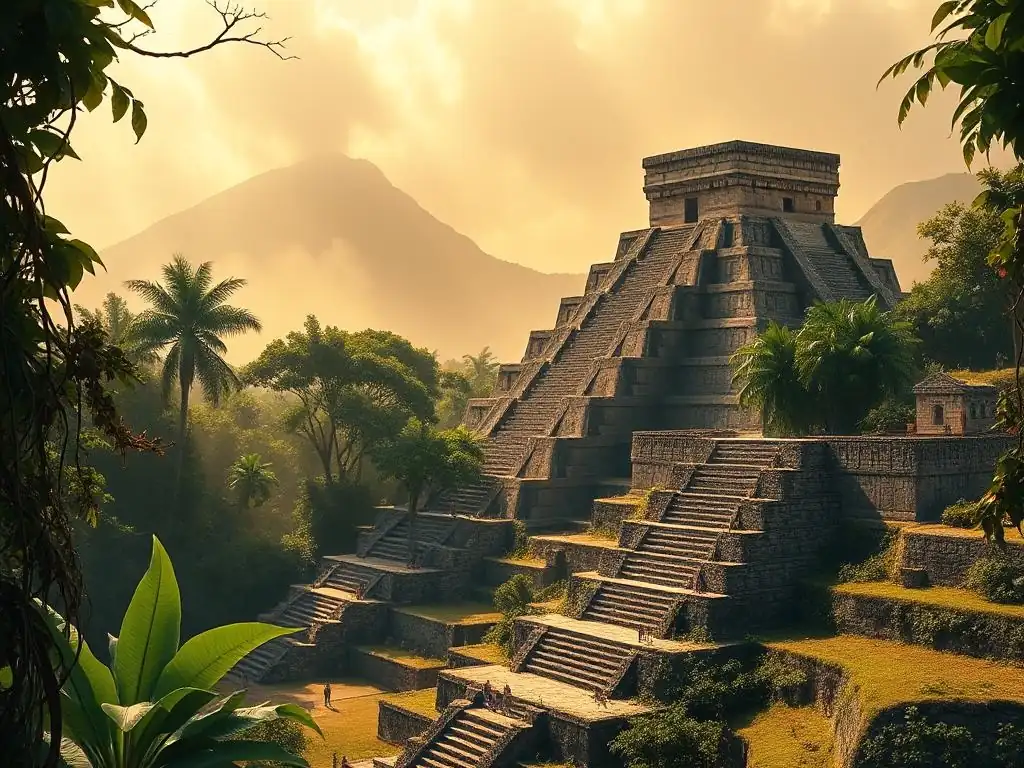
The Ancient Maya civilization, flourishing between 250 and 900 CE, provides a wealth of knowledge on sustainable architectural practices that contemporary societies can learn from. Their unique approach to architecture was intricately linked to their environment, social structures, and cultural beliefs. By examining these practices, we can glean valuable insights for modern sustainable architecture.
Relevance to Contemporary Green Architecture
The Ancient Maya employed a variety of sustainable practices that resonate with today's green architecture principles. Their constructions were often made from locally sourced materials, such as limestone and adobe, which minimized transportation emissions and environmental impact. This reliance on local resources not only fostered a sense of community but also ensured that the architectural style was in harmony with the surrounding landscape.
Furthermore, the Maya's use of passive solar design is particularly relevant today. Their structures were oriented and designed to maximize natural light and ventilation, reducing the need for artificial heating and cooling. For example, many Maya buildings featured large windows and high ceilings that allowed for airflow, effectively cooling the interiors without mechanical assistance.
| Sustainable Practice | Ancient Maya Example | Modern Application |
|---|---|---|
| Locally sourced materials | Limestone, adobe | Use of reclaimed wood, bamboo, etc. |
| Passive solar design | Orientation of buildings | Strategic placement of windows and eaves |
| Water management systems | Cenotes and reservoirs | Rainwater harvesting systems |
The Maya also integrated water management techniques, such as the construction of reservoirs and terraced fields, to optimize water usage. These methods are essential in contemporary architecture, where water scarcity is an increasing concern.
Preservation of Cultural Heritage through Sustainable Practices
Incorporating sustainable practices in architecture not only benefits the environment but also plays a crucial role in preserving cultural heritage. The Ancient Maya's architectural techniques were closely tied to their identity and traditions. By adopting similar approaches today, communities can maintain their cultural narratives and connections to their ancestral practices.
Efforts to revitalize indigenous sustainable architecture can foster a sense of pride among local populations and encourage the preservation of traditional knowledge. For instance, some modern architectural projects in Maya regions are utilizing ancestral building techniques, such as thatched roofs and adobe walls, which provide both ecological benefits and a strong cultural connection.
The preservation of cultural heritage through sustainable practices is not merely about conserving the past; it is about enriching the future.
Future Implications for Sustainable Urban Development
The lessons learned from Ancient Maya sustainable architecture have significant implications for future urban development. As urban areas continue to expand, the need for sustainable solutions becomes increasingly urgent. Incorporating principles from the Maya can guide urban planners in creating spaces that are not only environmentally friendly but also culturally sensitive.
This approach can lead to the development of urban environments that prioritize biodiversity, community engagement, and ecological balance. For instance, the integration of green spaces, similar to the Maya's agricultural terraces, can enhance urban resilience against climate change while providing recreational areas for communities.
Moreover, the emphasis on local materials and craftsmanship can stimulate local economies and promote sustainable job creation. By investing in training and education around traditional building techniques, cities can foster a culture of sustainability that honors both the environment and heritage.
The sustainable architectural practices of the Ancient Maya offer a treasure trove of lessons for contemporary society. By embracing these principles, we can develop urban spaces that are not only sustainable but also reflective of our rich cultural histories.
Conclusion: The Legacy of Ancient Maya Sustainable Architecture
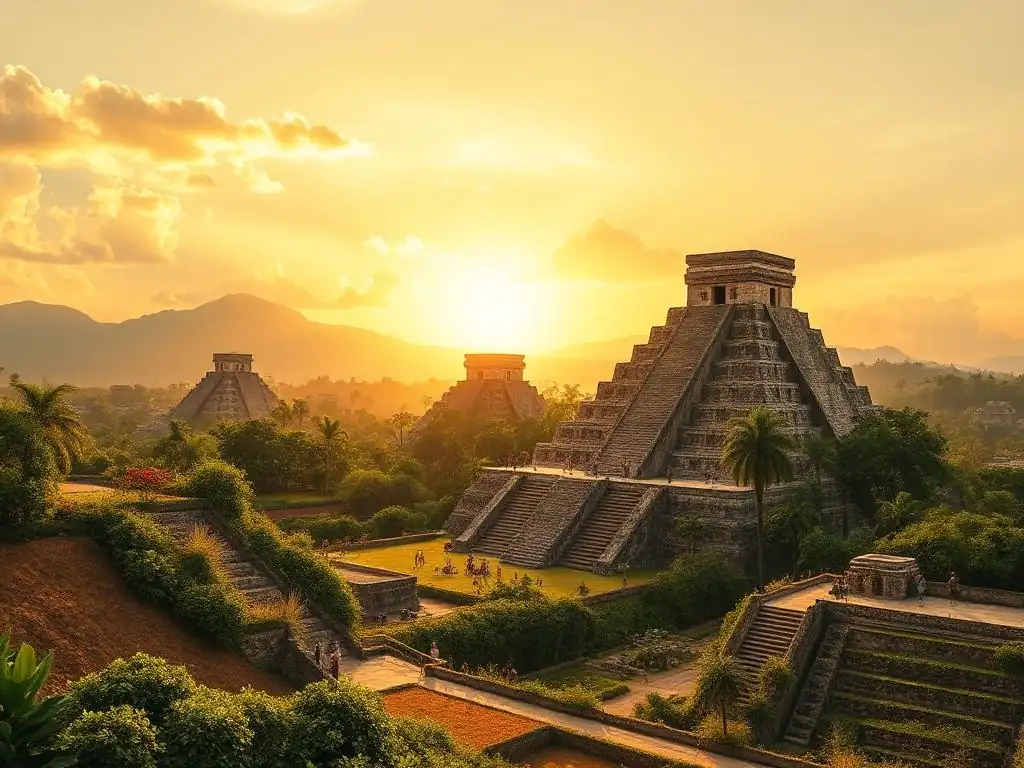
The ancient Maya civilization is renowned not only for its complex societal structure and rich cultural heritage but also for its innovative and sustainable architectural practices. The legacy of ancient Maya sustainable architecture continues to resonate today, providing valuable insights into environmentally conscious design that balances human needs with the natural world. By examining their techniques and philosophies, we uncover a wealth of knowledge that informs contemporary sustainable practices.
Impact on Modern Sustainable Practices
The architectural strategies employed by the ancient Maya have had a profound influence on modern sustainable practices. Their ability to adapt to the diverse climates and geographical conditions of Mesoamerica showcases a deep understanding of local resources and environmental stewardship. Here are several key aspects of Maya architecture that have informed contemporary sustainability efforts:
- Use of Local Materials: The Maya predominantly used locally sourced materials such as limestone, adobe, and wood. This practice minimized transportation costs and reduced the carbon footprint associated with building construction. Modern architects are increasingly recognizing the importance of utilizing local materials to enhance sustainability.
- Passive Climate Control: Maya structures were designed with natural ventilation and strategic orientation to optimize airflow and reduce reliance on mechanical cooling systems. This principle is echoed in contemporary eco-friendly architecture, where passive design strategies are employed to maintain comfortable indoor environments.
- Water Management Systems: The ancient Maya developed sophisticated water management systems, including reservoirs, cisterns, and terraced fields, to sustainably manage water resources. Today, architects and urban planners are inspired by these methods to create sustainable water systems that conserve and efficiently utilize water in urban environments.
- Integration with Nature: The Maya viewed their built environment as an extension of the natural world. Their cities were often designed to harmonize with the surrounding landscape, featuring green spaces and agricultural areas. This holistic approach is mirrored in modern sustainable developments that prioritize green roofs, community gardens, and biodiversity.
Continuing Influence of Maya Design Principles in Architecture
The design principles of the ancient Maya continue to inspire architects and designers worldwide, leading to a resurgence of interest in sustainable architecture that incorporates cultural heritage. Some notable influences include:
- Cultural Resonance: Modern architects are increasingly integrating indigenous design philosophies into their work, recognizing the value of cultural heritage in creating spaces that reflect community identity and history. Maya architectural elements, such as stepped pyramids and open plazas, are being reinterpreted in contemporary contexts.
- Biophilic Design: The emphasis on nature in Maya architecture aligns with the biophilic design movement, which seeks to connect building occupants with the natural environment. Features such as natural light, greenery, and water elements are being incorporated into new buildings, fostering well-being and productivity.
- Sustainable Urban Planning: Lessons from Mayan urban planning are influencing contemporary city designs. The careful consideration of natural features and the integration of green spaces into urban areas enhance livability and ecological health, promoting sustainable urban growth.
- Educational Initiatives: The study of ancient Maya sustainable architecture has spurred educational programs aimed at fostering awareness of sustainable practices. Institutions and organizations are conducting workshops and lectures to share knowledge about these historical techniques and their relevance today.
The sustainable architectural practices of the ancient Maya civilization hold significant relevance for current and future building designs. By drawing from their innovative methods, modern architects can create structures that not only respect the environment but also celebrate the rich cultural heritage of the Americas. The legacy of ancient Maya sustainable architecture continues to shape our understanding of eco-friendly design, ensuring that the lessons of the past inform sustainable practices for generations to come.
References
Suggested Reading on Ancient Maya Civilization
To further explore the rich history and cultural achievements of the Ancient Maya civilization, consider the following comprehensive texts:
-
"The Maya" by Michael D. Coe
This book provides an in-depth look at the history, culture, and achievements of the Maya civilization, tracing their development from pre-classic to post-classic periods.
-
"Maya Civilization: A History from Beginning to End" by Hourly History
This concise overview covers key aspects of Maya society, including their architectural innovations and urban planning.
-
"Maya Architecture" by David Stuart
In this resource, Stuart examines the architectural styles and techniques utilized by the Maya, highlighting notable structures and their cultural significance.
-
"The Ancient Maya" by Arthur Demarest
Demarest offers a detailed analysis of the political, social, and economic systems of the Maya, providing context for their architectural practices.
-
"The Maya World: Yucatec Culture in Historical Perspective" edited by William R. Fowler Jr.
This collection of essays delves into various aspects of Yucatec Maya culture, including architecture and urbanism, exploring how these elements reflect their sustainable practices.
Academic Resources on Sustainable Architecture
For those interested in the principles of sustainable architecture, particularly in the context of the Ancient Maya, the following academic resources are invaluable:
-
"Sustainable Architecture: The Use of Natural Materials" by David E. Brown
This text discusses the importance of utilizing local materials and sustainable practices in architecture, drawing parallels to the methods used by ancient civilizations like the Maya.
-
"Green Building: Principles and Practices in Residential Construction" by Andrew Dunham
This resource provides modern insights into sustainable building practices, offering lessons that can be traced back to ancient techniques, including those employed by the Maya.
-
"Architecture and Sustainability: The Future of the Built Environment" by Michael J. Crosbie
Crosbie's work explores the intersection of architecture and sustainability, emphasizing the relevance of historical practices, including the Ancient Maya's eco-friendly approaches.
-
"The Earth-Sheltered Solar Greenhouse Book" by Roger Marshall
While not exclusively about Maya architecture, this book discusses sustainable building techniques that align with ancient methods of integrating structures within their natural environment, a hallmark of Maya design.
-
"Indigenous Design and Planning: A Sustainable Approach" by T. J. L. Lentz
This resource emphasizes the importance of indigenous practices in sustainable design, showcasing how ancient methodologies can inform modern architecture, including the sustainable practices of the Ancient Maya.
By engaging with these texts, readers will gain a deeper understanding of both the Ancient Maya's architectural innovations and the broader principles of sustainable architecture that can be applied today.
Frequently Asked Questions
What are the main features of Ancient Maya sustainable architecture?
The Ancient Maya sustainable architecture emphasized local materials, such as limestone and clay, and incorporated natural ventilation and water management systems to create comfortable and functional living spaces.
How did the Ancient Maya manage their natural resources?
The Ancient Maya practiced agroforestry and terracing, which allowed them to cultivate crops while preserving the ecosystem. This sustainable approach ensured that they could maintain their agricultural productivity over time.
What role did religion play in Maya architecture?
Maya architecture often reflected their religious beliefs, with temples and pyramids built to honor their deities. These structures were designed to be harmonious with nature, demonstrating their respect for the environment.
How does sustainable architecture today draw inspiration from the Ancient Maya?
Modern sustainable architecture often looks to the Ancient Maya for innovative practices in resource management and building techniques that prioritize environmental harmony, showcasing the relevance of their methods today.
What is the significance of studying Maya architectural practices?
Studying Maya architectural practices allows us to understand their cultural achievements and the ways they adapted to their environment. This knowledge can inform contemporary efforts towards creating sustainable communities.
Final Reflection: Embracing the Wisdom of Ancient Maya Sustainable Architecture
The sustainable practices of the Ancient Maya resonate profoundly in today's world, where environmental concerns are at the forefront of global discourse. As we grapple with climate change and resource depletion, the ingenuity of the Maya in creating eco-friendly architecture serves as a powerful reminder of our potential to harmonize with nature. Their methods, rooted in sustainability, challenge us to rethink our modern approaches to building and living.
The influence of Ancient Maya sustainable architecture extends beyond historical interest; it shapes contemporary discussions on environmental stewardship and cultural heritage. By examining their techniques, we can draw parallels to our own practices and recognize the importance of integrating ecological principles into our designs. As architect and environmentalist William McDonough once said, Design is the first signal of human intention.
This quote encapsulates the idea that our built environment reflects our values and aspirations, urging us to prioritize sustainability in our intentions.
As we reflect on the lessons from the Ancient Maya, I invite you to consider how you can incorporate sustainable practices into your own life and community. What steps can you take to honor the wisdom of the past while paving the way for a greener future? Whether it's through mindful consumption, supporting eco-friendly initiatives, or advocating for sustainable architecture, every action counts. Let us be inspired by the Ancient Maya and commit to creating a world that respects and nurtures our planet for generations to come.
Embrace Sustainable Living: Follow the Wisdom of the Ancients!
Thank you for diving into the remarkable world of eco-friendly architecture in the Ancient Maya civilization! You've uncovered essential sustainable practices that continue to inspire our modern-day environmental efforts. Now, it's time to put this valuable knowledge into action!
Here’s how you can get started on your journey toward sustainable living:
- Adopt a green mindset: Challenge yourself to implement a sustainable practice in your home or community this week, drawing inspiration from the ancient techniques we’ve explored.
- Explore local resources: Visit parks or cultural centers that showcase indigenous environmental practices, and engage with your community to learn more about sustainable living.
- Share the knowledge: Discuss the sustainable wisdom of the Ancient Maya with your friends on social media, or host a gathering to foster awareness and inspire others.
What sustainable practice will you implement today to honor both ancient wisdom and your commitment to the environment?