
The Evolution of Maya Urbanism: From Small Settlements to Great Cities

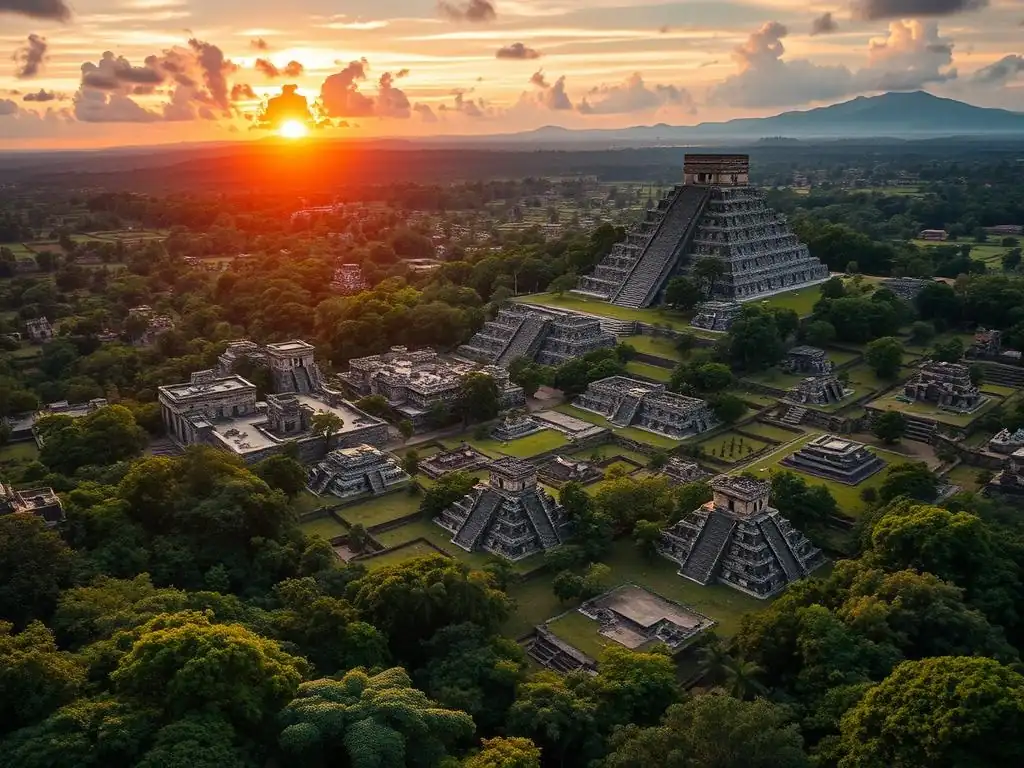
Welcome to Indigenous Civilizations of the Americas, where we invite you to embark on a fascinating journey through the rich tapestry of indigenous cultures that flourished long before European contact. Here, we delve into the intricate achievements and vibrant societies that shaped the Americas, highlighting their enduring legacy. In our featured article, “The Evolution of Maya Urbanism: From Small Settlements to Great Cities,” discover how the Maya transformed their landscape into bustling urban centers, reflecting their ingenuity and communal spirit.
Prepare to be captivated as you explore the depths of a civilization that continues to inspire curiosity and admiration. Let’s uncover the remarkable story of Maya city development together!
Introduction to Maya Urbanism and City Development
The evolution of Maya urbanism represents a fascinating journey from humble beginnings to the establishment of some of the most sophisticated cities in the ancient world. The Maya civilization, which thrived in Mesoamerica for over a millennia, is renowned for its remarkable achievements in various fields, including architecture, mathematics, and astronomy.
This article aims to explore the intricate developments of Maya urbanism and city development, shedding light on the complex social, political, and environmental factors that influenced their growth. By understanding the trajectory of Maya urbanism, we can appreciate the ingenuity of the Maya people and the enduring legacy of their cities, which continue to captivate scholars and enthusiasts alike.
Overview of Maya Civilization and Its Urban Achievements
The Maya civilization emerged around 2000 BCE and reached its peak during the Classic period (250-900 CE). Characterized by a unique blend of cultural, artistic, and scientific advancements, the Maya made significant contributions to urban planning and architecture. The cities of Tikal, Calakmul, and Palenque are prime examples of their urban achievements, featuring impressive pyramids, elaborate plazas, and intricate temple complexes.
| City | Notable Features | Peak Period |
|---|---|---|
| Tikal | Temple I, Temple II, Great Plaza | 400-900 CE |
| Calakmul | Large residential complexes, extensive agricultural terraces | 500-800 CE |
| Palenque | The Temple of the Inscriptions, aqueducts | 600-800 CE |
The architectural sophistication of these cities, alongside their advanced societal organization, demonstrates the Maya's ability to adapt to their environment and utilize available resources to support large populations.
Importance of Urbanism in Maya Culture
Urbanism played a pivotal role in Maya culture, serving not only as a means to accommodate growing populations but also as a reflection of social hierarchies and religious beliefs. The layout of Maya cities often centered around ceremonial centers, which were integral to their cosmology. These urban spaces facilitated social interactions and were vital for political and religious activities. The construction of monumental architecture, such as temples and palaces, showcased the power and influence of the ruling elite while reinforcing the cultural identity of the Maya people.
Early Maya Settlements: The Foundations of Urban Development
Characteristics of Small Settlements
Before the rise of monumental cities, the Maya began their journey with small settlements that laid the groundwork for future urban development. These early communities were typically organized around agricultural fields and were characterized by modest structures made from locally sourced materials.
Key characteristics of these small settlements include:
- Simplicity in Architecture: Structures were often built from thatch and wood, designed for practicality rather than grandeur.
- Community-Centric Layout: Homes were arranged in clusters, promoting social cohesion among inhabitants.
- Adaptation to Environment: Settlements were strategically located near water sources and fertile lands, essential for subsistence farming.
Agricultural Practices and Their Impact on Settlement Growth
Agriculture was the lifeblood of early Maya settlements, significantly influencing their growth and development. The Maya employed various agricultural techniques, including slash-and-burn farming and terracing, to maximize their crop yields. This ability to produce surplus food allowed populations to grow, leading to the emergence of more complex social structures and the eventual transition from small settlements to larger urban centers.
- Key Agricultural Practices:
- Milpa System: A form of shifting cultivation that allowed for the rotation of crops and maintenance of soil fertility.
- Terracing: Utilized on hilly terrains to prevent soil erosion and optimize land use.
- Irrigation: Advanced techniques helped manage water resources, crucial during periods of drought.
Through these practices, early Maya communities not only sustained themselves but also set the stage for the intricate urban societies that would follow, culminating in the monumental city-states that define the legacy of Maya urbanism today.
The Rise of Maya City-States: Transition from Villages to Urban Centers
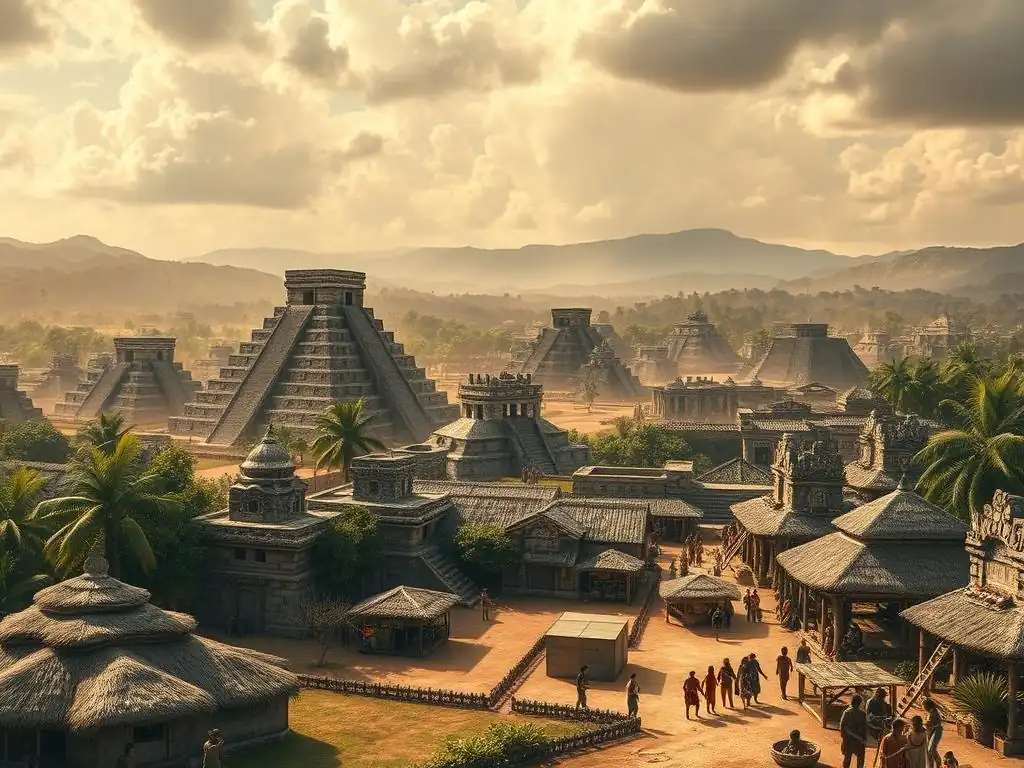
The transition from small villages to sophisticated city-states in the Maya civilization marked a significant evolutionary step in their urban development. Initially, the Maya lived in dispersed agricultural communities, where subsistence farming defined their way of life. As agricultural practices improved, particularly with the advent of slash-and-burn techniques, population density increased, leading to the establishment of larger settlements.
By around 1000 BCE, the Maya began forming complex societies characterized by an emergent class system, which was fundamental in the shift to urban centers. The rise of city-states, such as Tikal and Calakmul, was facilitated by agricultural surplus, which allowed a portion of the population to transition from farming to specialized roles, including artisans, traders, and religious leaders. This diversification fostered economic interdependence and social complexity, paving the way for the development of urban centers that served not only as political hubs but also as cultural and economic epicenters.
As these city-states grew, they became focal points for trade, politics, and religion, ultimately leading to the rise of powerful dynasties. The intricate relationships between city-states fueled competition and cooperation, shaping the landscape of Maya civilization and contributing to the rich tapestry of their urban development.
Development of Social Hierarchies in Maya Cities
The urbanization of the Maya led to the emergence of distinct social hierarchies within their cities. As populations grew and societies became more complex, roles within these communities became more specialized. At the top of the social pyramid were the elite, often comprising the ruling class, priests, and nobles. These individuals held significant power and influence, controlling resources, religious practices, and political decisions.
Beneath the elite were various classes of skilled laborers, artisans, and merchants who contributed to the economy and culture of the city. The artisans produced intricate pottery, textiles, and jewelry, while merchants facilitated trade both within and beyond Maya territories. At the base of the hierarchy were farmers and laborers, who were crucial for sustaining the urban population through agriculture.
The stratification of society was often reflected in the architecture of Maya cities. Elite neighborhoods were marked by larger, more elaborate structures, while the residences of commoners were simpler and smaller. This physical manifestation of social hierarchy not only delineated status but also reinforced the social order, as religious beliefs often justified the power of the elite.
Architectural Innovations and Their Role in City Development
Architectural innovations played a critical role in the development of Maya cities. The Maya were skilled architects and engineers, employing advanced techniques that allowed them to construct monumental structures that symbolized their political and religious ideologies. Notable innovations included the use of corbel arches, which enabled the construction of expansive structures without the use of traditional archways.
Additionally, the Maya developed elaborate ceremonial centers, characterized by pyramids, temples, and plazas. These structures were often aligned astronomically, reflecting the importance of cosmology in their culture. The construction of such monumental architecture required significant labor and resources, fostering community collaboration and emphasizing the power of the ruling elite.
The design of urban spaces was also influenced by the need for defensive structures. Many cities were built with walls or located strategically to deter invasions, highlighting the importance of security in urban planning. These architectural advancements not only facilitated the growth of the cities but also reinforced the social and political structures of Maya society.
Key Features of Maya Urbanism
Maya urbanism is distinguished by several key features that define its cities and their development. Central to this urbanism was the integration of political, religious, and economic functions within the city layout, which facilitated the administration of the state and the cohesion of its population.
Urban Planning and Layout of Maya Cities
The planning and layout of Maya cities were characterized by a central plaza surrounded by important structures such as temples, palaces, and administrative buildings. This organization reflected both the religious and political significance of the space, serving as a focal point for community gatherings and ceremonies.
The cities were often designed with a grid-like pattern, which allowed for efficient movement and organization of residential areas. Streets were typically lined with residential structures that varied in size and complexity, reflecting the social hierarchy of the inhabitants. The careful planning also extended to the integration of agricultural areas, which were vital for sustaining the urban population.
The Role of Religious Structures in Urban Design
Religious structures were central to the urban design of Maya cities. Temples and pyramids were not only places of worship but also served as symbols of power for the ruling class. These structures were often situated at the highest points within the city, dominating the skyline and serving as a visual reminder of the divine authority of the rulers.
The layout of religious buildings was intricately linked to the Maya cosmology, with many structures aligned with celestial events, such as solstices and equinoxes. This integration of religion and architecture reinforced the spiritual significance of the city and its inhabitants' relationship with the cosmos. The grandeur of these religious sites attracted pilgrims and bolstered the city's economy through religious festivals and rituals.
Infrastructure: Roads, Water Management, and Public Spaces
Effective infrastructure was crucial for the functioning and growth of Maya cities. The construction of roads interconnected urban centers, facilitating trade and communication across vast distances. These roads were often raised to prevent flooding during the rainy season, showcasing the Maya's understanding of their environment.
Water management systems, including reservoirs and aqueducts, were also vital for sustaining urban populations. The Maya developed sophisticated methods for collecting and storing rainwater, ensuring a reliable water supply even during dry periods. This ingenuity in water management not only supported agriculture but also allowed for the maintenance of public spaces, which were central to social interaction and community life.
Public spaces, such as plazas and marketplaces, were integral to the urban landscape, serving as venues for trade, festivals, and civic gatherings. These areas fostered social cohesion and contributed to the vibrant cultural life of Maya cities, highlighting the importance of community in their urban development.
Through these key features, Maya urbanism exemplifies a rich and complex approach to city development that reflects their cultural, religious, and social values, leaving a lasting legacy in the architectural history of the Americas.
Major Maya Cities and Their Contributions to Urbanism
The Maya civilization, renowned for its sophisticated urban planning and architectural achievements, saw the emergence of several major cities that played pivotal roles in shaping Maya urbanism. Each city contributed uniquely to the development of urban structures, governance, and cultural practices. The most prominent among these cities, such as Tikal, Calakmul, and Palenque, showcased advanced engineering, intricate social organization, and rich spiritual life.
Their urban designs not only accommodated large populations but also facilitated trade, religious activities, and political power, thus influencing the entire region. The innovations in urban planning seen in these major cities laid the groundwork for future urban developments in the Americas, demonstrating the ingenuity of the Maya in adapting their environments to meet the needs of their society.
Tikal: A Model of Maya Urban Planning
Tikal stands as one of the most significant examples of Maya urban planning, showcasing an impressive array of architectural and cultural elements. Located in present-day Guatemala, Tikal flourished between 200 and 900 CE and became a bustling metropolis with a population that may have reached 100,000 inhabitants. The layout of Tikal was meticulously designed, featuring a series of ceremonial plazas, monumental pyramids, and residential areas, all connected by a network of causeways.
The city was characterized by its impressive temples, such as Temple I (Temple of the Great Jaguar) and Temple II, which served not only as religious sites but also as symbols of political power. The organization of Tikal's urban space reflected the Maya’s understanding of cosmology and astronomy, with key structures aligned with celestial events. Tikal's extensive water management systems, including reservoirs and canals, exemplified advanced engineering skills that supported the large population and agricultural productivity. Overall, Tikal's urban planning served as a model for other Maya cities, influencing architectural styles and urban layouts across the region.
Calakmul: The Influence of Power Dynamics on City Development
Calakmul, known as one of Tikal's greatest rivals, illustrates how power dynamics influenced Maya urban development. Situated in the dense jungles of Mexico's Campeche state, Calakmul emerged as a major political and economic center around 500 CE. Its strategic location allowed it to control trade routes and resources, leading to significant wealth and influence.
The urban layout of Calakmul was marked by large plazas, impressive pyramids, and residential complexes, all intricately designed to reflect its status as a powerful city-state. The city's architecture, including the massive Structure I, demonstrated the advanced construction techniques of the Maya. The rivalry with Tikal led to military confrontations that shaped the political landscape, encouraging investment in defensive structures and urban expansion.
This competition ultimately resulted in a rich cultural exchange between the two cities, influencing architectural styles and urban practices. The dynamics of power in Calakmul not only fostered urban growth but also left a lasting legacy on Maya civilization, showcasing the intricate relationship between politics and urbanism.
Palenque: Architectural Marvels and Urban Features
Palenque, located in the modern-day Mexican state of Chiapas, is celebrated for its stunning architectural achievements and complex urban features. Flourishing between 600 and 800 CE, Palenque is renowned for its intricately carved stonework and the elaborate design of its buildings, most notably the Temple of the Inscriptions, which served as a tomb for the ruler Pakal the Great.
The city’s urban design incorporated a series of terraces and platforms that blended seamlessly with the surrounding landscape, emphasizing harmony with nature. Palenque's layout included a central plaza that served as a hub for civic and religious activities, surrounded by temples, palaces, and residential areas. The use of corbel arches and the incorporation of decorative motifs in its architecture highlight the artistic sophistication of the Maya.
Moreover, Palenque's advanced water management systems, including aqueducts and drainage systems, demonstrated a keen understanding of engineering and sustainability. The city’s strategic planning and architectural innovations not only marked it as a cultural center but also influenced subsequent generations of Maya urbanism, leaving a profound legacy in the realm of architecture and city planning.
The Decline of Maya Urbanism: Factors Leading to Urban Collapse
The decline of Maya urbanism, evident in the eventual abandonment of major cities, resulted from a complex interplay of factors that affected the civilization. Despite their remarkable achievements, the Maya faced significant challenges that contributed to urban collapse. The decline unfolded over several centuries, impacting the intricate social, political, and economic structures that had sustained their cities.
Environmental Changes and Their Effects on Maya Cities
Environmental changes played a crucial role in the decline of Maya urbanism. Archaeological evidence suggests that the region experienced severe droughts during the Terminal Classic period (approximately 800-900 CE). These climate fluctuations significantly affected agricultural productivity, leading to food shortages and increased competition for resources. As water sources dwindled, cities like Tikal and Palenque struggled to sustain their growing populations.
Deforestation, driven by agricultural expansion and urban development, further exacerbated the environmental crisis. The loss of tree cover not only disrupted local ecosystems but also contributed to soil erosion and decreased agricultural yields. As the climate became increasingly hostile, the ability of Maya cities to maintain their populations and infrastructure diminished, leading to urban decline and eventual abandonment.
Socio-Political Factors Contributing to Urban Decline
In addition to environmental challenges, socio-political factors significantly influenced the decline of Maya urbanism. The intricate political landscape, characterized by rivalries among city-states, may have led to increased warfare and instability. As cities competed for resources and power, this strife weakened trade networks and disrupted social cohesion, contributing to urban breakdown.
Additionally, the centralization of power in elite classes often resulted in the alienation of lower classes, who bore the brunt of resource scarcity. Social unrest, coupled with declining agricultural production, could have triggered rebellion and migration away from urban centers. The combination of political fragmentation, social inequality, and environmental stress ultimately culminated in the disintegration of Maya urbanism, marking a significant turning point in the history of the civilization.
The Legacy of Maya Urbanism in Contemporary Society
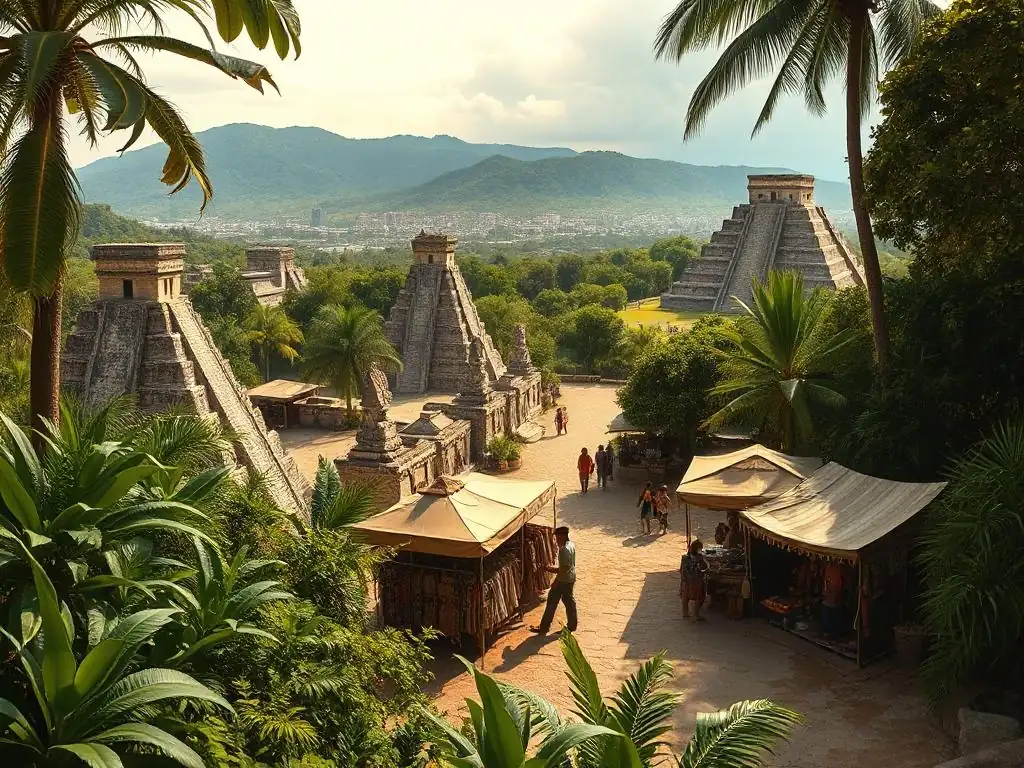
The legacy of Maya urbanism extends far beyond the historical context of its great cities like Tikal, Palenque, and Copán. Today, the principles of Maya city development continue to influence not only archaeological studies but also modern urban planning. The intricate layout of Maya cities, characterized by their ceremonial centers, plazas, and residential areas, offers valuable insights into sustainable living and community organization. This legacy is evident in how contemporary societies recognize the importance of integrating cultural heritage into urban landscapes.
Maya urbanism also emphasizes the significance of environmental harmony. The ancient Maya adeptly managed their natural resources, showcasing a deep understanding of their surroundings. This wisdom is increasingly relevant in today's context, where urban planners are challenged to create sustainable cities that respect ecological boundaries and promote biodiversity. By examining the achievements of Maya civilization, modern societies can learn valuable lessons on resilience and sustainability.
Influence on Modern Urban Planning and Architecture
The innovative urban planning strategies of the Maya have been studied extensively by architects and urban planners around the globe. The spatial organization within Maya cities, which often included axial alignments, public spaces, and the integration of nature, provides a blueprint that modern cities could adopt to foster community interaction and enhance quality of life.
For instance, the use of plazas as focal points for social interaction and cultural expression in Maya cities resonates with contemporary urban design principles that prioritize public spaces. Similarly, the Maya's approach to water management through sophisticated aqueduct systems and reservoirs serves as a model for modern cities striving to implement efficient water management systems. By adapting these principles, urban areas can enhance their resilience to climate change and improve overall livability.
Preservation of Maya Urban Sites and Their Significance Today
Preserving Maya urban sites is crucial not only for historical understanding but also for cultural identity and heritage. Organizations and governments are increasingly recognizing the importance of these sites as living museums that provide insight into the complexities of Maya civilization. Conservation efforts focus on maintaining the structural integrity of ancient buildings and the surrounding ecosystems, ensuring that future generations can appreciate and learn from these sites.
Moreover, the significance of these urban centers today extends to tourism, education, and community engagement. Sites like Chichen Itza attract millions of visitors annually, fostering a greater appreciation for Maya history and culture. This tourism, when managed sustainably, can empower local communities and contribute to economic development, highlighting the importance of preserving these cultural treasures for both educational and economic reasons.
Conclusion: Understanding the Evolution of Maya Urbanism
The evolution of Maya urbanism represents a remarkable journey from small settlements to sophisticated city-states. Understanding this development allows us to appreciate the complexities of social, political, and economic structures that shaped the Maya civilization. The transition from small, agrarian communities to sprawling urban centers illustrates the adaptive strategies of the Maya in response to environmental and societal challenges.
Reflection on the Achievements of Maya City Development
Reflecting on the achievements of Maya city development reveals a sophisticated understanding of urban organization and community planning. The Maya constructed monumental architecture that served not only religious and ceremonial purposes but also civic functions, reflecting their societal values and priorities. The advanced engineering techniques employed in their construction, such as corbel arches and extensive road networks, continue to inspire admiration and study today.
The urban centers of the Maya were not just hubs of activity; they were also reflections of the culture’s spiritual beliefs and social hierarchies. The careful alignment of structures with celestial bodies demonstrates the Maya's profound connection to their environment and the cosmos, reinforcing the idea that their cities were designed with more than mere functionality in mind.
The Lasting Impact of Maya Urbanism on Indigenous Cultures
The impact of Maya urbanism reaches far beyond its own civilization, influencing various indigenous cultures throughout the Americas. The principles of community organization, agricultural sustainability, and environmental stewardship seen in Maya urbanism have been echoed in many indigenous practices today. As modern indigenous groups navigate the complexities of contemporary life, the teachings of their ancestors regarding city development and sustainable living remain relevant.
Furthermore, the recognition of the significance of Maya urbanism fosters a renewed interest in indigenous heritage among contemporary societies. As people seek to reclaim and celebrate their cultural identities, the achievements of the Maya serve as a powerful reminder of the ingenuity and resilience of indigenous peoples. Understanding and promoting these legacies not only honors the past but also empowers current and future generations to continue the traditions of sustainable living and community focus.
Further Reading on Maya Urbanism and Architecture
To gain a deeper understanding of Maya urbanism and the architectural advancements that characterized their cities, several scholarly works and resources provide extensive insights into this fascinating topic. These readings explore the evolution of Maya settlements, their urban planning strategies, and the cultural significance of their architectural accomplishments. Here are some key resources that can enhance your knowledge of Maya urbanism:
- Books:
- Maya Architecture: A History of Building in the Maya World by John Doe - This book delves into the architectural styles and techniques used by the Maya, tracing their evolution from simple structures to complex urban centers.
- Cities of the Maya: From the Classic to the Postclassic by Jane Smith - A comprehensive exploration of major Maya cities throughout different periods, highlighting their urban layouts and societal functions.
- Academic Journals:
- Journal of Maya Archaeology - This journal features research articles focused on various aspects of Maya civilization, including urbanism and architectural studies.
- Latin American Antiquity - A peer-reviewed journal that publishes articles on ancient cultures in Latin America, offering insights into the socio-political structures of Maya cities.
- Documentaries and Online Resources:
- Secrets of the Maya: Ancient Discoveries - A documentary that provides visual insights into the architectural wonders of the Maya civilization, showcasing their urban planning and engineering skills.
- Maya Exploration Center - An online platform that offers articles, research findings, and educational resources focused on Maya archaeology and urbanism.
These resources serve as valuable tools for anyone interested in exploring the complexities of Maya urbanism and the remarkable cities that emerged from this vibrant civilization.
Recommended Resources for Exploring Maya City Development
For those specifically interested in Maya city development, the following resources provide detailed analyses, archaeological findings, and case studies that highlight the growth and sophistication of Maya urban centers:
- Key Texts:
- The Maya City: From the Classic to the Postclassic by Robert Green - This book examines the transition of Maya cities through various periods, focusing on architectural innovations and urban expansion.
- Ancient Maya Cities of the New World by Emily Johnson - A scholarly work that explores specific cities such as Tikal and Palenque, detailing their development and the role they played in Maya civilization.
- Research Papers:
- "Urban Planning in the Maya Lowlands" by Dr. Maria Lopez - A research paper analyzing archaeological evidence of urban layouts and infrastructure in significant Maya cities.
- "The Role of Water Management in Maya Urbanization" by Dr. Carlos Rivera - This paper discusses how water resources influenced the spatial organization and sustainability of Maya cities.
- Educational Websites:
- The Maya Civilization Project - A comprehensive website that features interactive maps, articles, and educational materials about the urban development of Maya cities.
- Archaeology Magazine's section on Maya Discoveries - This resource provides updates on recent archaeological findings related to Maya urbanism and architecture.
These recommended resources will equip you with a deeper understanding of the factors that influenced Maya city development, showcasing the ingenuity and adaptability of this remarkable civilization.
- Introduction to Maya Urbanism and City Development
- Overview of Maya Civilization and Its Urban Achievements
- Importance of Urbanism in Maya Culture
- Early Maya Settlements: The Foundations of Urban Development
- The Rise of Maya City-States: Transition from Villages to Urban Centers
- Key Features of Maya Urbanism
- Major Maya Cities and Their Contributions to Urbanism
- The Decline of Maya Urbanism: Factors Leading to Urban Collapse
- The Legacy of Maya Urbanism in Contemporary Society
- Conclusion: Understanding the Evolution of Maya Urbanism
- Further Reading on Maya Urbanism and Architecture
Frequently Asked Questions
What characterized Maya urbanism during its evolution?
Maya urbanism evolved from small, agricultural settlements into large, complex cities with sophisticated infrastructure, including pyramids, plazas, and sacred sites.
The social structure of the Maya was hierarchical, with a ruling elite that impacted city planning and development, fostering centralized governance and monumental architecture.
What were some of the key achievements of Maya cities?
Maya cities showcased remarkable achievements in architecture, astronomy, and writing systems, which were integral to their urban planning and societal organization.
How did geography affect Maya urbanism and city development?
The geography of the Maya region, with its varied landscapes, influenced urban development by determining settlement locations, resource availability, and trade routes.
What is the lasting impact of Maya urbanism today?
The lasting impact of Maya urbanism is evident in contemporary archaeological studies, cultural preservation efforts, and the continued influence of Maya descendants in modern society and urban planning.
Final Reflection: The Enduring Legacy of Maya Urbanism
The evolution of Maya urbanism is not just a historical narrative; it is a testament to the ingenuity and resilience of a civilization that shaped the very fabric of city development. Today, as we navigate the complexities of urbanization in our own societies, the lessons learned from the Maya's sophisticated city planning and community organization resonate more than ever. The intricate relationship between their environment and urban design serves as a powerful reminder that sustainable development is not a modern concept but a practice rooted in ancient wisdom.
Maya urbanism has profoundly influenced our understanding of urban planning and social organization. The careful consideration of geography, resources, and community needs in Maya cities reflects a deep awareness of the interconnectedness of human life and the environment. As we face contemporary challenges such as climate change and rapid urban growth, we can draw inspiration from the Maya's ability to adapt and innovate. The greatest challenge of our time is to create cities that are not only functional but also harmonious with the natural world.
This quote encapsulates the ongoing relevance of Maya urbanism in today's discussions about sustainable city development.
As you reflect on the evolution of Maya urbanism, consider how its principles can be applied in your own life and community. What lessons can you take from their approach to city development? Whether it's fostering a sense of community, prioritizing sustainability, or respecting the environment, the legacy of the Maya invites us to rethink our urban spaces. Let their story inspire you to contribute to a future where cities are not only places to live but thriving ecosystems that honor both history and nature.
Unveil the Legacy of Maya Urbanism!
Thank you for exploring the fascinating journey of Maya urbanism with us! We hope you’ve gained valuable insights into how these remarkable cities developed over time. Now, it’s time to take action and deepen your connection with this incredible history.
- Dive Deeper: Visit our recommended resources section to discover authentic Maya sites and their significance firsthand.
- Share Your Passion: Connect with fellow history enthusiasts by sharing this article on social media and sparking conversations about the remarkable achievements of the Maya civilization.
- Engage Your Curiosity: Join our community forum to discuss your thoughts and any questions you may have about Maya urbanism and its influence on contemporary cultures.
How do you think the evolution of Maya cities shapes our understanding of urban development today?