
The Impact of Climate on the Evolution of Mayan Civilizations

Welcome to Indigenous Civilizations of the Americas, where we invite you to journey through the rich tapestry of indigenous cultures that flourished long before European contact. Here, you'll uncover the remarkable achievements and intricate societies that shaped the continent's history. In our featured article, "The Impact of Climate on the Evolution of Mayan Civilizations," we delve into the profound ways climate influenced one of the most advanced civilizations of the Americas.
What secrets do ancient weather patterns hold about their rise and fall? Join us as we explore these pivotal connections and spark your curiosity about the remarkable legacies left behind.
The relationship between climate and the evolution of Mayan civilizations is a fascinating subject that sheds light on how environmental factors shaped one of the most advanced societies in the Americas. The Maya, known for their remarkable achievements in mathematics, astronomy, and architecture, thrived in the lush landscapes of Mesoamerica for centuries. However, this flourishing civilization was not immune to the profound effects of climate change.
Understanding the dynamics of climate and its implications on the Mayan way of life is crucial to comprehending their rise, peak, and eventual decline. In this article, we will explore the intricate connections between climate variations and the development of the Mayan civilization, focusing on how these factors influenced their societal structure, agricultural practices, and long-term sustainability.
Understanding Mayan Civilization
Overview of Mayan Society
The Mayan civilization, which emerged around 2000 BCE, is characterized by its complex social structures, sophisticated governance, and rich cultural practices. The society was organized into city-states, each ruled by a king or a noble class, with a hierarchy that included priests, artisans, and farmers. Religion played a vital role, intertwining with politics and daily life, as the Maya worshipped a pantheon of gods and engaged in elaborate rituals to appease them.
- Key features of Mayan society:
- City-states: Independent political entities with their own rulers.
- Social hierarchy: A structured society with distinct classes.
- Religion: Deeply integrated into governance and culture.
Key Achievements of the Mayans
The accomplishments of the Maya are profound and diverse, marking significant contributions to various fields. Among their most notable achievements are:
- Astronomy and Mathematics: The Maya developed an intricate calendar system and made remarkable advances in mathematics, including the concept of zero.
- Architecture: They constructed grand pyramids, temples, and palaces, many of which still stand today as a testament to their engineering prowess.
- Writing System: The Maya created one of the few fully developed writing systems in pre-Columbian Americas, allowing them to record history, mythology, and administrative matters.
| Achievement | Description |
|---|---|
| Astronomy | Developed a complex calendar and advanced astronomical observations. |
| Mathematics | Innovated in numerical systems, including the use of zero. |
| Architecture | Built impressive structures like pyramids and observatories. |
Geographic Distribution of Mayan Settlements
The Mayan civilization spanned a vast area across present-day Mexico, Guatemala, Belize, Honduras, and El Salvador. This geographic diversity contributed to different cultural practices and adaptations to local environments. Key regions included:
- The Petén Basin: Home to many large city-states, known for its dense jungles.
- The Yucatán Peninsula: Characterized by a more arid climate and unique limestone formations.
- Highlands: Regions with varying altitudes that influenced agricultural practices.
The Role of Climate in Mesoamerican Civilizations
Definition of Climate Effects on Civilizations
Climate effects on civilizations encompass how changes in weather patterns, such as temperature, rainfall, and seasons, influence agricultural productivity, settlement patterns, and social structures. For the Maya, environmental shifts could mean the difference between abundance and scarcity, impacting their societal stability.
Historical Climate Patterns in Mesoamerica
Research indicates that the Mesoamerican region experienced varying climate conditions over the millennia. Notable climatic events included periods of drought and excessive rainfall, both of which played critical roles in shaping Mayan society.
- Drought periods: Reduced agricultural output leading to societal stress.
- Heavy rainfall: Caused flooding and erosion, damaging infrastructure.
Importance of Agriculture in Mayan Culture
Agriculture was the backbone of Mayan civilization, with maize being the staple crop. The success of their agricultural practices hinged on climatic conditions, as they relied on seasonal rains for crop growth.
- Key agricultural practices:
- Slash-and-burn farming: A technique that allowed for fertile soil but was susceptible to climate fluctuations.
- Terracing: Used in hilly regions to maximize arable land and manage water flow.
Understanding these elements helps illustrate the profound impact of climate on the evolution of the Mayan civilization, revealing the delicate balance between environmental factors and societal advancement.
Climate Effects on Mayan Civilization
The climate played a crucial role in shaping the cultural, social, and economic dynamics of the Mayan civilization. This complex interaction between climate and human activity led to both flourishing periods and significant challenges. The Mayans thrived in a diverse range of environments across present-day Mexico, Guatemala, Belize, and parts of Honduras, adapting their practices to local climatic conditions. However, the susceptibility of their agriculture and urban centers to climate fluctuations revealed vulnerabilities that would ultimately influence their societal trajectories.
Key climate effects included variations in rainfall patterns, temperature changes, and drought occurrences, which directly impacted agricultural output, food security, and population stability. Understanding these climate effects is essential in analyzing the rise and fall of Mayan societies and their remarkable achievements in fields such as astronomy, mathematics, and architecture.
How Climate Influenced Mayan Agriculture
Agriculture was the backbone of the Mayan economy, and its success was intricately tied to climate conditions. The Mayans primarily cultivated crops like maize, beans, and squash, relying on seasonal rainfall to support their agricultural practices. Changes in climate, particularly variations in precipitation, significantly affected crop yields.
- Seasonal Rainfall Patterns: The Mayans adapted their agricultural techniques to the seasonal wet and dry cycles, employing methods such as slash-and-burn agriculture and terracing to maximize land use. The timing and amount of rainfall directly influenced planting schedules and harvest outcomes.
- Drought and Crop Failures: Extended periods of drought, particularly during critical growing seasons, led to reduced agricultural productivity. Historical evidence suggests that significant droughts occurred around 800-900 CE, coinciding with major societal stress.
- Adaptive Techniques: To combat climatic fluctuations, the Mayans developed diverse agricultural strategies, including the cultivation of drought-resistant crops and the construction of reservoirs for water storage. This adaptive approach allowed them to sustain their societies even in the face of climate variability.
The Relationship Between Climate and Urban Development
The development of Mayan cities was closely linked to climate conditions, particularly in terms of population density, urban planning, and resource management. As climate patterns shifted, so too did the structure and organization of Mayan urban centers.
- Site Selection: The Mayans strategically chose urban locations based on access to water resources and fertile land. Cities like Tikal and Copán flourished in areas with sufficient rainfall, which supported both agriculture and urban growth.
- Infrastructure and Water Management: The construction of complex water management systems—such as canals, reservoirs, and aqueducts—was essential for urban sustainability. These innovations were critical in mitigating the effects of drought and ensuring a reliable water supply for growing populations.
- Population Pressures: Climate-induced agricultural challenges often led to increased competition for resources, resulting in urban migration and the expansion of city boundaries. Conversely, favorable climate conditions allowed for population booms and the subsequent growth of urban centers.
Climate Change and Its Impact on Mayan Trade Routes
Trade was vital to the Mayan economy, facilitating the exchange of goods, ideas, and cultural practices. Climate fluctuations significantly influenced the viability of trade routes and the movement of resources.
- Resource Distribution: Climate effects such as drought and flooding altered the availability of essential resources like food and raw materials. This variability impacted trade relationships, as regions with abundant resources became critical trade hubs while others faced scarcity.
- Transportation Challenges: Extreme weather events could disrupt trade routes, making it difficult for merchants to transport goods. The Mayans relied on a network of rivers and roads for trade, and adverse climatic conditions often hindered these systems, affecting supply chains.
- Economic Resilience: The ability of Mayan societies to adapt their trade practices in response to climate changes ultimately influenced their economic resilience. The diversification of trade goods and the establishment of alternative trade routes were strategies employed to mitigate climate impacts.
The Droughts and Their Consequences
Droughts are among the most significant climate-related challenges faced by the Mayan civilization. These prolonged periods of lower-than-average rainfall had profound consequences for their society, affecting not only agriculture but also social structures and political stability.
Historical Accounts of Drought Events
Historical records and archaeological evidence suggest that the Mayans experienced several notable drought events, particularly during the Terminal Classic period (approximately 800-1000 CE). These droughts were characterized by:
- Reduced Rainfall: Studies using paleoclimatic data indicate that significant reductions in rainfall occurred during this period, coinciding with evidence of agricultural decline.
- Cultural Documentation: Mayan texts, when interpreted, provide insights into how drought affected their society, including mentions of famine, migration, and societal strife. These accounts underscore the deep integration of climate into their cultural narratives.
- Archaeological Evidence: Excavations of ancient agricultural sites reveal signs of abandonment and shifts in settlement patterns that correlate with known drought periods, further illustrating the impact of climate on Mayan life.
The Collapse of Major Mayan City-States
The culmination of climate stressors, particularly drought, contributed to the decline and eventual collapse of several major Mayan city-states. This process can be characterized by:
- Population Decline: As agricultural production faltered due to prolonged droughts, food shortages led to population decline and increased mortality rates. This demographic shift weakened social structures and political power.
- Political Fragmentation: The failure of centralized power in response to environmental pressures often resulted in political fragmentation. City-states that once thrived began to compete for dwindling resources, leading to conflicts and warfare.
- Migration Patterns: Many Mayans migrated from densely populated urban centers to more sustainable areas with better access to water and agricultural resources. This redistribution of populations marked a significant transformation in the cultural landscape of the region.
Adaptive Strategies to Climate Variability
In response to the challenges posed by climate variability, the Mayans developed a range of adaptive strategies that helped them mitigate the adverse effects of changing environmental conditions.
- Diversification of Crops: The introduction of diverse crop species helped reduce reliance on single crops, allowing for more stable food production even during periods of drought.
- Innovative Water Management: The construction of advanced water management systems, such as reservoirs and cisterns, enabled the Mayans to store water during wetter periods for use during droughts, enhancing their agricultural resilience.
- Cultural Practices: The incorporation of religious and cultural practices centered around agriculture and climate, such as rituals for rain and fertility, reflected the Mayans' deep understanding of the environment and their attempts to influence climatic outcomes.
The combination of these adaptive strategies highlights the ingenuity of the Mayan civilization in navigating the complexities of their environment while also emphasizing the challenges posed by climate effects on Mayan civilization.
Resilience and Adaptation of Mayan Societies
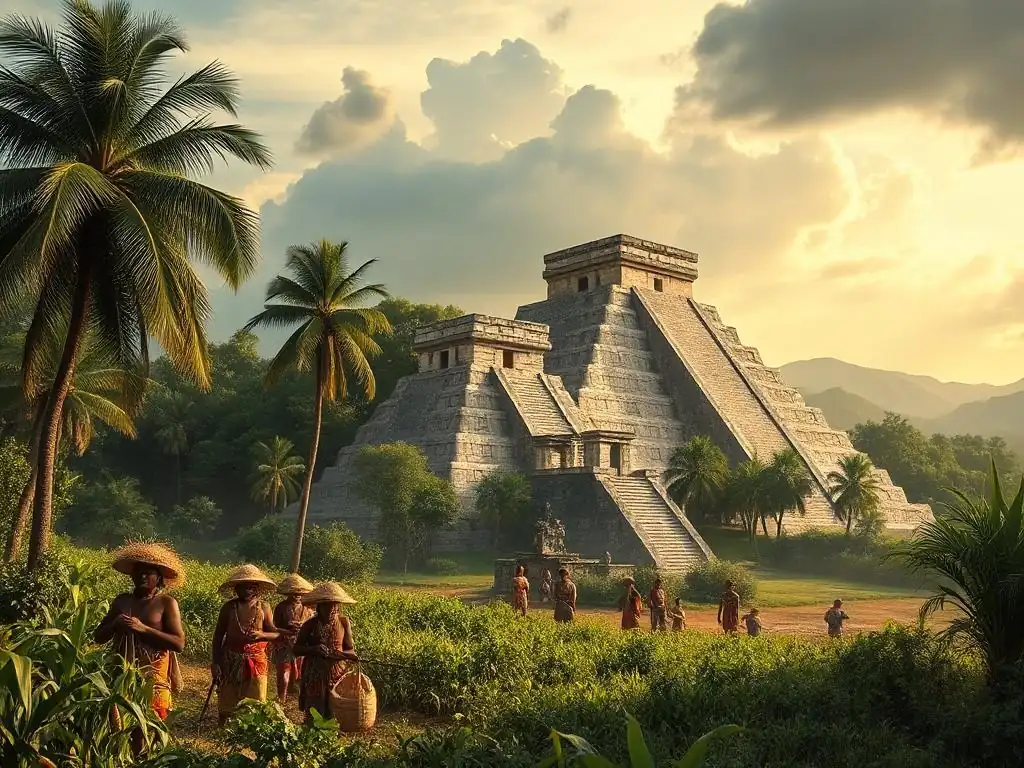
The Mayan civilization, which flourished from approximately 2000 BCE to the Spanish conquest in the 16th century, exhibited remarkable resilience and adaptability in the face of climatic challenges. This adaptability was integral to the survival of their complex societies, which were heavily reliant on agriculture, trade, and water management systems. The Mayans faced various climate-related challenges, including droughts, floods, and temperature fluctuations, which prompted them to develop sophisticated strategies to mitigate these effects.
Mayan societies demonstrated resilience through their ability to modify agricultural practices and adapt to changing environmental conditions. They engaged in crop diversification, planting a variety of staple crops such as maize, beans, and squash, which ensured food security even during adverse weather conditions. Additionally, the construction of raised fields and terraces allowed them to manage soil fertility and moisture levels effectively, highlighting their innovative responses to climate variability.
Innovations in Agriculture in Response to Climate
Agricultural innovations were central to the survival of the Mayan civilization amidst climate fluctuations. The Mayans developed advanced farming techniques, including slash-and-burn agriculture, which involved clearing land and using the ash to enrich soil fertility. This method allowed them to cultivate various crops and maintain soil productivity over time.
One specific innovation was the creation of swidden agriculture, a system that involved rotating fields to prevent soil depletion. The Mayans also introduced the practice of planting crops in combination, known as milpa, which maximized land use and reduced the risk of total crop failure. As climatic conditions shifted, these innovations provided the necessary flexibility for Mayan farmers to adapt their practices accordingly.
In addition to these methods, the Mayans experimented with different crop varieties that were more drought-resistant or could thrive in flood-prone areas. This adaptive approach not only enhanced their food security but also demonstrated a deep understanding of their environment and the climatic challenges they faced.
Water Management Techniques in Mayan Civilization
Water management was crucial for the sustainability of the Mayan civilization, particularly in regions like the Yucatán Peninsula, where freshwater sources were scarce. The Mayans developed a variety of techniques to collect, store, and distribute water, enabling them to thrive in a challenging environment.
One of the most notable techniques was the construction of cisterns and reservoirs. These large storage systems captured rainwater during the wet season, which was then used during dry periods. The Mayans also created intricate canal systems to direct water flow to agricultural fields, ensuring that crops received adequate hydration.
Additionally, the use of sacrificial wells for water extraction and the construction of aguadas, or natural depressions to collect rainwater, showcased their ingenuity. These methods not only facilitated agricultural productivity but also supported the growing population, ensuring a reliable supply of water even during prolonged droughts.
Cultural Practices Influenced by Climate
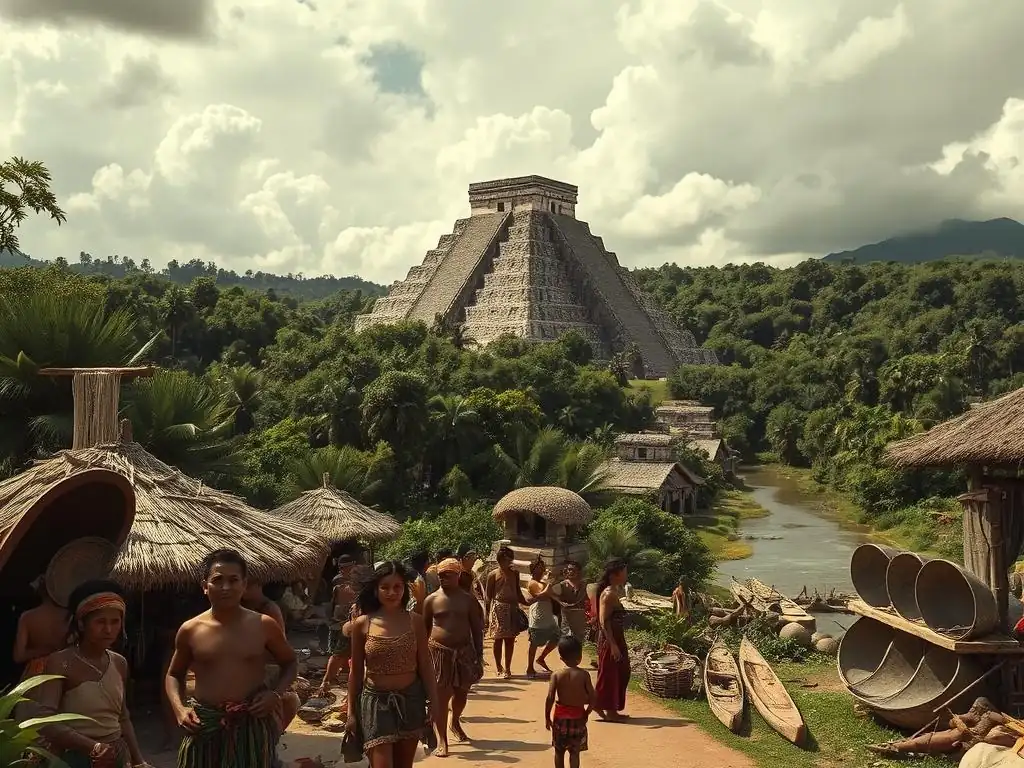
The climatic conditions experienced by the Mayans significantly influenced their cultural practices, beliefs, and rituals. The cyclical patterns of drought and rainfall were deeply interwoven into their cosmology and spiritual life. The Mayans believed that natural elements were governed by deities, and as such, they performed various rituals to appease these gods, often linked to agricultural cycles.
Ceremonies, including those for rain and harvest, were prevalent, with offerings made to ensure favorable weather conditions. The significance of maize, a staple crop, permeated their culture, symbolizing life and sustenance. Many myths and legends revolved around maize and its connection to fertility and abundance, reflecting the reliance of Mayans on their environment.
Moreover, the art and architecture of the Mayan civilization often depicted themes related to nature and climate. Temples and monuments were adorned with carvings that celebrated agricultural cycles and the importance of water, demonstrating their reverence for the environment and its role in their survival.
Comparative Analysis of Climate Impact
Comparison with Other Mesoamerican Civilizations
When examining the impact of climate on the Mayan civilization, it is insightful to compare their experiences with other Mesoamerican cultures, such as the Aztecs and the Olmecs. While all these civilizations faced climatic challenges, their responses varied based on their geographical contexts and cultural practices.
The Aztecs, for instance, developed a more centralized system of agriculture through the use of chinampas, or floating gardens, which allowed them to cultivate crops on water-rich areas. This method contrasted with the Mayan reliance on diverse agricultural landscapes and complex irrigation systems. In times of drought, the Aztec civilization was adept at redistributing resources from various regions, whereas the Mayans often faced localized water shortages more acutely due to their geographical dispersion.
The Olmecs, considered the "mother culture" of Mesoamerica, also adapted to climatic challenges through agricultural innovations, but their civilization was less urbanized than the Mayans or the Aztecs. This difference in societal structure influenced how each civilization responded to climate-related stressors, with the Mayans showcasing a more decentralized approach that emphasized local adaptation.
Lessons from the Mayan Experience with Climate Change
The Mayan civilization offers several critical lessons regarding resilience and adaptability in the face of climate change. Their historical experiences underscore the importance of sustainable agricultural practices and efficient water management systems. The innovations developed by the Mayans reflect a profound understanding of their environment, emphasizing the necessity of adapting to climatic variability.
Moreover, the decline of the Mayan civilization due to prolonged drought serves as a cautionary tale about the potential consequences of climate change. It highlights the need for proactive measures and adaptive strategies to mitigate risks associated with environmental changes. Learning from the past, modern societies can draw parallels to current climate challenges and work towards developing sustainable practices that honor the lessons taught by the Mayans.
The Mayan experience illustrates a complex interplay between climate and civilization, emphasizing the critical role of adaptability, innovation, and cultural practices in addressing environmental challenges.
Conclusion
Understanding the impact of climate on the evolution of Mayan civilizations reveals a complex interplay between environmental factors and human adaptability. The Mayans excelled in developing agricultural practices tailored to their changing climate, showcasing their resilience and ingenuity. This adaptability allowed them to thrive in a region characterized by seasonal droughts and varying rainfall patterns. However, significant climate shifts, such as prolonged droughts, ultimately led to societal stresses that challenged their advanced civilization.
Summary of Climate Effects on Mayan Civilization
The climate played a pivotal role in shaping the trajectory of Mayan civilization. Key effects include:
- Agricultural Practices: The Mayans adapted their farming techniques to suit the tropical climate, utilizing methods like slash-and-burn agriculture and terracing to maximize crop yields.
- Water Management: The establishment of sophisticated water management systems, including reservoirs and canals, was crucial for sustaining agriculture during dry periods.
- Population Dynamics: Climate variability influenced population growth and migration patterns. Prolonged droughts led to food shortages, prompting the movement of people and the eventual decline of major city-states.
- Cultural and Religious Practices: Climate phenomena affected religious rituals and agricultural calendars, with ceremonies often tied to seasonal changes and agricultural cycles.
These factors collectively illustrate that climate was not merely a backdrop for Mayan civilization but a fundamental element that influenced its development, stability, and eventual decline.
Lasting Implications for Understanding Indigenous Resilience
The Mayan experience offers critical insights into the resilience of indigenous cultures in the face of environmental challenges. Their ability to innovate and adapt to climatic fluctuations emphasizes the importance of sustainable practices and resource management. This historical perspective can inform contemporary discussions on climate change, illustrating how indigenous knowledge and strategies can contribute to modern resilience efforts.
- Sustainable Practices: The Mayans demonstrate how sustainable agricultural practices can be developed in response to environmental conditions, providing valuable lessons for current and future agricultural adaptations.
- Community Cohesion: The social structures and communal efforts displayed by the Mayans during periods of climate stress underscore the role of community in fostering resilience.
- Cultural Heritage: Recognizing the historical adaptability of the Mayans enriches our understanding of indigenous cultures, emphasizing their contributions to environmental stewardship and cultural resilience.
Future Research Directions on Climate and Indigenous Cultures
Future research on the intersection of climate and indigenous cultures should focus on several key areas:
- Longitudinal Studies: Investigating long-term climate patterns and their socio-economic impacts on various indigenous civilizations can provide deeper insights into adaptive strategies employed over centuries.
- Cross-Cultural Comparisons: Analyzing how different indigenous cultures responded to climate changes may reveal diverse adaptive strategies and resilience frameworks.
- Integration of Modern Technology: Utilizing advanced technologies such as remote sensing and climate modeling can enhance our understanding of historical climate impacts on indigenous societies.
- Collaboration with Indigenous Communities: Engaging with contemporary indigenous populations to gather traditional ecological knowledge can inform current climate adaptation strategies and highlight the continuity of indigenous resilience.
By pursuing these research directions, scholars can further unravel the complexities of climate effects on indigenous civilizations, enriching our understanding of their histories and contributions to sustainability.
- Understanding Mayan Civilization
- The Role of Climate in Mesoamerican Civilizations
- Climate Effects on Mayan Civilization
- The Droughts and Their Consequences
- Resilience and Adaptation of Mayan Societies
- Innovations in Agriculture in Response to Climate
- Water Management Techniques in Mayan Civilization
- Cultural Practices Influenced by Climate
- Comparative Analysis of Climate Impact
- Conclusion
- What were the main climate effects on the Mayan civilization?
- How did the Mayans adapt to climate changes?
- What role did agriculture play in the Mayan civilization's response to climate?
- Did climate change lead to the decline of the Mayan civilization?
- How does the study of climate effects enhance our understanding of the Mayans?
Frequently Asked Questions
What were the main climate effects on the Mayan civilization?
The Mayan civilization faced significant challenges due to climate change, particularly through periods of drought which affected agricultural productivity and water supply.
How did the Mayans adapt to climate changes?
The Mayans employed various strategies such as water management systems and crop diversification to cope with the environmental stresses caused by climate fluctuations.
What role did agriculture play in the Mayan civilization's response to climate?
Agriculture was central to the Mayan economy; changes in climate directly impacted their crop yields, prompting adaptations in farming techniques to ensure food security.
Did climate change lead to the decline of the Mayan civilization?
Yes, evidence suggests that severe droughts contributed to the collapse of many Mayan city-states, highlighting the vulnerability of their societies to climatic shifts.
How does the study of climate effects enhance our understanding of the Mayans?
Studying the climate effects on the Mayan civilization provides insights into their resilience and the complex relationship between environment and societal development.
Final Reflection: Understanding the Climate's Role in Shaping Mayan Civilization
The intricate relationship between climate and the evolution of Mayan civilizations underscores a profound truth: our environment is not merely a backdrop to human history but a dynamic force that shapes societies. As we navigate the complexities of climate change today, the lessons from the Mayans remind us that environmental shifts can have far-reaching consequences, influencing everything from agricultural practices to societal structures. The resilience and adaptability of the Mayans in the face of climate challenges serve as a striking testament to human ingenuity and the need for sustainable practices in our own time.
Culture and society are inextricably linked to the environment, and the legacy of the Mayans continues to resonate in contemporary discussions about sustainability and ecological awareness. The rise and fall of their civilization due to climatic fluctuations highlight the importance of understanding our ecological context. As the historian David Christian aptly put it, History is a story of how humans have interacted with their environment, and how that interaction has shaped the world we live in.
This ongoing dialogue about climate and civilization encourages us to reflect on our own relationship with the planet and the choices we make today.
As we look to the future, I invite you to consider how the lessons learned from the Mayan civilization can inspire action in your own life. Reflect on your impact on the environment and think about how you can contribute to a more sustainable future. Whether it’s through reducing waste, supporting local agriculture, or advocating for climate policies, every action counts. Together, we can honor the legacy of those who came before us by fostering a deeper connection with our environment and ensuring that future generations thrive in a balanced and harmonious world.
Unveil the Legacy: Connect with Mayan History Today!
Thank you for exploring the fascinating intersection of climate and the evolution of the Mayan civilizations with us! By understanding their complex relationship with the environment, you’ve gained valuable insights into how adaptations shaped a rich cultural heritage. Now, it's time to take action and deepen your connection to this incredible history.
Here are some steps you can take to engage further:
- Dive into local ecosystems: Visit a nearby natural area to observe the current impacts of climate on the environment. Reflect on how these factors influenced the ancient Mayans.
- Share your thoughts: Start a conversation with friends or on social media about your discoveries. Your insights could inspire others to explore the legacy of the Mayans.
- Join a community event: Look for workshops or lectures on Mayan history and climate changes in your area. Participating in these discussions can deepen your understanding.
What aspect of the Mayan civilization's response to climate change intrigues you the most, and how do you see its relevance in today’s world?