
Unraveling the Mysteries: How the Mayans Established Their Complex Society

Welcome to Indigenous Civilizations of the Americas, where we invite you to embark on a fascinating journey through the rich tapestry of indigenous cultures that flourished long before European contact. In our featured article, "Unraveling the Mysteries: How the Mayans Established Their Complex Society," we delve into the extraordinary achievements of the Mayans and the intricate societal structures that supported their vibrant communities. Prepare to uncover the secrets of their innovations and explore how these ancient civilizations continue to influence our world today. Keep reading to discover the captivating stories that lie at the heart of the Mayan legacy!
Introduction to the Mayans Complex Society Achievements
The Mayans represent one of the most sophisticated and influential indigenous civilizations in the Americas. Their complex society achievements are a fascinating blend of remarkable architectural feats, advanced agricultural techniques, and profound contributions to mathematics and astronomy. The Mayans thrived in a region that now comprises parts of Mexico, Guatemala, Belize, Honduras, and El Salvador, developing one of the most intricate social structures known to history. This article aims to delve deep into the achievements of the Mayans, exploring the elements that underpinned their complex society and examining their lasting impact on the world.
Overview of Mayan Civilization
The Mayan civilization, which emerged around 2000 BCE, is renowned for its unique culture, which includes:
- Advanced Written Language: The Mayans developed a sophisticated hieroglyphic script, one of the few fully developed writing systems in pre-Columbian America.
- Architectural Mastery: They constructed impressive city-states characterized by monumental pyramids, palaces, and observatories. Notable cities like Tikal, Palenque, and Copán stand as testaments to their architectural prowess.
- Mathematical Innovations: The Mayans introduced the concept of zero and developed a vigesimal (base-20) number system, which was critical for their complex calculations.
- Astronomical Knowledge: Their meticulous observations of celestial bodies led to the creation of an accurate calendar system that included the Tzolk'in and the Haab', which were integral to their agricultural and religious practices.
Importance of Understanding Mayan Society
Understanding the complexities of Mayan society is vital for several reasons:
- Cultural Heritage: The Mayans contributed significantly to the cultural tapestry of the Americas. Their art, architecture, and traditions continue to influence contemporary indigenous cultures.
- Lessons from the Past: Analyzing their societal structures, governance, and agricultural practices can provide insights into sustainability and resilience, applicable even today.
- Historical Context: Comprehending the achievements of the Mayans helps to contextualize their place in history, particularly in relation to European colonization and the ongoing impacts on indigenous populations.
Historical Context of the Mayans
Origins of the Mayan Civilization
The origins of the Mayan civilization can be traced back to the Preclassic period (approximately 2000 BCE to 250 CE), when small agrarian communities began to form. Over time, these communities evolved into larger, more complex societies. Key factors in their development included:
- Agricultural Advancements: The Mayans were adept at cultivating maize, beans, and squash, which formed the foundation of their diet and economy.
- Trade Networks: They established extensive trade routes that connected various regions, facilitating the exchange of goods, ideas, and cultural practices.
- Religious and Political Structures: The rise of powerful city-states, each ruled by a king or a noble class, was intertwined with religious beliefs that emphasized the role of deities in human affairs.
Timeline of Key Events in Mayan History
A chronological understanding of the Mayan civilization highlights its dynamic nature:
| Period | Key Events |
|---|---|
| Preclassic (2000 BCE - 250 CE) | Emergence of agriculture and village life. |
| Classic (250 - 900 CE) | Flourishing of city-states, development of writing, and monumental architecture. |
| Postclassic (900 - 1500 CE) | Transition of power, increased regional trade, and eventual Spanish contact. |
This timeline serves as a foundation for understanding the remarkable achievements of the Mayans and the complexities of their society that were established long before European colonization. By unraveling these historical threads, we can better appreciate the intricate tapestry of Mayan civilization and its enduring legacy.
The Structure of Mayan Society
The Mayan civilization, recognized for its intricate social structure, was characterized by a hierarchy that defined the roles and responsibilities of its various members. This structure was not only pivotal in maintaining order and governance but also played a crucial role in the cultural and economic advancements of the society. The organization of the Mayan society can be broken down into several layers, each with its distinct function and importance.
At the top of the social hierarchy were the nobility and priesthood, who wielded significant power and influence. This elite class included kings, known as Ajaw, who were considered divine figures associated with the gods and the cosmos. Beneath them were the priests, who were responsible for conducting rituals, maintaining the calendar, and interpreting the will of the gods. Their role was crucial in a society that placed great emphasis on religion and its integration into daily life.
- Nobility and Priests: The ruling class, including kings and high priests, held the most power. They often lived in large palaces and controlled significant resources, including land and labor.
- Warriors and Merchants: The next tier comprised skilled warriors and influential merchants. Warriors defended the city-states and engaged in conquests, while merchants facilitated trade and commerce, becoming wealthy through their ventures.
- Commoners and Artisans: The bulk of the population consisted of farmers, laborers, and artisans. Commoners engaged in agriculture, which was the backbone of the economy, while artisans produced goods such as pottery, textiles, and tools.
- Slaves: At the bottom of the hierarchy were slaves, who often came from conquered populations or were born into servitude. While their status was the lowest, they played vital roles in labor-intensive tasks.
This stratification was essential for the functioning of the Mayan civilization, ensuring that each class contributed to the society's overall stability and advancement.
Political Organization and Governance
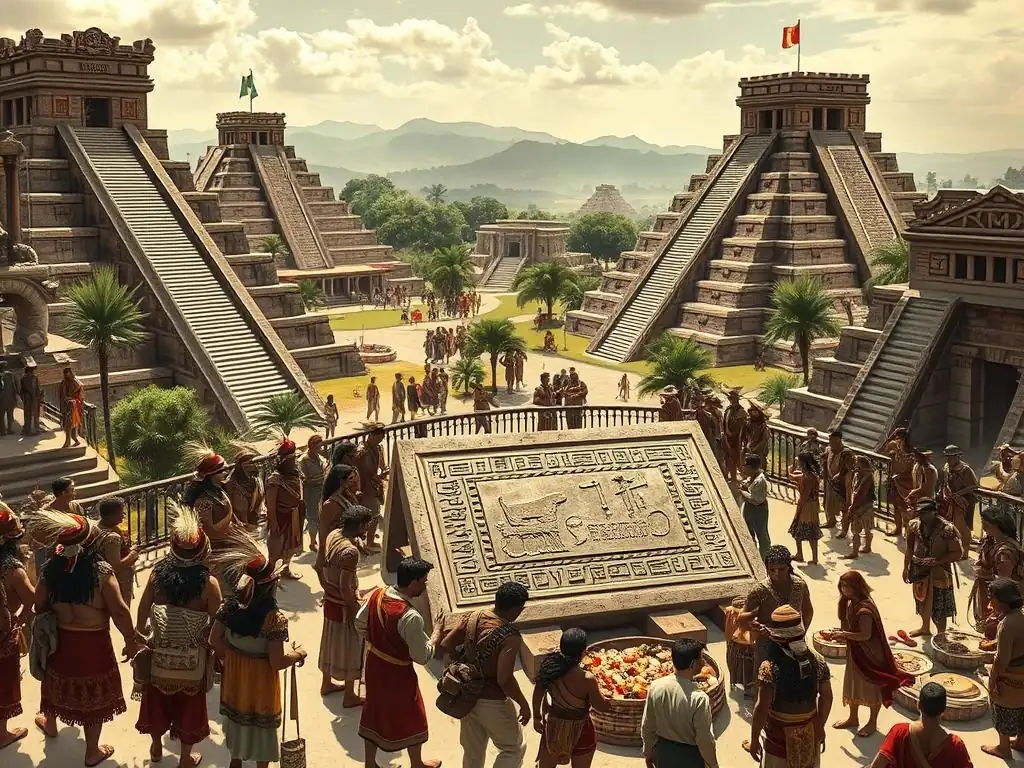
The political landscape of the Mayan civilization was characterized by a city-state model, where individual cities functioned as independent entities, each with its own ruler and government. These city-states, such as Tikal, Palenque, and Copán, were often in competition with one another, leading to alliances and conflicts that shaped their histories.
Governance was typically centralized around the Ajaw, who held both political and religious authority. The king was supported by a council of nobles and advisors, who assisted in decision-making processes. Political legitimacy was derived from divine right, with rulers often claiming descent from gods or previous kings, which reinforced their authority.
Additionally, the Mayans developed a sophisticated system of laws and governance that addressed various aspects of life, including trade, agriculture, and social conduct. The establishment of codices, such as the Dresden Codex, provided written records of laws, rituals, and historical events, reflecting the civilization's commitment to documentation and order.
Economic Achievements of the Mayans
The economic landscape of the Mayan civilization was notable for its diversity and innovation. The Mayans developed a complex economy that revolved around agriculture, trade, and skilled craftsmanship, enabling them to thrive in varied environments.
Agricultural Innovations and Practices
Agriculture was the foundation of the Mayan economy, with the civilization employing advanced techniques to maximize crop yields. The Mayans cultivated staple crops such as maize (corn), beans, and squash, often referred to as the "Mesoamerican triad."
- Slash-and-Burn Agriculture: They practiced swidden agriculture, where forests were cleared and burned to create arable land. This technique enriched the soil with nutrients, promoting crop growth.
- Terracing and Irrigation: To adapt to the hilly terrain of certain regions, the Mayans constructed terraces, which minimized soil erosion and maximized arable land. They also developed irrigation systems to channel water from rivers to their fields, ensuring consistent crop production.
- Crop Rotation: Understanding the importance of soil health, the Mayans implemented crop rotation practices, allowing fields to recover between planting seasons, thus maintaining sustainability.
These agricultural innovations not only supported a growing population but also facilitated the rise of urban centers.
Trade Networks and Economic Exchange
The Mayans established extensive trade networks that connected various city-states and regions, enabling the exchange of goods, ideas, and culture.
- Regional Trade: Local trade was vital for exchanging surplus goods, such as textiles, pottery, and food. Markets played a central role in urban life, where traders would converge to barter and sell their products.
- Long-Distance Trade: The Mayans engaged in long-distance trade with neighboring cultures, such as the Olmecs and the Teotihuacan. They exchanged valuable commodities like jade, obsidian, cacao, and precious metals, which were highly sought after.
- Trade Routes: Well-established trade routes, both overland and maritime, facilitated economic exchange, promoting cultural interactions and the spread of ideas.
Through these dynamic economic practices, the Mayans not only sustained their civilization but also enriched their cultural landscape, leaving a lasting legacy that continues to be studied today.
Cultural Contributions of the Mayans
The Mayans are renowned for their profound cultural contributions, which significantly shaped their civilization and influenced subsequent societies in the Americas. Their advancements in various fields—ranging from astronomy to mathematics and art—exemplify a complex society that thrived for centuries. The Mayans developed a unique system of writing, known as hieroglyphics, which enabled them to document their history, rituals, and achievements. This written language was not only a means of communication but also a significant aspect of their cultural identity.
One of the most remarkable features of Mayan culture is their intricate calendar system. The Mayans created multiple calendars, including the Tzolk'in (a 260-day ceremonial calendar) and the Haab' (a 365-day solar calendar), which were used to track agricultural cycles, religious events, and social affairs. This calendar system reflected their advanced understanding of astronomy and their ability to observe celestial movements, showcasing their sophisticated approach to timekeeping.
The Mayans also made substantial contributions to the fields of agriculture, trade, and urban planning. They developed advanced agricultural techniques, such as terracing and slash-and-burn farming, which allowed them to cultivate crops like maize, beans, and squash in diverse environments. This agricultural prowess supported large populations and facilitated the growth of city-states, which became centers of trade, governance, and cultural exchange.
Advances in Astronomy and Mathematics
The Mayans were exceptional astronomers and mathematicians, making significant strides in both fields that continue to astonish modern scholars. They meticulously observed celestial bodies, including the sun, moon, and planets, leading to remarkable predictions of solar and lunar eclipses as well as the cycles of Venus. Their astronomical knowledge was deeply intertwined with their agricultural practices, as they relied on celestial events to determine the optimal times for planting and harvesting crops.
In mathematics, the Mayans developed a sophisticated numerical system that included the concept of zero, a significant advancement that set them apart from many contemporary civilizations. They used a vigesimal (base-20) counting system, which allowed for complex calculations and contributed to their ability to create accurate calendars. The combination of their numerical system and astronomical observations enabled the Mayans to construct monumental structures aligned with celestial events, demonstrating their profound understanding of mathematics and its practical applications.
Artistic Achievements and Architecture
Mayan artistic achievements are evident in their elaborate pottery, intricate carvings, and monumental architecture. Their art often depicted scenes from mythology, daily life, and significant historical events, showcasing their cultural values and beliefs. The use of vibrant colors and detailed imagery in pottery and murals reflects the Mayans' skill and creativity, providing insight into their society.
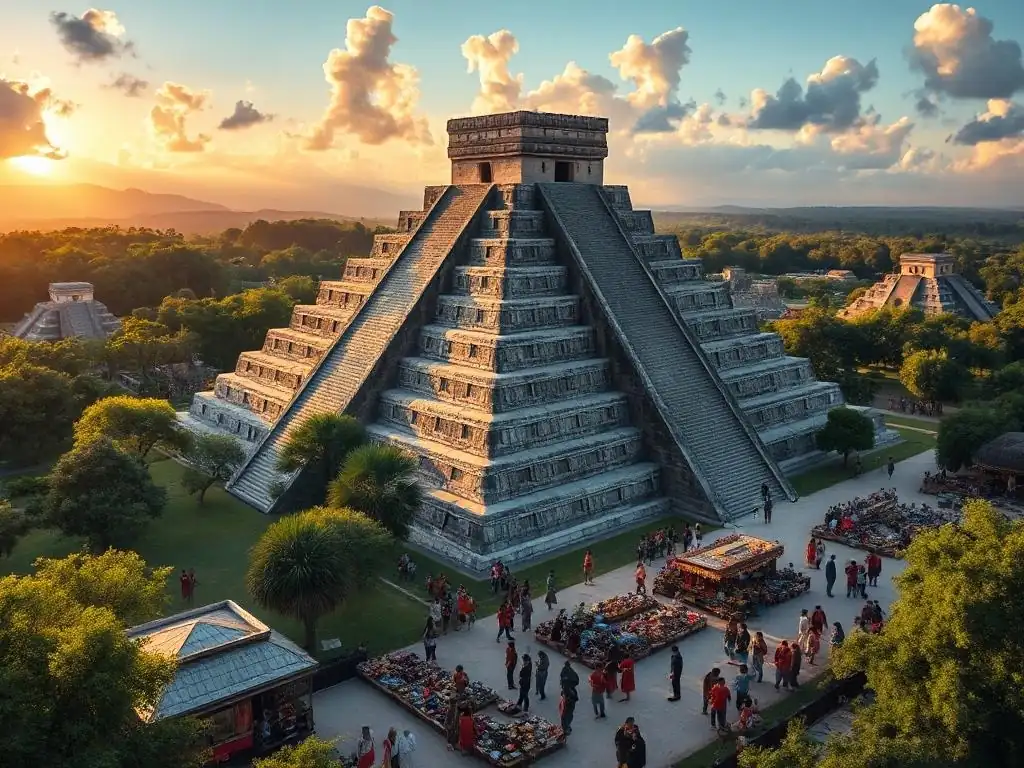
Architecturally, the Mayans constructed impressive city-states featuring towering pyramids, palaces, and ceremonial centers. Notable examples include the iconic pyramid of El Castillo at Chichen Itza and the temples at Tikal, which demonstrate not only their engineering prowess but also their spiritual and political significance. These structures served as focal points for religious rituals and governance, emphasizing the interconnectedness of art, architecture, and the complexities of Mayan society.
Religious and Spiritual Aspects of Mayan Society
Religion was a cornerstone of Mayan society, permeating every aspect of daily life and influencing their social structure, politics, and cultural practices. The Mayans had a polytheistic belief system, worshipping a pantheon of gods associated with nature, agriculture, and celestial phenomena. They believed that maintaining harmony with these deities was essential for the prosperity and survival of their communities, leading to a rich tapestry of religious practices.
The Role of Religion in Daily Life
Religious beliefs were intricately woven into the fabric of Mayan daily life. Rituals and offerings were commonplace, as individuals and communities sought the favor of the gods. Each day was imbued with spiritual significance, and the Mayans consulted their calendars to determine auspicious times for various activities.
The priesthood played a crucial role in mediating between the gods and the people, conducting ceremonies that ranged from agricultural rites to elaborate festivals. The elite class often held religious authority, reinforcing their power and legitimacy through divine association. This intertwining of religion and governance created a complex societal hierarchy, where spiritual and political leaders were often one and the same.
Rituals and Ceremonies
Rituals and ceremonies were central to Mayan culture, serving as expressions of their beliefs and community cohesion. These events often involved music, dance, and elaborate costumes, creating a vibrant atmosphere that reinforced social bonds.
The Mayans celebrated key events such as the calendar new year, harvest festivals, and important life milestones with grand ceremonies. Sacrificial offerings, both animal and human, were sometimes part of these rituals, reflecting their deep commitment to appease the gods and ensure the well-being of their society. Such practices illustrate the lengths to which the Mayans would go to maintain their spiritual beliefs, underscoring the complexity and richness of their religious life.
Legacy of the Mayans and Their Complex Society
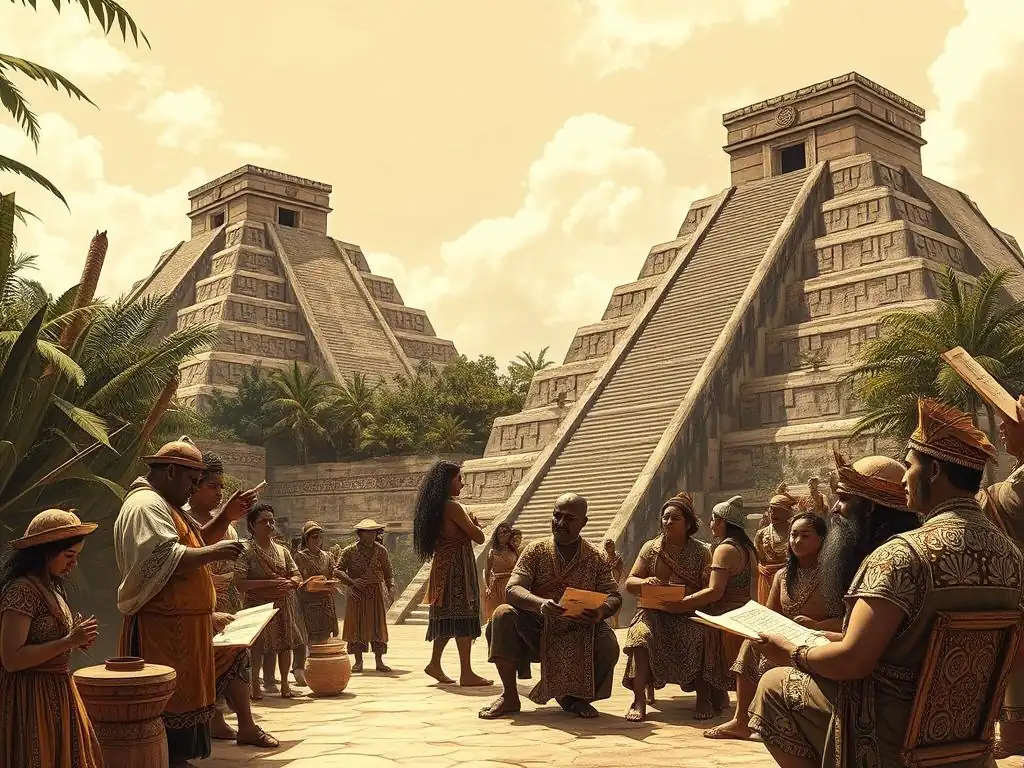
The legacy of the Mayans is profound, spanning centuries and influencing not only their immediate environment but also shaping aspects of modern culture and society. Their complex society was characterized by remarkable advancements in various fields, such as mathematics, astronomy, architecture, and agriculture. The Mayans developed a sophisticated calendar system, which demonstrated their deep understanding of celestial movements and cycles. This achievement is a testament to their intellectual prowess and has intrigued scholars for generations.
Additionally, the Mayan architectural marvels, such as the pyramids of Tikal and Chichen Itza, showcase their ingenuity and artistry. These monumental structures served not only as religious sites but also as centers of governance and community life, reflecting the intricate social organization that existed within Mayan civilization. The preservation of these sites allows us to appreciate the technological and artistic achievements of the Mayans, which continue to be subjects of study and admiration today.
Lasting Impact on Modern Indigenous Cultures
The Mayan civilization has left an indelible mark on modern indigenous cultures, particularly in Central America. Many contemporary Mayan communities actively preserve their ancestral traditions, languages, and customs, which are deeply rooted in the achievements of their forebears. The revitalization of traditional practices, such as weaving, pottery, and agricultural techniques, reflects a commitment to cultural continuity and identity.
Moreover, the Mayans’ historical achievements serve as a source of pride and inspiration for indigenous peoples across the Americas. Their contributions in various domains, such as sustainable agriculture and ecological knowledge, are increasingly recognized and valued in contemporary discussions about environmental stewardship and cultural heritage. This recognition underscores the resilience and adaptability of modern indigenous cultures, which continue to thrive despite historical challenges.
Preservation of Mayan Heritage Today
Today, efforts to preserve Mayan heritage are actively pursued by both local communities and international organizations. Initiatives aimed at safeguarding ancient sites, promoting indigenous languages, and supporting traditional art forms are crucial for maintaining the cultural identity of the Mayans. Educational programs, workshops, and cultural exchanges foster a greater appreciation for Mayan history and achievements, ensuring that future generations remain connected to their rich heritage.
In addition, the rise of tourism in regions with significant Mayan history has provided both opportunities and challenges. While tourism can generate economic benefits and raise awareness of Mayan culture, it also necessitates careful management to prevent the commodification of sacred sites and traditions. Balancing economic development with cultural preservation is essential for sustaining the legacy of the Mayans in a modern context.
Conclusion: The Enduring Mystique of Mayans Complex Society Achievements
The achievements of the Mayans and the complexity of their society continue to captivate researchers, historians, and the general public alike. Their unparalleled advancements in various fields illustrate a civilization that was not only sophisticated but also deeply connected to its environment and community. The rich tapestry of Mayan culture, with its unique practices and knowledge systems, remains a subject of exploration and admiration.
Reflection on the Achievements of the Mayans
Reflecting on the achievements of the Mayans reveals a society that excelled in various domains, leaving a legacy that transcends time. Their innovations in mathematics and astronomy, such as the concept of zero and intricate calendar systems, were ahead of their time and laid the groundwork for future civilizations. The Mayans’ architectural feats, alongside their agricultural techniques, demonstrate a deep understanding of their environment and a capacity for sustainable living that modern societies can learn from.
As we explore the complexities of the Mayan civilization, it is essential to recognize the values embedded in their achievements—community, harmony with nature, and a commitment to knowledge. These principles continue to resonate today, offering valuable insights into contemporary challenges.
Importance of Continued Research and Exploration
Continued research and exploration of Mayan civilization are vital for uncovering the nuances of their society and contributions to the world. As new archaeological discoveries emerge, they provide fresh perspectives on the Mayans’ way of life and the factors that contributed to their success and eventual decline.
Furthermore, interdisciplinary approaches that incorporate anthropology, history, and environmental science can enrich our understanding of the Mayans’ complex society. Engaging with descendant communities in this research ensures that their voices and perspectives are integral to the narrative. The ongoing exploration of Mayan civilization not only honors their legacy but also fosters a deeper appreciation for the richness of indigenous cultures throughout history.
- Introduction to the Mayans Complex Society Achievements
- Historical Context of the Mayans
- The Structure of Mayan Society
- Social Hierarchy in Mayan Civilization
- Political Organization and Governance
- Economic Achievements of the Mayans
- Cultural Contributions of the Mayans
- Religious and Spiritual Aspects of Mayan Society
- Legacy of the Mayans and Their Complex Society
- Lasting Impact on Modern Indigenous Cultures
- Preservation of Mayan Heritage Today
- Conclusion: The Enduring Mystique of Mayans Complex Society Achievements
- Reflection on the Achievements of the Mayans
- Importance of Continued Research and Exploration
Frequently Asked Questions
What are the key achievements of the Mayans' complex society?
The Mayans are renowned for their advanced mathematics, astronomy, and the development of a sophisticated writing system. Their architectural marvels, such as pyramids and temples, also showcase their engineering skills.
How did the Mayans organize their society?
The Mayans had a highly structured society with a hierarchy that included nobility, priests, and commoners. This organization facilitated the management of their city-states and complex political systems.
What role did religion play in Mayan culture?
Religion was central to Mayan life, influencing their daily activities, architecture, and societal norms. They practiced rituals and ceremonies to appease their gods, reflecting their belief in the interconnectivity of life and the cosmos.
How did the Mayans contribute to agriculture?
The Mayan civilization made significant advancements in agriculture, including the use of terracing and slash-and-burn techniques. These innovations allowed them to sustainably cultivate crops like maize, beans, and squash.
What lasting impacts did the Mayans have on modern society?
The Mayans' achievements in mathematics, astronomy, and architecture continue to influence contemporary scholarship and cultural practices. Their intricate calendars and understanding of the cosmos remain of great interest to historians and scientists today.
Final Reflection: Unveiling the Legacy of Mayan Achievements
The achievements of the Mayans serve as a testament to human ingenuity and resilience, illustrating how a complex society can thrive through innovation and cultural richness. Today, as we navigate an increasingly interconnected world, the lessons learned from the Mayans resonate more than ever, reminding us of the importance of sustainable practices, advanced knowledge systems, and community cohesion. Their ability to create a sophisticated civilization amidst challenging environments is a striking reminder of what humanity can accomplish when we harness our collective strengths.
The influence of Mayan society extends far beyond their historical timeline; it continues to shape cultural narratives and inspire modern civilizations. From their advancements in astronomy and mathematics to their intricate social structures, the Mayans have left an indelible mark on our understanding of societal development. As we reflect on their legacy, we can appreciate the words of historian David Freidel: The Maya were not just a civilization of the past; they are a living testament to the resilience of human creativity and adaptability.
This ongoing influence encourages us to explore our own cultural roots and recognize the interconnectedness of our histories.
As we conclude this exploration of the Mayans' complex society, I invite you to reflect on how their achievements can inspire your own journey. Consider how you can apply the principles of innovation, community, and sustainability in your life. Whether through fostering collaboration in your community or pursuing knowledge with curiosity, let the Mayan legacy guide you toward building a brighter future. Embrace the lessons of the past, and let them illuminate your path forward, as we all strive to create societies that honor the achievements of those who came before us.
Embrace the Legacy: Connect with the Mayan Heritage!
Thank you for diving into the fascinating world of the Mayans with us! Your curiosity and engagement help bring their incredible civilization back to life. Now that you’ve unearthed the secrets of their society, it's time to take action and deepen your understanding.
Here’s how you can embrace and explore the rich Mayan heritage:
- Visit a Local Exhibit or Museum to see artifacts and learn more about Mayan culture firsthand.
- Join an Online Community focused on Indigenous studies to connect with fellow enthusiasts and share insights.
- Read a Thought-Provoking Book by a Mayan author or about Mayan history that challenges your perspectives and expands your knowledge.
What have you discovered about the Mayan civilization that inspires you the most? We invite you to share your thoughts in the comments below!