
The Interplay Between Trade and the Development of Mayan Cities

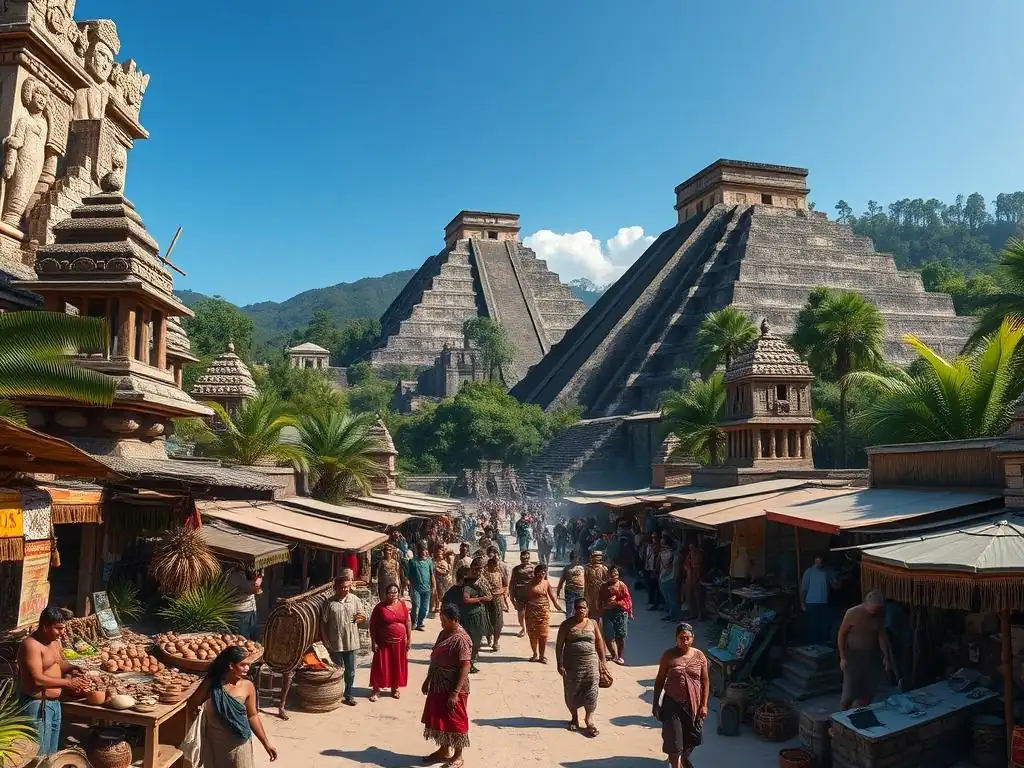
Welcome to Indigenous Civilizations of the Americas, where we invite you to embark on a captivating journey through the rich tapestry of indigenous cultures that flourished across the Americas long before European contact. In our featured article, “The Interplay Between Trade and the Development of Mayan Cities,” we unravel the intricate history and thriving trade networks that shaped the Mayan civilization, revealing how commerce influenced their societal structures and urban development.
Prepare to discover the remarkable achievements and profound legacies of these vibrant cultures that continue to resonate today. Dive deeper and explore the fascinating connections between trade and civilization—your adventure awaits!
The intricate relationship between trade and the evolution of Mayan cities is a fascinating subject that unveils the complexities of their society and economy. Before European colonization, the Mayans established a sophisticated network of trade that not only facilitated the exchange of goods but also played a pivotal role in their architectural, political, and cultural advancements.
This article delves into the dynamics of trade within the context of Mayan civilization, exploring how these interactions contributed to the rise and sustainability of their urban centers. By examining the historical context and key trade routes, we aim to provide a comprehensive understanding of how trade influenced the development of Mayan cities and their lasting legacy.
Introduction to Mayan Cities and Trade
Overview of Mayan Civilization
The Mayan civilization, one of the most prominent pre-Columbian cultures, flourished in present-day Mexico, Guatemala, Belize, and parts of Honduras and El Salvador. Known for their remarkable achievements in mathematics, astronomy, and architecture, the Mayans constructed impressive city-states characterized by towering pyramids, palaces, and elaborate ceremonial centers. Their society was structured around a complex political hierarchy, with powerful kings and nobles overseeing various aspects of daily life.
Trade was essential to the Mayans, not only for the acquisition of necessary resources but also as a means of establishing social and political connections. The exchange of goods such as cacao, textiles, and obsidian facilitated interaction among different city-states, fostering a sense of unity and shared identity within the diverse Mayan culture.
Importance of Trade in Ancient Societies
Trade served as a lifeline for many ancient civilizations, providing access to resources that were absent in local environments. For the Mayans, trade was integral in several ways:
- Economic Growth: The flow of goods and resources contributed to the prosperity of cities, enabling them to thrive and expand.
- Cultural Exchange: Trade routes acted as conduits for the exchange of ideas, art, and technology, enriching the Mayan culture and fostering innovation.
- Political Alliances: Through trade, Mayan city-states could forge alliances, negotiate power dynamics, and maintain stability in a competitive landscape.
In essence, the interplay between trade and urban development was a driving force behind the achievements of Mayan civilization.
Historical Context of Trade in Mayan Cities
Early Trade Networks in Mesoamerica
The roots of trade in Mesoamerica can be traced back to the Olmec civilization, which laid the groundwork for future economic systems. As the Mayans rose to prominence, they expanded upon these networks, establishing extensive trade routes that connected their cities and neighboring regions. Key features of these early trade networks included:
- Diverse Goods: The Mayans traded an array of commodities, including agricultural products, luxury items, and raw materials.
- Long-Distance Connections: Their trade networks extended beyond local borders, facilitating exchanges with other Mesoamerican cultures, such as the Zapotecs and Teotihuacan.
- Marketplaces: Centralized marketplaces served as hubs for trade, where goods were exchanged, and social interactions occurred, further solidifying the importance of commerce in Mayan life.
Key Trade Routes in the Development of Mayan Cities
The development of Mayan cities was significantly influenced by the establishment of key trade routes. These routes allowed for the efficient movement of goods and people, contributing to the growth of urban centers. Some critical aspects of these trade routes included:
- Geographical Advantage: The locations of major cities like Tikal, Calakmul, and Copán were strategically chosen to leverage access to vital trade routes.
- Cultural Exchange: The interaction along these routes facilitated the spread of cultural practices, religious beliefs, and technological advancements, enriching the Mayan civilization.
- Resource Management: Trade enabled the Mayans to manage scarce resources effectively, ensuring that cities could sustain their populations and support their ambitious architectural projects.
The interplay between trade and the development of Mayan cities reveals a rich tapestry of economic, cultural, and political interactions that shaped one of the most remarkable civilizations in history. The following sections will explore these themes in greater depth, providing insights into the profound impact of trade on the Mayan world.
The Role of Trade in Mayan Economic Development
Trade played a pivotal role in the economic development of Mayan cities, facilitating not only the exchange of goods but also the flow of ideas and cultural practices. The Mayans established extensive trade routes that connected various city-states across Mesoamerica, allowing them to access a variety of resources that were not locally available. This interconnectivity helped to foster economic specialization, as different regions began to focus on the production of specific goods. For instance, coastal cities like Tulum became centers for maritime trade, while inland cities such as Tikal and Calakmul thrived on agricultural surplus.
The establishment of marketplaces within urban centers became a hallmark of Mayan civilization, acting as hubs of economic activity where merchants, artisans, and consumers interacted. These marketplaces not only facilitated the exchange of goods but also served as venues for social and political interactions, reinforcing the significance of trade in the overall development of Mayan society. As trade expanded, it contributed to the accumulation of wealth, leading to the construction of monumental architecture and the patronage of arts, which further solidified the cultural identity of the Mayans.
Trade Goods and Their Significance
The Mayans traded a wide array of goods, each carrying its own significance within their economy and culture. Key trade items included:
- Cacao: Highly valued as both a food product and a form of currency, cacao beans were essential in Mayan society, symbolizing wealth and status.
- Textiles: Intricately woven textiles were not only trade goods but also an expression of cultural identity and artistry.
- Obsidian: This volcanic glass was crucial for tool-making and weaponry, making it a highly sought-after trade commodity.
- Salt: Essential for preservation and flavoring of food, salt was a staple in trade networks, particularly from coastal regions.
- Ceramics: Functional and ceremonial ceramics were exchanged widely, reflecting the artistic skills of different Mayan communities.
The significance of these trade goods extended beyond mere economic value; they were also deeply intertwined with social hierarchies and cultural practices, influencing everything from religious rituals to daily life.
Economic Impact of Trade on Mayan Urban Centers
The economic impact of trade on Mayan urban centers was profound and multifaceted. As trade networks expanded, cities experienced increased population growth, leading to urbanization. The influx of wealth facilitated by trade allowed for the development of infrastructure, including roads, temples, and public buildings, which enhanced the overall functionality and aesthetic of urban spaces.
Moreover, trade stimulated technological advancements in agriculture, as urban centers required sustained food production to support their growing populations. Innovations such as terracing and irrigation became more prominent, increasing agricultural yields and supporting larger communities. This agricultural surplus, in turn, fueled further trade, creating a cyclical relationship between trade and urban development.
The economic benefits of trade also contributed to the rise of a merchant class, which wielded significant influence within Mayan society. The emergence of this class not only altered economic dynamics but also affected political structures, as merchants became key players in the governance of city-states, often negotiating trade agreements and alliances.
Cultural Exchange Through Trade
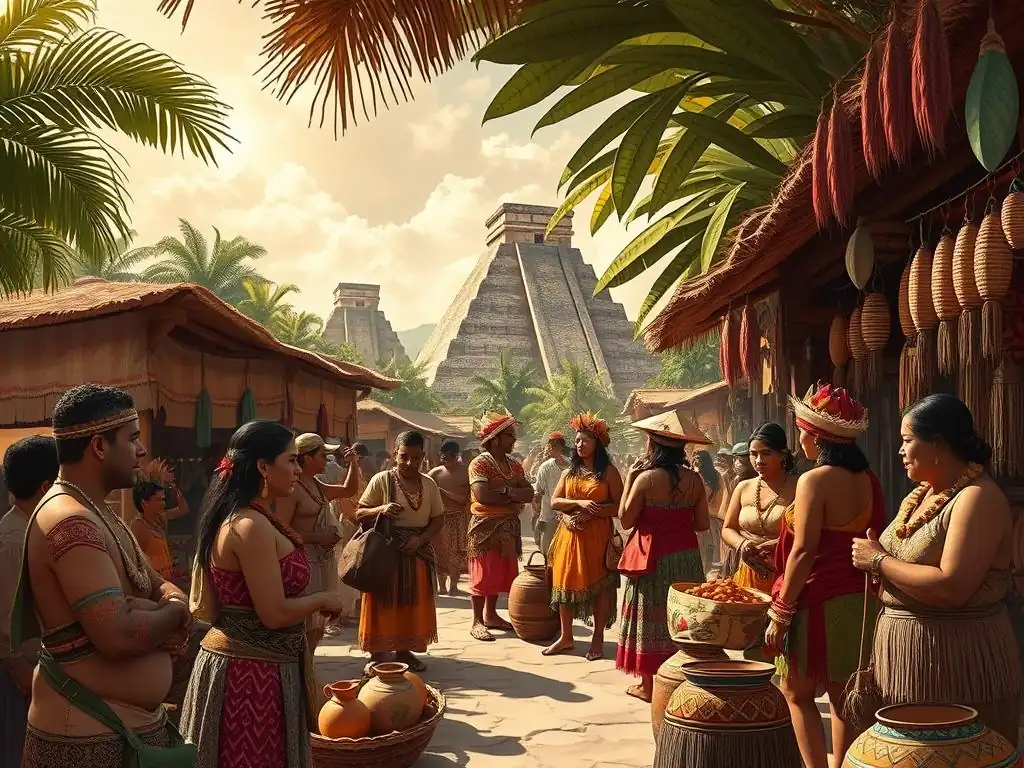
Trade was not solely an economic activity for the Mayans; it was also a crucial mechanism for cultural exchange. Through their extensive trade networks, the Mayans interacted with various neighboring civilizations, leading to the sharing of ideas, artistic styles, and technological innovations. This cultural interchange enriched the Mayan civilization and fostered a sense of interconnectedness among diverse groups.
Influence of Trade on Mayan Society and Culture
The influence of trade on Mayan society and culture was profound. As goods flowed between regions, so too did cultural practices and beliefs. For example, the introduction of new agricultural techniques from other cultures led to changes in farming practices among the Mayans. Similarly, artistic influences can be traced back to interactions with other Mesoamerican civilizations, resulting in the evolution of unique Mayan artistic expressions, such as pottery and mural painting.
Religious practices were also impacted by trade, with new deities and rituals being adopted from neighboring cultures, further enriching the spiritual landscape of the Mayans. The integration of diverse cultural elements served to not only enhance the Mayan identity but also to promote a sense of unity among the different city-states engaged in trade.
Integration of Diverse Cultures via Trade Networks
The integration of diverse cultures through trade networks was a hallmark of Mayan civilization. Trade routes acted as conduits for cultural diffusion, allowing for the exchange of not just physical goods, but also ideas, languages, and customs. This cultural blending was evident in various aspects of Mayan life, from architecture to cuisine.
For instance, the influence of the Teotihuacan civilization can be seen in certain architectural styles in Mayan cities, indicating the depth of cultural exchange facilitated by trade. Additionally, the culinary practices of the Mayans were enriched by spices and cooking techniques imported through trade, leading to a diverse array of flavors and dishes.
The establishment of trade networks helped to create a cosmopolitan atmosphere in major Mayan cities, where merchants from various regions converged, bringing with them their unique cultural backgrounds. This interaction not only fostered economic growth but also enhanced social cohesion, as communities learned to navigate and appreciate the complexities of cultural diversity.
The Impact of Trade on the Political Structure of Mayan Cities
Trade played a pivotal role in shaping the political structure of Mayan cities. The flourishing trade networks allowed for the exchange of not only goods but also ideas, leading to a more complex societal hierarchy. As certain cities became prominent trade hubs, they gained economic and political power over their neighbors. This economic influence often translated into political authority, where the wealth accumulated from trade enabled city leaders to exert control and establish stronger governance.
The emergence of elite classes within these cities was closely tied to trade activities. Wealth generated from trade allowed for the patronage of art, architecture, and religious institutions, which in turn reinforced the social status of the ruling elite. As cities like Tikal and Calakmul engaged in extensive trade, they developed intricate political systems that included alliances and rivalries driven by economic interests.
The political landscape was often influenced by the control of trade routes and resources, which led to the development of strategic partnerships among cities. Leaders would often negotiate trade agreements that not only benefited their economies but also solidified their political power. Thus, trade was not merely an economic activity; it was intricately linked to the political dynamics and governance of Mayan cities.
Trade and Power Dynamics among City-States
The trade relationships among Mayan city-states were characterized by a complex web of power dynamics. Cities that controlled critical trade routes or valuable resources, such as jade, cacao, and textiles, often dominated their rivals. This dominance enabled them to dictate terms of trade, influencing the economic stability of surrounding areas. For instance, cities like Copán and Palenque were known for their strategic locations, which allowed them to become vital trade centers.
The competition for trade supremacy led to both alliances and conflicts among city-states. Some cities formed coalitions to bolster their trading power, while others engaged in warfare to seize control of lucrative trade routes. This interplay of cooperation and competition shaped the political landscape, leading to fluctuating power dynamics.
Moreover, the rise of certain city-states through trade often resulted in the decline of others, creating a cycle of ascendance and fall that was heavily influenced by trade capabilities and resources. The political fragmentation that arose from these dynamics ultimately shaped the broader historical narrative of the Mayan civilization.
The Role of Trade in Diplomacy and Alliances
Trade was an essential tool for diplomacy among the Mayan city-states. Diplomatic relationships were often established through trade agreements that facilitated the exchange of goods, services, and even cultural practices. These agreements not only fostered economic interdependence but also helped to maintain peace among rival cities.
City leaders utilized trade negotiations to forge alliances, ensuring mutual benefits that extended beyond mere economic gain. Such alliances were critical during times of conflict, as they provided military support and resources when needed. For example, a city-state might supply its ally with goods in exchange for military assistance against a common enemy, showcasing how trade acted as a catalyst for diplomatic relations.
Additionally, ceremonial exchanges of goods often played a significant role in social diplomacy, reinforcing alliances through shared cultural practices. These exchanges contributed not only to the political stability of the region but also to the cultural richness of the Mayan civilization, as trade facilitated the flow of ideas, art, and technology.
Decline of Trade and Its Consequences for Mayan Cities
The decline of trade in the late Classic period had profound consequences for Mayan cities. As trade routes became increasingly unreliable, likely due to environmental changes, warfare, and socio-political fragmentation, the economic backbone of many city-states began to erode. This decline directly affected the political structures and social hierarchies that had been built upon trade wealth.
Factors Leading to Trade Decline
Several interrelated factors contributed to the decline of trade in the Mayan civilization. Environmental degradation, including deforestation and soil exhaustion, diminished agricultural productivity, leading to food shortages. As cities struggled to sustain their populations, the reliance on trade to supplement resources became critical, and when trade faltered, cities faced severe challenges.
Moreover, increased warfare among city-states disrupted trade routes and created an atmosphere of instability. Frequent conflicts over resources and territory not only hampered trade but also strained diplomatic relationships that had previously maintained peace. This cycle of conflict and resource scarcity led to the abandonment of many once-thriving urban centers.
Additionally, shifting trade patterns may have played a role, as new trade routes emerged or older ones became obsolete. The interconnectedness of the Mayan cities meant that the decline of trade in one area could have cascading effects across the entire region, leading to widespread economic and political repercussions.
Effects on Mayan Civilization and Urban Development
The consequences of trade decline were multifaceted, affecting both the political structure and urban development of Mayan civilization. As trade diminished, many cities experienced a significant decrease in wealth and influence. The political elite lost their power as the economic foundation of their authority crumbled, leading to political instability and increased social stratification.
Urban development also suffered as cities that had once flourished due to trade began to decline. Many urban centers saw reduced populations as people migrated in search of better opportunities. The architectural projects that had once showcased the wealth of these cities were halted, and the vibrant cultural life that had thrived on trade began to stagnate.
In the long term, the decline of trade contributed to the disintegration of the Classic Maya civilization. The once-great cities, which had been interconnected through trade networks, became isolated and fragmented. This isolation led to a loss of cultural exchange and innovation, fundamentally altering the trajectory of Mayan civilization in the post-Classic period.
The interplay between trade and the development of Mayan cities highlights the critical role of economic activities in shaping political structures and urban landscapes, with far-reaching implications for the history of the civilization.
Conclusion: The Lasting Legacy of Trade in Mayan History
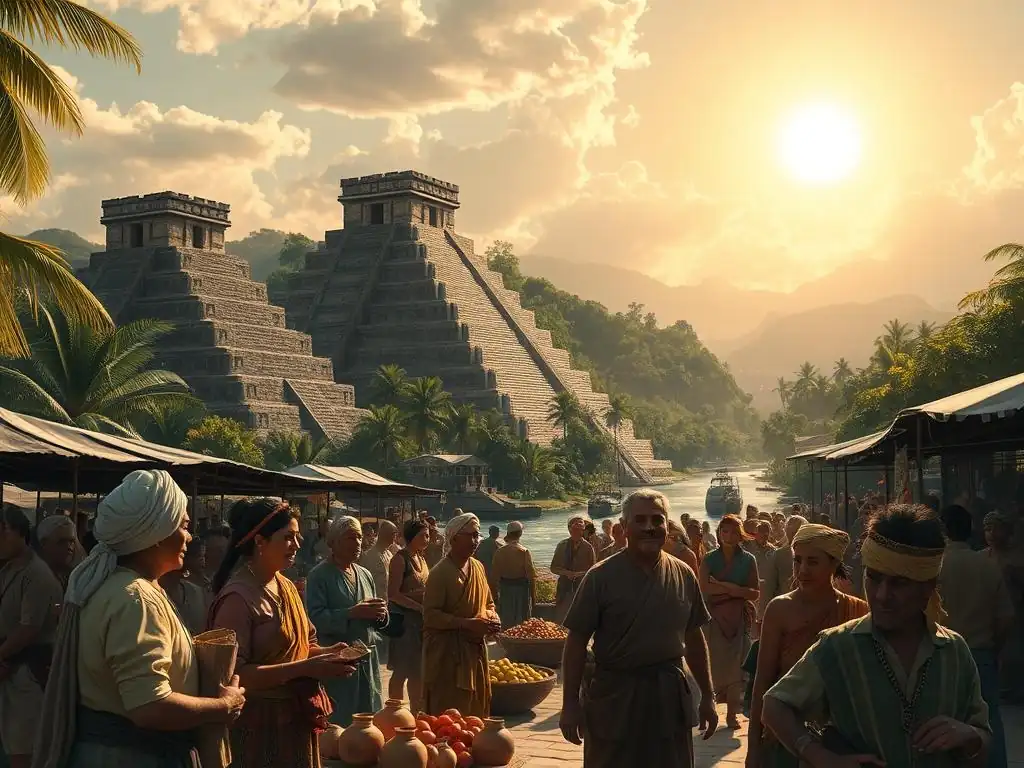
The legacy of trade in Mayan history is profound, influencing not only the economic structures of their cities but also the sociocultural dynamics that defined their civilization. Trade routes facilitated not just the exchange of goods but also ideas, technologies, and cultural practices, fostering a rich tapestry of interconnected communities across Mesoamerica. This intricate network played a crucial role in the prosperity and longevity of Mayan cities, allowing them to flourish in the face of environmental challenges and resource limitations.
The importance of trade is evident in the archaeological findings that reveal the extensive reach of Mayan commerce. Items such as obsidian, jade, cacao, and textiles were traded across vast distances, indicating a sophisticated understanding of supply and demand. Moreover, the wealth generated from these trade activities contributed to the construction of monumental architecture, the advancement of art and writing, and the overall cultural richness that characterizes the Mayan civilization.
Summary of Trade’s Impact on Mayan Civilization
Trade was a cornerstone of Mayan civilization, shaping its economic, political, and cultural landscapes. The establishment of extensive trade networks allowed the Maya to access a variety of resources that were not locally available, which in turn supported their agricultural practices and urban growth. Key impacts of trade on the Mayans include:
- Economic Prosperity: The exchange of goods led to economic diversification and increased wealth among the elite, which facilitated the funding of public works and urban development.
- Cultural Exchange: Trade routes served as conduits for cultural diffusion, allowing for the spread of religious beliefs, artistic styles, and technological innovations. This cross-cultural interaction enriched Mayan society and contributed to its complexity.
- Political Alliances: Trade relationships often solidified political alliances between different city-states, enhancing stability and cooperation. These alliances could also serve as a means of defense against external threats.
- Urbanization: The influx of goods and wealth from trade spurred urbanization, as cities became central hubs for commerce and cultural exchange. This urban growth was marked by the construction of ceremonial centers and marketplaces.
Overall, trade was not merely an economic activity; it was integral to the very fabric of Mayan society, influencing its structure and legacy.
Reflections on the Interplay Between Trade and Urban Development in Mayan Cities
The interplay between trade and urban development in Mayan cities is a remarkable example of how economic practices can shape societal structures. The rise of urban centers like Tikal, Calakmul, and Copán can be directly linked to their strategic locations along trade routes. These cities thrived due to their ability to control trade access and manage the flow of goods, leading to increased political power and cultural prominence.
- Strategic Location: Many Mayan cities were established in regions that facilitated trade, such as near rivers, on elevated land, or at crossroads of major trade routes. This strategic positioning not only enhanced their economic standing but also attracted populations seeking opportunities.
- Marketplaces as Cultural Hubs: The marketplaces in these urban centers became vital social spaces where not only goods were exchanged but also ideas and cultural practices. The interaction in these spaces contributed to the cosmopolitan nature of Mayan cities, fostering innovation and diversity.
- Infrastructure Development: The wealth generated from trade prompted significant investments in infrastructure, including roads and canals that improved connectivity. This infrastructure not only facilitated trade but also supported agricultural expansion, further sustaining urban growth.
The relationship between trade and urban development in Mayan cities exemplifies a dynamic interaction where economic practices directly influenced societal evolution. The legacy of this interplay is evident today, as the study of Mayan civilization continues to reveal the complexities of their trade networks and urban planning. Understanding this relationship deepens our appreciation of the ingenuity and adaptability of the Maya, and highlights the enduring impact of trade on human civilization.
- Introduction to Mayan Cities and Trade
- Historical Context of Trade in Mayan Cities
- The Role of Trade in Mayan Economic Development
- Cultural Exchange Through Trade
- The Impact of Trade on the Political Structure of Mayan Cities
- Decline of Trade and Its Consequences for Mayan Cities
- Conclusion: The Lasting Legacy of Trade in Mayan History
- Summary of Trade’s Impact on Mayan Civilization
- Reflections on the Interplay Between Trade and Urban Development in Mayan Cities
Frequently Asked Questions
What were the primary trade routes of the Mayan cities?
The Mayan cities utilized a network of trade routes connecting various regions, facilitating the exchange of goods such as cacao, textiles, and ceramics.
How did trade influence the development of Mayan cities?
Trade significantly contributed to the development of Mayan cities by fostering economic growth, enabling the construction of urban centers, and promoting cultural exchanges.
What role did agriculture play in Mayan trade development?
Agriculture was foundational to trade development in Mayan cities, as it provided the surplus goods necessary for exchange and supported population growth.
How did the Maya manage their trade systems?
The Maya employed a combination of currency, barter systems, and organized marketplaces to manage their trade systems, ensuring efficiency and stability in transactions.
What lasting impact did the Mayan cities' trade have on later civilizations?
The trade practices of Mayan cities influenced subsequent civilizations by establishing trade networks and cultural exchanges that shaped the economic landscape of the region.
Final Reflection: The Enduring Legacy of Trade in Mayan Cities
The intricate relationship between trade and the development of Mayan cities remains profoundly relevant today, as it highlights the foundational role of commerce in shaping civilizations. The historical significance of trade in the Mayan context not only illustrates how these cities flourished but also serves as a reminder of the interconnectedness that defines human societies. In a world increasingly driven by globalization, understanding the past dynamics of trade can provide valuable insights into our current economic and cultural exchanges.
The legacy of trade in Mayan cities has left an indelible mark on the cultural and social landscape, influencing everything from art to architecture. The bustling marketplaces and trade routes of the ancient Maya were not merely economic hubs; they were vibrant centers of cultural exchange that fostered innovation and community. As historian David Freidel aptly noted, Trade was the lifeblood of the Maya, enabling them to connect with distant lands and diverse cultures.
This observation underscores the importance of trade as a catalyst for growth and development, a theme that resonates in our modern interconnected world.
As we reflect on the lessons from the Mayan cities, let us consider how we can apply these insights to our lives today. Embrace the spirit of collaboration and exchange in your own community, recognizing that every interaction holds the potential for growth and understanding. By fostering connections and valuing the diverse contributions of those around us, we can create a richer, more vibrant tapestry of human experience, much like the thriving trade networks of the ancient Maya.
Uncover the Secrets of Mayan Trades!
Thank you for exploring the fascinating relationship between trade and the development of Mayan cities with us! We hope you gained valuable insights into how commerce shaped the growth of one of history's most intriguing civilizations. Now, it’s time to take your newfound knowledge and make an impact!
Here are some exciting steps you can take next:
- Dive deeper into Mayan culture: Visit local museums or online collections to uncover artifacts and trade goods that reveal the rich history of this incredible civilization.
- Engage with others: Share what you’ve learned on social media or in community forums to spark discussions about the significance of ancient trade routes.
- Explore modern parallels: Investigate how indigenous communities today continue to thrive through trade and what valuable lessons we can learn from their enduring practices.
What aspect of Mayan trade surprised you the most, and how do you think it shaped their society? We invite you to share your thoughts below!