
Exploring the Gender Dynamics in Moche Artistic Expression

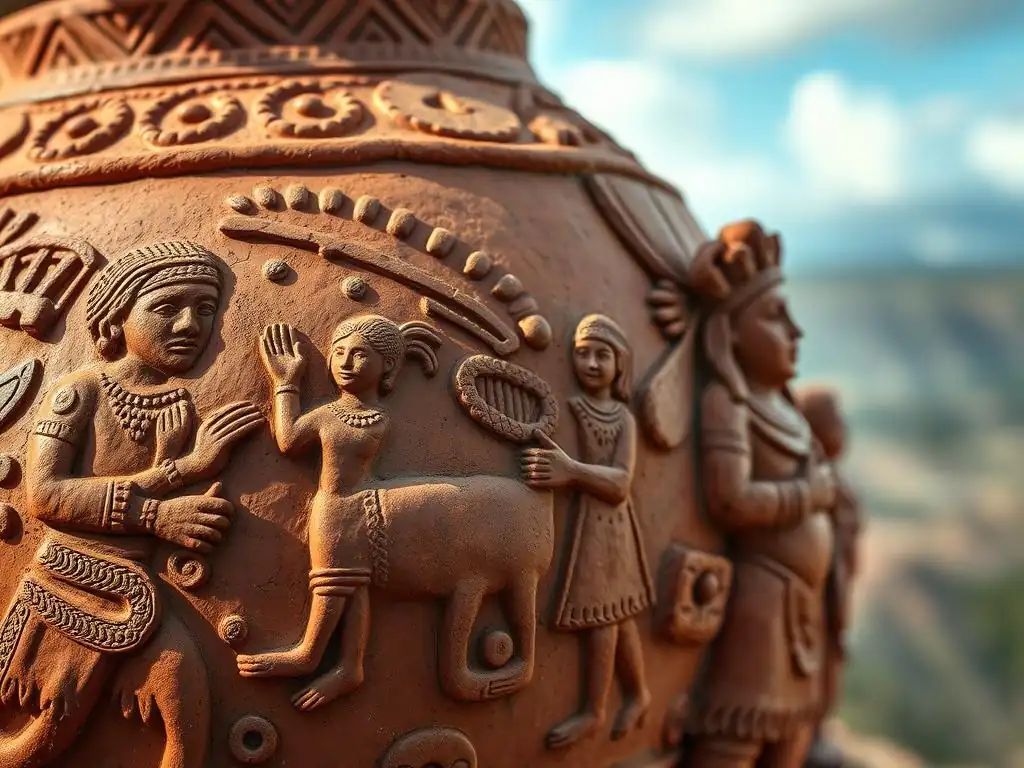
Welcome to Indigenous Civilizations of the Americas, where we invite you to embark on a fascinating journey through the rich tapestry of cultures that flourished across the continent long before European influence. In our featured article, Exploring the Gender Dynamics in Moche Artistic Expression, we delve into the intricate Moche gender roles in art, revealing how these ancient artisans reflected their society's values and beliefs through stunning visual narratives.
Join us as we uncover the profound achievements and societal structures of the Moche civilization, and discover the lasting impact they have left on our world today. Your exploration starts here—read on to unlock the secrets of an extraordinary culture!
Introduction to Moche Civilization
The Moche civilization, flourishing along the northern coast of present-day Peru from approximately 100 AD to 800 AD, is renowned for its intricate artistry and advanced societal structures. This civilization, characterized by its monumental architecture, sophisticated irrigation systems, and notably, its vivid artistic expressions, provides a rich context for exploring the complex dynamics of gender roles within its culture.
Understanding how gender influenced artistic production not only sheds light on the Moche society itself but also reflects broader themes of power, identity, and social organization in pre-Columbian civilizations. Through this exploration, we can appreciate the nuanced ways in which Moche gender roles manifested in their art, revealing the intricate tapestry of their cultural legacy.
Overview of the Moche Culture
The Moche people established a highly organized society characterized by a complex hierarchy and impressive engineering achievements. Their culture is notably marked by:
- Architectural Marvels: The Moche constructed large adobe pyramids, such as the Huaca del Sol and Huaca de la Luna, which served as ceremonial centers.
- Agricultural Innovations: Extensive irrigation systems allowed them to cultivate crops in arid landscapes, supporting a thriving economy.
- Craftsmanship: Moche artisans were skilled in pottery, metalwork, and textiles, creating works that were not only functional but also imbued with rich symbolism.
Art played an essential role in Moche society, serving both aesthetic and communicative purposes, from religious rituals to social storytelling.
Significance of Art in Moche Society
Art in Moche civilization transcended mere decoration; it was integral to their identity and cultural expression. The significance of art can be summarized as follows:
- Religious Expression: Artworks often depicted deities and mythological themes, reflecting the spiritual beliefs of the Moche people.
- Social Commentary: Artistic representations provided insights into daily life, social hierarchies, and the roles of individuals within the community.
- Cultural Preservation: Through their art, the Moche documented their history and values, ensuring the transmission of knowledge across generations.
Understanding Moche Gender Roles in Art
The exploration of gender roles within Moche artistic expression reveals a fascinating interplay between societal expectations and creative output. This section delves into how these roles were defined and how they evolved over time.
Definition of Gender Roles in Moche Society
In Moche society, gender roles were defined by a combination of cultural norms, economic responsibilities, and religious beliefs. Key aspects include:
- Gendered Labor: Men predominantly engaged in activities such as hunting, warfare, and heavy agricultural work, while women were often responsible for household duties, textile production, and pottery.
- Artistic Contributions: Both men and women contributed to artistic endeavors, though their roles and the themes they explored in their work often differed. Men may have focused on warrior imagery, while women might have depicted domestic life or fertility symbols.
This division of labor influenced the types of art produced and the narratives conveyed through Moche artistic expression.
Historical Context of Gender Dynamics in Moche Culture
To fully understand Moche gender roles in art, it is essential to consider the historical context that shaped these dynamics:
- Cultural Hierarchy: The Moche civilization had a patriarchal structure, where male elites held power, influencing the representation of gender in art.
- Religious Significance: Female figures in Moche art, often associated with fertility and the earth, were venerated, suggesting a nuanced view of gender that transcended simplistic binaries.
- Archaeological Evidence: Artifacts, such as pottery and murals, provide valuable insights into the roles of both genders, showcasing their contributions to Moche culture.
By examining these historical contexts, we gain a deeper understanding of how Moche gender roles in art were not only reflective of societal norms but also pivotal in shaping the artistic landscape of their civilization.
Artistic Expressions Reflecting Moche Gender Roles
The Moche civilization, which flourished along the northern coast of present-day Peru from approximately 100 to 800 CE, produced a rich tapestry of artistic expressions that intricately wove gender roles into their visual culture. These expressions were not merely decorative; they served as vital narratives that reflected the complex social structures and beliefs of the Moche society. Understanding how gender dynamics influenced artistic production provides valuable insights into the cultural significance of these artifacts.
Artistic works, especially pottery, frequently illustrated daily life, rituals, and mythological scenes, showcasing the roles of men and women in their society. The emphasis on gender roles in Moche art can be seen as a reflection of the broader societal norms, where both male and female contributions were essential yet often delineated by specific responsibilities and representations. This section delves into the analysis of various art forms, focusing on how they depict and reinforce Moche gender roles.
Analysis of Moche Pottery and Gender Representation
Moche pottery is renowned for its sophisticated craftsmanship and intricate designs, often featuring anthropomorphic figures, animals, and elaborate scenes. A significant aspect of Moche pottery is its portrayal of gender roles. Many vessels depict men and women engaged in various activities, such as agriculture, ritual practices, and social gatherings.
For example, the iconic stirrup-spouted vessels often highlight male figures associated with warrior activities or deities, while female figures may be shown in domestic settings or participating in fertility rituals. This differentiation is not merely a representation of tasks but indicates the societal perceptions of male and female roles within Moche culture.
Additionally, the use of specific colors and motifs on pottery can convey gender symbolism. Research indicates that certain color palettes were associated with female figures, while darker hues were often linked to masculinity. This nuanced approach to color and design demonstrates a sophisticated understanding of gender representation in Moche artistry.
Gender Symbolism in Moche Iconography
Moche iconography is rich with symbolic meanings that extend beyond surface appearances. Gender symbolism plays a crucial role in interpreting the myriad of images found in their art. Iconographic elements, such as the depiction of duality between male and female figures, often signify balance and complementarity within the Moche worldview.
One prevalent motif is the representation of the moon and the sun, where the moon is frequently associated with femininity and fertility, while the sun embodies masculinity and strength. This duality is not only central to Moche mythology but also reflects the societal roles attributed to each gender.
Moreover, the presence of gods and goddesses in Moche art further underscores the importance of gender dynamics. Deities such as the Moon Goddess are depicted in various artistic forms, emphasizing their significance in agricultural cycles and fertility, thus reinforcing the cultural reverence for feminine power in the Moche belief system.
The Role of Gender in Moche Textiles and Weaving
Textiles were another vital medium through which Moche gender roles were expressed. Weaving was predominantly regarded as a female domain, rooted in both practicality and artistry. The skill of weaving was not merely a domestic task; it held cultural significance, as textiles served as important items in rituals, burials, and social exchanges.
Moche textiles often featured intricate designs that conveyed stories, status, and identity. Patterns and colors could indicate the weaver’s gender, social standing, and even community affiliation. Women’s textiles often included motifs that celebrated fertility and nature, while men’s textiles might incorporate symbols of power and warfare.
The collaborative nature of textile production also reflects gender roles within Moche society, where women not only created garments but also participated in communal activities, reinforcing social bonds and cultural continuity through their craftsmanship.
The Impact of Gender on Moche Artistic Production
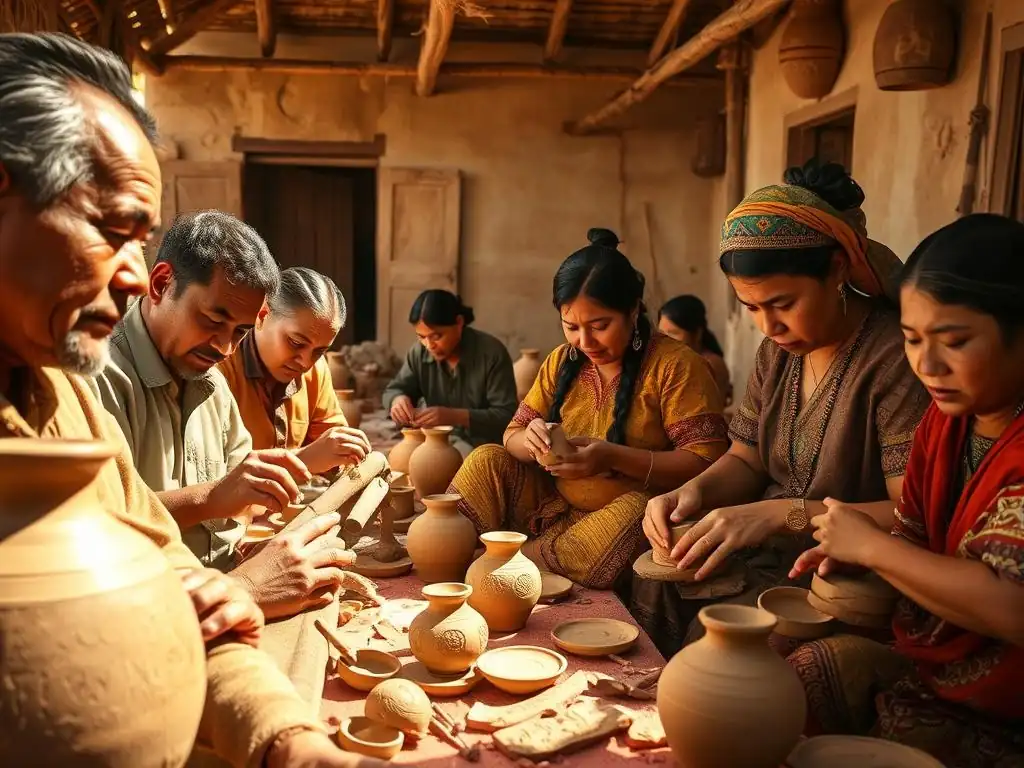
The impact of gender on Moche artistic production is a multifaceted topic that reveals how societal norms shaped the creation and interpretation of art. Both male and female artists contributed to the rich artistic heritage of the Moche civilization, yet their contributions were often viewed through the lens of gendered expectations.
Gender and Social Hierarchies in Moche Art
Moche art serves as a mirror of the social hierarchies prevalent within their society. Gender roles were not only delineated by artistic representation but also influenced the status of artists themselves. Male artists, often associated with public works and monumental art, typically held higher social status compared to their female counterparts, who were primarily involved in domestic crafts.
This disparity in recognition indicates that while women played essential roles in the production of art, particularly in textiles and pottery, their contributions were frequently undervalued in the broader context of Moche society. The analysis of burial practices further illustrates these hierarchies, as male elites were often buried with lavish artistic items, while female burials, although rich in textiles, received less focus in the archaeological record.
Contributions of Male and Female Artists in Moche Society
Despite the challenges posed by social hierarchies, both male and female artists made significant contributions to Moche civilization's artistic legacy. Male artists were often responsible for creating large-scale works, such as ceremonial architecture and monumental sculptures, which played a critical role in religious and political life.
Conversely, female artists excelled in the intricacies of textile production and smaller pottery works, showcasing their skills in ways that were vital for cultural expression and community identity. The collaborative nature of artistic production, especially in households, allowed for a blending of skills and ideas, enriching Moche artistic expression.
The gender dynamics inherent in Moche artistic expression reveal a society where both male and female contributions were essential yet distinctly recognized. The exploration of these dynamics not only enhances our understanding of Moche culture but also emphasizes the importance of gender roles in the interpretation of ancient art.
Case Studies: Specific Artifacts Illustrating Gender Dynamics
The Moche civilization, known for its sophisticated artistic expression, presents a fascinating glimpse into the gender dynamics of its society through various artifacts. These artifacts not only reveal the roles of men and women in Moche culture but also illustrate how gender identity was represented and understood in their art. By examining specific case studies, we can uncover the nuanced ways in which gender roles were depicted and the cultural significance of these representations.
The "Female Figurines" and Their Cultural Significance
One of the most compelling artifacts associated with Moche gender roles is the series of "female figurines." These small, intricately crafted ceramic figures often depict women in various poses, frequently showcasing their prominent features. The figurines are thought to represent fertility, motherhood, and the centrality of women in agricultural societies.
The cultural significance of these female figurines extends beyond mere representation; they reflect the societal reverence for femininity and the feminine principle within Moche culture. Scholars suggest that these artifacts were likely used in rituals or as offerings, emphasizing the importance of women in the spiritual and daily life of the Moche. Furthermore, the detailed craftsmanship of these figurines indicates a high level of respect and acknowledgment of women's roles, challenging modern perceptions of gender roles in ancient societies.
Moche Portrait Vessels: A Reflection of Gender Identity
Moche portrait vessels serve as another critical source for understanding gender roles in Moche art. These ceramic vessels often feature highly realistic facial representations, which scholars believe may correspond to specific individuals, including both male and female figures.
The portrayal of women in these vessels highlights their status and identity within Moche society. Some vessels depict women in positions of power or with attributes typically associated with leadership, suggesting that gender roles were more fluid than traditionally assumed. These artistic expressions reveal that women may have held significant roles in rituals, leadership, or even warfare, indicating a complexity in gender dynamics that merits further exploration. As a result, Moche portrait vessels become vital artifacts for understanding the multifaceted representation of gender identity in Moche culture.
Analysis of Ritual Artifacts in Gender Context
Ritual artifacts from the Moche civilization provide a unique insight into the gender dynamics of their society. Items such as ceremonial tools, jewelry, and offerings often showcase gender-specific designs and motifs that reflect societal values and beliefs.
For instance, many ritual artifacts are adorned with symbols associated with fertility and agriculture, linking them to female roles in Moche society. Conversely, other items, particularly those related to warfare or hunting, are predominantly associated with male figures. This analysis reveals how the Moche viewed gender roles not as rigidly defined but as interwoven with cultural practices and spiritual beliefs. The context in which these artifacts were used further illustrates the active participation of both genders in Moche rituals, thereby challenging simplistic interpretations of gender roles.
Conclusion: The Legacy of Moche Gender Roles in Art
The exploration of Moche gender roles in art offers profound insights into the civilization's social structure and cultural values. The artifacts examined—female figurines, portrait vessels, and ritual items—demonstrate that gender dynamics in the Moche civilization were complex and multifaceted. By analyzing these artifacts, we gain a deeper understanding of how gender identity and roles were not only depicted but also celebrated within Moche society.
Lasting Impact of Moche Gender Dynamics on Contemporary Indigenous Art
The legacy of Moche gender roles continues to resonate in contemporary Indigenous art. Modern artists often draw inspiration from Moche aesthetics and themes, reinterpreting gender dynamics through a contemporary lens. This ongoing dialogue between past and present allows for a richer understanding of Indigenous identities and the role of gender in artistic expression today. Contemporary artists may address issues of representation, power, and cultural heritage, reflecting the complexity inherent in Moche artistic tradition.
Reflections on the Importance of Understanding Gender in Moche Artistic Expression
Understanding gender dynamics in Moche artistic expression is crucial for appreciating the richness of Indigenous cultures. It challenges stereotypes about gender roles in ancient societies and emphasizes the importance of viewing historical narratives through a gendered lens. By acknowledging the roles of both men and women in Moche art, we gain a more nuanced understanding of their civilization and its lasting impact on contemporary discussions surrounding gender and identity in art. This exploration not only enriches our knowledge of the Moche civilization but also contributes to broader conversations about gender in Indigenous art today.
- Introduction to Moche Civilization
- Understanding Moche Gender Roles in Art
- Artistic Expressions Reflecting Moche Gender Roles
- The Impact of Gender on Moche Artistic Production
- Case Studies: Specific Artifacts Illustrating Gender Dynamics
- Conclusion: The Legacy of Moche Gender Roles in Art
- What were the Moche gender roles in art?
- How did the Moche express gender dynamics in their artistic works?
- What materials did the Moche use to create their art depicting gender roles?
- Can we see evidence of social status among genders in Moche art?
- How did Moche art influence our understanding of gender roles in ancient civilizations?
Frequently Asked Questions
What were the Moche gender roles in art?
The Moche civilization depicted gender roles through art, showcasing the division of labor and societal expectations. Men were often portrayed in warrior and agricultural roles, while women were associated with domestic and ceremonial activities.
How did the Moche express gender dynamics in their artistic works?
Moche art frequently featured iconography that reflected the power dynamics between genders, illustrating both male dominance in public spheres and the important roles women played in rituals and family life.
What materials did the Moche use to create their art depicting gender roles?
The Moche utilized ceramics, metalwork, and textiles to create their art. These materials allowed them to depict detailed scenes of daily life, including gender-specific tasks and roles.
Yes, Moche art reveals distinct social hierarchies among genders, often showing elite women in powerful roles, while common women are depicted in more subservient positions, highlighting the complexity of their society.
How did Moche art influence our understanding of gender roles in ancient civilizations?
Moche art provides valuable insights into the social structures of ancient civilizations, illustrating how gender roles were established and maintained, which helps us understand the broader context of gender dynamics in pre-Columbian societies.
Final Reflection: Unveiling the Layers of Moche Gender Roles in Art
The exploration of Moche gender roles in art is not just a historical inquiry; it is a vital lens through which we can understand the complexities of gender dynamics that persist in contemporary society. As we delve into the artistic expressions of the Moche civilization, we uncover not only the aesthetic values of an ancient culture but also the underlying social structures that shaped their world. This examination reveals that art is a powerful medium for reflecting and challenging gender norms, making it profoundly relevant in today's discussions about equality and representation.
The influence of Moche artistic expression on our understanding of gender roles is profound and ongoing. Through their intricate pottery, textiles, and iconography, the Moche artists conveyed narratives that reveal the multifaceted roles of gender in their society. This artistic legacy continues to resonate, prompting us to question our own perceptions of gender and the ways in which art can serve as a vehicle for social commentary. Art is the most beautiful of all lies.
– Claude Debussy. This quote encapsulates the dual nature of art as both a reflection of reality and a challenge to it, urging us to look deeper into the stories that art tells about gender.
As we reflect on the lessons gleaned from the Moche civilization, let us carry forth the understanding that art is not merely an aesthetic endeavor but a powerful tool for social change. I invite you to engage with the art around you, to question the narratives it presents, and to consider how your own expressions can contribute to the ongoing dialogue about gender roles in our world.
By embracing this call to action, we can honor the legacy of the Moche and strive for a more equitable future, where all voices are celebrated and represented in the tapestry of artistic expression.
Unveil the Power of Moche Artistic Legacy!
Thank you for diving into the fascinating world of Moche artistic expression and gender dynamics! You've explored a unique perspective on how art reflects societal roles and relationships. Now, it’s time to take your newfound insights and make a difference.
Here’s how you can continue your journey:
- Engage with Local Art Communities: Support and explore contemporary artists inspired by indigenous techniques. Attend workshops or exhibits to connect with the vibrant heritage of Moche art.
- Share Your Insights: Discuss this article with friends or on social media. Start meaningful conversations about gender dynamics in art and how they reflect broader societal issues.
- Dive Deeper into Research: Explore literature and documentaries on Moche culture to enrich your understanding and appreciation of this extraordinary civilization.
What aspects of gender dynamics in Moche art resonate most with you, and how can you apply this knowledge in your own life or community discussions?