
The Importance of Moche Goldsmithing: Craftsmanship and Symbolism

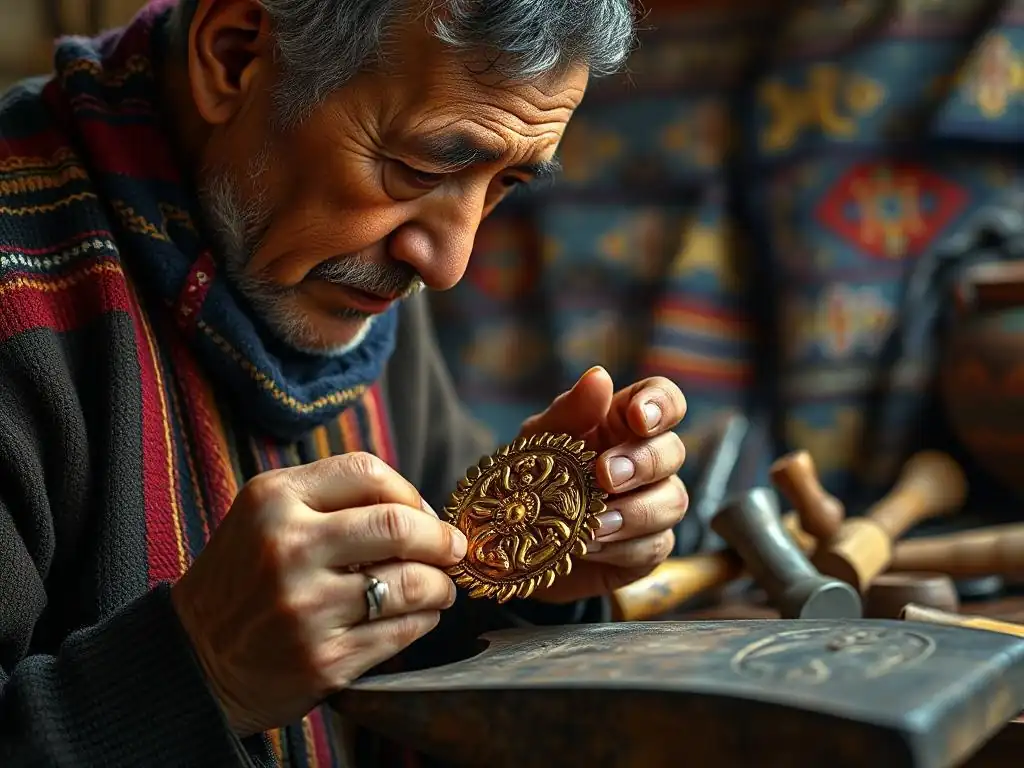
Welcome to Indigenous Civilizations of the Americas, where we embark on a captivating journey through the rich tapestry of cultures that flourished long before European contact. In this space, we celebrate the achievements and legacies of these vibrant societies, inviting you to delve into the intricate details of their histories.
Our featured article on the Moche goldsmithing craftsmanship significance reveals not just the technical prowess of the Moche artisans but also the profound cultural symbolism embedded in their exquisite creations. Prepare to be intrigued as we uncover the stories behind these remarkable works of art, and discover how they continue to influence our understanding of indigenous heritage today.
Moche goldsmithing is a captivating subject that unveils the intricate artistry and profound symbolic significance of one of the most renowned pre-Columbian cultures in the Americas. The Moche civilization, flourishing on the northern coast of present-day Peru from approximately 100 to 800 AD, is celebrated not only for its monumental architecture and advanced agricultural techniques but also for its exquisite craftsmanship in metalwork, particularly gold.
This article delves into the craftsmanship and significance of Moche goldsmithing, exploring how these artisans created remarkable works that reflected the society's cultural beliefs, social hierarchy, and religious practices. By understanding the artistic techniques and the contextual background of these creations, we can appreciate the enduring legacy of Moche goldsmithing in the broader narrative of indigenous cultures in the Americas.
Introduction to Moche Goldsmithing
The Moche civilization is often recognized for its exceptional contributions to art and culture, especially in the realm of goldsmithing. Through a distinctive array of techniques and motifs, Moche artisans produced intricate gold objects that served both decorative and ceremonial purposes. This section will provide an overview of the Moche civilization, their historical context, and the significance of their goldsmithing practices.
Overview of Moche Civilization
The Moche civilization thrived in a region characterized by diverse ecosystems, which allowed for advanced agricultural practices and the development of complex societies. This civilization is known for its impressive achievements in various domains, including:
- Architecture: The construction of monumental pyramids, such as the Huaca del Sol and Huaca de la Luna, showcases their engineering prowess.
- Agriculture: Advanced irrigation systems facilitated the cultivation of various crops, ensuring food security.
- Craftsmanship: The Moche are especially noted for their mastery in ceramics, textiles, and metalwork.
The social structure of Moche society was hierarchical, with a ruling elite, skilled artisans, and laborers, each playing a vital role in sustaining their vibrant culture.
Historical Context of Moche Goldsmithing
Moche goldsmithing emerged as a prominent art form during the early centuries of the Moche civilization. The use of gold and other precious metals can be traced back to the region's rich mineral resources. Historical records indicate that goldsmithing was not merely an economic activity but intertwined with religious and political significance. The following factors contributed to the prominence of goldsmithing in Moche society:
- Religious Practices: Gold objects were often used in rituals and buried with elites, symbolizing their power and connection to the divine.
- Trade and Economy: The Moche engaged in extensive trade networks, which allowed them to acquire materials and share artistic techniques with neighboring cultures.
The Craftsmanship of Moche Goldsmithing
The craftsmanship of Moche goldsmithing is characterized by its sophistication and technical skill. Moche artisans employed various techniques to create stunning gold artifacts that have captivated historians and art enthusiasts alike. This section will explore the techniques, materials, and the role of artisans in Moche society.
Techniques and Tools Used in Moche Goldsmithing
Moche artisans utilized a range of techniques to work with gold, including:
- Lost-Wax Casting: This method allowed for intricate designs and shapes that were otherwise difficult to achieve.
- Hammering: Artisans would hammer gold sheets into thin layers to create detailed decorations.
- Inlaying: Precious stones and other materials were often inlaid into gold objects, enhancing their visual appeal.
These techniques highlight the advanced knowledge and skills possessed by Moche goldsmiths, which were passed down through generations.
Materials: Gold and Other Precious Metals
Gold was the most prized material used in Moche goldsmithing, symbolizing wealth and power. The Moche also worked with other metals, such as silver and copper, often alloying them to enhance durability and aesthetic qualities. The sourcing of these materials was crucial, as it reflected the Moche's access to natural resources and their significance in trade.
The Role of Artisans in Moche Society
Artisans held a respected position within Moche society, contributing to both the economy and cultural identity. Their work was not only a reflection of individual skill but also served communal and religious purposes. Artisans likely operated within guilds, fostering an environment of collaboration and innovation. The significance of their craftsmanship extended beyond mere decoration, serving as a means of expressing Moche beliefs and values.
Through this exploration of Moche goldsmithing craftsmanship and symbolism, we gain valuable insights into the cultural richness of the Moche civilization, illuminating their enduring impact on the indigenous heritage of the Americas.
Symbolism in Moche Goldsmithing
Moche goldsmithing is not just a craft; it is a profound expression of the Moche civilization's beliefs, values, and identity. The use of gold and intricate designs in their artifacts reflects the rich symbolism that permeated Moche culture. Gold, often associated with the sun, served as a vital link between the earthly realm and the divine. This precious metal was believed to embody the essence of life, fertility, and power, making it an essential element in both religious and secular contexts.
Religious and Cultural Significance of Goldsmithing
The religious significance of Moche goldsmithing is deeply rooted in their cosmology. Gold items were often crafted for ceremonial purposes, serving as offerings to appease deities and ancestors. The Moche believed that these artifacts could facilitate communication with the spiritual world. For instance, elaborate gold masks and ornaments were used in rituals to honor gods related to agriculture and fertility, reflecting the community's reliance on these natural cycles for sustenance.
In addition to its religious functions, goldsmithing was a means of cultural expression. Each piece reflected the artisan's skill and the community's artistic traditions, thereby preserving cultural narratives and histories. The intricate designs often depicted mythical creatures, animals, and human figures, embodying stories that reinforced social norms and values within the Moche society.
Iconography and Designs in Moche Gold Artifacts
The iconography found in Moche gold artifacts is rich and varied, showcasing the civilization's complex worldview. Common motifs include animals such as eagles, felines, and marine life, each imbued with specific meanings. For example, the eagle symbolizes power and the connection to the heavens, while marine motifs often represent fertility and abundance.
Moche artisans utilized various techniques, including repoussé (hammering from the back), to create detailed designs that conveyed both aesthetic beauty and symbolic significance. The attention to detail in these designs suggests a sophisticated understanding of form and function, where each artifact served a purpose beyond mere decoration. This focus on symbolism helped to reinforce the social structure, as the meanings behind the designs were understood and appreciated within the community.
The Connection Between Goldsmithing and Moche Beliefs
Goldsmithing in Moche culture was inherently tied to their beliefs about life, death, and the afterlife. Artisans often created funerary items intended for the elite, reflecting the belief that such treasures would accompany them in the afterlife. This connection between goldsmithing and spirituality highlights the importance of these artifacts in both life and death, as they served not only as material possessions but also as vessels for spiritual journeys.
Moreover, the craftsmanship involved in creating these gold items was viewed as a sacred duty. Artisans were respected members of society, and their creations were seen as reflections of both their skill and their connection to the divine. Thus, the act of goldsmithing transcended mere craftsmanship; it was a spiritual practice that reinforced the community's cultural identity and beliefs.
Moche Goldsmithing and Its Societal Impact
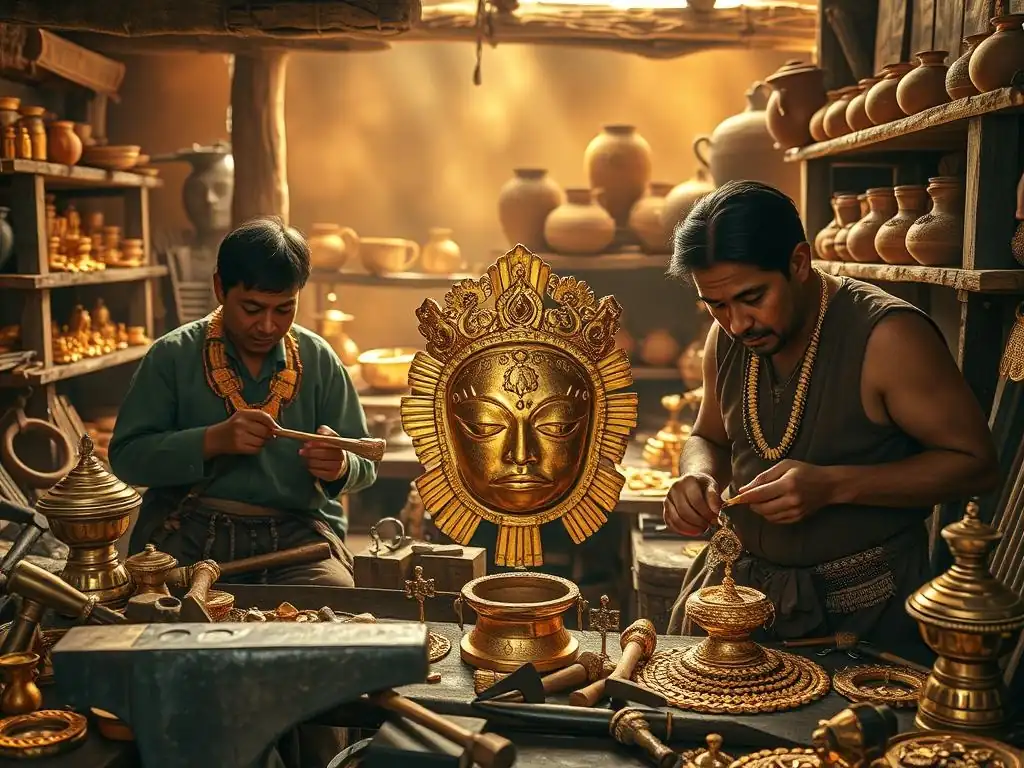
Moche goldsmithing had a profound impact on the societal structure and economy of the Moche civilization. The craftsmanship involved in creating gold artifacts played a crucial role in defining social hierarchies and economic exchanges, fundamentally shaping the Moche way of life.
Economic Importance of Goldsmithing in Moche Society
Goldsmithing was a significant economic activity within Moche society. The demand for gold artifacts created a specialized craft economy, where artisans dedicated themselves to this intricate work. Gold was not only a symbol of wealth but also a medium of exchange; it facilitated trade both within and beyond Moche territories.
The extraction and processing of gold necessitated a well-organized system of labor, which contributed to the development of social structures. Artisans often worked in guilds, sharing techniques and resources, while also establishing a network that allowed for the distribution of their goods. This economic model not only enriched individual artisans but also strengthened the overall prosperity of Moche society.
Goldsmithing as a Status Symbol Among the Moche
In Moche culture, goldsmithing was intrinsically linked to social status. Gold artifacts were often reserved for the elite, serving as symbols of power and prestige. The possession of gold items, whether in the form of jewelry, ceremonial masks, or decorative ornaments, communicated wealth and influence within the community.
The elaborate nature of these artifacts further emphasized their role as status symbols. The more intricate and skillfully crafted an item was, the higher its perceived value. This dynamic reinforced social stratification, as access to goldsmithing and its products became a marker of elite identity in Moche society. Consequently, gold artifacts played a crucial role in social interactions, rituals, and the maintenance of power dynamics.
The Influence of Moche Goldsmithing on Other Cultures
The craftsmanship of Moche goldsmithing left a lasting legacy that influenced neighboring cultures and subsequent civilizations. The intricate techniques and symbolic designs of Moche gold artifacts inspired artisans across the Andes, leading to the adoption and adaptation of Moche styles in various forms of art and craftsmanship.
This influence can be observed in the subsequent Inca civilization, which incorporated Moche goldsmithing techniques into their own artistic expressions. The emphasis on gold as a medium for both artistic and economic purposes persisted, contributing to the rich tapestry of Andean cultural heritage. As such, the significance of Moche goldsmithing extends far beyond its immediate cultural context, shaping the artistic traditions and economic practices of future generations throughout the Americas.
Preservation and Legacy of Moche Goldsmithing
The legacy of Moche goldsmithing extends far beyond its historical context, influencing contemporary artisans and cultural landscapes throughout the Americas. The intricate techniques and aesthetic values established by Moche artisans have been preserved through generations, fostering a deep appreciation for the craftsmanship that characterized this ancient civilization. Modern-day artisans often draw inspiration from the Moche’s distinctive styles, utilizing traditional methods to create pieces that honor their cultural heritage.
The preservation of Moche goldsmithing is also evident in the numerous artifacts housed in museums and collections worldwide. These pieces serve not only as historical evidence of the Moche civilization's advanced craftsmanship but also as inspirations for contemporary artists seeking to connect with their indigenous roots. The ongoing study of Moche goldsmithing contributes to our understanding of the social and ritualistic roles these artifacts played in Moche society, allowing us to appreciate their significance in both past and present contexts.
Archaeological Discoveries Related to Moche Goldsmithing
Archaeological discoveries have played a crucial role in uncovering the significance of Moche goldsmithing. Sites like Huaca de la Luna and Huaca del Sol have yielded numerous gold artifacts, showcasing the skill and artistry of Moche goldsmiths. These discoveries include elaborate jewelry, ceremonial masks, and decorative items, often adorned with intricate motifs that reflect the Moche's cosmology and societal values.
One of the most remarkable findings is the extensive collection of gold burial offerings found in elite tombs, which highlight the importance of gold in Moche funerary practices. These artifacts not only reveal the technical prowess of Moche goldsmiths but also provide insight into the symbolic meanings attributed to gold within their culture, such as its association with the divine and the afterlife.
Modern Interpretations and Revivals of Moche Techniques
In recent years, there has been a resurgence of interest in Moche goldsmithing techniques among contemporary artisans and historians. Workshops and training programs have emerged, focusing on traditional Moche methods of goldsmithing, including lost-wax casting and intricate metalworking. These initiatives aim to revive the ancient techniques while adapting them to modern artistic expressions.
Contemporary artists often blend traditional Moche designs with modern aesthetics, creating unique pieces that pay homage to their ancestral heritage. This revival not only preserves the craftsmanship of Moche goldsmithing but also enables new generations to engage with their cultural identity through art. The fusion of ancient techniques with contemporary motifs allows for the continuous evolution of this rich artistic tradition.
The Significance of Moche Goldsmithing in Contemporary Indigenous Art
Moche goldsmithing holds a significant place in contemporary indigenous art, serving as a source of inspiration and cultural connection. Many indigenous artists incorporate Moche motifs and techniques into their work, celebrating their heritage and promoting awareness of indigenous cultures. The revival of Moche craftsmanship within modern contexts fosters a deeper understanding of indigenous identity and resilience.
Moreover, the recognition of Moche goldsmithing as a vital aspect of indigenous art has led to increased visibility and appreciation for the contributions of indigenous artists in the global art scene. Exhibitions featuring Moche-inspired works not only highlight the technical mastery of ancient artisans but also underscore the ongoing relevance of their cultural legacy in contemporary society.
Conclusion: The Lasting Significance of Moche Goldsmithing Craftsmanship
The craftsmanship of Moche goldsmithing is a testament to the rich cultural heritage of the Moche civilization. Through its intricate designs and symbolic meanings, Moche goldsmithing served not only as an artistic expression but also as a reflection of societal values and beliefs. The importance of this craftsmanship extends into the present, influencing contemporary artists and fostering a revival of traditional techniques.
Recap of Craftsmanship and Symbolism
Moche goldsmithing is characterized by its exceptional craftsmanship and profound symbolism. The intricate designs found in gold artifacts reveal a complex understanding of aesthetics and spirituality, showcasing the Moche's advanced technological skills. The cultural significance of these pieces is evident in their roles in rituals, social status, and artistic expression, providing a glimpse into the values of the Moche civilization.
The Enduring Legacy of Moche Goldsmithing in Indigenous Cultures
The enduring legacy of Moche goldsmithing continues to resonate within indigenous cultures today. As contemporary artisans embrace traditional techniques and motifs, they not only preserve a vital aspect of their heritage but also contribute to a broader dialogue about identity and cultural continuity. Moche goldsmithing remains a powerful symbol of resilience, creativity, and the ongoing relevance of indigenous artistry in the modern world, ensuring that the achievements of the Moche civilization will not be forgotten.
- Introduction to Moche Goldsmithing
- The Craftsmanship of Moche Goldsmithing
- Symbolism in Moche Goldsmithing
- Moche Goldsmithing and Its Societal Impact
- Preservation and Legacy of Moche Goldsmithing
- Conclusion: The Lasting Significance of Moche Goldsmithing Craftsmanship
Frequently Asked Questions
What was the significance of Moche goldsmithing craftsmanship?
Moche goldsmithing craftsmanship was crucial in demonstrating the social status and spiritual beliefs of the Moche civilization, highlighting their advanced metallurgical skills.
How did Moche goldsmiths create their intricate designs?
Moche artisans employed techniques such as lost-wax casting and filigree, allowing them to produce detailed and ornate pieces that showcased their creativity and skill.
What materials did the Moche use for goldsmithing?
The Moche primarily used gold and silver, often combined with other metals and gemstones to enhance the aesthetic appeal and symbolic meaning of their creations.
How did Moche goldsmithing reflect their culture?
The craftsmanship of Moche goldsmiths was deeply tied to their religious beliefs, often depicting mythological figures and deities, thus reinforcing the importance of spirituality in their society.
What lasting impact did Moche goldsmithing have?
The techniques and styles developed by Moche goldsmiths influenced subsequent Andean cultures and continue to be celebrated today, exemplifying the rich artistic heritage of the Americas.
Final Reflection: The Enduring Legacy of Moche Goldsmithing Craftsmanship
The significance of Moche goldsmithing craftsmanship resonates profoundly in today's world, as it embodies not only the technical prowess of ancient artisans but also the rich cultural narratives that shaped their society. In an era where mass production often overshadows individual artistry, the intricate techniques and symbolic meanings behind Moche goldsmithing remind us of the value of craftsmanship and the stories embedded within each piece. This ancient art form stands as a testament to human creativity and the enduring connection between culture and identity.
Moche goldsmithing has left an indelible mark on the cultural landscape, influencing contemporary artisans and collectors alike. The meticulous attention to detail and the symbolic significance of gold artifacts serve as a bridge connecting us to the past, inviting us to explore the narratives of those who came before us. Art is the most beautiful of all lies.
This quote encapsulates the essence of Moche goldsmithing, where every crafted piece tells a story that transcends time, inviting us to reflect on our own narratives and the legacies we wish to leave behind.
As we contemplate the importance of Moche goldsmithing craftsmanship, I invite you to reflect on your own relationship with art and culture. Consider how the stories you tell through your own creations can contribute to a richer tapestry of human experience. Whether you are an artist, a collector, or simply an admirer of craftsmanship, let the legacy of the Moche inspire you to appreciate the beauty and significance of the work that surrounds us, and to carry forward the traditions that connect us all.
Uncover the Legacy: Dive Deeper into Moche Goldsmithing!
Thank you for immersing yourself in the fascinating world of Moche goldsmithing! You've enriched your understanding of this incredible craftsmanship and its profound symbolic significance. Now, it's time to take action and explore further!
Here are some ways you can continue this journey:
- Explore the Art: Visit a local museum or an online gallery that features Moche artifacts. Take a moment to appreciate the intricate designs and techniques up close.
- Share Your Insights: Discuss your newfound knowledge with friends or share it on social media to help spread awareness about the beauty and cultural importance of Moche craftsmanship.
- Join a Workshop: Look for local artisan workshops or classes that teach metalworking or related crafts; immerse yourself in the artistry firsthand!
Which piece of Moche goldsmithing resonates with you the most, and why? We invite you to share your thoughts below!