
Moche Artifacts in Modern Museums: Preserving a Legacy

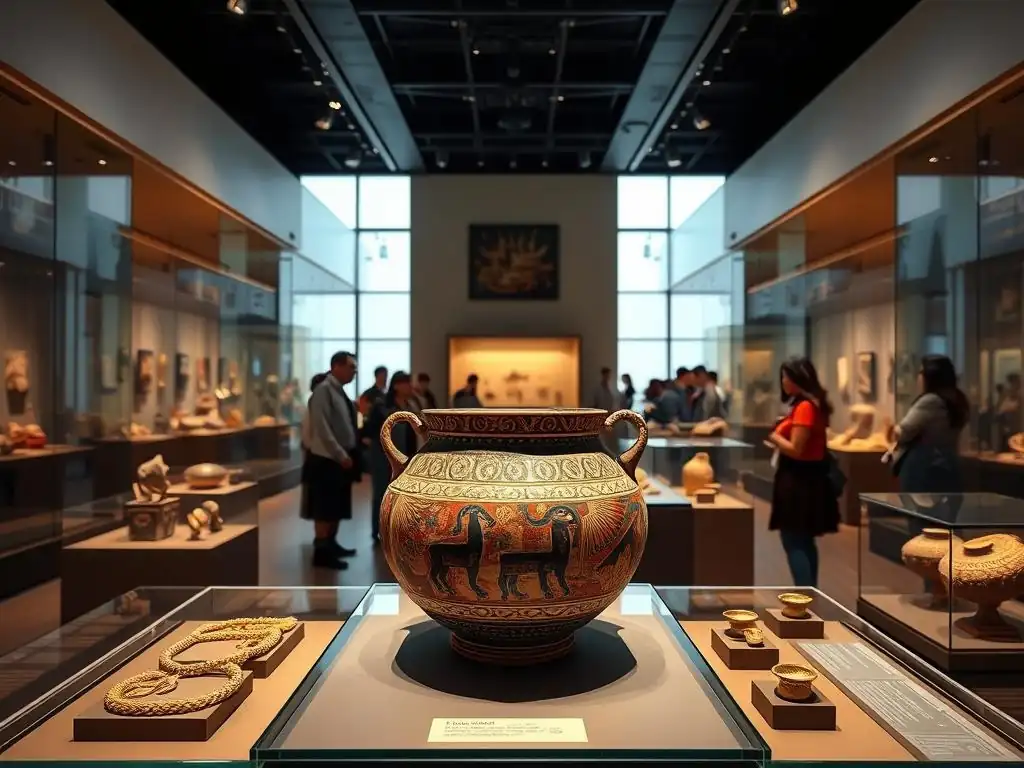
Welcome to Indigenous Civilizations of the Americas, where we invite you to embark on a journey through the rich tapestry of pre-colonial cultures that shaped the continent. In our featured article, Moche Artifacts in Modern Museums: Preserving a Legacy, we delve into the fascinating world of the Moche civilization, revealing how their extraordinary achievements and artifacts continue to resonate in today’s society.
What secrets do these artifacts hold, and how do they contribute to our understanding of the past? Prepare to uncover the profound legacy of the Moche and the vibrant histories of indigenous peoples, and let your curiosity guide you through the stories that await.
Introduction to Moche Civilization and Its Artifacts
The Moche civilization, which flourished along the northern coast of Peru from approximately 100 to 800 AD, is renowned for its remarkable achievements in art, architecture, and social organization. This advanced society developed intricate pottery, stunning textiles, and monumental constructions that reflect their sophisticated cultural and religious practices.
The legacy of the Moche civilization is preserved in various modern museums worldwide, where their artifacts serve as windows into a rich history that predates European colonization of the Americas. This article explores the significance of Moche artifacts in contemporary museum settings, emphasizing their role in preserving cultural heritage and educating the public about the Moche's contributions to art and society.
Overview of the Moche Civilization
The Moche civilization is characterized by its complex societal structure, which included a hierarchy of elites, artisans, and agricultural workers. They are particularly known for their impressive irrigation systems, which allowed them to cultivate crops in the arid coastal desert. The Moche built large ceremonial centers, such as Huaca del Sol and Huaca de la Luna, which served as both religious sites and administrative hubs. Their society was deeply intertwined with their religious beliefs, which often revolved around agricultural cycles and deities associated with nature.
In terms of artistic expression, Moche artisans excelled in creating detailed pottery and sculptural works that often depicted scenes of daily life, mythology, and ceremonial practices. The use of vibrant colors and intricate designs in their pottery has left an indelible mark on the study of pre-Columbian art.
Significance of Moche Art in Cultural Heritage
Moche art is not only significant for its aesthetic qualities but also for its ability to convey the values, beliefs, and social structures of the Moche people. Many artifacts, such as ceremonial vessels and figurines, serve as vital sources of information about Moche rituals, social organization, and interactions with neighboring cultures. They offer insights into the technological advancements of the time, including advancements in metallurgy and textile production.
Moreover, the preservation of Moche artifacts in modern museums plays a crucial role in safeguarding this heritage for future generations. By showcasing these artifacts, museums help educate the public about the richness of indigenous cultures and the importance of respecting and understanding their histories.
Moche Artifacts in Modern Museums
Definition and Importance of Moche Artifacts
Moche artifacts encompass a wide range of objects, including pottery, metalwork, textiles, and ceremonial items, each representing distinct aspects of Moche culture. These artifacts are invaluable for researchers and historians, as they provide tangible evidence of the Moche's artistic accomplishments and everyday life. The importance of Moche artifacts extends beyond their artistic value; they are critical in understanding the cultural dynamics of ancient Peru and the interactions between different civilizations.
In modern museums, Moche artifacts are often displayed alongside educational materials that contextualize their significance within the broader narrative of indigenous cultures in the Americas. This not only enhances the visitor experience but also fosters a greater appreciation for the contributions of the Moche civilization to global heritage.
Types of Moche Artifacts Displayed in Museums
Modern museums house a diverse array of Moche artifacts, each showcasing the sophistication of Moche artistry. Some of the most notable types include:
- Ceramics: Often elaborately decorated, Moche ceramics feature intricate designs and anthropomorphic figures, depicting both everyday life and mythological themes.
- Metalwork: The Moche were skilled metalworkers, producing items made from gold, silver, and copper. These artifacts often served ceremonial purposes and highlight the Moche's advanced metallurgical techniques.
- Textiles: Moche textiles are known for their vibrant colors and complex patterns. They were used in clothing and ceremonial items, reflecting the social status and identity of individuals within their society.
- Sculptures: Monumental sculptures and smaller figurines provide insights into Moche religious practices and beliefs, often illustrating deities, animals, and human figures engaged in ritualistic activities.
These artifacts not only represent the artistic mastery of the Moche civilization but also play a crucial role in preserving their cultural legacy for future generations to explore and appreciate.
The Role of Modern Museums in Preserving Moche Heritage
Modern museums play a crucial role in preserving the cultural and artistic heritage of the Moche civilization, which thrived in what is now Peru from approximately 100 to 800 AD. These institutions serve not only as repositories for Moche artifacts but also as active participants in the preservation of history, culture, and identity. By showcasing Moche art and artifacts, museums provide a platform for education and appreciation, allowing visitors to engage with the sophistication and complexity of Moche society.
Moreover, museums contribute to the preservation of Moche heritage through research initiatives aimed at understanding the context of these artifacts. This includes studies on their archaeological significance, cultural practices, and the environmental conditions in which they were created. By collaborating with indigenous communities, museums can ensure that the narratives surrounding Moche artifacts are respectful and reflect their cultural importance. This partnership fosters knowledge sharing and reinforces the connection between contemporary indigenous peoples and their ancestral heritage.
How Museums Acquire Moche Artifacts
The acquisition of Moche artifacts by modern museums typically occurs through various means, including donations, purchases from private collectors, and archaeological excavations. Many museums actively seek to enhance their collections by acquiring artifacts that are significant to the understanding of the Moche civilization. This process often involves collaboration with archaeologists and historians who can provide insight into the authenticity and provenance of the items.
Museums also prioritize ethical considerations in their acquisition strategies. They strive to obtain artifacts from legitimate sources and work to repatriate items that were removed from their original context without consent. By adhering to ethical guidelines, museums can help protect the integrity of Moche heritage and support the rights of indigenous peoples to their cultural property.
Conservation Efforts for Moche Artifacts
Conservation efforts for Moche artifacts are essential to ensure their longevity and continued study. These efforts often include controlled environmental conditions, careful handling, and specialized restoration techniques tailored to the unique materials used in Moche art. Artifacts such as ceramics, textiles, and metalwork are particularly vulnerable to deterioration due to factors like humidity, light exposure, and temperature fluctuations.
Museums invest in training conservation professionals who specialize in the care of ancient artifacts. This includes the use of advanced technologies such as digital imaging and 3D scanning to document and analyze the artifacts without causing damage. Additionally, public exhibitions may incorporate educational components that inform visitors about the conservation processes, fostering a deeper appreciation for the care involved in preserving Moche heritage.
Moche Artifacts: Educational and Cultural Impact
Moche artifacts are not merely historical objects; they serve as vital educational tools that illuminate the complexities of Moche culture and its contributions to human history. Through exhibitions and educational programs, museums provide opportunities for visitors to learn about the artistic techniques, societal structures, and religious beliefs of the Moche civilization. This engagement enriches the public's understanding of indigenous cultures and highlights their significance in the broader narrative of world history.
By showcasing Moche artifacts, museums also promote cultural dialogue and awareness. They create spaces for discussions about indigenous rights, cultural heritage, and the impacts of colonization. Such conversations are vital for fostering respect and understanding between diverse communities, making Moche artifacts a conduit for cultural exchange and reconciliation.
How Moche Artifacts Educate the Public
Moche artifacts educate the public by offering tangible connections to the past. Through exhibits featuring intricate ceramics, textiles, and metalwork, visitors gain insights into the daily lives, religious practices, and artistic expressions of the Moche people. Museums often incorporate multimedia presentations, interactive displays, and guided tours to enhance the learning experience, ensuring that information is accessible and engaging for a wide audience.
Moreover, educational programs and workshops allow visitors to delve deeper into specific aspects of Moche culture, such as pottery-making techniques or the significance of ritual objects. By participating in hands-on activities, the public can develop a more personal connection to Moche heritage, fostering a sense of stewardship and appreciation for indigenous cultures.
The Cultural Significance of Moche Art in Contemporary Society
The cultural significance of Moche art in contemporary society extends beyond its aesthetic value. It embodies the resilience and creativity of the Moche civilization and serves as a reminder of the rich tapestry of indigenous cultures that existed before European colonization. Moche artifacts inspire contemporary artists and cultural practitioners, igniting interest in traditional techniques and themes.
In addition, Moche art has become a symbol of identity for many indigenous communities in Peru. By reclaiming their cultural heritage and highlighting the achievements of their ancestors, these communities assert their presence and continue to contribute to the cultural landscape. Museums that showcase Moche artifacts play a critical role in this process, providing a platform for indigenous voices and stories, and ensuring that the legacy of the Moche civilization endures for future generations.
Challenges in Displaying Moche Artifacts in Modern Museums
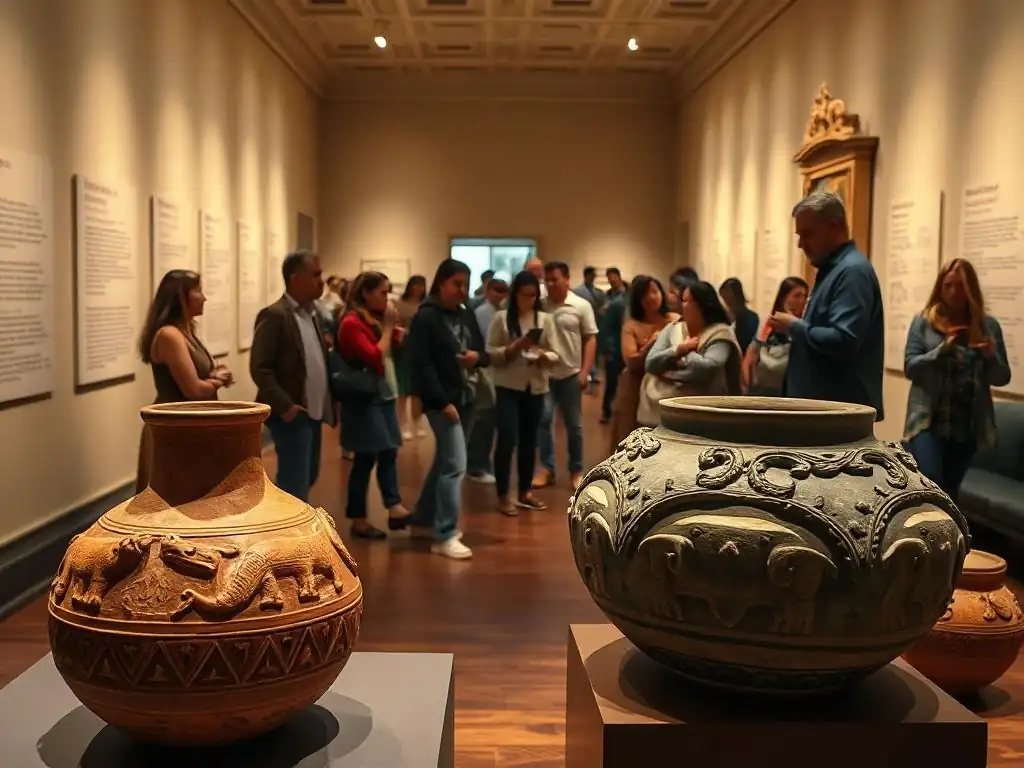
The display of Moche artifacts in modern museums presents a unique set of challenges, primarily due to the cultural significance of these items and the historical context in which they were created. One of the foremost challenges is ensuring that the artifacts are presented in a way that accurately reflects their original purpose and cultural significance. Many Moche artifacts, such as intricate pottery and ceremonial items, were deeply tied to religious and social practices that may not be fully understood by contemporary audiences.
Additionally, the physical preservation of these artifacts poses significant challenges. Moche artifacts often require specific environmental conditions to prevent deterioration. Museums must invest in specialized display cases, climate control, and conservation efforts to maintain the integrity of these ancient items. This can lead to logistical complications and increased operational costs, which may limit the number of artifacts that can be displayed simultaneously.
Moreover, the ethical considerations surrounding the provenance of these artifacts cannot be overlooked. Many Moche artifacts were removed from their original contexts through excavation or looting, raising questions about ownership and the rights of indigenous peoples to their cultural heritage. Museums face the challenge of addressing these ethical dilemmas while engaging with local communities and respecting their perspectives.
Ethical Considerations in Artifacts Display
Ethical considerations play a central role in the display of Moche artifacts. Museums are increasingly called upon to engage in repatriation discussions, where the rightful ownership of artifacts is debated. Many Moche items currently housed in museums were acquired during periods of colonialism or through questionable means, leading to calls for their return to Peru or to indigenous communities.
In response, museums are adopting more transparent practices regarding provenance research. This involves documenting the history of each artifact, including how it was acquired, and sharing this information publicly. Engaging with indigenous communities in these discussions is crucial, as it fosters trust and ensures that the voices of those connected to the artifacts are heard.
Furthermore, museums are rethinking their narratives and exhibit designs to include indigenous perspectives. Collaborative exhibitions, where indigenous scholars and artists contribute to the interpretation of artifacts, can provide a more nuanced understanding of the Moche civilization and its cultural heritage.
Balancing Preservation with Public Access
Balancing the preservation of Moche artifacts with public access is another significant challenge faced by modern museums. While it is essential to protect these artifacts from damage and deterioration, museums also have a responsibility to make them accessible to the public. Striking this balance requires innovative approaches to exhibit design and visitor engagement.
One strategy is the use of digital technology. Virtual reality (VR) and augmented reality (AR) experiences can allow visitors to interact with Moche artifacts in a virtual space, minimizing physical handling of the items. This not only protects the artifacts but also enhances the educational experience, as visitors can explore the artifacts' historical contexts and significance in an immersive environment.
Additionally, museums can implement rotating exhibits, where a selection of artifacts is displayed for a limited time, allowing for both preservation and public engagement. This approach keeps the exhibitions dynamic and encourages repeat visits, as audiences will be eager to see new artifacts and learn more about the Moche civilization.
Future Directions for Moche Artifacts in Museums
The future of Moche artifacts in museums is promising, with several emerging trends that could enhance their display and preservation. As museums continue to innovate in their approaches, they have the potential to create more engaging and culturally sensitive environments for showcasing Moche heritage.
Innovations in Displaying Moche Art
Innovative display techniques are increasingly being adopted to enhance the presentation of Moche artifacts. Museums are experimenting with interactive installations that encourage visitor participation, such as touch screens that provide in-depth information about the artifacts and their cultural contexts.
Additionally, the integration of sensory experiences—such as soundscapes that recreate the environment of the Moche civilization—can immerse visitors in the historical narrative. This multisensory approach fosters a deeper connection to the artifacts and promotes a greater understanding of Moche culture.
Furthermore, advancements in conservation technology allow for better preservation techniques, ensuring that artifacts can withstand the rigors of display while remaining accessible to the public. Innovations like climate-controlled cases and non-invasive cleaning methods are becoming standard practice, helping to safeguard these invaluable cultural treasures.
The Importance of Continued Research and Collaboration
Continued research and collaboration are vital for the future of Moche artifacts in museums. Ongoing archaeological discoveries and advancements in technology provide new insights into the Moche civilization and its artistic expressions. Museums must stay at the forefront of this research to inform their displays and educational programs.
Collaboration with academic institutions, indigenous communities, and other cultural organizations can enhance the understanding and appreciation of Moche artifacts. By fostering partnerships, museums can create comprehensive educational programs that convey the richness of Moche culture and its relevance today.
Moreover, engaging in cross-cultural dialogues with other indigenous groups can promote a broader understanding of shared histories and challenges in preserving cultural heritage. This collaborative approach not only benefits the display of Moche artifacts but also strengthens the overall mission of museums to serve as stewards of cultural heritage for all.
Conclusion: The Legacy of Moche Artifacts in Modern Museums
The legacy of Moche artifacts in modern museums is multifaceted, representing not only the artistic mastery of the Moche civilization but also the cultural narratives that these objects embody. These artifacts serve as vital links to understanding the sophisticated societies that flourished in ancient Peru, showcasing their advanced craftsmanship, religious beliefs, and social structures. By preserving these artifacts, modern museums play a crucial role in honoring and disseminating the rich heritage of the Moche people, ensuring that their contributions are recognized and celebrated in contemporary discourse.
In addition to their aesthetic and historical value, Moche artifacts also provoke critical discussions around cultural appropriation, representation, and the ethics of displaying indigenous heritage. As institutions strive to present these artifacts responsibly, they must engage with indigenous communities and scholars to ensure that interpretations are respectful and accurate. This collaborative approach not only enriches the narratives surrounding Moche artifacts but also empowers indigenous voices, allowing for a more holistic understanding of their significance.
Ultimately, the preservation of Moche artifacts in modern museums is not merely about safeguarding physical objects; it is about nurturing cultural identity, fostering appreciation for indigenous achievements, and inspiring future generations to connect with their ancestral roots.
Summary of the Importance of Preserving Moche Artifacts
The preservation of Moche artifacts is essential for several reasons:
- Cultural Identity: These artifacts are integral to the identity of the Moche people and their descendants, serving as symbols of resilience and continuity.
- Historical Knowledge: Moche artifacts provide insights into the social, political, and economic systems of the civilization, contributing to our understanding of pre-Columbian history.
- Artistic Innovation: The intricate designs and techniques used in Moche art highlight the civilization's artistic achievements, influencing modern art and design.
- Educational Resource: Museums serve as educational platforms where visitors can learn about the Moche culture, promoting awareness and appreciation of indigenous contributions.
By prioritizing the preservation of Moche artifacts, museums ensure that the legacy of this remarkable civilization is not lost to time.
Call to Action for Supporting Moche Cultural Heritage
To actively support the preservation and appreciation of Moche cultural heritage, individuals and organizations can take several steps:
- Visit Museums: Engage with exhibitions featuring Moche artifacts to deepen your understanding and appreciation of their cultural significance.
- Support Indigenous Initiatives: Contribute to organizations and projects that aim to preserve and promote Moche heritage and support indigenous communities.
- Advocate for Ethical Practices: Encourage museums to adopt ethical practices in the display and interpretation of indigenous artifacts, fostering respect for their cultural contexts.
- Educate Others: Share knowledge about the Moche civilization and its contributions to enhance public awareness and appreciation of indigenous cultures.
By taking these actions, we can collectively ensure that Moche cultural heritage continues to thrive and inspire future generations.
References
Suggested Readings on Moche Art and Civilization
- "The Moche of Ancient Peru: Media and Messages": by Christopher B. Donnan
- "Moche Art and Archaeology in Ancient Peru" by Patrick J. O'Grady
- "The Moche: A Culture of Ancient Peru": by John W. Janusek
- "Moche: A Peruvian Culture in the Americas": by K. T. M. Colley
These readings provide a comprehensive overview of Moche art, culture, and archaeology, offering valuable insights into their historical context and significance.
Additional Resources for Further Exploration
- Online Museum Collections: Many museums have digitized collections featuring Moche artifacts that can be accessed online for educational purposes.
- Documentaries: Films focusing on Moche civilization and its art can provide visual context and storytelling to enhance understanding.
- Academic Journals: Journals such as the Journal of Latin American Studies often publish articles on Moche archaeology and cultural studies.
- Cultural Heritage Organizations: Groups dedicated to preserving indigenous cultures often offer resources and events related to Moche heritage.
Exploring these resources can deepen your knowledge and appreciation for the Moche civilization and its enduring legacy in the modern world.
- Introduction to Moche Civilization and Its Artifacts
- Moche Artifacts in Modern Museums
- The Role of Modern Museums in Preserving Moche Heritage
- Moche Artifacts: Educational and Cultural Impact
- Challenges in Displaying Moche Artifacts in Modern Museums
- Future Directions for Moche Artifacts in Museums
- Conclusion: The Legacy of Moche Artifacts in Modern Museums
- References
Frequently Asked Questions
What are Moche artifacts?
Moche artifacts are intricately crafted objects from the Moche civilization, which thrived in ancient Peru. They include ceramics, textiles, and metalwork, showcasing their advanced artistic and technological skills.
Why are Moche artifacts significant?
Moche artifacts are significant because they provide insight into the social, political, and religious practices of the Moche civilization. They reflect the cultural achievements and daily life of this ancient society.
Where can I see Moche artifacts in modern museums?
Many modern museums, particularly in Peru and internationally, display Moche artifacts. Institutions like the Larco Museum in Lima and the Metropolitan Museum of Art in New York host notable collections.
How are Moche artifacts preserved in museums?
Moche artifacts are preserved through controlled environments that regulate temperature and humidity, alongside careful handling and restoration techniques to maintain their integrity and cultural significance.
What is the impact of Moche artifacts on contemporary culture?
Moche artifacts influence contemporary culture by inspiring art, design, and scholarship. They serve as a reminder of the rich heritage of indigenous civilizations and their contributions to global history.
Final Reflection: Preserving the Legacy of Moche Artifacts in Modern Museums
The significance of Moche artifacts in modern museums extends far beyond mere exhibition; it embodies a profound connection between ancient cultures and contemporary society. Today, as we navigate an increasingly globalized world, these artifacts serve as a bridge to understanding the rich history of the Moche civilization and the artistic ingenuity that flourished in ancient Peru. The preservation and display of these artifacts remind us that history is not just a collection of past events but a living narrative that continues to shape our cultural identity.
The influence of Moche artifacts resonates deeply within our cultural and social landscape, prompting us to reflect on the importance of heritage and the stories that artifacts tell. These treasures not only showcase the artistic prowess of the Moche people but also challenge us to consider the ethical implications of cultural preservation. As we engage with these artifacts, we are reminded of the words of the renowned archaeologist, Dr. Elizabeth Boone: Artifacts are not merely objects; they are the voices of our ancestors, whispering the stories of their lives.
This perspective encourages us to honor and respect the legacy of the Moche civilization while acknowledging the complexities of their representation in modern contexts.
As we conclude our exploration of Moche artifacts in modern museums, I invite you to reflect on your own relationship with cultural heritage. How can you contribute to the preservation and appreciation of history in your community? Consider visiting a local museum, participating in cultural events, or even engaging in conversations about the importance of heritage. By taking these steps, you not only enrich your own understanding but also play a vital role in ensuring that the legacies of ancient civilizations, like the Moche, continue to inspire future generations.
Unveil the Rich Legacy of Moche Art!
Thank you for journeying through the fascinating world of Moche artifacts with us! Your curiosity not only honors the rich heritage of these ancient civilizations but also fuels the preservation of their legacy. Now, it’s time to take action and deepen your connection to this remarkable history.
Here’s how you can engage further:
- Explore a local museum: Visit a museum that showcases indigenous artifacts. Check out their exhibitions and learn more about how they preserve and celebrate the art and culture of the Moche people.
- Share your insights: Discuss what you’ve learned about Moche artifacts with friends or on social media. Use your voice to raise awareness about indigenous cultures and their significant contributions to history.
- Get involved with preservation efforts: Look into organizations dedicated to preserving indigenous art and culture. Consider making a donation or volunteering your time to support their mission.
What aspect of Moche art resonates with you the most, and how will you share your passion with others?