
Artisans and Farmers: The Unsung Heroes of Social Class Dynamics

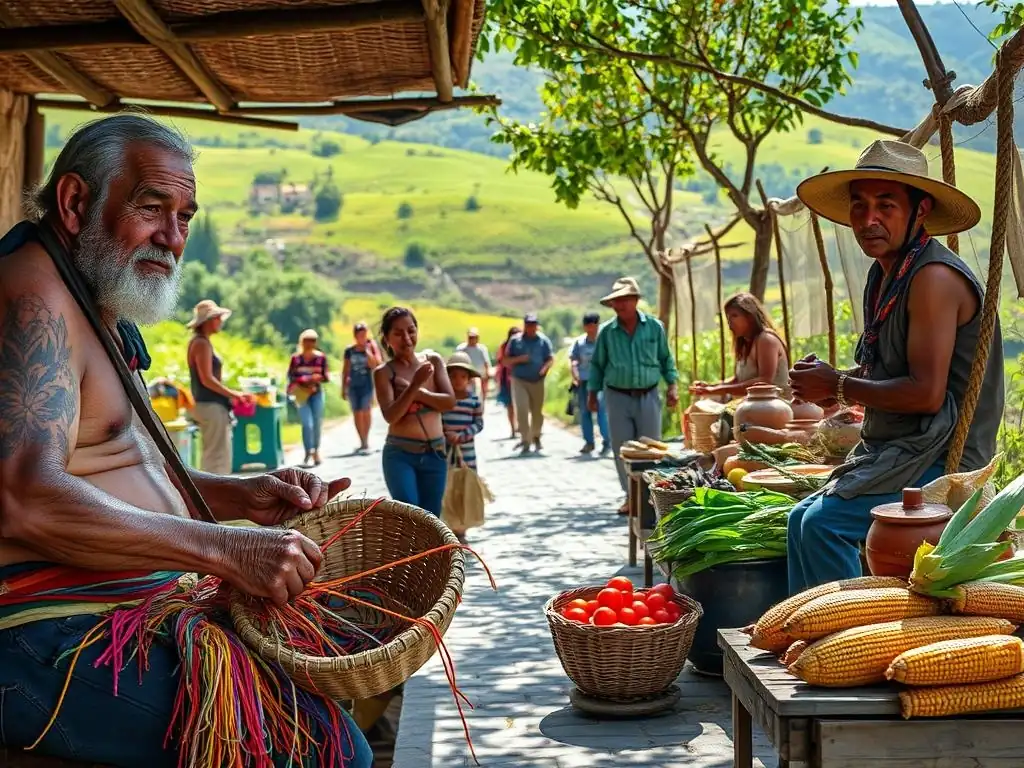
Welcome to Indigenous Civilizations of the Americas, where we invite you to embark on a captivating journey through the rich tapestry of pre-colonial cultures that flourished across the continent. In our featured article, "Artisans and Farmers: The Unsung Heroes of Social Class Dynamics," we delve into the remarkable contributions of indigenous artisans and farmers—the backbone of their societies whose skills and innovations shaped social structures and cultural legacies. Prepare to uncover the often-overlooked narratives that highlight their vital roles and the profound impact they had on their communities.
As you explore further, you’ll find that these stories are not just historical; they resonate with the present and inspire a deeper understanding of cultural heritage. Join us in celebrating these extraordinary civilizations!
- Introduction to Indigenous Artisans and Farmers
- The Role of Indigenous Artisans in Ancient Civilizations
- The Role of Indigenous Farmers in Ancient Civilizations
- The Interconnection Between Artisans and Farmers
- The Impact of Colonialism on Indigenous Artisans and Farmers
- Contemporary Perspectives on Indigenous Artisans and Farmers
- Conclusion: Recognizing the Contributions of Indigenous Artisans and Farmers
-
Frequently Asked Questions
- What role did indigenous artisans and farmers play in their societies?
- How did artisans influence the economy of indigenous cultures?
- What impact did farming practices have on indigenous communities?
- Were there specific techniques used by indigenous artisans?
- How have the contributions of indigenous artisans and farmers influenced modern society?
- Final Reflection: Celebrating the Unsung Heroes of Social Class Dynamics
- Honor and Support Our Unsung Heroes Today!
Introduction to Indigenous Artisans and Farmers
The indigenous civilizations of the Americas were characterized by a rich tapestry of cultures, languages, and social structures that thrived long before European contact. Among the myriad of groups, indigenous artisans and farmers played pivotal roles that often went unrecognized. These skilled individuals not only contributed to the material wealth and sustenance of their communities but also shaped the social dynamics within their societies.
The contributions of these artisans and farmers were integral to the development of complex social hierarchies and cultural practices, creating a foundation that would influence generations to come. In this article, we will explore the profound impact of indigenous artisans and farmers on social class dynamics, highlighting their achievements and the essential roles they played in nurturing vibrant civilizations across the Americas.
Overview of Indigenous Societies in the Americas
Indigenous societies in the Americas were diverse and varied, with each culture developing unique practices and systems. From the intricate cities of the Maya and Aztec to the nomadic lifestyles of Plains tribes, the social fabric was interwoven with the contributions of artisans and farmers.
- Agricultural Practices: Many indigenous groups practiced advanced agriculture, utilizing techniques such as:
- Terracing in mountainous regions,
- Crop rotation to maintain soil fertility,
- Irrigation systems to manage water resources.
- Artisan Crafts: Indigenous artisans were adept in various crafts that enhanced daily life and cultural expression. Their skills included:
- Pottery that served both functional and ceremonial purposes,
- Textiles made from natural fibers, showcasing intricate designs and patterns,
- Jewelry-making that demonstrated artistry and social status.
These elements not only provided sustenance and goods but also fostered community cohesion and cultural identity. The artisans and farmers were often at the center of communal activities, reinforcing their importance in social structures.
The roles of indigenous artisans and farmers were critical in shaping the social class dynamics within their societies. Unlike the rigid class structures that emerged in many European societies, indigenous social systems often exhibited fluidity influenced by skill and contribution rather than solely by birthright.
- Economic Contributions: Through their agricultural production, farmers ensured food security, which was foundational for population growth and societal stability. This led to:
- Increased trade with neighboring groups,
- The establishment of marketplaces where artisans could showcase their creations.
- Cultural Influence: Artisans, with their specialized skills, contributed significantly to the cultural heritage and rituals of their communities. Their work not only reflected daily life but also served as a means of:
- Storytelling, conveying history and beliefs through art,
- Ceremonial practices, reinforcing social and spiritual connections.
- Social Mobility: The skills of artisans and farmers allowed for a degree of social mobility. Individuals could rise in status through their contributions, creating a dynamic society where talent and hard work were recognized and rewarded.
The indigenous artisans and farmers of the Americas were not merely laborers; they were the backbone of their civilizations, influencing social structures and cultural practices in profound ways. Their legacy is a testament to the complexity and richness of indigenous societies prior to European colonization.
The Role of Indigenous Artisans in Ancient Civilizations
Definition and Characteristics of Indigenous Artisans
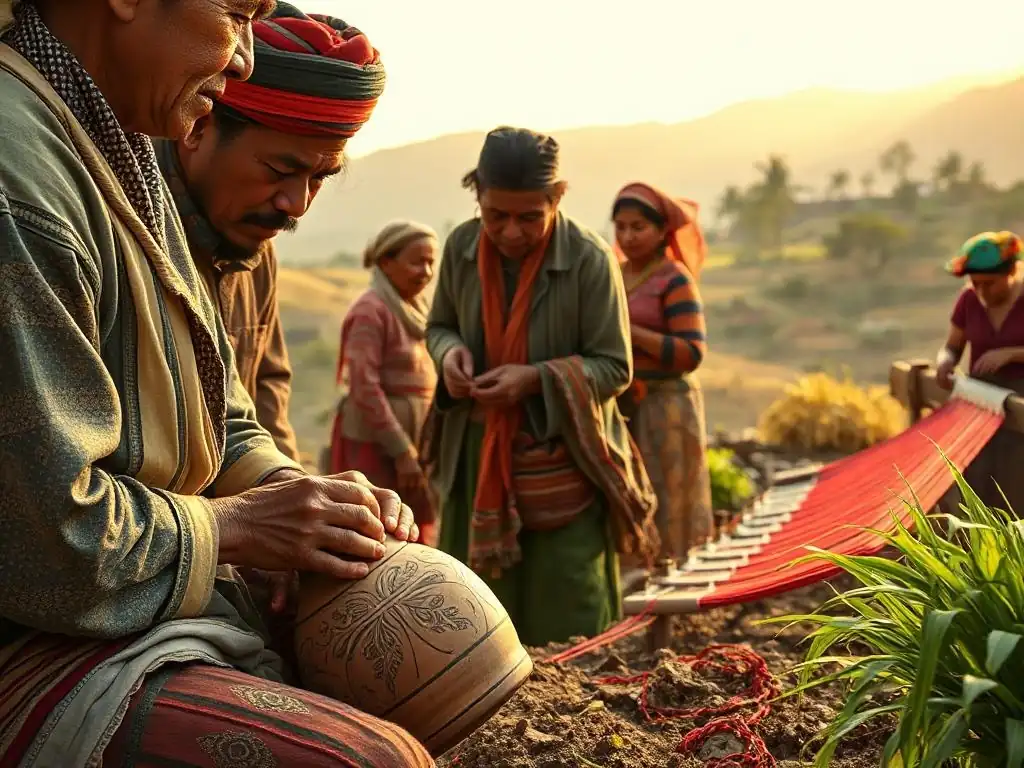
Indigenous artisans played a pivotal role in the cultural and economic landscapes of ancient civilizations across the Americas. These skilled individuals were primarily responsible for creating a wide array of goods, from functional tools to intricate decorative items, which were essential for daily life and spiritual practices.
The defining characteristics of indigenous artisans include:
- Cultural Significance: Each artisan's work often embodied the cultural narratives, beliefs, and values of their community. Artisans were not merely producers; they were storytellers, conveying cultural heritage through their craft.
- Specialized Skills: Many artisans dedicated years to mastering their crafts, which included pottery, weaving, carving, metalworking, and basketry. Their expertise often passed down through generations, ensuring the preservation of traditional techniques.
- Community Ties: Artisans often operated within a communal framework, collaborating with other craftsmen and women. This network fostered not only skill-sharing but also reinforced social bonds within the community.
Contributions of Artisans to Indigenous Cultures
The contributions of indigenous artisans extend far beyond the mere production of goods; they were integral to the cultural identity and sustainability of their societies.
Artisanal Techniques and Skills
Indigenous artisans utilized a variety of techniques and skills that reflected their environment and available resources. Some notable examples include:
- Pottery: Indigenous peoples, such as the Puebloans in the Southwest, developed complex pottery techniques, utilizing local clay and natural pigments. Their pottery was not only functional but also adorned with intricate designs that conveyed stories and traditions.
- Textiles: Weaving was a prominent craft among many indigenous cultures. The Maya, for instance, produced vibrant textiles using intricate patterns and natural dyes, which were often imbued with symbolic meanings.
- Carving: Carving techniques varied widely among cultures. The Northwest Coast peoples are renowned for their totem poles and masks, which often depicted ancestral stories and spiritual beliefs.
These artisanal skills were crucial for the survival and identity of indigenous communities, as they provided not only practical items but also a means of artistic expression.
Economic Impact of Artisans on Social Classes
The economic impact of indigenous artisans on social classes was profound, as they contributed significantly to trade networks and local economies.
- Trade and Barter Systems: Indigenous artisans often participated in extensive trade networks, exchanging their goods for resources not available in their region. For example, the exchange of textiles for food or tools was common, reinforcing economic ties between different communities.
- Social Stratification: The skills and products of artisans often created a social class dynamic within indigenous societies. Artisans who produced highly sought-after goods could gain prestige and status, influencing their position within the community. This dynamic played a vital role in shaping social hierarchies, where skilled artisans might hold a higher status compared to subsistence farmers.
- Sustaining Communities: The economic activities of artisans supported not only their families but also the broader community. By providing goods for trade and local use, artisans helped to create a stable economic foundation, allowing societies to flourish.
Indigenous artisans were fundamental to the social class dynamics of ancient civilizations. Their skills, techniques, and economic contributions shaped the cultural and social fabric of their communities, highlighting the essential role they played in the history of indigenous cultures across the Americas.
The Role of Indigenous Farmers in Ancient Civilizations
Definition and Characteristics of Indigenous Farmers
Indigenous farmers were integral to the social fabric and economic sustainability of ancient civilizations across the Americas. These individuals were not only responsible for food production but also played a key role in shaping the cultural and societal dynamics of their communities. Characterized by a deep understanding of their local environments, indigenous farmers utilized traditional ecological knowledge (TEK) to cultivate the land sustainably.
Unlike modern agricultural practices which often rely on monoculture and synthetic inputs, indigenous farmers embraced biodiversity, crop rotation, and companion planting. Their farming practices were holistic and interwoven with their spiritual beliefs, emphasizing a respect for the land as a living entity. Key characteristics of indigenous farmers include:
- Community-Oriented: Farming was often a communal activity, with families and neighbors working together to support one another.
- Culturally Significant: Agricultural practices were tied to cultural rituals and traditions, reinforcing social cohesion and identity.
- Adaptive: Indigenous farmers displayed resilience and adaptability, responding to changes in climate and environment through innovative methods.
Agricultural Practices and Innovations
The agricultural practices of indigenous farmers varied widely across different regions and cultures, reflecting the diversity of the Americas. These practices were often innovative and demonstrated a sophisticated understanding of agricultural science long before the advent of modern technology.
Traditional Farming Methods Used by Indigenous Peoples
Indigenous farmers employed a variety of traditional methods that optimized land use and preserved ecosystems. Some notable techniques include:
- Slash-and-Burn Agriculture: This method involved clearing land by cutting and burning vegetation to create nutrient-rich soil, commonly practiced by various tribes in the Amazon and Mesoamerica.
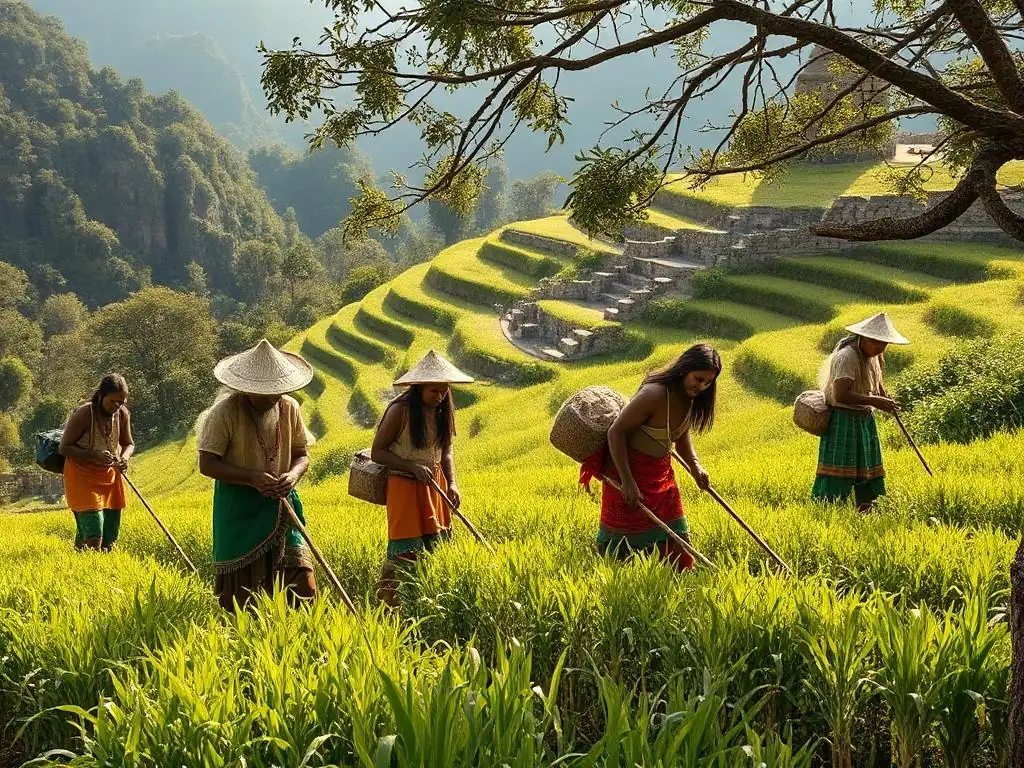
- Terracing: In mountainous regions, such as the Andes, farmers constructed terraces to prevent soil erosion and maximize arable land.
- Raised Bed Farming: Used in wetland areas, this method allowed for better drainage and soil management, enhancing crop yields.
- Irrigation Systems: Many indigenous groups developed complex irrigation systems, such as the ancient Hohokam in the Southwest United States, who created extensive canal networks for water management.
These traditional farming methods were not only efficient but also sustainable, ensuring that the soil remained fertile for generations.
Crops and Resources Cultivated by Indigenous Farmers
Indigenous farmers cultivated a wide range of crops, many of which have become staples in global diets today. Key crops and resources include:
| Crop | Region | Significance |
|---|---|---|
| Maize (Corn) | Mesoamerica and the Americas | Staple food and central to many cultures |
| Potatoes | Andean regions | Resilient crop that supported large populations |
| Beans | Various regions | Nutritional complement to maize; nitrogen-fixing |
| Squash | North America | Integral to the "Three Sisters" planting method |
| Quinoa | Andes | Protein-rich grain, crucial for local diets |
In addition to these staple crops, indigenous farmers also cultivated medicinal plants and herbs, contributing to their communities' health and wellbeing. The agricultural legacy of indigenous farmers has had a lasting impact, shaping food systems and cultural practices in the Americas and beyond. As the unsung heroes of social class dynamics, their contributions deserve recognition and celebration in the narrative of ancient civilizations.
The Interconnection Between Artisans and Farmers
How Artisans and Farmers Collaborated in Indigenous Societies
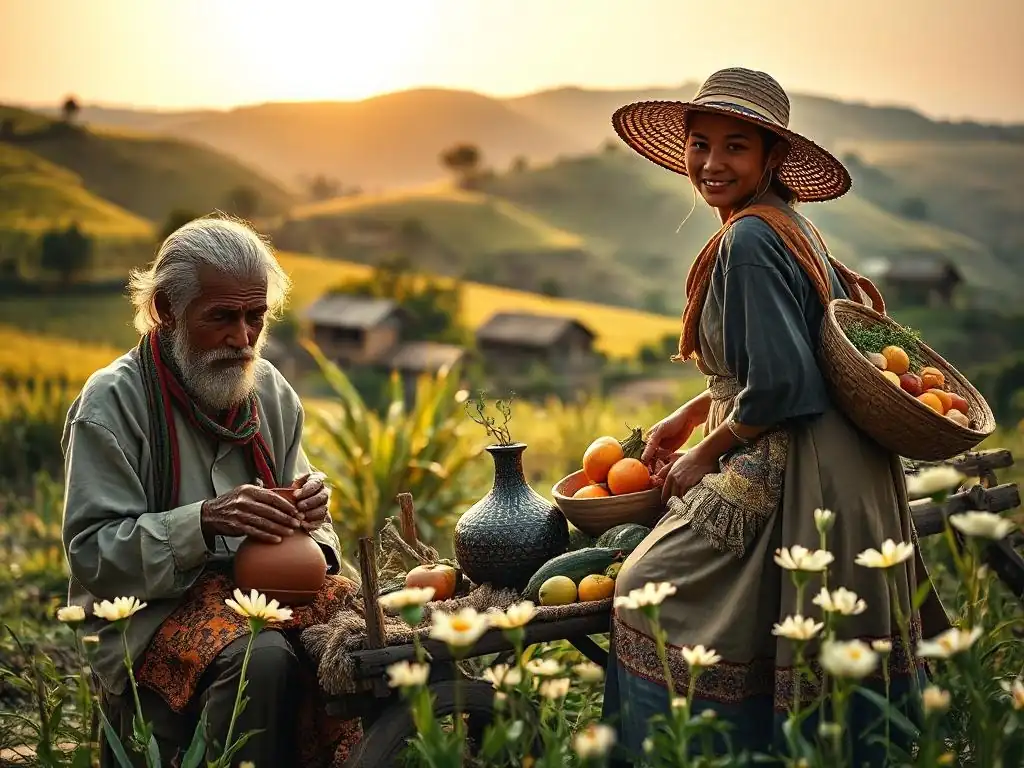
In indigenous civilizations across the Americas, artisans and farmers played critical roles that were intricately linked. Their collaboration was not merely functional; it was foundational to the social fabric of these societies. Artisans, skilled in crafting tools, textiles, and pottery, relied heavily on the agricultural products that farmers cultivated. Conversely, farmers benefited from the tools and decorative items produced by artisans, which enhanced their daily lives and societal status.
For instance, in the Andean civilizations, such as the Inca, farmers relied on artisans to produce intricate textiles that not only served practical purposes but also signified social prestige. The vibrant textiles, often made from the wool of alpacas and llamas, were used in trade and as offerings to deities, reflecting the intertwined nature of agricultural production and artistic expression.
Additionally, communal events such as harvest festivals showcased this collaboration. During these gatherings, artisans displayed their creations while farmers shared their bounty, reinforcing a sense of community and mutual support. This interdependence fostered a social dynamic that emphasized cooperation over individualism, thereby strengthening bonds within indigenous societies.
The relationship between artisans and farmers also played a significant role in shaping the social class structures of indigenous communities. While both groups were essential for the survival and prosperity of their societies, their statuses were often defined by their contributions to the economy and cultural identity.
Farmers were typically viewed as the backbone of society, providing the food necessary for survival. Their labor allowed communities to thrive and develop, which in turn elevated their status. However, artisans often held a unique position within the social hierarchy; their specialized skills and the beauty of their creations could elevate them to higher social standing, especially if they produced items that were in high demand or held significant cultural importance.
Trade Relationships Between Artisans and Farmers
Trade was a vital aspect of the relationship between artisans and farmers. It facilitated the exchange of goods and ensured that both groups could access what they needed to thrive. Farmers provided raw materials, such as crops and fibers, which artisans transformed into finished goods. In return, artisans offered finished products, tools, and ornaments that enhanced the lives of farmers.
For example, in the Mississippian culture, the exchange between farmers and artisans was evident in the trade of agricultural products like maize and beans for beautifully crafted pottery and jewelry. This trade not only benefited the economic standing of both groups but also fostered relationships and networks that connected communities, enhancing cultural diffusion.
The trade dynamics often created a balance of power, with certain artisans being able to leverage their skills to gain influence within their communities. This influence could translate into leadership roles, allowing skilled artisans to navigate between social classes and assert their importance in the broader societal structure.
Cultural Exchange and Its Impact on Social Dynamics
Cultural exchange between artisans and farmers enriched the social dynamics within indigenous societies. Through their interactions, these two groups shared knowledge, traditions, and practices that contributed to a vibrant cultural landscape. Artisans often drew inspiration from the agricultural cycles and rituals observed by farmers, incorporating themes of nature and the harvest into their art.
Moreover, the integration of artistic elements into farming practices, such as ceremonial objects used during planting and harvest, illustrated how deeply intertwined these roles were. This cultural exchange fostered a sense of identity and continuity, reinforcing the values and beliefs that defined indigenous communities.
The impact of this collaboration extended beyond the individual groups; it shaped the collective identity of societies, creating a legacy of shared values and traditions. As these communities evolved, the roles of artisans and farmers remained central to their cultural narratives, highlighting the importance of cooperation and mutual respect across social classes.
The dynamic interplay between indigenous artisans and farmers was fundamental to the development of social class structures and cultural identity in ancient civilizations of the Americas. Their collaboration not only ensured survival but also fostered a rich tapestry of cultural exchange that continues to influence the legacy of these societies today.
The Impact of Colonialism on Indigenous Artisans and Farmers
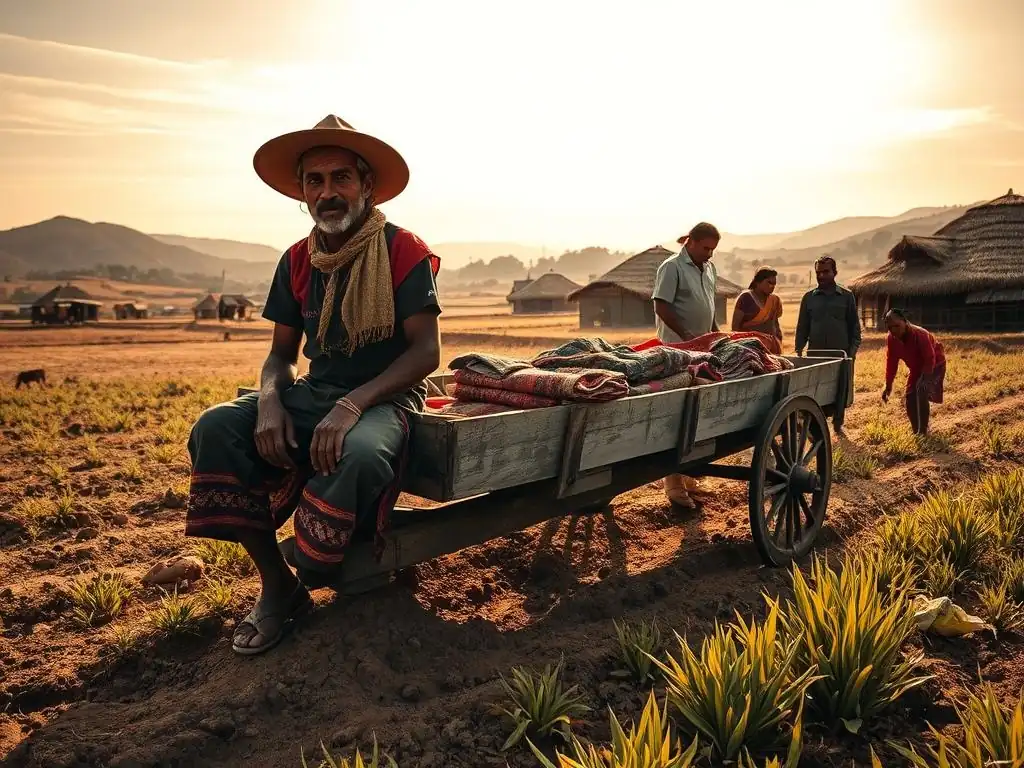
The arrival of European colonizers in the Americas had profound effects on the indigenous populations, particularly on artisans and farmers. Before colonization, indigenous artisans and farmers constituted the backbone of their societies, contributing to cultural identity and economic stability. However, colonialism disrupted existing social structures, leading to significant changes in social class dynamics.
The introduction of European economic systems and the imposition of foreign governance led to a reconfiguration of indigenous social classes. Indigenous artisans and farmers, once respected for their skills and contributions, often found themselves marginalized.
- Economic Disruption: Colonial economies prioritized European goods and agricultural practices, diminishing the value of traditional crafts and crops produced by indigenous peoples. This shift resulted in a devaluation of indigenous artisanship, as European imports flooded local markets.
- Forced Labor Systems: The establishment of systems such as encomienda and repartimiento forced many indigenous people into labor roles that stripped them of their autonomy. Artisans and farmers were often compelled to abandon their traditional practices to work for colonial masters, which altered their societal roles and status.
- Cultural Suppression: Colonization also involved the suppression of indigenous cultures, including the arts. Artisans faced restrictions on their creative expressions as colonial powers sought to impose European aesthetic values, further eroding the social status of indigenous creators.
The cumulative effect of these changes not only disrupted the social fabric of indigenous communities but also initiated a struggle for identity and recognition that would persist for generations.
Resilience and Adaptation of Indigenous Artisans and Farmers
Despite the overwhelming challenges posed by colonization, many indigenous artisans and farmers demonstrated remarkable resilience and adaptability. This ability to navigate and respond to changing circumstances played a crucial role in the survival of their communities and cultures.
- Hybrid Practices: Indigenous artisans began to incorporate European materials and techniques into their work while maintaining traditional methods. This hybridization allowed them to create unique artworks that reflected both indigenous and colonial influences, which could appeal to both indigenous and European markets.
- Revival of Traditional Knowledge: Farmers adapted their agricultural practices by integrating European crops while preserving indigenous varieties. This blend not only ensured food security but also fostered a revival of traditional ecological knowledge that would prove invaluable in later years.
- Community Solidarity: Many indigenous groups strengthened their communal ties as a response to colonial pressures. Artisans and farmers collaborated to protect their cultural heritage and shared resources, thereby reinforcing their social structures in the face of adversity.
Through these adaptations, indigenous artisans and farmers not only preserved their identities but also laid the groundwork for future cultural revitalization efforts.
Preservation of Cultural Heritage Amidst Change
The preservation of cultural heritage among indigenous artisans and farmers remains a testament to their resilience and creativity. Even in the face of colonial oppression, many communities found ways to safeguard their traditions, which would later serve as a foundation for contemporary indigenous identity.
- Cultural Revitalization Movements: In the modern era, many indigenous communities have initiated movements aimed at reclaiming traditional crafts and agricultural practices. These endeavors not only revive lost arts but also empower communities by fostering a sense of pride and continuity.
- Education and Knowledge Transfer: Elders play a pivotal role in teaching younger generations about traditional crafts, farming methods, and cultural stories. This transmission of knowledge is crucial for maintaining cultural identity and ensuring that indigenous practices endure.
- Celebration of Indigenous Arts: Events and festivals celebrating indigenous arts have gained prominence, allowing artisans to showcase their work and connect with wider audiences. Such platforms provide opportunities for economic support and cultural exchange, reinforcing the relevance of indigenous craftsmanship in contemporary society.
The impact of colonialism on indigenous artisans and farmers was profound, resulting in significant changes to social class dynamics. However, through resilience and adaptation, these communities have managed to preserve their cultural heritage, ensuring that the legacy of their artisanship and agricultural practices continues to thrive in the modern world.
Contemporary Perspectives on Indigenous Artisans and Farmers
Relevance of Traditional Skills in Modern Society
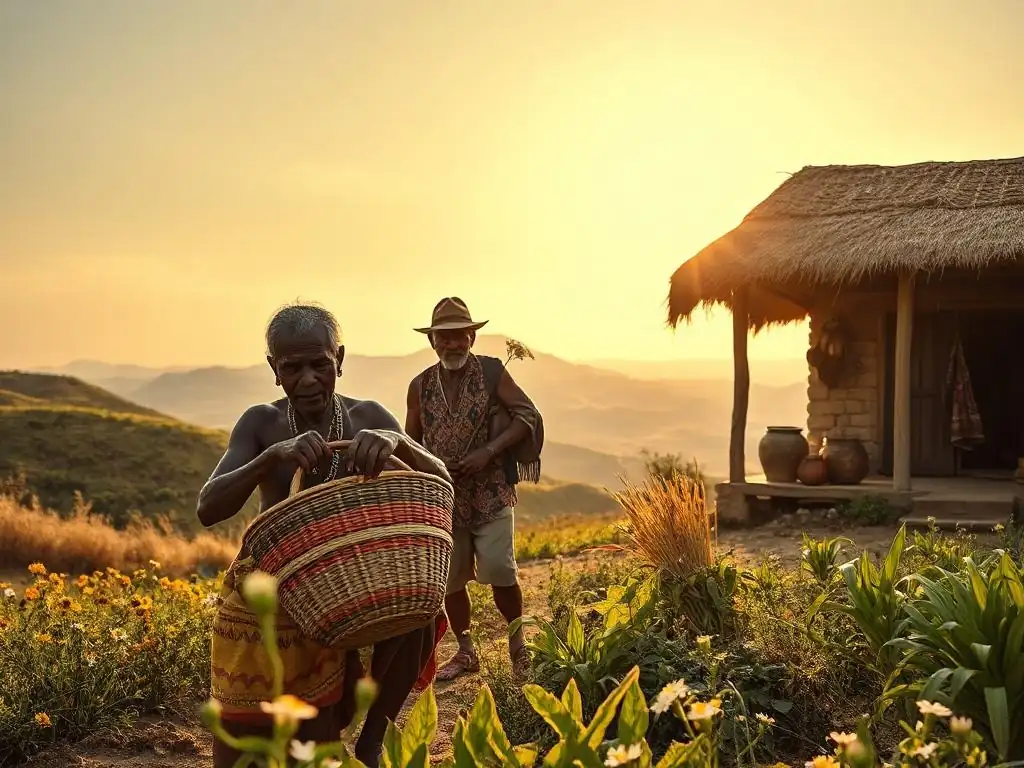
The role of indigenous artisans and farmers in contemporary society cannot be overstated. These individuals embody a rich tapestry of cultural heritage that connects the past to the present. Traditional skills, such as weaving, pottery, and sustainable farming techniques, are not only valuable for their aesthetic and practical applications but also serve as a means of cultural preservation.
- Cultural Identity: In many indigenous communities, traditional craftsmanship is a vital expression of identity. Artisans who create handcrafted goods often incorporate symbols and motifs that reflect their cultural narratives. This practice fosters a sense of belonging and continuity among community members, reinforcing their unique heritage.
- Economic Contributions: Indigenous artisans and farmers contribute significantly to local and even national economies. By producing goods that are often sought after in niche markets—such as organic produce or handmade crafts—they create sustainable economic opportunities for their communities. This economic empowerment helps to combat poverty and support the preservation of traditional knowledge.
- Sustainability Practices: The agricultural methods practiced by indigenous farmers often prioritize sustainability and environmental stewardship. Techniques such as crop rotation, companion planting, and the use of native seeds promote biodiversity and soil health. As modern society increasingly seeks sustainable solutions to environmental challenges, the insights and practices of indigenous farmers are becoming increasingly relevant.
Efforts to Revitalize Indigenous Artisanal and Agricultural Practices
As awareness grows regarding the importance of indigenous craftsmanship and agricultural methods, various initiatives have emerged to revitalize these practices. These efforts aim to address the erosion of traditional knowledge and support the livelihoods of indigenous artisans and farmers.
- Cultural Workshops and Training: Many organizations are now offering workshops that teach traditional crafting techniques and farming practices. These workshops not only provide skill-building opportunities but also encourage younger generations to engage with their cultural heritage.
- Market Access and Fair Trade: Efforts are being made to create fair trade networks that connect indigenous artisans directly with consumers. By bypassing intermediaries, these artisans can receive fair compensation for their work, enhancing the sustainability of their crafts.
- Collaborative Projects: Partnerships between indigenous communities and non-indigenous organizations have led to innovative projects that promote traditional practices. For example, community gardens that incorporate indigenous farming techniques not only produce food but also educate visitors about sustainable practices.
- Cultural Festivals and Exhibitions: Events that celebrate indigenous art and agriculture are gaining popularity, providing platforms for artisans and farmers to showcase their work. These festivals not only highlight their contributions but also foster appreciation and understanding among broader audiences.
The contemporary perspectives on indigenous artisans and farmers reveal a growing recognition of their vital contributions to both cultural heritage and modern society. Through revitalization efforts, these practices are not only preserved but are also positioned as essential components of sustainable development and cultural identity in today's world.
Conclusion: Recognizing the Contributions of Indigenous Artisans and Farmers
Indigenous artisans and farmers played a pivotal role in shaping the social fabric of ancient civilizations across the Americas. These groups, often overlooked in historical narratives, were the backbone of economic stability and cultural expression within their communities.
Artisans, skilled in various crafts such as pottery, weaving, and metallurgy, contributed not only to the economy but also to the identity of their cultures. For instance, the intricate textiles produced by the Andean weavers were not merely functional; they were imbued with cultural significance and served as symbols of status and community pride. Similarly, the sophisticated pottery of the Pueblo peoples was essential for both daily use and ceremonial practices, showcasing their artistic prowess and connection to the land.
On the other hand, farmers were the cornerstone of sustenance and agricultural innovation. Utilizing advanced agricultural techniques, such as terrace farming and crop rotation, indigenous farmers maximized productivity and ensured food security for their communities. The cultivation of staple crops like maize, beans, and squash—often referred to as the “Three Sisters”—demonstrated a profound understanding of ecology and sustainable practices.
The interplay between artisans and farmers created a dynamic social structure where each group relied on the other for survival and prosperity. This interdependence fostered a sense of community and shared identity, reinforcing social hierarchies that respected the contributions of both artisans and farmers. As a result, these roles were integral to the stability and resilience of indigenous societies.
Call to Action: Supporting Indigenous Communities Today
In recognizing the vital contributions of indigenous artisans and farmers, it is essential to advocate for and support contemporary indigenous communities. Here are some ways you can make a difference:
- Educate Yourself: Learn about the histories and cultures of indigenous peoples. Understanding their past can inform present actions.
- Support Indigenous Artisans: Purchase handmade crafts and products from indigenous artisans. This not only provides them with economic support but also helps preserve their cultural heritage.
- Engage with Indigenous Agriculture: Seek out locally grown indigenous crops and support farmers who practice traditional methods. This promotes biodiversity and sustains ancient agricultural practices.
- Advocate for Rights: Support policies that protect the rights of indigenous peoples, including land rights, cultural preservation, and access to resources.
By taking these actions, we can help ensure that the legacies of indigenous artisans and farmers are recognized, respected, and sustained for future generations. Together, we can celebrate their contributions and support a more equitable society that honors the rich tapestry of indigenous cultures across the Americas.
Frequently Asked Questions
What role did indigenous artisans and farmers play in their societies?
Indigenous artisans and farmers were crucial in developing complex social structures and economies, contributing to the cultural richness and sustainability of their communities.
How did artisans influence the economy of indigenous cultures?
Artisans created tools, textiles, and art that were essential for daily life, trade, and ceremonies, thereby enhancing the economic stability and cultural identity of their societies.
What impact did farming practices have on indigenous communities?
Farming practices allowed indigenous communities to establish permanent settlements, leading to population growth and the development of social hierarchies based on surplus production.
Were there specific techniques used by indigenous artisans?
Yes, indigenous artisans employed a variety of techniques such as weaving, pottery, and metallurgy, showcasing their creativity and resourcefulness in utilizing available materials.
How have the contributions of indigenous artisans and farmers influenced modern society?
The contributions of indigenous artisans and farmers have left a lasting impact on contemporary art, agriculture, and sustainability practices, highlighting the importance of traditional knowledge in today's world.
The vital contributions of indigenous artisans and farmers to our society cannot be overstated; they are the backbone of our cultural heritage and the sustenance of our communities. In an era where the spotlight often shines on urbanization and technological advancement, we must not forget the profound impact these individuals have on our social fabric. Their skills, traditions, and sustainable practices are not just remnants of the past but essential elements of our future.
The ongoing influence of indigenous artisans and farmers is evident in the way they shape our cultural identity and promote social equity. Their work fosters a sense of community and belonging, reminding us that every piece of art and every crop tells a story of resilience and ingenuity. Art is the most beautiful of all lies; it is a reflection of our reality.
This quote encapsulates the essence of how artisans express their cultural narratives, while farmers ground us in the reality of our sustenance and connection to the earth. As we navigate the complexities of modern life, their contributions serve as a reminder of the values we must uphold.
As we reflect on the lessons shared in this article, I invite you to consider how you can support and uplift the voices of indigenous artisans and farmers in your own life. Take a moment to appreciate the craftsmanship in your surroundings, seek out local produce, and advocate for fair practices that honor their work. By doing so, we not only celebrate their contributions but also enrich our own lives and communities. Let us recognize these unsung heroes and commit to fostering a society that values their indispensable role in shaping our world.
Honor and Support Our Unsung Heroes Today!
Thank you for diving into the intricate world of artisans and farmers! By exploring their vital roles within social dynamics, you’ve gained a deeper appreciation for the foundations of our communities. Now, let’s turn that knowledge into action!
Here’s how you can make a difference:
- Support local artisans and farmers by purchasing their products at farmers' markets. Your choices can uplift these talented individuals and enhance community sustainability.
- Share this article with friends and family to spread awareness about the importance of recognizing and valuing their contributions. Together, we can spark meaningful conversations about community resilience and social responsibility.
- Join a local workshop or class led by an artisan or a farming cooperative. Not only will you learn something new, but you’ll also connect directly with these heroes of our society!
What unique ways have you discovered to support artisans and farmers in your community? Let's discuss!