
The Legacy of Social Classes: Lasting Impacts on Modern Indigenous Communities

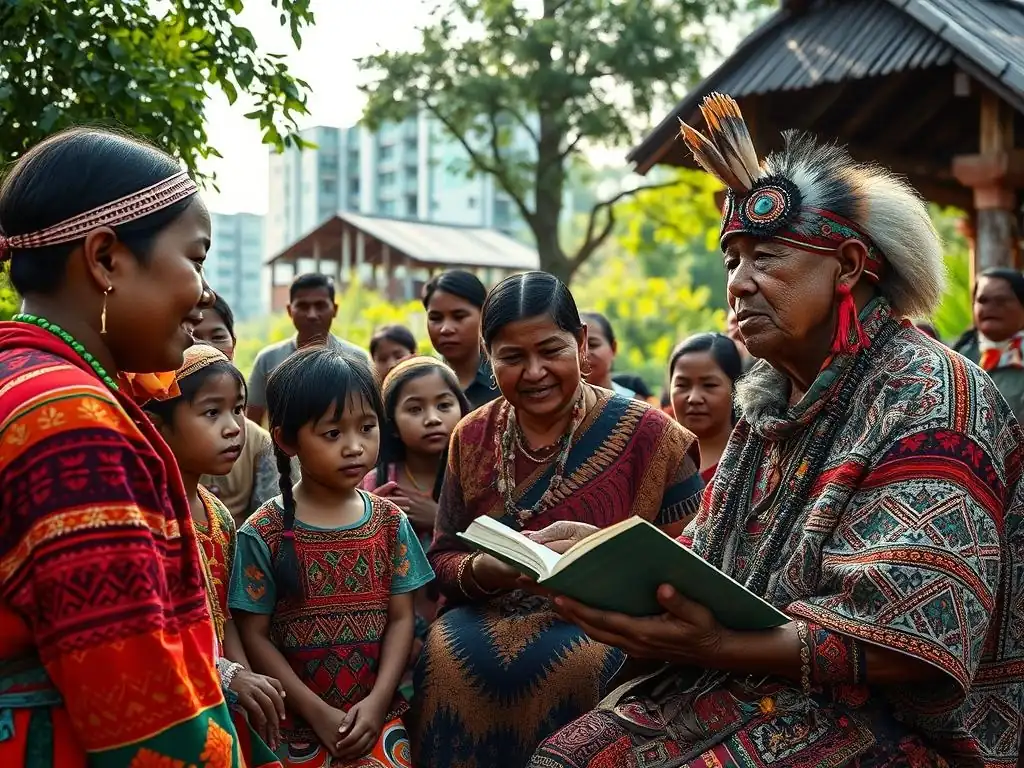
Welcome to Indigenous Civilizations of the Americas, where we invite you to embark on a journey through the rich tapestry of indigenous cultures that flourished long before European contact. Discover the profound impact of social classes indigenous peoples, as we delve into the legacies of their sophisticated societies and the intricate social structures that shaped their communities. What can the past teach us about the modern indigenous experience?
Join us in exploring this compelling narrative, and unlock the secrets of a vibrant heritage that continues to influence cultures today. Your exploration begins here—dive deeper into the legacy that has shaped the present and future of indigenous communities across the Americas!
The intricate tapestry of indigenous cultures across the Americas is woven with diverse social structures that significantly shaped their societies. Understanding the impact of social classes in these ancient civilizations is crucial to comprehending their legacy and how it resonates in modern indigenous communities. Social classes not only dictated the organization of societies but also influenced individual roles, governance, and cultural practices. This article delves into the social hierarchies prevalent among indigenous peoples before European colonization, examining their relevance and the historical context that has left a lasting imprint on contemporary indigenous life.
Social classes in indigenous cultures were not merely a reflection of wealth or power; they encapsulated complex relationships that governed the daily lives of individuals. These hierarchies often included distinctions based on lineage, occupation, and spiritual roles, which contributed to the overall social fabric. By exploring these dynamics, we can better appreciate the historical context of indigenous societies and how they have adapted and transformed over time.
Understanding Social Hierarchies in Ancient Civilizations
Indigenous civilizations across the Americas, such as the Maya, Aztec, and Inca, developed sophisticated social hierarchies that played a crucial role in their governance and cultural identity. These hierarchies typically comprised several layers, including:
- Nobility: Often consisting of rulers and high priests, this class wielded significant power and authority.
- Artisans and Merchants: Skilled workers and traders who contributed to the economy and cultural exchanges.
- Farmers and Laborers: The backbone of the economy, responsible for food production and manual labor.
- Slaves or Servants: Individuals captured in conflict or born into servitude, often having limited rights.
These classes were not rigid; rather, they allowed for some degree of mobility, often influenced by individual achievements, marriage alliances, or changes in fortune.
The Relevance of Social Classes in Indigenous Societies
The relevance of social classes in indigenous societies extends beyond historical interest; it informs contemporary discussions about identity, governance, and social justice among modern indigenous communities. Understanding these structures can shed light on current challenges faced by indigenous populations, including:
- Economic Disparities: Historical class systems have left lasting economic impacts that continue to affect wealth distribution today.
- Cultural Identity: Many contemporary indigenous groups draw upon historical class structures to reaffirm their cultural identity and resist assimilation.
- Political Representation: The legacy of social hierarchies influences how modern indigenous groups navigate political landscapes and advocate for their rights.
Examining the historical context of social classes among indigenous peoples reveals the complexities of their societies and the factors that shaped their development.
Pre-Colonial Social Structures in Indigenous Communities
Before European contact, many indigenous communities had well-established social structures that governed their interactions and societal organization. For instance, the Maya civilization featured city-states with distinct ruling classes, while the Inca Empire had a centralized authority that regulated various aspects of life, including labor and tribute systems. This pre-colonial organization contributed to the resilience of these societies, allowing them to adapt and sustain themselves through periods of change and upheaval.
The Role of Leadership and Governance in Social Classes
Leadership and governance were integral to the functioning of social classes in indigenous societies. Rulers, often seen as divine or semi-divine figures, played crucial roles in maintaining order and overseeing societal functions. The governance structure varied significantly among different cultures, with some employing democratic practices while others adhered to autocratic systems. The interplay between these leadership roles and social classes provides insight into how governance shaped not only the societies of the past but also the modern-day indigenous communities grappling with the legacies of colonialism and social stratification.
The social class structures in ancient indigenous civilizations significantly shaped community dynamics and interpersonal relationships. Hierarchies established in pre-colonial societies often determined individuals' roles, responsibilities, and access to resources. Communities were typically organized around various social classes, which could include nobility, artisans, farmers, and laborers. This stratification influenced not only economic interactions but also social cohesion and conflict within the community.
Social classes affected governance and leadership as well. Leaders often emerged from the higher echelons of society, wielding power and influence over decision-making processes. The distribution of power among different classes also facilitated alliances and rivalries, impacting the overall stability and development of these communities. Furthermore, the roles assigned to different social classes could promote a sense of identity, pride, and belonging among members, reinforcing social bonds and cultural practices.
How Social Stratification Influenced Daily Life
Daily life in ancient indigenous societies was profoundly influenced by social stratification. For instance, individuals from the upper classes often enjoyed privileges such as access to better resources, education, and opportunities for leadership roles. In contrast, those from lower classes typically engaged in labor-intensive work, with limited access to decision-making processes. This disparity created distinct lifestyles, where daily routines, rituals, and even diets varied significantly.
Rituals and cultural practices were often reflective of one’s social status. Elite members of society were likely to participate in elaborate ceremonies and possess unique cultural artifacts, while the lower classes had more communal forms of expression and simpler living conditions. This differentiation not only defined individual experiences but also contributed to the overall cultural richness and diversity within indigenous communities.
Economic Implications of Social Classes in Indigenous Societies
The economic landscape of ancient indigenous societies was heavily influenced by social classes. Those in higher strata typically engaged in trade, resource management, and craftsmanship, accumulating wealth and power. Conversely, the lower classes often worked the land or provided essential services, receiving limited compensation and fewer benefits. This economic stratification led to the development of specialized roles within the community, allowing for advancements in trade and agriculture.
Moreover, social classes played a crucial role in resource distribution and sustainability. In many cases, the elite controlled access to fertile land and essential resources, leading to disparities in wealth and power. This economic imbalance often resulted in tensions and conflicts, as lower classes sought to gain their share of resources and opportunities. The legacy of these economic implications continues to influence modern indigenous communities, as many still grapple with issues related to resource management and economic inequality.
The historical legacy of social classes continues to resonate in modern indigenous communities. Understanding how these ancient hierarchies have evolved provides insight into contemporary social structures and challenges faced by indigenous peoples today. The remnants of social stratification can be seen in various aspects of life, from economic opportunities to cultural identity.
Contemporary Social Hierarchies Among Indigenous Peoples
Today, many indigenous communities still experience social stratification, influenced by historical class systems. Contemporary hierarchies often manifest in terms of economic status, education, and access to resources. Some individuals or families may hold more influence or wealth due to historical advantages, while others remain marginalized.
These contemporary social hierarchies can lead to various challenges, including disparities in health, education, and employment opportunities. The struggle for equality and empowerment remains a significant focus for many indigenous communities as they work to dismantle the remnants of historical social stratification and advocate for equitable treatment.
The Influence of Historical Social Classes on Identity and Culture
The historical social classes of ancient indigenous civilizations have left an indelible mark on the identity and culture of modern indigenous peoples. The narratives and traditions borne from these class structures continue to shape cultural expressions, values, and community relationships.
For instance, the pride associated with noble lineages or skilled artisanship can influence contemporary cultural practices and leadership roles within communities. Additionally, the collective memory of social inequities can fuel movements for social justice and cultural revitalization. As indigenous peoples navigate their identities in the modern world, the impact of historical social classes serves as both a challenge and a source of resilience in their ongoing quest for recognition and rights.
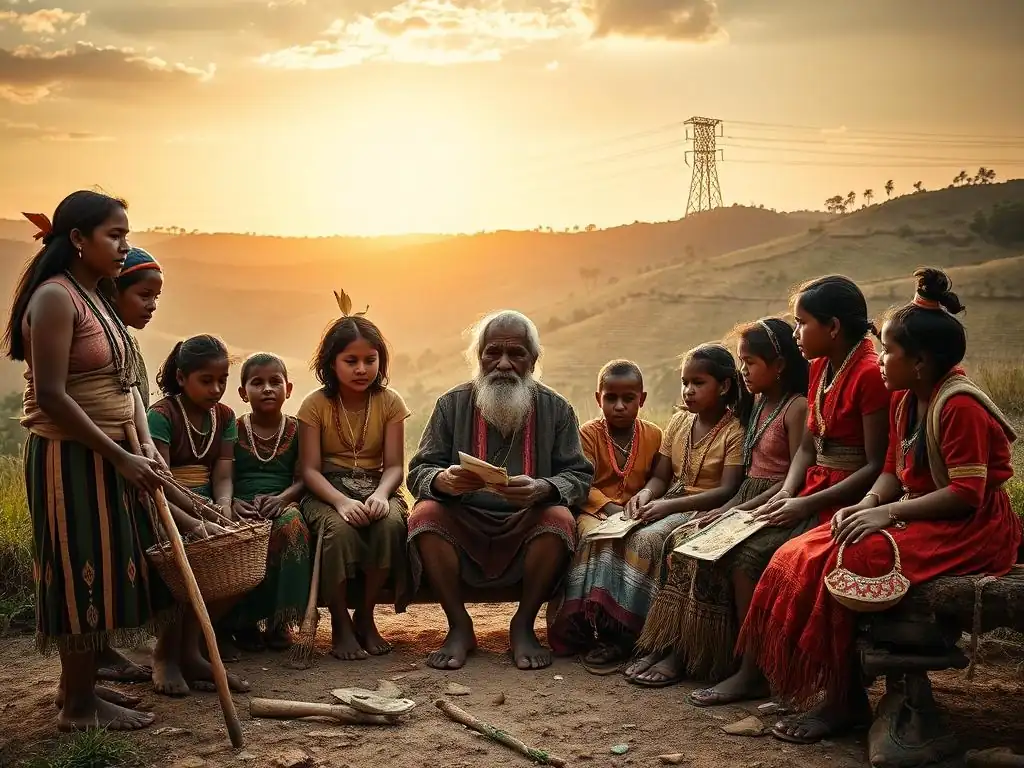
Examining specific indigenous communities provides valuable insight into how historical social class systems continue to shape modern identities, challenges, and cultural expressions. This section delves into case studies from the Navajo Nation and the Lakota Sioux, highlighting their unique social structures and the enduring impacts on contemporary life.
The Navajo Nation and Its Social Class System
The Navajo Nation, one of the largest indigenous tribes in the United States, possesses a rich social structure that has evolved over centuries. Traditionally, the Navajo society was organized around clans, which played a crucial role in determining social status and responsibilities. Each clan operates as a matrilineal unit, with women holding significant power in family and community decisions.
In the past, wealth was often measured by livestock and land ownership, creating a distinct social hierarchy. Those with more resources enjoyed higher status, influencing marriage choices, political power, and community leadership. Today, while the traditional clan system still exists, modern influences have led to a blend of old and new social dynamics.
The impact of these historical social classes can be seen in contemporary challenges such as economic disparity and access to education. Although the Navajo Nation has made strides in governance and self-determination, the remnants of past inequalities still affect residents' opportunities and social mobility.
The Lakota Sioux and Lasting Impacts of Social Hierarchies
The Lakota Sioux, another prominent indigenous group, also experienced a complex social class system that was influenced by factors such as warfare, trade, and spiritual leadership. Traditionally, the Lakota were organized into bands led by chiefs, who gained status through acts of bravery, wisdom, and generosity.
Despite the egalitarian ideals of Lakota culture, social stratification emerged, primarily based on access to resources and leadership roles. The impact of this hierarchy can still be felt today, as many Lakota communities grapple with the consequences of historical trauma, economic struggles, and social challenges stemming from colonial disruptions.
The social classes of the past have left a legacy of resilience but also a need for healing. Contemporary Lakota activists and leaders emphasize the importance of addressing these historical injustices, promoting cultural revitalization, and fostering social equity within their communities.
The legacy of social classes within indigenous communities is intricately linked to the modern challenges they face. Understanding this intersection is essential to addressing contemporary issues effectively.
Social Inequality and Its Roots in Historical Class Systems
Social inequality among indigenous populations often traces back to historical class systems established before European colonization. The disparities created by these systems have been exacerbated by external forces, such as colonization, forced assimilation, and economic marginalization.
For instance, many indigenous communities continue to experience lower rates of education and higher unemployment levels compared to national averages. These outcomes are influenced by the historical distribution of resources and opportunities, which were often skewed by the existing social hierarchies.
Moreover, the legacies of these class structures manifest in various ways, including limited access to healthcare, persistent poverty, and a lack of political representation. By recognizing the roots of these inequalities, modern indigenous leaders and advocates can better address the systemic barriers that hinder progress.
Revitalization of Indigenous Cultures: Addressing Class Issues
Efforts to revitalize indigenous cultures often encompass addressing the class issues rooted in historical systems. Many contemporary indigenous movements focus on cultural reclamation and the reinforcement of traditional values and practices, aiming to uplift marginalized voices within their communities.
Initiatives such as education programs that emphasize indigenous knowledge and history, as well as economic development projects that prioritize community well-being over profit, are examples of how social class issues are being tackled today.
Furthermore, fostering a sense of unity and collective identity among diverse community members can help bridge gaps created by historical social hierarchies. By promoting equality and inclusivity, indigenous communities can work towards a future where the impacts of social classes are acknowledged and addressed, paving the way for sustainable growth and cultural continuity.
The intricate social structures of indigenous civilizations were not merely functional; they were foundational to the identity and cohesion of these cultures. The legacy of social classes continues to resonate within modern indigenous communities, influencing their social dynamics, identity, and cultural practices. As we reflect on the past, it becomes clear that understanding the complexities of these social hierarchies is essential for appreciating the resilience and evolution of indigenous identities today.
By examining how these ancient social classes shaped governance, resource distribution, and cultural practices, we can better comprehend the ongoing challenges faced by indigenous peoples. The impacts of colonization have transformed these structures, yet many communities strive to reclaim and redefine their social roles in contemporary contexts. Recognizing this legacy allows for a more nuanced view of modern indigenous societies, showcasing how historical frameworks continue to inform current social relations and cultural expressions.
The Importance of Understanding the Impact of Social Classes
Understanding the impact of social classes in indigenous cultures is crucial for several reasons. Firstly, it illuminates the diverse governance systems and social organization methods that existed before European contact. By acknowledging these complex hierarchies, scholars and community members can appreciate the sophisticated political and economic systems that were in place, which often included systems of checks and balances, trade networks, and communal decision-making processes.
Moreover, understanding these social structures provides insight into the ways in which contemporary indigenous communities navigate their identities and social relations. For instance, many modern indigenous groups continue to grapple with the legacies of historical stratification, which can affect land rights, access to resources, and representation in governance. By studying these historical frameworks, we can foster dialogue around contemporary issues, such as social inequality and cultural preservation, while also supporting efforts to revitalize traditional practices and knowledge systems.
Lastly, recognizing the significance of social classes helps challenge stereotypes and misconceptions about indigenous peoples as monolithic groups. Instead, it highlights the rich tapestry of cultures and social structures that contribute to the vibrancy of indigenous identities today.
Future Directions for Research on Indigenous Social Structures
Future research on indigenous social structures should focus on several key areas to deepen our understanding of their impacts and legacies. One important direction is the exploration of regional variations in social hierarchies. Different indigenous cultures developed unique systems that reflected their environmental, economic, and social contexts. By examining these differences, researchers can gain a more comprehensive view of the diversity among indigenous societies.
Additionally, interdisciplinary approaches that incorporate anthropology, history, and sociology can yield valuable insights into how social classes have adapted or persisted in the face of modern challenges. For example, studies that examine the intersection of traditional social structures with contemporary political movements could illuminate how indigenous communities are reclaiming their identities and rights today.
Moreover, engaging indigenous scholars and community members in research processes is essential for ensuring that studies are relevant and respectful. Collaborative research projects can facilitate the sharing of knowledge and empower indigenous voices in discussions about their social structures and histories.
Finally, longitudinal studies that track changes in social dynamics over time will be crucial in understanding how indigenous communities continue to evolve. By documenting these transformations, researchers can contribute to a richer narrative of resilience and adaptation that honors the legacies of social classes while looking toward a hopeful future.
- Introduction to Social Classes in Indigenous Cultures
- Historical Context of Social Classes Among Indigenous Peoples
- The Impact of Social Classes on Community Dynamics
- Lasting Impacts of Social Classes on Modern Indigenous Communities
- Case Studies: Social Class Influence in Specific Indigenous Communities
- The Intersection of Social Classes and Modern Challenges
- Conclusion: Reflecting on the Legacy of Social Classes in Indigenous Cultures
- What are the main themes explored in the article?
- How did social classes influence indigenous civilizations?
- What is the significance of understanding the impact of social classes on modern indigenous communities?
- How did European colonization affect the social structures of indigenous peoples?
- In what ways do modern indigenous communities reflect their historical social classes?
Frequently Asked Questions
What are the main themes explored in the article?
The article delves into the diverse indigenous cultures of the Americas, highlighting their achievements, social structures, and the lasting impacts on modern societies.
Social classes played a crucial role in shaping the social dynamics and cultural practices of indigenous civilizations, affecting everything from governance to resource allocation.
Recognizing the impact of social classes helps in understanding the historical context of contemporary issues faced by indigenous communities, including inequality and cultural preservation.
European colonization disrupted established social hierarchies, leading to the dismantling of traditional structures and causing significant cultural and social upheaval.
Modern indigenous communities often exhibit traces of historical social classes in their cultural practices, governance structures, and ongoing efforts to reclaim their identities and rights.
The legacy of social classes continues to shape the lives of modern Indigenous communities, revealing the intricate web of historical injustices that persist today. As we navigate the complexities of contemporary society, it is crucial to recognize how these class divisions have not only influenced economic opportunities but have also affected cultural identity and social cohesion. Understanding this impact is essential for fostering a more equitable future, where the voices of Indigenous peoples are heard and respected.
The ongoing influence of social classes can be seen in the disparities that Indigenous communities face in education, healthcare, and economic development. These challenges are not merely remnants of the past; they are active barriers that hinder progress and perpetuate cycles of inequality. As noted by Indigenous scholar Linda Tuhiwai Smith, The past is always with us, and it is important to understand how it shapes our present.
This acknowledgment of history is vital for creating pathways toward healing and empowerment, allowing Indigenous communities to reclaim their narratives and redefine their futures.
As we reflect on the themes presented in this article, I invite you to consider your role in addressing the impact of social classes on Indigenous communities. How can you contribute to fostering understanding, respect, and equity in your own circles? By engaging in meaningful conversations, supporting Indigenous initiatives, and advocating for systemic change, we can collectively work towards dismantling the barriers that have long hindered these communities. Let us commit to being allies in this journey, ensuring that the lessons of the past inform our actions for a more inclusive and just society.
Uncover Your Role in Supporting Indigenous Communities!
Thank you for taking the time to explore the legacy of social classes and their impacts on modern Indigenous communities. By understanding these historical contexts, you’ve gained valuable insights into the challenges and resilience of these cultures today. Now, it’s time to turn that knowledge into action!
Here are a few ways you can make a meaningful difference:
- Support Indigenous Voices: Engage with local Indigenous organizations to amplify their messages on social media. Share their stories and celebrate their contributions to our society.
- Educate Yourself and Others: Explore the issues faced by Indigenous communities by reading relevant literature, attending workshops, or participating in cultural events. Knowledge is key to fostering understanding.
- Become an Advocate: Utilize your influence to raise awareness of policies affecting Indigenous peoples. Write to your local representatives or join advocacy campaigns that promote social justice.
What steps can you take today to strengthen your connection with Indigenous communities and contribute to a more equitable future?