
Comparative Analysis of Social Structures Across Different Indigenous Cultures

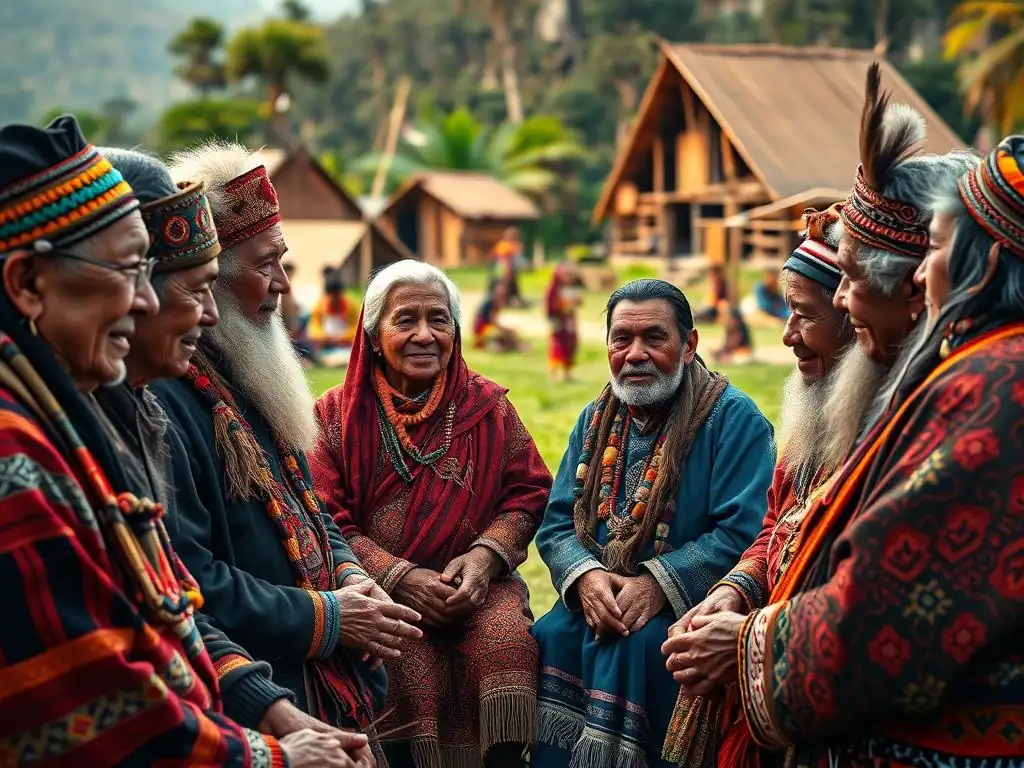
Welcome to Indigenous Civilizations of the Americas, where we embark on an enlightening journey through the rich tapestry of indigenous cultures that flourished long before European contact. In our featured article, "Comparative Analysis of Social Structures Across Different Indigenous Cultures," we delve into the intricate social structures that defined these societies, revealing their unique achievements and enduring legacies. Prepare to challenge your perceptions and uncover the profound ways these cultures have shaped the world we know today. Join us as we explore, learn, and celebrate the vibrant histories that continue to resonate.
The indigenous cultures of the Americas represent a rich tapestry of societies that flourished long before European colonization. Each culture developed unique social systems that defined their communities, economies, and governance. Understanding these indigenous cultures' social structures is pivotal for appreciating their complexity and the profound impact they had on the world. This article aims to conduct a comparative analysis of the social structures across various indigenous cultures, revealing how these frameworks shaped their daily lives, interactions, and legacies.
Overview of Indigenous Cultures in the Americas
The Americas are home to a vast array of indigenous cultures, each with its own history, language, and traditions. From the sophisticated urban centers of the Aztecs and Incas to the nomadic lifestyles of the Plains tribes, these cultures exhibit remarkable diversity.
- Major Civilizations:
- Maya: Known for their advanced mathematics, astronomy, and hieroglyphic writing.
- Inca: Notable for their extensive road systems and centralized governance.
- Navajo: Renowned for their intricate weaving and silversmithing.
This diversity illustrates the myriad ways that indigenous peoples adapted to their environments and organized their societies.
Importance of Social Structures in Indigenous Societies
Social structures in indigenous societies were essential for maintaining order, distributing resources, and fostering community bonds. These structures often dictated social roles, responsibilities, and power dynamics within communities. They played a crucial role in:
- Resource Management: Ensuring equitable distribution of resources such as land, food, and labor.
- Cultural Preservation: Maintaining traditions, languages, and beliefs through structured community roles.
- Conflict Resolution: Providing frameworks for mediation and conflict resolution within and between groups.
Understanding social structures is vital not only for historical context but also for recognizing the enduring influence these cultures have on contemporary society.
Definition of Social Structures in Indigenous Cultures
Social structures in indigenous cultures refer to the organized systems that define how individuals and groups interact within a society. This includes:
- Hierarchy: The ranking of individuals based on factors such as age, gender, lineage, or achievements.
- Roles and Responsibilities: Clearly defined duties for community members, often linked to cultural beliefs and practices.
- Kinship Systems: The familial networks that influenced social organization, marriage practices, and inheritance.
These elements combined create a framework that supports social cohesion and cultural continuity.
Common Features Across Different Indigenous Cultures
Despite the vast differences among indigenous cultures, several common features can be identified in their social structures:
- Elders: Often held in high regard, elders typically acted as leaders, advisors, and keepers of tradition.
- Community Orientation: A collective approach to living, where the welfare of the group often took precedence over individual desires.
- Spiritual Leadership: Many cultures integrated spiritual leaders into their social hierarchy, reflecting the deep connection between spirituality and daily life.
These features highlight the shared values and beliefs that underpin the social fabrics of indigenous cultures across the Americas, illustrating how they maintain their identity and resilience in the face of change.
Understanding the social structures of various indigenous cultures provides insight into their unique societal organization and cultural values. Here, we explore the social structures of four significant indigenous cultures: the Iroquois Confederacy, the Aztec Empire, the Inca Civilization, and the Plains Native American Tribes. Each of these societies demonstrates distinct features that reflect their environment, historical context, and social dynamics.
Social Structure of the Iroquois Confederacy
The Iroquois Confederacy, also known as the Haudenosaunee, was a sophisticated political union consisting of several Native American tribes, including the Mohawk, Oneida, Onondaga, Cayuga, Seneca, and later the Tuscarora. Their social structure was matrilineal, meaning lineage and inheritance were traced through the mother’s line. Women held significant power in choosing chiefs and had authoritative roles in community decision-making.
The Iroquois society was organized into clans, each represented by a totem, which played a crucial role in social identity and governance. The Grand Council, composed of representatives from each tribe, was pivotal for discussions and decisions affecting the Confederacy. This democratic system emphasized collective decision-making and consensus, which was foundational in maintaining peace and cooperation among the tribes.
Social Structure of the Aztec Empire
The Aztec Empire's social structure was hierarchical and complex, characterized by a clear stratification of classes. At the top were the ruling class, including the emperor (tlatoani), nobles, and priests, who held significant political and religious power. Below them were the merchants and artisans, who contributed to the economy through trade and craftsmanship.
Commoners, known as macehualtin, made up the majority of the population and were primarily engaged in agriculture. They had limited rights but could rise in status through military achievements or successful trade. At the bottom of the social hierarchy were the slaves (tlacotin), who were typically prisoners of war or individuals in debt. The rigid social structure of the Aztec Empire reflected their beliefs in divine order and the importance of maintaining social harmony.
Social Structure of the Inca Civilization
The Inca Civilization boasted a highly centralized and hierarchical social structure, with the Sapa Inca at the apex, believed to be a descendant of the sun god. The Inca society was organized into ayllus, which were clans or extended family groups that formed the basic unit of Incan society. Each ayllu was responsible for agricultural production and communal labor.
The nobility, known as the Inca elite, played crucial administrative and religious roles, managing various regions within the empire. Below them were the common people, who were primarily farmers and laborers. The Inca used a system called mit'a, which required citizens to perform labor for the state in exchange for land and resources. This structure reinforced the importance of collective effort and loyalty to the state while ensuring the empire's efficient administration and resource distribution.
Social Structure of the Plains Native American Tribes
The Plains Native American Tribes, including the Sioux, Cheyenne, and Comanche, had social structures that varied among tribes but generally featured a balance between egalitarian principles and leadership roles. These tribes were often organized into bands or extended family units, with leadership typically held by chiefs chosen for their wisdom, bravery, and ability to lead during hunts or conflicts.
While men often took on roles as hunters and warriors, women played essential roles in managing the household and community, including gathering food and crafting essential goods. The social structure was fluid, allowing for mobility based on individual contributions to the tribe. This adaptability was essential for survival in the challenging environments of the Great Plains, emphasizing cooperation and resilience among tribe members.
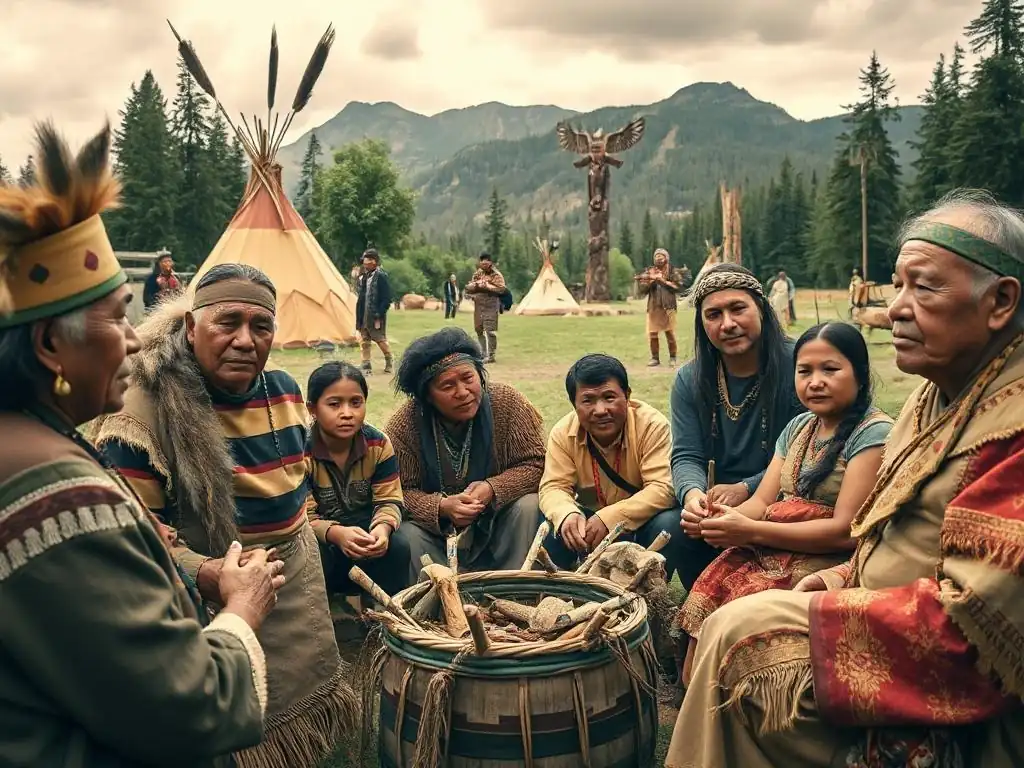
The comparative analysis of social structures across different indigenous cultures reveals both shared traits and distinct differences, reflecting their unique adaptations to environmental and social contexts.
Similarities in Social Structures of Indigenous Cultures
Across the examined indigenous cultures, several commonalities emerge:
- Collective Identity: Most cultures emphasized family and clan ties, fostering a strong sense of community and shared responsibility.
- Roles of Women: In many societies, women held crucial roles, whether in governance or economic contributions, illustrating their importance in maintaining social order.
- Leadership Selection: Many cultures utilized a system of merit-based leadership, selecting chiefs or leaders based on skills, wisdom, and contributions to the community rather than solely hereditary status.
Differences in Social Structures of Indigenous Cultures
While similarities exist, notable differences also characterize the social structures:
- Hierarchy vs. Egalitarianism: The Aztec and Inca civilizations displayed rigid hierarchical systems, whereas the Plains tribes often practiced more egalitarian principles, allowing for greater social mobility.
- Lineage Systems: The Iroquois Confederacy's matrilineal structure contrasts sharply with the patrilineal tendencies seen in many other cultures, such as the Aztecs and Incas, affecting inheritance and social roles.
- Political Organization: The centralized governance of the Aztec and Inca empires differed significantly from the decentralized, clan-based systems of the Iroquois and Plains tribes, indicating varied approaches to political organization and authority.
By examining these case studies and comparative analyses, we gain a deeper understanding of the rich tapestry of social structures within indigenous cultures, highlighting their resilience, adaptability, and the profound influence these systems have had on their historical legacies.
Social structures in indigenous cultures significantly shaped their social dynamics, governance, and community interactions. These structures often dictated roles, responsibilities, and the distribution of resources, impacting everything from daily life to ceremonial practices. For instance, among the Iroquois Confederacy, a complex matrilineal system emphasized women's roles in decision-making, showcasing how social structure influenced political power and community cohesion.
In contrast, the hierarchical systems of the Aztec civilization created distinct classes, including nobles, priests, and commoners, which established a clear social order. This stratification allowed for specialized roles within society but also led to vast disparities in wealth and power. The impact of these social structures was profound, as they not only structured daily life but also shaped the cultural identity, traditions, and values of each group.
Moreover, the adaptability of these social structures played a crucial role in the resilience of indigenous cultures in the face of external pressures, including colonization. Many communities redefined their social hierarchies to maintain stability and cultural continuity, demonstrating the significance of social structures in the survival and evolution of indigenous identities.
Social Structures and Cultural Identity
Cultural identity among indigenous groups is deeply intertwined with their social structures. These frameworks not only define relationships within communities but also reinforce shared beliefs and traditions. For example, among the Plains tribes, the social structure often revolved around kinship ties and communal living, which fostered a strong sense of belonging and collective identity. Ceremonies and rituals were typically organized within these structures, emphasizing the importance of community over individualism.
In many cases, social structures also served as a means of preserving cultural heritage. The Inca Empire's extensive system of labor, known as the "mit'a," was not merely an economic system; it was also a way to integrate diverse ethnic groups into a cohesive cultural identity. Through shared labor and communal projects, individuals contributed to the greater good, reinforcing their connection to the Incan culture.
Furthermore, social structures often facilitated the transmission of knowledge and traditions across generations. Elders held significant authority within tribes, serving as custodians of history and culture, which was critical for maintaining the community's identity. As a result, the social structures of indigenous cultures play a vital role in shaping and perpetuating their cultural identities.
Legacy of Indigenous Social Structures in Modern Society
The legacies of ancient indigenous social structures continue to influence modern societies, particularly in regions with significant indigenous populations. Many contemporary indigenous communities retain elements of their traditional social hierarchies, adapting them to modern contexts while preserving cultural values. For instance, in some Native American tribes, council systems reflect traditional governance structures, promoting participatory decision-making and respecting the voices of elders and women.
Additionally, the recognition of indigenous rights and self-determination underscores the importance of understanding these historical social structures. Modern legal frameworks often aim to honor and integrate indigenous governance models, acknowledging their significance in contemporary society. This has led to a resurgence of interest in traditional practices and values, as communities seek to reclaim their cultural heritage.
Moreover, the influence of indigenous social structures can be observed in broader societal movements advocating for social justice and environmental stewardship. These movements often draw on indigenous philosophies that emphasize community, sustainability, and respect for nature, showcasing the enduring impact of indigenous cultures on modern societal values.
Conclusion
Summary of Findings on Indigenous Cultures Social Structures
The analysis of social structures across various indigenous cultures reveals a rich tapestry of governance, community organization, and identity formation. Each culture developed unique systems that not only facilitated daily life but also reinforced cultural values and communal ties. The interplay between social structures and cultural identity is evident in practices ranging from kinship systems to collective rituals, highlighting the importance of these frameworks in shaping indigenous experiences.
Furthermore, the legacy of these social structures persists in contemporary society, influencing modern governance, cultural revitalization, and social movements. By understanding the complexities of indigenous social structures, we can appreciate the depth of their cultural heritage and the resilience of their communities.
The Importance of Understanding Diverse Social Structures in Cultural Heritage
Understanding the diverse social structures of indigenous cultures is essential for several reasons. Firstly, it fosters greater respect and appreciation for the complexities of their histories and experiences. Recognizing that these societies have sophisticated frameworks for governance and community life challenges stereotypes and misconceptions often held about indigenous peoples.
Secondly, such understanding can inform current discussions about social justice, rights, and cultural preservation. By acknowledging the historical context of indigenous social structures, policymakers and society at large can work towards more equitable solutions that honor indigenous voices and rights.
Lastly, exploring these social structures enriches our collective cultural heritage. Indigenous cultures offer valuable insights into sustainable living, community resilience, and the importance of interconnectedness—lessons that are increasingly relevant in today's globalized world. Thus, a comprehensive understanding of indigenous social structures is crucial not only for historical appreciation but also for fostering a more inclusive and respectful society.
- Introduction to Indigenous Cultures and Social Structures
- Key Elements of Indigenous Cultures Social Structures
- Case Studies of Social Structures in Indigenous Cultures
- Comparative Analysis of Social Structures
- Impact of Social Structures on Indigenous Cultures
- Conclusion
- What are the main social structures observed in indigenous cultures of the Americas?
- How did geography impact the social structures of different indigenous cultures?
- What is the significance of leadership roles in indigenous societies?
- How did gender roles vary among different indigenous cultures?
- What lasting impacts have indigenous social structures had on modern societies?
Frequently Asked Questions
Indigenous cultures exhibited diverse social structures, often organized around kinship, communal living, and tribal affiliations, which influenced their social roles and responsibilities.
Geography played a crucial role in shaping social structures, as it dictated resource availability, settlement patterns, and interactions with neighboring tribes, leading to unique adaptations in each culture.
What is the significance of leadership roles in indigenous societies?
Leadership roles in indigenous cultures were often based on wisdom, experience, and respect, rather than wealth or power, highlighting the importance of community consensus and collective decision-making.
How did gender roles vary among different indigenous cultures?
Gender roles varied significantly, with some cultures emphasizing matrilineal systems where women held prominent positions, while others had more patriarchal structures, reflecting the diversity of practices.
The social structures of indigenous cultures have influenced contemporary views on community, governance, and sustainability, offering valuable lessons in cooperation and respect for the environment.
The exploration of indigenous cultures and their social structures is more relevant today than ever, as we strive to understand the diverse ways in which communities organize themselves and interact with their environments. In a world that often prioritizes homogenization, recognizing the unique social frameworks of indigenous peoples offers invaluable insights into resilience, sustainability, and community cohesion. This understanding not only enriches our global perspective but also challenges us to rethink our own societal norms.
The intricate social structures of indigenous cultures serve as a testament to the adaptability and wisdom of these communities in navigating their environments and histories. As we observe the ongoing influence of these structures in contemporary society, it becomes clear that they hold lessons for us all. Indigenous cultures remind us that there are countless ways to live in harmony with the earth and each other.
This acknowledgment of diverse social systems encourages a deeper appreciation for cultural pluralism and the importance of preserving these rich traditions.
As we conclude this exploration, I invite you to reflect on the lessons learned from the social structures of indigenous cultures. Consider how these insights can inform your own life and interactions within your community. Whether through advocacy, education, or simply fostering a greater understanding of cultural diversity, each of us has a role to play in honoring and uplifting these voices. Let us carry forward the wisdom of indigenous cultures, integrating their teachings into our own social frameworks for a more inclusive and harmonious future.
Unveil the Richness of Indigenous Cultures Today!
Thank you for diving into our exploration of the diverse social structures across indigenous cultures! We hope you gained valuable insights that deepen your appreciation for the vibrant tapestry of these civilizations. Now, it's time to take action and further enrich your understanding.
Here are some specific steps you can take:
- Join a local cultural event or workshop to experience indigenous practices firsthand.
- Explore books or documentaries that delve deeper into the unique social customs of various indigenous groups.
- Share your discoveries with friends and family to raise awareness about the importance of preserving indigenous heritage.
Which indigenous culture or social structure fascinates you the most, and how can you contribute to its preservation?