
From CityStates to Empires: The Evolution of Mesoamerican Governance

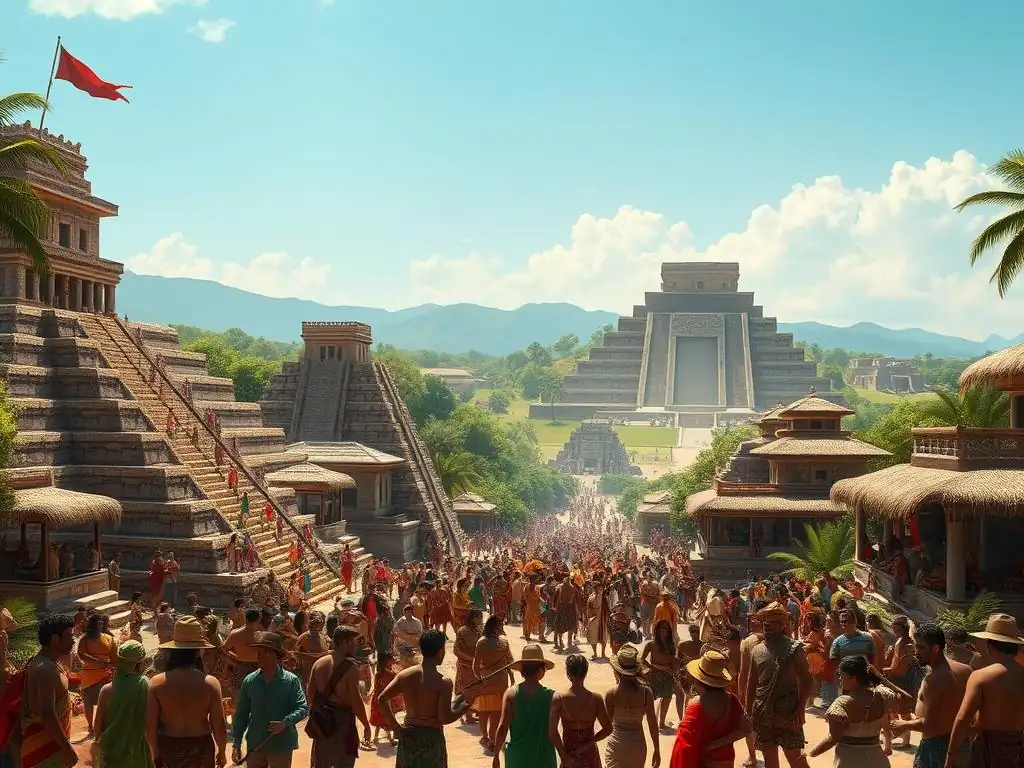
Welcome to Indigenous Civilizations of the Americas, where we invite you to embark on a fascinating journey through the rich tapestry of indigenous cultures that flourished across the Americas long before the arrival of European explorers. In our featured article, "From City-States to Empires: The Evolution of Mesoamerican Governance," we delve into the complex and innovative governance systems that shaped Mesoamerican societies, revealing the profound achievements and societal structures that laid the groundwork for future civilizations.
Prepare to uncover the intricate histories and vibrant cultures that continue to resonate today, and let your curiosity guide you as you explore the profound legacy of these remarkable peoples.
- Introduction to Mesoamerican Governance Systems History
- The Origins of Mesoamerican City-States
- Transition from City-States to Empires
- Prominent Mesoamerican Empires and Their Governance
- Governance Systems: Social Hierarchy and Political Organization
- Decline of Mesoamerican Governance Structures
- Conclusion: The Evolution of Governance in Mesoamerica
-
Frequently Asked Questions
- What were the primary governance systems in Mesoamerica?
- How did governance evolve in Mesoamerican civilizations?
- What role did religion play in Mesoamerican governance?
- How did Mesoamerican governance systems influence their societies?
- What is the significance of studying Mesoamerican governance systems today?
- Final Reflection: The Enduring Legacy of Mesoamerican Governance
- Unveil the Legacy: Take Action Today!
Introduction to Mesoamerican Governance Systems History
The history of Mesoamerican governance systems is a fascinating journey that unveils the intricate political landscapes of ancient civilizations across the Americas. From the monumental city-states of the Maya to the vast empires of the Aztec, these societies developed sophisticated systems of governance that not only facilitated the administration of their people but also played a crucial role in shaping their cultural identities.
Understanding the evolution of Mesoamerican governance is essential to appreciating the complexity of these indigenous societies and their lasting legacies, which continue to influence contemporary cultures. This article delves into the nuanced history of Mesoamerican governance systems, highlighting their remarkable achievements and the various factors that contributed to their development.
Overview of Mesoamerican Civilizations
Mesoamerican civilizations, which flourished in regions that now comprise modern-day Mexico, Guatemala, Belize, Honduras, and El Salvador, were characterized by their rich cultural traditions, technological innovations, and unique forms of governance. Key civilizations include:
- Olmec (c. 1200 - 400 BCE): Often regarded as the "mother culture" of Mesoamerica, the Olmecs established early forms of governance and societal organization, evident in their ceremonial centers like La Venta.
- Maya (c. 2000 BCE - 1500 CE): Known for their advanced writing systems, mathematics, and astronomy, the Maya had complex city-states governed by a class of noble rulers. Each city-state operated independently but shared cultural and trade connections.
- Teotihuacan (c. 100 BCE - 650 CE): This influential city is noted for its massive urban layout and multi-ethnic population. Its governance system remains a subject of debate, with theories suggesting a collective leadership model.
- Aztec (c. 1345 - 1521 CE): The Aztec Empire, centered around Tenochtitlan, is one of the most iconic Mesoamerican civilizations, characterized by a centralized governance structure, tribute systems, and a pantheon of deities that influenced political decisions.
These civilizations established governance frameworks that included religious, military, and administrative roles, shaping their social hierarchies and interactions with neighboring cultures.
Importance of Governance in Indigenous Societies
Governance in Mesoamerican societies was not merely a means of control but a vital component of their cultural fabric. It played a crucial role in:
- Social Organization: Governance structures defined social roles and responsibilities, influencing everything from agriculture to trade and warfare. For example, the division of labor in Maya society was often dictated by the ruling class's decisions.
- Cultural Identity: Leadership was often intertwined with religious beliefs, where rulers were seen as divine intermediaries. This connection fostered a sense of unity and purpose among the populace, reinforcing cultural identity.
- Economic Management: Effective governance facilitated resource allocation, trade relations, and agricultural production, which were essential for sustaining large populations. The tribute system of the Aztecs is a prime example of economic governance that supported their expansive empire.
- Conflict Resolution: Governance systems provided frameworks for resolving disputes, both within societies and among different groups. This was critical in maintaining social harmony and stability, especially in regions with diverse populations.
The governance systems of Mesoamerican civilizations were complex and multifaceted, serving as the backbone of their societies. Understanding these systems provides valuable insights into how indigenous cultures navigated challenges and thrived long before European contact.
The Origins of Mesoamerican City-States
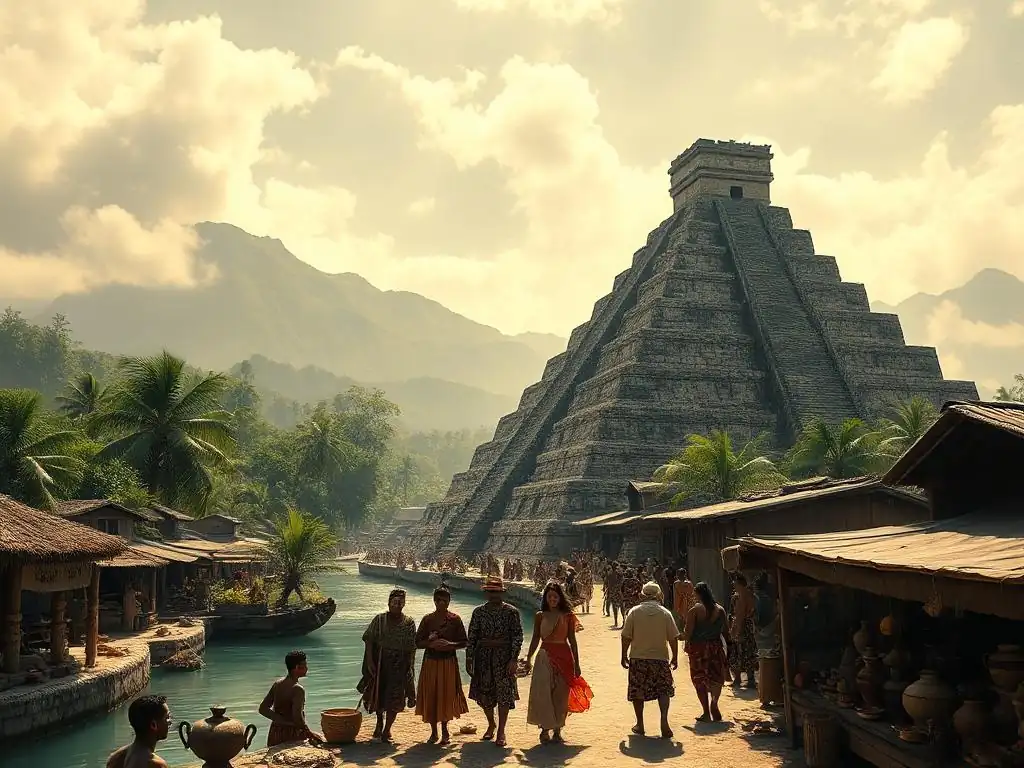
Defining City-States in Mesoamerican Context
In the context of Mesoamerican governance systems history, city-states were independent political entities that emerged in the region, characterized by their urban centers and surrounding territories. These city-states, often referred to as altepetl in Nahuatl, functioned as microcosms of political, social, and economic activity. Each city-state had its own ruling elite, typically composed of a king or a group of leaders, along with a distinct set of laws and customs.
City-states in Mesoamerica differed significantly from the European concept of a city-state. While European city-states tended to focus on trade and commerce, Mesoamerican city-states were deeply intertwined with religion and agriculture. The governance structure of these city-states was often theocratic, with rulers believed to be chosen by the gods, serving both as political leaders and high priests. This dual role reinforced their authority and justified their power over the populace.
Key Characteristics of Early Mesoamerican Governance
Early Mesoamerican governance systems showcased a variety of characteristics that set them apart from other societal structures. Here are some of the most notable features:
- Decentralized Power: Power was often distributed among multiple city-states rather than centralized in one location. This led to a competitive environment where city-states vied for resources, territory, and influence.
- Religious Authority: Religion played a central role in governance. Rulers often served as intermediaries between the gods and the people, leading rituals and ceremonies that reinforced their power.
- Social Hierarchy: Mesoamerican societies were typically stratified, with a clear distinction between the ruling elite, priesthood, warriors, and commoners. This hierarchy influenced governance, as elites made decisions that affected the entire community.
- Tributary Systems: Many city-states established tributary relationships with surrounding regions, demanding tribute in exchange for protection and trade. This economic system was crucial for sustaining the city-state's resources and power.
- Cultural Exchange: City-states often engaged in trade and cultural exchange, leading to shared practices and innovations. This interconnectedness helped to shape governance systems as ideas and strategies spread across regions.
The combination of these characteristics contributed to the dynamic and fluid nature of Mesoamerican governance, allowing for the rise and fall of various city-states over time.
Case Study: The Rise of Teotihuacan
Teotihuacan serves as a prime example of a powerful Mesoamerican city-state that emerged around 200 BCE and reached its height between 250 and 600 CE. Its governance structure was unique and has been the subject of extensive research.
- Urban Planning: Teotihuacan was renowned for its sophisticated urban planning, featuring a grid layout and monumental architecture, including the Pyramid of the Sun and the Pyramid of the Moon. This planning reflected the city-state's organized governance and social order.
- Multi-Ethnic Society: The population of Teotihuacan was diverse, comprising various cultures and ethnic groups. The governance system adapted to this diversity, fostering a sense of unity while allowing for individual cultural identities.
- Economic Power: Teotihuacan controlled trade routes and was a hub for commerce, which greatly contributed to its wealth and influence. The city-state's rulers established trade agreements that facilitated economic stability and growth.
- Religious Influence: Religion played a crucial role in the governance of Teotihuacan. The rulers constructed temples and engaged in rituals that reinforced their authority and connected the populace to their gods.
- Decline and Legacy: By the 7th century, Teotihuacan experienced a decline, possibly due to internal strife and external pressures. However, its influence on subsequent Mesoamerican governance systems remained significant, as many later civilizations, such as the Toltecs and Aztecs, drew inspiration from Teotihuacan's governance practices and architectural achievements.
The rise of Teotihuacan illustrates the complexities and innovations within Mesoamerican governance systems and highlights the lasting impact these city-states had on the region's history.
Transition from City-States to Empires
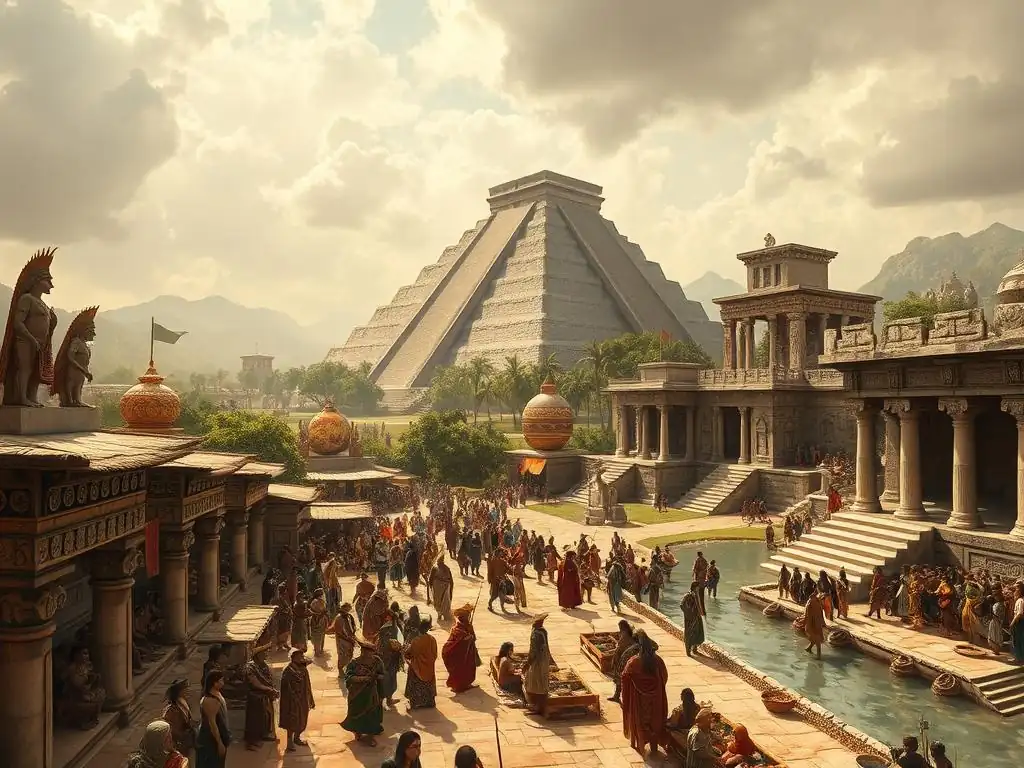
The transition from city-states to empires in Mesoamerica marks a significant evolution in governance systems, characterized by increasing complexity, centralized authority, and expansive territorial control. This shift was not merely a change in political organization but also a reflection of economic, social, and cultural transformations that occurred over centuries. Key civilizations such as the Olmecs, Maya, and later the Aztecs illustrate distinct phases of governance evolution, culminating in the establishment of powerful empires that exerted influence over vast regions.
Factors Driving the Evolution of Governance
Several factors contributed to the transition from city-states to empires in Mesoamerica:
- Agricultural Innovations: Advances in agricultural techniques, including the development of raised-field agriculture and terrace farming, allowed for increased food production. This surplus supported larger populations and enabled the growth of urban centers.
- Population Growth: As food production improved, populations in Mesoamerican societies began to grow significantly. Larger populations necessitated more complex governance structures to manage resources, social order, and defense.
- Cultural Integration: The spread of cultural practices and religious beliefs across regions fostered a sense of shared identity. This cultural cohesion facilitated alliances and the eventual unification of smaller city-states into larger political entities.
- Leadership and Authority: Strong leaders emerged who could consolidate power and influence. Charismatic rulers often claimed divine right or ancestral lineage to legitimize their authority, encouraging loyalty among subjects and facilitating governance over larger territories.
- Technological Advancements: Innovations in writing, mathematics, and astronomy enabled more sophisticated record-keeping and administrative practices, improving the efficiency of governance and resource management.
The Role of Trade and Warfare in Political Expansion
Trade and warfare were pivotal in the evolution of Mesoamerican governance systems, serving as catalysts for political expansion and the establishment of empires.
- Economic Networks: Trade routes connected various city-states, facilitating the exchange of goods, ideas, and cultural practices. This interdependence encouraged political alliances and the integration of smaller states into larger empires as powerful leaders sought to control trade networks.
- Military Conquest: Warfare played a crucial role in empire-building. Conquerors such as the Aztecs employed military might to subjugate neighboring city-states, expanding their territory and resources. Warfare not only provided immediate gains in land and wealth but also helped to establish dominance and control over diverse populations.
- Tribute Systems: Conquered city-states were often required to pay tribute to their empire, reinforcing the economic power of the ruling entity. This tribute system created a network of economic dependency that further solidified the empire's influence over its subjects.
- Cultural Exchange: The interactions fostered by trade and warfare led to cultural syncretism, where conquered people adopted elements of the ruling culture, thereby enhancing the legitimacy of governance and promoting stability within the empire.
Comparative Analysis: City-States vs. Early Empires
The governance structures of Mesoamerican city-states and early empires reveal distinct differences and similarities that highlight the evolution of political organization.
| Aspect | City-States | Early Empires |
|---|---|---|
| Political Structure | Decentralized; governed by local leaders | Centralized; ruled by a singular authority |
| Size and Territory | Smaller, often competing for resources | Larger, unified territories |
| Economic Systems | Local economies based on agriculture and trade | Extensive tribute systems and trade routes |
| Military Organization | Independent militias; sporadic conflicts | Standing armies; organized military campaigns |
| Cultural Influence | Unique cultural identities | Cultural homogenization through conquest |
The trajectory from city-states to empires in Mesoamerica illustrates a complex interplay of various factors driving governance evolution. Understanding these dynamics is crucial for comprehending the broader history of Mesoamerican governance systems, which laid the groundwork for the sophisticated civilizations that flourished before European contact.
Prominent Mesoamerican Empires and Their Governance
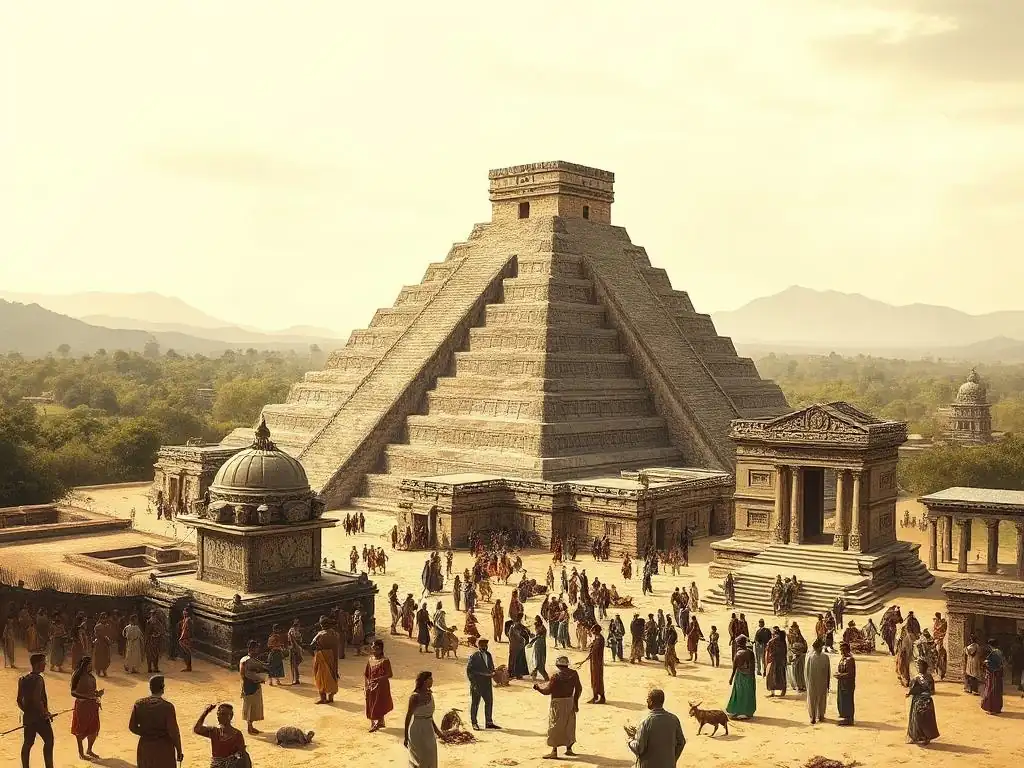
The Aztec Empire: Centralized Governance and Tribute Systems
The Aztec Empire, which flourished from the 14th to the 16th centuries, is renowned for its intricate governance structure that combined centralized authority with a sophisticated tribute system. At the heart of this empire was the Tlatoani, or ruler, who held absolute power and was considered a divine figure. The Aztec governance system was characterized by its hierarchical nature, which allowed for effective administration over a vast territory.
The Aztecs implemented a tribute system that required conquered city-states to pay tributes in various forms, including goods, labor, and military support. This system not only reinforced the economic stability of the empire but also fostered a sense of dependency among the subjugated peoples. The tributes were meticulously recorded and managed through a network of local governors known as calpullis, who oversaw the collection of tributes and the administration of justice within their jurisdictions.
Key features of the Aztec governance system include:
- Centralization of Power: The Tlatoani wielded significant authority, with decisions impacting vast regions of the empire.
- Tribute Collection: A structured system ensured that tributes were collected efficiently, reflecting the empire's wealth and power.
- Military Organization: The empire maintained a formidable military to protect its interests and enforce tribute collection.
The Aztecs' centralized governance and tribute systems played a crucial role in maintaining control over diverse cultures and territories, showcasing an advanced understanding of political administration that influenced subsequent Mesoamerican civilizations.
The Maya Civilization: City-States and Regional Governance
In contrast to the Aztecs, the Maya Civilization was composed of numerous city-states, each with its own distinct governance structure. The political landscape of the Maya was marked by a decentralized system where each city-state operated independently, often engaged in alliances or rivalries with one another. This political fragmentation contributed to a rich tapestry of governance characterized by regional variation.
Each Maya city-state was governed by a Kuhul Ajaw (Holy Lord), who was both a political and spiritual leader. The role of the ruler was crucial, as they were believed to maintain the favor of the gods and ensure the prosperity of their city-state. Governance was also supported by a class of nobles and priests who advised the ruler and held significant influence over political and religious matters.
Key aspects of Maya governance include:
- Decentralized Authority: The independence of city-states led to diverse political structures.
- Religious Influence: The intertwining of political and religious leadership reinforced the authority of rulers.
- Complex Alliances: City-states often formed alliances for trade, military support, or territorial expansion, showcasing a dynamic political landscape.
The fragmented governance of the Maya civilization facilitated a variety of cultural expressions and political systems, allowing for remarkable advancements in architecture, mathematics, and astronomy.
The Mixtec and Zapotec Influence on Governance Structures
The Mixtec and Zapotec civilizations, located primarily in present-day Oaxaca, played a significant role in shaping the governance structures of Mesoamerica. Both cultures developed complex political systems that influenced neighboring regions, demonstrating the interconnectedness of Mesoamerican governance.
The Zapotec civilization, known for its city of Monte Albán, established a theocratic system where rulers were believed to be divinely chosen. The Zapotecs utilized a hierarchical structure that combined political and religious authority, with rulers overseeing both governance and spiritual practices. This dual role allowed for cohesive leadership that reinforced social order.
In contrast, the Mixtec civilization developed a more fragmented governance system characterized by numerous small polities. Each polity was ruled by a civic leader who held power over local affairs, yet the Mixtecs also engaged in broader regional politics through alliances and marriages. This approach allowed them to adapt to changing circumstances and foster relationships with other city-states.
Influential elements of Mixtec and Zapotec governance include:
- Theocratic Leadership: Religious authority was integral to governance, particularly in Zapotec culture.
- Regional Alliances: Both civilizations formed alliances that extended their influence and facilitated trade.
- Cultural Exchange: The interaction between Mixtec and Zapotec governance structures led to shared practices and innovations.
The governance systems of the Mixtec and Zapotec civilizations illustrate the diversity of political organization in Mesoamerica, highlighting the adaptability and complexity of indigenous governance prior to European contact.
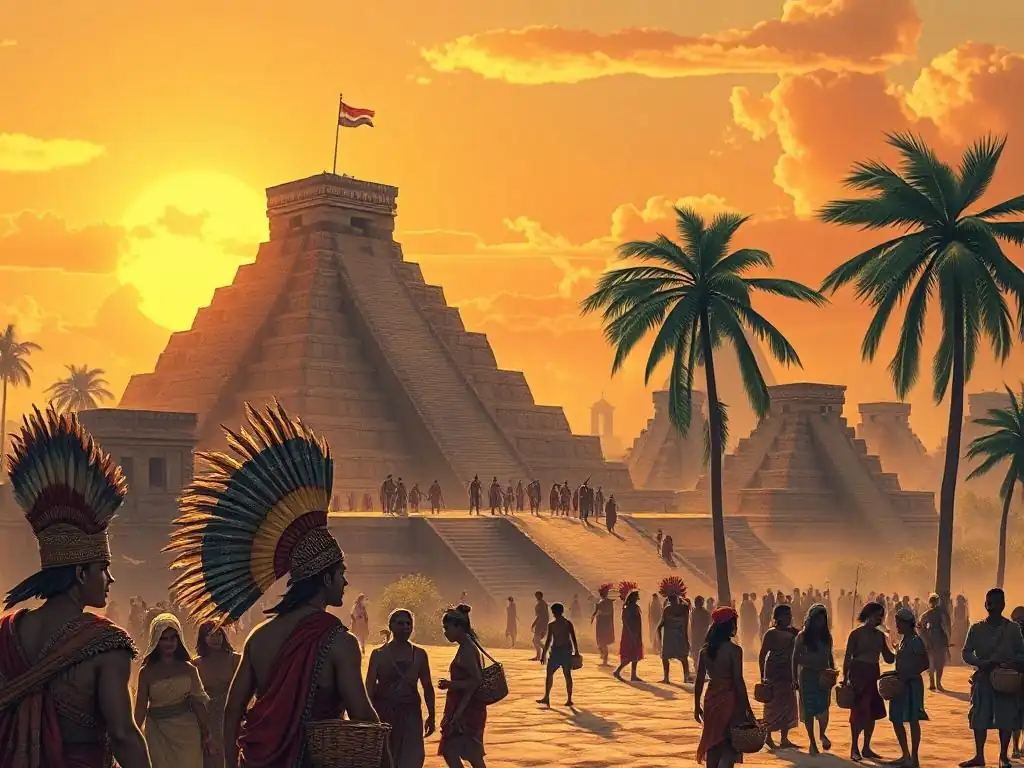
Mesoamerican governance systems were characterized by complex social hierarchies and political organizations that evolved significantly over time. These systems were not only instrumental in managing the day-to-day affairs of their societies but also played a crucial role in maintaining social order and cultural continuity. The governance structures varied across different regions and civilizations, but common elements can be identified that illustrate the intricate web of power and authority that defined Mesoamerican societies.
The Role of Nobility in Mesoamerican Governance
In Mesoamerican civilizations, the nobility held a pivotal role in governance, often serving as the ruling elite who wielded significant political power. This class was primarily composed of high-ranking officials, military leaders, and priests, who were believed to be of noble birth and thus entitled to rule. The nobility was responsible for making critical decisions regarding warfare, commerce, and religious practices, which were essential to maintaining the stability and prosperity of their city-states.
- Elite Governance: The nobility often governed through a system of councils, where decisions were made collectively. These councils comprised various members of the elite who represented different sectors of society, including military, religious, and economic interests.
- Land Ownership: Nobles typically owned large tracts of land, which were worked by commoners. This land ownership not only provided them with wealth but also solidified their power, as they were able to control agricultural production and resources.
- Patronage Systems: Nobles engaged in patron-client relationships, where they provided protection and resources to lower classes in exchange for loyalty and service. This system helped to reinforce the social hierarchy and ensured the nobility's continued dominance.
Religion played a significant role in shaping Mesoamerican governance systems, as political authority was often intertwined with religious beliefs and practices. The rulers were frequently viewed as divine or semi-divine figures, believed to be chosen by the gods to govern the people.
- Divine Right to Rule: Many Mesoamerican leaders claimed divine descent, which legitimized their authority. This belief was crucial for maintaining social order, as it fostered a sense of loyalty and reverence among the population.
- Rituals and Ceremonies: State-sponsored religious ceremonies were integral to governance. These rituals not only served to appease the gods but also reinforced the ruler's status, as they were often the central figures in these events. For example, the Aztec ruler would conduct elaborate ceremonies to ensure agricultural fertility and military success.
- Temples as Political Hubs: Temples were not only religious centers but also served as administrative hubs where political decisions were made. The close relationship between religious leaders and political rulers often resulted in a governance model that prioritized spiritual well-being alongside political stability.
Gender Roles within Mesoamerican Governance Systems
Gender roles in Mesoamerican governance systems were complex and varied across different cultures. While men predominantly occupied positions of power, women also played vital roles within their societies.
- Male Dominance in Governance: Generally, men held the majority of political positions, including rulers and high-ranking officials. Their roles were often associated with warfare, diplomacy, and economic management, reflecting the patriarchal nature of these societies.
- Influence of Women: Despite the male-dominated landscape, women could wield significant influence, particularly in familial and religious contexts. Women from noble families could act as regents or advisors, and some even led their city-states during times of crisis.
- Cultural Representations: Art and mythology often depicted women in roles that emphasized their importance within the social fabric. Female deities, such as those associated with fertility and agriculture, were venerated, reflecting the recognition of women's contributions to society.
The study of Mesoamerican governance systems reveals a rich tapestry of social hierarchies, political organization, and cultural influences. Understanding these dynamics provides valuable insights into the complexities of Mesoamerican societies and their legacies that continue to resonate today.
Decline of Mesoamerican Governance Structures
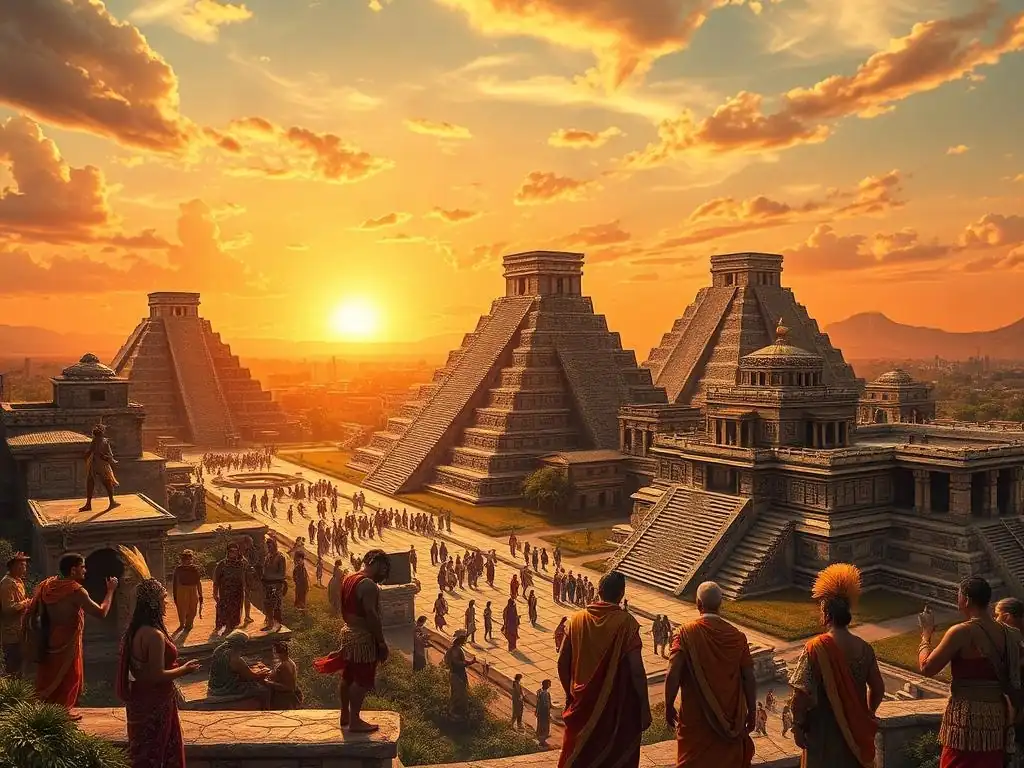
The decline of Mesoamerican governance structures, particularly during the late Postclassic period leading into the arrival of European colonizers, marked a significant transformation in the political landscape of the region. Various internal and external factors contributed to this decline, which fundamentally altered the way societies were organized and governed.
Internal and External Factors Leading to Decline
The decline of Mesoamerican governance systems can be attributed to a complex interplay of internal strife and external pressures.
Internal Factors:
- Political Fragmentation: Major civilizations, such as the Aztecs and the Maya, experienced political fragmentation. As city-states grew in power, rivalries intensified, leading to conflicts that weakened centralized authority.
- Socio-Economic Disparities: Increased social stratification contributed to discontent among lower classes. This unrest often manifested in revolts against ruling elites, undermining traditional governance structures.
- Cultural Shifts: As trade networks evolved and cultural exchanges increased, traditional governance systems faced challenges from emerging ideologies and belief systems that questioned established authority.
External Factors:
- Environmental Changes: Climatic shifts, including prolonged droughts, negatively impacted agriculture, leading to food shortages and societal strain. This environmental stress resulted in reduced stability within governance systems.
- Increased Warfare: Heightened inter-state conflict, driven by competition for resources and territorial expansion, created a militarized environment that diverted focus from governance and societal well-being.
- European Colonization: The arrival of Europeans brought about unprecedented changes that disrupted existing governance structures, leading to their eventual decline.
The Impact of European Colonization on Governance
The arrival of European colonizers in the 16th century marked a definitive turning point for Mesoamerican governance systems.
- Imposition of New Political Structures: The Spanish colonizers implemented their own governance systems, often disregarding existing indigenous political frameworks. This led to the establishment of viceroyalties and other colonial administrative units that marginalized indigenous governance.
- Cultural Assimilation and Resistance: European powers sought to impose their culture and governance models, leading to a blend of indigenous and colonial systems. While some indigenous leaders adapted to the new governance structures, others resisted, leading to significant conflicts, such as the Pueblo Revolt in 1680.
- Decimation of Leadership: The introduction of diseases by Europeans resulted in demographic collapse among indigenous populations, severely weakening the political structures that relied on strong leadership and communal organization.
Lasting Legacies of Mesoamerican Governance Systems
Despite the decline and transformation of Mesoamerican governance systems due to colonization, their legacies continue to influence contemporary societies in various ways.
- Cultural Heritage: Many modern-day governance practices in Mexico and Central America retain elements of indigenous systems, including communal land management and local governance traditions.
- Legal Systems: The use of customary laws and indigenous practices in modern legal frameworks can be traced back to Mesoamerican governance, showcasing a blend of traditional and colonial influences.
- Social Organization: Community-based governance models, such as those found in Zapatista-controlled regions, reflect the enduring influence of Mesoamerican political organization, emphasizing collective decision-making and local autonomy.
While the decline of Mesoamerican governance systems was precipitated by a combination of internal strife and external pressures, their legacies continue to resonate in today's political and cultural landscapes, illustrating the resilience of indigenous governance traditions in the face of historical challenges.
Conclusion: The Evolution of Governance in Mesoamerica
The evolution of governance in Mesoamerica is a fascinating journey that reflects the complexity and sophistication of indigenous societies. From the early city-states of the Olmec and the Maya to the expansive empires of the Aztec and the Inca, each system of governance was uniquely adapted to the social, political, and environmental contexts of its time. These governance systems were not merely administrative frameworks; they were deeply intertwined with cultural beliefs, religious practices, and economic strategies.
Mesoamerican civilizations developed intricate political structures characterized by a blend of centralized authority and local autonomy. For instance, the Maya operated through a network of city-states led by powerful rulers who exercised both political and religious authority. In contrast, the Aztec Empire featured a more centralized system, where the emperor held supreme power, supported by a bureaucratic class that managed the empire's vast territories. This diversity in governance showcases the adaptability and innovation of Mesoamerican cultures in responding to their unique challenges and opportunities.
As we reflect on the history of Mesoamerican governance systems, it is evident that these societies laid the groundwork for understanding complex political organization and social cohesion. Their achievements in governance continue to resonate today, prompting us to examine how these ancient practices can inform contemporary discussions about leadership, community, and identity.
Reflections on Mesoamerican Governance Systems History
The study of Mesoamerican governance systems history offers invaluable insights into the ways indigenous peoples organized themselves before European contact. By analyzing the political structures of ancient civilizations like the Maya and the Aztecs, we can uncover important lessons about power distribution, civic responsibility, and community engagement.
- Centralization vs. Decentralization: Mesoamerican governance showcased a range of centralization levels. For example:
- The Aztec Empire emphasized a strong central authority, while local leaders maintained some degree of autonomy.
- The Maya civilization exhibited decentralized political organization, with each city-state having its own ruler and governance style.
- Role of Religion: Governance in Mesoamerica was often intertwined with religious practices. Rulers were seen as divine intermediaries, reinforcing their authority through religious ceremonies and rituals. This connection between governance and spirituality highlights the importance of cultural beliefs in shaping political systems.
- Trade and Economic Systems: Economic practices also influenced governance. Trade networks facilitated relationships between city-states and empires, leading to alliances and conflicts that shaped political landscapes. Understanding these economic ties helps us appreciate the complexity of Mesoamerican governance.
The reflections on Mesoamerican governance systems history reveal a rich tapestry of political diversity and innovation. These ancient systems not only managed resources and societal needs but also fostered a sense of identity and community among diverse populations.
The Importance of Understanding Indigenous Governance Today
Today, understanding the governance systems of Mesoamerican civilizations is crucial for several reasons. It allows us to recognize the rich heritage of indigenous cultures and their contributions to contemporary governance and social organization.
- Cultural Heritage: Acknowledging and appreciating the governance systems of indigenous peoples fosters respect for their cultural heritage. This understanding can help counteract stereotypes and misconceptions about indigenous societies.
- Lessons for Modern Governance: Indigenous governance models can offer valuable lessons for contemporary political systems. Concepts such as communal decision-making, environmental stewardship, and the integration of cultural values into governance can inspire modern leaders to create more inclusive and effective governance structures.
- Indigenous Rights and Representation: In many parts of the Americas, indigenous communities continue to advocate for recognition of their governance systems as legitimate political frameworks. Understanding Mesoamerican governance provides a historical context that supports these movements for rights and representation.
- Sustainability and Environmental Management: Mesoamerican societies had sophisticated methods for managing natural resources sustainably. Learning from these practices can inform current efforts to address environmental challenges and promote sustainable development.
The study of Mesoamerican governance systems history is not just an academic pursuit; it is a vital exploration of the past that informs our present and shapes our future. By recognizing the achievements and complexities of these ancient civilizations, we can foster a greater appreciation for indigenous cultures and their ongoing contributions to society.
Frequently Asked Questions
What were the primary governance systems in Mesoamerica?
Mesoamerican societies, such as the Aztecs and Maya, developed complex governance systems that included city-states and empires, emphasizing hierarchical leadership and religious authority.
How did governance evolve in Mesoamerican civilizations?
The evolution from city-states to empires was marked by the consolidation of power, leading to larger political structures that allowed for greater administrative control and resource management.
What role did religion play in Mesoamerican governance?
Religion was central to Mesoamerican governance, with rulers often seen as divine figures. Their authority was legitimized through rituals and religious ceremonies that reinforced their power.
How did Mesoamerican governance systems influence their societies?
Governance systems structured social organization, influenced economic systems, and facilitated the development of urban centers, which became hubs of culture and trade.
What is the significance of studying Mesoamerican governance systems today?
Studying these systems provides insight into the complexity and diversity of indigenous cultures, as well as their lasting impact on modern governance and societal structures in the Americas.
Final Reflection: The Enduring Legacy of Mesoamerican Governance
The evolution of Mesoamerican governance systems is not merely a relic of the past; it is a profound narrative that continues to resonate in our contemporary world. As we explore the intricate tapestry of city-states and empires, we uncover the foundational principles of governance that have shaped societies throughout history. The complexities of these ancient systems remind us that governance is an evolving concept, deeply intertwined with culture, identity, and power dynamics.
Mesoamerican governance has left an indelible mark on the cultural and social landscape of modern societies. The lessons learned from the successes and failures of these ancient systems inform our understanding of political organization today. As we navigate the challenges of governance in our own time, we can draw inspiration from the words of historian David Carrasco: The past is not a dead thing; it is a living part of our identity, shaping our present and future.
This perspective encourages us to recognize the relevance of Mesoamerican governance in addressing contemporary issues, such as social equity and community engagement.
As we reflect on the intricate history of Mesoamerican governance systems, I invite you to consider how these ancient practices can inspire our actions today. What lessons can we draw from the past to foster more inclusive and effective governance in our communities? Let us embrace the wisdom of history, allowing it to guide us in creating a future where governance is not just about power, but about serving the people and nurturing the rich tapestry of human experience.
Unveil the Legacy: Take Action Today!
Thank you for exploring the fascinating world of Mesoamerican governance! You've gained valuable insights into how city-states evolved into vast empires, shaping the rich tapestry of indigenous history. Now, it's time to put this knowledge into action and connect with this incredible heritage.
Here are a few ways you can engage further:
- Explore local resources: Visit museums or cultural centers that showcase indigenous history and artifacts. Plan a visit this weekend!
- Engage in discussion: Share your thoughts about what you've learned with friends and family, or start a conversation in an online community focused on indigenous cultures.
- Support indigenous initiatives: Discover and contribute to organizations dedicated to preserving indigenous history and promoting their rights through donations or volunteer work.
What aspect of Mesoamerican governance intrigues you the most, and how do you think it influences modern societies today?