
Governance and Social Hierarchy: Understanding Class Structures in Mesoamerica

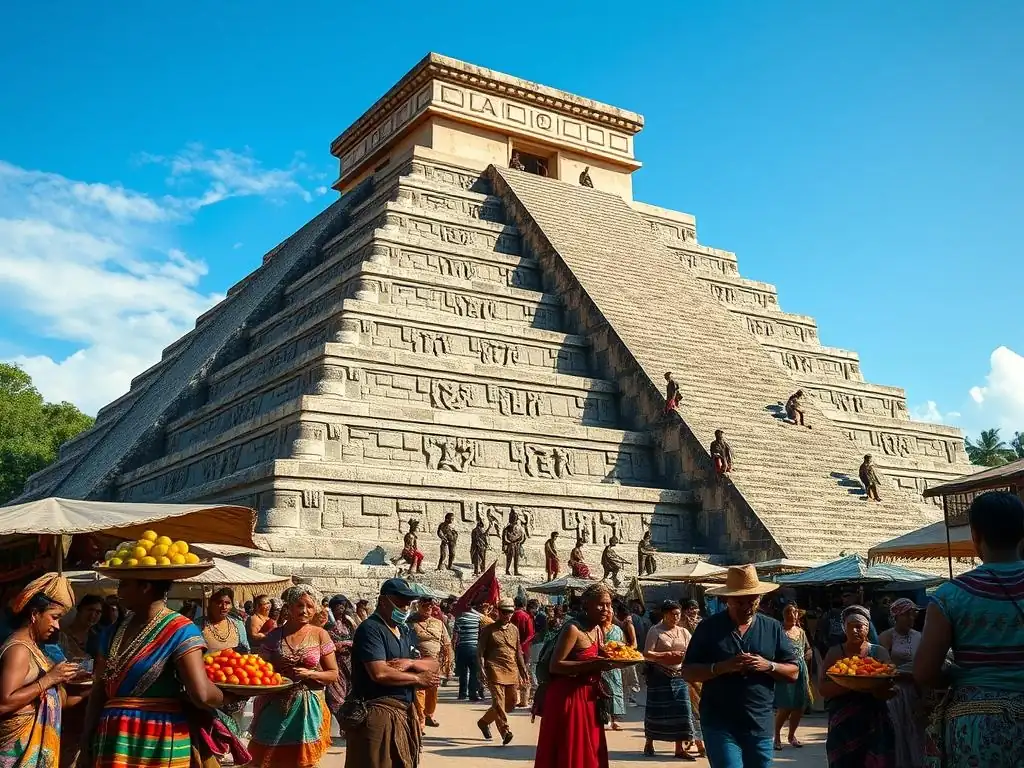
Welcome to Indigenous Civilizations of the Americas, where we embark on a fascinating journey through the rich tapestry of indigenous cultures that flourished long before European contact. In our exploration, we delve into the intricate Mesoamerican social hierarchy structures that defined the governance and societal organization of these remarkable civilizations. Prepare to uncover how class structures influenced daily life, power dynamics, and cultural achievements. Are you ready to unlock the secrets of Mesoamerican societies? Continue reading to discover the profound legacies that still resonate today.
The intricate tapestry of Mesoamerican societies is characterized by a rich diversity of cultures, languages, and governance systems. Understanding the Mesoamerican social hierarchy structures is crucial for appreciating how these civilizations organized themselves, made decisions, and interacted with one another. Hierarchical frameworks were not merely reflective of social status; they were deeply intertwined with the political, religious, and economic life of these societies. By examining the governance systems and class structures that prevailed in Mesoamerica, we gain insight into the complexities of daily life, the distribution of power, and the legacy these civilizations left behind.
Overview of Mesoamerican Societies
Mesoamerica was home to several advanced civilizations, including the Maya, Aztec, and Olmec, each of which developed unique social hierarchies and governance structures. These societies shared certain commonalities, such as:
- Agriculture: Highly developed agricultural techniques, including the use of chinampas by the Aztecs.
- Religion: A pantheon of gods influencing various aspects of life, from agricultural practices to warfare.
- Trade Networks: Extensive trade routes that facilitated economic exchanges and cultural diffusion.
The social hierarchy in these societies typically consisted of a ruling elite, priests, artisans, merchants, and farmers, with each class playing a distinct role in maintaining the structure of society.
Importance of Social Hierarchy in Governance
The concept of social hierarchy in Mesoamerican cultures goes beyond mere classification; it served as a framework for governance. The ruling class, often consisting of nobles and priests, held significant power and influence, shaping laws, engaging in diplomacy, and conducting religious ceremonies. This hierarchical organization allowed for:
- Centralized Authority: Effective governance through a clearly defined leadership structure.
- Social Cohesion: Maintenance of order and stability within the community.
- Cultural Continuity: Preservation of traditions and religious practices through generations.
Understanding these dynamics is essential for comprehending how Mesoamerican civilizations thrived for centuries before European contact.
Historical Context of Mesoamerican Governance
Pre-Columbian Civilizations and Their Governance
Mesoamerican governance was shaped by various pre-Columbian civilizations, each contributing to the evolution of social structures. For instance, the Maya civilization was known for its city-states, each ruled by a king and a council of nobles, while the Aztec Empire centralized power under the emperor, supported by a complex bureaucratic system. Key elements of their governance included:
- Codified Laws: Legal systems that dictated the behavior of individuals and the responsibilities of leaders.
- Tribute Systems: Economies reliant on tribute from conquered regions, reinforcing the power of the ruling class.
- Religious Authority: Priests often held both spiritual and political power, influencing governance through religious rituals and beliefs.
Evolution of Class Structures Over Time
The class structures in Mesoamerica were not static; they evolved significantly over time in response to various factors, including warfare, trade, and cultural exchange. For example:
- Rise and Fall of Empires: As powerful empires like the Aztecs expanded, they absorbed different cultures, leading to shifts in social hierarchy.
- Economic Changes: The introduction of new agricultural practices or trade goods could elevate certain classes, impacting traditional power dynamics.
- Colonization: The arrival of Europeans drastically altered existing hierarchies, leading to the displacement of indigenous governance systems.
Through these historical lenses, we can better appreciate the complexity and adaptability of Mesoamerican social hierarchy structures, revealing their significant impact on the cultural legacy of the Americas.
Mesoamerican social hierarchy structures were complex and varied significantly across different cultures and regions. At their core, these systems were characterized by a clear stratification that determined individuals' roles, responsibilities, and privileges within society. The key components of these structures included the ruling class, religious authorities, commoners, and slaves. Each of these groups played a vital role in the functioning of their respective societies, influencing everything from governance to economic productivity.
Mesoamerican societies typically organized themselves into classes based on wealth, power, and social status. The ruling class, comprised of nobility and elite leaders, held significant influence over governance and the allocation of resources. Beneath them were the priests, who wielded religious power and played critical roles in the political sphere. Commoners, including farmers, artisans, and laborers, formed the backbone of the economy, while slaves were often employed in various capacities, including labor in agriculture or servitude in elite households.
Understanding these components is essential for grasping how Mesoamerican civilizations functioned, how they interacted with one another, and the lasting impact their social structures had on contemporary societies today.
The Ruling Class: Nobility and Elite Leaders
The ruling class in Mesoamerican societies was primarily composed of nobility and elite leaders, often referred to as the "pilli" in Aztec culture. This group held significant power and privilege, controlling land, resources, and political decisions. Nobles were typically born into their status, and their authority was often legitimized through claims of divine right or ancestral lineage.
Elite leaders were responsible for governance, military leadership, and the administration of justice. They participated in councils and assemblies that made important decisions regarding warfare, trade, and diplomatic relations. Nobility also played a crucial role in the construction of monumental architecture, which served as both a display of power and a means of religious expression.
In many cases, the ruling class maintained their status through a combination of wealth, strategic marriages, and alliances with powerful families or city-states, creating a network of influence that further entrenched their position in society.
The Role of Priests in Governance
Priests in Mesoamerican societies held a unique position that intertwined religious authority with governance. They were responsible for performing rituals, maintaining the calendar, and ensuring that agricultural cycles aligned with religious observances. Their role extended beyond spiritual matters, as they often served as advisors to the ruling class and played key roles in political decision-making.
Priests were believed to have direct communication with the gods, and their interpretations of omens and prophecies could significantly influence state policies and military actions. This connection to the divine granted them considerable power, as rulers often relied on their counsel to legitimize their authority and actions.
Additionally, the priesthood was organized into hierarchical structures, with high priests at the top, followed by lower-ranking priests who handled local rituals. This system allowed for the dissemination of religious practices across different regions, reinforcing societal norms and traditions.
Commoners: Farmers, Artisans, and Laborers
Commoners formed the majority of the population in Mesoamerican civilizations and were essential to the economic and social fabric of these societies. This class included farmers, artisans, laborers, and merchants, each contributing to the community's overall functioning. Farmers, who cultivated staple crops such as maize, beans, and squash, were particularly vital, providing the food necessary to sustain the population.
Artisans specialized in various crafts, producing items like pottery, textiles, and tools, which were essential for trade and daily life. Laborers undertook various tasks, including construction, maintenance, and service roles within the households of the elite. Despite their crucial contributions, commoners generally lacked political power and were often subject to heavy taxation and labor obligations imposed by their rulers.
Social mobility for commoners was limited, though exceptional individuals could rise through skill, military service, or by gaining the favor of the elite. Nonetheless, the commoners' daily lives were often dictated by the needs and demands of the upper classes, highlighting the rigid structure of Mesoamerican social hierarchies.
Slavery and Its Role in Mesoamerican Societies
Slavery in Mesoamerican societies was a complex institution that played a significant role in the social and economic landscape. Unlike the racialized slavery seen in later historical contexts, Mesoamerican slavery was often not a permanent status and could arise from various circumstances, including warfare, debt, or punishment for crimes.
Slaves were typically acquired through conquests, and they served in multiple capacities, including agricultural labor, domestic service, and as sacrificial victims in religious ceremonies. Their labor was essential in supporting the elite class and maintaining the economy. Some slaves could work towards their freedom, and their conditions varied widely depending on their masters and the specific societal context.
While often viewed as property, slaves could possess certain rights, including the ability to marry and own personal property. This complexity highlights the nuanced nature of slavery within Mesoamerican social hierarchy structures, where individuals' experiences could differ considerably based on their circumstances.
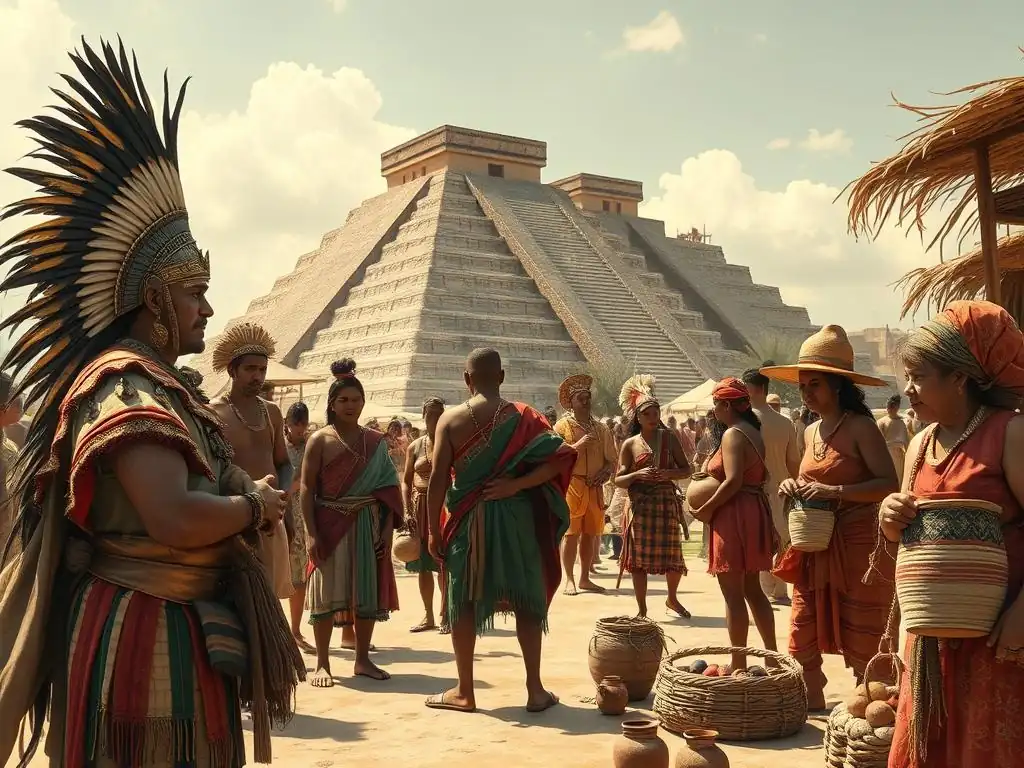
Mesoamerican social hierarchy structures were not monolithic; they exhibited significant regional variations influenced by local customs, resources, and historical contexts. The differences among various civilizations, such as the Aztec, Maya, and Olmec, illustrate how governance and class structures adapted to meet the unique needs and priorities of each society.
The Aztec Class System
The Aztec class system was highly stratified, with a clear division between the elite and commoners. At the top were the nobles, including the emperor, who held ultimate authority and was considered semi-divine. Below them were high-ranking officials, military leaders, and priests, forming a powerful ruling elite.
Commoners, while numerous, had limited rights and were often subjected to tribute obligations. Nevertheless, some could rise to prominence through military achievements or by becoming successful merchants. The Aztec system also included a form of social mobility, albeit restricted, where certain paths could lead to increased status.
The class system was reinforced through rituals and public displays of power, emphasizing the divine right of rulers and the importance of maintaining the social order.
The Maya Social Structure
Maya society also featured a complex class system, but with distinct characteristics. The ruling elite included kings, nobles, and priests, who were often closely intertwined. Unlike the Aztecs, Maya rulers were seen as mediators between the gods and the people, and their legitimacy was derived from religious practices.
Commoners in Maya society were primarily farmers and artisans, with some specialized roles within the community. The Maya also had a system of nobles, known as "ajaw," who governed individual city-states. This decentralized approach allowed for a diversity of governance and social structures across different regions.
Overall, the Maya social structure was marked by a combination of stratification and interdependence, with social mobility possible through exceptional achievements, particularly in warfare or trade.
The Olmec Influence on Governance and Class
The Olmec civilization, often regarded as the "mother culture" of Mesoamerica, laid the groundwork for subsequent social hierarchies and governance systems. Their influence can be seen in the development of complex societies characterized by a ruling elite, religious practices, and monumental architecture.
Olmec leaders, likely consisting of a small group of elites, held power through a combination of military might and religious authority. This early model of governance established precedents for the more elaborate systems seen in later civilizations, such as the Aztec and Maya.
The Olmec also contributed to shared cultural elements, such as art styles and religious practices, which would shape the governance and social hierarchies of future Mesoamerican societies. Their impact underscores the importance of understanding the interconnectedness of these cultures and the evolution of Mesoamerican social hierarchy structures over time.
Religion played a pivotal role in shaping the social hierarchy of Mesoamerican civilizations. The intricate relationship between religious beliefs and societal organization created a framework where spiritual authority often translated into political power. This intertwining of religion with governance helped maintain order and justified the class structures that prevailed in these societies. The divine right to rule was frequently claimed by leaders, who positioned themselves as intermediaries between the gods and the people, thereby reinforcing their elevated status within the social hierarchy.
Moreover, religious practices and rituals were deeply embedded in the daily lives of Mesoamericans, influencing social dynamics and community interactions. The centrality of religion in public life not only dictated the roles of various classes but also determined social mobility and the distribution of resources. This religious influence extended to everything from agricultural practices to warfare, establishing a comprehensive system in which the spiritual and the temporal were inseparable.
Religious Authority and Political Power
In Mesoamerican societies, religious authority was often concentrated in the hands of a priestly elite, who wielded significant influence over political matters. The priests were responsible for conducting rituals, interpreting omens, and overseeing ceremonies that were critical to appeasing deities and ensuring societal prosperity. This religious leadership was typically linked to the ruling class, creating a governance system where political power derived legitimacy from divine sanction.
For instance, in the Aztec Empire, the emperor was regarded as a divine figure, believed to be chosen by the gods. His authority was reinforced by a hierarchy of priests who managed the extensive religious calendar, ensuring that rituals coincided with agricultural cycles and other important events. This religious-political nexus ensured that the ruling elite remained in power, as they could manipulate religious beliefs to maintain control over the populace.
Rituals and Their Role in Maintaining Hierarchical Structures
Rituals in Mesoamerican cultures were not merely spiritual acts; they served as vital mechanisms for reinforcing social hierarchies. Through elaborate ceremonies, the ruling class demonstrated their power and the divine favor bestowed upon them. These rituals often included offerings, sacrifices, and public displays of wealth, which highlighted the distinctions between different social classes.
The performance of rituals also functioned as a tool for social cohesion, uniting communities under common beliefs and practices. This collective participation in religious activities helped to legitimize the existing social order, as individuals were reminded of their roles within the hierarchy. For example, the public execution of sacrificial rites was a stark reminder of the power wielded by the elite and the perceived necessity of these acts for communal survival.
Case Studies of Mesoamerican Governance Systems
The Aztec Empire: A Model of Complex Social Hierarchy
The Aztec Empire exemplified a highly stratified social hierarchy that was directly influenced by its governance system. At the top of this hierarchy was the emperor, who was viewed as both a political and religious leader. Below him were the nobles, who held significant power and land, followed by the priests, commoners, and slaves. This structure not only facilitated governance but also ensured that the ruling elite maintained control over economic and military resources.
The complexity of Aztec governance is reflected in the roles assigned to different classes, each with specific duties and privileges. The noble class, for instance, was responsible for administering territories and collecting taxes, while priests conducted rituals that legitimized the emperor's rule. The integration of military service into the social hierarchy further reinforced the power dynamics, as successful warriors could elevate their status, creating a system that was both meritocratic and hierarchical.
The Maya Civilization: Decentralized Governance and Class Structure
In contrast to the Aztecs, the Maya civilization exhibited a more decentralized governance system characterized by city-states, each with its own ruling elite. The social hierarchy in Maya society often revolved around local rulers, who were supported by a class of nobles and priests. This structure allowed for significant regional variation in governance and social organization.
Maya rulers were often seen as divine figures, with their authority bolstered by religious practices. The construction of monumental architecture, such as temples and pyramids, served both religious and political purposes, reinforcing the ruler's status. Additionally, the involvement of commoners in agricultural production and trade was essential for sustaining the elite class, highlighting the interconnectedness of social roles within the Maya governance system. This decentralized approach created a dynamic social hierarchy that could adapt to changing circumstances, yet still maintained the underlying principles of class distinction and religious authority.
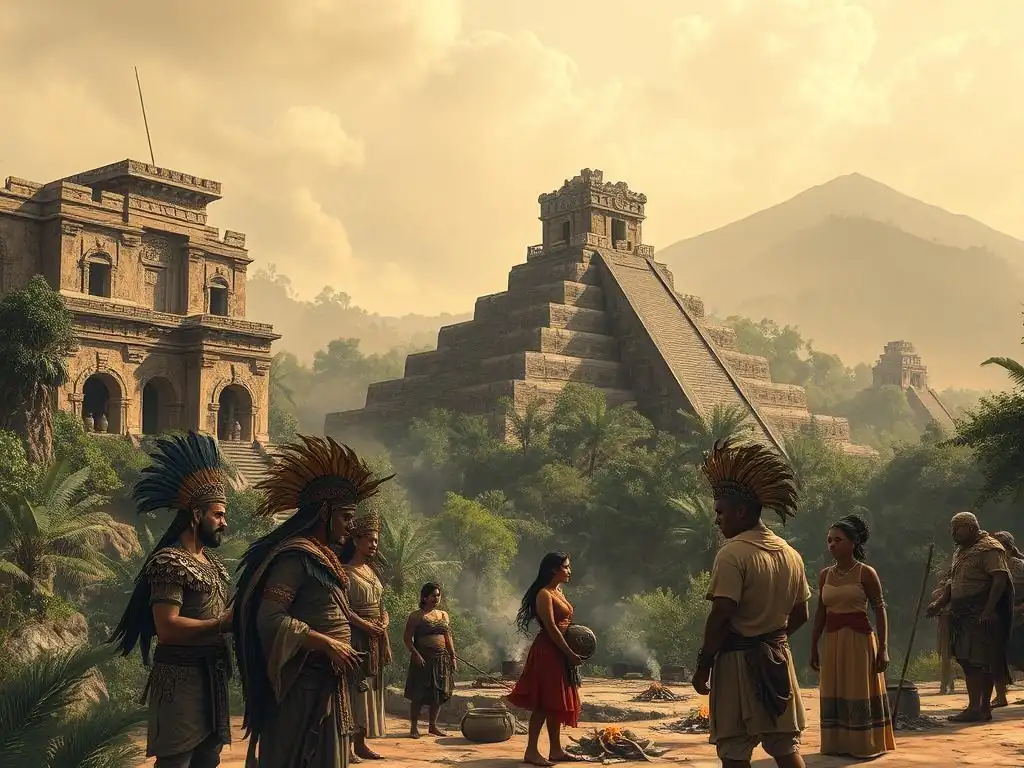
The decline of Mesoamerican social hierarchy structures is a complex phenomenon influenced by multiple factors that led to significant shifts in governance and societal organization. As indigenous civilizations faced external pressures and internal challenges, their established class systems began to erode. By examining the historical context of this decline, we can better understand the transformative impacts that reshaped social hierarchies in Mesoamerica.
Factors Leading to Changes in Class Structures
Several key factors contributed to the transformation of Mesoamerican class structures. One prominent influence was the rise of internal conflicts and power struggles among elite classes, which often weakened the traditional hierarchies. Additionally, economic shifts, such as changes in trade routes and agricultural practices, disrupted the established social order.
Natural disasters, including droughts and volcanic eruptions, also played a critical role in diminishing the stability of these societies. Such environmental challenges led to food shortages, which eroded the power of the ruling classes who relied on agricultural surplus to maintain their authority. Consequently, the social fabric began to unravel as commoners sought alternatives to the existing power dynamics.
The Impact of European Colonization on Indigenous Hierarchies
European colonization had a profound impact on Mesoamerican social hierarchy structures. The arrival of the Spanish conquistadors in the early 16th century introduced new governance systems that often undermined indigenous rule. Colonizers imposed their own social hierarchies, which typically centered around European nobility and land ownership, displacing indigenous elites.
The introduction of European diseases decimated large portions of the indigenous population, further destabilizing existing social systems. As indigenous leaders and their followers succumbed to illness, traditional governance structures disintegrated. The Spanish colonial system enforced a caste system that categorized individuals based on ethnicity and lineage, creating a radically different social order that marginalized indigenous peoples.
The legacy of Mesoamerican social hierarchy structures is evident in the contemporary governance and social organization of indigenous communities. While the traditional class systems underwent significant change, the foundational elements continue to influence modern societies. Understanding these legacies provides insight into the resilience of indigenous cultures in the face of historical upheaval.
Lasting Influence on Contemporary Indigenous Governance
Today, many indigenous communities in Mesoamerica have sought to reclaim their governance systems, drawing inspiration from their ancestral practices. This resurgence often emphasizes communal decision-making, respect for elders, and integration of traditional knowledge into modern governance frameworks. As a result, contemporary indigenous governance structures reflect a blend of historical customs and contemporary political realities, allowing for the preservation of cultural identity.
Lessons Learned from Mesoamerican Class Systems
The examination of Mesoamerican social hierarchy structures offers valuable lessons for contemporary societies. One significant lesson is the importance of inclusivity in governance. The decline of rigid class hierarchies illustrates the potential for social cohesion when diverse voices are heard and represented. Furthermore, the resilience of indigenous systems in adapting to challenges serves as a reminder of the strength found in community solidarity and cultural heritage.
By reflecting on these lessons, modern societies can strive to create more equitable and just governance systems that honor the diverse histories and contributions of all their members.
References
Key Texts and Resources on Mesoamerican Governance and Social Hierarchy
Understanding the complex governance systems and social hierarchies of Mesoamerican civilizations requires a deep engagement with both ancient texts and modern scholarly interpretations. Below are some essential resources that provide valuable insights into Mesoamerican social hierarchy structures:
-
"The Ancient Maya" by Arthur Demarest
This comprehensive volume delves into the political systems, social structures, and cultural practices of the Maya civilization, offering a thorough understanding of their governance and class organization.
-
"Aztec Society: A Study of Social Hierarchy" by Manuel Aguilar-Moreno
Aguilar-Moreno's work focuses on the intricate social stratification within the Aztec Empire, detailing the roles of various classes and the dynamics of power.
-
"Mesoamerican Societies: A History" by Michael D. Coe
Coe provides an accessible overview of the major Mesoamerican civilizations, highlighting their governance models and social hierarchies across different periods.
-
"The Cultures of Mesoamerica: Ancient and Modern" by Patricia R. Anawalt
This text examines both ancient and contemporary indigenous cultures in Mesoamerica, providing context for understanding the evolution of social structures through history.
-
"The Codex Mendoza"
An essential primary source, this 16th-century document contains valuable information about the Aztec society's governance, economy, and tribute systems. It serves as a critical resource for understanding social hierarchies in pre-colonial Mesoamerica.
-
"Maya Civilization: A History" by Judith A. Carney
Carney's exploration of the Maya civilization includes discussions on governance, class distinctions, and societal roles, making it a vital resource for understanding Mesoamerican social structures.
-
"Ancient Civilizations of Mesoamerica" edited by Susan Toby Evans
This compilation of essays by various scholars provides a broad analysis of Mesoamerican cultures, emphasizing their political organization and social hierarchies.
-
"The Social Organization of the Aztecs" by H. B. Nicholson
Nicholson's research offers an in-depth look at the social classes within Aztec society, examining how these hierarchies functioned and influenced daily life.
These texts and resources serve as foundational materials for anyone interested in the intricate governance systems and social hierarchy structures that defined Mesoamerican civilizations. They not only highlight the achievements of these cultures but also provide a critical lens through which to view their lasting impact on contemporary societies.
- Introduction to Mesoamerican Social Hierarchy Structures
- Historical Context of Mesoamerican Governance
- Key Components of Mesoamerican Social Hierarchy Structures
- Regional Variations in Mesoamerican Social Hierarchy
- The Impact of Religion on Mesoamerican Social Hierarchy
- Case Studies of Mesoamerican Governance Systems
- The Decline of Mesoamerican Social Hierarchy
- Conclusion: Legacy of Mesoamerican Social Hierarchy Structures
- References
- What were the main classes in Mesoamerican social hierarchy structures?
- How did religion influence Mesoamerican governance?
- What role did trade play in Mesoamerican societies?
- How did Mesoamerican civilizations differ in their social structures?
- What impact did European colonization have on Mesoamerican social hierarchies?
Frequently Asked Questions
Mesoamerican social hierarchy structures typically included nobility, commoners, and slaves. The nobility held significant power and influence, while commoners worked in agriculture and crafts.
How did religion influence Mesoamerican governance?
Religion played a crucial role in Mesoamerican governance, where rulers were often seen as divine representatives. This belief helped to legitimize their authority and maintain social order.
What role did trade play in Mesoamerican societies?
Trade was vital for Mesoamerican societies as it facilitated the exchange of goods, ideas, and cultural practices. It contributed to the economic prosperity and social stratification within their communities.
While many Mesoamerican civilizations shared common traits, such as a hierarchical society, differences arose based on regional customs, economic systems, and political organization, leading to unique social structures.
European colonization drastically altered Mesoamerican social hierarchies by imposing new governance systems, disrupting traditional roles, and leading to the marginalization of indigenous populations.
The exploration of Mesoamerican social hierarchy structures reveals not only the complexities of ancient civilizations but also their enduring relevance in contemporary discussions about governance and social stratification. As we analyze the intricate class systems that defined societies such as the Maya and Aztec, we uncover insights that resonate with today's issues of inequality and power dynamics. The lessons from these ancient structures remind us that the past is not merely a series of events but a rich tapestry of human experience that continues to shape our world.
Mesoamerican social hierarchies were not just about power; they were deeply intertwined with cultural identity, religion, and community cohesion. The legacy of these systems influences modern social constructs, prompting us to reflect on our own societal frameworks. As we navigate through the complexities of class and governance today, we can draw parallels to the past that illuminate our understanding of current social issues. History is not a burden on the memory but an illumination of the soul.
This quote encapsulates the importance of learning from history, as we strive to create a more equitable society.
As we conclude this exploration, I invite you to reflect on the lessons learned from Mesoamerican social hierarchy structures and consider how they apply to your own life and community. What can we learn from the past to address the inequalities we face today? Let this reflection inspire you to engage with the complexities of governance and social structures, fostering a deeper understanding of our shared human experience. Together, we can work towards a future that honors the lessons of history while striving for a more just and inclusive society.
Discover and Engage with Mesoamerican History!
Thank you for taking the time to explore the rich tapestry of governance and social hierarchy in Mesoamerica. By understanding class structures, you've gained valuable insights into the complexities of these ancient civilizations. Now, it’s time to put that knowledge into action!
Here are a few ways you can deepen your connection and further your exploration:
- Join a local discussion group or online forum focused on Mesoamerican history to share thoughts and learn from others.
- Visit a museum exhibit or read a book on Mesoamerican cultures to uncover more about their governance systems and social dynamics.
- Share this article with friends or family to spark a conversation about how ancient class structures still influence modern society.
What aspect of Mesoamerican governance intrigues you the most, and how do you think it shapes our understanding of social hierarchies today?