
Environmental Challenges: How Geography Influenced Mesoamerican Governance

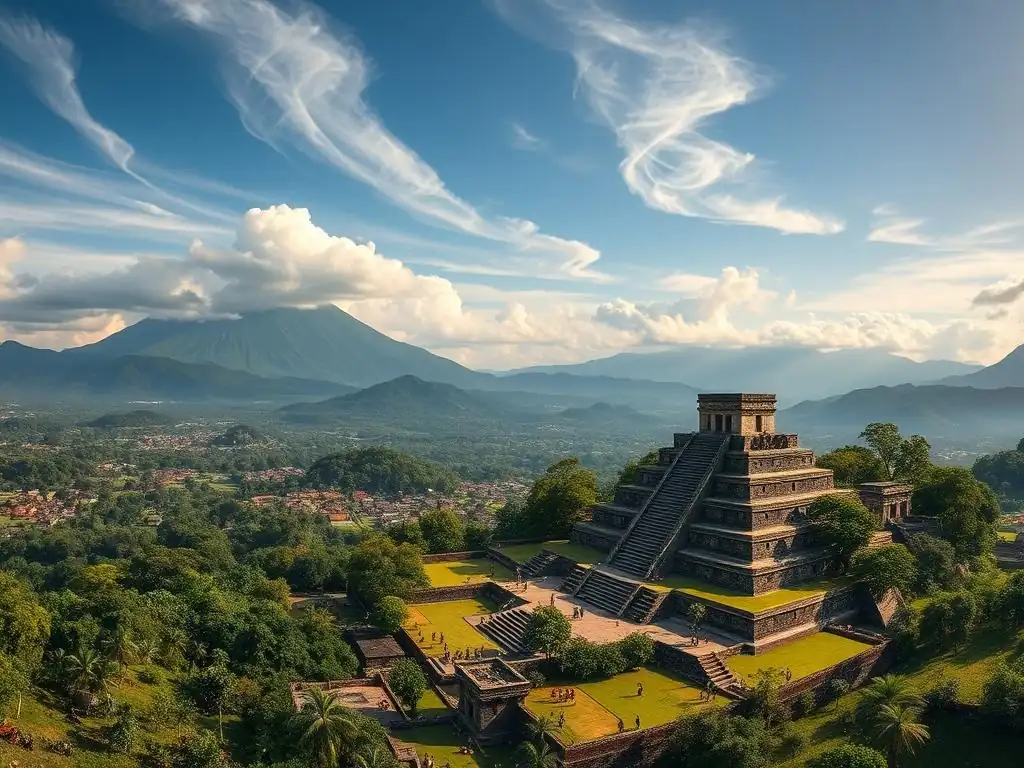
Welcome to Indigenous Civilizations of the Americas, where we invite you to embark on a fascinating journey through the rich tapestry of pre-colonial cultures that shaped the continent. In our feature article, Environmental Challenges: How Geography Influenced Mesoamerican Governance, we delve into the intricate relationship between Mesoamerican geography and governance, revealing how the diverse landscapes not only influenced societal structures but also molded the very essence of their civilizations.
Prepare to uncover the profound legacy of these indigenous peoples and discover how their achievements continue to resonate today. Join us as we explore the captivating stories behind their thriving societies and enduring impact!
- Introduction to Mesoamerican Geography and Governance
- The Role of Geographic Features in Mesoamerican Societies
- Historical Context of Mesoamerican Governance
- Case Studies of Mesoamerican Civilizations
- Geographic Challenges and Adaptations in Governance
- Conclusion: The Interplay of Mesoamerican Geography and Governance
-
Frequently Asked Questions
- What are the main environmental challenges faced by Mesoamerican civilizations?
- How did geography shape Mesoamerican governance?
- What role did agriculture play in Mesoamerican societies?
- How did Mesoamerican civilizations adapt to their environments?
- What is the lasting impact of Mesoamerican geography on modern governance?
- Final Reflection: The Enduring Legacy of Mesoamerican Geography on Governance
- Unveil Your Role in Combating Environmental Challenges!
Introduction to Mesoamerican Geography and Governance
The intricate relationship between geography and governance in Mesoamerica is a fascinating subject that reveals how the physical landscape shaped the political frameworks of ancient civilizations. Mesoamerican geography, characterized by its diverse terrains including mountains, valleys, and coastal areas, directly influenced the development of governance systems among indigenous cultures such as the Maya, Aztec, and Olmec.
Understanding this connection is crucial, as it provides insights into how environmental factors dictated not only resource distribution but also social organization, trade routes, and ultimately, the power dynamics within these societies. This exploration into Mesoamerican geography and governance will shed light on the remarkable adaptability of these ancient peoples in the face of their environmental challenges.
Overview of Mesoamerican Geography
Mesoamerica, a term used to describe a historical region that extends from central Mexico to parts of Central America, boasts a rich and varied geography. This area is defined by:
- Mountain ranges: The Sierra Madre mountains run along the eastern and western coasts of Mexico, creating natural barriers that influenced settlement patterns and political boundaries.
- Lowland plains: Fertile valleys such as the Valley of Mexico provided agricultural opportunities, fostering population growth and urban development.
- Coastal areas: Access to the Pacific Ocean and the Gulf of Mexico facilitated trade and cultural exchange with other regions.
The unique combination of these geographical features played a pivotal role in the establishment of city-states, as different areas had varying resources and climates that dictated agricultural practices and economic activities. For instance, while the highland regions were conducive to terraced farming, the coastal areas relied on fishing and trade.
Importance of Geography in Governance Systems
Geography was not merely a passive backdrop for Mesoamerican civilizations; it actively shaped their governance systems in several significant ways:
- Resource Distribution:
- Agricultural practices: The availability of arable land influenced how societies organized their agricultural production, which in turn affected their political structures. Centralized governance often arose in areas where surpluses could be generated, supporting larger populations and complex hierarchies.
- Trade routes: Natural pathways facilitated trade, leading to the rise of powerful city-states that controlled these routes and established trade networks, which were crucial for resource acquisition and cultural exchanges.
- Defense and Security:
- Geography provided both advantages and challenges for defense. Mountainous regions offered natural fortifications against invasions, while lowland areas required more organized military strategies to protect against external threats.
- The location of settlements influenced the governance structures that emerged to manage defense, as leaders often needed to coordinate responses to external pressures.
- Cultural Identity:
- The physical environment contributed to the distinct cultural identities of various Mesoamerican societies. Geographic isolation due to mountains or rivers can lead to the development of unique political systems and social structures, as communities adapted to their specific environments.
The interplay between Mesoamerican geography and governance profoundly impacted the development of societal structures and political authority. By examining these elements together, we gain a deeper understanding of how indigenous civilizations thrived in a landscape that was both challenging and rich in opportunity.
The Role of Geographic Features in Mesoamerican Societies
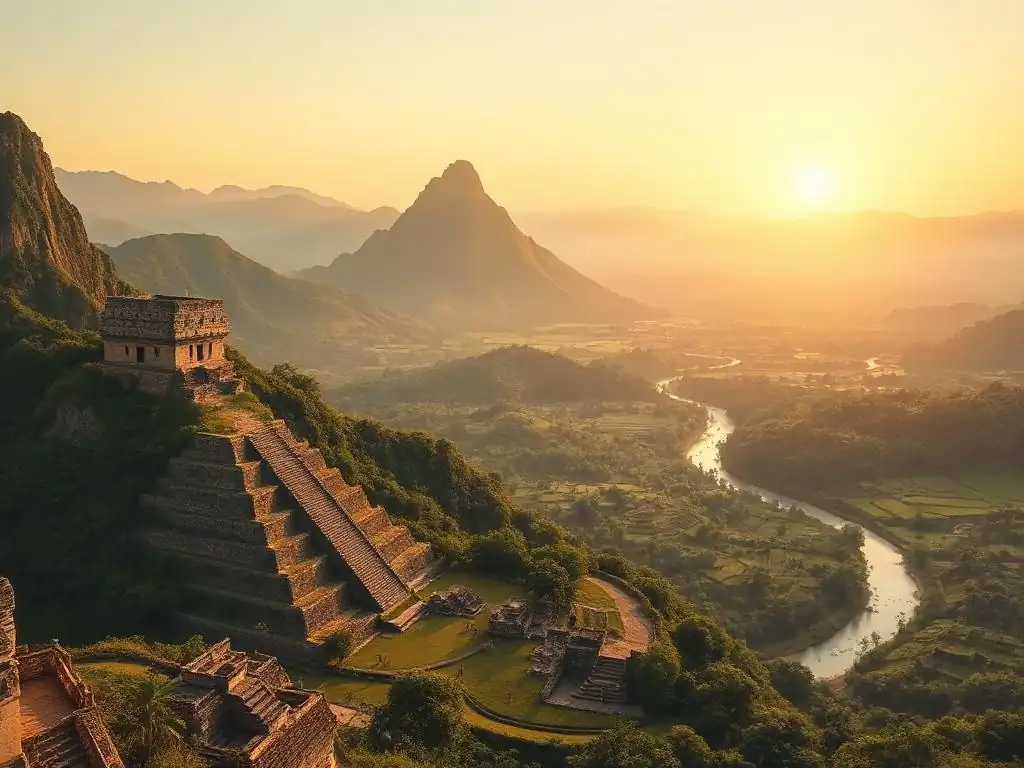
The geography of Mesoamerica played a pivotal role in shaping the governance structures and societal organization of its various civilizations. The diverse landscape, characterized by mountain ranges, rivers, and distinct climate zones, not only influenced the economic activities of these cultures but also determined their political hierarchies and administrative frameworks. Understanding how these geographic features interacted with governance provides valuable insights into the complexities of Mesoamerican societies.
Mountain Ranges and their Impact on Political Structures
Mesoamerica is home to several prominent mountain ranges, including the Sierra Madre Oriental and Sierra Madre Occidental. These mountains served as both barriers and resources for the civilizations that inhabited the region.
- Barrier to Expansion: The rugged terrain limited easy communication and movement between different groups, leading to isolated developments of city-states. For example, the presence of mountains contributed to the rise of powerful city-states like Teotihuacan and Tikal, which maintained distinct political identities.
- Resource Distribution: The mountains were rich in minerals and provided access to resources such as obsidian, which was crucial for tools and trade. Control over these resources often translated into political power. The city-states that could exploit these mountainous resources were often more politically stable and influential.
- Cultural Significance: Many mountain ranges held religious significance, becoming central to local governance. Rulers often associated their authority with these sacred landscapes, using them to legitimize their power. This connection between geography and governance reinforced the idea that leadership was divinely ordained.
Rivers and Trade Routes: Facilitating Governance
Rivers played a crucial role in the economic and political life of Mesoamerican societies. The availability of waterways influenced trade, communication, and resource distribution.
- Trade Networks: Major rivers such as the Usumacinta and Grijalva facilitated trade routes that connected various city-states. This interconnectedness allowed for the exchange of goods, ideas, and cultural practices, ultimately shaping governance structures. City-states that controlled key river routes often wielded significant influence over surrounding areas.
- Agricultural Practices: Rivers provided fertile floodplains ideal for agriculture, which was the backbone of Mesoamerican economies. The ability to cultivate crops such as maize and beans supported population growth and urbanization. As societies became more complex, governance systems evolved to manage agricultural production and distribution, leading to the establishment of administrative roles.
- Political Alliances: The strategic positioning of cities along rivers often resulted in significant political alliances and conflicts. Control over river access became a matter of power, leading to the formation of coalitions or rivalries that influenced governance structures, as seen in the interactions between the Maya city-states.
Climate Zones: Influencing Agricultural Practices
Mesoamerica's varied climate zones, ranging from tropical lowlands to temperate highlands, significantly influenced agricultural practices and, consequently, governance.
- Diverse Agricultural Systems: Different climates supported various agricultural practices. For instance, the tropical lowlands were ideal for crops like cacao and cotton, while the highlands favored tubers and grains. The diversity in agriculture necessitated a range of governance strategies to manage production and distribution effectively.
- Seasonal Variability: The distinct wet and dry seasons required societies to develop complex irrigation systems and storage facilities. Governance structures often included roles dedicated to overseeing agricultural output and managing resources during droughts or floods, which directly impacted societal stability.
- Socioeconomic Stratification: Climate-induced agricultural variations contributed to socioeconomic hierarchies. Rulers and elites often controlled the most fertile lands, leading to disparities in wealth and power. This stratification influenced governance, as those in power established systems to maintain control over agricultural resources and labor.
The interplay between Mesoamerican geography and governance is a testament to how environmental factors shaped the political landscapes of indigenous civilizations. From mountain ranges that fostered distinct identities to rivers that facilitated trade and climate zones that dictated agricultural practices, the geographic features of Mesoamerica were instrumental in shaping the governance systems that defined these rich and diverse cultures.
Historical Context of Mesoamerican Governance
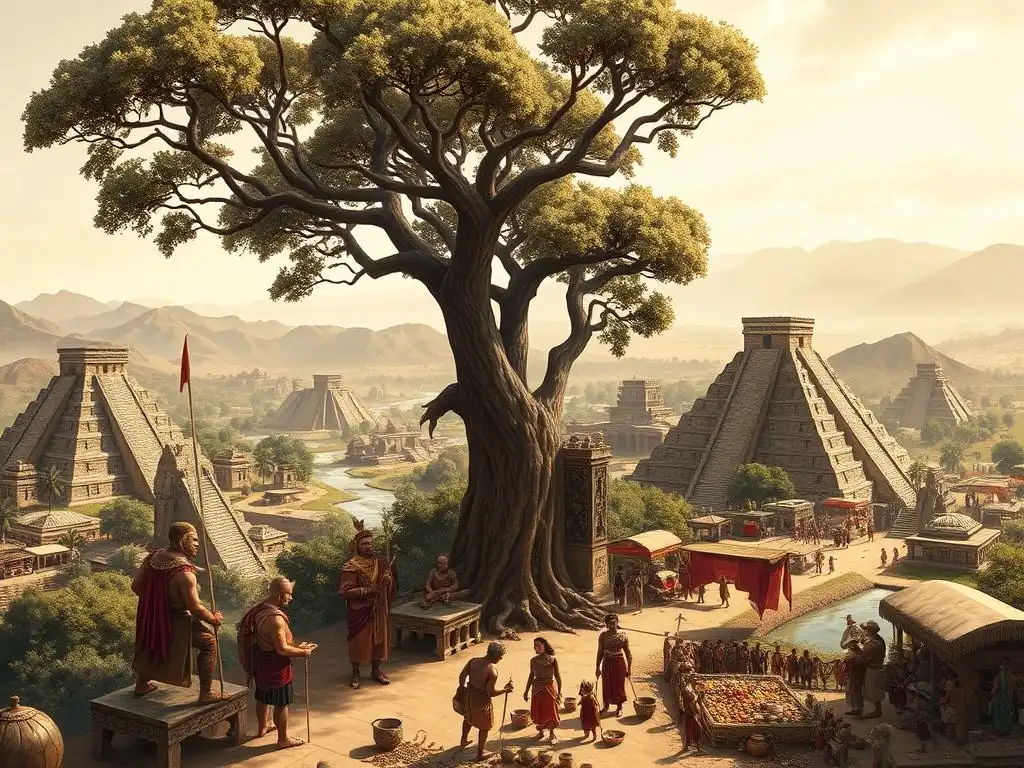
The governance systems of Mesoamerica were complex and varied, deeply rooted in the region's unique historical and cultural contexts. Mesoamerica, a term that refers to a region extending from central Mexico to northern Central America, was home to several advanced civilizations, including the Maya, Aztec, and Olmec. These societies developed sophisticated political structures that were influenced by various factors, including social hierarchies, economic systems, and, notably, geography.
Pre-Columbian Governance Models
Before European colonization, Mesoamerican societies exhibited a range of governance models, each adapted to their unique environments and societal needs.
- The Theocratic Model:
- Many Mesoamerican civilizations, particularly the Maya, practiced a theocratic model where religious leaders held significant power. Rulers were often considered divine or semi-divine figures, believed to be chosen by the gods. This model reinforced the ruler's authority and legitimacy, as their decisions were seen as divinely ordained.
- City-State Governance:
- The political landscape of Mesoamerica was characterized by city-states, known as altepetl in Nahuatl. Each city-state operated independently, with its own ruler and governing body. For example, the city-states of the Maya civilization were often engaged in both alliances and conflicts, which shaped their governance structures.
- Tributary Systems:
- Many societies, such as the Aztecs, implemented tributary systems. Conquered regions were required to pay tribute, which supported the central government and military. This system not only provided economic stability but also reinforced the authority of the ruling elite.
- Council-Based Governance:
- In some cases, governance was managed through councils or assemblies, where various leaders from different sectors of society would convene to make decisions. This model allowed for a degree of representation, although it was often limited to elite classes.
These governance models were not static; they evolved in response to internal dynamics and external pressures, particularly as societies expanded and encountered new challenges.
Influence of Geography on the Development of City-States
The geographical landscape of Mesoamerica played a pivotal role in shaping the governance structures of its civilizations.
- Topographical Diversity:
- Mesoamerica is characterized by a variety of geographical features, including mountains, valleys, and coastal regions. This diversity influenced settlement patterns and the establishment of city-states. For instance, the mountainous terrain of the Maya region necessitated the creation of fortified city-states for defense against rival groups.
- Resource Distribution:
- The availability of natural resources, such as fertile land, water sources, and minerals, dictated the economic foundation for many city-states. Societies that had access to rich agricultural land, like the Aztecs in the Valley of Mexico, developed more centralized forms of governance due to the surplus food production, allowing for population growth and urbanization.
- Trade Routes:
- Geography also impacted trade and communication. City-states located near trade routes often became centers of commerce and influence, leading to increased political power. The Aztec capital of Tenochtitlan, for example, thrived due to its strategic location on Lake Texcoco, facilitating trade and resource exchange among different regions.
- Environmental Challenges:
- Mesoamerican civilizations faced various environmental challenges, including droughts, floods, and volcanic eruptions. These challenges required adaptive governance strategies, such as the construction of irrigation systems and the implementation of agricultural practices like chinampas, which enhanced food security and political stability.
The intricate relationship between Mesoamerican geography and governance is reflected in the diverse models of rule that emerged across the region. Understanding these dynamics provides valuable insights into how indigenous civilizations navigated the complexities of their environments while establishing lasting systems of governance.
Case Studies of Mesoamerican Civilizations
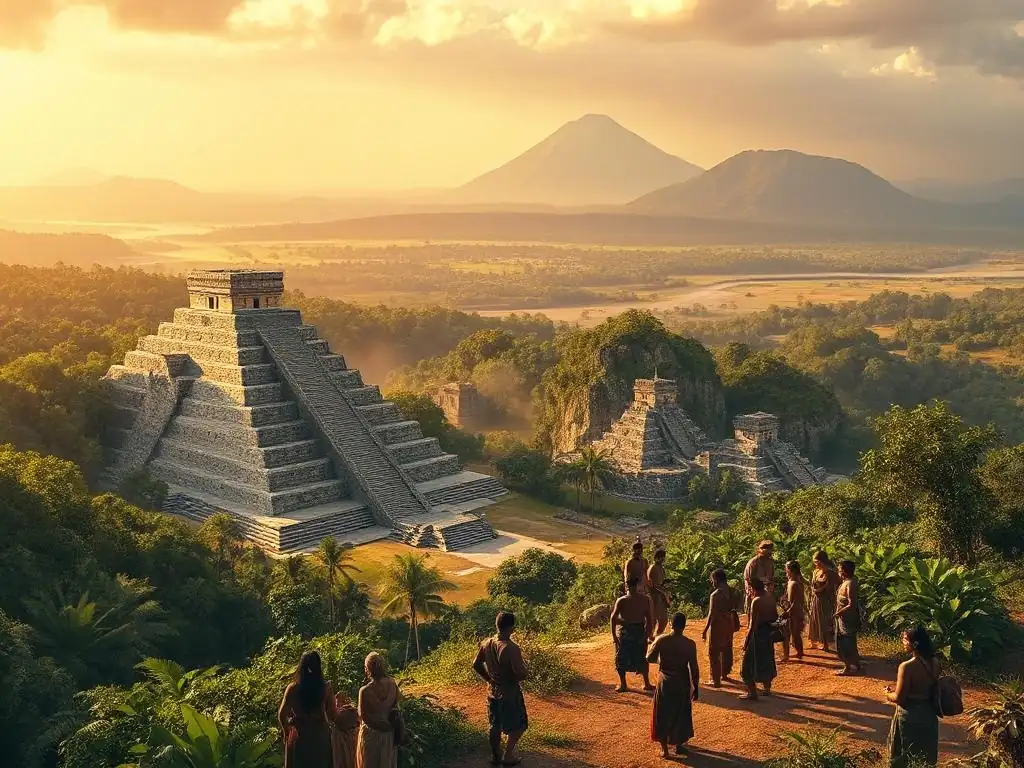
The Maya: Geographic Diversity and Political Fragmentation
The Maya civilization, known for its remarkable achievements in writing, art, architecture, and mathematics, was significantly influenced by its diverse geography. Stretching across present-day southeastern Mexico, Guatemala, Belize, and western Honduras, the Maya region featured a variety of landscapes, including rainforests, mountains, and coastal areas. This geographic diversity resulted in a fragmented political landscape characterized by numerous city-states, each with its own governing system and cultural identity.
Geographic Influence on Governance
- City-State Formation: The Maya civilization was comprised of independent city-states, such as Tikal, Calakmul, and Palenque. The geographic barriers, such as rivers and mountains, facilitated the development of these autonomous entities, leading to a lack of centralized authority.
- Resource Management: The diverse environments required different governance strategies. For example, agricultural practices varied between the fertile lowlands and the rocky highlands, prompting local rulers to adapt their policies to manage resources effectively.
Political Fragmentation
The fragmented political landscape had both advantages and disadvantages. While it allowed for a rich tapestry of cultural development, it also led to frequent conflicts among city-states. The competition for resources, particularly in regions with limited arable land, often resulted in warfare, influencing the political dynamics of the Maya civilization.
The Aztec Empire: Centralization in Valley Geography
The Aztec Empire, centered in the Valley of Mexico, exemplifies how geography can promote centralized governance. The valley's highland environment allowed for the establishment of a powerful empire that dominated much of Mesoamerica.
Geographic Advantages
- Lake Texcoco: The Aztecs built their capital, Tenochtitlán, on an island in Lake Texcoco, which provided natural defenses against invasions. The lake also supported agriculture through chinampas (floating gardens), enhancing food production and supporting a growing population.
- Trade Routes: The valley's geographic position facilitated trade with neighboring regions, enabling the Aztecs to amass wealth and resources. This economic power contributed to the centralization of governance under the emperor, who wielded significant authority over the empire.
Centralized Governance Structure
The centralized structure of the Aztec Empire was characterized by a hierarchical system that included the emperor, nobles, priests, and commoners. This organization allowed for efficient decision-making and resource allocation, essential for managing the vast territories under Aztec control.
The Olmec: Coastal Geography and Early Governance
The Olmec civilization, often regarded as the "mother culture" of Mesoamerica, thrived along the Gulf Coast of Mexico. The unique coastal geography played a critical role in shaping the Olmec governance system.
Coastal Resources and Governance
- Access to Trade: The Olmecs benefited from their proximity to the coast, which allowed them to engage in trade with other cultures. This access to maritime resources facilitated economic growth and the establishment of complex societal structures.
- Agricultural Development: The fertile floodplains along the coast supported the cultivation of crops, such as maize, beans, and squash. Effective governance was necessary to organize labor for agriculture and manage water resources, particularly during the rainy season.
Early Political Structures
The Olmec established some of the earliest known forms of governance in Mesoamerica. Their political structure included a ruling elite that likely consisted of chieftains or leaders who oversaw religious and economic activities. The impressive monumental architecture, such as the colossal heads found at San Lorenzo and La Venta, indicates a society capable of organizing large-scale projects, reflecting a sophisticated level of governance that laid the groundwork for future Mesoamerican civilizations.
By examining these case studies of Mesoamerican civilizations, it becomes evident that geography played a crucial role in shaping governance systems, influencing everything from political fragmentation and centralization to resource management and trade.
Geographic Challenges and Adaptations in Governance
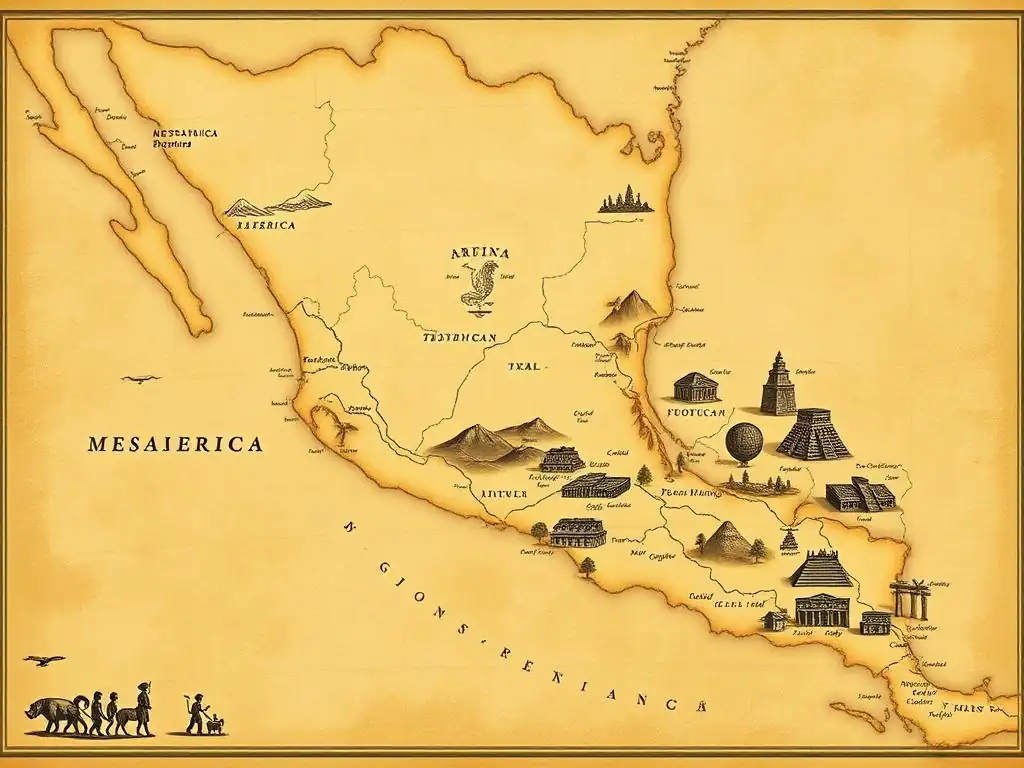
Mesoamerican geography presented a unique tapestry of challenges and opportunities that significantly influenced governance structures across various civilizations, including the Maya, Aztec, and Olmec. The diverse landscapes, ranging from arid deserts to lush rainforests, dictated not only the agricultural practices of these societies but also their political organization and social hierarchies. Understanding how these civilizations adapted their governance in response to geographic factors offers valuable insights into their resilience and ingenuity.
One of the most prominent geographic challenges faced by Mesoamerican societies was the region's susceptibility to natural disasters. Earthquakes, volcanic eruptions, and severe weather events, such as hurricanes, posed constant threats to both the environment and the stability of governance. In response, these societies developed intricate systems of governance that incorporated disaster preparedness and response strategies, reflecting a deep understanding of their surroundings.
Natural Disasters: Governance Responses to Environmental Challenges
Natural disasters were a recurrent challenge in Mesoamerica, with significant implications for governance structures. For instance, the frequent seismic activity in regions like the Valley of Mexico necessitated the development of resilient urban planning and infrastructure. Civilizations such as the Aztecs established centralized systems to coordinate emergency responses and resource allocation during and after disasters.
- Centralized Authority: Rulers often assumed the role of chief disaster managers, mobilizing labor and resources to rebuild cities, temples, and agricultural fields. This centralized approach ensured a swift response, minimizing disruption to social order and economic stability.
- Religious and Cultural Integration: Many societies integrated religious practices into their governance, believing that appeasing deities could mitigate natural disasters. Rituals and ceremonies were organized by leaders to seek divine favor, reinforcing the ruler's authority while promoting social cohesion during crises.
- Infrastructure Development: To combat the effects of flooding and other disasters, Mesoamerican civilizations constructed extensive drainage systems and irrigation canals. These engineering feats not only demonstrated the advanced understanding of hydrology but also reflected the governance systems' commitment to safeguarding their populations.
Through these governance adaptations, Mesoamerican societies showcased their ability to confront and manage the uncertainties posed by their geography.
Resource Distribution: Managing Scarcity and Abundance
Mesoamerican geography also played a critical role in shaping resource distribution, which directly influenced governance systems. The region's varied climate and topography led to a complex interplay between scarcity and abundance, necessitating sophisticated management strategies.
- Agricultural Innovation: The fertile volcanic soils of the central highlands allowed for productive agriculture, enabling societies to support large populations. However, the uneven distribution of arable land required effective governance to manage agricultural practices and ensure equitable resource allocation. For instance, the Maya implemented communal land management systems, allowing for collective decision-making on farming practices and crop distribution.
- Trade Networks: The geography of Mesoamerica fostered extensive trade networks, connecting different cultures and enabling the exchange of goods, ideas, and technologies. Leaders often played a crucial role in facilitating trade, establishing marketplaces, and negotiating alliances to secure resources. This not only enhanced economic stability but also reinforced political power.
- Conflict Resolution: Resource scarcity could lead to conflicts over land and water rights. Mesoamerican governance systems often included mechanisms for conflict resolution, such as councils or assemblies, where representatives from various communities negotiated disputes. This participatory approach helped maintain social harmony and political stability in the face of resource competition.
Mesoamerican geography intricately shaped governance systems, requiring leaders to develop innovative strategies to address the challenges posed by natural disasters and resource distribution. The adaptive responses of these civilizations not only highlight their resilience but also underscore the profound connection between geography and governance in the region.
Conclusion: The Interplay of Mesoamerican Geography and Governance
The intricate relationship between Mesoamerican geography and governance played a pivotal role in shaping the societies that thrived in this region before European contact. The diverse landscapes, ranging from lush rainforests to arid plateaus, not only influenced the economic activities of these civilizations but also dictated their political structures and social hierarchies. Understanding the geographical context of Mesoamerica allows us to appreciate how these societies adapted their governance systems to their surroundings, resulting in a unique blend of environmental stewardship and political organization.
Lasting Impact of Geographic Factors on Mesoamerican Societies
Mesoamerican civilizations, such as the Maya, Aztec, and Olmec, were profoundly affected by their geographic settings. The following factors illustrate how geography influenced their governance:
- Topography and Settlement Patterns:
- Mountain ranges, such as the Sierra Madre, and river systems, like the Usumacinta, dictated where populations could settle. Agricultural practices were tailored to local conditions, leading to the development of sophisticated irrigation and terracing systems.
- Cities like Teotihuacan and Tikal emerged as central hubs due to their strategic locations, allowing for trade and military control.
- Resource Distribution:
- Access to resources such as obsidian, jade, and fertile land shaped economic systems and trade networks. The governance structures developed around resource management were crucial for sustaining large populations.
- For example, the Aztecs implemented tribute systems that were intricately linked to the geography of their empire, ensuring that they maintained control over resource-rich territories.
- Climate Variability:
- The climatic diversity of Mesoamerica, from tropical to temperate zones, required adaptive strategies in governance. Droughts or floods could shift power dynamics, leading to changes in leadership and political structures.
- The Maya civilization, for instance, faced significant challenges during periods of drought, leading to the decentralization of power and the rise of smaller city-states.
The interplay of these geographic factors not only shaped the governance of these societies but also left a lasting legacy that can be seen in modern Mesoamerican cultures.
Reflections on Modern Governance Inspired by Historical Geography
Today, the lessons learned from Mesoamerican governance systems continue to resonate, particularly in how modern societies can approach environmental challenges. Here are some reflections:
- Sustainable Practices:
- The ancient methods of agriculture and resource management employed by Mesoamerican civilizations can inspire contemporary governance to prioritize sustainability. Utilizing techniques like agroforestry and crop rotation can contribute to environmental resilience.
- Community-Based Governance:
- The emphasis on local governance in Mesoamerican societies highlights the importance of community involvement in decision-making. Modern governance structures that incorporate local knowledge and environmental considerations can lead to more effective and culturally relevant policies.
- Adaptability:
- The historical ability of Mesoamerican societies to adapt to changing environmental conditions serves as a powerful reminder of the need for flexible governance frameworks. Policymakers can learn from these past adaptations to address current and future ecological challenges.
The study of Mesoamerican geography and governance not only illuminates the past but also offers valuable insights for contemporary societies striving to balance environmental sustainability with effective governance. By understanding the intricate connections between geography and societal structures, we can foster a deeper appreciation for the achievements of Indigenous civilizations and their enduring influence on modern governance.
Frequently Asked Questions
What are the main environmental challenges faced by Mesoamerican civilizations?
Mesoamerican civilizations encountered difficult terrain, climate variability, and natural disasters like floods and droughts, which significantly influenced their governance and societal structures.
How did geography shape Mesoamerican governance?
The geographical diversity of Mesoamerica, including mountains, valleys, and coastlines, necessitated adaptable governance structures that could handle varying local conditions and resource distribution.
What role did agriculture play in Mesoamerican societies?
Agriculture was a cornerstone of Mesoamerican societies, driving economic stability and allowing for the development of complex political structures centered around resource management and trade.
How did Mesoamerican civilizations adapt to their environments?
Mesoamerican civilizations employed innovative techniques such as terracing, irrigation, and crop rotation to enhance productivity and sustain their populations despite environmental challenges.
What is the lasting impact of Mesoamerican geography on modern governance?
The historical interactions between geography and governance in Mesoamerica continue to influence land use policies, cultural practices, and community organization in contemporary societies in the region.
Final Reflection: The Enduring Legacy of Mesoamerican Geography on Governance
The intricate relationship between Mesoamerican geography and governance remains profoundly relevant today, as we grapple with environmental challenges that echo the past. The unique landscapes of Mesoamerica shaped not only the political structures of ancient civilizations but also their responses to ecological pressures. This historical context serves as a powerful reminder that our environment continues to dictate the terms of governance, influencing everything from resource management to social organization in contemporary societies.
Mesoamerican geography has left an indelible mark on our cultural and social frameworks, shaping how communities interact with their environment. The lessons learned from ancient governance systems highlight the importance of adaptability and resilience in the face of ecological challenges. As we navigate our own environmental crises, we can draw inspiration from the wisdom of the past. The greatest danger in times of turbulence is not the turbulence; it is to act with yesterday's logic.
This quote encapsulates the need for innovative thinking and a deep understanding of our geographical context as we forge new paths forward.
As you reflect on the themes presented in this article, consider how the interplay between geography and governance influences your own community. What lessons can you draw from Mesoamerican history to address the environmental challenges we face today? Embrace the opportunity to engage with your surroundings, advocate for sustainable practices, and contribute to a governance model that respects the delicate balance between humanity and nature. Your actions today can help shape a more resilient future, echoing the wisdom of those who came before us.
Unveil Your Role in Combating Environmental Challenges!
Thank you for taking the time to explore the intricate connections between geography and governance in Mesoamerican civilizations. Understanding these dynamics not only enriches our knowledge but also empowers us to engage with today's environmental challenges.
Now, it’s time to take action! Consider the following steps to contribute positively to our planet and its diverse cultures:
- Educate Yourself Further: Dive deeper into local Indigenous practices and sustainable methods of governance; they often hold valuable lessons for addressing contemporary environmental issues.
- Join or Support a Local Initiative: Participate in community efforts aimed at tackling environmental concerns, whether it involves restoring local habitats or advocating for sustainable practices in governance.
- Share Your Insights: Discuss what you've learned with friends and family or share this article on social media to inspire others to consider how geography shapes our environment.
What unique steps can you take today to promote sustainability and honor the wisdom of Indigenous practices in your community?