
The Significance of Trade Networks in Mesoamerican Political Relations

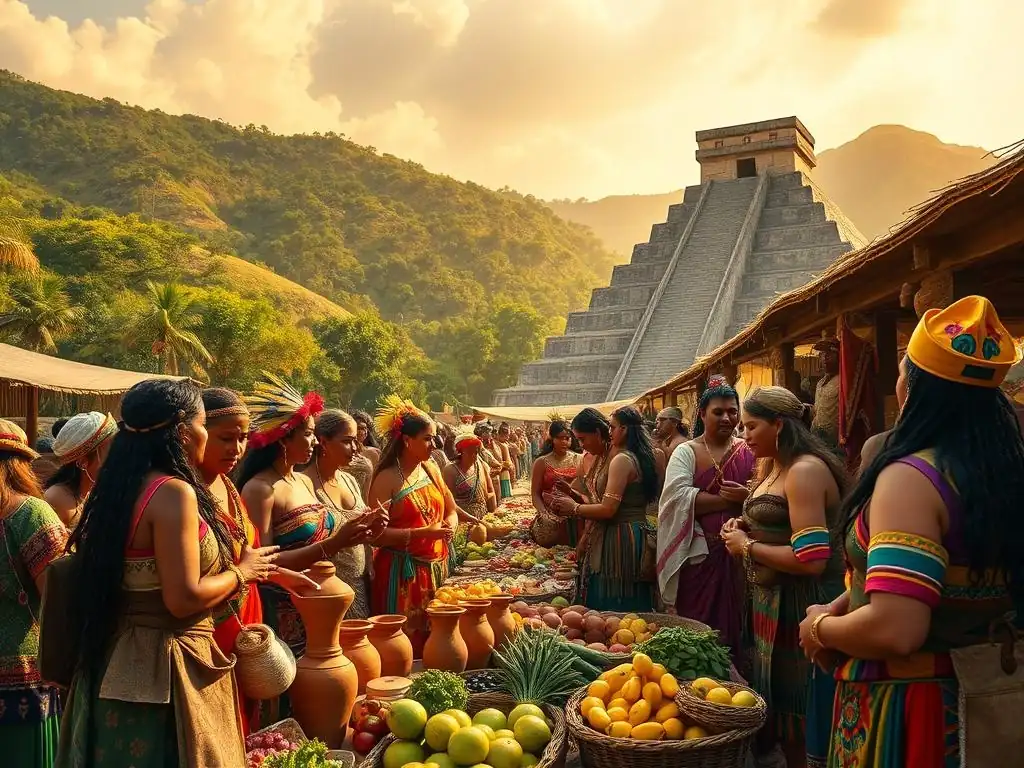
Welcome to Indigenous Civilizations of the Americas, where we invite you to embark on an enlightening journey through the rich tapestry of cultures that flourished long before European arrival. In our featured article, "The Significance of Trade Networks in Mesoamerican Political Relations," we delve into the intricate web of Mesoamerican trade networks and their profound impact on societal development and political dynamics. Prepare to uncover how these networks not only facilitated the exchange of goods but also fostered relationships that shaped the course of history.
Join us as we explore the legacies of these remarkable civilizations and their enduring influence on contemporary society. Your adventure into the past begins here!
- Introduction to Mesoamerican Trade Networks Impact
- Historical Context of Mesoamerican Trade Networks
- The Role of Trade Networks in Mesoamerican Political Relations
- Economic Impact of Mesoamerican Trade Networks
- Cultural Exchange Through Trade Networks
- Challenges Faced by Mesoamerican Trade Networks
- Conclusion: Lasting Legacy of Mesoamerican Trade Networks
- Further Reading and Resources on Mesoamerican Trade Networks
-
Frequently Asked Questions
- What were the main features of Mesoamerican trade networks?
- How did trade networks influence political relations in Mesoamerica?
- What were some key goods traded in Mesoamerican networks?
- How did the geography of Mesoamerica shape its trade networks?
- What lasting impacts did Mesoamerican trade networks have?
- Final Reflection: The Enduring Legacy of Mesoamerican Trade Networks
- Unveil the Power of Trade: Shape Connections Today!
Introduction to Mesoamerican Trade Networks Impact
The rich tapestry of Mesoamerican civilizations is woven with intricate trade networks that played a pivotal role in shaping political relations, cultural exchanges, and economic strategies long before the arrival of European colonizers. These trade networks were not merely conduits for the exchange of goods; they were fundamental in establishing alliances, fostering diplomatic relations, and facilitating the spread of ideas and technologies among diverse societies.
Understanding the impact of Mesoamerican trade networks offers invaluable insights into how these indigenous cultures organized their societies, interacted with one another, and influenced the wider world around them. This article delves into the significance of these networks, exploring their contributions to governance, cultural identity, and the complex web of interactions that defined Mesoamerican societies.
Overview of Mesoamerican Civilizations
Mesoamerica, covering regions from central Mexico to parts of Central America, is home to some of the most advanced indigenous civilizations in history, including the Maya, Aztec, and Olmec. Each of these societies contributed uniquely to the cultural and political landscape of the region.
- Maya Civilization: Known for its sophisticated writing system, astronomical knowledge, and architectural achievements, the Maya thrived in city-states that engaged in extensive trade.
- Aztec Empire: The Aztecs dominated central Mexico and established a vast empire through military conquest and strategic alliances, relying heavily on trade for resources and tribute.
- Olmec Culture: Often referred to as the "mother culture" of Mesoamerica, the Olmecs laid the groundwork for subsequent civilizations, influencing trade practices and religious beliefs.
These civilizations developed complex governance systems that were intricately linked to their trade networks, which facilitated not only economic prosperity but also political stability and cultural cohesion.
Importance of Trade in Mesoamerican Culture
Trade in Mesoamerica was vital for several reasons:
- Economic Development: Trade networks allowed for the exchange of surplus goods, such as maize, cacao, textiles, and ceramics, which were essential for economic sustainability.
- Cultural Exchange: Through trade, diverse Mesoamerican cultures shared innovations, artistic expressions, and religious practices, enriching their societies and fostering a sense of shared identity.
- Political Alliances: Trade often served as a foundation for alliances and diplomatic relations. The exchange of goods was frequently accompanied by treaties and agreements that solidified political ties.
- Technological Advancements: Interaction through trade facilitated the spread of technologies, including agricultural practices and craftsmanship, significantly impacting societal development.
The intricate web of Mesoamerican trade networks was a cornerstone of cultural and political life, influencing everything from local economies to broader governance structures across the region. Understanding these networks not only highlights their economic significance but also underscores their role in shaping the identities and relationships of Mesoamerican civilizations.
Historical Context of Mesoamerican Trade Networks
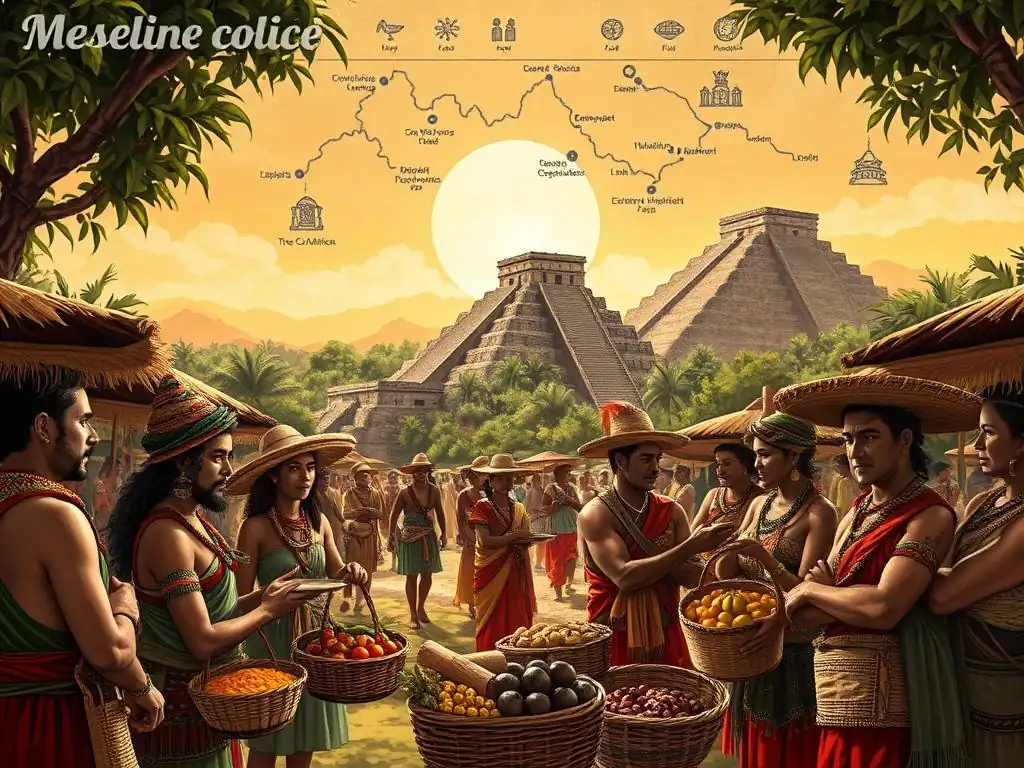
Mesoamerican trade networks were vital to the political and economic landscape of the region before European contact. These networks facilitated not only the exchange of goods but also ideas, cultural practices, and technological innovations among the diverse indigenous civilizations, such as the Maya, Aztec, and Olmec. The intricate web of trade routes that emerged contributed significantly to the formation of alliances and rivalries, shaping the governance systems and political relations between different societies.
The origins of these trade networks can be traced back to the early Mesoamerican societies, where agricultural surplus allowed for specialization of labor. As communities became more complex, trade expanded to include not only local goods but also items sourced from distant areas. This growth in trade necessitated the development of reliable routes, which were often influenced by geographical features and the availability of resources.
The significance of these trade networks extended beyond mere economic transactions. They played a crucial role in establishing diplomatic relations, where the exchange of luxury goods often served as tokens of goodwill or means of negotiation. The interdependence created by trade fostered social cohesion among different groups, ultimately influencing their political structures and interactions.
Development of Trade Routes in Mesoamerica
The development of trade routes in Mesoamerica was a gradual process shaped by the region's geography and the needs of its inhabitants. Major trade routes connected coastal areas with inland cities, facilitating the movement of goods such as cacao, textiles, and ceramics. Notable routes included:
- The Pacific Coastal Route: This route linked the southern coastal regions with central Mesoamerica, promoting trade in marine resources and exotic goods.
- The Gulf Coast Route: Connecting the Olmec heartland with the Maya lowlands, this route was essential for the exchange of jade, obsidian, and other valuable materials.
- The Inland Trade Routes: These included networks that traversed mountains and valleys, enabling trade between highland and lowland cultures.
The establishment of these routes was often marked by the construction of ceremonial centers and trading posts, which served as hubs for commerce and cultural exchange. Over time, the development of sophisticated transportation technologies, such as canoes and pack animals, further enhanced the efficiency of trade.
Key Trade Goods and Their Significance
Mesoamerican trade networks were characterized by the exchange of a variety of goods, each holding significant cultural and economic value. Some key trade goods included:
- Cacao: Considered a luxury item, cacao was not only a popular drink but also used as currency in various societies. Its trade significantly influenced social hierarchies and rituals.
- Textiles: Mesoamerican textiles, often intricately woven and dyed, were highly sought after and served as symbols of status. The trade of textiles facilitated cultural diffusion and the spread of artistic styles.
- Obsidian: This volcanic glass was vital for tool-making and weaponry. Its trade fostered relationships between communities, as certain regions were rich in obsidian deposits, leading to trade dependencies.
- Salt: Essential for food preservation, salt was a critical trade commodity, especially for inland societies that lacked direct access to coastal resources.
These goods were not only economically important but also played roles in cultural practices, religious ceremonies, and political power dynamics. The control of trade routes and goods often translated into political leverage, establishing or dismantling alliances among various Mesoamerican civilizations.
Major Trade Centers in Mesoamerican Political Relations
Several major trade centers emerged as pivotal points in Mesoamerican trade networks, each contributing uniquely to the region's political relations. Notable trade centers included:
| Trade Center | Key Contributions | Political Role |
|---|---|---|
| Tenochtitlan | Central hub for trade; access to both land and water routes; abundant resources. | Facilitated Aztec expansion and political dominance; served as a melting pot of cultures. |
| Teotihuacan | Major urban center with vast marketplaces; influenced surrounding regions through trade and culture. | Played a central role in establishing trade alliances and exerting influence over neighboring city-states. |
| Cahokia | Although slightly outside traditional Mesoamerica, it was crucial for trade in the Mississippian culture, connecting various regions. | Demonstrated the interconnectedness of trade networks in North America, impacting Mesoamerican politics indirectly. |
| Chichen Itza | A key player in the Maya trade network; facilitated the exchange of goods across the Yucatán Peninsula. | Served as a political and economic powerhouse, impacting Maya political dynamics through trade relationships. |
These trade centers were not only economic powerhouses but also centers of social interaction, cultural exchange, and political negotiation. Their strategic locations and control over trade routes allowed them to influence the political landscape of Mesoamerica, shaping alliances and rivalries that would define the region's history.
Mesoamerican trade networks had a profound impact on the political relations among indigenous civilizations, establishing a foundation for governance systems that relied heavily on trade and economic interdependence.
The Role of Trade Networks in Mesoamerican Political Relations
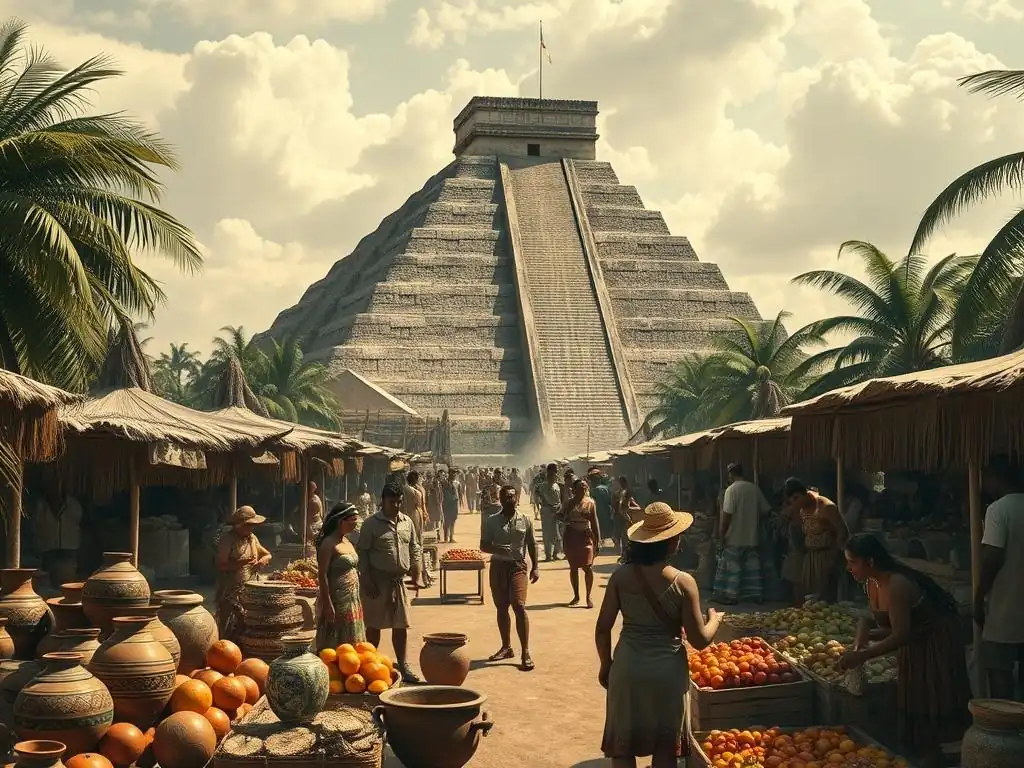
Trade networks played a pivotal role in shaping the political landscape of Mesoamerica. These complex systems of exchange not only facilitated the transfer of goods but also helped forge and maintain political alliances among various indigenous groups. As Mesoamerican civilizations thrived before European colonization, their trade routes became arteries of communication, power, and cultural exchange.
Mesoamerican trade networks were extensive, connecting diverse cultures such as the Maya, Aztec, and Olmec. These networks enabled the movement of a variety of goods, including textiles, ceramics, foodstuffs, and luxury items like jade and cacao. The significance of these networks transcended mere economic transactions, influencing social hierarchies, leadership legitimacy, and diplomatic relations.
Trade as a Tool for Political Alliances
Trade served as a powerful tool for establishing and solidifying political alliances among Mesoamerican societies. By engaging in trade, different groups could create interdependencies that fostered cooperation and mutual benefit. For instance:
- Mutual Benefits: Regions rich in certain resources, like obsidian or cacao, would trade these goods with neighboring territories, creating a web of economic reliance. This interdependence often translated into political alliances, as groups aligned themselves to secure access to essential resources.
- Marriage Alliances: Trade agreements frequently included marriage alliances among elite families. Such unions strengthened bonds between trading partners, enhancing diplomatic relations while also consolidating power.
- Ceremonial Exchanges: Important ceremonies often included the exchange of goods, which were imbued with social significance. These acts reinforced existing alliances and established new ones, as leaders would publicly acknowledge and honor their trading partners.
These practices illustrate how commerce was deeply intertwined with political strategy, emphasizing that trade was not merely an economic activity but a fundamental aspect of governance in Mesoamerica.
Influence of Trade on Power Dynamics Among Mesoamerican Societies
The impact of Mesoamerican trade networks on power dynamics is evident in several key ways:
- Resource Control: Societies that controlled vital trade routes or resources, such as the Aztecs with their extensive networks, often wielded significant political power. The ability to dictate trade terms allowed them to assert dominance over rival groups.
- Economic Disparities: Trade fostered economic disparities among societies. Regions that thrived through trade amassed wealth, which could be used to fund military campaigns, build infrastructures, and enhance political influence. For example, the wealth accumulated by the Aztec Empire enabled them to expand their territory and exert control over neighboring states.
- Cultural Exchange: Trade networks facilitated cultural exchanges that influenced political ideologies and governance structures. The introduction of new goods and ideas could lead to shifts in power, as societies adapted or restructured their political systems in response to external influences.
- Conflict and Competition: While trade fostered alliances, it also incited conflicts among competing groups. Control over trade routes could lead to wars, as rival factions sought to dominate lucrative markets. This competitive nature often resulted in shifting alliances and changing power dynamics.
Overall, the influence of trade on power dynamics among Mesoamerican societies demonstrates the intricate relationship between economics and politics, revealing how trade networks were essential to both cooperation and conflict.
Case Studies of Notable Mesoamerican Trade Alliances
Examining specific case studies of trade alliances provides deeper insights into the significance of trade networks in Mesoamerican political relations:
- The Triple Alliance (Aztec Empire): Formed by the cities of Tenochtitlan, Texcoco, and Tlacopan, this alliance significantly enhanced the political and military power of its members. Through control of trade routes and tribute systems, the Triple Alliance dominated central Mexico, showcasing how trade networks underpinned imperial ambitions.
- Maya Trade Networks: The ancient Maya established intricate trade routes that connected city-states across the Yucatán Peninsula. These routes facilitated not only the exchange of goods but also political alliances among various city-states, such as Tikal and Calakmul. The competition for control over trade routes often led to significant political conflicts and shifts in power.
- Trade in Obsidian: Obsidian was a critical resource for tool-making in Mesoamerica. The control of obsidian mines and trade routes, such as those in the Valley of Oaxaca, became a source of wealth and power for various groups, including the Mixtecs and Zapotecs. The economic power derived from obsidian trade significantly influenced political relations and territorial expansion.
These case studies illustrate how Mesoamerican trade networks were fundamental to the political relationships and power structures of ancient societies, influencing everything from alliances to conflicts and resource management. The enduring impact of these trade networks continues to be a subject of exploration in understanding the complexities of Mesoamerican governance systems.
Economic Impact of Mesoamerican Trade Networks
Contribution to Regional Economies
Mesoamerican trade networks played a pivotal role in the economic landscape of pre-Columbian societies, serving as conduits for the exchange of goods, ideas, and cultural practices. These networks were not merely about the transfer of commodities; they fundamentally shaped the economic structures of various city-states and communities.
- Diverse Goods Exchange: The trade routes facilitated the exchange of a wide variety of goods, including textiles, ceramics, cacao, obsidian, and precious metals. Each region specialized in certain products, leading to economic interdependence. For instance, the Maya were known for their intricate textiles and pottery, while the Aztecs excelled in the production of cacao, which was highly valued as a currency and a drink.
- Market Expansion: The establishment of bustling marketplaces in key cities such as Teotihuacan and Tenochtitlan allowed for the growth of local economies. These markets became centers of commerce, where traders from different regions would converge, leading to a rich tapestry of economic interaction. The presence of goods from diverse regions fostered a vibrant economic environment and encouraged competition, driving innovation.
- Wealth Accumulation and Power Dynamics: Trade networks contributed to the accumulation of wealth among elites, which in turn reinforced their political power. Control over trade routes often meant control over resources and influence over neighboring polities. This dynamic could lead to conflicts as rival groups sought to dominate these vital economic arteries.
Trade Networks and Resource Distribution
The Mesoamerican trade networks were instrumental in the distribution of resources across vast distances, ensuring that various regions could access what they needed for survival and prosperity. This systematic distribution had several key implications:
- Resource Accessibility: Regions that lacked certain natural resources could rely on trade networks to obtain essential goods. For instance, coastal areas traded seafood and salt, which were crucial for inland communities that had limited access to these resources. The flow of goods created a balanced ecosystem of supply and demand.
- Cultural Exchange: Along with goods, trade networks facilitated the exchange of knowledge and cultural practices. Techniques such as agricultural methods or pottery styles often spread through these interactions, enriching local cultures and contributing to a shared Mesoamerican identity.
- Control of Strategic Resources: Certain areas became crucial nodes in trade because they controlled strategic resources. The Valley of Oaxaca, for example, was rich in minerals and resources like jade, which were highly sought after. Those who controlled these resources wielded significant economic and political power.
Effects on Agricultural Practices and Production
The influence of Mesoamerican trade networks extended deeply into agricultural practices and production, transforming the landscape of food production and cultivation methods.
- Crop Diversification: Trade networks promoted the exchange of different crops and agricultural techniques. For example, the introduction of crops such as maize, beans, and squash—staples of the Mesoamerican diet—was facilitated through these networks. This diversification improved food security and resilience against crop failures.
- Irrigation and Agricultural Innovation: Trade interactions encouraged the sharing of agricultural innovations, such as advanced irrigation techniques. Societies like the Maya developed sophisticated water management systems, which were crucial for sustaining agriculture in varying climatic conditions. Such innovations led to increased agricultural productivity, supporting larger populations.
- Impact of Market Demand: The growth of trade networks created demand for certain agricultural products, influencing what crops were cultivated. Regions that could produce sought-after goods, such as cacao or cotton, shifted their agricultural focus to meet market needs, thereby altering traditional farming practices.
The Mesoamerican trade networks had a profound impact on economic systems, resource distribution, and agricultural practices. Their legacy is evident in the way they shaped not only the economic relations of their time but also the cultural and social frameworks that emerged from these interactions. Understanding these dynamics is essential for appreciating the complexity and sophistication of Mesoamerican societies before European contact.
Cultural Exchange Through Trade Networks
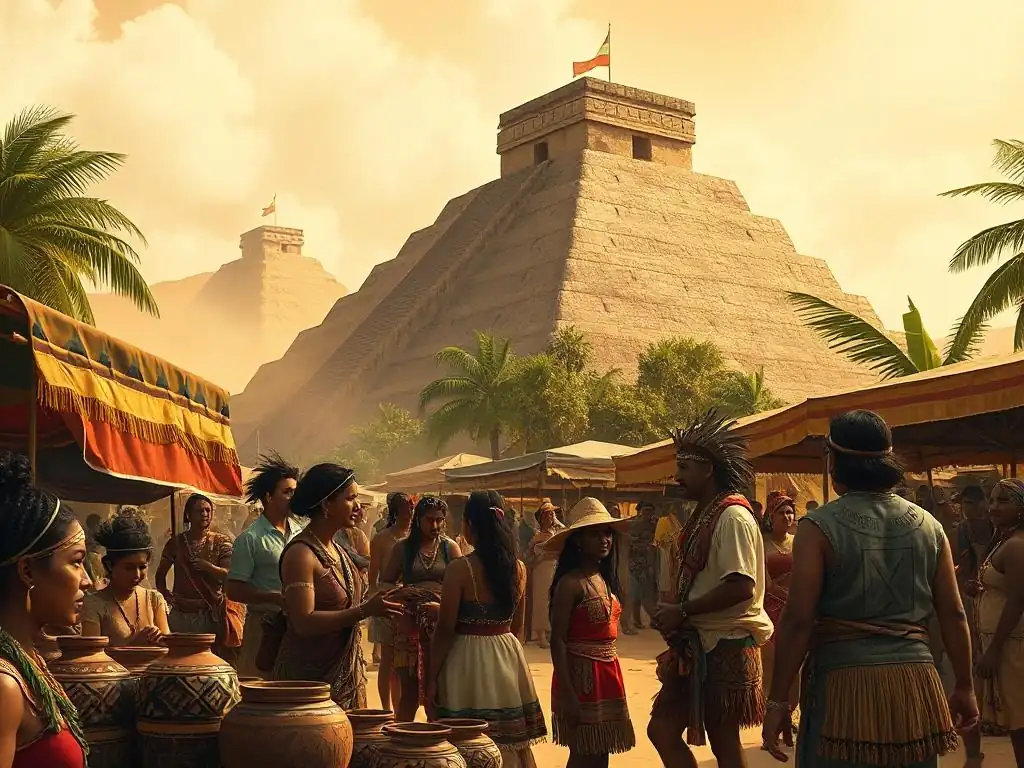
Mesoamerican trade networks were not merely conduits for the exchange of goods; they were vital channels for the dissemination of culture, ideas, and innovations among various societies. These networks facilitated interactions that transcended geographical boundaries, fostering a rich tapestry of cultural exchange that significantly impacted Mesoamerican civilizations.
Spread of Ideas and Innovations
Through extensive trade routes, Mesoamerican cultures shared not only material goods but also a wealth of knowledge and innovations. For instance, the introduction of new agricultural techniques, such as the use of raised fields and irrigation systems, transformed local farming practices. This exchange was crucial for the development of complex societies, allowing them to sustain larger populations.
- Technological Innovations: The movement of goods like obsidian, used for tools and weapons, highlighted the technological advancements shared across regions. The Olmecs, for example, were known for their intricate stone carvings, which influenced later civilizations such as the Maya and Aztecs.
- Astronomical Knowledge: Trade networks also facilitated the sharing of astronomical knowledge, leading to advancements in calendar systems. The Maya, who are renowned for their sophisticated calendars, likely benefited from earlier astronomical observations made by other cultures.
- Medicinal Practices: Various herbal remedies and medicinal practices were exchanged along trade routes, enriching the medical knowledge of different societies. For example, the use of certain plants for healing purposes was disseminated among various tribes, enhancing their understanding of natural medicine.
The impact of these exchanges can be witnessed in the archaeological findings, which showcase a blend of artistic styles and technologies across Mesoamerican cultures.
Influence of Trade on Mesoamerican Art and Religion
Trade networks significantly influenced Mesoamerican art and religious practices, as they facilitated the exchange of artistic materials, styles, and religious symbols.
- Artistic Materials: The availability of diverse materials, such as jade, feathers, and ceramics, allowed artisans to create intricate artworks that reflected both local and external influences. The trade of turquoise and other precious stones led to distinctive adornments that became symbols of status and religious significance.
- Religious Icons: The movement of religious artifacts and symbols through trade contributed to a shared spiritual landscape. Deities and mythologies were often syncretized as different cultures interacted, leading to the emergence of hybrid religious practices. For instance, the feathered serpent deity Quetzalcoatl is believed to have origins in various Mesoamerican cultures, reflecting the interconnectivity fostered by trade.
- Artistic Styles: The influence of trade is evident in the stylistic elements of pottery and sculpture. The use of specific motifs and designs often traveled along trade routes, as communities adopted and adapted these styles to fit their cultural narratives.
The artistic legacy of Mesoamerican civilizations is a testament to the vibrant cultural exchanges that occurred through these trade networks, illustrating how art served as both a medium of expression and a mechanism for cultural integration.
Language and Cultural Interactions Resulting from Trade
The interactions fostered by trade networks extended to linguistic exchanges and cultural interactions, which played a crucial role in shaping Mesoamerican identities.
- Language Borrowing: As traders and travelers interacted, languages influenced one another, leading to the borrowing of words and phrases. This linguistic exchange contributed to the development of pidgin languages, which facilitated communication among diverse groups.
- Cultural Practices: Trade interactions allowed for the sharing of cultural practices, such as festivals, rituals, and culinary traditions. The introduction of new foods like cacao and maize from various regions enriched the diets and culinary practices of Mesoamerican societies, demonstrating the interconnectedness of trade and daily life.
- Social Structures: Trade also impacted social dynamics, as merchant classes emerged and gained prominence within societies. The wealth generated through trade allowed certain families and individuals to gain power, influencing political structures and governance systems.
The linguistic and cultural exchanges stemming from trade networks underscore the profound impact of trade on Mesoamerican societies, illustrating how commerce was intertwined with identity formation and cultural evolution.
The examination of Mesoamerican trade networks reveals their multifaceted impact on cultural exchange, innovation, artistic expression, and social dynamics. The legacy of these interactions continues to inform our understanding of pre-Columbian civilizations and their intricate relationships.
Challenges Faced by Mesoamerican Trade Networks
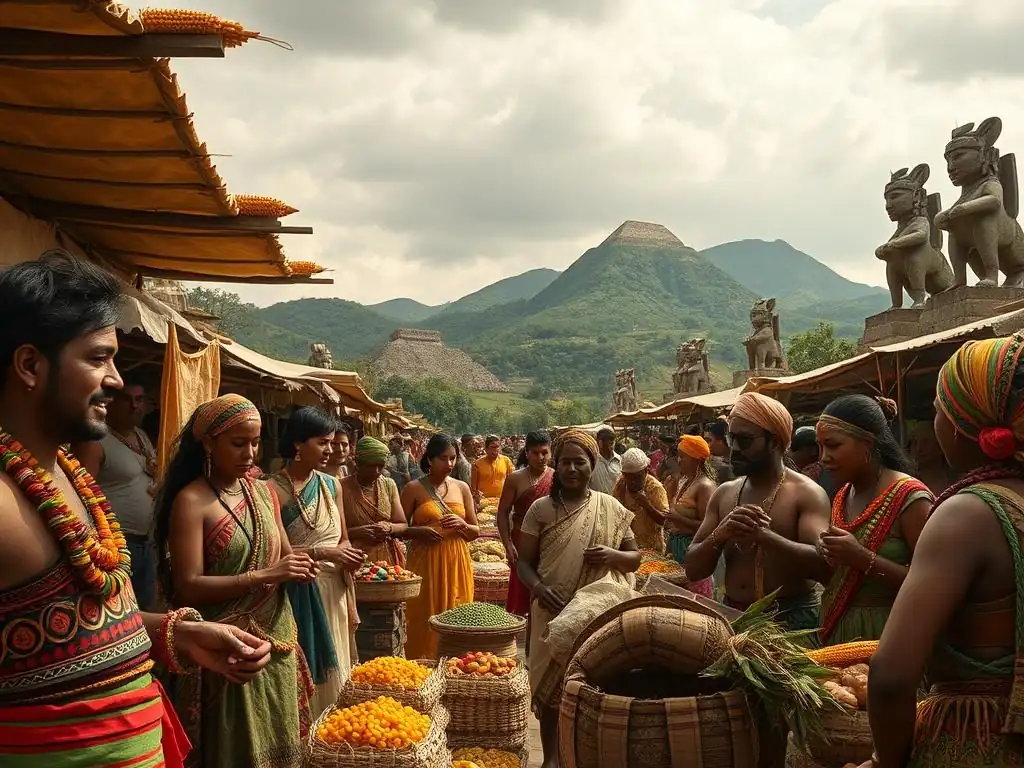
Mesoamerican trade networks were pivotal in shaping the political and social landscapes of the region prior to European colonization. However, these networks faced numerous challenges that affected their efficiency and stability. Understanding these challenges is essential to grasp the overall impact of Mesoamerican trade networks on societal interactions and governance systems.
Geographic and Environmental Barriers
Mesoamerica's diverse geography posed significant challenges to trade networks. The region is characterized by varied topographies, including mountains, deserts, and tropical forests, which influenced trade routes and accessibility. The following factors illustrate how geography impacted trade:
- Mountainous Terrain: The Sierra Madre mountain ranges created natural barriers that complicated overland trade routes. In many cases, these terrains necessitated longer, more arduous journeys, which could delay the transportation of goods and lead to increased costs.
- Climate Variability: Different regions within Mesoamerica experienced varying climatic conditions. For instance, arid areas faced difficulties in agricultural production, limiting the availability of surplus goods for trade. This inconsistency affected the reliability of trade partners and the overall stability of trade networks.
- River Systems: While river systems, such as the Grijalva and Usumacinta, facilitated trade, they also posed risks. Seasonal flooding or drought could disrupt navigation and transport, further complicating trade dynamics.
These geographic and environmental barriers contributed to the complexity and volatility of Mesoamerican trade networks, often requiring adaptive strategies and resilience from the societies involved.
Political Conflicts and Trade Disruptions
Political dynamics played a crucial role in the functionality of trade networks. Various conflicts and rivalries among Mesoamerican states significantly disrupted trade flows. Key factors include:
- Territorial Disputes: Conflicts over land and resources often led to wars between city-states, such as those between the Aztecs and their neighbors. These hostilities could result in the closure of trade routes and the confiscation of goods.
- Control of Trade Goods: Specific goods, such as cacao and textiles, held immense value and were often the focal points of political power. Control over these commodities could lead to monopolistic practices, skewing trade relationships and creating tensions among different groups.
- Diplomatic Alliances and Rivalries: The formation of alliances among city-states could enhance trade opportunities, but rivalries posed risks. For instance, an ally's conflict could inadvertently draw other trade partners into hostilities, resulting in widespread disruptions.
The interconnected nature of trade and politics in Mesoamerica illustrates how governance systems were intricately tied to the flow of goods and resources, highlighting the significant impact of political conflicts on trade networks.
Impact of European Colonization on Trade Networks
The arrival of Europeans in the Americas brought profound changes to Mesoamerican trade networks. The following aspects underscore the impact of colonization:
- Disruption of Existing Networks: European colonizers often viewed indigenous trade routes as obstacles to their expansion. As a result, many traditional networks were dismantled, and the flow of goods was redirected to benefit the colonial economy.
- Introduction of New Goods and Markets: European colonization introduced new commodities, such as horses, cattle, and various agricultural products. While this created opportunities for new trade relationships, it also altered traditional practices and had long-term effects on indigenous economies.
- Exploitation of Resources: Colonizers often exploited indigenous resources, leading to significant changes in local economies. The focus shifted from traditional trade partnerships to colonial resource extraction, undermining the sustainability of indigenous trade networks.
European colonization had a transformative impact on Mesoamerican trade networks, reshaping not only the economic landscape but also the political relationships among indigenous societies. Understanding these challenges provides valuable insights into the dynamics of Mesoamerican trade networks and their enduring legacy.
Conclusion: Lasting Legacy of Mesoamerican Trade Networks
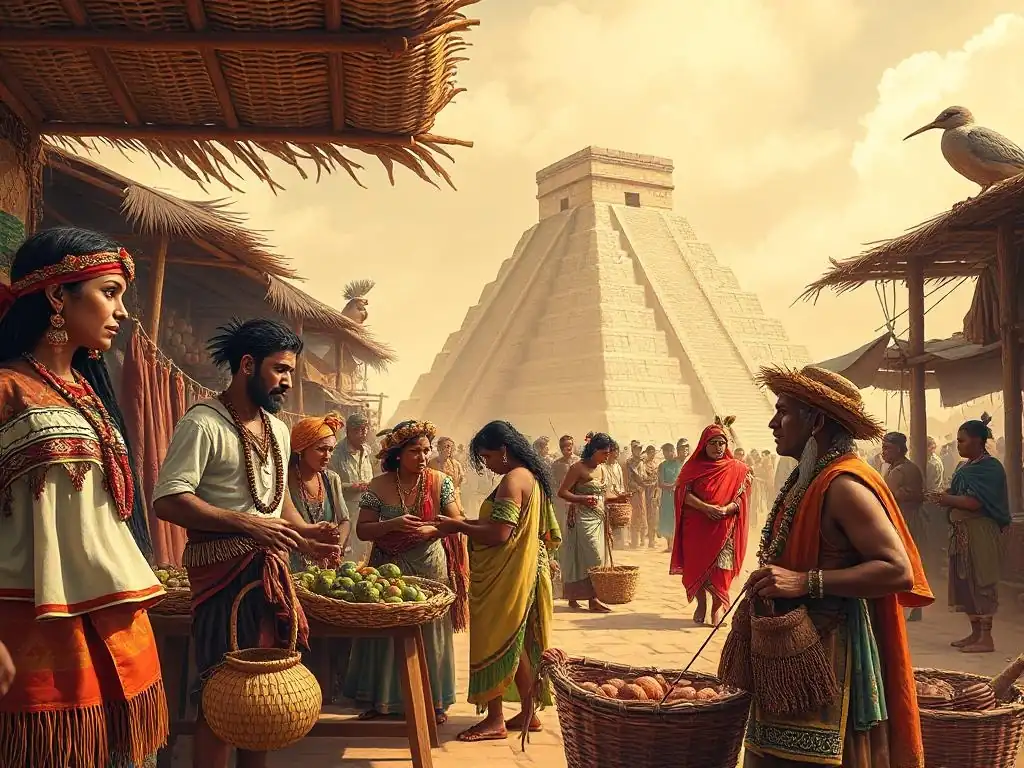
Mesoamerican trade networks were not merely conduits for the exchange of goods; they served as vital arteries that facilitated political relations, cultural exchanges, and economic strategies among indigenous civilizations. By connecting various regions, these networks enabled the sharing of resources, ideas, and technologies, significantly shaping the sociopolitical landscape of the time.
Summary of Mesoamerican Trade Networks Impact on Political Relations
The impact of Mesoamerican trade networks on political relations can be observed through various dimensions:
- Economic Interdependence: Trade created a web of economic ties among city-states, leading to interdependence that often influenced political alliances and rivalries. For example, the trade routes connecting the Aztec Empire with neighboring regions allowed for the flow of precious goods like cacao and obsidian, which were critical for both economy and status.
- Diplomatic Relations: Trade networks often served as a platform for diplomacy. City-states would establish trade agreements, which could lead to political alliances. For instance, the establishment of trade routes between the Maya and the Aztecs not only facilitated the exchange of goods but also opened channels for diplomatic engagement and conflict resolution.
- Cultural Exchange: Trade did not only involve physical goods; it also allowed for the exchange of cultural practices, ideologies, and technologies. This cultural diffusion often fostered a sense of shared identity among diverse groups, enhancing political cohesion. The spread of agricultural techniques and religious practices through trade networks exemplifies this exchange, showcasing how trade could unify disparate groups under common cultural frameworks.
- Military Alliances: Control over trade routes often necessitated military strength, leading to the formation of alliances for protection and mutual benefit. The strategic importance of certain trade hubs could determine the rise and fall of political entities, as seen in the case of the powerful trading city of Tenochtitlan, which leveraged its trade dominance to exert influence over surrounding regions.
Mesoamerican trade networks were instrumental in shaping the political relations among indigenous civilizations, creating a dynamic interplay between economic interests and political strategies.
Reflection on the Importance of Trade Networks in Indigenous Civilizations
The significance of trade networks in indigenous civilizations extends beyond mere commerce; they were foundational to the very fabric of Mesoamerican society. Several key reflections illustrate this importance:
- Connectivity and Unity: Trade networks fostered connectivity between different cultures and regions, promoting unity and collaboration among diverse groups. This interconnectedness was essential for sharing innovations, which propelled societal advancements.
- Social Hierarchies: The control and access to trade routes often contributed to the formation of social hierarchies. Elite classes emerged in response to trade wealth, influencing governance and societal structures. The stratification of society based on trade access reflects the complex social dynamics at play.
- Cultural Identity: Trade facilitated the exchange of not only goods but also cultural identities. The blending of traditions, languages, and religions through trade interactions enriched the cultural tapestry of Mesoamerica and contributed to a shared sense of belonging among various indigenous groups.
- Resilience and Adaptation: The ability to adapt trade networks in response to changing political landscapes demonstrated the resilience of Mesoamerican civilizations. When faced with challenges, such as resource scarcity or external threats, these societies often restructured their trade practices to ensure survival and continuity.
The impact of Mesoamerican trade networks on political relations and their broader significance in indigenous civilizations reveal a rich tapestry of interactions that shaped the historical narrative of the Americas. Understanding these networks offers valuable insights into the governance systems and cultural dynamics of pre-colonial societies, highlighting their enduring legacy in shaping human history.
Further Reading and Resources on Mesoamerican Trade Networks
Recommended Books and Articles
Mesoamerican trade networks played a critical role in shaping the political relations among indigenous civilizations. For readers interested in delving deeper into this fascinating subject, the following books and articles provide valuable insights and analyses:
- "The Mesoamerican World System: An Overview" by David Carrasco
- This book offers a comprehensive overview of the interconnected trade networks in Mesoamerica and their influence on cultural exchange and political dynamics.
- "Trade and Exchange in the Mesoamerican World" edited by Matthew C. McCaffery
- A collection of essays that examine various aspects of trade, including the economic systems, societal implications, and the role of trade in state formation.
- "Mesoamerican Trade Networks and Political Relations" by Susan Toby Evans
- This article discusses the impact of trade routes on political alliances and conflicts among Mesoamerican societies, providing specific case studies and archaeological evidence.
- "The Role of Markets in Mesoamerican Society" by Linda E. Hurst
- A detailed exploration of market systems in Mesoamerica, highlighting how trade facilitated social interaction and governance.
- "Mesoamerican Trade and Its Implications for Political Relations" by Timothy P. McCaffrey
- This scholarly article analyzes the economic strategies employed by various Mesoamerican civilizations and their effects on inter-state relations.
Online Resources for In-depth Exploration
For those seeking more interactive and multimedia resources, the following online platforms offer a wealth of information on Mesoamerican trade networks:
- Digital Archaeological Record (tDAR): This platform hosts many archaeological reports and research papers focusing on trade networks and their implications in Mesoamerican cultures. It is an excellent resource for academics and enthusiasts alike.
- The Mesoamerican Research Center: An online repository of articles, papers, and data sets that delve into various aspects of Mesoamerican societies, including trade practices and their political significance.
- National Museum of the American Indian: This site provides access to numerous resources, including virtual exhibits and educational materials, showcasing the rich histories of Mesoamerican civilizations and their trade networks.
- The Society for American Archaeology (SAA): The SAA's website features a collection of research papers and articles focusing on the archaeological study of trade routes in Mesoamerica, offering insights into their societal impacts.
- YouTube Channels on Mesoamerican History: Various educational channels provide documentaries and lectures on Mesoamerican trade networks, featuring expert interviews and visual reconstructions of ancient trade practices.
By exploring these resources, readers can gain a deeper understanding of the intricate web of Mesoamerican trade networks and their profound impact on political relations, governance, and cultural exchange among indigenous civilizations.
Frequently Asked Questions
What were the main features of Mesoamerican trade networks?
Mesoamerican trade networks were complex systems that facilitated the exchange of goods, ideas, and culture among various indigenous civilizations, such as the Maya and Aztec, enhancing their political relations.
How did trade networks influence political relations in Mesoamerica?
Trade networks significantly impacted political relations by fostering alliances and enabling diplomatic negotiations, as communities relied on each other for essential resources and goods.
What were some key goods traded in Mesoamerican networks?
Key goods included cacao, obsidian, textiles, and ceramics. These items were not only valuable in daily life but also served as symbols of status and power among the elite.
How did the geography of Mesoamerica shape its trade networks?
The diverse geography of Mesoamerica, with its mountains, rivers, and coastlines, created natural trade routes and influenced the development of regional trade hubs, enhancing economic interdependence.
What lasting impacts did Mesoamerican trade networks have?
Mesoamerican trade networks laid the groundwork for future economic systems in the region and contributed to the cultural exchange that shaped the identity of various indigenous groups long after European contact.
Final Reflection: The Enduring Legacy of Mesoamerican Trade Networks
The significance of Mesoamerican trade networks extends far beyond their historical context; they are a testament to the intricate web of political relations that shaped civilizations. Today, as we navigate a globalized world, the lessons learned from these ancient networks remind us of the importance of collaboration and interdependence among nations. The impact of Mesoamerican trade networks is not merely a relic of the past; it is a guiding principle for contemporary diplomacy and economic strategies.
The influence of these trade networks on cultural exchange and political alliances continues to resonate in our modern society. The interconnectedness fostered by Mesoamerican trade laid the groundwork for mutual understanding and cooperation among diverse cultures. As historian Matthew Restall aptly stated, "> The trade routes of Mesoamerica were not just conduits for goods, but pathways for ideas, cultures, and relationships." This observation highlights the ongoing relevance of trade networks in fostering unity and collaboration, even in today's fragmented world.
As we reflect on the lessons of Mesoamerican trade networks, let us consider how we can apply these insights to our lives and communities. I invite you to explore the ways in which you can build connections, foster collaboration, and embrace diversity in your own networks. By recognizing the value of interdependence and the strength found in unity, we can create a more harmonious and prosperous future, echoing the legacy of those ancient civilizations that thrived through trade and cooperation.
Unveil the Power of Trade: Shape Connections Today!
Thank you for diving into the fascinating world of Mesoamerican trade networks! Your interest in the intricate political relationships rooted in these connections showcases the rich tapestry of indigenous history. Now, let’s harness that knowledge and take a step further to make a meaningful impact.
Here are some exciting actions you can take right now:
- Explore local indigenous markets: Support local artisans and gain a deeper understanding of trade practices within your community.
- Share your insights: Engage in discussions about the significance of trade in Mesoamerican cultures with friends or through social media to raise awareness.
- Join or start a community group: Focus on exploring indigenous histories or trade systems in your area to foster deeper conversations and connections.
How do you believe that understanding historical trade networks can influence our modern economic and cultural exchanges?